In 2026, Slim Profile Aluminium Sliding Doors are shaping cleaner, brighter interiors and more connected outdoor spaces. Their narrow frames can enlarge views without making a room feel crowded. However, slim does not automatically mean better. Frame strength, glass performance, drainage, hardware quality, and installation accuracy still determine long-term results.
This guide examines the leading types, including minimal-frame, thermally broken, lift-and-slide, multi-panel, pocket, and corner-opening systems. Each option creates a different experience. A two-panel door may suit a compact terrace, while a six-panel system can open an entire living wall. On site, small details matter. Rollers should move smoothly. Locks should engage without forcing. Water should drain away from the threshold after heavy rain. These practical checks reveal more than attractive showroom photographs.
The discussion draws on common observations from residential projects, installer feedback, and manufacturer specifications. It also considers energy efficiency, acoustic comfort, security hardware, glass selection, maintenance, and threshold design. Performance claims should be checked against tested data, not sales language alone. Local building requirements and professional installation remain essential.
There is no universal winner.
A very narrow frame may reduce visible aluminium, yet it can limit glass size or increase hardware demands. Large panels look impressive, but they need careful handling and stronger structural support. Some systems perform well in mild climates but require improved thermal breaks in colder regions. This comparison aims to make those compromises visible, helping homeowners, designers, and builders choose a door that feels refined and remains dependable after the novelty fades.
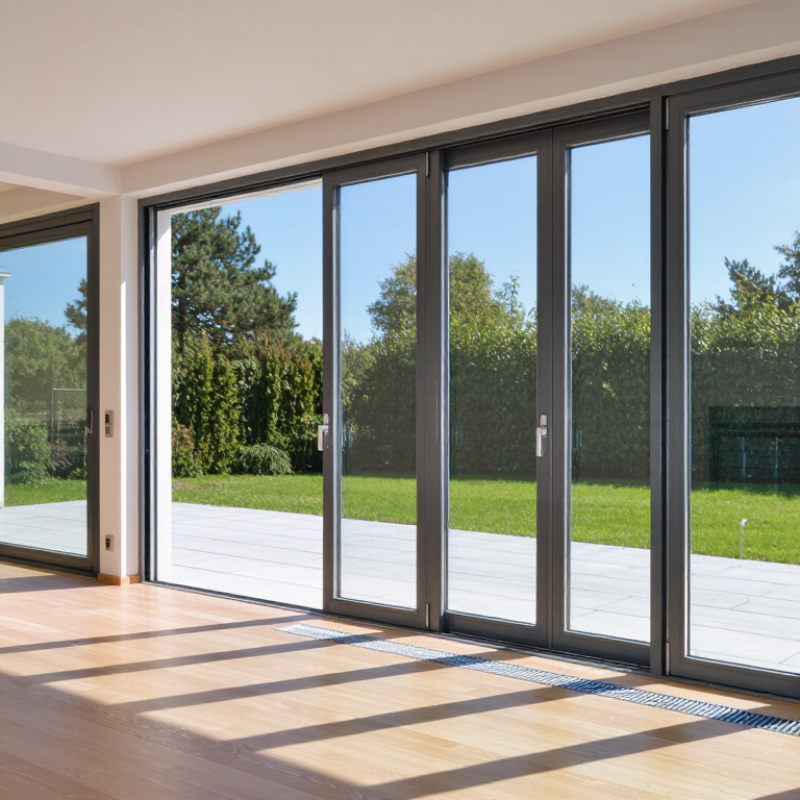
Slim Profile Aluminium Sliding Door Basics and Defining Features
Slim Profile Aluminium Sliding Door Basics and Defining Features
Slim profile aluminium sliding doors use narrow stiles and rails to enlarge the visible glass area. Their clean geometry suits apartments, terraces, and modern renovations. However, a thinner frame is not automatically stronger or more efficient. Frame depth, glass weight, drainage, and roller design still determine daily performance.
Thermal separation is a defining feature. A polyamide barrier reduces direct heat transfer through the aluminium frame. This matters because the U.S. Department of Energy reports that windows can cause 25–30% of residential heating and cooling energy use. Low-emissivity double glazing can further improve comfort, while the correct solar heat gain coefficient depends on local sunlight. Small details matter.
Good systems should include adjustable rollers, compression seals, and tested water drainage. The 2024 UNEP Global Status Report for Buildings and Construction states that buildings consume about 32% of global energy. Better doors cannot solve that problem alone, but they can reduce leakage around large openings. Air infiltration is often overlooked. So is installation quality. A perfectly engineered door may perform poorly if the sill lacks support or the wall opening is uneven. Slim profiles also leave less room for hardware, so heavy glass can expose weak rollers quickly. Careful testing and regular maintenance remain essential.
2026 Top Types of Slim Profile Aluminium Sliding Doors
Slim Profile Aluminium Sliding Door Basics and Defining Features
Slim profile aluminium sliding doors use narrow frame sightlines to increase the visible glass area while maintaining structural support. Common configurations include two-panel, three-panel, four-panel, corner-opening and pocket systems.
The chart shows representative residential planning widths based on common panel modules of approximately 900–1,200 mm. Actual dimensions depend on the selected profile, glazing weight, wind-load requirements, hardware and local building regulations.
Key Types of Slim Profile Aluminium Sliding Doors in 2026
Key Types of Slim Profile Aluminium Sliding Doors in 2026
Slim profile aluminium sliding doors now come in several practical configurations. Two-panel inline doors suit compact rooms and narrow terraces. Three-panel and four-panel systems create wider openings, but they need stronger tracks and careful structural support. Pocket sliding doors disappear into the wall, giving a clean transition between indoor and outdoor areas. Lift-and-slide doors handle larger glass panels with less operating effort. Corner systems can open two elevations, although their installation requires precise building movement control.
The International Energy Agency’s Buildings 2024 report states that buildings use about 30% of global final energy. This makes thermal performance more important than appearance alone. In 2026, buyers should check thermally broken frames, low-emissivity glass, drainage design, and tested air and water resistance. Performance values should come from documented tests, not showroom claims. That difference matters.
Tips: Match the door type to the opening width, wind exposure, and daily use. Ask for the tested Uw value and glass specification. A very slim frame may reduce visible aluminium, but it can also limit panel size or hardware strength. This is where design expectations sometimes need reconsideration. Professional site measurements remain essential, especially for pocket and corner systems. Industry guidance under EN 14351-1 and regional fenestration standards can help verify the final specification.
Frame Systems, Glass Options, and Opening Configurations
2026 Top Types of Slim Profile Aluminium Sliding Doors
Frame Systems, Glass Options, and Opening Configurations
By 2026, Slim profile aluminium sliding doors will be judged beyond narrow sightlines. The frame system controls strength, drainage, thermal continuity, and installation tolerance. Thermally broken profiles use an insulating polyamide barrier between interior and exterior aluminium. That detail matters near cold floors and sunlit glass. According to the International Energy Agency’s Buildings 2023 report, buildings consumed about 30% of global final energy in 2022. Poor detailing can waste the advantage. Thin is not automatically efficient.
Glass selection should follow orientation, climate, and room use. Double glazing suits many homes, while triple glazing can improve insulation in colder zones. The U.S. Department of Energy reports that low-emissivity coatings can reduce window energy loss by 30–50%. Solar-control coatings help west-facing rooms, but excessive tint may reduce winter warmth and daylight. Use whole-window U-factor and solar heat gain coefficient values, not glass-center claims. That mistake is common. Acoustic laminated glass adds comfort beside busy roads.
Opening configurations change daily usability. Two-panel sliders provide a clean, economical arrangement. Three-panel systems create wider openings, although moving sashes require more track length. Pocket systems disappear into wall cavities, but waterproofing and future access become less forgiving. Lift-and-slide hardware supports heavier insulated glass with less effort. Still, rollers, seals, and drainage deserve equal attention. Independent fenestration certification evaluates complete assemblies, including frames and spacers. On real projects, a beautiful frame can disappoint when the sill is uneven. Review drainage paths, thermal breaks, glass weight, and service access before approving drawings.
Performance Factors: Energy Efficiency, Security, and Durability
2026 Top Types of Slim Profile Aluminium Sliding Doors
Slim profile aluminium sliding doors look minimal, but their performance depends on hidden details. A narrow frame does not automatically provide better insulation. Thermal breaks, low-emissivity glazing, and correctly fitted seals reduce heat transfer around the opening. Double glazing suits many homes, while triple glazing may help in colder climates. The glass weight must match the frame and rollers.
Energy ratings should come from tested data, not attractive product images. Check the whole-door U-value, air leakage results, and solar heat gain information. A professional installer should measure the opening carefully. Even a small installation gap can create a cold draught. This is easy to overlook.
Security requires more than a strong aluminium frame. Multi-point locks, laminated safety glass, anti-lift devices, and reinforced meeting stiles make forced entry harder. Lockable handles should operate smoothly without excessive movement. I have seen impressive doors fail because the rollers were poorly adjusted. That detail matters. Durability also depends on drainage channels, powder-coated surfaces, stainless components, and weather-resistant gaskets. Coastal air can accelerate corrosion, so maintenance deserves attention. Clean the tracks regularly and inspect seals after harsh seasons. No sliding door is maintenance-free, despite what some specifications imply. Performance can decline quietly when dirt gathers under the rollers.
Selection Criteria for Different Architectural and Living Spaces
2026 Top Types of Slim Profile Aluminium Sliding Doors: Selection Criteria for Different Architectural and Living Spaces
Slim aluminium sliding doors should be selected by space, climate, and daily use, not appearance alone. The 2023 Global Status Report for Buildings and Construction states that buildings consume about 30% of global final energy. Therefore, thermal performance deserves equal attention to frame width. For living rooms, choose thermally broken profiles, low-emissivity glazing, and properly sealed tracks. The U.S. Department of Energy reports that windows can cause 25–30% of residential heating and cooling energy use. A wider glass panel may improve daylight, but it can also increase heat gain.
For coastal homes, specify corrosion-resistant finishes, drainage channels, and stainless-steel hardware. Salt air is unforgiving. In high-rise apartments, prioritize tested air leakage, water resistance, wind-load performance, and acoustic glazing. A beautiful door that whistles during storms is a poor choice. For bedrooms and studies, laminated glass can reduce outside noise and improve safety. For compact kitchens or balconies, two-panel systems often provide easier operation and less track maintenance. However, very large panels require stronger rollers and more careful installation.
Architects should compare declared U-values, solar heat gain coefficients, and laboratory test results under recognized standards. Site measurements matter too. Uneven floors can make a slim door difficult to move, even with premium hardware. The National Fenestration Rating Council emphasizes certified performance ratings rather than visual claims. That distinction is easy to overlook. A narrow frame is not automatically efficient, and a lower quoted price may hide weaker seals, limited drainage, or future adjustment costs.
FAQS
Two-panel doors suit compact rooms and narrow terraces. Three-panel and four-panel systems create wider openings. Pocket doors disappear into wall cavities. Lift-and-slide doors handle heavier glass more easily. Corner systems open two connected elevations.
A two-panel inline door usually fits best. It needs less track length and wall space. Measure carefully. A narrow terrace can quickly feel crowded by large moving panels.
No. A slim frame reduces visible aluminium, but it may limit glass size or hardware strength. Thermal breaks, glass performance, drainage, and installation quality matter more than appearance alone.
Double glazing suits many homes. Triple glazing may help in colder climates. Low-emissivity coatings reduce heat loss. Solar-control coatings can limit afternoon heat, especially on west-facing rooms. Excessive tint may reduce daylight and winter warmth.
Ask for the tested whole-window U-factor and solar heat gain coefficient. Also request air and water resistance results. Glass-center figures can mislead. Documented testing is safer than showroom promises.
It suits large insulated glass panels that would feel heavy on ordinary rollers. The mechanism reduces operating effort. However, rollers, seals, tracks, and drainage still need regular attention.
Pocket doors provide a clean indoor-outdoor transition. Yet wall cavities need careful waterproofing and accurate alignment. Future repairs can become difficult. Leave practical service access, even when hidden details look attractive.
Corner systems open two elevations and create a broad visual connection. Building movement must be controlled precisely. Uneven structure can affect seals, drainage, and panel alignment. The effect is impressive, but perfection is not automatic.
Match the configuration to opening width, wind exposure, climate, and daily use. Check glass weight and track capacity. Inspect sill drainage paths. Professional site measurements remain essential. Sometimes, the original design needs reconsideration.
Conclusion
This guide explores the defining features and practical advantages of Slim Profile Aluminium Sliding Doors in 2026. Designed with narrow frames and expansive glass panels, these doors maximize natural light, outdoor views, and usable space while creating a clean, contemporary appearance. It explains the main door types, including two-panel, multi-panel, pocket, corner-opening, and lift-and-slide configurations, helping readers understand how each system suits different layouts and ventilation needs.
The article also examines frame construction, glass options, thermal performance, weather resistance, security features, and long-term durability. It discusses how glazing, insulation, drainage, hardware, and opening mechanisms influence comfort and energy efficiency. Finally, the guide offers practical selection advice for homes, apartments, offices, patios, balconies, and large architectural openings, emphasizing the importance of dimensions, climate, maintenance requirements, accessibility, and the desired balance between aesthetics, performance, and budget.

 Aoli Aluminum