 Aoli Aluminum
Industrial Whitepaper: The Evolution of Solar Panel Mounting Systems & Manufacturing Standards
The global transition toward clean energy has converted structural photovoltaic (PV) racking systems from basic support elements into highly engineered structural assemblies. A robust solar mounting infrastructure must survive decades of severe outdoor weather conditions, including extreme wind loads, seismic events, and atmospheric chemical exposure. As professional solar panel mounting bracket manufacturers, we understand that structural integrity, ease of onsite installation, and durability under various environments are critical for optimizing Levelized Cost of Energy (LCOE).
1. Solar Bracket Industry Macro Trends & Technological Advancements
Modern solar mounting systems are moving rapidly toward modularization, intelligent structural layouts, and optimized material chemistry. The mainstream industry is focusing heavily on two key sectors:
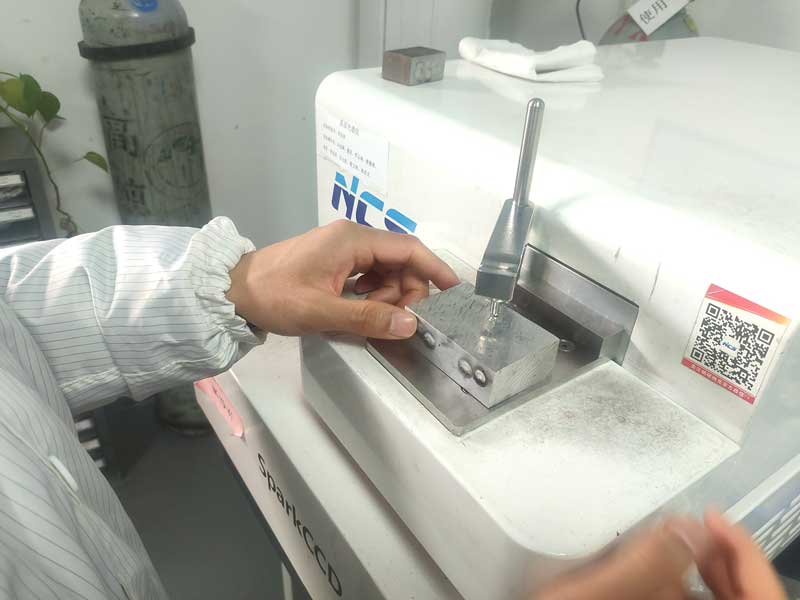
- Material Chemistry Adaptability: Transitioning from heavy hot-dip galvanized steel to high-tensile AL6005-T5 and AL6063-T6 aluminum alloys. These alloys provide equivalent load-bearing capacities with significantly lower self-weight, reducing structural building loads on commercial roofs.
- Tracker & Bifacial Integration: Modern utility-scale mounting frameworks must accommodate bifacial PV panels without causing rear shading. This requires narrower structural cross-sections and specialized clamping technology to maximize light absorption.
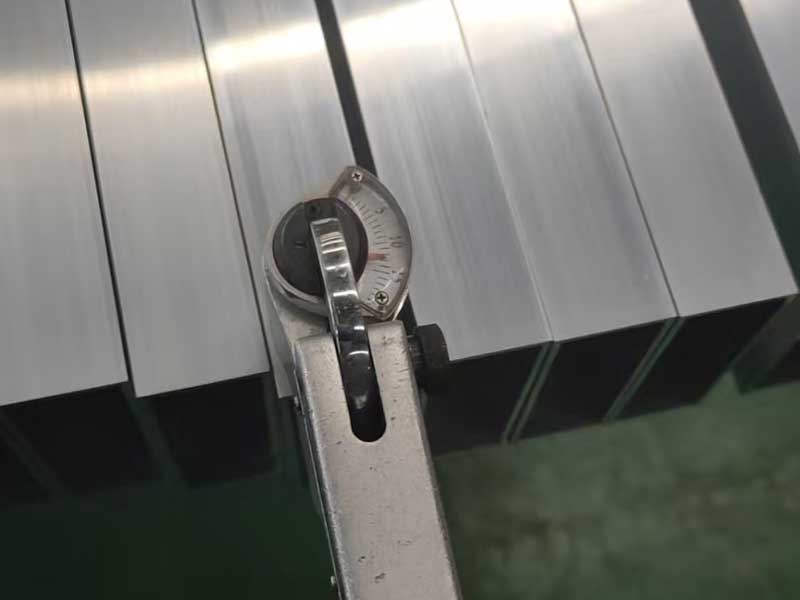
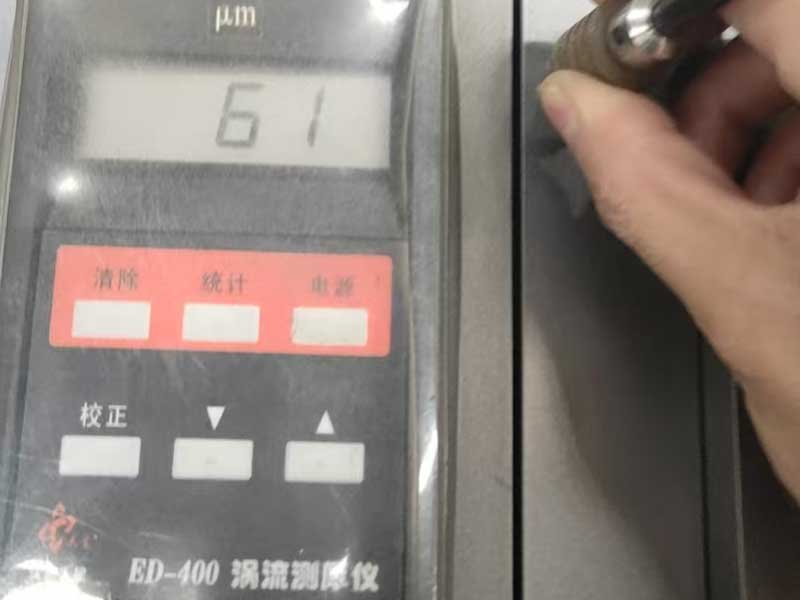
- Anti-Corrosion Surface Engineering: Deploying anodization film thicknesses exceeding Class 15 (15µm+) or implementing specialized zinc-aluminum-magnesium coatings to guarantee a 25-year service life in coastal and highly humid regions.
"Structural failures due to sub-standard racking account for a significant percentage of solar plant insurance claims globally. Investing in verified structural engineering ensures project continuity and asset security."
2. Global Procurement Dynamics & Strategic Supply Chains
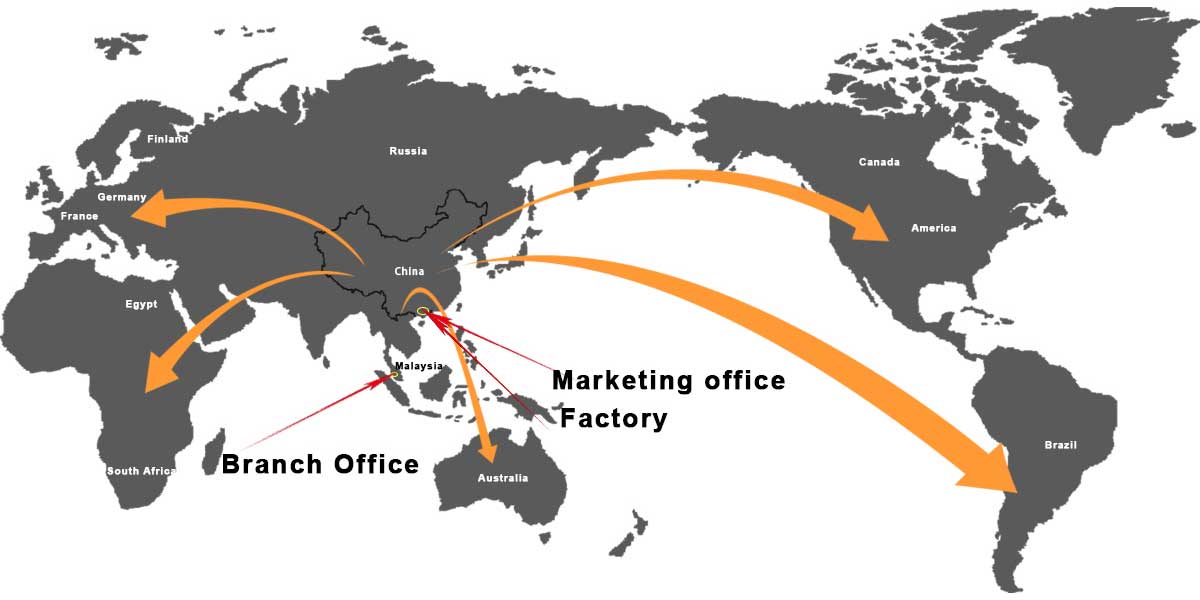
Global EPC contractors and developers face changing standards when buying solar racking structures. Procurement strategies require partners that balance fast lead times with structural certification:
- Direct-to-Factory Value: Eliminating trading intermediaries to source directly from primary extruders offers cost benefits and allows for precise customization of structural brackets.
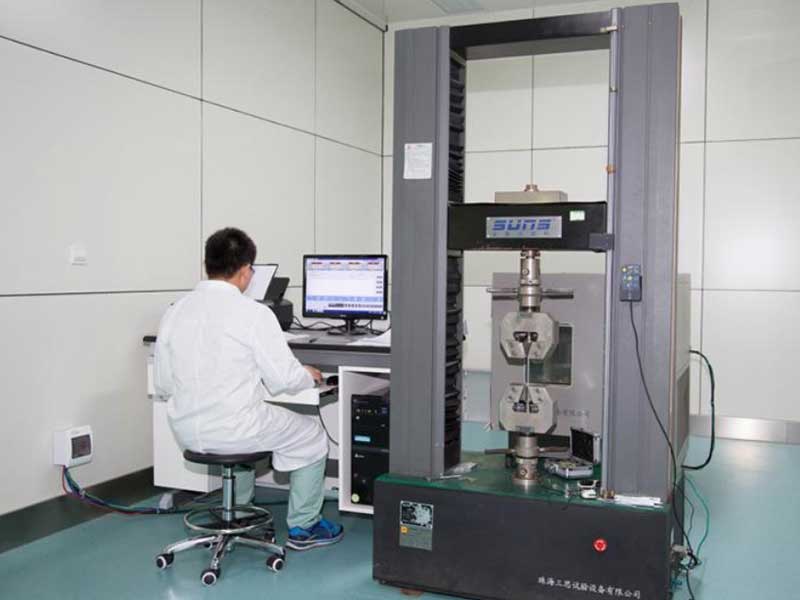
- Wind and Structural Load Calculations: Manufacturers must provide structural validation compliant with regional standards, such as AS/NZS 1170 in Australia, ASCE 7-16 in North America, and Eurocode 9 in Europe.
- Tooling and Custom Molds: The ability to modify extrusion dies rapidly allows designers to create custom non-penetrating clamps for specific metal roof profiles, minimizing structural risks.