Why Choose Extrusion Aluminum Profiles for Your Business Needs?

Time:2026-08-26 Author:Henry
0%

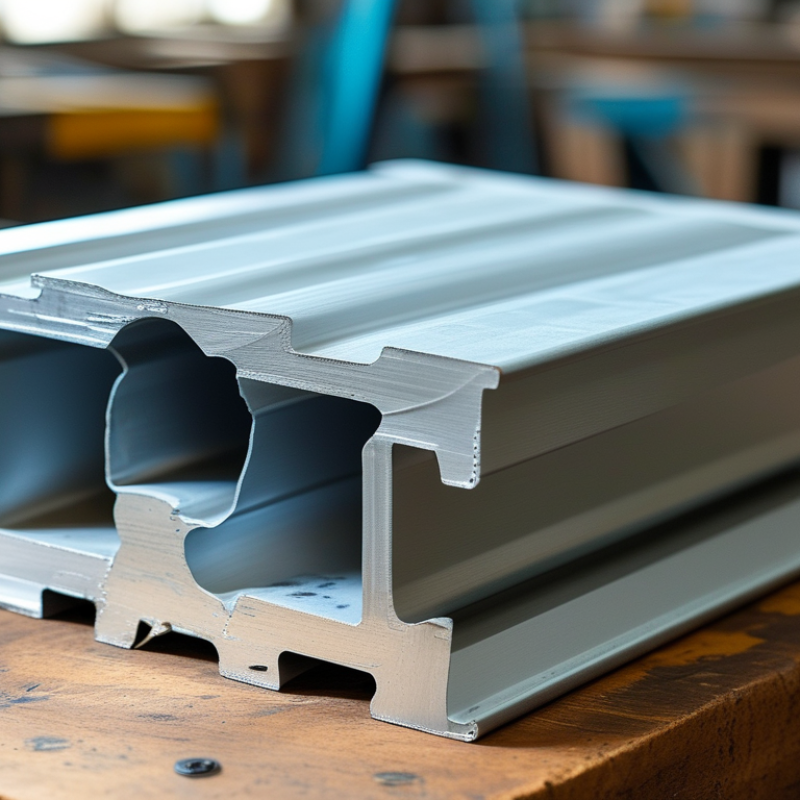
In today's competitive market, the importance of choosing the right materials cannot be overstated. Extrusion Aluminum Profiles have emerged as a preferred choice for many businesses. These profiles offer unique benefits in terms of versatility, strength, and adaptability. Industry expert James Harrington once said, "Extrusion Aluminum Profiles are the backbone of modern manufacturing." His statement reflects the critical role these components play in various applications.

Extrusion Aluminum Profiles provide lightweight yet robust solutions, making them suitable for diverse industries. They can be easily customized to meet specific project requirements. Many businesses have begun to realize that the use of these profiles can lead to increased efficiency and cost savings. However, some still question their long-term reliability.

The decision to utilize Extrusion Aluminum Profiles should not be taken lightly. While they deliver numerous advantages, businesses must consider their specific needs. Understanding the strengths and potential challenges of these profiles can help in making informed choices. As industries evolve, so do the demands for innovative solutions, and extrusion aluminum profiles stand at the forefront of this transformation.
Why Choose Extrusion Aluminum Profiles for Your Business Needs?

Benefits of Extrusion Aluminum Profiles for Various Industries

Extrusion aluminum profiles have become popular due to their adaptability across various industries. They offer a unique combination of strength and lightweight properties. This versatility allows businesses to use them in manufacturing, construction, and automotive sectors. They can be easily customized. Complex shapes can be created to fit specific needs. This flexibility is a strong selling point.

In construction, extrusion aluminum profiles provide durability. They resist corrosion, which is important for outdoor applications. Additionally, they can be surface-treated for aesthetic purposes. The ability to produce long lengths without welds enhances structural integrity. This not only saves time but also reduces production costs.

Automotive industries benefit from weight reduction. Lighter parts improve fuel efficiency. Designers can create intricate profiles that optimize airflow. However, not all businesses utilize these benefits fully. Some may overlook the long-term savings. Embracing extrusion aluminum profiles requires a shift in thinking. The upfront investment might seem daunting. Yet, the advantages in efficiency and sustainability are undeniable.

Why Choose Extrusion Aluminum Profiles for Your Business Needs?

This bar chart illustrates the growth in demand for extrusion aluminum profiles across various industries. As shown, the electronics sector shows the highest growth at 30%, followed by the automotive industry. The construction, aerospace, and furniture sectors also reflect significant interest, highlighting the versatility and importance of aluminum profiles in modern manufacturing.

Understanding the Manufacturing Process of Aluminum Extrusion

Aluminum extrusion is a fascinating manufacturing process with numerous benefits for businesses. It involves pushing heated aluminum through a shaped die to create a continuous profile. This process allows manufacturers to produce complex shapes with high precision. By using this technique, companies can meet specific design requirements efficiently.

The versatility of aluminum extrusion is remarkable. Manufacturers can tailor profiles to various sizes and applications. Different alloys can also be used, enhancing the material's properties, such as strength and corrosion resistance. This adaptability makes aluminum extrusion an attractive option for industries like automotive, construction, and electronics. However, the initial setup costs for extrusion dies can be a challenge for smaller businesses.

In addition to production benefits, aluminum profiles are lightweight yet strong. This combination reduces shipping costs and energy consumption during transportation. But, achieving high-quality results depends on the expertise of the workforce. Misalignments or improper handling can lead to imperfections in the final product. Regular training and attention to detail are necessary to ensure the extrusion process meets the needed standards.

Why Choose Extrusion Aluminum Profiles for Your Business Needs?

Attribute Description Advantages Applications
Material Aluminum Alloy Lightweight and durable Construction, transportation
Manufacturing Process Extrusion Cost-effective for mass production Industrial, architectural
Surface Finish Anodized, Painted Enhanced corrosion resistance Electronics, furniture
Customization Variety of shapes and sizes Tailored solutions for specific needs Automotive, marine
Sustainability Recyclable material Eco-friendly manufacturing process Green building, energy-efficient products

Comparative Analysis: Aluminum Profiles vs. Other Materials

Aluminum profiles have distinct advantages compared to other materials like steel and plastic. Research shows that aluminum is about one-third the weight of steel while providing similar strength properties. This unique combination makes aluminum profiles an ideal choice for lightweight applications without sacrificing durability.

One significant benefit of using aluminum is its corrosion resistance. According to industry reports, aluminum can last up to 50 years without any significant degradation in most environments. This longevity reduces replacement costs and maintenance, adding value over time. Steel, in contrast, may require regular painting or coating to prevent rust, increasing long-term expenses.

When considering different materials, think about your Specific Applications. If your project requires thermal conductivity, aluminum profiles excel with conductivity ratings exceeding that of plastic. Moreover, they can be easily extruded into complex shapes, offering versatility in design. Assess your needs carefully. It’s essential to choose a material that aligns with your business goals for efficiency and cost-effectiveness. Choosing aluminum profiles may streamline your production and provide reliable performance in various settings.

Applications of Extrusion Aluminum Profiles in Business Sectors

Extrusion aluminum profiles are versatile components in various business sectors. Their applications range from construction to automotive, showcasing their adaptability. According to a recent industry report, the global aluminum extrusion market is expected to reach USD 100 billion by 2026, driven by increasing demand for lightweight materials. In construction, these profiles are used for window frames, roofing systems, and structural supports. Their resistance to corrosion makes them ideal for both indoor and outdoor installations.

In the automotive sector, aluminum profiles contribute significantly to vehicle lightweighting. This results in improved fuel efficiency and reduced emissions. A study by the International Aluminum Institute highlights that lightweight vehicles can decrease fuel consumption by 10-15%. Moreover, the electronic industry benefits from aluminum’s excellent thermal and electrical conductivity. Here, profiles serve as heat sinks and enclosures for sensitive components.

One consideration is the initial cost. While extrusion may require a higher upfront investment, the long-term savings on maintenance and energy consumption can be substantial. Quality matters. Not all profiles are created equally. Make sure to evaluate manufacturers for their standards. Prioritize those with robust certifications to ensure reliability and performance in critical applications.

Cost-Effectiveness of Using Extrusion Aluminum Profiles in Production

When it comes to production needs, extrusion aluminum profiles stand out for their cost-effectiveness. Industry reports indicate that aluminum extrusion can reduce manufacturing costs by up to 20% compared to traditional methods. This significant savings stems from the efficiency of the extrusion process, where aluminum is forced through a die to create specific shapes. This method minimizes waste and optimizes material usage, providing businesses with a competitive edge.

Moreover, aluminum profiles exhibit excellent durability and lightweight properties, reducing shipping costs. A study by the Aluminum Association found that aluminum's lightweight nature contributes to savings in transportation costs by approximately 15%. However, businesses must also consider the initial investment in extrusion equipment and technology. While these can be substantial, many companies find that the long-term savings outweigh the upfront expenses. It's crucial to analyze overall lifecycle costs when deciding on materials for production.

In addition, customization options in extrusion profiles can lead to more efficient designs. Clients often need specific applications, and extrusion allows for tailored solutions. Yet, not all designs succeed on the first attempt, leading to potential setbacks. Continuous improvement and feedback loops are essential to refine processes and maximize the benefits of using extrusion aluminum profiles in production.

FAQS

: What is aluminum extrusion?

: Aluminum extrusion is a process that pushes heated aluminum through a shaped die to create profiles.

What are the benefits of aluminum extrusion?

It allows for high precision, versatility, and complex shapes tailored to specific designs.

In which industries is aluminum extrusion commonly used?

It is used in automotive, construction, and electronics due to its adaptability and strength.

Why is the initial cost of extrusion dies a concern?

Smaller businesses may struggle with the upfront investment needed for extrusion setups.

How does aluminum's weight affect shipping?

Its lightweight nature reduces shipping costs and energy consumption during transportation.

What issues can arise during the extrusion process?

Misalignments and improper handling can lead to imperfections in the final product.

How can quality be ensured in aluminum profiles?

Evaluate manufacturers based on their certifications and standards for performance.

What long-term savings does aluminum extrusion offer?

Despite higher initial costs, savings on maintenance and energy can be significant over time.

How do aluminum profiles improve automotive efficiency?

They contribute to vehicle lightweighting, improving fuel efficiency and reducing emissions.

What additional properties can aluminium alloys provide?

Different alloys enhance strength, corrosion resistance, and overall performance in various applications.

Conclusion

Extrusion Aluminum Profiles have emerged as a preferred choice for various industries due to their numerous benefits, including lightweight, durability, and corrosion resistance. The manufacturing process of aluminum extrusion allows for versatility in design, enabling businesses to create customized solutions that meet specific needs. A comparative analysis reveals that aluminum profiles often outperform other materials in terms of strength-to-weight ratio and adaptability, making them an ideal option for a wide range of applications.

Moreover, the cost-effectiveness of using Extrusion Aluminum Profiles in production cannot be overlooked. Their efficiency in manufacturing not only reduces material waste but also cuts down production costs, providing businesses with a competitive edge. Overall, the increasing adoption of extrusion aluminum profiles across different sectors underscores their significant role in modern manufacturing and construction.

Henry

Henry

Henry is a dedicated marketing professional with a profound expertise in the company's offerings. With years of experience in the industry, he possesses an impressive understanding of the market dynamics and consumer behaviors that drive success. Henry is committed to sharing his insights through......