When considering materials for your next project, Profile Aluminum stands out for many reasons. This versatile option offers strength, lightweight properties, and exceptional durability. Architects and builders increasingly choose Profile Aluminum for both residential and commercial applications. Its unique characteristics allow for creative designs without compromising structural integrity.
Furthermore, Profile Aluminum is easy to work with, making it suitable for various construction techniques. It can be fabricated into numerous shapes and sizes, fitting a wide range of design needs. However, potential users should reflect on sourcing quality materials. Not all Profile Aluminum is created equal. Selecting reputable suppliers ensures you get the best performance possible.
In today's competitive landscape, reliability matters. Profile Aluminum has been a trusted choice for industry professionals. It is essential to consider long-term value, not just initial costs. Profile Aluminum's longevity and minimal maintenance requirements can result in significant savings over time, enhancing project outcomes. Each project is unique, so take the time to evaluate how Profile Aluminum can meet your specific requirements efficiently.
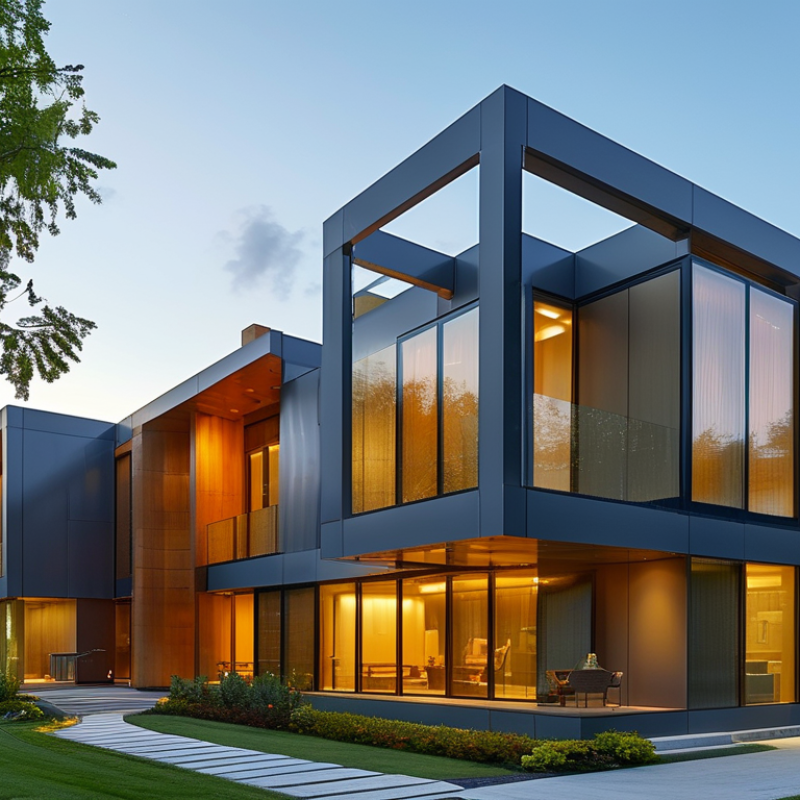
Benefits of Using Profile Aluminum in Construction Projects
Profile aluminum offers a versatile and durable solution for construction projects. Its lightweight nature allows for easy handling and installation. This makes it a favorite among builders who need efficiency without sacrificing strength. The unique properties of aluminum resist rust and corrosion, ensuring a longer lifespan for structures.
Using profile aluminum can enhance design flexibility. Whether for frames, facades, or custom engineering solutions, aluminum can accommodate various styles. This flexibility can lead to innovative designs that stand out. However, it’s essential to recognize the limitations of aluminum in extreme conditions. While it is strong, some projects may require additional reinforcement.
Cost-effectiveness is another significant advantage. Although the initial investment can be higher than other materials, the lifecycle costs are lower. Reduced maintenance and replacement needs contribute to overall savings. Balancing aesthetics with practicality is crucial, and sometimes aluminum may not be the perfect fit. Thoughtful evaluation of each project’s specific requirements is critical for successful implementation.
Durability and Longevity of Profile Aluminum Materials
Profile aluminum is an excellent choice for various projects due to its exceptional durability and longevity. Unlike other materials, it rescists weathering and corrosion. This makes it an ideal option for outdoor applications. Aluminum can withstand harsh elements, ensuring that structures maintain their integrity over time.
When considering aluminum for your project, remember to assess its thickness. Thicker profiles generally offer better strength and longevity. The weight of the aluminum can also affect ease of installation. Lighter materials can be easier to handle but may sacrifice some strength.
One effective tip is to analyze your project's specific requirements. If durability is paramount, choose materials designed for maximum resilience. Additionally, factor in maintenance. Profile aluminum may need less upkeep compared to other materials, but occasional checks are essential. Pay attention to any signs of wear or damage. Regular evaluations can enhance the lifespan of your project significantly.
Cost-Effectiveness of Profile Aluminum Solutions
When considering materials for a project, profile aluminum stands out for its cost-effectiveness. This versatile material can significantly lower expenses. It is lightweight yet durable, reducing transportation costs and structural support needs. These factors contribute to an overall reduction in project expenses.
Profile aluminum can be fabricated into various shapes with minimal waste. This flexibility allows designers to create efficient and innovative solutions. Consider using specific profiles tailored to project demands. However, not all applications may favor aluminum's properties. Real-world tests and industry insights can help uncover these nuances.
Additionally, while profile aluminum often promises savings, quality matters. Cheaper options may lead to longer-term costs due to potential maintenance needs. Choosing the right supplier is crucial to ensure reliable products. Reflecting on both performance and longevity helps make informed decisions in the journey toward budget-friendly solutions.
Cost-Effectiveness of Profile Aluminum Solutions
Environmentally Friendly Aspects of Profile Aluminum
Profile aluminum stands out for its environmentally friendly qualities. The production process involves fewer emissions compared to traditional materials. Studies show that aluminum can be recycled indefinitely without degrading its properties. In fact, the recycling process uses only 5% of the energy required to produce new aluminum. This aspect is critical for projects aiming for sustainability.
Moreover, aluminum is lightweight yet strong. It contributes to energy efficiency in transportation. Reducing the weight of vehicles can lower fuel consumption and emissions. In fact, using aluminum in cars can improve fuel efficiency by 30%. However, there is also ongoing debate about the environmental impacts of mining bauxite, the raw material for aluminum. Striking a balance between extraction and sustainability remains a challenge.
The life cycle assessment of aluminum reveals other benefits. Products made from recycled aluminum can have lower carbon footprints. A report from the International Aluminum Institute indicates that recycling prevents about 95% of emissions. This makes aluminum a responsible choice for eco-conscious projects. Choosing profile aluminum is not just a practical decision; it is also a commitment to the environment.
Why Choose Profile Aluminum for Your Next Project? - Environmentally Friendly Aspects of Profile Aluminum
| Aspect |
Description |
Environmental Impact |
Recyclability |
| Material Sourcing |
Aluminum is sourced from abundant bauxite ore. |
Low carbon footprint from responsible mining practices. |
95% recyclable without loss of properties. |
| Energy Efficiency |
Aluminum requires less energy to produce compared to other metals. |
Reduced greenhouse gas emissions during production. |
Can be remelted and reused, conserving energy. |
| Durability |
Resistant to corrosion and weathering. |
Long-lasting materials reduce the need for replacements. |
Easily reusable after its lifecycle. |
| Sustainability |
Manufactured through processes that minimize waste. |
Supports sustainable building practices. |
High potential for circular economy applications. |
| Lightweight |
Allows for easier transport and handling. |
Lower transportation emissions due to reduced weight. |
Maintains material value through multiple uses. |
Versatility and Design Flexibility of Profile Aluminum
Profile aluminum stands out due to its remarkable versatility and design flexibility. This material can be crafted into various shapes and sizes, making it ideal for architectural projects. According to a report by the Aluminum Association, aluminum can be extruded into complex profiles, enabling custom designs suited for both aesthetics and functionality.
In addition, profile aluminum is lightweight yet strong, offering significant advantages in construction. Its strength-to-weight ratio allows for thinner sections, which can save material costs while maintaining structural integrity. Industry studies indicate that buildings utilizing aluminum frameworks can see a reduction in weight by up to 30%, enhancing overall energy efficiency.
However, not all projects fully exploit aluminum's potential. Some designers hesitate, fearing it may limit creative expression. This misconception can hinder innovative applications. Embracing profile aluminum demands a willingness to rethink conventional designs. There are still gaps in education about modern aluminum fabrication techniques. More awareness could empower creators to leverage this flexible material even further.
Conclusion
Profile Aluminum is an excellent choice for construction projects due to its numerous advantages. Its durability and longevity ensure that structures can withstand harsh weather conditions and physical wear, leading to reduced maintenance costs over time. Moreover, Profile Aluminum solutions are cost-effective, offering a combination of affordability and high performance, making them a smart investment for builders and developers.
Additionally, Profile Aluminum is environmentally friendly, as it is often recyclable and contributes to sustainable building practices. The material's versatility and design flexibility allow architects and designers to create innovative and aesthetically pleasing structures, meeting diverse project requirements. Overall, choosing Profile Aluminum for your next construction project enhances both functional durability and creative potential, making it a preferred option in the industry.

 Aoli Aluminum