When it comes to selecting the right aluminum alloy profile for your project, expertise is crucial. John Thompson, a seasoned expert in the aluminum industry, emphasizes, "Choosing the right aluminum alloy profile can mean the difference between success and failure." This wisdom highlights the importance of informed decision-making.
Aluminum alloys come with various properties, including weight, strength, and corrosion resistance. Each project demands specific characteristics, and the wrong choice can compromise the final product. Consider the application, environment, and load requirements. This evaluation can be complex but necessary to achieve optimal results.
Many overlook the significance of seeking expert guidance. Project managers and engineers should tap into available resources and knowledge. It isn’t just about availability; it’s about suitability. An ideal aluminum alloy profile not only fits the project but enhances its overall performance. Aim for thorough research and don’t hesitate to question assumptions.
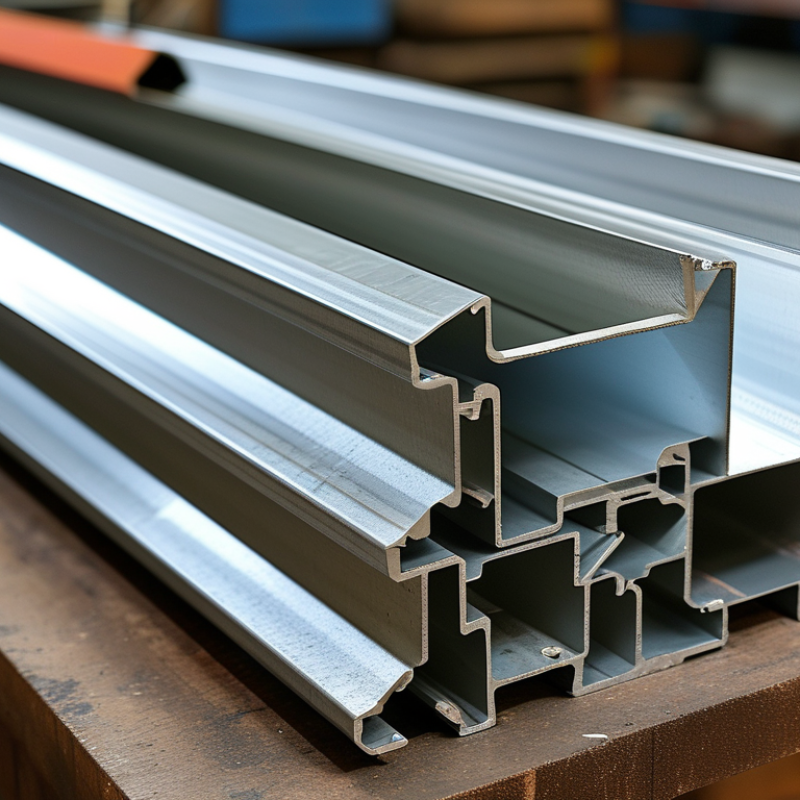
Aluminum alloys are essential in various industries due to their lightweight and strong properties. Understanding their basics can help you select the right profile for your project. For instance, the Aluminum Association classifies these alloys into different series. The 6000 series, known for its excellent corrosion resistance, is often used in architectural applications and structural components. Conversely, the 7000 series excels in strength and is typically utilized in aerospace applications.
Each alloy offers distinctive properties. The tensile strength of 6061 aluminum can reach up to 310 MPa, making it suitable for heavy load structures. In contrast, the 7075 aluminum alloy has a tensile strength of about 570 MPa, which is critical in high-stress environments. However, higher strength often comes at the expense of formability. It's crucial to balance the desired strength and formability based on your specific needs.
Moreover, environmental factors play a significant role in selecting an alloy. If your project is exposed to saline conditions, alloys with higher corrosion resistance, such as 5005 or 5083, should be considered. However, using these may limit certain fabrication techniques. Be aware that choosing the right alloy profile requires careful consideration of mechanical properties and environmental conditions.
When choosing an aluminum alloy profile for your project, identifying specific requirements is crucial. Start with the intended application. Each project has distinct needs that impact the choice of alloy. For instance, if you're building a structure exposed to harsh weather, consider corrosion resistance. Alloys like 6061 and 5052 are known for their durability under varying climates. Reports indicate that corrosion-resistance can reduce maintenance costs by up to 30%.
Next, focus on mechanical properties. Depending on the load that the structure will bear, tensile strength becomes a key factor. Aluminum alloys vary widely in strength. The 7075 alloy, for example, offers high strength, making it suitable for aerospace applications. In contrast, 3003 is more malleable but less strong. Engineers must evaluate expected loads and performance lifespan in their selections.
Weight constraints also necessitate careful consideration. Aluminum is prized for its lightweight properties but understanding the trade-offs is essential. Too lightweight a profile may lead to structural failures over time. According to industry findings, nearly 15% of aluminum constructions experienced unforeseen failures due to improper alloy selection. Therefore, aligning alloy choice with the project's physical and functional requirements is vital for long-term success.
When choosing aluminum alloy profiles, understanding the options available is crucial. There are various profiles based on applications, like structural or decorative. Each profile has distinct properties, such as weight, strength, and resistance to corrosion.
Common alloys include 6061, 6063, and 7075. The 6061 alloy offers good mechanical properties, making it suitable for structural applications. In contrast, 6063 is favored for architectural purposes due to its excellent finish and workability. The 7075 alloy, while stronger, is less resistant to corrosion and more difficult to weld, which could complicate some projects.
Consider your project's specific needs carefully. Are weight and strength your main concerns? Or is aesthetic appearance more important? Each alloy comes with trade-offs. A heavy-duty structure may require a stronger yet less appealing profile. On the other hand, a beautifully finished surface may compromise structural integrity. Understanding these aspects can lead to a more informed choice in your aluminum profile selection.
Choosing the right aluminum alloy profile for your project requires careful consideration of its performance and durability. Aluminum alloys are categorized based on their composition and properties. Alloys like 6061 and 7075 are popular due to their strength-to-weight ratios. Understanding these specifics helps in making an informed choice.
When evaluating an alloy, consider factors like corrosion resistance and tensile strength. These properties directly affect the lifespan of your project. For instance, while 6061 offers good corrosion resistance, it may not be the best option for high-stress environments. Sometimes, the best fit for a project might be overlooked due to initial assumptions about an alloy's performance.
Testing and real-world applications provide crucial insights. An alloy might perform well in theory but fail under practical conditions. It’s vital to analyze the operational environment and potential stressors carefully. Gathering feedback from past projects can reveal hidden challenges, ensuring that the chosen aluminum profile meets all project demands. Keeping these factors in mind leads to better choices and improved reliability.
Choosing the right aluminum alloy profile involves careful consideration of several factors.
Cost is a primary factor. Different alloys have varying prices based on their composition and processing requirements.
For instance, pure aluminum is often cheaper but may not offer the necessary strength for structural applications. According to reports, the price per kilogram of 6061 aluminum alloy can range between $2.50 and $3.00, depending on market conditions.
Availability also plays a crucial role. Some alloys are more readily available than others. This can significantly affect project timelines.
Delays in material sourcing can lead to increased costs. Research shows that 60% of manufacturers report difficulties in sourcing specific aluminum alloys.
It’s important to connect with reliable suppliers who can provide consistent and timely deliveries, regardless of market fluctuations.
Supplier considerations are equally vital. A supplier's reputation can influence your project's success.
Assessing customer reviews and seeking industry recommendations can help ensure quality. Understanding the supplier's production capabilities can prevent future issues.
While many sources offer competitive pricing, the lowest price can sometimes mean poorer quality.
Being mindful of these factors can save money and prevent headaches later on.
: Aluminum alloys are lightweight and strong materials used in many industries. They are crucial for various applications.
Aluminum alloys are classified into different series by the Aluminum Association, based on their properties and applications.
The tensile strength of 6061 aluminum can reach 310 MPa, making it suitable for heavy load structures.
The 7075 aluminum alloy has a tensile strength of about 570 MPa, ideal for high-stress environments.
Environmental factors, like exposure to saline conditions, influence the choice of alloys. Corrosion-resistant alloys are preferred in such cases.
Consider cost, availability, and supplier reputation when selecting an aluminum alloy. Each factor affects your project's success.
Different aluminum alloys vary in price based on composition and processing. Pure aluminum is cheaper but may lack strength.
Alloy availability can cause delays in sourcing materials. This may lead to increased costs and affect project schedules.
Assess a supplier's reputation and production capabilities. Reliable suppliers help ensure timely deliveries and consistent quality.
Yes, the lowest price might mean poorer quality. It's essential to balance cost and quality for a successful project.
When selecting the right Aluminum Alloy Profile for a project, it is crucial to first understand the basics of aluminum alloys and their unique properties. Each alloy variant has distinct characteristics that can influence its suitability for specific applications. Identifying the project’s requirements, such as load-bearing capacity, corrosion resistance, and thermal conductivity, is essential to narrow down the options.
Once the requirements are clear, comparing the available Aluminum Alloy Profiles in the market helps in making an informed decision. Evaluating aspects like performance, durability, and the cost implications of different profiles, alongside considerations for availability and supplier reliability, will ensure a well-rounded choice. Ultimately, a thorough analysis of these factors will lead to selecting the most appropriate aluminum alloy that aligns with both project needs and budget constraints.

Aoli Aluminum