Choosing the right Aluminum Extrusion Profile is crucial for the success of your project. The right profile affects both functionality and aesthetics. An incorrect choice can lead to wasted resources and time.
Understanding specific requirements is essential. Consider the intended application, environment, and mechanical demands. For instance, lightweight profiles may suit certain structures, but heavy-duty applications need robust designs. Each project presents unique challenges, and your selection must address them.
Consulting with experts can enhance decision-making. Industry professionals bring valuable insights. They help in navigating technical specifications. However, be prepared for potential complications. Each profile has its limitations and may require adjustments. Reflecting on these factors is vital for achieving optimal results.
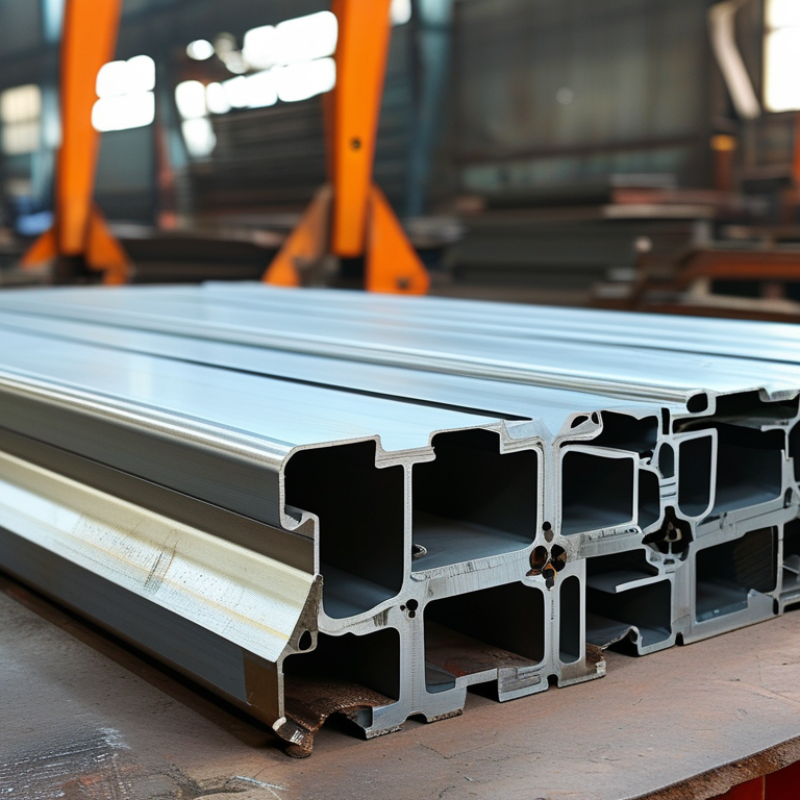
Aluminum extrusion is a versatile process widely used across various industries. It allows manufacturers to create complex shapes and profiles tailored to specific applications. The global aluminum extrusion market is projected to reach $71.9 billion by 2025, according to industry research. This growth reflects the material's adaptability in sectors like construction, transportation, and consumer goods.
Choosing the right aluminum extrusion profile involves understanding your application needs. For example, an automotive component requires lightweight yet strong profiles to improve fuel efficiency. A report from the Aluminum Association highlighted that aluminum can reduce weight by up to 30% compared to steel, which is crucial for meeting modern efficiency standards. However, picking the wrong profile can lead to structural failures, higher costs, or weight penalties.
Design considerations include wall thickness, alloy selection, and fin design. Industry experts recommend engaging with engineers who specialize in aluminum profiles. A survey showed that 40% of design failures stem from insufficient planning. Reflecting on past projects may reveal overlooked details that can be crucial for future success. Ensuring reliability and efficiency starts with informed choices about the right aluminum extrusion profile.
When selecting an aluminum extrusion profile, several key factors should guide your decision. The most vital aspects include the intended application, material properties, and extrusion process. Understanding how these factors interact can significantly influence the performance and durability of your final product.
Tip: Always assess the load requirements. Ensure the chosen profile can support the weight and stress it will encounter during use.
Material properties are also crucial. Consider the strength, corrosion resistance, and thermal conductivity of the aluminum alloy. Different alloys can provide varied benefits based on your project's specific needs. Sometimes, it may be beneficial to consult with experts or conduct performance tests.
Tip: Evaluate the finishing methods as well. Anodizing or powder coating can enhance appearance and longevity but may add to costs.
While there are numerous resources available, it’s essential to reflect on the long-term implications of your choice. Not every profile will suit every application, and it’s important to prioritize functionality over aesthetics. Revisiting your initial requirements can help ensure a better fit for your project’s goals.
The design of aluminum extrusion profiles is crucial for various applications. A well-thought-out profile can enhance structural integrity and performance. Different shapes cater to specific needs. This makes early design decisions vital for success.
When choosing a profile, consider the intended use. Load-bearing applications need robust designs. Aesthetic projects may focus on sleek, modern lines. Balance functional requirements with visual appeal. Mistakes here can lead to costly redesigns or failures.
Testing prototypes helps refine the design. Mock-ups may reveal unforeseen issues. Aligning the profile with manufacturing capabilities is necessary. Collaboration with engineers is essential to ensure feasibility. A thorough review process can save time and resources. Each decision shapes the final outcome, so it's critical to get it right.
Choosing the right aluminum extrusion profile starts with understanding material properties. Strength, weight, and corrosion resistance are crucial factors. Aluminum is lightweight, yet robust, making it ideal for many applications. Different alloys offer varying tensile strengths, so knowing your project requirements is vital.
Consider the environment where the profile will be used. Will it face harsh weather or chemical exposure? Some alloys perform better in certain conditions than others. Testing a small sample in the intended environment may reveal key insights. Quality control processes during extrusion can also impact performance. Inconsistent thickness or surface finish can lead to weak points.
Finally, pay attention to the profile shape. Simple shapes can be efficient but may have limited use. Complex designs often bring improved functionality. Balancing complexity with manufacturability is essential. Each decision should reflect a thorough understanding of the project's demands. What works in theory may not always succeed in practice. Reflecting on these considerations leads to better outcomes.
When selecting aluminum extrusion profiles, it's essential to consider the specific needs of different industries. Each sector has unique requirements that can affect the choice of profile. From automotive to electronics, understanding these needs can lead to more efficient and effective designs.
Automotive manufacturers often seek lightweight yet durable profiles for vehicle components. Stiffness and strength are critical. In contrast, the construction industry might prioritize profiles that offer thermal insulation and aesthetic appeal. Think about how these needs shape your decisions.
**Tip:** Assess the environment where your extrusion will be used. Harsh conditions may require specialized finishes or coatings.
Electronics often demand precision and versatility in their profiles. The need for custom shapes that allow for efficient space utilization is common. In this sector, the focus is on minimizing weight while maximizing functionality. Communication between designers and manufacturers is vital.
**Tip:** Collaborate early in the design process. Early collaboration can mitigate issues later.
Ultimately, understanding the specific extrusion needs of your industry allows for better product performance. This ensures the final output aligns with project requirements and expectations. With careful consideration, you can choose the right profile effectively.
: Focus on the intended application, material properties, and the extrusion process. Each aspect impacts performance significantly.
Assessing load requirements ensures the chosen profile supports the necessary weight and stress during use. Ignoring this can lead to failures.
Properties like strength, thermal conductivity, and corrosion resistance vary by alloy. Understanding these helps tailor the extrusion to project needs.
Finishing methods like anodizing enhance appearance and longevity. However, they may increase costs, so weigh the benefits carefully.
Complex designs may improve functionality but can complicate manufacturing. Consider efficiency versus complexity in your decision-making.
Harsh environments require specialized alloys or coatings. Test a sample in the intended environment to assess performance effectively.
Early collaboration between designers and manufacturers can help identify issues before production begins. This prevents costly revisions later.
Consider the long-term implications of your choices. Not every profile suits every application, focusing on function over aesthetics is vital.
Inconsistent thickness or surface finish can lead to weak points. Ensure quality control processes are in place during manufacturing.
No, what works in theory may not succeed in practice. Hands-on testing or expert consultation can provide valuable insights.
Selecting the right Aluminum Extrusion Profile is crucial for ensuring optimal functionality and performance in various applications. Understanding the fundamentals of aluminum extrusion and its wide-ranging uses lays the groundwork for making informed decisions. Critical factors such as the intended application, mechanical properties, and environmental considerations must be assessed to identify the most suitable profile.
Furthermore, the design of the extrusion profile plays a vital role in achieving the desired strength and aesthetic appeal. Evaluating material properties, including tensile strength and resistance to corrosion, is essential for ensuring durability in specific industries like automotive, construction, and electronics. By paying attention to these elements, one can effectively choose an Aluminum Extrusion Profile that meets both performance requirements and industry standards.

Aoli Aluminum