How to Choose the Right Aluminium Profile Supplier in 2026?

Time:2026-10-25 Author:Isabella
0%

Choosing the right Aluminium Profile supplier in 2026 requires more than comparing prices on a spreadsheet. A strong decision begins with application details, production experience, and verified technical capability. Consider the alloy, temper, profile dimensions, wall thickness, surface finish, and required tolerance. A supplier producing window frames may not understand the demands of solar mounting rails or industrial machine guards. That difference matters.

Ask for recent samples, inspection reports, and clear production drawings. Review extrusion capacity, die-making control, anodizing or powder-coating performance, packaging methods, and delivery records. Reliable suppliers can explain how they manage defects, dimensional changes, and urgent replacement orders. Traceable material certificates and consistent quality checks also build confidence. Independent certifications may help, but they should support real evidence rather than replace it.

Communication reveals practical experience. Can the supplier identify a weak corner in your design? Can engineers suggest a lighter section without reducing strength? Can the sales team provide realistic lead times during peak demand? These questions often reveal more than polished websites.

No checklist is perfect. A supplier may offer excellent samples but struggle with volume production. Another may quote less yet create costly delays through poor documentation. Factory audits, small trial orders, and written quality agreements can reduce that risk. In 2026, buyers should also examine energy use, recycled aluminium content, data security, and long-term service. The best partnership is not always the cheapest option. It is the one that delivers consistent profiles, honest communication, and measurable value after the first order.
How to Choose the Right Aluminium Profile Supplier in 2026?

Define Your Aluminium Profile Requirements and Project Specifications

Define Your Aluminium Profile Requirements and Project Specifications

Choosing a supplier starts with a precise technical brief. State the alloy, temper, profile dimensions, wall thickness, length, and allowable tolerances. Add the application environment, expected loads, temperature range, and installation method. A window frame needs different performance from a machine guard.

Include surface requirements, such as anodising thickness, powder-coating class, colour tolerance, and visible-face standards. Provide CAD files and a marked drawing. Do not rely on a sample alone. Profiles may look identical but perform differently under pressure. Packaging, bundle weight, cutting accuracy, and delivery batches also deserve clear limits.

Sustainability should be measurable. The International Aluminium Institute reports that recycling aluminium uses about 95% less energy than producing primary aluminium. Therefore, ask for recycled-content data, material certificates, and traceability records. Request inspection plans, dimensional reports, and test results before production. ISO 9001 certification can support process consistency, but it does not replace product-specific evidence.

Project Considerations

Be realistic about weaknesses. Overly tight tolerances can increase waste and cost without improving performance. I have found that vague drawings create more risk than high prices. Define what is essential, what is preferred, and what remains negotiable. That distinction helps suppliers quote accurately and exposes technical gaps early.

Assess Supplier Manufacturing Capabilities and Product Quality

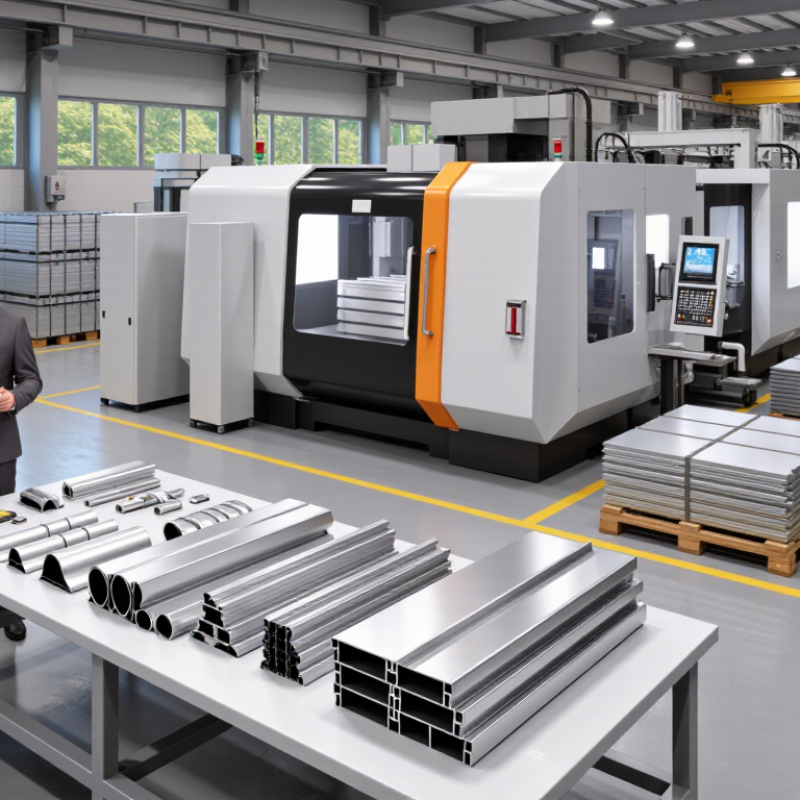
When choosing an aluminium profile supplier in 2026, examine the factory before comparing prices. A polished website proves very little. Request recent production photos, equipment lists, and a video tour of the extrusion line. Check whether the supplier controls billet heating, extrusion speed, ageing, cutting, and surface treatment. These steps affect strength, dimensions, and finish consistency.

Ask about press capacity and die-making resources. The equipment must match your profile size, wall thickness, and annual volume. A capable supplier should explain its tolerances clearly. Request inspection records for dimensional checks, alloy composition, hardness, and coating thickness. Samples should come from normal production, not a specially prepared batch. This detail matters. I once trusted an attractive sample, then found uneven anodising on a larger shipment. That mistake changed my approval process.

Product quality also depends on traceability. Each batch should connect to raw material certificates, process dates, inspection results, and packing records. Visit the facility if the order is important. Look at storage areas, measuring tools, worker practices, and rejected profiles. Clean floors do not guarantee quality, but disorganised records often signal risk. Ask how defects are handled, including replacement terms and corrective-action reports. A supplier may provide strong technical answers yet miss delivery targets. Review both capability and consistency. Leave room for doubt, and test the supplier with a controlled pilot order before committing to regular production.

Verify Certifications, Material Traceability, and Quality Control

How to Choose the Right Aluminium Profile Supplier in 2026?

A reliable supplier should prove more than production capacity. Ask for current ISO 9001 certification, its scope, and the issuing body’s accreditation. The ISO Survey 2022 recorded over 1.26 million ISO 9001 certificates worldwide. That number shows reach, not competence. Certificates require context.

Request complete material records for every batch. These should identify the alloy, temper, billet source, casting number, and production date. Match each profile bundle to its inspection report. EN 10204 3.1 documentation can support this process. It should include chemical composition and mechanical test results. Missing links are warning signs. A spreadsheet alone is not traceability.

Quality control must be visible on the factory floor. Check calibrated gauges, tensile testing, hardness checks, and coating-thickness measurements. Ask how often operators inspect dimensions, surface scratches, and straightness. For architectural profiles, review corrosion and adhesion test methods. The International Aluminium Institute reports that recycling aluminium uses about 95% less energy than primary production. Therefore, request recycled-content evidence and mass-balance records when sustainability matters. Be careful, though. A supplier may present excellent samples while routine batches vary. Compare first-article results with shipment records, investigate nonconformities, and request corrective-action reports. A supplier who admits a recurring weakness may be more reliable than one claiming perfection.

Compare Pricing, Lead Times, Customization, and Delivery Terms

Choosing the right aluminium profile supplier in 2026 requires more than comparing a price list. Request itemized quotations covering alloy grade, profile weight, tooling, surface treatment, packaging, and inspection fees. A lower quote may hide setup charges or expensive minimum order quantities. Compare the final landed cost, not only the unit price.

Ask for a realistic lead-time schedule. Confirm tooling approval, sample production, extrusion, finishing, inspection, and dispatch dates separately. A supplier promising seven days may not include weekends, testing, or port handling. Short promises can mislead. Request production records, inspection reports, and material traceability documents. These details show whether the supplier controls quality consistently.

Customization also needs careful discussion. Share drawings with tolerances, cut lengths, drilling points, and required surface finish. Confirm who owns the tooling and how revisions will be charged. I once underestimated packaging requirements, and several long profiles arrived with minor scratches. The mistake was avoidable. Delivery terms should state the shipping method, insurance responsibility, export documents, and agreed delivery point. Clarify how delays, damaged goods, and rejected batches will be handled. A dependable supplier answers these questions clearly and provides evidence instead of vague assurances. Still, no supplier performs perfectly every time. Regular communication and practical contingency planning remain necessary.

Evaluate Communication, Technical Support, and Long-Term Reliability

Choosing an aluminium profile supplier in 2026 requires more than comparing prices. Communication is the first practical test. Ask how quickly the team answers technical questions, confirms tolerances, and reports production changes. In my experience, vague replies often become delayed samples or incorrect machining. Request one named contact and a written escalation process.

Technical support should be visible before the order. A capable supplier can review drawings, recommend alloys, explain wall thickness, and identify extrusion limits. Ask for test reports, dimensional inspection records, and surface-finish samples. The ISO Survey 2023 recorded more than 1.26 million ISO 9001 certificates worldwide. Certification helps, but it does not replace evidence from the actual factory. I would still inspect sample parts. Small differences matter.

Tips: Send the same drawing and questions to three suppliers. Compare response time, detail, and ownership. Ask for a corrective-action example, not a polished promise. Also check whether the supplier tracks energy, scrap, and recycled content. The International Aluminium Institute reports that aluminium production creates roughly 2% of global human-caused emissions. Better process control can reduce waste and protect long-term costs. Do not assume the lowest quote is reliable. I once treated fast communication as proof of strong manufacturing; that judgment was incomplete. Review production capacity, backup tooling, inspection frequency, packaging, and delivery records over several quarters. A dependable partner should discuss risks before they become your problem.

FAQS

What details should a technical brief include for an aluminium profile project?

Specify alloy, temper, dimensions, wall thickness, length, and acceptable tolerances. Add loads, temperature range, installation method, and application environment. Clear drawings reduce quoting errors.

Why are CAD files and marked drawings important?

A sample alone can hide performance differences. CAD files show exact geometry, while marked drawings identify critical dimensions. Small gaps matter under pressure.

What surface requirements should buyers define?

State anodising thickness, coating class, colour tolerance, and visible-face standards. Also define acceptable scratches, dents, and surface marks. Appearance needs measurable limits.

How can a buyer verify material traceability?

Request batch records showing alloy, temper, billet source, casting number, and production date. Match every profile bundle with its inspection report. Missing links deserve attention.

Which quality checks should a supplier perform?

Checks may include calibrated gauges, tensile tests, hardness tests, and coating-thickness measurements. Ask about dimensional accuracy, straightness, scratches, corrosion resistance, and coating adhesion. Factory evidence matters.

Does a quality certification prove product quality?

No. A certification may show process structure, but it does not replace product-specific evidence. Review test results, inspection plans, and shipment records.

How should sustainability claims be checked?

Request recycled-content data, material certificates, and mass-balance records. Recycling aluminium uses much less energy than producing primary material. Claims still need documents.

Are tighter tolerances always better?

Not necessarily. Excessively tight limits can increase waste and cost without improving performance. Define essential, preferred, and negotiable requirements. I sometimes over-specify details.

What should buyers compare after receiving initial samples?

Compare first-article results with routine shipment records. Investigate nonconformities and request corrective-action reports. A perfect sample proves very little alone.

What delivery and packaging details belong in the contract?

Define bundle weight, packaging protection, cutting accuracy, delivery batches, and shipment quantities. Include acceptable damage limits. Packaging failures can ruin accurate profiles.

Conclusion

Choosing the right Aluminium Profile supplier in 2026 requires more than comparing catalogue prices. Start by defining your project’s requirements, including alloy, dimensions, surface finish, structural performance, tolerances, application environment, and expected order volume. Then assess each supplier’s manufacturing capabilities, equipment, production capacity, and ability to maintain consistent product quality. Reliable suppliers should provide clear certifications, material traceability, inspection records, and well-documented quality-control procedures.

A complete evaluation should also compare pricing, minimum order quantities, lead times, packaging, delivery terms, and customization options. Consider whether the supplier can support special designs, tooling, prototyping, and future revisions without unnecessary delays. Effective communication and responsive technical support are equally important, especially when solving design or production issues. Finally, review the supplier’s reliability through delivery performance, production stability, after-sales service, and willingness to build a long-term partnership. A balanced decision based on quality, technical capability, transparency, and total value will help reduce project risks and ensure dependable Aluminium Profile supply.

Isabella

Isabella

Isabella is a dedicated marketing professional with a sharp focus on driving brand growth and engagement through strategic content creation. With an extensive background in digital marketing, she combines her passion for storytelling with her keen understanding of industry trends to deliver......