Essential Tips for Sourcing Aluminum Industrial Profiles?

Time:2026-08-06 Author:Madeline
0%

When sourcing Aluminum Industrial Profiles, several key factors come into play. Understanding the market and its nuances is crucial for success. These profiles are vital in various applications, from construction to automotive industries. Knowledge of the right suppliers can make all the difference in achieving quality and efficiency.

Finding a reliable source for Aluminum Industrial Profiles can be challenging. Many manufacturers may claim to offer superior products but fail to deliver on their promises. Selecting the right supplier requires careful consideration and research. It is wise to prioritize suppliers with a proven track record and industry-specific expertise. Engaging with experienced professionals can lead to better informed decisions.

Finally, maintaining communication with suppliers is essential. Discussions about specifications and expectations should be clear and concise. Misunderstandings can lead to wasted resources or unwanted delays. Flexibility and adaptability during the sourcing process can create opportunities for improvement and innovation. Reflecting on past experiences helps refine future sourcing strategies in the ever-evolving marketplace.
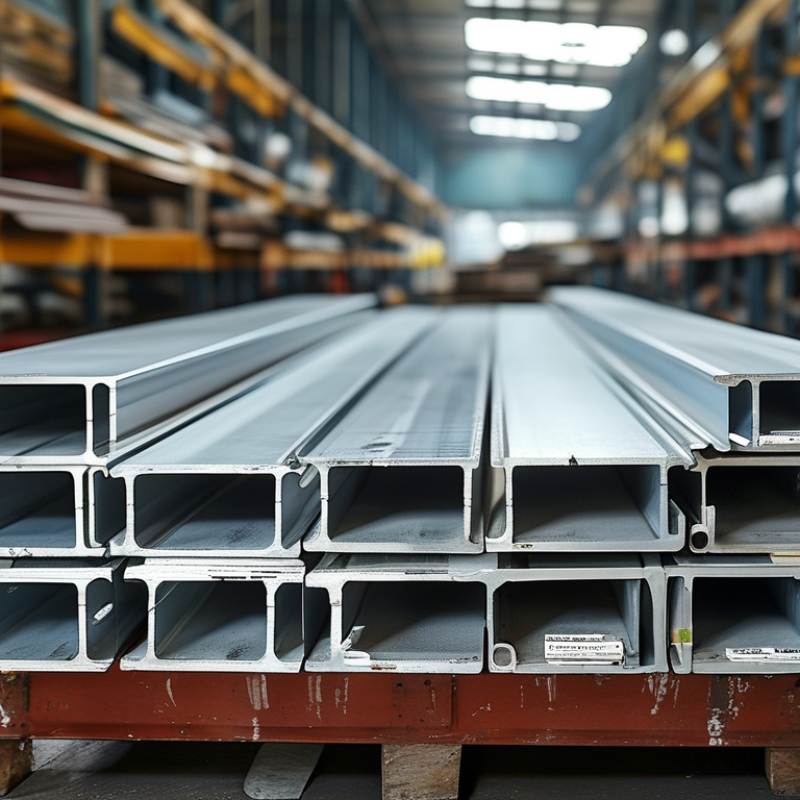
Essential Tips for Sourcing Aluminum Industrial Profiles?

Understanding Aluminum Industrial Profiles: An Overview

Aluminum industrial profiles are versatile materials widely used in various applications. They are lightweight, durable, and resistant to corrosion. This makes them ideal for construction, automotive, and manufacturing industries. Understanding their properties is key to successful sourcing.

These profiles come in various shapes and sizes, including extruded sections, fabricated parts, and more. Each type serves specific needs. For example, some profiles are designed for structural support, while others are meant for aesthetic finishes. The choice depends on the specific requirements of a project.

When sourcing aluminum profiles, quality matters. Look for reputable suppliers with proven track records. They should adhere to industry standards. Pay attention to specifications, including dimensions and alloy types. Sometimes, minor imperfections in finishes can indicate a lack of quality control. Evaluating the supplier’s certification can help avoid costly mistakes. The right choices lead to better project outcomes and enhanced performance.

Key Factors to Consider When Sourcing Aluminum Profiles

When sourcing aluminum industrial profiles, understanding key factors is crucial. The global demand for aluminum profiles reached approximately 60 million tons in 2022, with projections indicating a steady growth of around 4% annually. This surge reflects the increasing use of aluminum in construction, automotive, and aerospace industries.

Quality and standards are essential when sourcing. Ensure that suppliers adhere to established international standards, such as ISO 9001 for quality management. This can significantly reduce defects and improve overall safety. Always request certifications to verify the quality of the profiles.

Tip: Consider the supplier's production capacity. A supplier with robust capabilities can manage larger orders efficiently, thus preventing delays. Additionally, evaluate the supplier's experience in the industry. Those with a proven track record often demonstrate reliability and consistency in product quality.

Price is also a critical factor. While it can be tempting to choose the cheapest option, hidden costs can arise. Poor quality may lead to increased operational costs down the line. Therefore, balance cost with quality to make informed decisions. Always conduct market research to gauge fair pricing in the current landscape.

Identifying Reliable Suppliers for Aluminum Industrial Profiles

Finding reliable suppliers for aluminum industrial profiles is crucial for any manufacturing business. Start by researching potential vendors online. Look for reviews and testimonials that showcase their reliability. A supplier's reputation is often built on feedback from previous clients. Don't overlook this aspect.

Certifications can indicate a supplier's quality standards. Check if they have relevant industry certifications. This can be a sign of their expertise and commitment to quality. However, not all reputable suppliers flaunt their certifications prominently. Paying careful attention to the details matters here.

Establishing communication is essential. Reach out to potential suppliers with specific questions. Gauge their responsiveness and willingness to provide detailed information. A lack of clear communication can signal potential issues. Visiting suppliers in person can also be beneficial, allowing a firsthand look at their operations. Be sure to evaluate their production capabilities carefully.

Evaluating Quality Standards and Specifications in Aluminum Sourcing

When sourcing aluminum industrial profiles, evaluating quality standards is crucial. Many factors influence quality, including alloy composition, manufacturing processes, and surface finishes. Understanding these parameters can help ensure that the profiles meet your requirements.

Look for reliable certifications in aluminum sourcing. Industry standards, such as ISO and ASTM, provide valuable benchmarks. A profile that meets these standards is likely to perform better. However, relying solely on certifications can be misleading. Some suppliers may have outdated certifications or misrepresent their compliance.

Inspecting the physical properties of profiles is equally important. Dimensions and tolerances should match your specifications. Additionally, surface quality matters greatly in applications. Pay attention to blemishes or irregularities. They can signal quality issues and may affect performance. Engaging with experienced professionals can provide insights into these evaluations.

Cost Analysis and Budgeting for Aluminum Profile Procurement

When considering aluminum profile procurement, cost analysis and budgeting are crucial. Effective sourcing demands a clear understanding of the total costs involved. According to market reports, aluminum prices can fluctuate widely, sometimes by 20% within a year. Keep this in mind while budgeting. An accurate forecast helps prevent unexpected expenses.

Evaluate raw material costs and processing fees. Sourcing from multiple suppliers can yield competitive pricing. Using online platforms for price comparisons is a practical approach. Always negotiate terms. Establishing long-term relationships often leads to better rates.

Another tip is to consider the lifecycle cost of aluminum profiles. While upfront costs may seem lower, higher-quality options ensure durability and reduced maintenance. Investing in quality may save money in the long run. Performance data indicates that durable profiles can last up to 30% longer. Make informed choices based on thorough analysis. Remember to remain flexible; the market landscape can change rapidly.

FAQS

: What are aluminum industrial profiles used for?

: They are used in construction, automotive, and manufacturing due to their lightweight and durable nature.

How do I choose the right aluminum profile for my project?

Consider the profile's shape, size, and intended use, whether for support or aesthetics.

Why is supplier quality important when sourcing aluminum profiles?

Quality affects project outcomes. Poor quality can lead to defects and increased operational costs later.

What certifications should I look for in suppliers?

Look for certifications like ISO 9001, which indicate adherence to quality management standards.

How can I assess the quality of aluminum profiles?

Inspect dimensions, tolerances, and surface finishes. Irregularities may indicate underlying quality issues.

Is price the most important factor when sourcing aluminum profiles?

No, while price matters, it’s vital to balance it with quality to avoid hidden costs and defects.

What role does supplier experience play in sourcing?

Experienced suppliers often ensure better reliability and consistency in product quality and handling larger orders.

Can I rely solely on certifications to evaluate suppliers?

No, some suppliers may misrepresent their certifications. Always verify and inspect physical qualities as well.

What should I do if I notice minor imperfections in the profiles?

Question the supplier about quality control processes. Minor issues can indicate larger quality concerns.

How large is the global demand for aluminum profiles expected to grow?

The demand reached about 60 million tons in 2022, with a projected growth of around 4% annually.

Conclusion

When sourcing Aluminum Industrial Profiles, it's crucial to have a well-rounded understanding of their characteristics and applications. This overview emphasizes key considerations, such as material specifications, design requirements, and the specific needs of your projects. Identifying reliable suppliers is an essential step, as the quality and consistency of the profiles directly impact the final product.

Additionally, evaluating quality standards is vital to ensure compliance with industry regulations and to meet project specifications. A thorough cost analysis and careful budgeting are also necessary to optimize procurement strategies while maintaining quality. By considering these factors, businesses can effectively source Aluminum Industrial Profiles that meet their operational needs and contribute to overall efficiency and success.

Madeline

Madeline

Madeline is a dedicated marketing professional with a wealth of expertise in our company's core offerings. With a keen understanding of the industry, she brings a unique perspective to her role, consistently delivering high-quality content that highlights the superior aspects of our products. As......