Slim Profile Aluminium Windows are changing how architects and homeowners experience daylight, views, and interior space. Their narrow frames create wider glass areas without making a room feel visually heavy. Sunlight reaches deeper into living rooms. Garden views appear less interrupted. The effect can feel surprisingly spacious.
Architect Ludwig Mies van der Rohe, a major authority in modern design, famously said, “Less is more.” That principle explains the appeal of Slim Profile Aluminium Windows. Their restrained sightlines reduce visual clutter while aluminium provides strength, durability, and precise manufacturing. Modern thermal breaks and high-performance glazing can also improve insulation, when correctly specified.
The details matter.
A slim frame alone does not guarantee a successful installation. Designers must assess glass weight, wind exposure, drainage, thermal performance, and local building requirements. Experienced installers also check tolerances carefully. A two-millimetre error can affect smooth sliding and long-term weather resistance.
These windows suit contemporary homes, extensions, commercial spaces, and heritage projects seeking a lighter visual touch. Powder-coated finishes offer consistent colour, while quality hardware supports frequent daily use. However, the thinnest profile is not always the best choice. Larger openings may require stronger sections, and premium systems can cost more.
This guide explores why homeowners choose Slim Profile Aluminium Windows, what performance benefits they offer, and where their limitations deserve attention. The material looks refined, but good results depend on specification, fabrication, and installation. That part is sometimes overlooked.
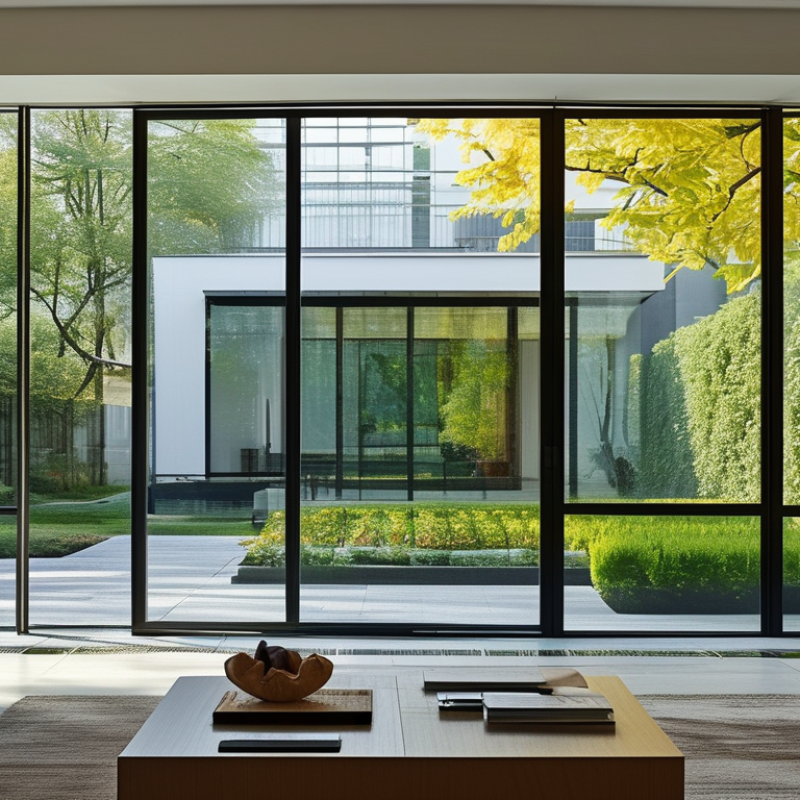
Slim profile aluminium windows use narrower frame sections than conventional aluminium windows. Their main purpose is to increase the visible glass area without removing structural support. From inside a room, the frame feels lighter and the view appears less interrupted. The effect is especially noticeable beside gardens, courtyards, or bright city streets. Clean lines matter here.
These windows usually contain thermally broken aluminium frames, insulated glazing, and weather-resistant seals. The thermal break separates the inner and outer metal sections, reducing heat transfer. However, slim frames do not automatically make a window energy efficient. Glass specification, installation quality, orientation, and ventilation also affect comfort. An experienced installer should check condensation risks and drainage before fitting them.
In practical use, aluminium offers strength with relatively little maintenance. It resists warping better than many less stable materials, especially around large openings. Slim frames can also support generous glass panels, but the final design still depends on wind loads and panel weight. I have seen attractive systems underperform because the surrounding wall was poorly prepared. That detail is easy to miss. They are not magic.
A careful choice considers frame depth, glazing performance, security hardware, and local weather conditions. Dark finishes may absorb more solar heat, while exposed coastal areas need suitable protective treatment. The best result comes from balancing appearance with measurable performance, rather than choosing the narrowest frame available. Familiar proportions often look better than extreme minimalism.
| Data Dimension | Slim Profile Aluminium Windows | Practical Benefit |
|---|---|---|
| Definition | Aluminium window systems designed with narrower visible frame and sash sections than conventional aluminium windows. | Creates a cleaner appearance while allowing more of the opening to be occupied by glass. |
| Visible sightlines | Often approximately 20–40 mm at selected frame sections, depending on the opening type and system design. | Provides a minimalist look and improves the visual connection between indoor and outdoor spaces. |
| Material strength | Aluminium has a high strength-to-weight ratio and maintains structural rigidity when correctly engineered. | Supports large glazed areas and helps reduce frame bulk without relying on timber-like thicknesses. |
| Glazing area | The slimmer frame can increase the glass-to-frame ratio, although the final result depends on window size, hardware and structural requirements. | Allows more daylight and wider views through the same structural opening. |
| Thermal performance | Thermally broken systems use a low-conductivity barrier between the inner and outer aluminium sections. Performance varies by system, glass and installation. | Can reduce heat transfer and condensation risk compared with non-thermally broken aluminium frames. |
| Typical glazing options | Common options include double glazing, laminated safety glass, low-emissivity coatings, solar-control glass and acoustic glass. | Allows the window to be specified for insulation, safety, noise reduction or solar control. |
| Natural daylight | A higher glass proportion can increase the amount of visible daylight entering a room. | May reduce the need for artificial lighting during daylight hours, depending on orientation and shading. |
| Maintenance | Powder-coated or anodised aluminium surfaces generally require routine cleaning rather than painting. | Reduces long-term surface maintenance when finishes are properly specified and cared for. |
| Weather resistance | Performance depends on frame design, seals, drainage, hardware and installation quality. Tested systems are rated for air, water and wind resistance. | Can provide reliable protection from drafts and rain when correctly selected and installed. |
| Durability | Aluminium is resistant to rot and insect damage. The expected service life depends on coating quality, exposure, hardware and maintenance. | Suitable for residential, commercial and coastal applications when the correct finish and corrosion protection are specified. |
| Design flexibility | Available in fixed, casement, awning, sliding, bi-folding and lift-and-slide configurations, subject to system limits. | Supports different ventilation, access and architectural design requirements. |
| Security | Security depends on the complete assembly, including locks, handles, hinges, laminated glass and tested hardware. | Can provide strong protection when manufactured and installed to applicable building and security standards. |
| Environmental profile | Aluminium can be recycled repeatedly, although production and recycling require energy and responsible material management. | Offers a durable material option with established recycling pathways. |
| Main limitations | Slimmer profiles may have restrictions on maximum glass size, wind exposure, sash weight, thermal performance or hardware compatibility. | Professional sizing, structural checks and installation are important for safety, comfort and long-term performance. |
| Best suited for | Modern homes, renovations, extensions, offices, hospitality projects and spaces requiring broad views or abundant daylight. | Combines a contemporary appearance with the structural and maintenance advantages of aluminium. |
Note: Dimensions and performance characteristics are typical industry ranges or general principles. Actual results depend on the selected window system, opening size, glass specification, local climate, building regulations and installation quality.
Their narrow frames cover less glass area. More sunlight can reach a narrow living room. Walls may feel less crowded. It sounds simple, but room orientation still matters.
Aluminium offers strong support for wider panes. This can create broader views toward gardens or balconies. Larger openings may need stronger sections and structural planning. Slim does not always mean stronger.
Thermally broken frames can reduce heat transfer. Low-emissivity glass may also improve insulation. Check the whole window system, not frame width alone. Cold edges can still appear.
Compare U-values, solar heat gain, and visible light transmission. Also check air leakage, water resistance, and wind-pressure results. These figures explain comfort better than attractive drawings.
Yes, especially on sunny afternoons. Large glass areas may increase indoor heat. Consider solar-control glass, shading, and the building’s orientation. I might overlook this myself.
Installation is critical. Poorly sealed joints can allow air leaks and water entry. Uneven openings may create cold edges. Ask for installation details and inspect previous projects.
Aluminium does not swell or rot like untreated timber. Powder-coated surfaces usually resist fading. You should still inspect gaskets, drainage paths, frame joints, and hardware. Maintenance is not zero.
Exposure affects the required weather performance. Coastal homes may need stronger protection than sheltered apartments. Check tested wind, water, and acoustic results. A beautiful frame cannot fix unsuitable specifications.
Slim Profile Aluminium Windows are modern window systems designed with narrow frames and larger glass areas, creating a clean, elegant appearance while allowing more natural light into a building. Their aluminium construction provides strength, durability, and resistance to moisture, corrosion, and everyday wear. These windows work by combining lightweight but rigid frames with carefully engineered glazing, seals, hinges, and locking mechanisms to support smooth operation, weather protection, and improved energy performance.
When choosing Slim Profile Aluminium Windows, consider thermal insulation, glass type, ventilation, security, opening style, maintenance needs, and the overall architectural design. High-quality glazing and effective thermal breaks can help reduce heat transfer and improve indoor comfort. Their minimalist appearance makes them suitable for contemporary homes, offices, renovations, extensions, and spaces with attractive outdoor views. They are especially valuable where daylight, visual openness, and long-term durability are important, although the final choice should reflect the building’s climate, orientation, usage, and budget.

 Aoli Aluminum