Explore our premium architectural and industrial structural extruded profiles engineered to international standards.
Today's global businesses operate under intense structural shifts. The convergence of strict carbon offset regulations, escalating energy tariffs, and the push for lightweight automotive and high-efficiency building designs has elevated aluminum extruded profiles to a highly critical resource. Sourcing teams in Europe, the Americas, and Southeast Asia face complex bottlenecks: volatile lead times, inconsistent micro-hardness properties, and structural failures caused by substandard thermal break insulative layers.
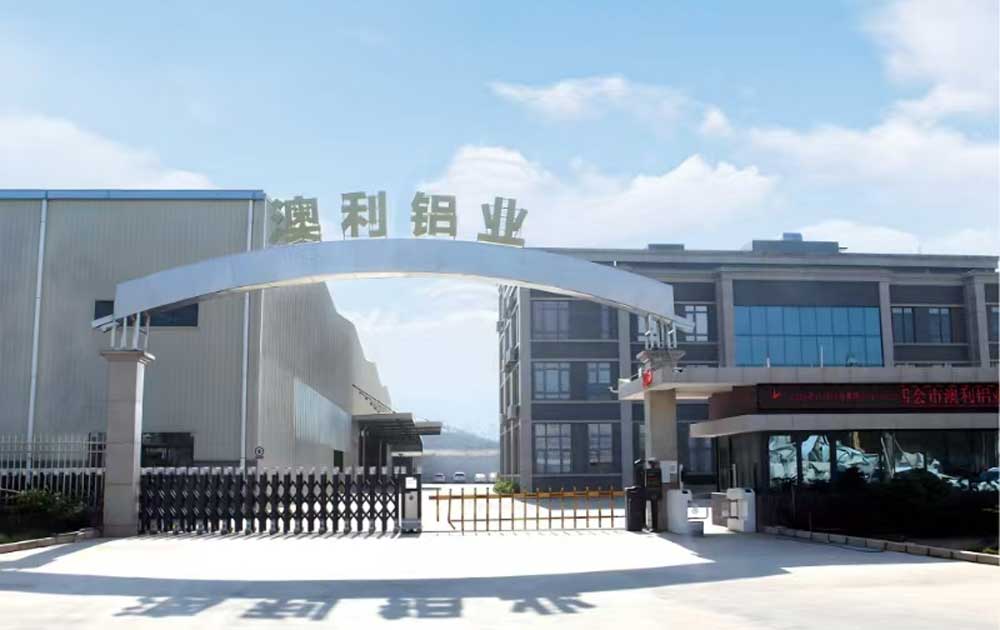
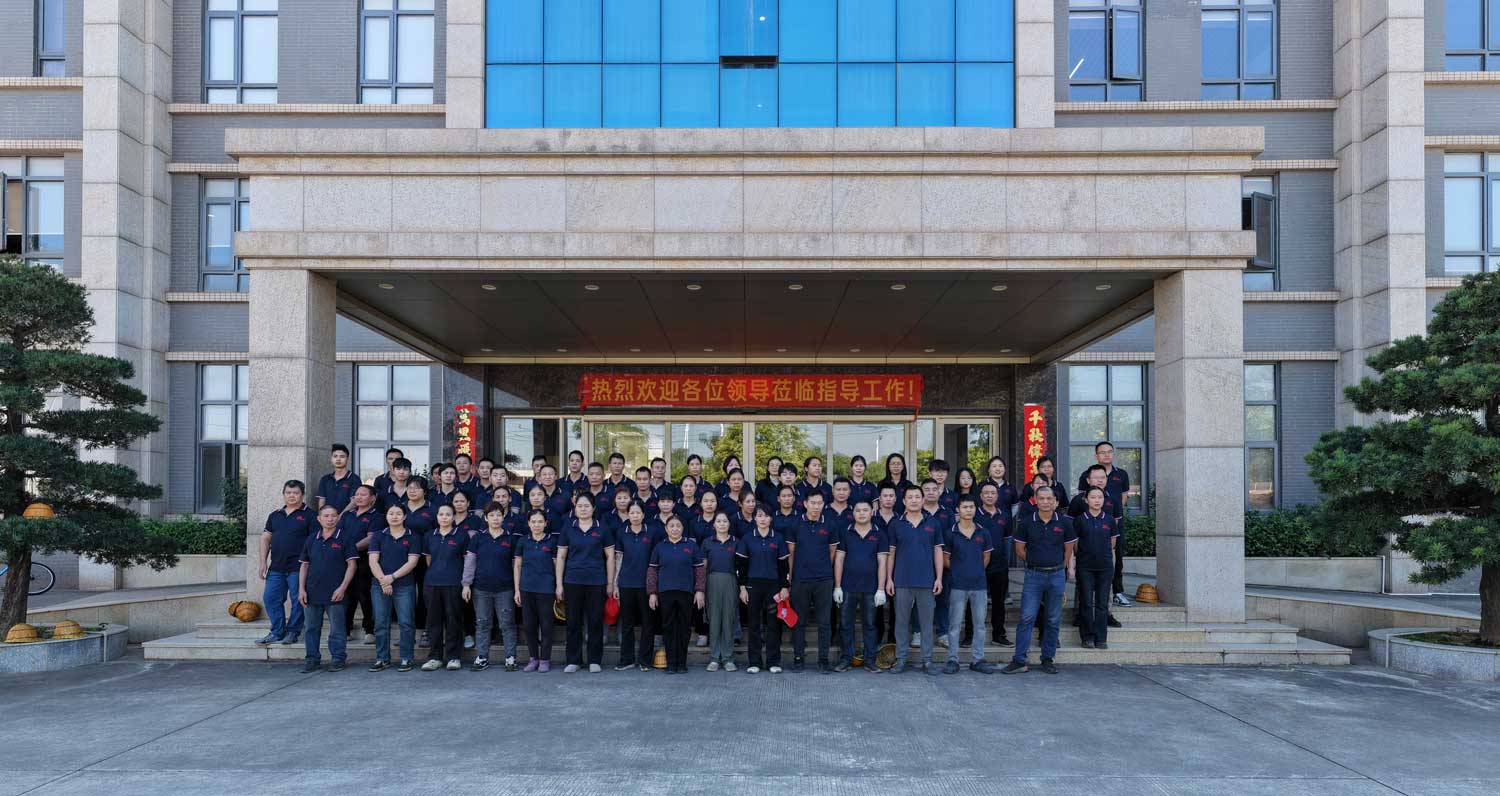
As a leading Chinese industrial and architectural systems pioneer, Aoli Aluminum (Aolijie) mitigates these risks. Established in 2009 in Sihui, Guangdong, and operating specialized sales divisions out of Foshan, we address the strict structural engineering and supply chain resilience requirements that global procurers expect.
By blending state-of-the-art metallurgy, vertically integrated casting, and dynamic extrusion technologies, we deliver highly reliable custom aluminum solutions designed to optimize commercial and structural applications.
A statistical snapshot of our industrial capacity, compliance systems, and manufacturing footprint.
From primary alloy billet casting to deep multi-axis CNC fabrication and surface anodizing, every single process step takes place internally to guarantee strict tolerances.
We feature extrusion machinery ranging from 900 tons to 2,000 tons. We effortlessly develop profiles with challenging thin-wall ratios and complex geometric structures.
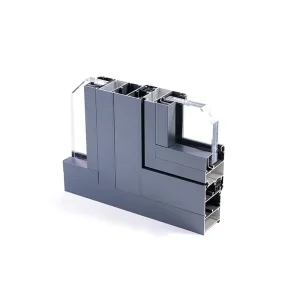
We design high-efficiency thermal break profiles and architectural systems that substantially lower HVAC load requirements for modern urban high-rises.
Insight into why modern Chinese factories represent the absolute vanguard of global metallurgy and fabrication.
The global metal extrusion industry is experiencing a profound transition from low-tech commodity milling to smart, automated Factory 4.0 principles. Historically, sourcing managers prioritized base metal pricing. Today, leading OEMs focus on overall cost-of-ownership, metallurgical consistency, carbon tracking, and localized supply chain stability.
By shifting to automated extrusion systems, our Sihui manufacturing complexes optimize temperature gradients during the hot-extrusion phase. This ensures uniform grain distribution and helps prevent post-extrusion structural distortions. Our plants integrate automated aging ovens to achieve optimal mechanical tempers (T5 and T6) for architectural alloys like 6063 and 6061.
Moreover, our vertical system integration connects casting, extrusion die configuration, specialized chemical anodizing, and multi-axis CNC drilling into one continuous manufacturing line. This limits international logistics bottlenecks, ensures excellent batch uniformity, and speeds up product deliveries to European and American logistics hubs.
Founded by Mr. Wong in 2009, Aoli Aluminum's signature brand, Aolijie, represents professional craftsmanship and strict quality control.
Before launching our custom plants, Mr. Wong spent a decade directing building material distribution during the massive expansion of modern Chinese high-rises. He realized that eco-friendly, robust, and recyclable aluminum alloys would become the cornerstone of sustainable city construction. Aolijie represents a distinct core philosophy:
Our corporate culture prioritizes placing customer success first, driving employee development, and preserving brand reputation above all else.
A history defined by technical patents, production expansion, and successful global partnerships.
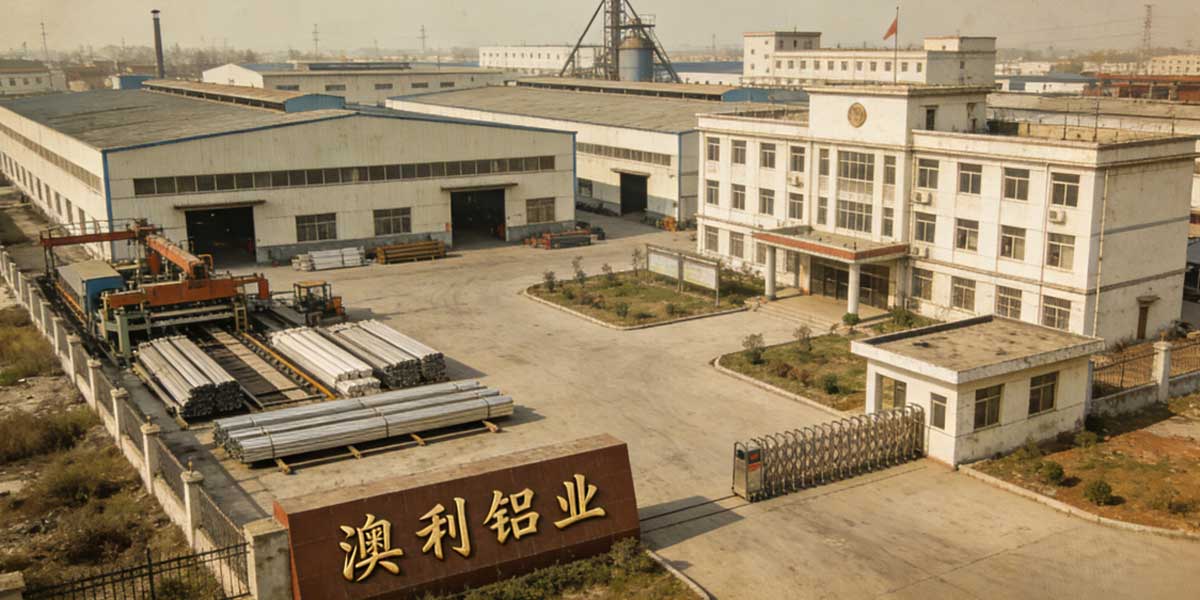
Established a modern 10,000 square meter aluminum profile plant in Sihui City, Guangdong Province, launching the "Aolijie" brand.
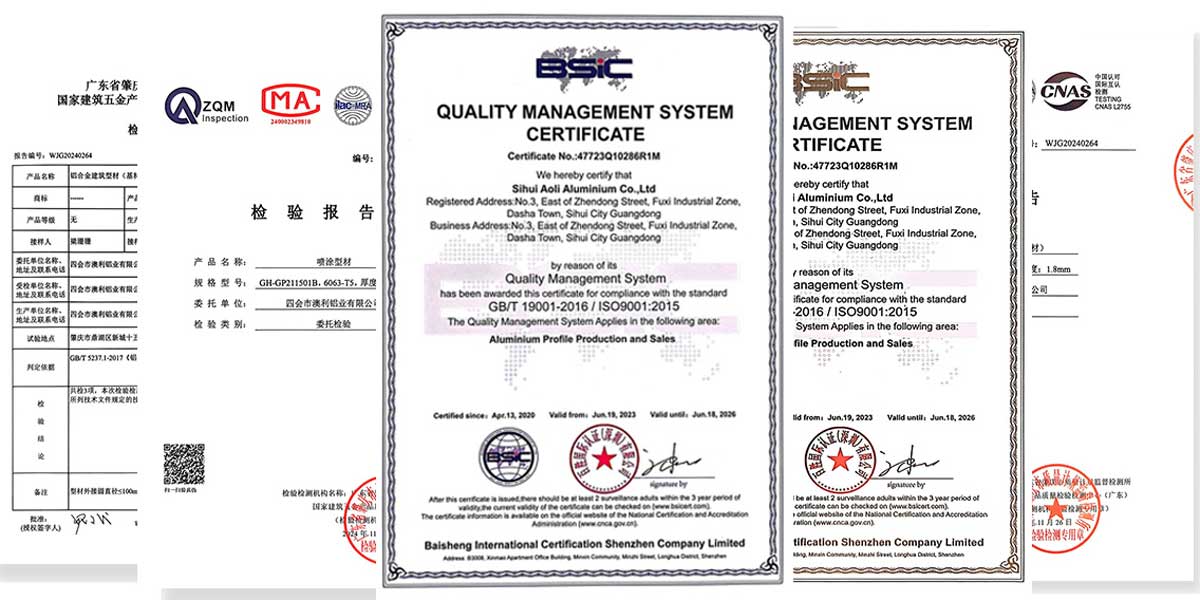
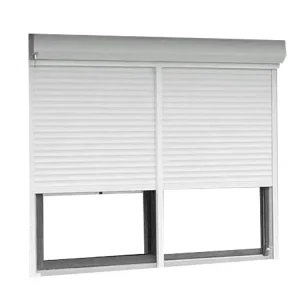
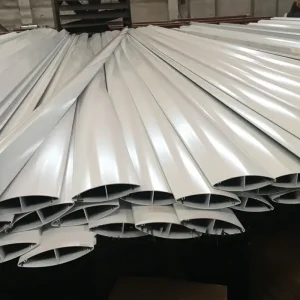
Achieved ISO 9001 certification and secured 13 design patents for custom thermal break windows, weather-resistant louvers, and structural profiles.
Invested in a large 100,000 square meter factory complex. This expanded our annual output to 100,000 tons to support growing global demands.
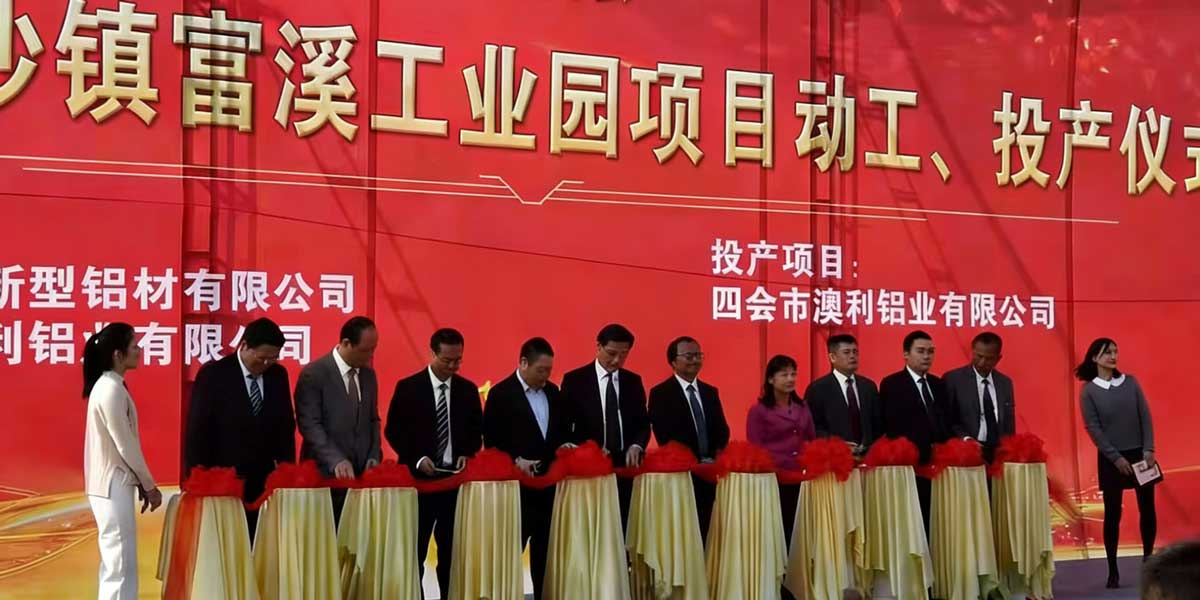
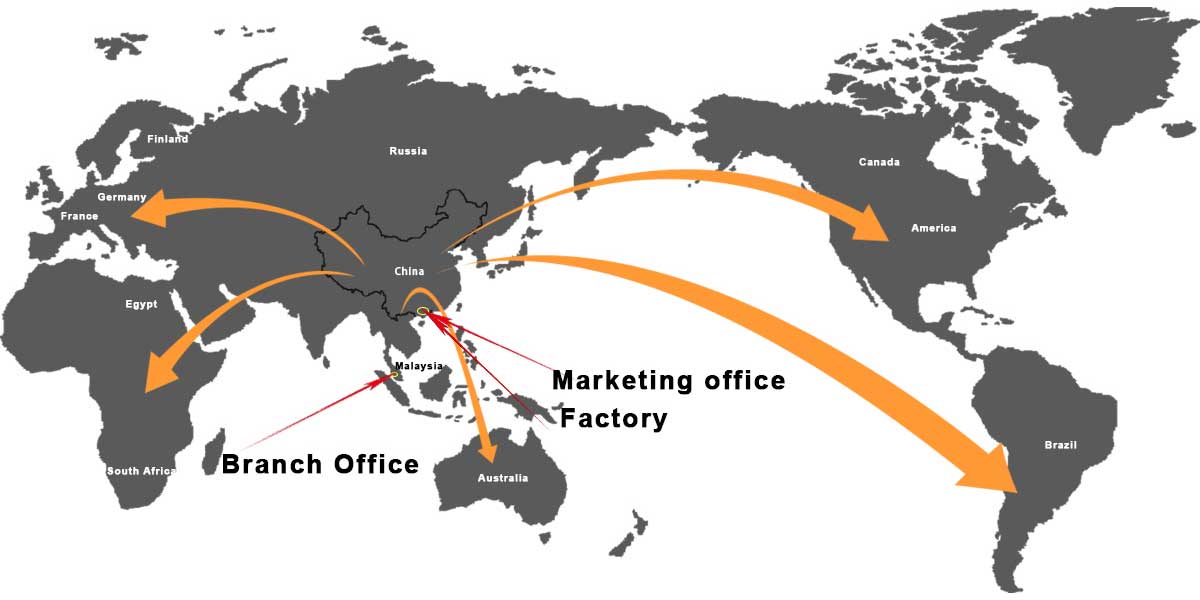
Opened a sales hub in Foshan to simplify global logistics, with plans for a regional support office in Malaysia by 2026.
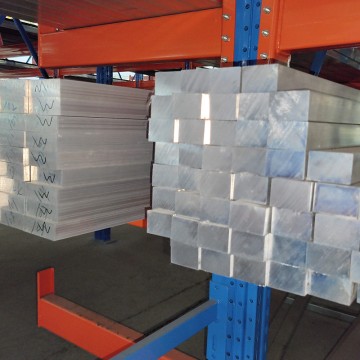
A closer look at our extrusion presses, automated storage systems, and coating plants.
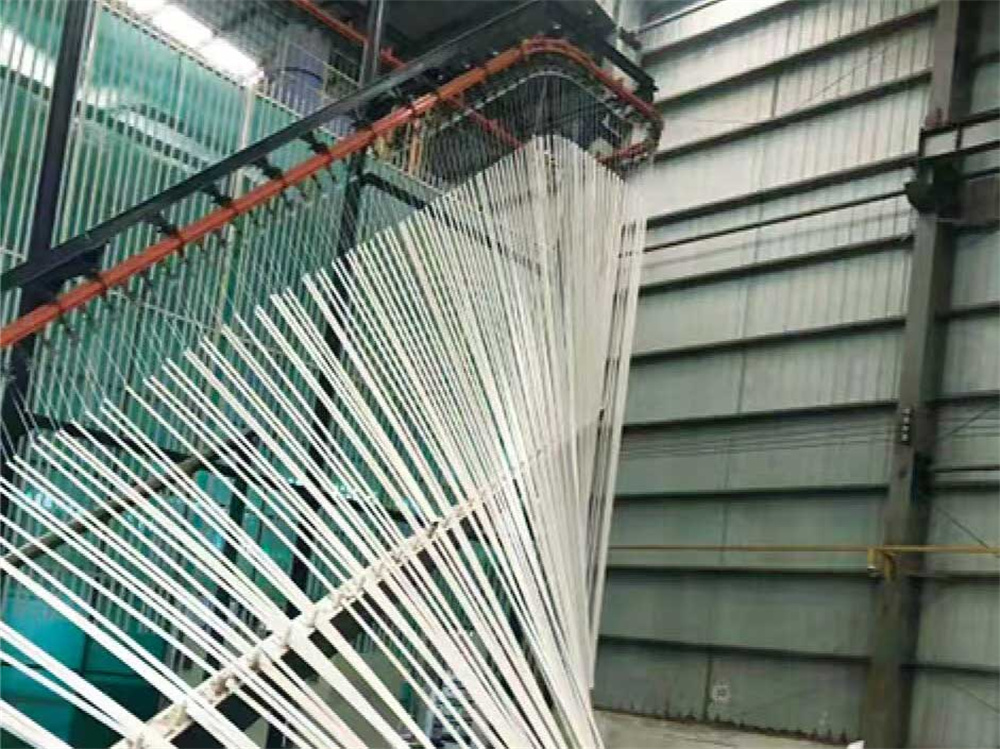
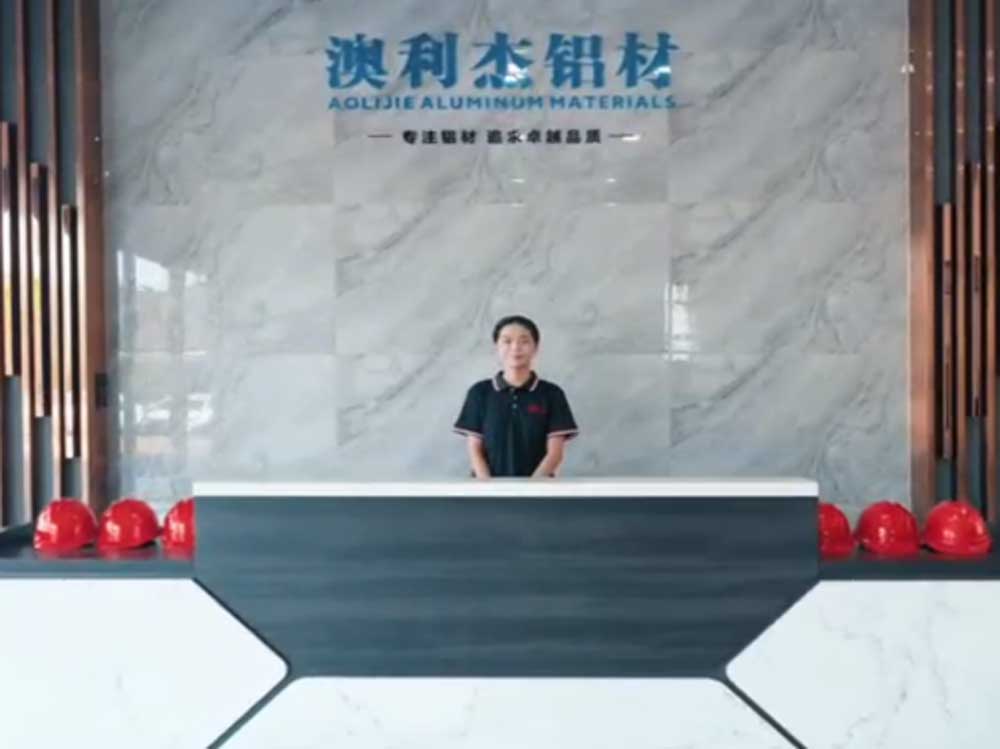
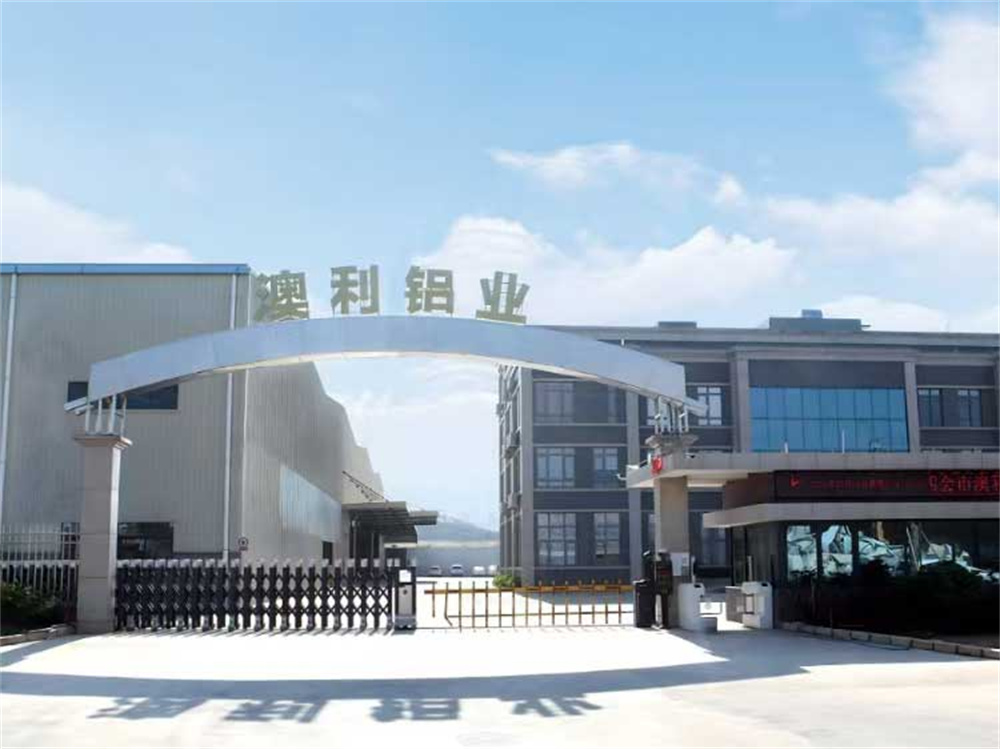
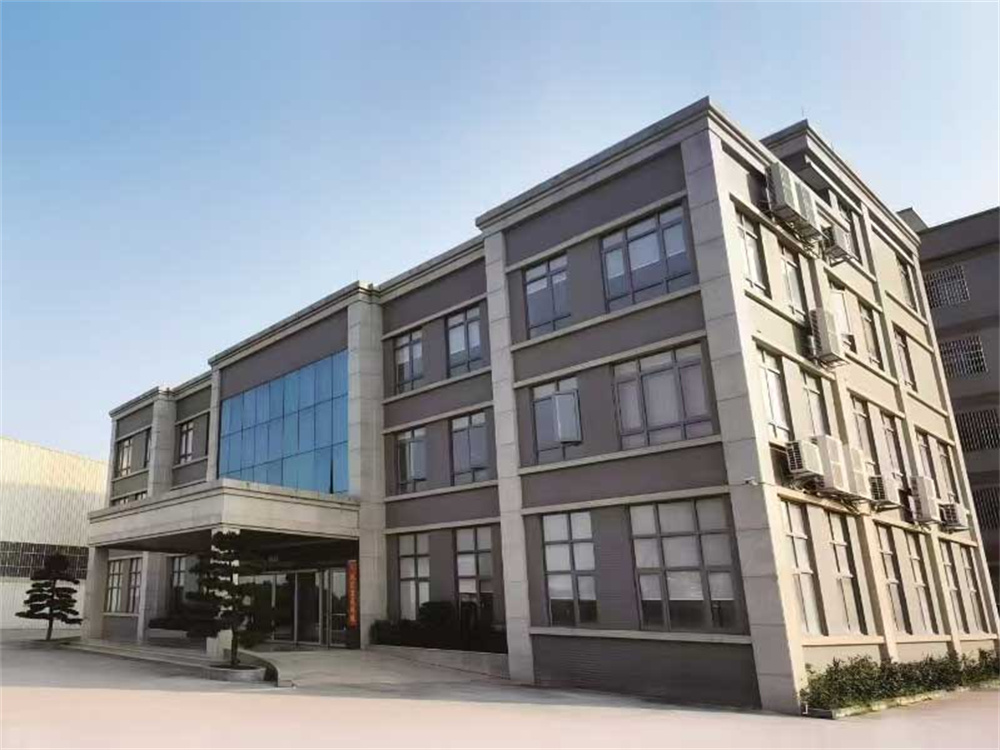
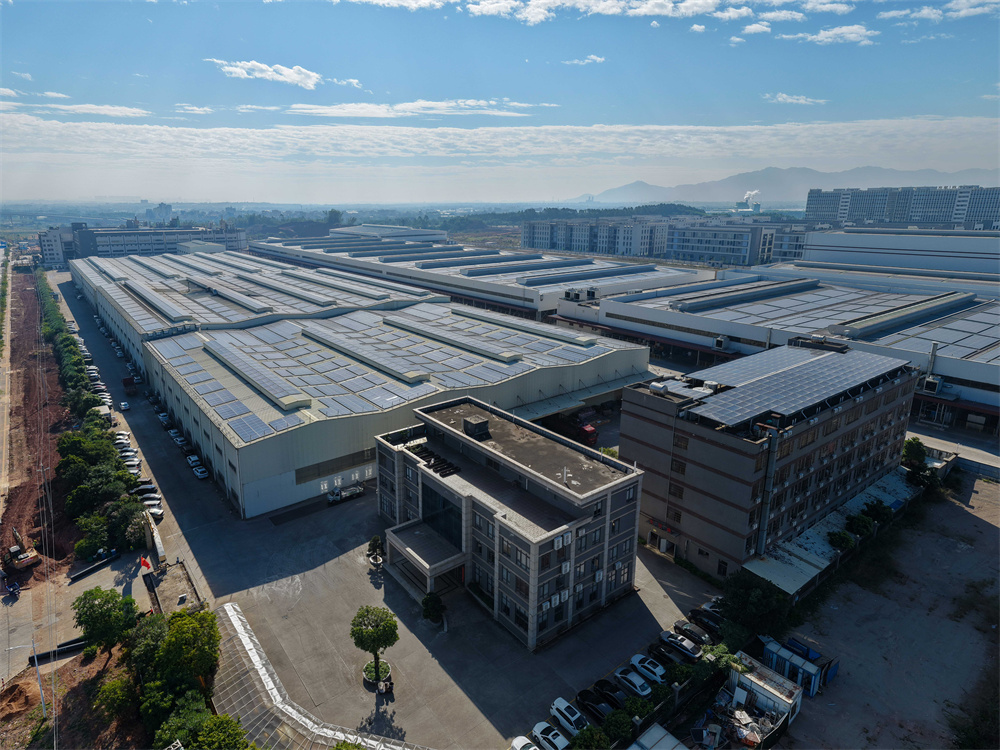
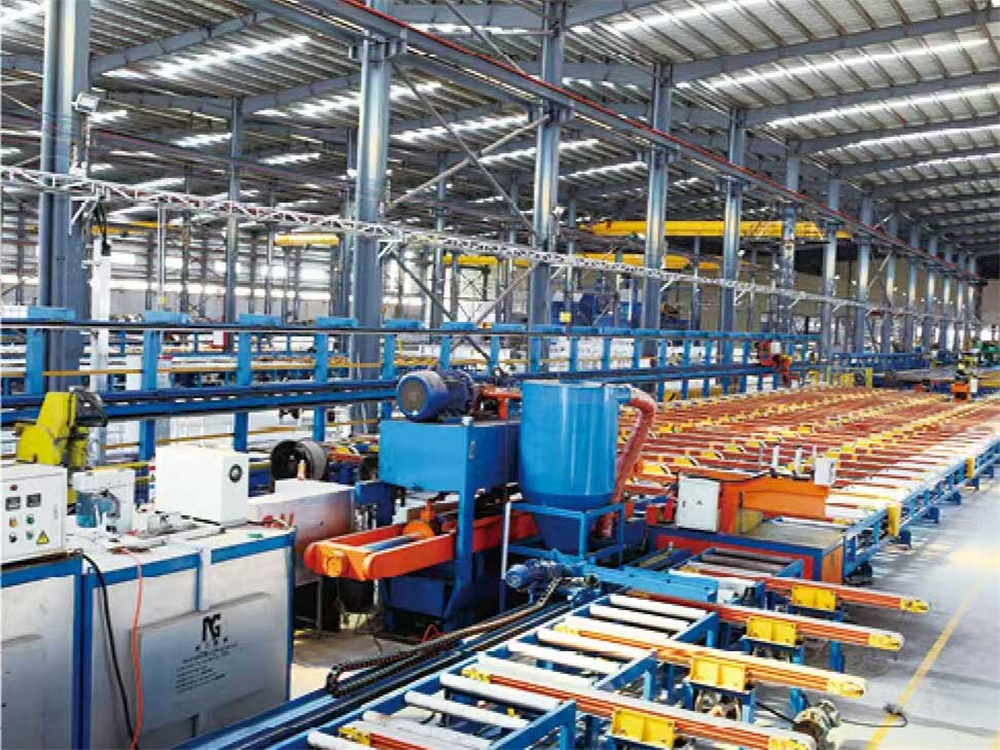
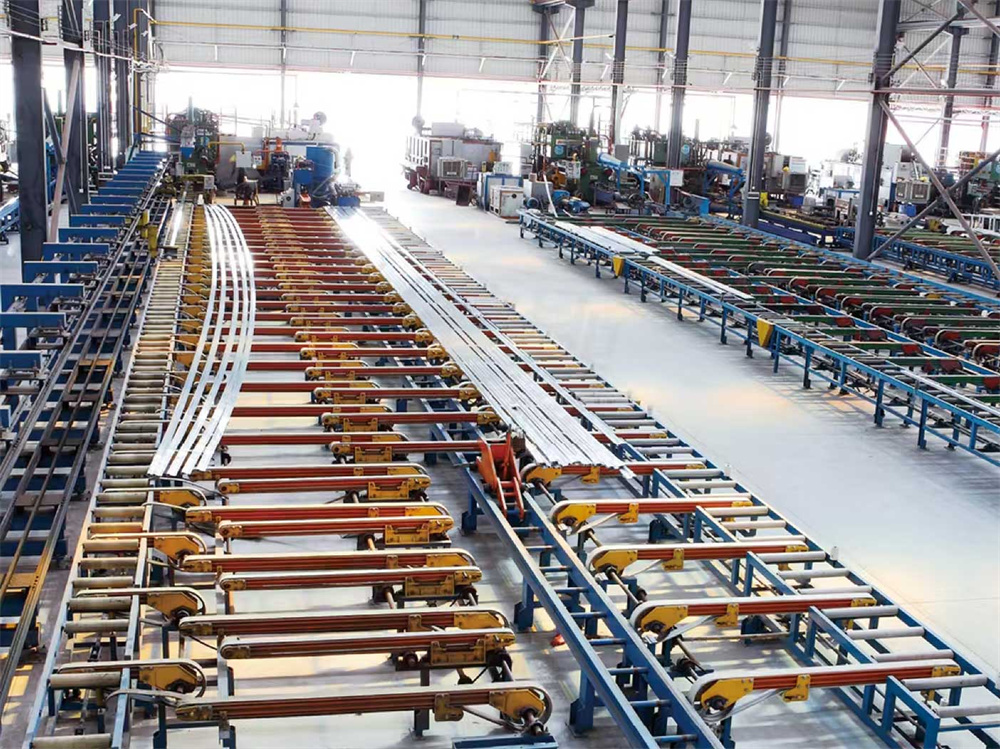
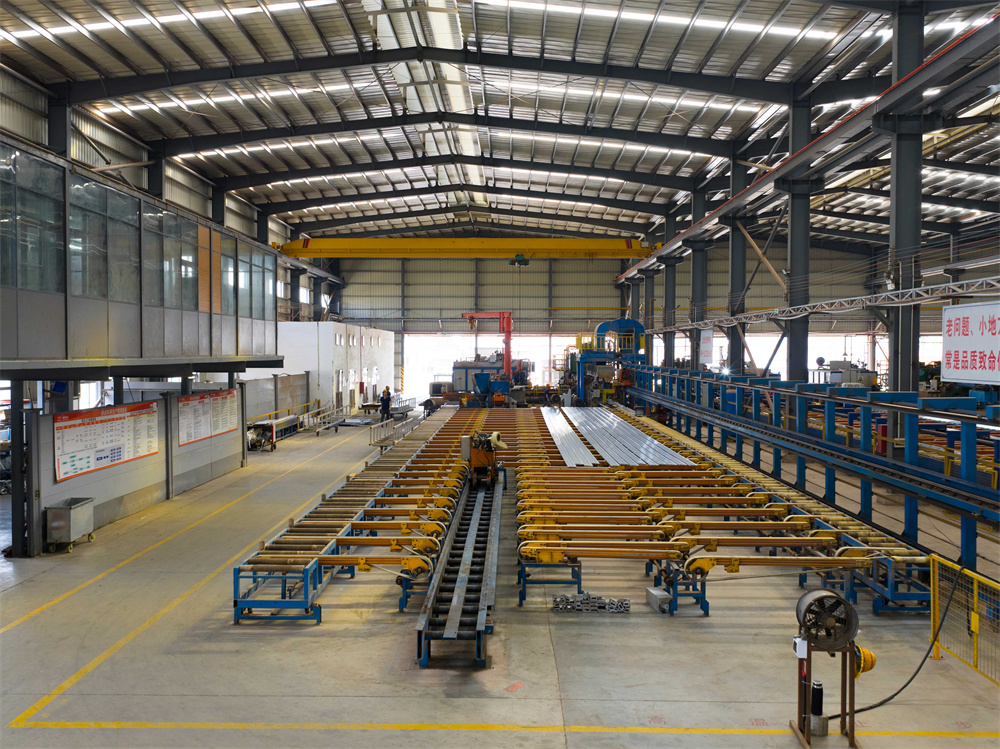
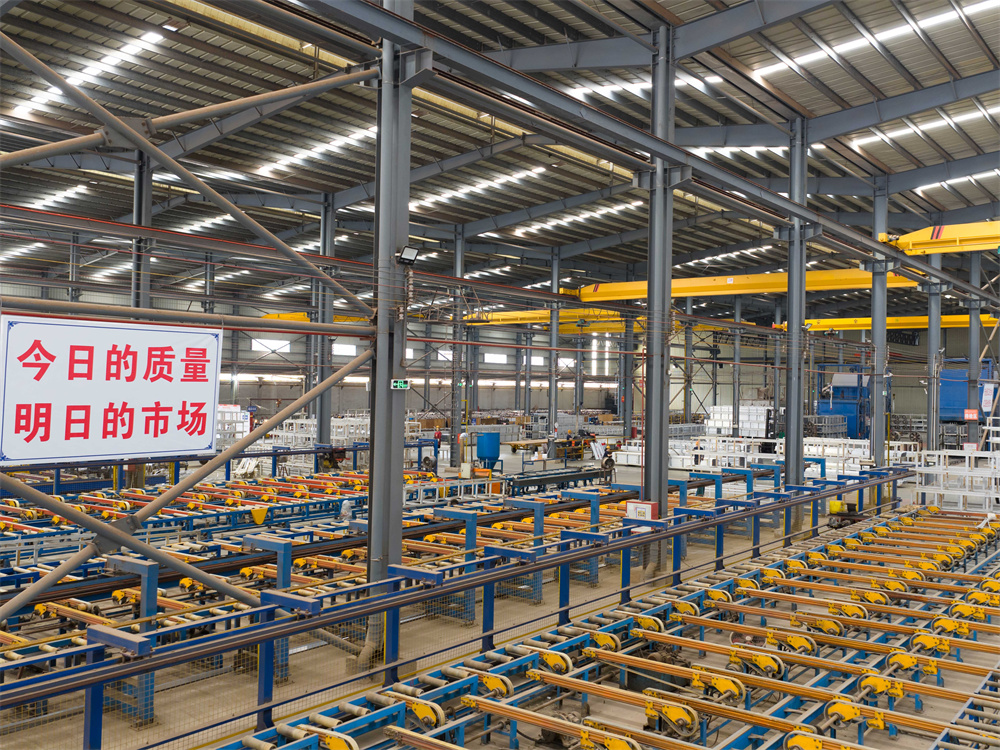
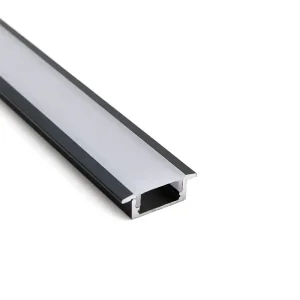
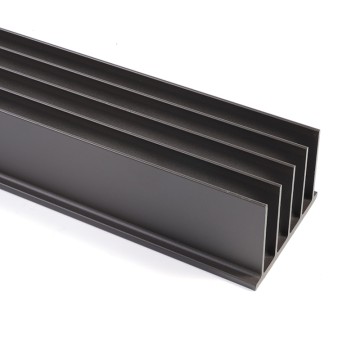
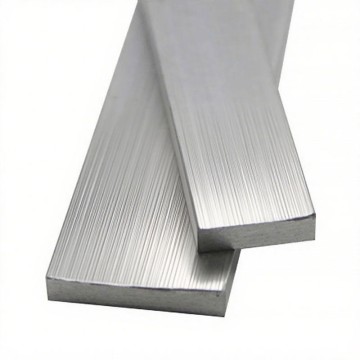
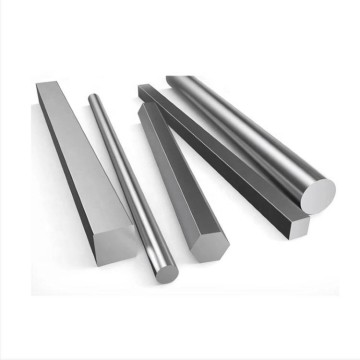
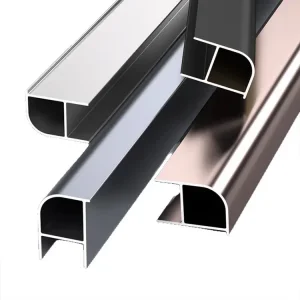
We produce standard building profiles and customized thermal control components for industrial applications.
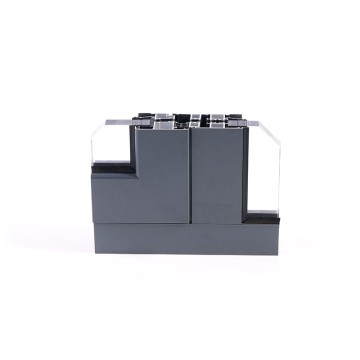
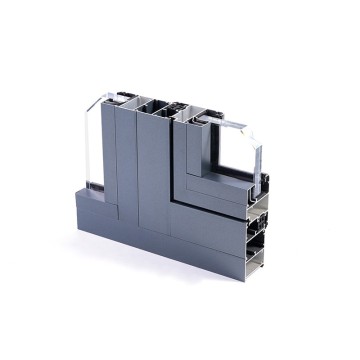
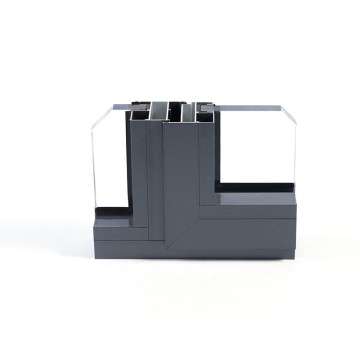
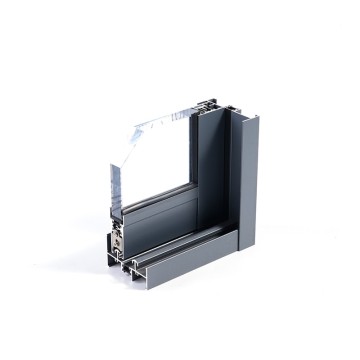
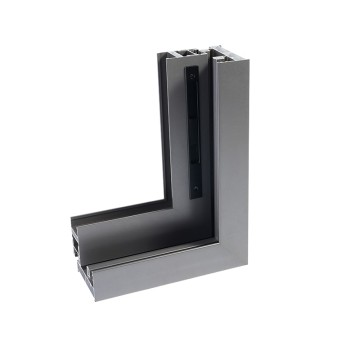
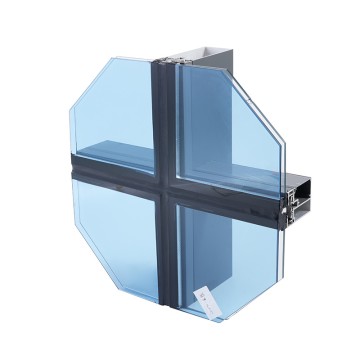
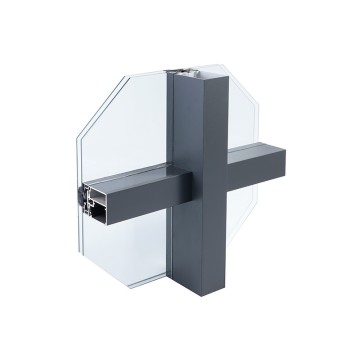
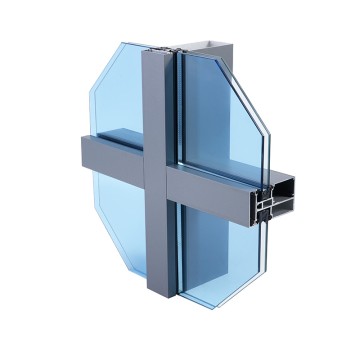
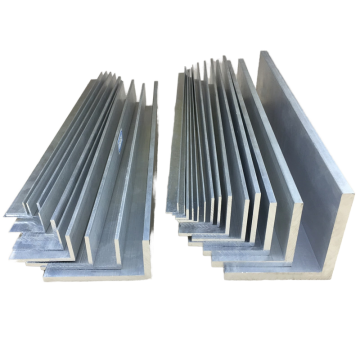
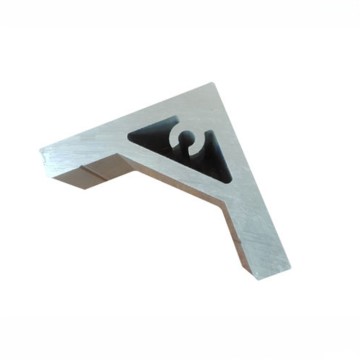
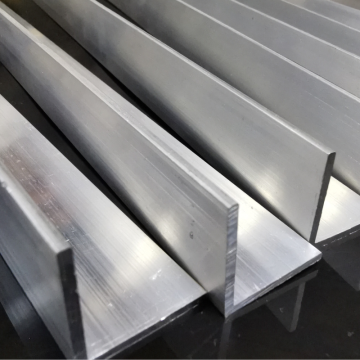
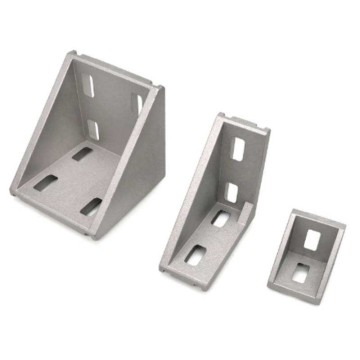
100% full production line inspection, 5% secondary spot checks, and random AQL sampling to meet ISO 2859 standards.
To qualify extrusion structural integrity, our central testing laboratory runs mechanical, chemical, and environmental testing on every batch. Our quality protocols ensure compliance with ASTM and EN standards before shipments leave our facility.
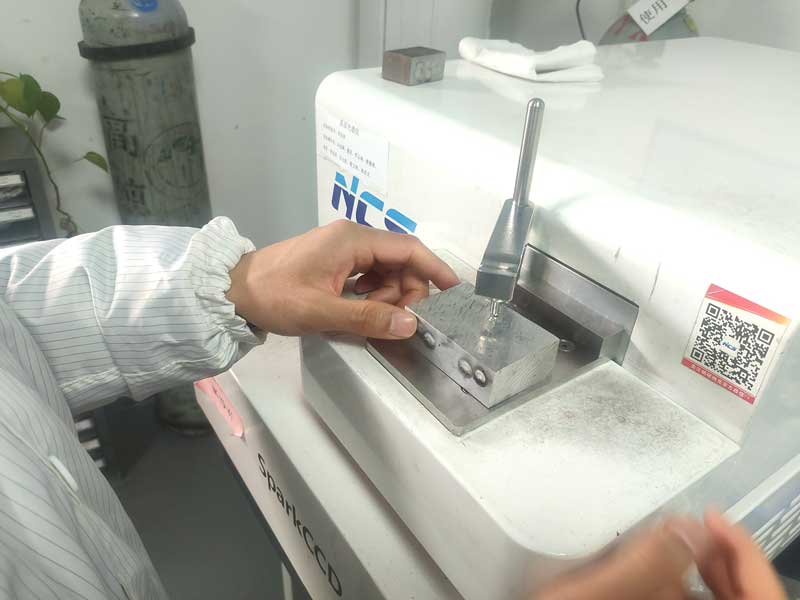
Componential Analysis
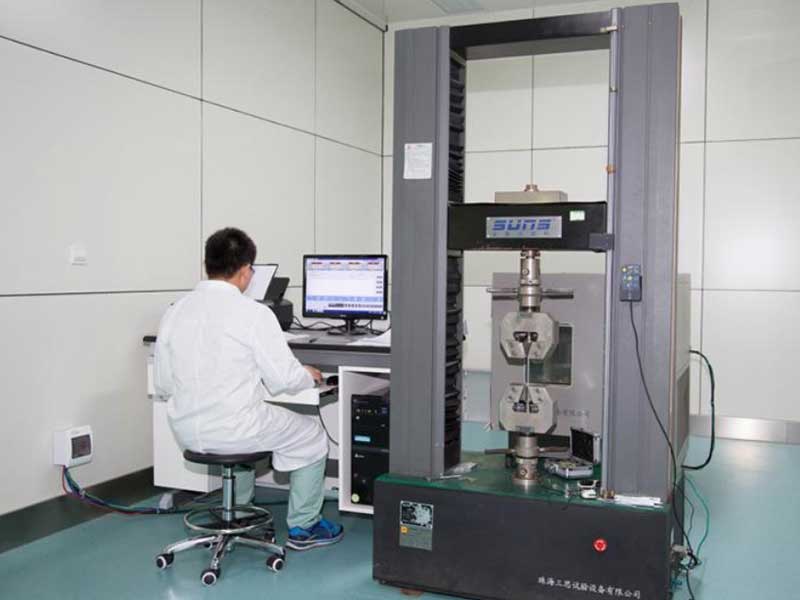
Tensile Strength Test
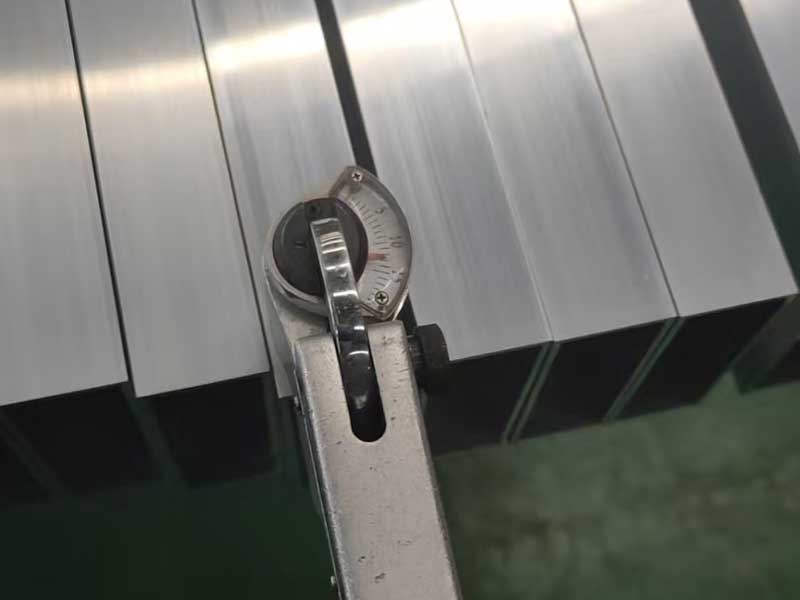
Webster/Vickers Hardness Test
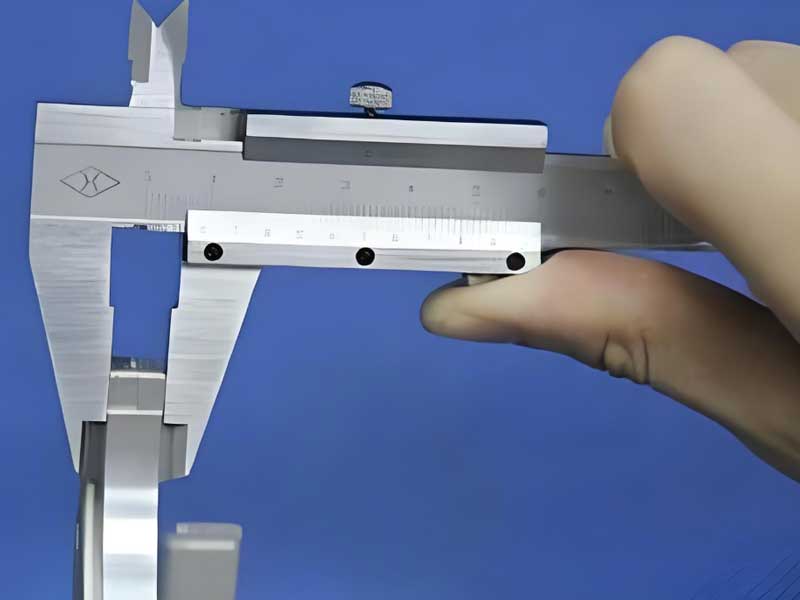
Precision Dimensional Measure
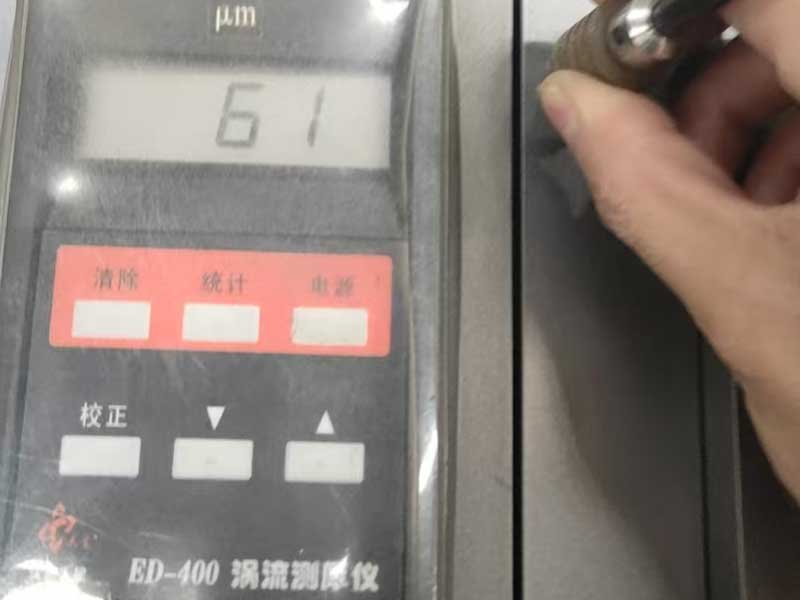
Film Thickness & Adhesion Test
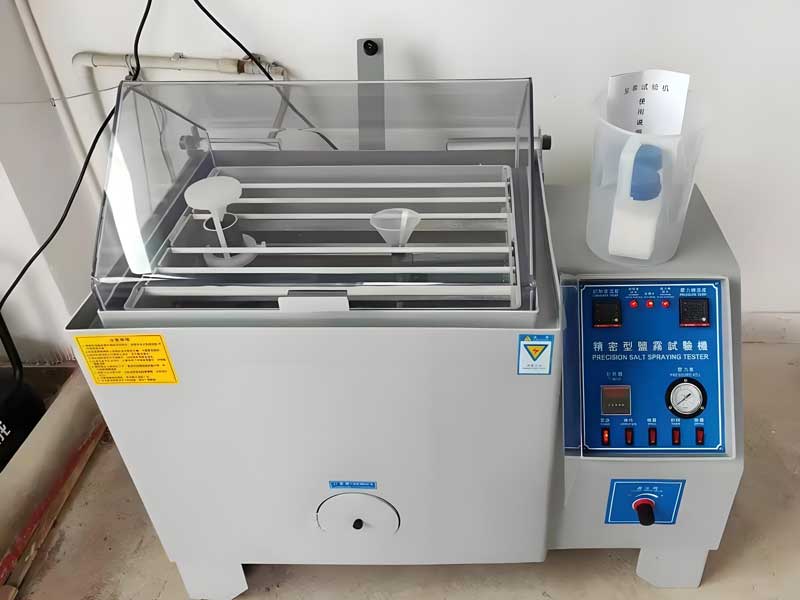
Salt Spray Corrosion Resistance
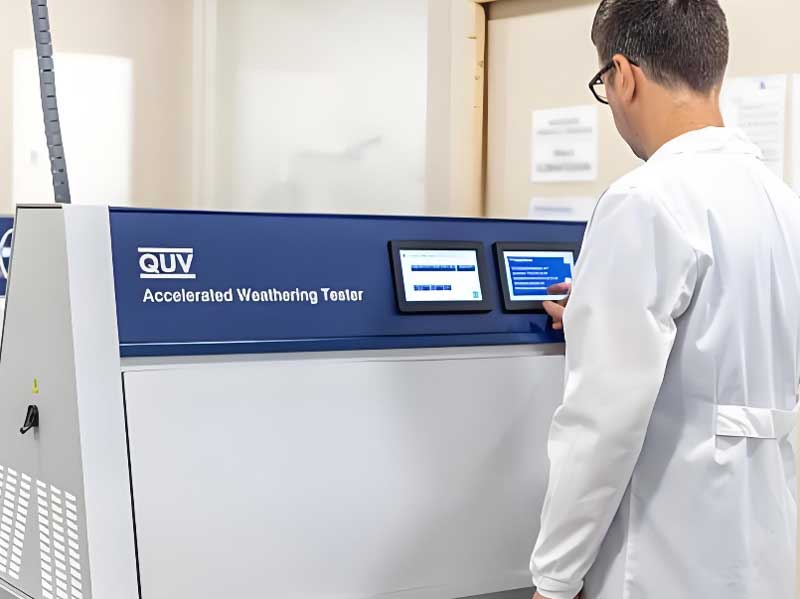
Accelerated UV Aging Test
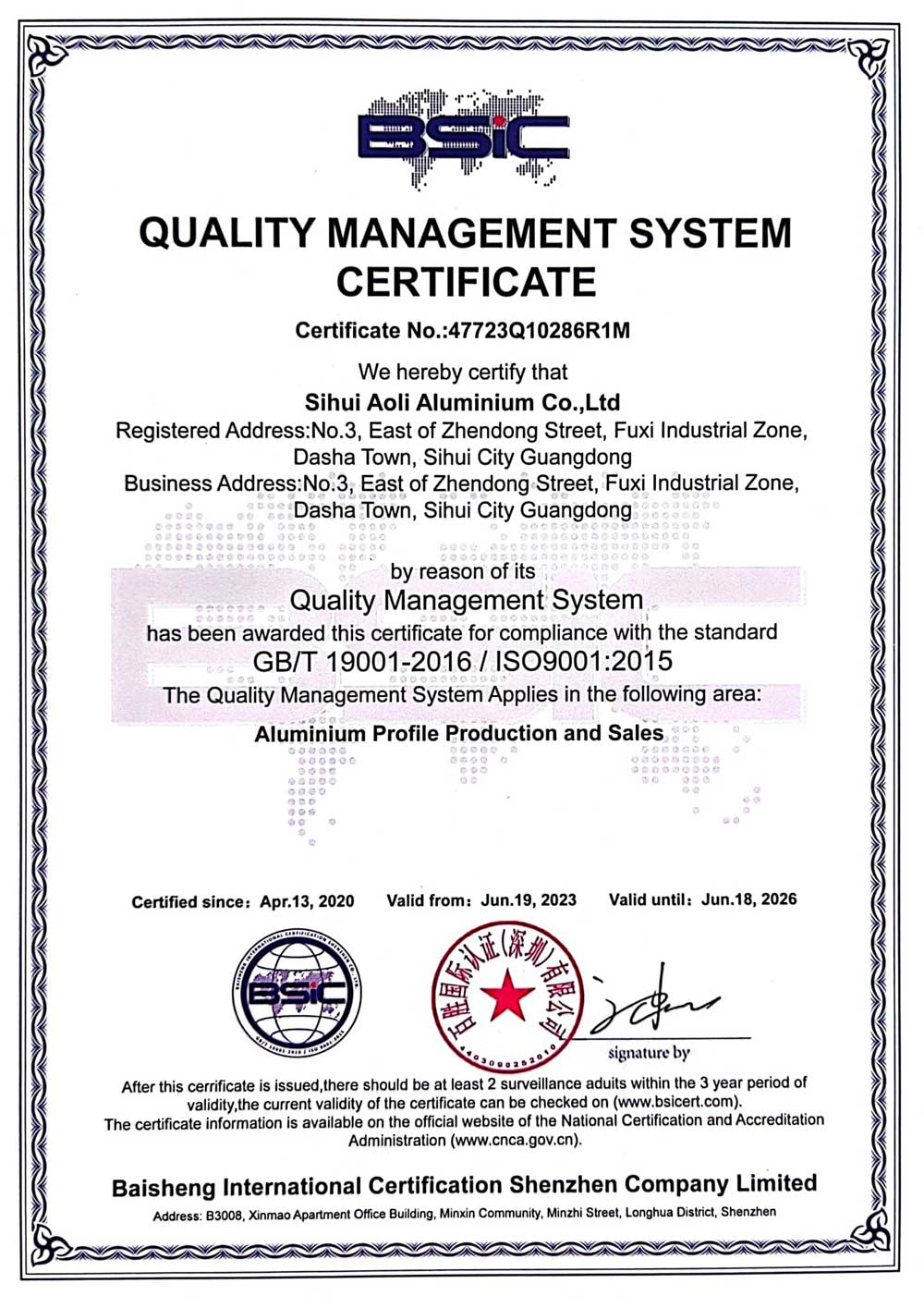
ISO Certified Quality Framework
From industrial automation setups to thermal facades, here is how our custom profiles perform globally.
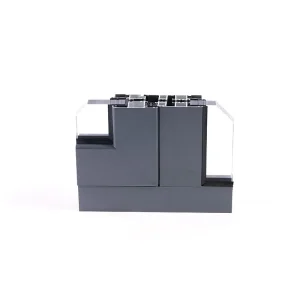
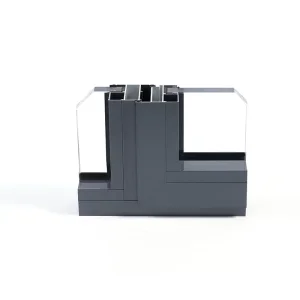
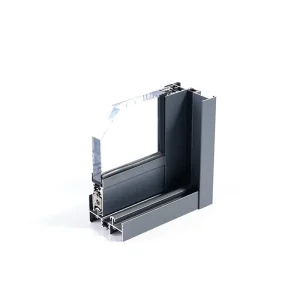
We supply precise building profiles and framing systems to commercial construction firms. These systems support heavy double-glazed panels and isolate wind and thermal stress.
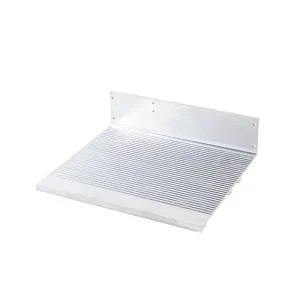
Our heavy industrial division manufactures custom cooling fins, motor housings, and heat sinks. We extrude complex shapes with high thermal conductivity parameters.
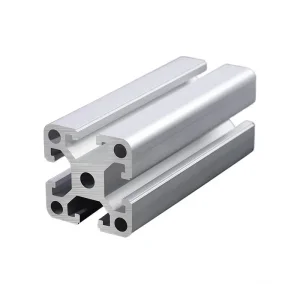
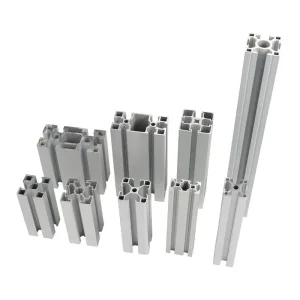
Our 4040 structural line profile systems support automated assembly frameworks, industrial workbenches, and protective enclosures, matching ISO class tolerances.
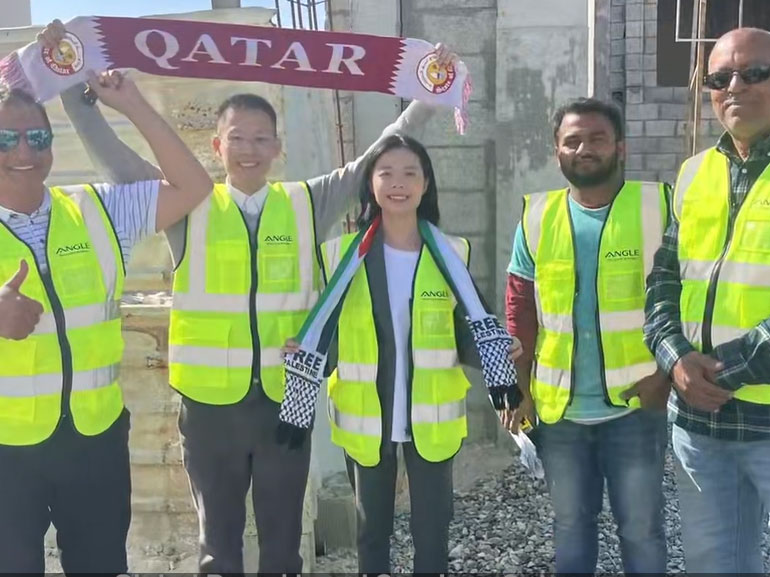
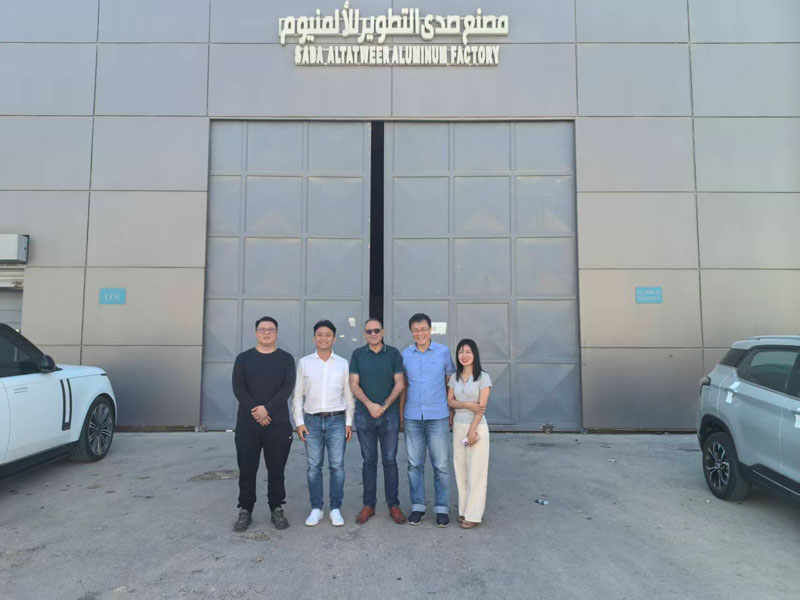
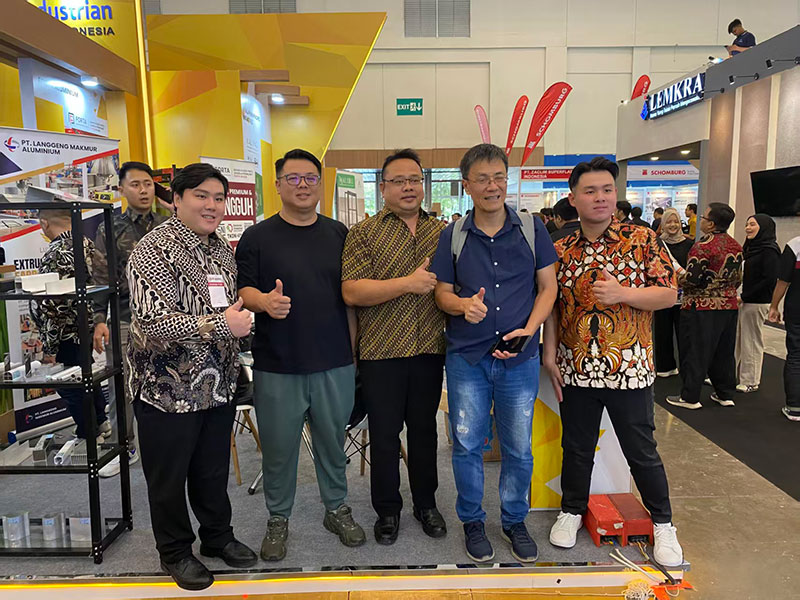
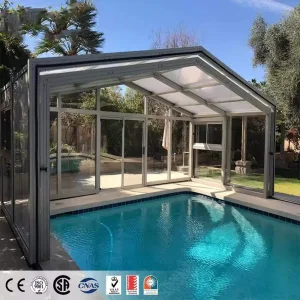
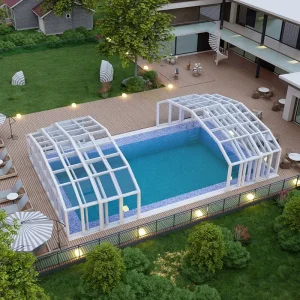
Aoli profiles are utilized globally in architectural, residential, and automated warehouse applications.


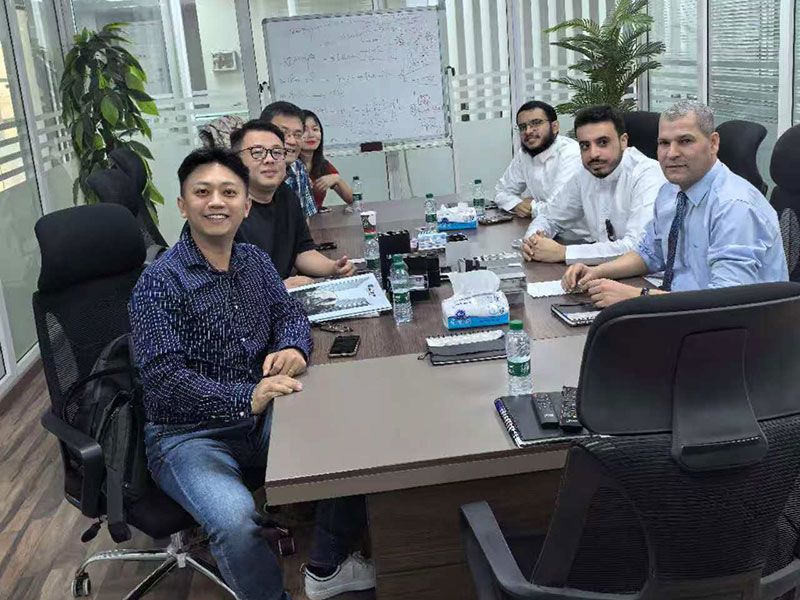
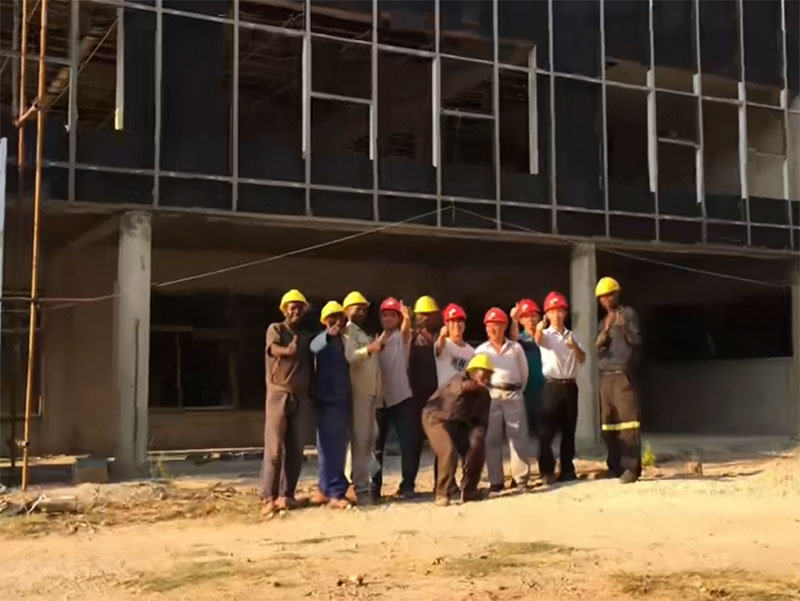
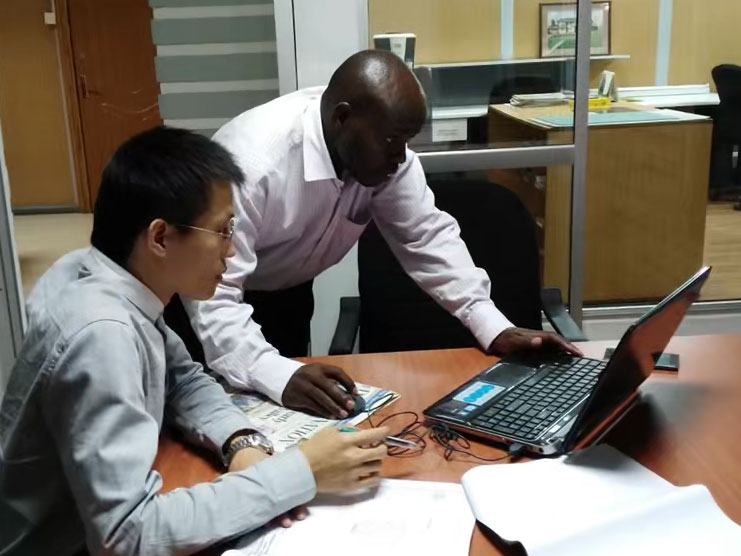
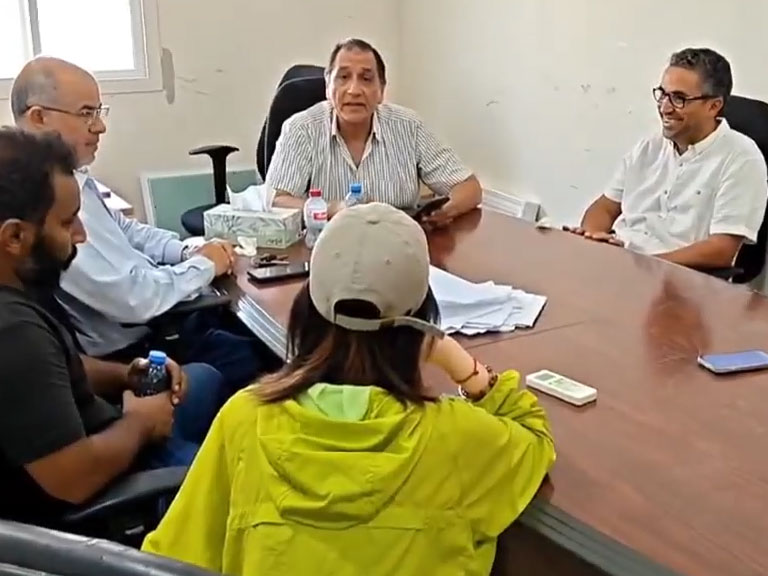
Technical evaluation parameters designed for procurement directors, mechanical engineers, and global buyers.
Sourcing high-quality custom aluminum profiles requires evaluating key metallurgical and mechanical properties to ensure project longevity and component durability.
1. Alloy Selection and Chemistry Control: 6000-series alloys are the standard for architectural and structural configurations. 6063 aluminum offers high surface finishes and is ideal for window frames, trim, and storefront systems. For load-bearing platforms or solar racks, 6061 and 6005A alloys provide higher yield strengths. Controlling silicon, iron, and magnesium percentages during casting helps prevent micro-cracks during processing.
2. Wall Thickness Tolerances: Industrial standards like EN 755 and ASTM B221 specify acceptable dimensional tolerances. Working with a factory that monitors extrusion die wear helps prevent wall thickness deviations, which is critical for components requiring precise CNC slide fits.
3. Thermal Break Performance: Energy-efficient architectural frames use reinforced polyamide strips (such as PA66 GF25) inserted between inner and outer profiles. Aoli’s thermal break casting systems insulate commercial glass assemblies, helping properties achieve LEED certifications.
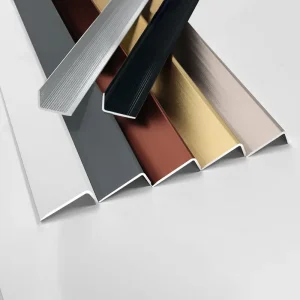
4. Surface Finish Durability: For profiles exposed to coastal marine climates or high UV radiation, standard mill finishes degrade quickly. Our PVDF coatings, powder coatings, and anodized layers are tested for salt spray resistance to ensure they maintain color stability and prevent peeling over decades of use.
Expert answers addressing alloy chemistry, tooling costs, lead times, and quality control protocols.
Speak with our structural design engineers. We provide CAD evaluations, alloy recommendations, and sample extrusions to help launch your projects.
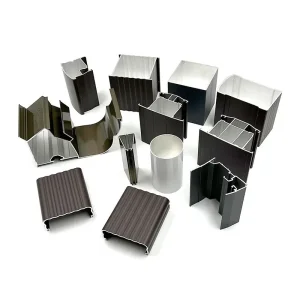
Standard architectural and heavy-duty structural profiles designed for high durability and performance.
 Aoli Aluminum