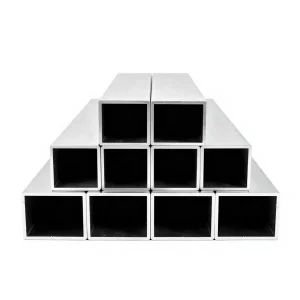
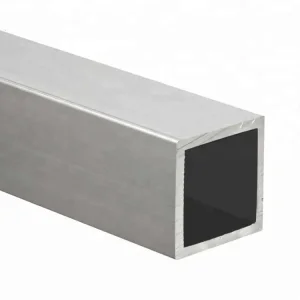
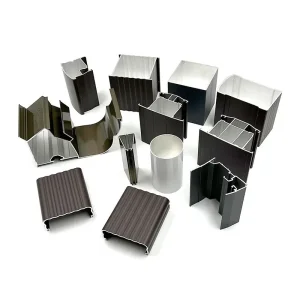
Discover our foundational range of premium custom extrusions, solar accessories, and structural components.
Modern electrical engineering demands thermal solutions that balance low weight, optimized heat transfer coefficient, and exceptional environmental durability. Anodized aluminum heat sinks represent the standard in passive thermal management, providing the necessary heat path to dissipate heat away from critical electronics such as power transistors, light-emitting diodes (LEDs), central processing units (CPUs), and EV automotive battery units.
The core thermal management property of raw aluminum is its thermal conductivity, which sits at roughly 200 W/(m·K) for alloy 6063. However, raw aluminum easily oxidizes under atmospheric conditions, forming a non-uniform oxide layer that limits thermal radiation and offers zero resistance against corrosion. This is where the electrochemical process of anodizing plays a transformative role. By thickening the natural oxide layer through controlled electrolysis, anodizing creates a highly porous, hard coating that offers distinct technical benefits:
In natural convection scenarios (without fan-forced airflow), radiative cooling accounts for up to 30% to 40% of the total thermal dissipation. Unanodized aluminum profiles rely almost exclusively on convection, whereas black anodized finishes maximize radiative dissipation, cooling electronics up to 15% more effectively than raw equivalents.
For procurement officers in Europe, North America, and East Asia, sourcing industrial heat sinks from Chinese suppliers is a strategic move that involves balancing material quality against logistical speed and compliance. Key concerns include:
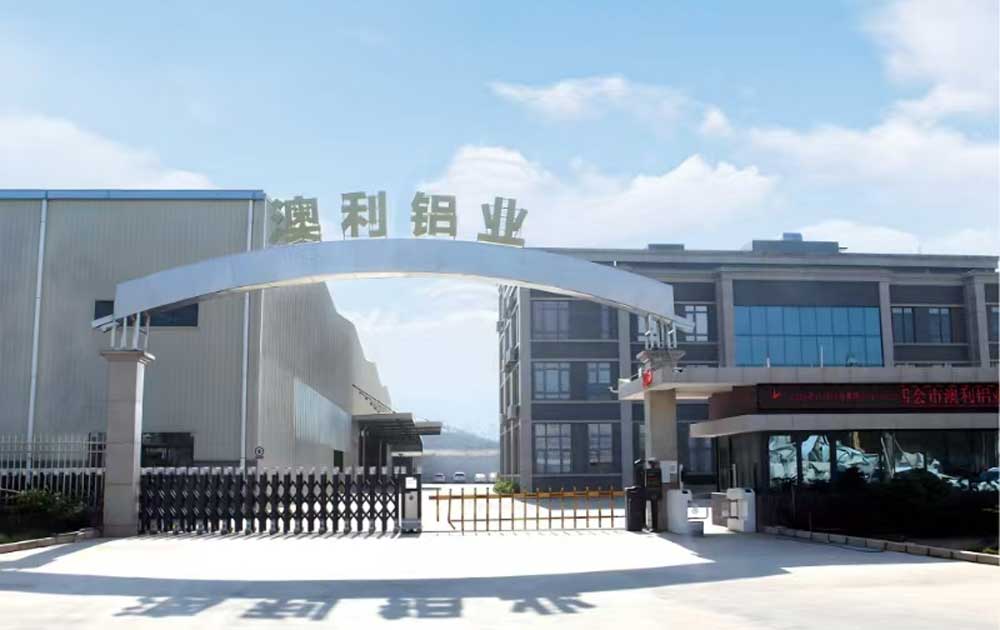
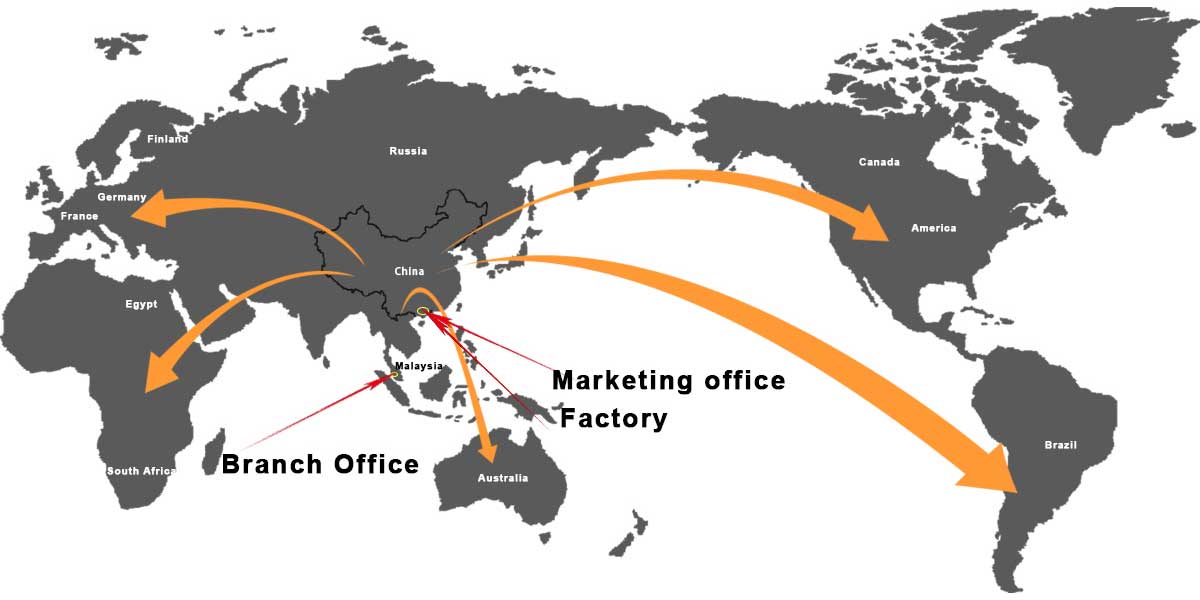
Established in 2009, Aoli Aluminum has grown into a vertically integrated manufacturer. Our corporate headquarters in Sihui, Guangdong, and sales operations in Foshan allow us to manage the entire supply chain—from raw billet extrusion to advanced surface treatments and final CNC milling.
Equipped with state-of-the-art extrusion lines ranging from 900 tons to 2000 tons, we are capable of extruding high-aspect-ratio thin fins, which are critical for lightweight convective heat sinks. Our 100,000 sets of existing molds minimize initial tooling costs for overseas buyers, accelerating time-to-market.
Aluminum profiles are the backbone of clean energy systems, telecommunications, and industrial automation. Let us look at key industry sectors:
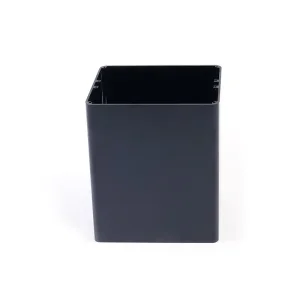
As EV battery systems undergo rapid charging and discharging, thermal stability is critical to prevent thermal runaway. Aluminum battery cases and custom heat sink profiles act as structural framing and active/passive cooling paths. Our lightweight, high-strength extrusions (such as the Wholesale Durable Aluminum Profile Battery Case for E-bike) provide the necessary physical protection and thermal dissipation path.
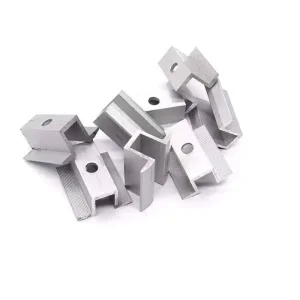
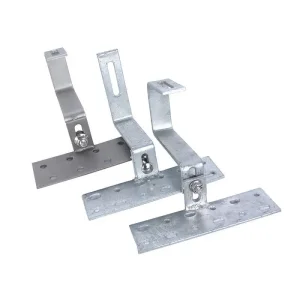
Solar arrays are subject to extreme atmospheric conditions, including heavy winds, thermal expansion, and intense UV exposure. Our Aluminum Solar Panel Mid Clamps are designed to survive outdoor environments while maintaining structural integrity over 25-year lifespans. Proper anodization ensures no galvanic corrosion occurs at the interface between the solar panel frame and the clamp.
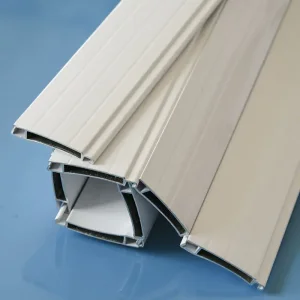
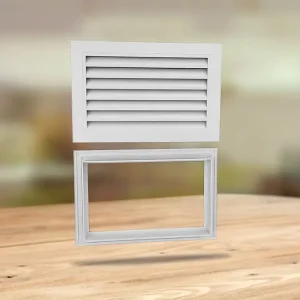
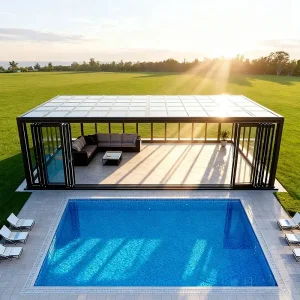
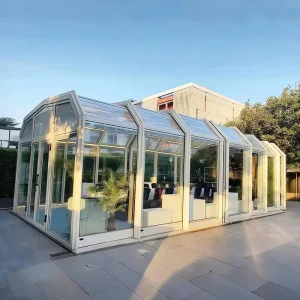
In modern commercial buildings, architectural panels and air circulation grilles play a dual role in aesthetic design and ventilation control. Return air grilles and pool sunrooms need to handle condensation and chemical exposure. Aolijie's custom building profiles and door systems are treated with PVDF coatings and advanced thermal breaks, ensuring energy efficiency and durability.
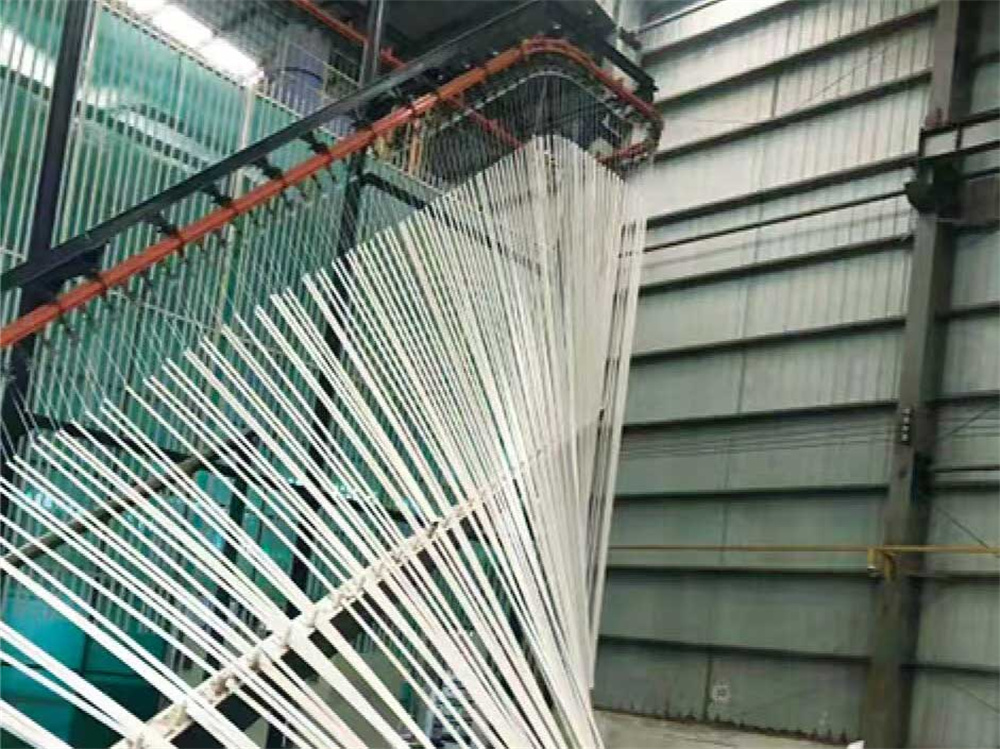
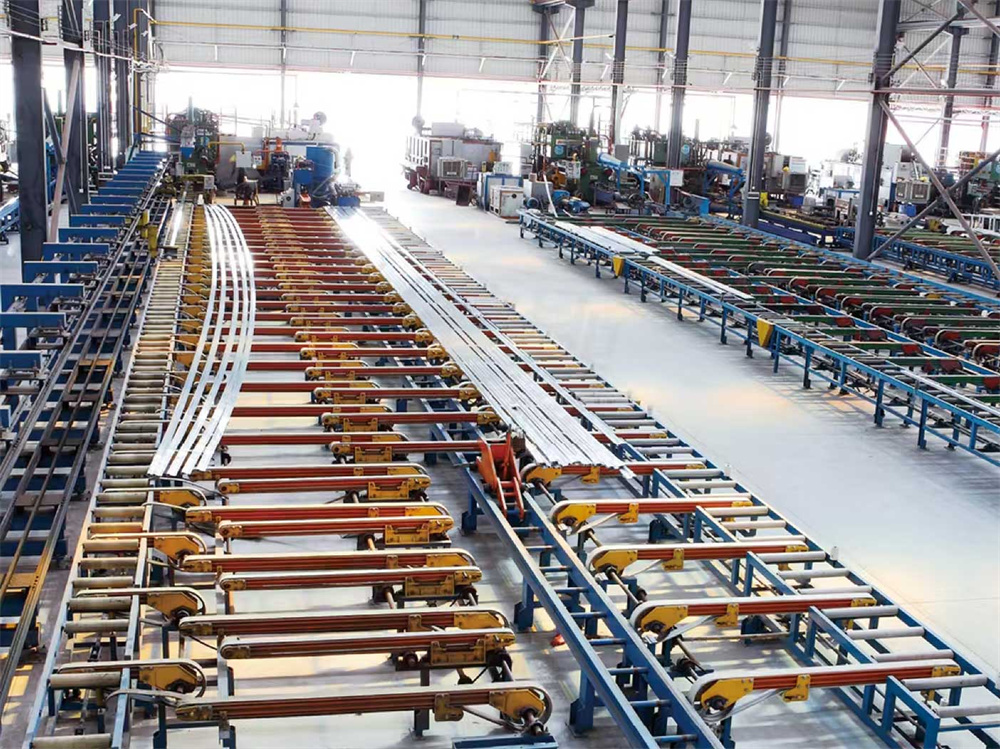
Our manufacturing processes are fully open to customer inspection, reflecting our commitment to transparent quality standards.
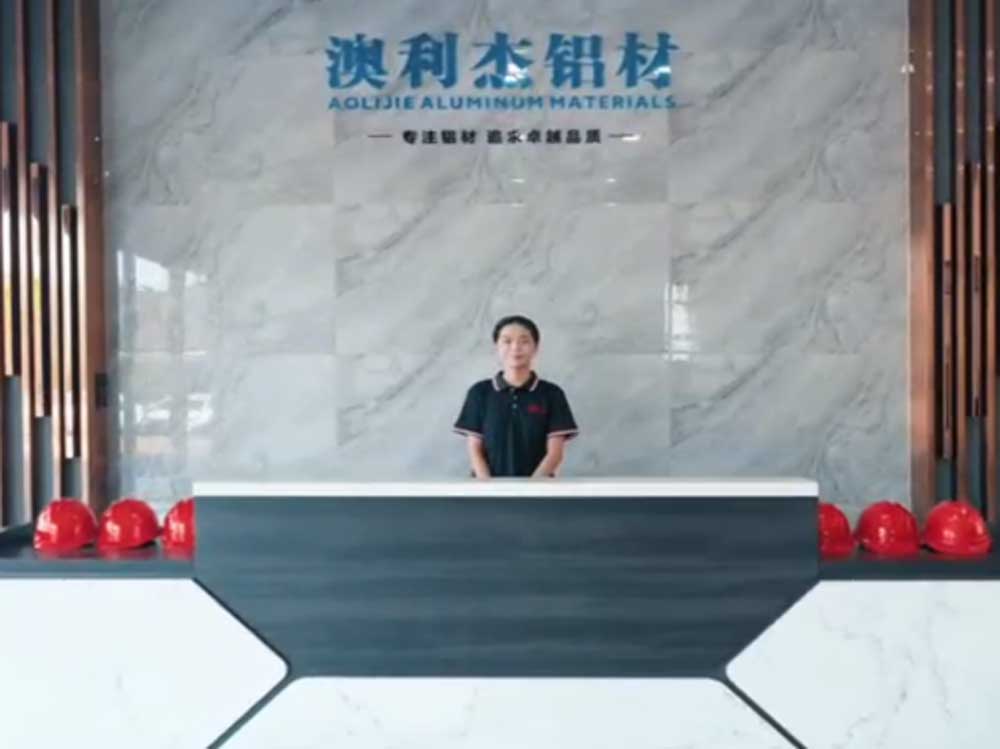
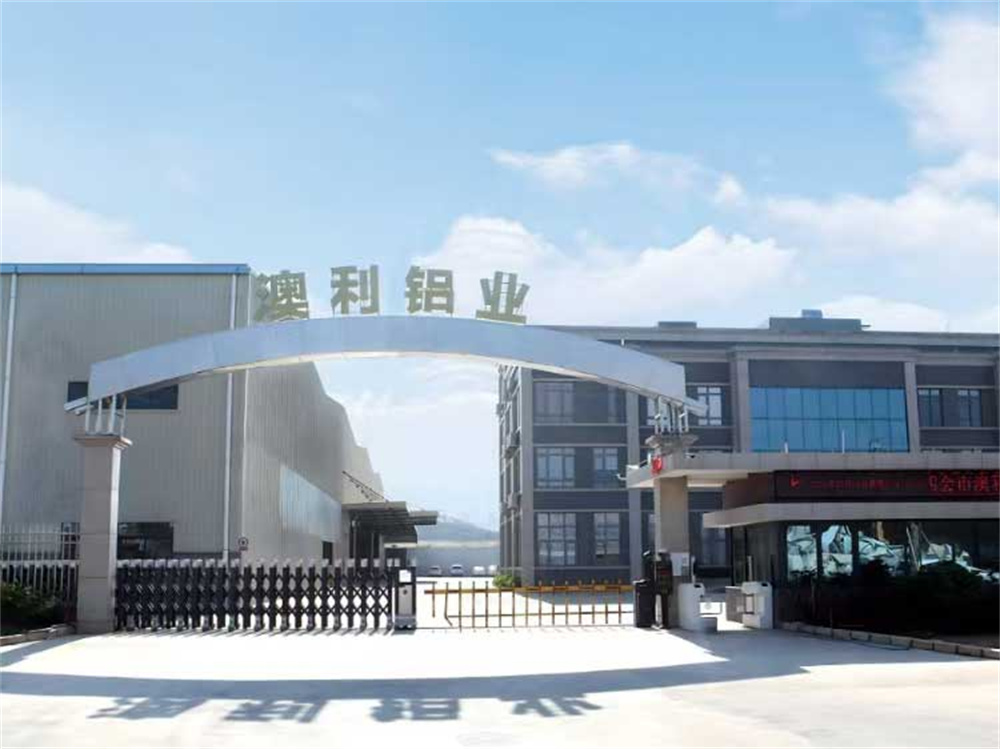
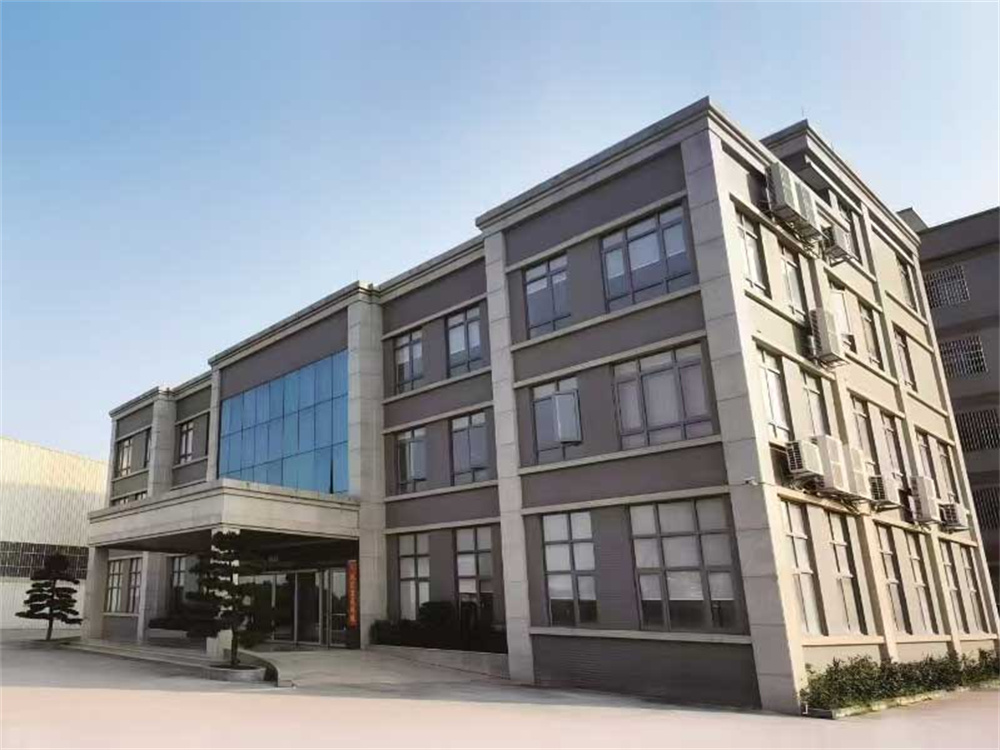
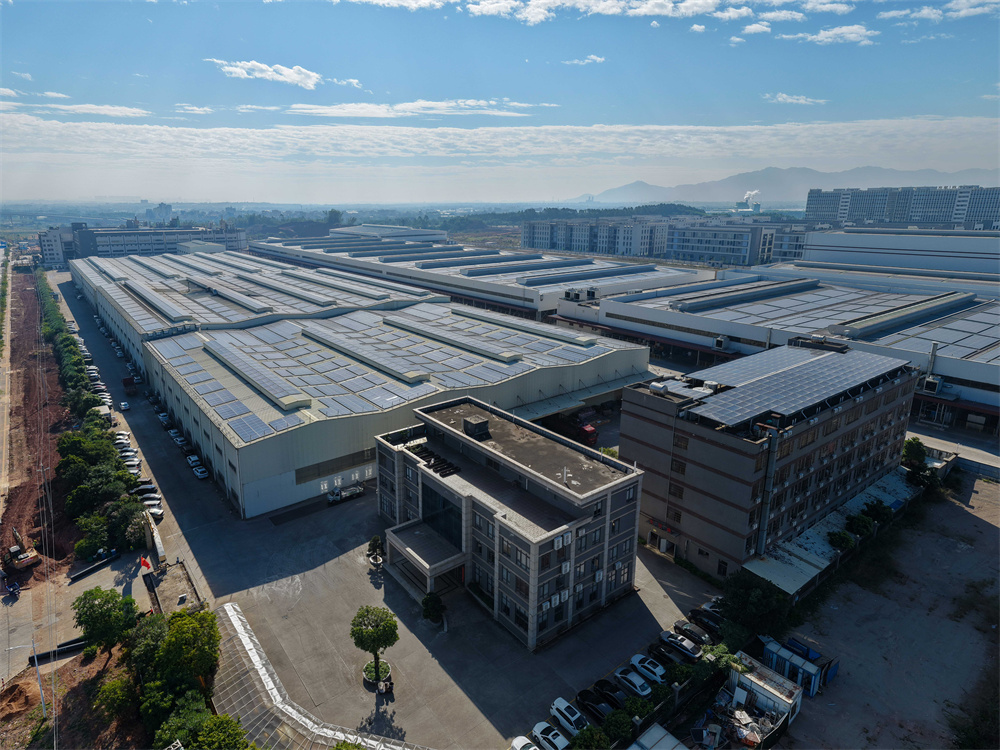
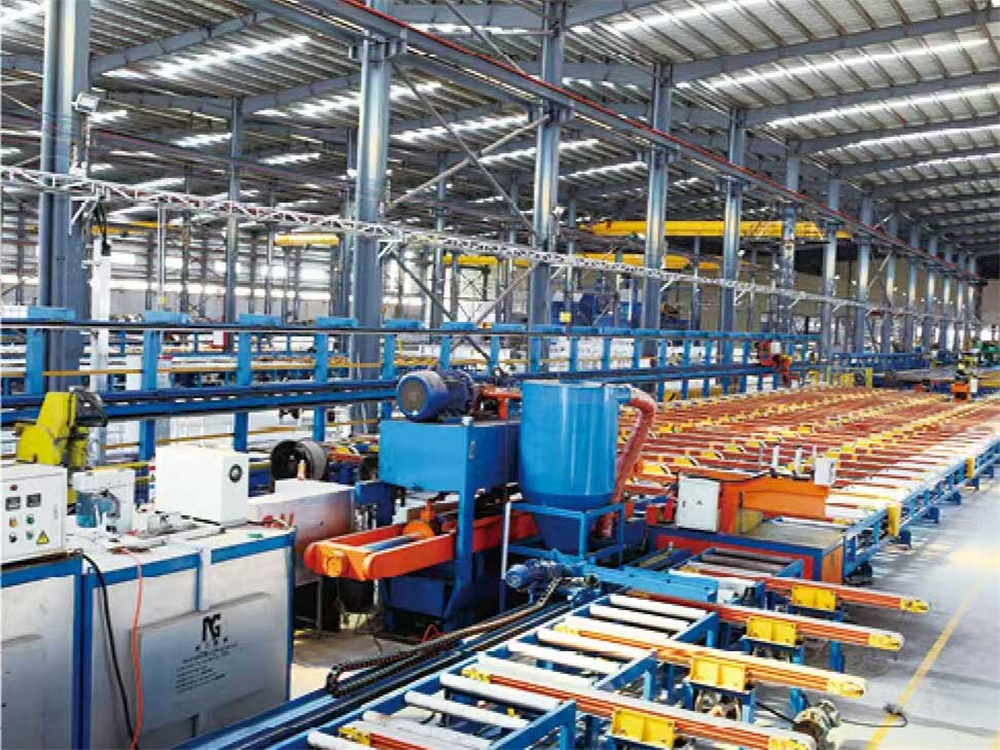
The brand "Aolijie" reflects our dedication to manufacturing excellence and customer-focused engineering.
In 2000, our founder, Mr. Wong, entered the building materials industry. During this period, China’s industrial infrastructure was expanding rapidly, driving the demand for light, recyclable materials. Recognizing that aluminum profiles were key to sustainable, low-carbon development, Mr. Wong envisioned a state-of-the-art manufacturing plant dedicated to precision and quality.
In 2009, this vision became reality with the founding of Aoli Aluminum. Mr. Wong coined the name "Aolijie" to represent the company's core values:
Building sustainable cities for the world. We reduce building energy consumption by designing and manufacturing advanced thermal break systems and lightweight heat sinks.
To lead the aluminum extrusion export market by maintaining high customer satisfaction, fostering employee growth, and establishing a globally recognized brand.
Customer First, continuous employee development, and maintaining brand reputation through strict adherence to international quality standards.
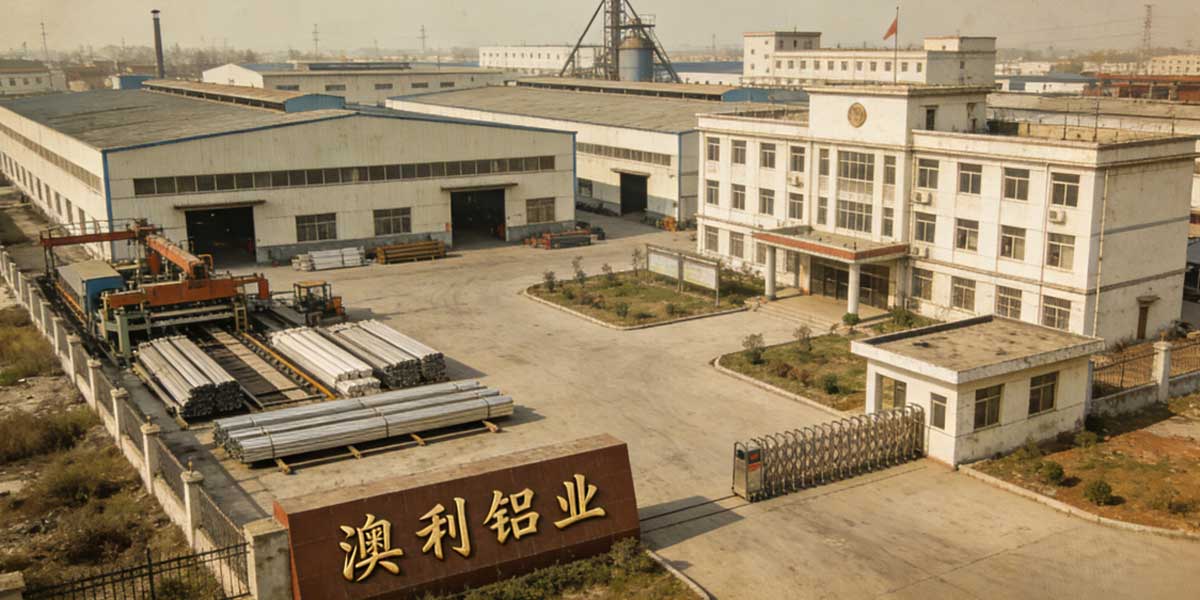
Our first 10,000-square-meter facility was established in Sihui, Guangdong, laying the groundwork for the production of standard and custom aluminum extrusions under the brand "Aolijie".
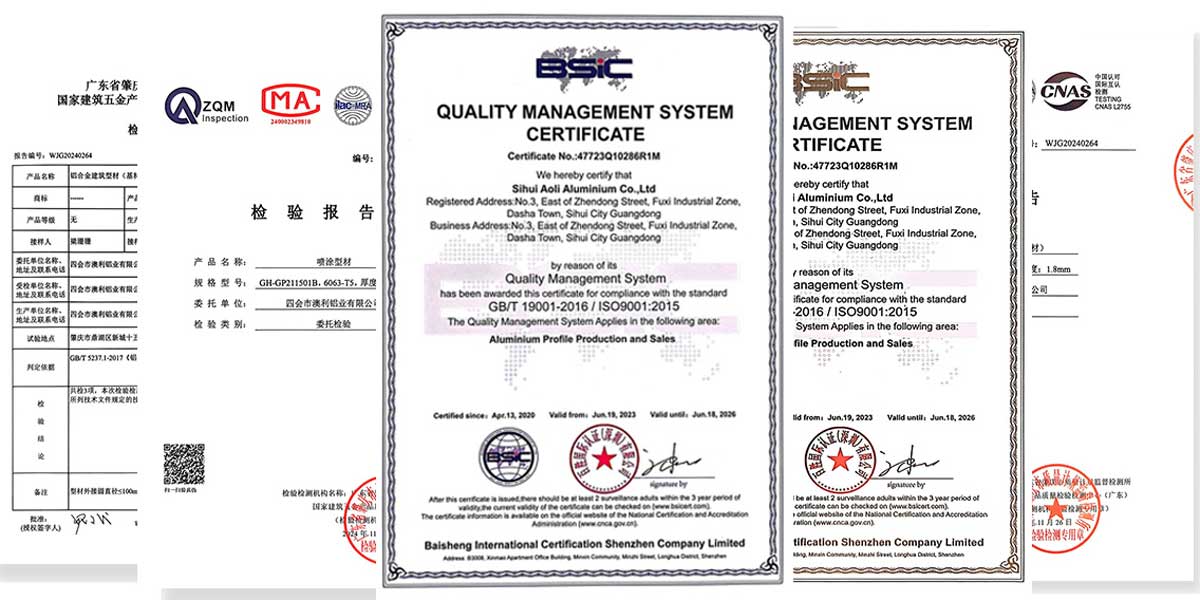
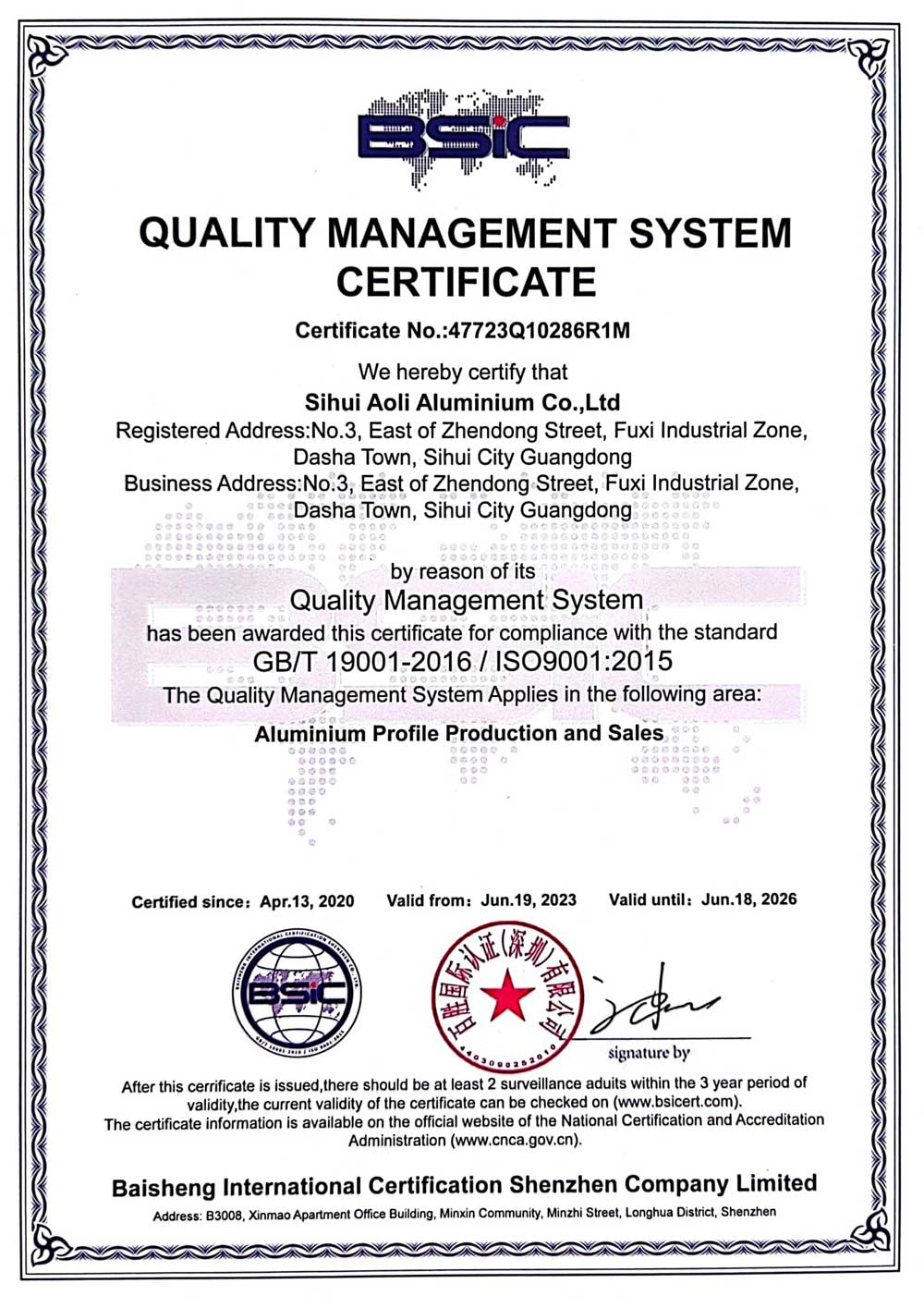
During this period of growth, Aolijie secured 13 product design patents and established its quality management system, achieving ISO 9001 certification.
We expanded our production footprint with a 100,000-square-meter facility to meet growing global demand, increasing annual output capacity to 100,000 tons.
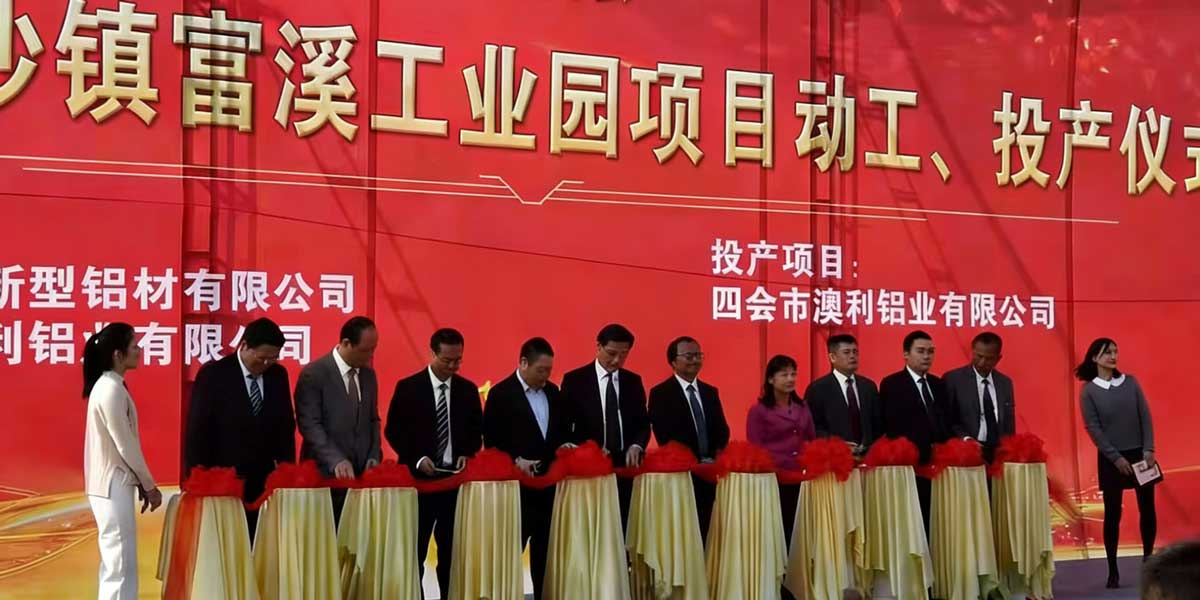
Following the establishment of our Foshan sales office in 2024, we are set to open our first international sales and technical support office in Malaysia by 2026.
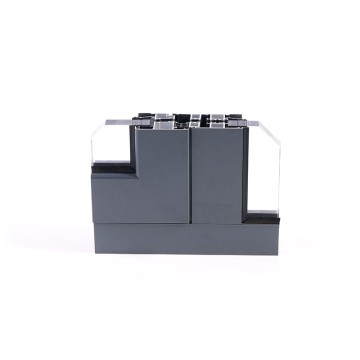
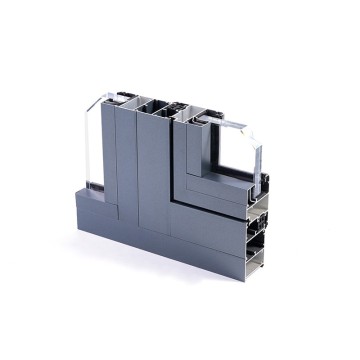
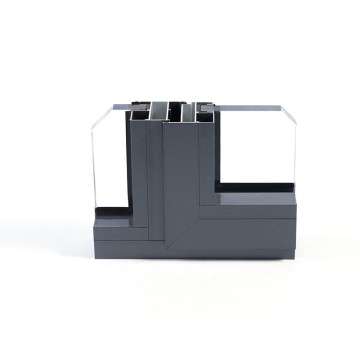
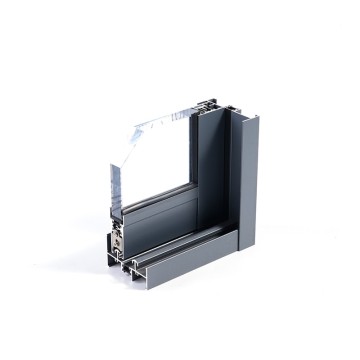
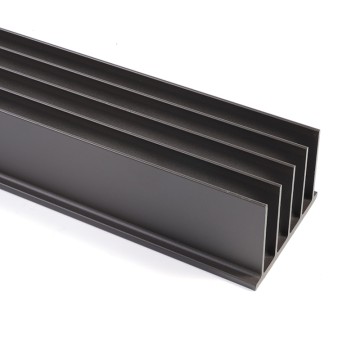
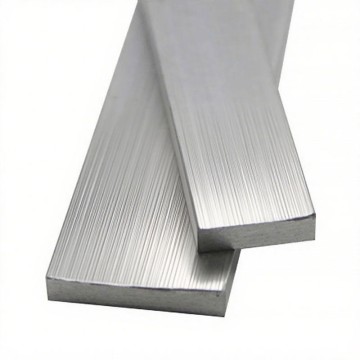
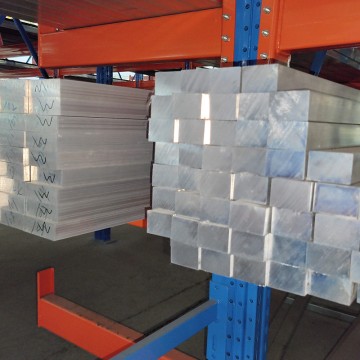
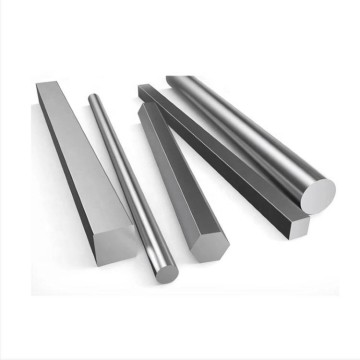
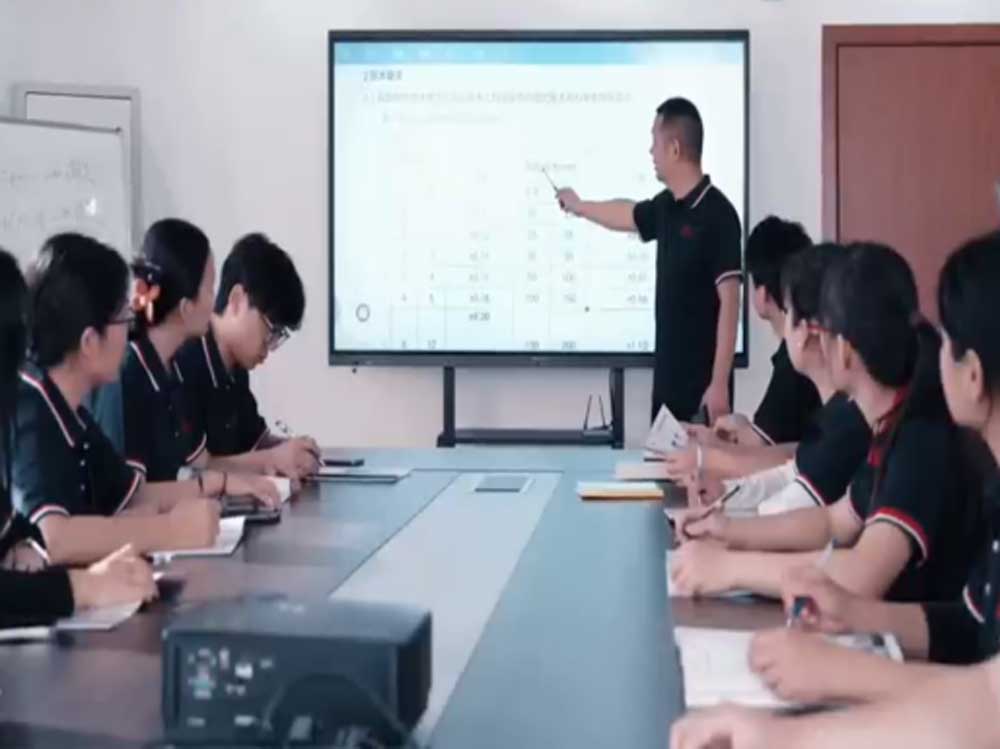
We work closely with structural engineers and thermal designers to manufacture custom components that meet precise performance specifications.
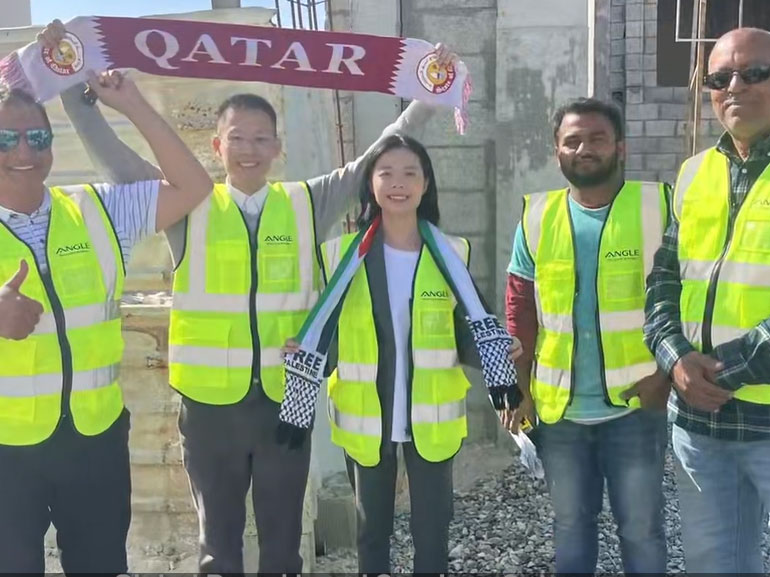

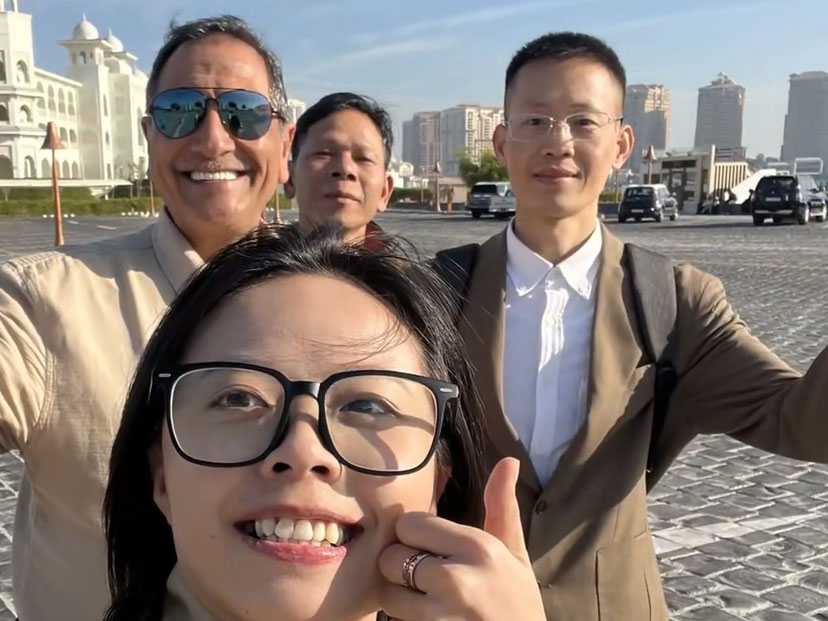
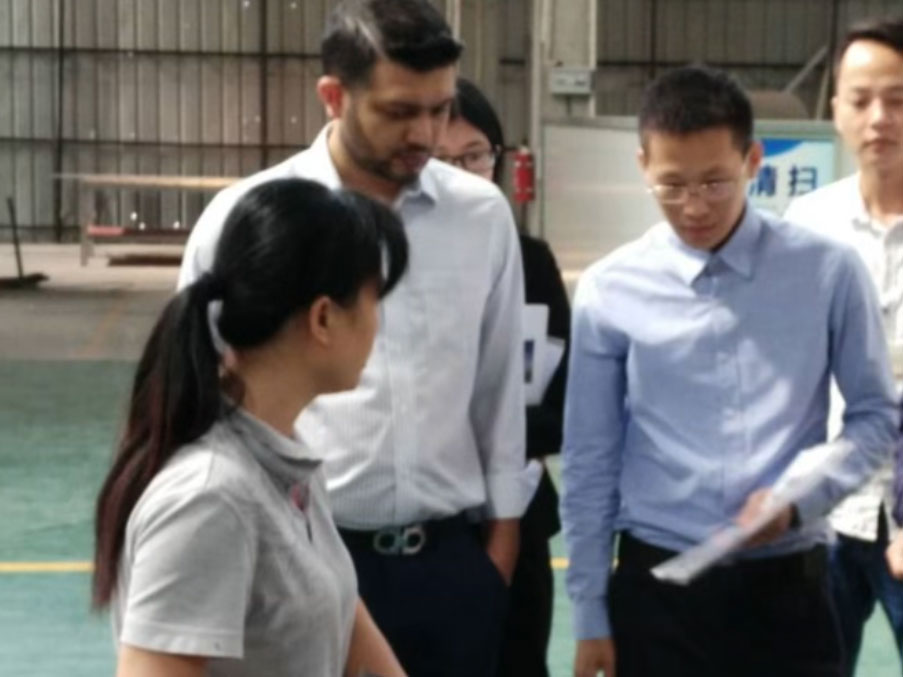
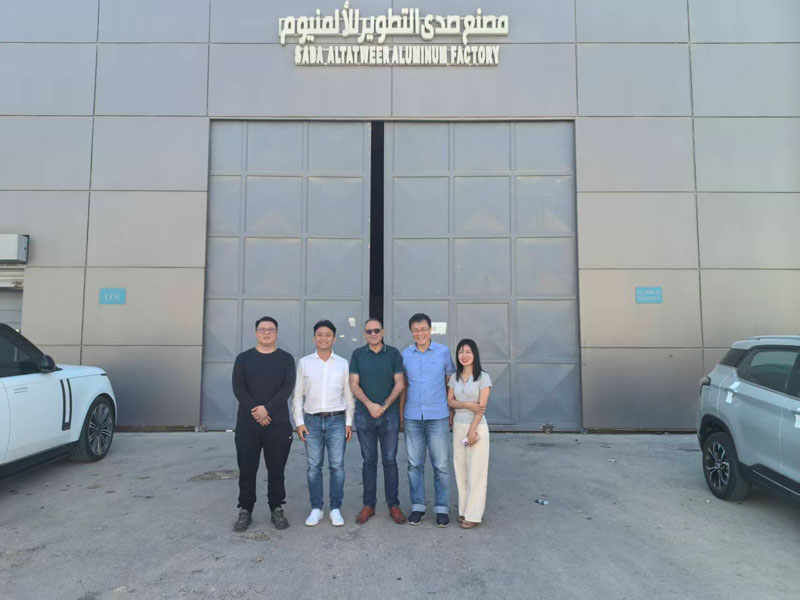
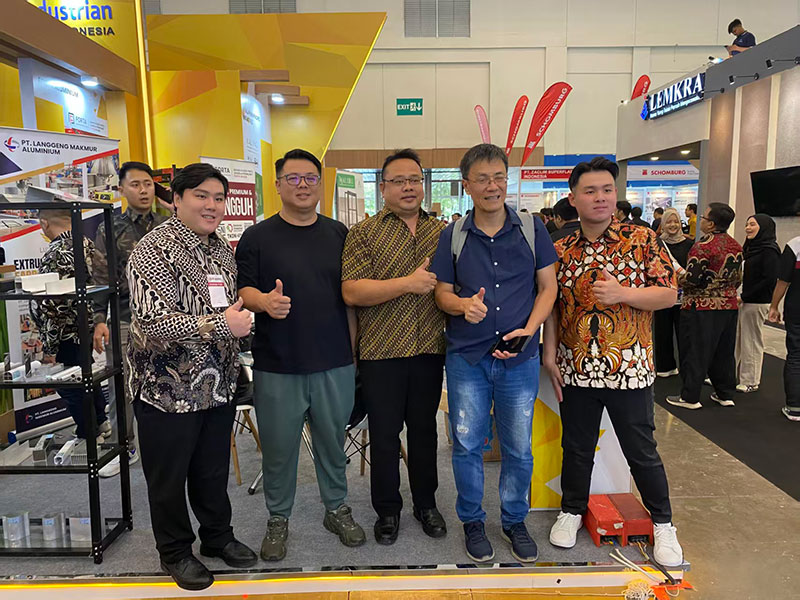
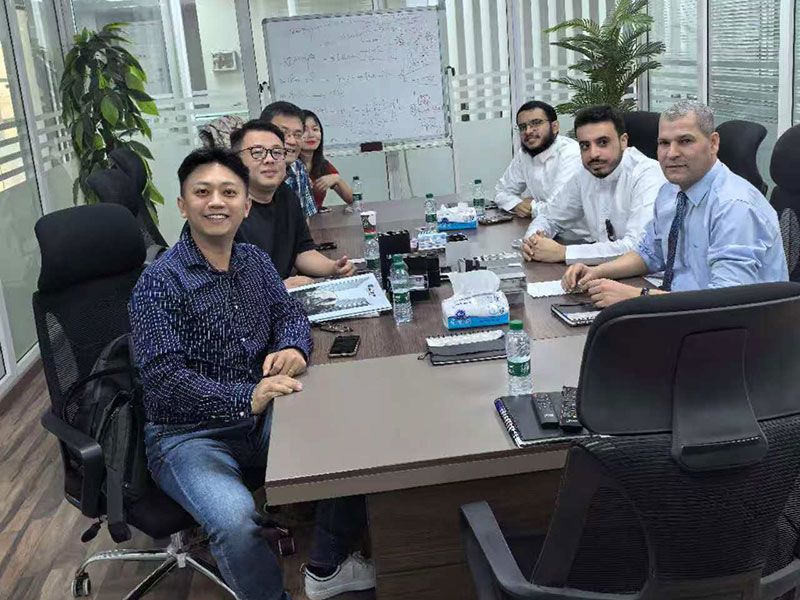
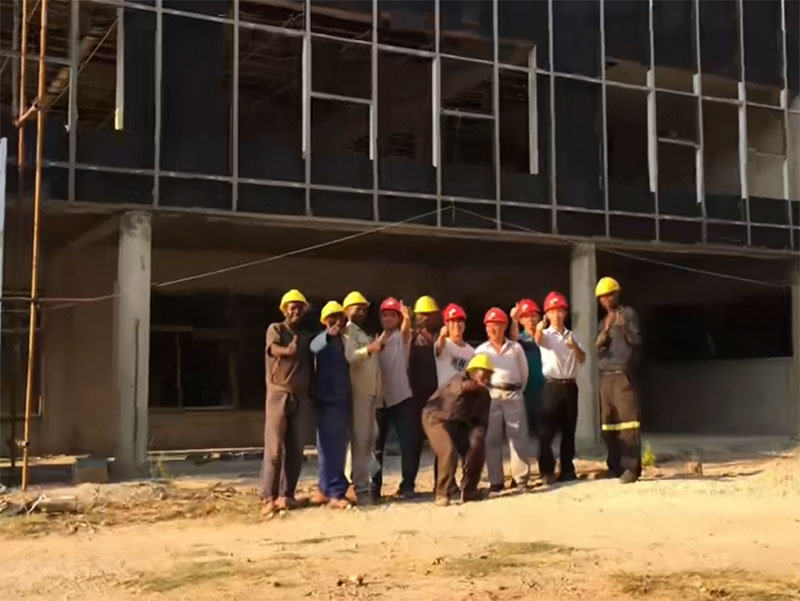
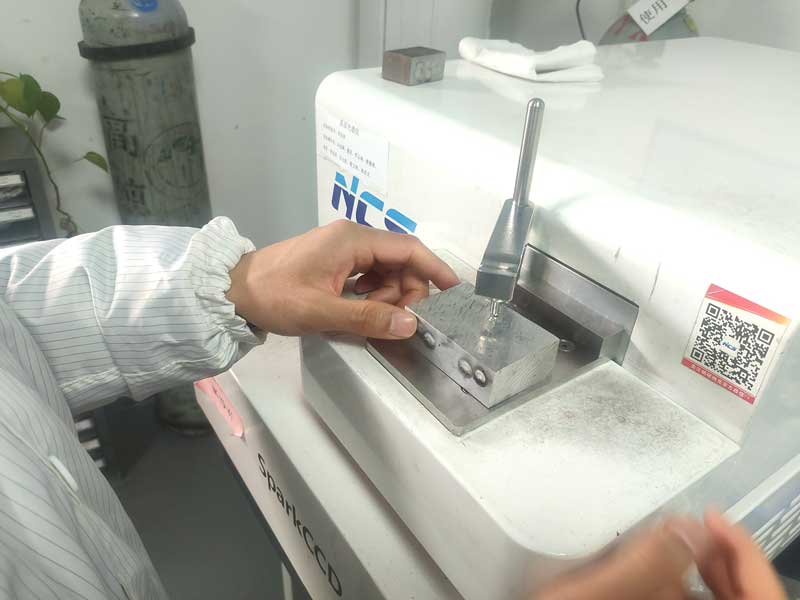
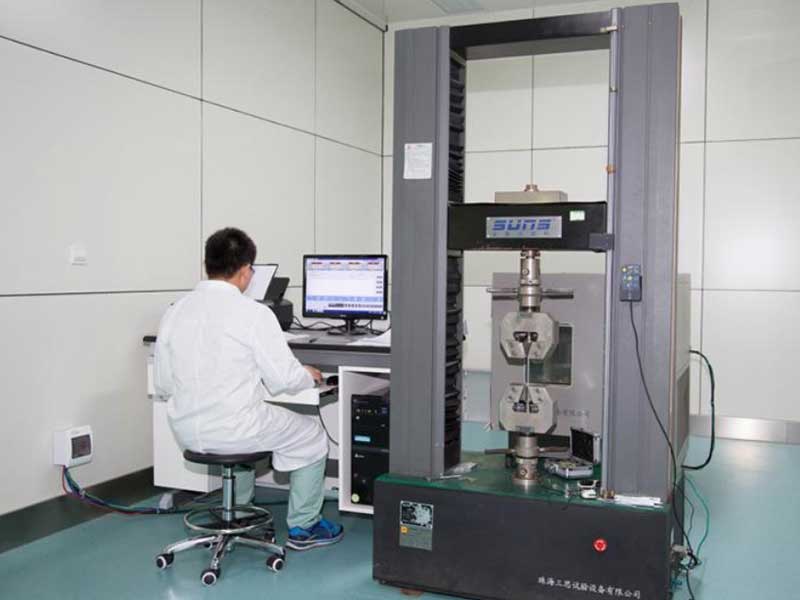
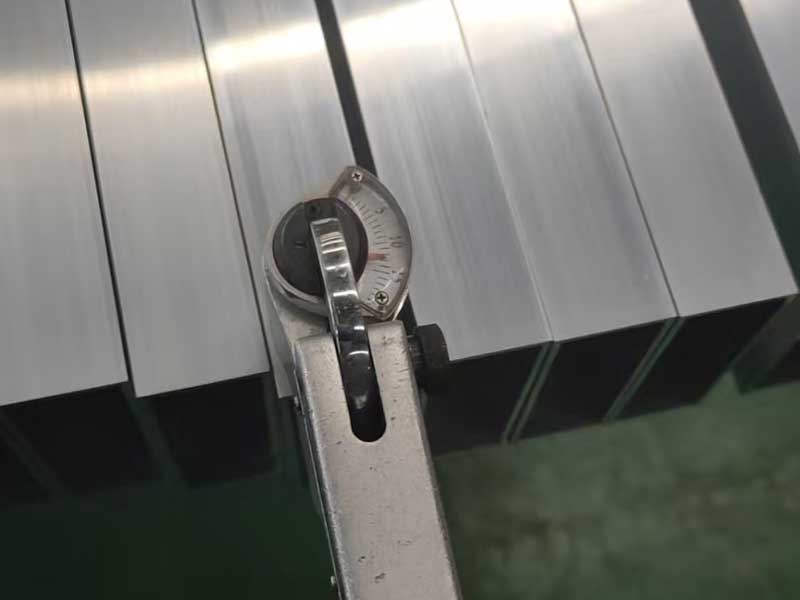
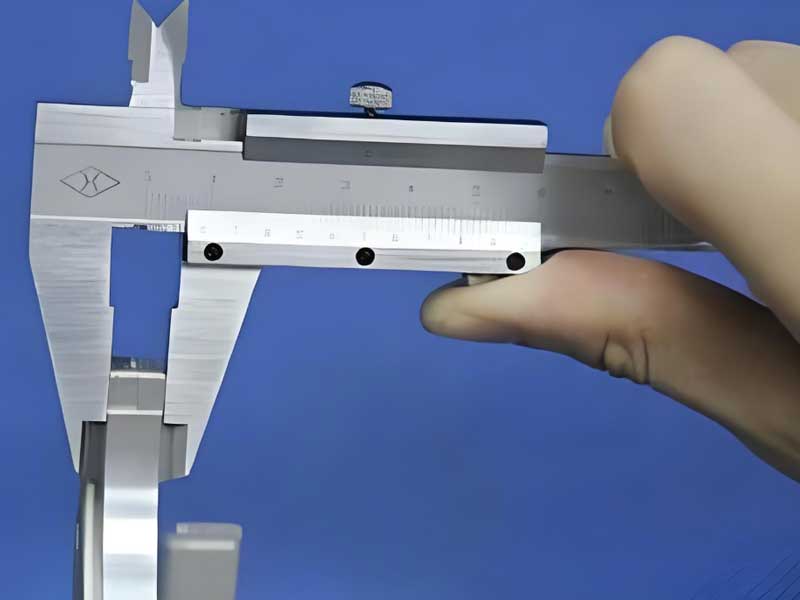
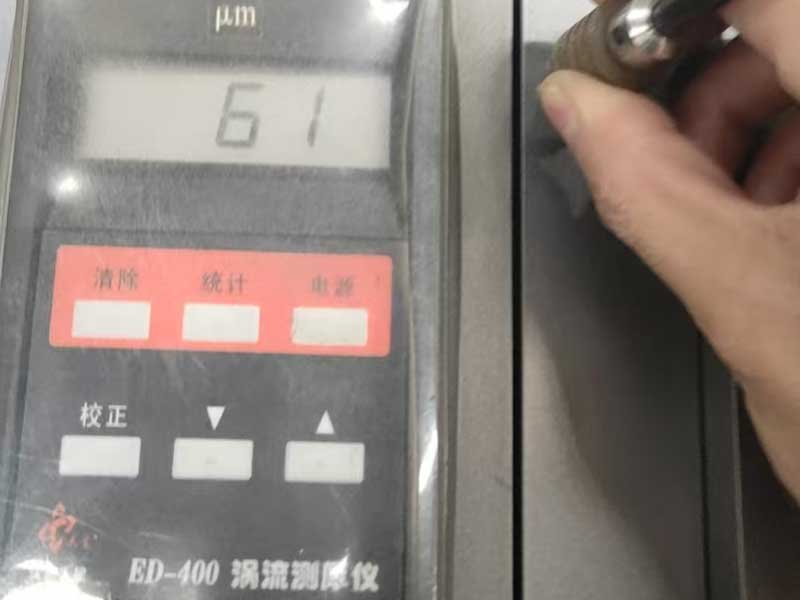
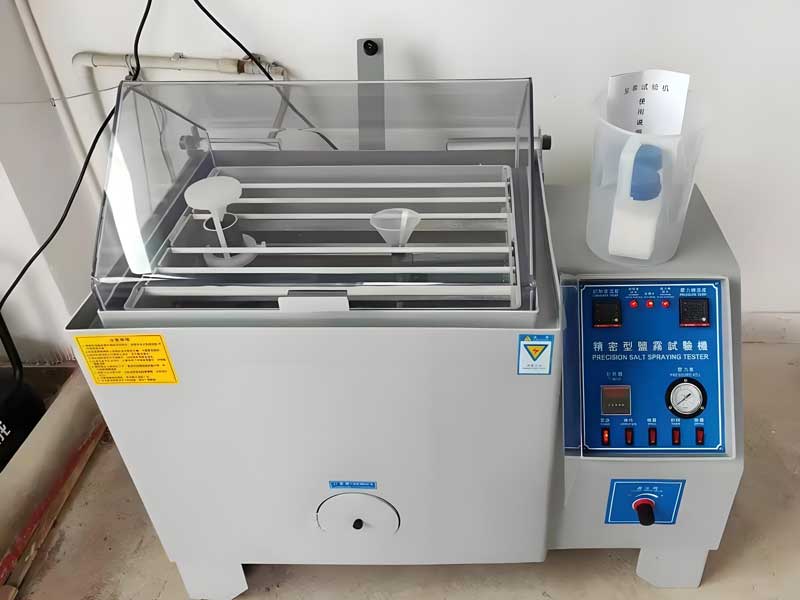
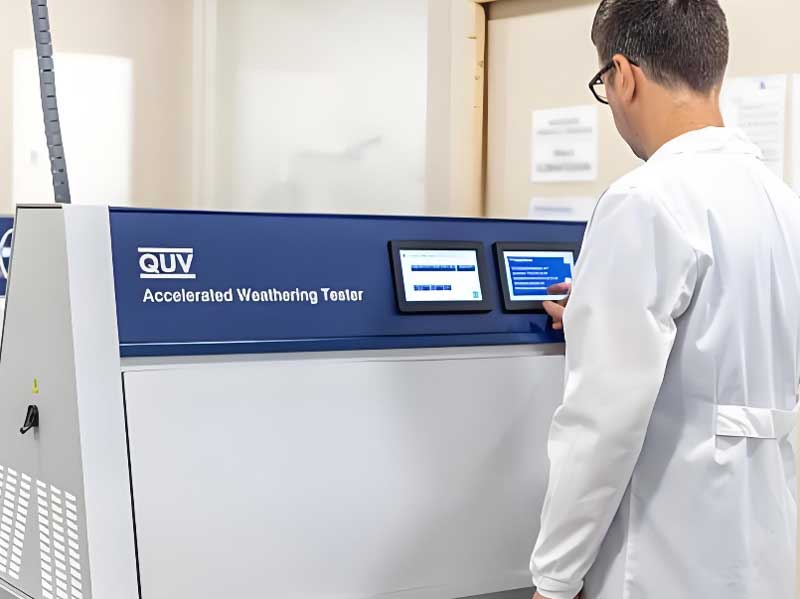
Quality is maintained through a structured testing process. Each batch undergoes verification to ensure dimensional accuracy, surface finish quality, and mechanical strength.
As microelectronics shrink and power densities rise, traditional heat sinks must adapt. Aoli Aluminum is investing in key areas to address future requirements:
Aluminum 6063 provides a balance of thermal conductivity (approx. 200 W/m·K), mechanical strength, and extrudability. It allows for the extrusion of complex, thin-finned structures that are difficult to produce with harder alloys like 6061 or 7075, while maintaining sufficient structural integrity and accepting anodization well.
Anodizing creates a thin layer of aluminum oxide (alumina), which is a thermal insulator. While a thicker anodized layer (e.g., >25 microns) improves corrosion resistance and electrical insulation, it slightly increases thermal resistance. For optimal heat dissipation, we recommend a layer thickness between 10 to 15 microns, which enhances radiative heat transfer without introducing significant thermal resistance.
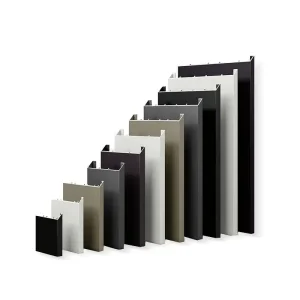
Yes. Our anodizing lines can produce a range of colors, including matte black, silver, gold, and blue. Black anodizing is generally preferred for heat sinks due to its higher surface emissivity, which maximizes radiative heat transfer.
We source raw aluminum billets from certified suppliers and use heavy-metal-free dyes and chemical sealing agents in our anodizing process. Regular testing reports are provided to confirm compliance with global standards, ensuring smooth import clearance.
Our engineering team can assist with alloy selection, design optimization, and surface treatment specifications.
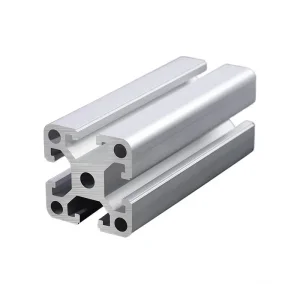
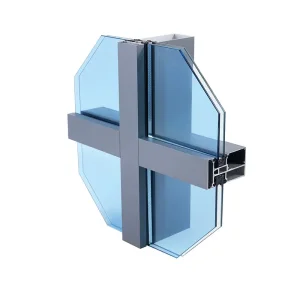
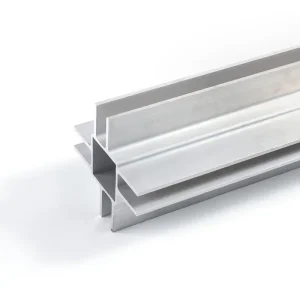
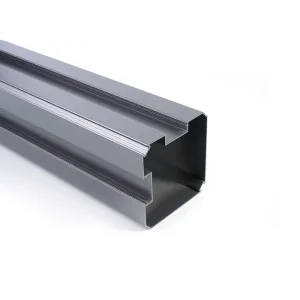
High-precision structural tubing, multi-slot equipment profiles, and customizable curtain wall framing.
 Aoli Aluminum