Explore our premium grade extrusion series built for structural resilience and structural integrity.
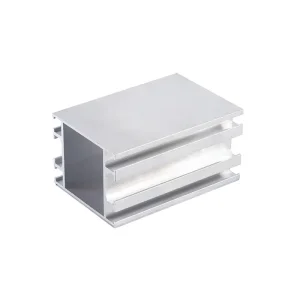
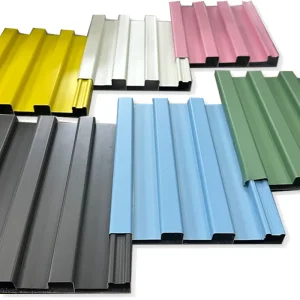
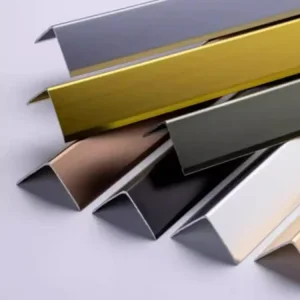
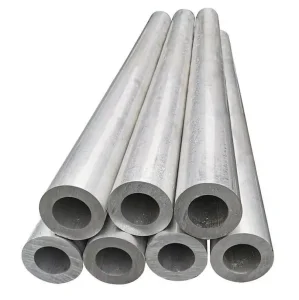
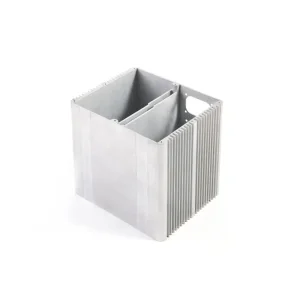
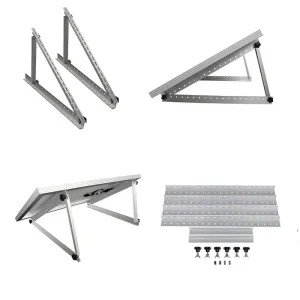
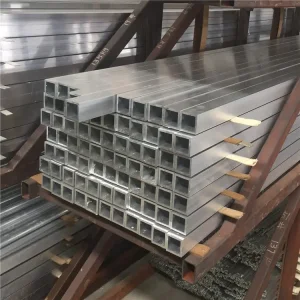
The global fenestration industry is undergoing an unprecedented architectural paradigm shift. Modern real estate projects dictate transitions from conventional layouts to wide-open, daylight-maximized spatial experiences. At the core of this transition are heavy-duty, thermal-break aluminium sliding door profiles.
Historically, sliding door frames were compromised by poor thermal performance and excessive structural thickness. Modern architectural designs require frame margins to minimize visual clutter while supporting double or triple glazing packages weighing up to 400kg. To fulfill this structural envelope criteria, modern manufacturers utilize high-tensile 6063-T5/T6 and 6060-T66 alloy configurations, delivering robust mechanical parameters capable of defying wind pressures while preventing heat bridges through integrated glass-fiber reinforced polyamide thermal struts (PA66-GF25).
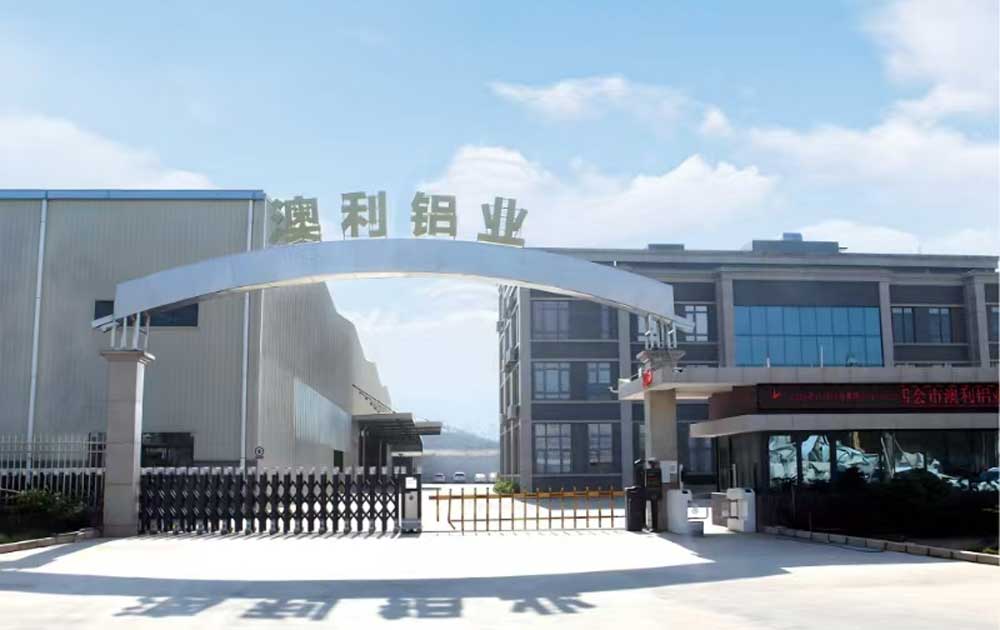
Navigating the complex landscape of industrial and commercial sourcing of aluminium extrusions.
Procurement engineering starts with precision billet chemistry. Our 6063-T5 aluminum profiles feature controlled Silicon (0.2-0.6%) and Magnesium (0.45-0.9%) ranges. This optimization generates a yield strength threshold exceeding 110 MPa and tensile strength surpassing 150 MPa, guaranteeing the durability of architectural frames against deflection.
Whether for high-humidity coastal zones or high-UV continental environments, surface finishing is critical. We provide specialized anodizing (up to 25μm), Qualicoat-certified architectural powder coatings (60-80μm), and premium PVDF treatments to withstand extreme environments and prevent chalking and fading.
Operating to ISO 9001:2015 frameworks, we follow strict dimensional tolerances (EN 12020-2 / ASTM B221). Quality is monitored through integrated digital inline measurements during extrusion, ensuring that every run is checked for geometry, profile straightness, and thickness.
Leveraging automated fabrication plants and vertically integrated logistics systems to secure project pipelines.
The modernization of China's aluminum extrusion manufacturing industry ensures stable supply chains for international developers and curtain wall builders. China's Industrial 4.0 facilities, such as our production base in Sihui, Guangdong, integrate raw material smelting, die design, precision extrusion, and secondary CNC fabrication into one automated workflow.
By utilizing automated extrusion presses ranging from 900 tons up to 2000 tons, we eliminate variable quality factors. This process optimization allows us to reach an annual production capacity of 100,000 tons, with over 100,000 active mold configurations. Whether for commercial projects or residential builds, this vertically integrated production model maintains stable unit pricing, mitigates raw material price volatility (LME index tracking), and minimizes production lead times.
"Aoli Aluminum was established in 2009 and is a manufacturer that integrates research and development, production, and sales. We specialize in manufacturing of aluminum alloy profiles for construction, decoration, and industry."
Our headquarters are located in Sihui, Guangdong, with branch offices in Foshan, Guangdong, and a comprehensive ISO quality management system has been established. Our mission is building sustainable cities for the world. Committed to achieving a win-win situation for employees, customers, and society has always been our business vision.
Our brand "Aolijie" is closely related to the development of aluminum profiles in China. Since 2000, our founder Mr. Wong has been engaged in the sales of building materials industry. At that time, China's real estate was in a rapid development trend, marking the official start of China's building aluminum profile industry. Mr. Wong recognized that aluminum profiles are an environmentally friendly, low-carbon, sturdy, and durable material, and was keenly aware of the significance of aluminum profiles for future urban architecture. In 2009, he established the factory for aluminum profiles under the brand name "Aolijie".
Understanding the dedication behind our brand name.
"A" is the first of all letters and has a No.1 meaning, while "O" refers to "option", so "AO" means "First choice".
"L" refers to "leading", "I" refers to "indicator", so "LI" means 'leading indicator'.
"jie" means "master work" in Chinese. Collectively, "Aolijie" represents outstanding Chinese products guided by industry-leading indicators.
A standard aluminum profile factory covering an area of 10,000 square meters was established and put into production in Sihui City, Guangdong Province, launching the brand "Aolijie" dedicated to producing industry-leading standard aluminum profiles.
Based on strict requirements for product quality and production management, we obtained 13 product patents and ISO9000 certification.
Following strong market demand, we invested in the construction of a 100,000 square meter factory in 2017, increasing our annual output to 100,000 tons.
In 2024, we established a sales branch in Foshan, Guangdong. To support international project management, we are setting up our overseas office in Malaysia in 2026.
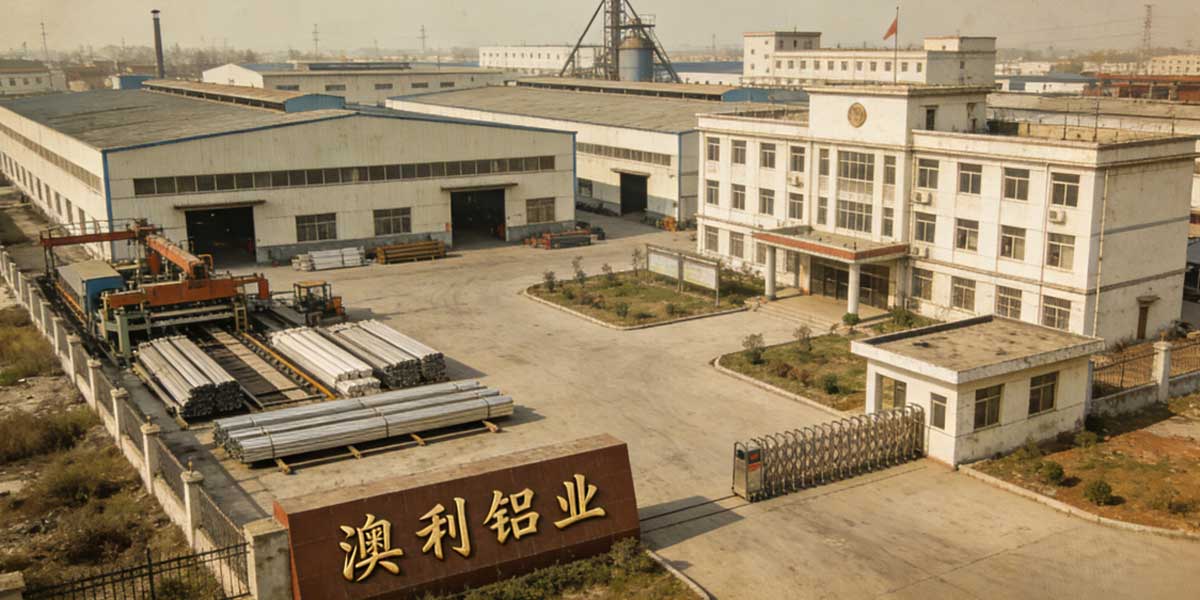
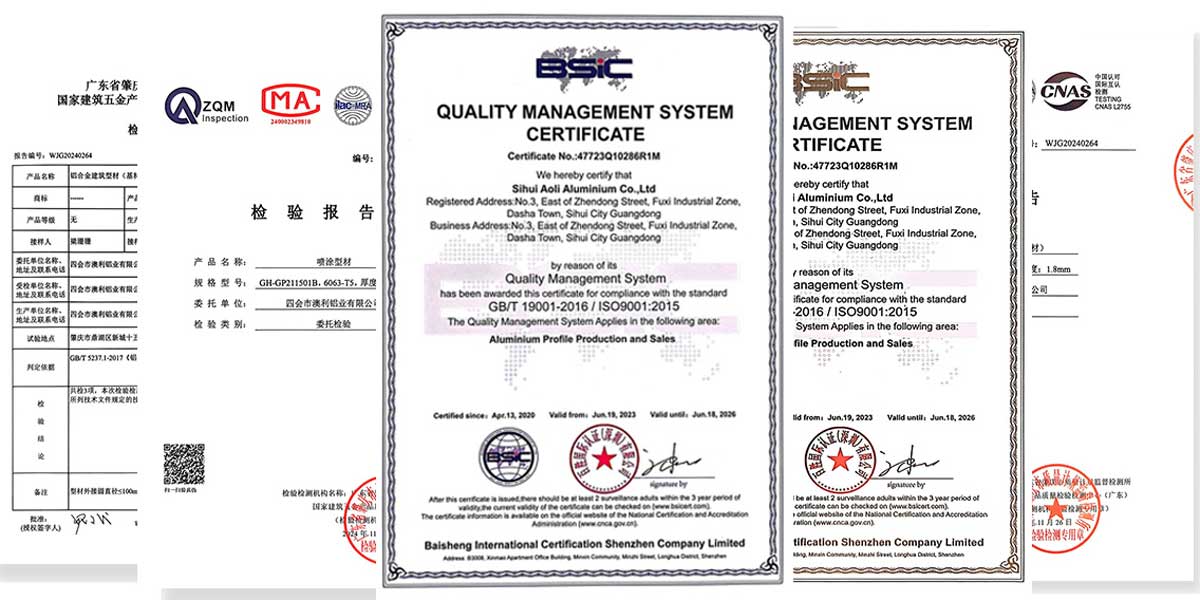
A virtual look at our advanced production facilities and precision manufacturing technologies.
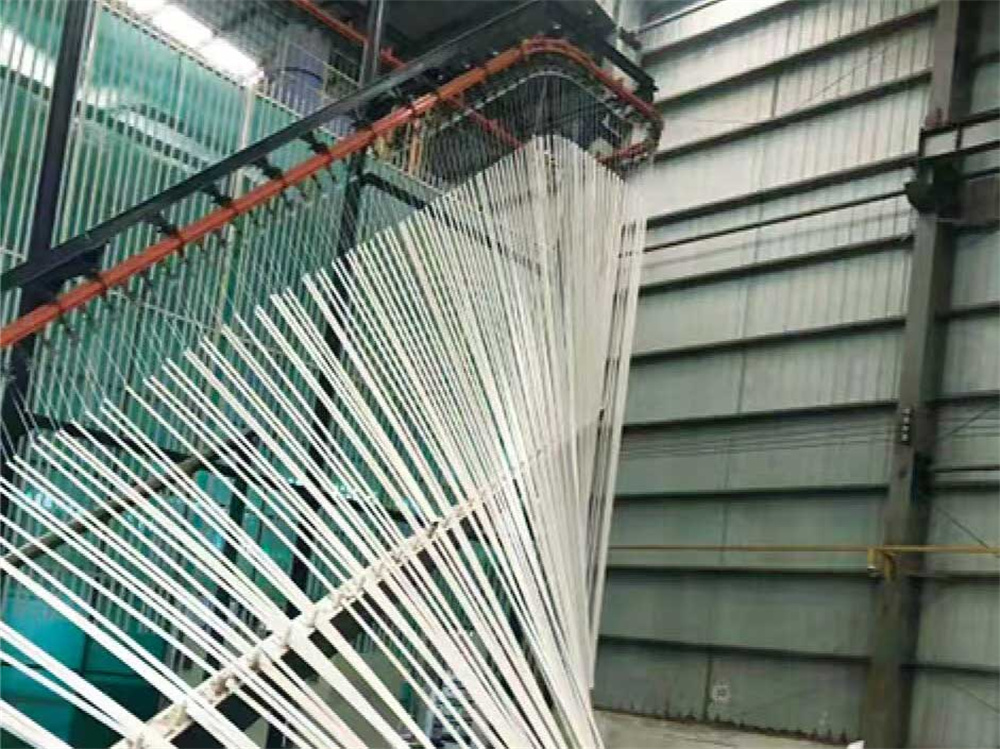
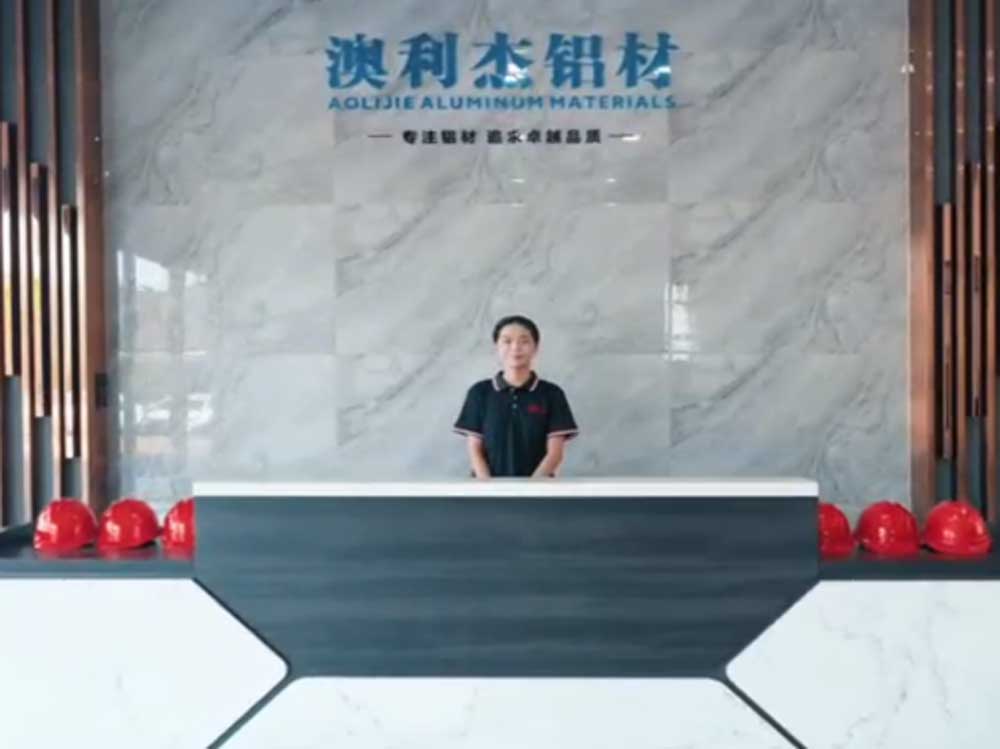
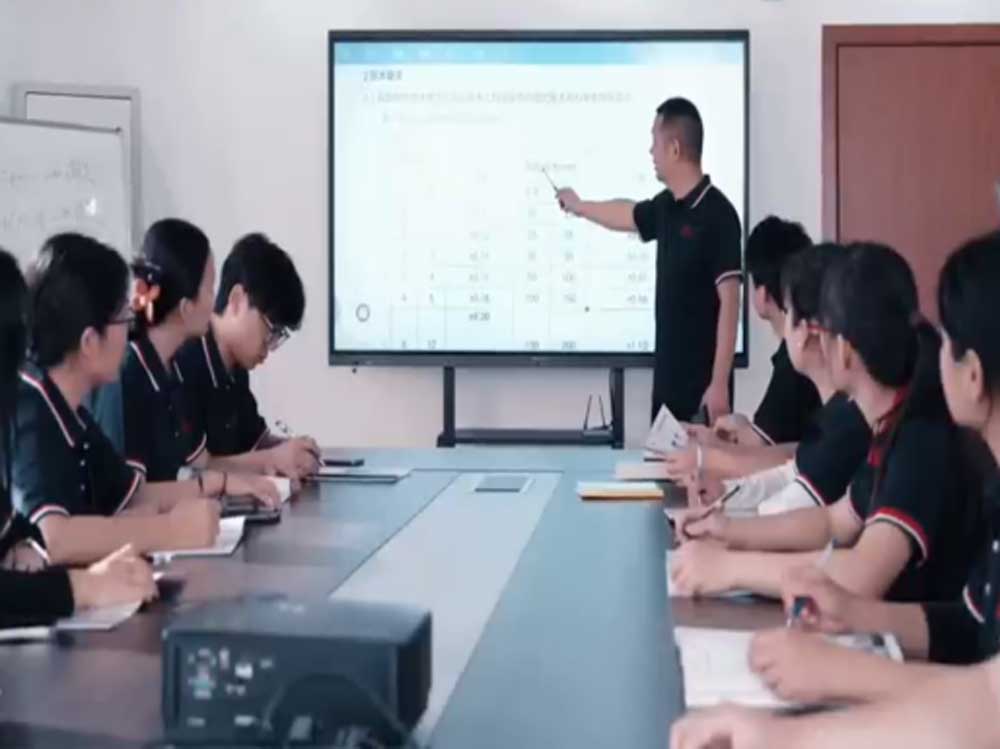
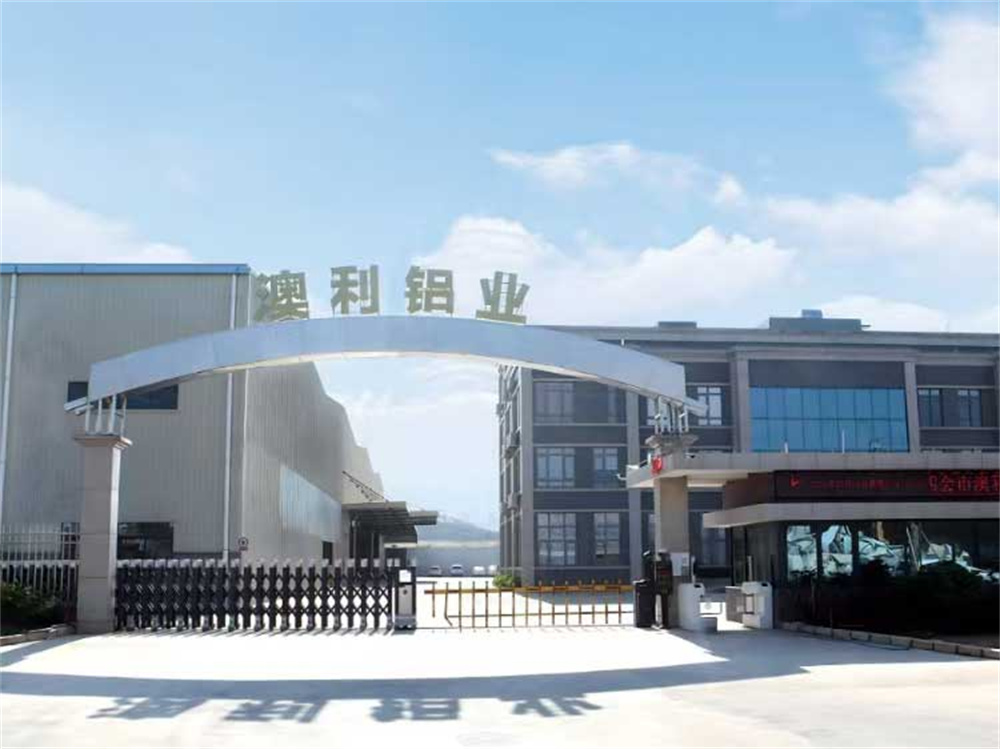
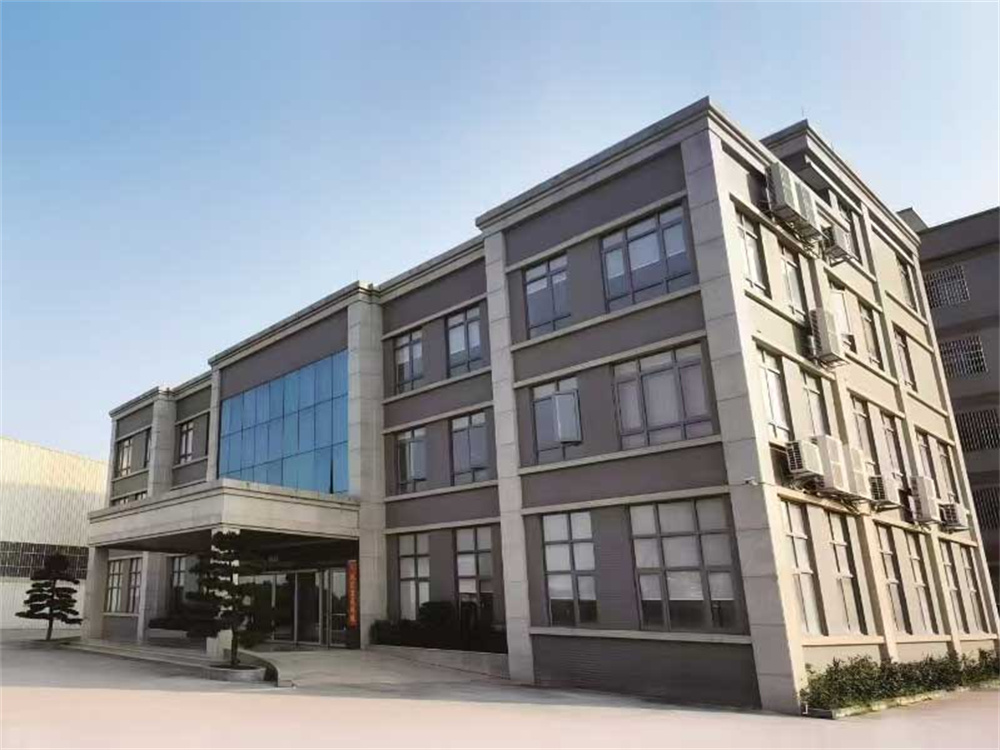
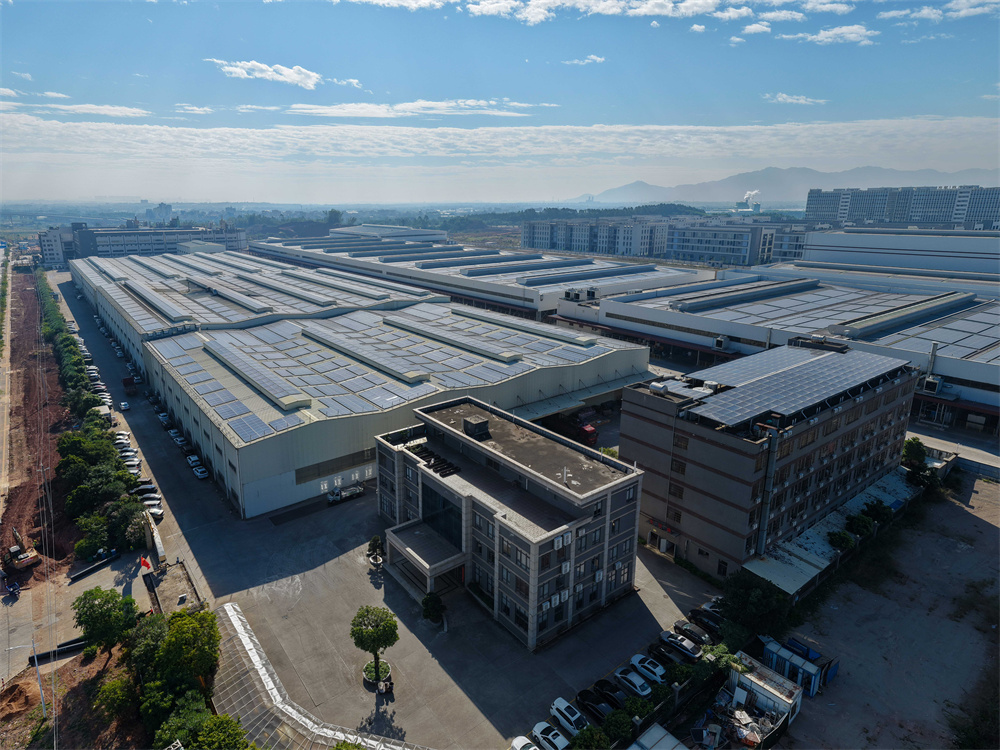
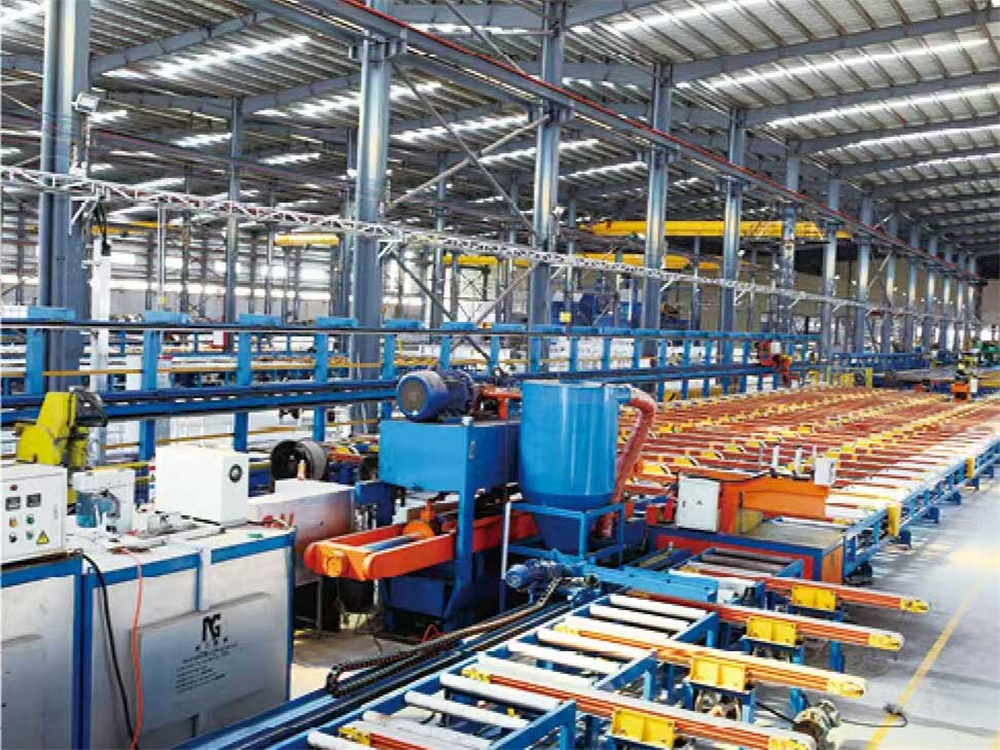
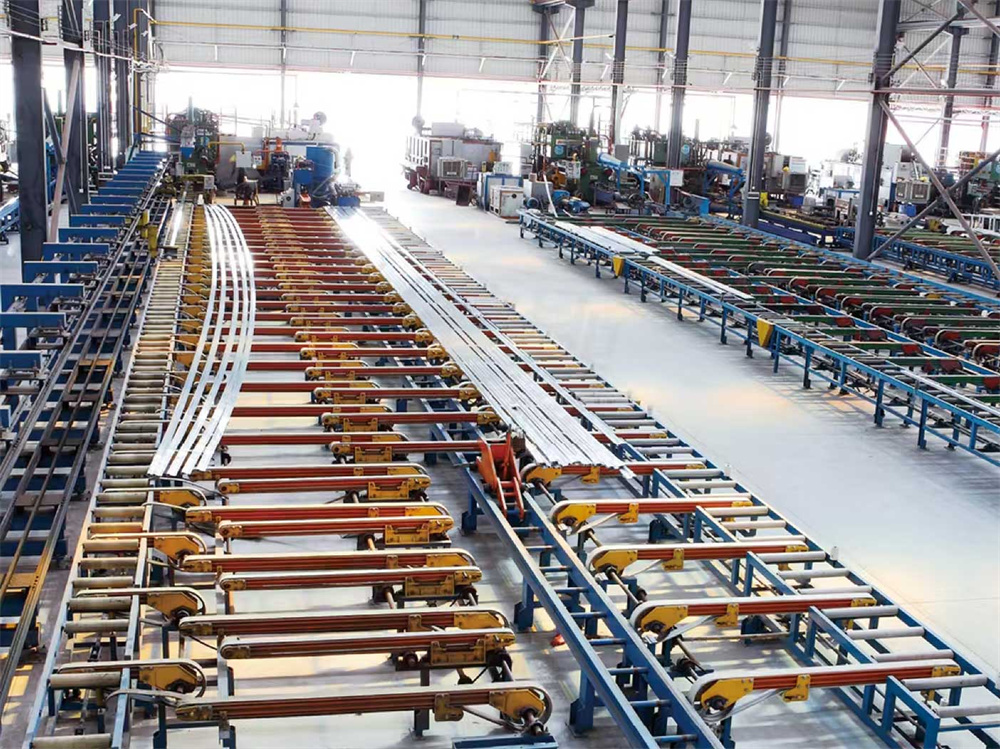
Our operation is built on sustainable growth, quality control, and competitive value.
Our vision is to be the aluminum profile production enterprise with the highest customer satisfaction. We offer a wide range of standard profiles at competitive rates, alongside custom extrusion development.
We perform 100% visual inspections and random AQL (Acceptable Quality Level) sampling based on ISO 2859 or ANSI/ASQ Z1.4. Each batch is accompanied by a Quality Inspection Report.
Our cost efficiency is built on vertically integrated manufacturing, raw material sourcing, bulk purchasing power, optimized logistics, lean operational practices, and direct-to-manufacturer pricing.
Building sustainable cities for the world.
Be the aluminum profile production enterprise with the highest customer satisfaction, strongest sense of employee happiness, and a leading export brand.
Customer Success first, continuous Employee Joint Development, and protecting Brand Reputation above all else.
Providing structural reliability through rigorous chemical, physical, and durability validation.
Our testing protocols are structured to ensure high quality standards. We conduct:
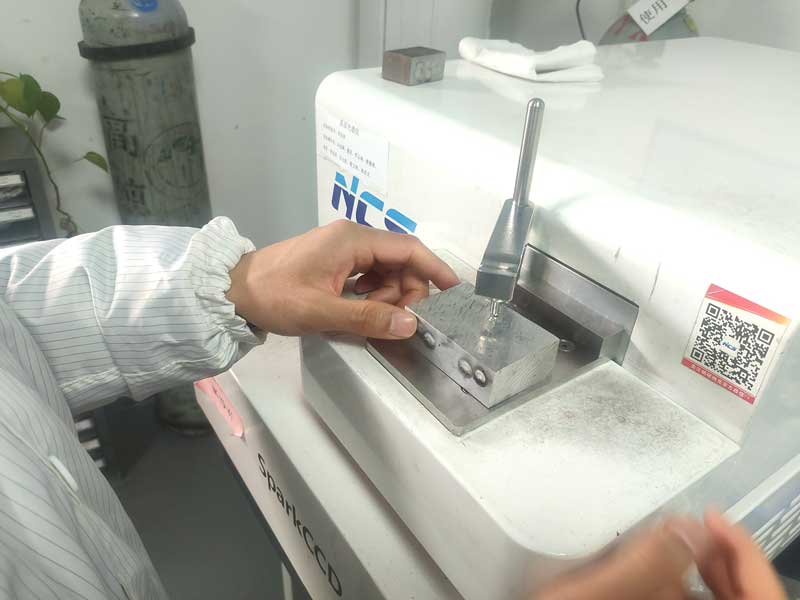
Spectrometric verification of alloy elements (Si, Fe, Cu, Mn, Mg, Cr, Zn, Ti) ensuring compliance with international standard compositions.
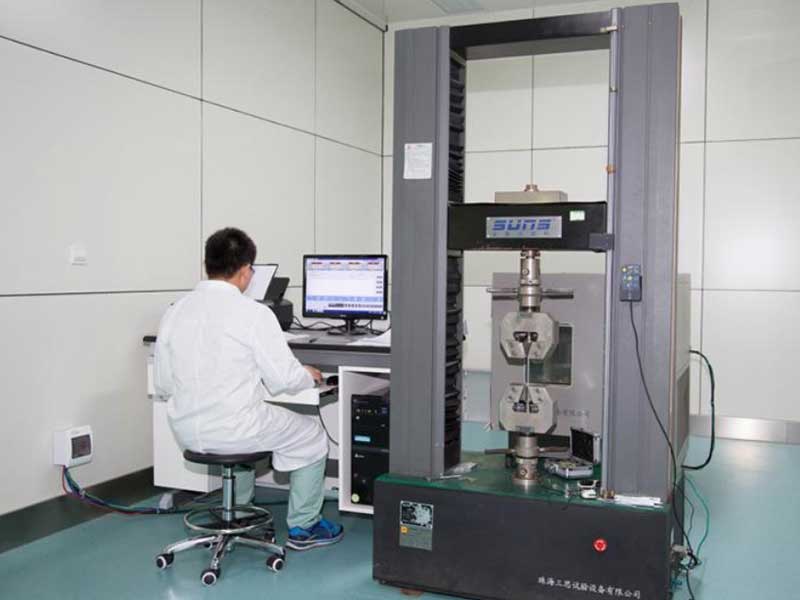
Destructive mechanical analysis verifying ultimate tensile strength, yield strength, and elongation percentages of extruded specimens.
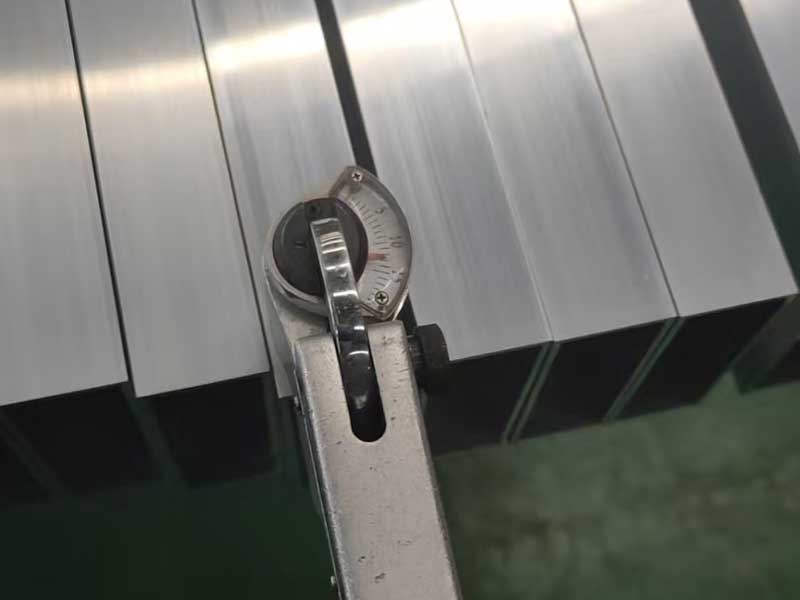
Webster and Barcol hardness verification ensuring that the aging furnace cycles have achieved the correct temper parameters.
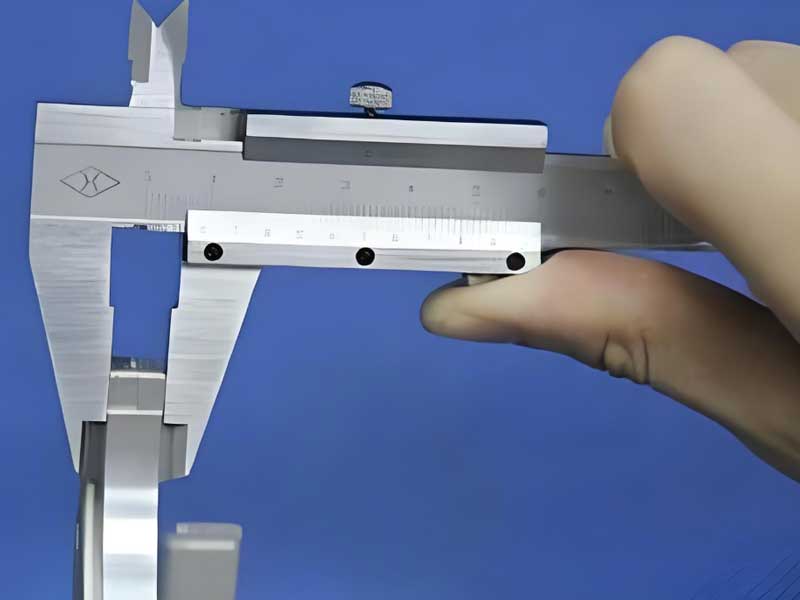
High-precision calipers and digital projectors are utilized to inspect the dimensional parameters of profiles against target drawing tolerances.
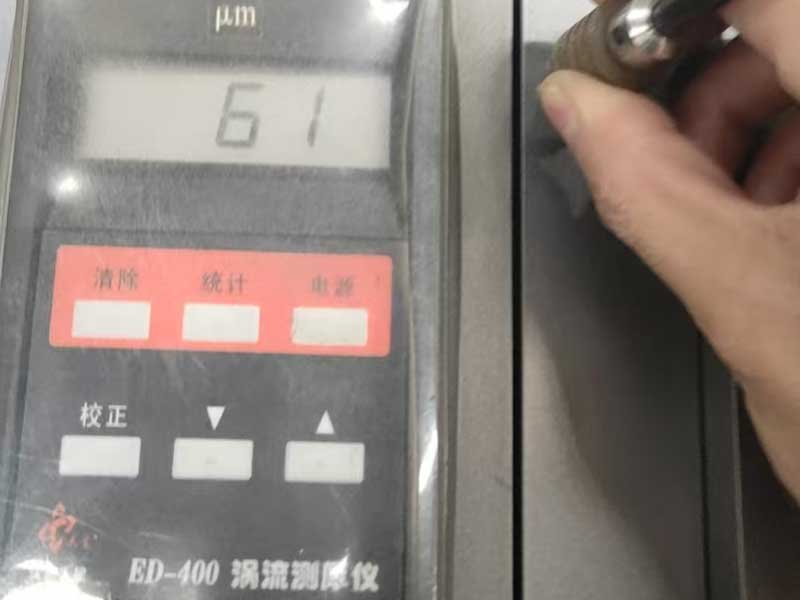
Analyzing coating thickness, adhesion rating (cross-cut tape test), and gloss levels on powder coated and PVDF finished profiles.
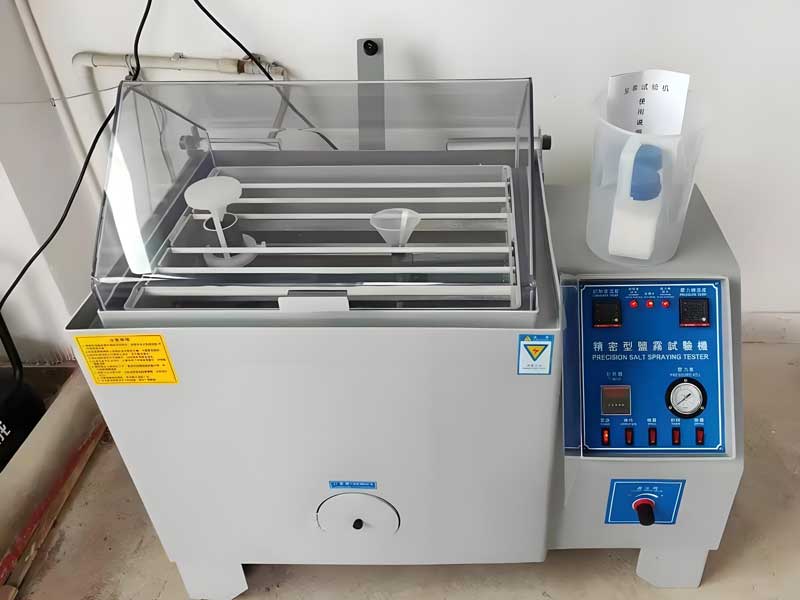
Accelerated corrosion testing within a controlled saline environment to verify coating stability under marine atmospheric conditions.
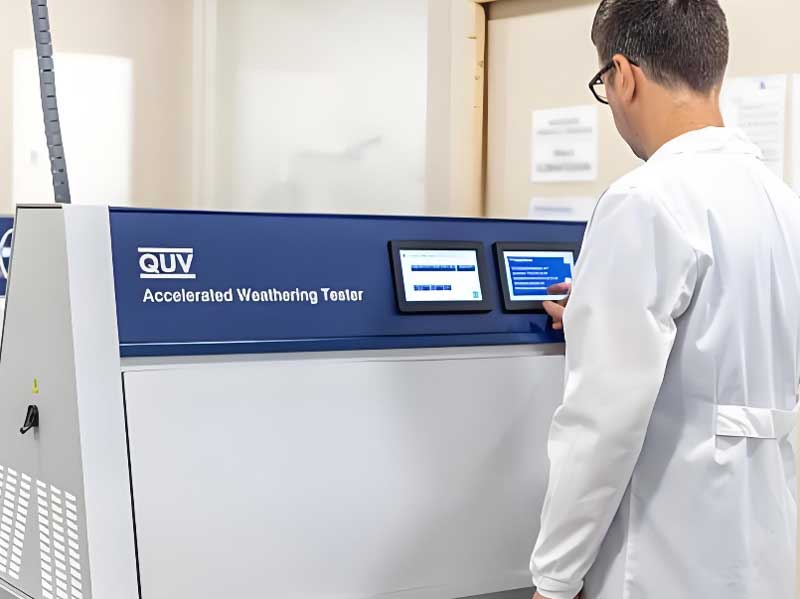
Exposing finishes to concentrated ultraviolet radiation and moisture cycles to evaluate color retention, gloss stability, and chalk resistance over extended cycles.
How Aoli sliding profiles perform under varying architectural requirements globally.
High wind load pressures (positive and negative pressures) at high altitudes require high structural inertia. Our profiles feature internal structural reinforcements and heavy-duty thermal polyamide webs to prevent structural deflection during weather events.
Designed for high traffic volume, our sliding profile systems are compatible with commercial rollers, automatic sensors, and multi-point lock systems. They deliver low roll resistance and smooth slide operation over long cycles.
High salt mist requires superior corrosion protection. Selecting PVDF coating options or Class 2 Anodizing finishes prevents surface pitting, maintaining aesthetic appeal and structural integrity.
We specialize in manufacturing of aluminum alloy profiles for construction, decoration, and industry.


Technical details, purchasing guidelines, and structural support for architects and procurement engineers.
A: 6063-T5 is the standard choice for architectural extrusions. It provides a balanced combination of mechanical properties (minimum tensile strength of 150 MPa and yield strength of 110 MPa), corrosion resistance, and extrusion capabilities, allowing for complex profile cross-sections with narrow tolerances.
A: Standard aluminum profiles are conductive, causing thermal energy transfer. Thermal break systems use high-strength, glass-fiber reinforced polyamide strips (like PA66-GF25) to isolate the outer and inner frames. This thermal isolation reduces heat conduction, lowering the overall U-value and helping buildings comply with strict energy codes (like IECC or ASHRAE 90.1).
A: We support and conform to Qualicoat specifications for powder coating, AAMA 2603/2604/2605 guidelines for PVDF finishes, and Class I/II anodizing certifications. These finishes are checked in our labs for thickness, adhesion, salt spray resistance, and color retention.
A: Custom profile development starts with CAD design approval. Tooling fabrication and initial sample testing are typically completed in 10 to 15 days. Mass extrusion begins following customer approval of the samples.
A: Yes, we provide full CNC deep processing services, including precision mitre cutting, drilling, milling, slotting, and component assembly, delivering ready-to-assemble profiles directly to window and door fabricators.
We are committed to providing you with high-quality products and services. If you have questions regarding profile designs, alloy specs, or customized tooling costs, contact our support team today.
Explore our industrial profiles, structural components, and custom curtain wall profile series.
 Aoli Aluminum