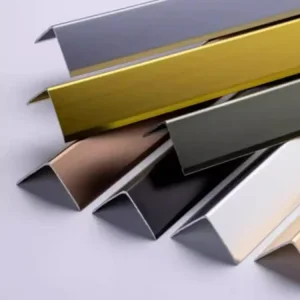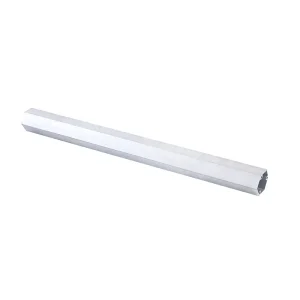
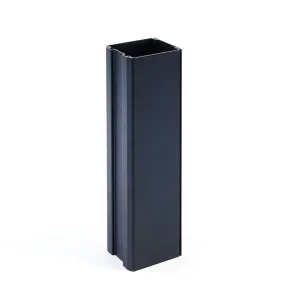
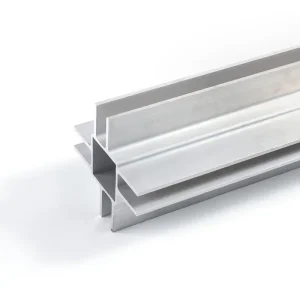
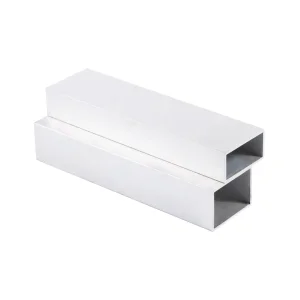
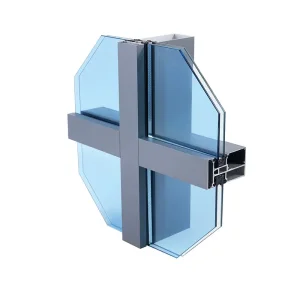
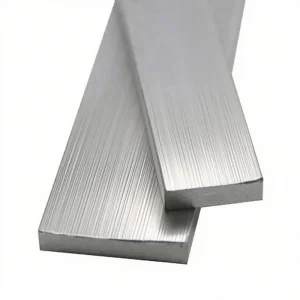
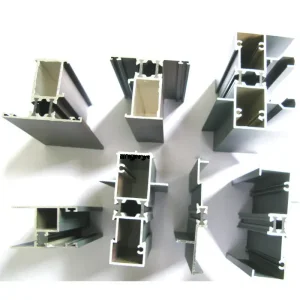
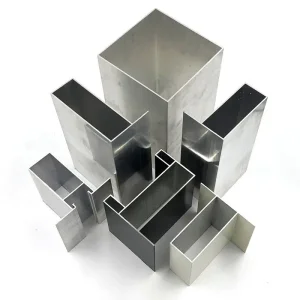
In high-performance facade engineering, Aluminium Window Trim Profiles serve as both the defensive barrier against atmospheric pressure and the defining aesthetic boundary of contemporary structures. Architectural trends toward minimalist lines and maximized glazed areas require structural trims to possess high dimensional tolerances, structural resilience, and thermal compatibility.
Aluminum alloy (specifically 6000-series architectural grades) is the undisputed benchmark material. Compared to vinyl, timber, or composite trims, extruded aluminum exhibits a negligible thermal expansion coefficient, preventing system deformation and seal failures over decades of thermal cycling. As global energy building codes (such as ASHRAE 90.1 and European EnEV standards) tighten, the integration of advanced thermal break technology into trim assemblies is no longer optional—it is a critical engineering requirement.
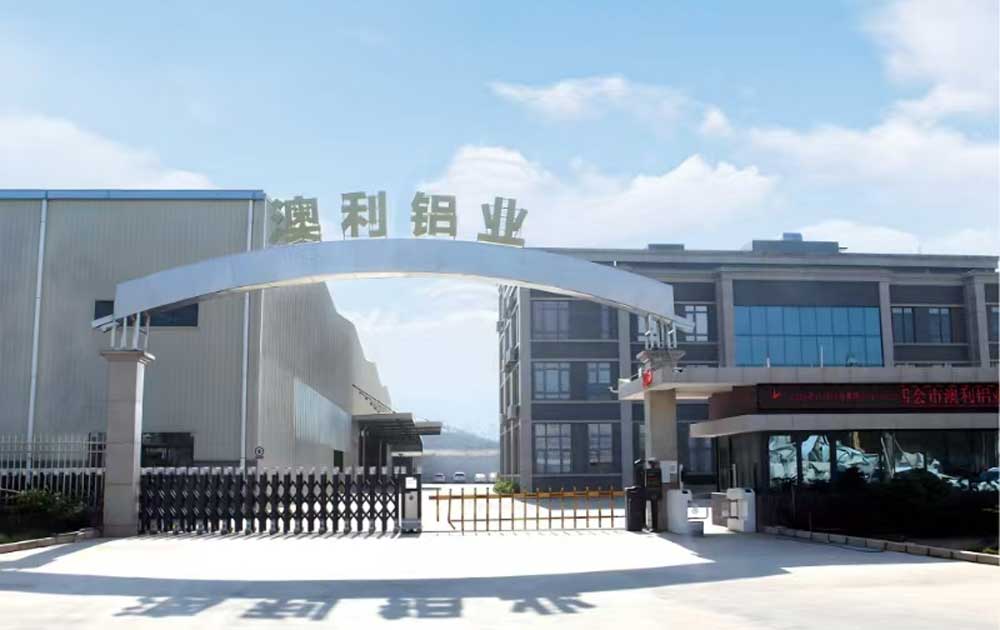
Established in 2009, Aoli Aluminum has grown into a vertically integrated manufacturer specializing in the R&D, fabrication, and global sales of architectural, decorative, and industrial aluminum profiles. Headquartered in Sihui, Guangdong, with sales and distribution networks anchored in Foshan, Aoli Aluminum operates under a rigorous ISO quality management system designed to serve the global construction sector.
Our core brand, "Aolijie", is rooted in structural philosophy:
Our operational mission—Building sustainable cities for the world—guides our investments in cleaner technologies, structural optimization, and thermal performance research.
A look back at how Aoli Aluminum transformed from a local manufacturer into a global brand exporter.
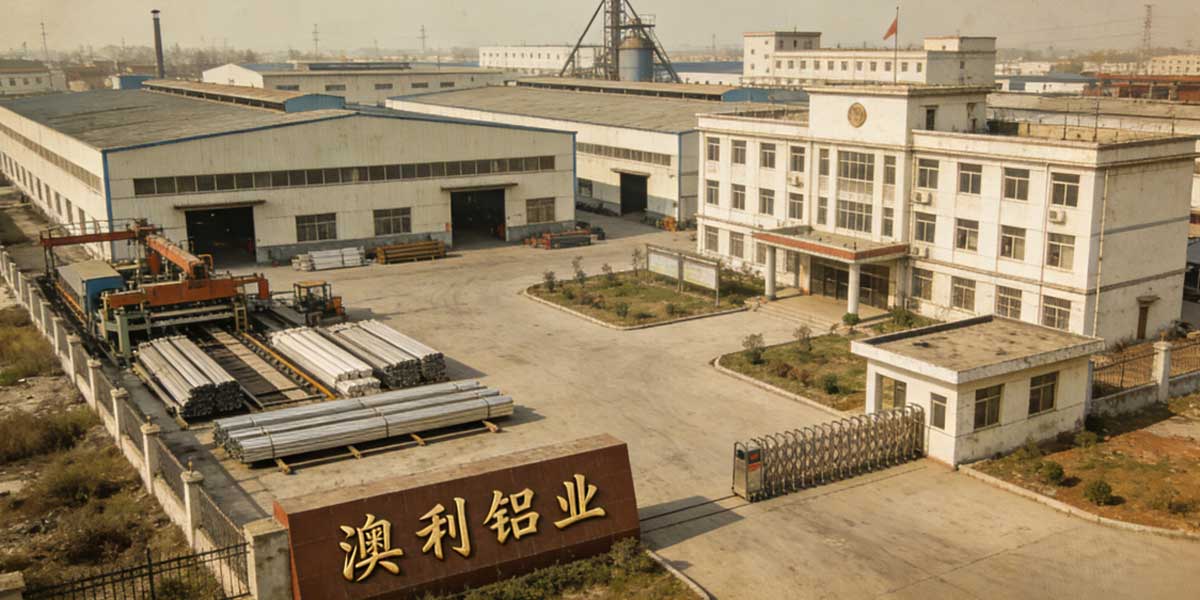
Establishment of a 10,000 square meter factory in Sihui, Guangdong, launching standard extrusion lines under the "Aolijie" brand name.
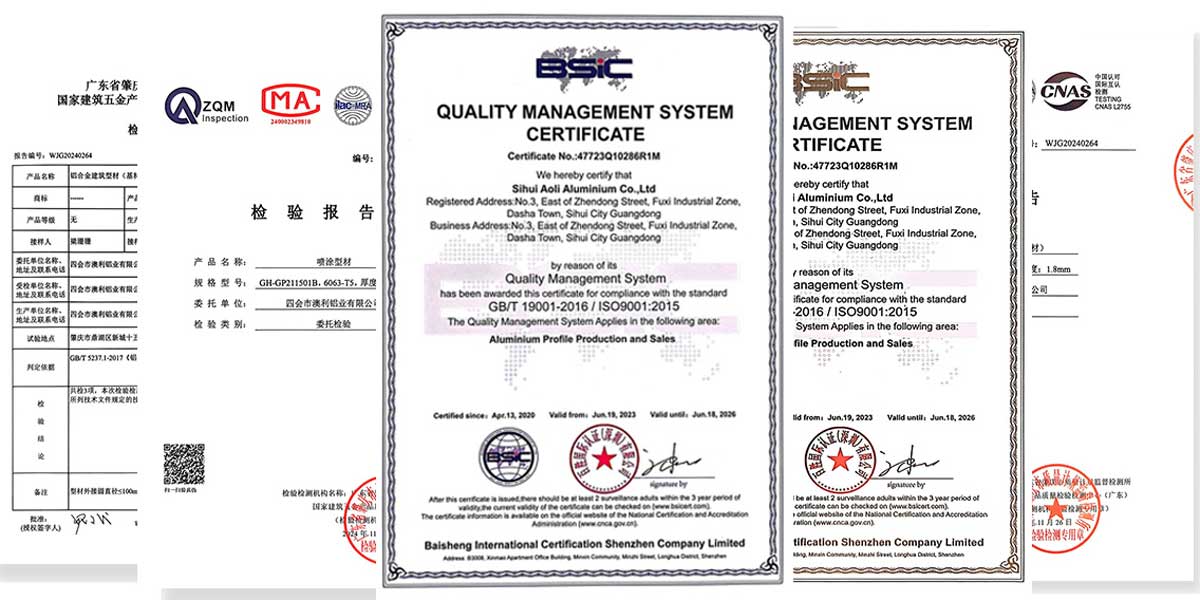
Awarded 13 design and utility patents, formalized ISO 9001 compliance, and upgraded surface treatment techniques for exterior profiles.
Invested in a secondary 100,000 square meter facility, ramping up annual production to 100,000 tons with a database of over 100,000 mold sets.
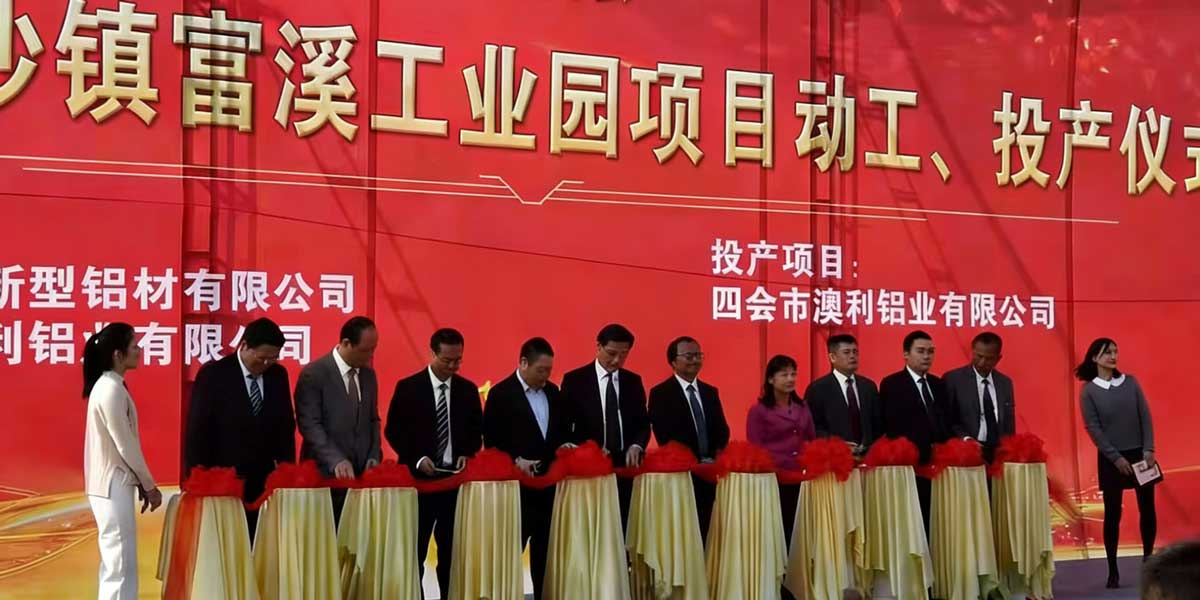
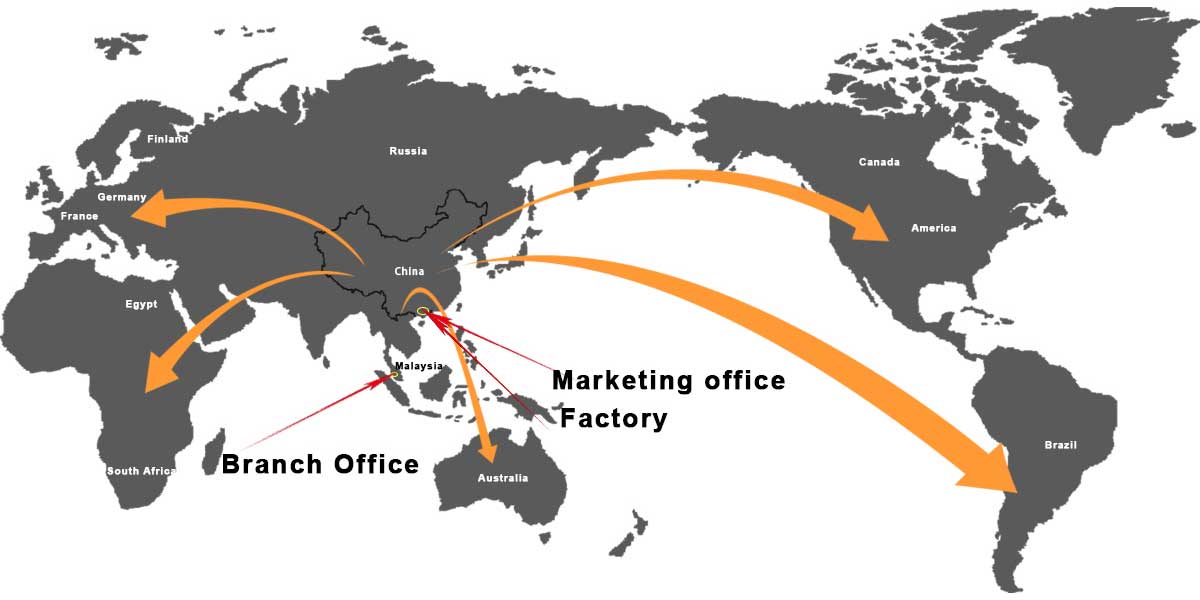
Established a dedicated export sales branch in Foshan, with plans underway to establish regional offices in Malaysia by 2026.
Our facility features modern tooling and high-precision production lines designed to support critical architectural specs.
Equipped with automatic extrusion presses ranging from 900 tons to 2,000 tons. This variance in capacity allows us to produce both thin, detailed trims and heavy structural profiles with consistent thickness and structural soundness.
Complete lines for electrostatic powder coating, anodizing, electrophoretic coating, PVDF coatings, and simulated wood grain finishes. Fully capable of meeting AAMA 2604/2605 requirements for UV resistance and salt spray exposure.
Downstream value-add services including precise mitering, punching, drilling, milling, and pre-assembly. This direct-from-mill machining reduces on-site fabrication labor and minimizes installation error rates.
The core focus for structural window trims is improving thermal separation while maintaining structural integrity. Standard aluminium profiles act as thermal bridges, letting external heat transfer into the building interior. Aolijie's technical development roadmap focuses on optimizing three main performance areas:
"Architectural design is shifting toward smart, integrated building envelopes. Our R&D team is developing window trim profiles that house integrated sensors for building diagnostics, smart motorized venting ports, and concealed LED strip tracks—combining trim aesthetics with functional building interfaces."
Our profiles are designed to perform reliably across residential projects, commercial structures, and harsh coastal environments.
Engineered to withstand heavy wind loads and high-velocity wind-driven rain. Used with visible-frame curtain walls and storefront panels, these trim systems maintain structural strength while hiding anchors and construction tolerances.
Delivers clean interior and exterior lines with a focus on finish consistency. Available in custom colors and textures, these profiles complement custom casements, energy-efficient sliding systems, and modern pergolas.
Treated with heavy anodized finishes (exceeding Class I, 18-25μm) or premium PVDF coatings, our coastal-grade window trim systems resist electrochemical oxidation, pitting, and salt spray damage over extended lifespans.
To qualify as a tier-1 supplier, product quality must be verified through clear, objective data. Every extrusion batch from Aoli Aluminum undergoes standardized testing before dispatch, documented with comprehensive quality inspection reports.
Verifies alloy ratios of Silicon, Magnesium, and Iron to prevent structural embrittlement.
Ensures material hardness aligns with T5 or T6 tempers, keeping trims straight and rigid.
Performs accelerated UV aging and salt spray tests to ensure long-term coating stability.
Evaluates every shipment batch using ISO 2859 and ANSI/ASQ Z1.4 quality standards.
Global architectural procurement managers value supply chain predictability as much as alloy quality. Aoli Aluminum addresses this through built-in logistical and structural advantages:
We provide standard and custom architectural samples, complete material data sheets, and custom quote services for global construction bids.
Inquiry Now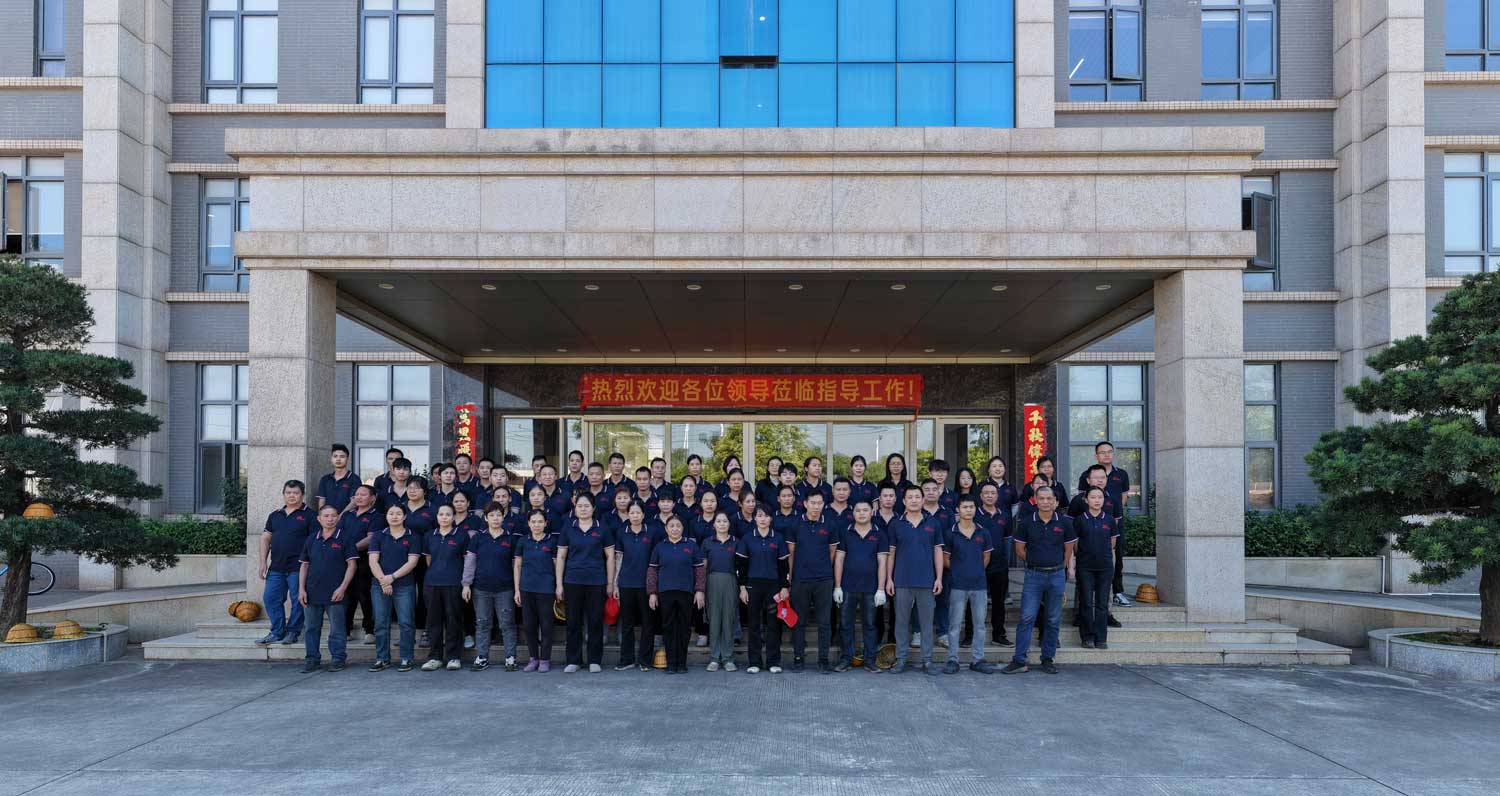
Clear, practical answers regarding raw materials, finishes, custom tooling, and order execution.
Our window trims are primarily extruded from 6063 aluminum alloy, tempered to T5 or T6. 6063 provides a good balance of mechanical properties, clean surface finishes for anodizing and powder coating, and excellent corrosion resistance. For high-wind-load architectural trims, we also offer 6061-T6 alloys to meet higher strength requirements.
Our powder and PVDF coatings are applied to meet AAMA 2603, 2604, and 2605 guidelines. For coastal projects, we recommend PVDF formulations or Qualicoat Class 2 certified powders. Our anodized trims are sealed to Class I standards (minimum 18-25 microns thick) to prevent premature corrosion from atmospheric salt and pollutants.
For custom profile sections, building a custom die takes 7 to 12 days. Extruding samples from the new die takes 3 to 5 days. Once the sample is approved, bulk production is scheduled and completed within 20 to 25 days depending on the complexity of the profile shape and finishing requirements.
We use automated powder feeding lines, spectrophotometer analysis, and control baking temperatures closely. Every batch is benchmarked against standard master limit chips, keeping color variation below Delta-E 1.0 on critical projects.
Every shipment is sent with a factory Quality Inspection Certificate. This includes chemical analysis, mechanical property values (yield, tensile strength, hardness), dimensional deviation maps, and coating thickness measurements.
 Aoli Aluminum