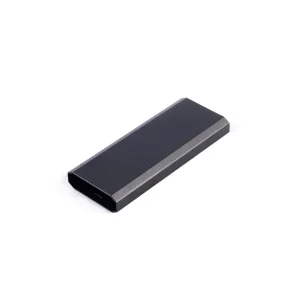
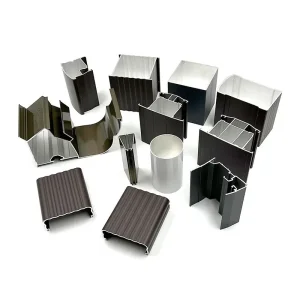
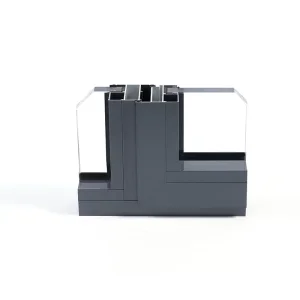
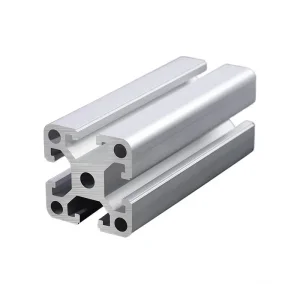
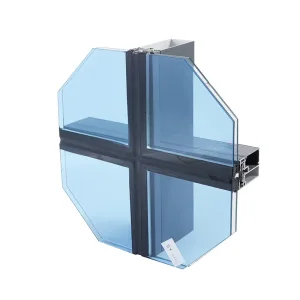
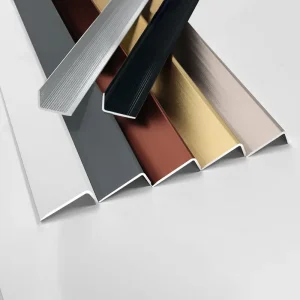
Engineered structural profile configurations directly supplied from our certified Guangdong manufacturing bases.
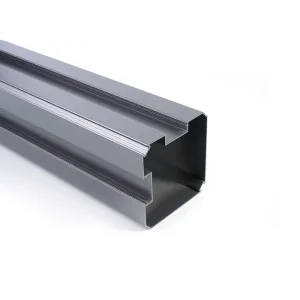
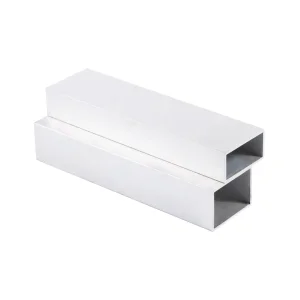
Deep-dive analysis of material properties, heat transfer physics, and why anodization is crucial for high-reliability systems.
In modern high-performance microelectronics, thermal management is no longer a secondary consideration but a core performance constraint. From electric vehicle (EV) battery modules and solar microinverters to AI datacenters and high-frequency telecommunications (5G/6G RF design), excess heat is the primary cause of semiconductor failure. Anodized aluminum heat sinks represent the industry-standard solution for passive thermal management, combining structural integrity, low density, high thermal conductivity, and enhanced surface properties.
To design an optimal heat sink, thermal engineers calculate total thermal resistance using the formula:
Rth(junction-to-ambient) = Rth(j-c) + Rth(c-s) + Rth(s-a)
Where Rth(s-a) (sink-to-ambient resistance) represents the heat sink's ability to dissipate thermal energy. This is achieved via two main pathways: convection (natural or forced) and radiation. While convection relies on surface area optimization and fin geometry, radiative heat transfer is governed by the Stefan-Boltzmann law, which states that radiative energy is directly proportional to the surface emissivity. Anodized surfaces, particularly black anodized finishes, maximize this radiative potential, making them essential in environments with low airflow or vacuum conditions.
Choosing the correct aluminum alloy determines both manufacturing feasibility and final thermal performance:
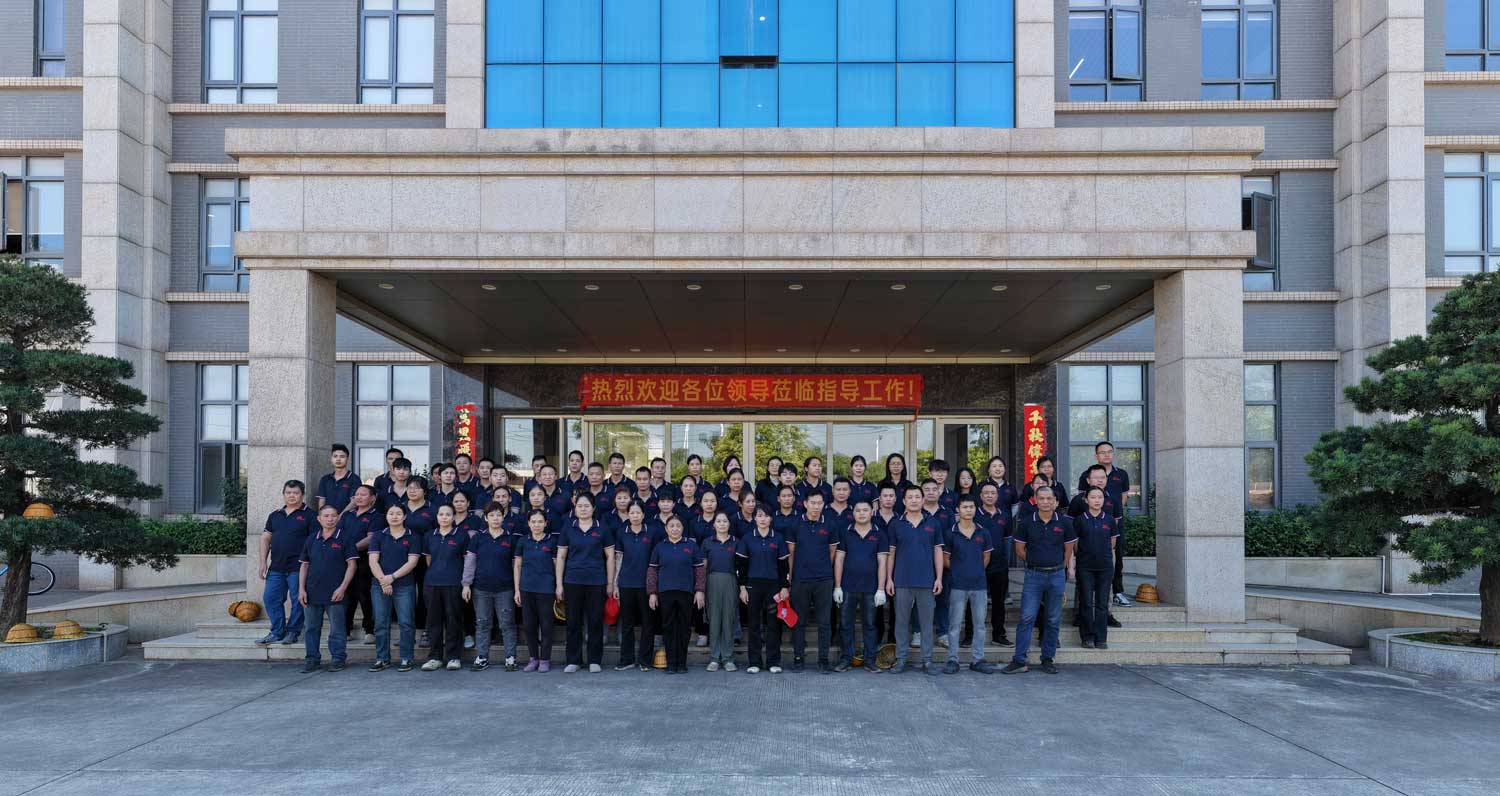
Discover the engineering scale behind Aoli Aluminum's production output.
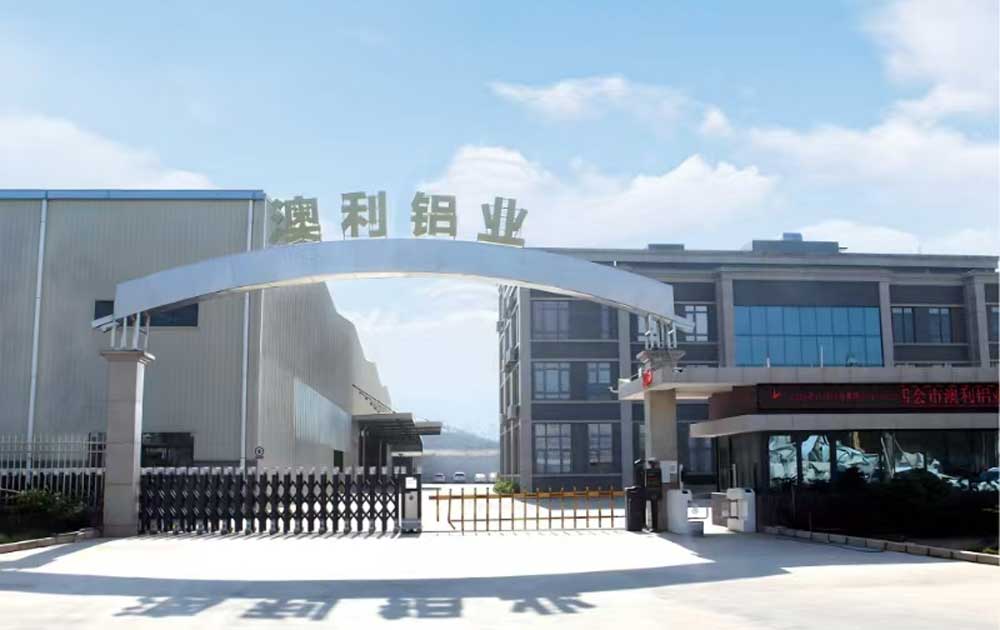
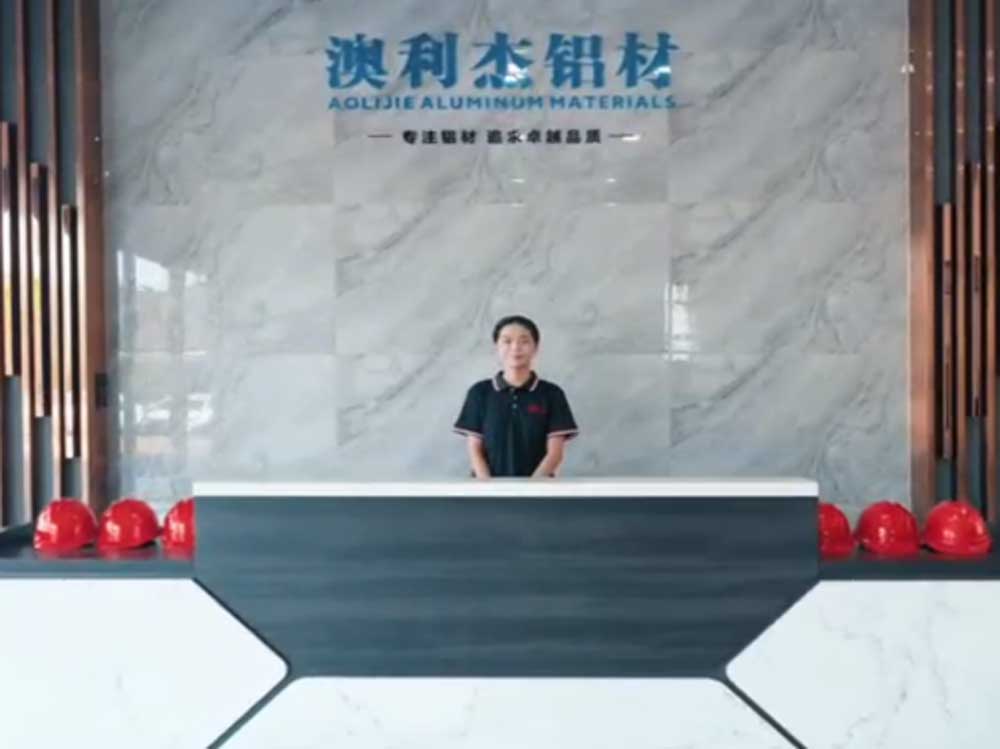
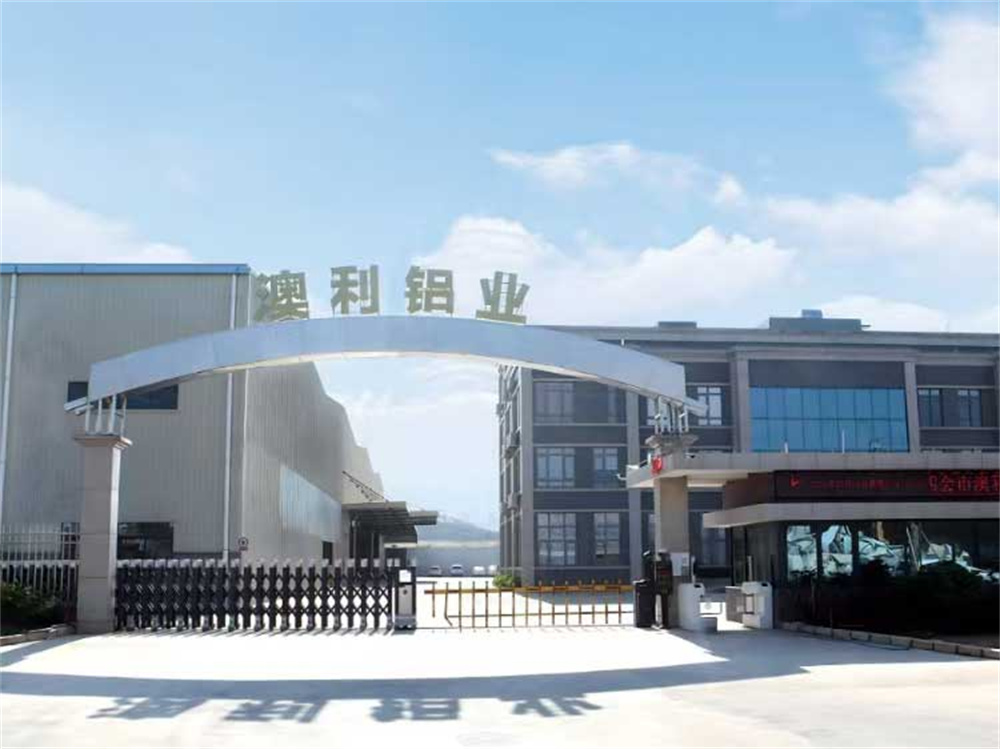
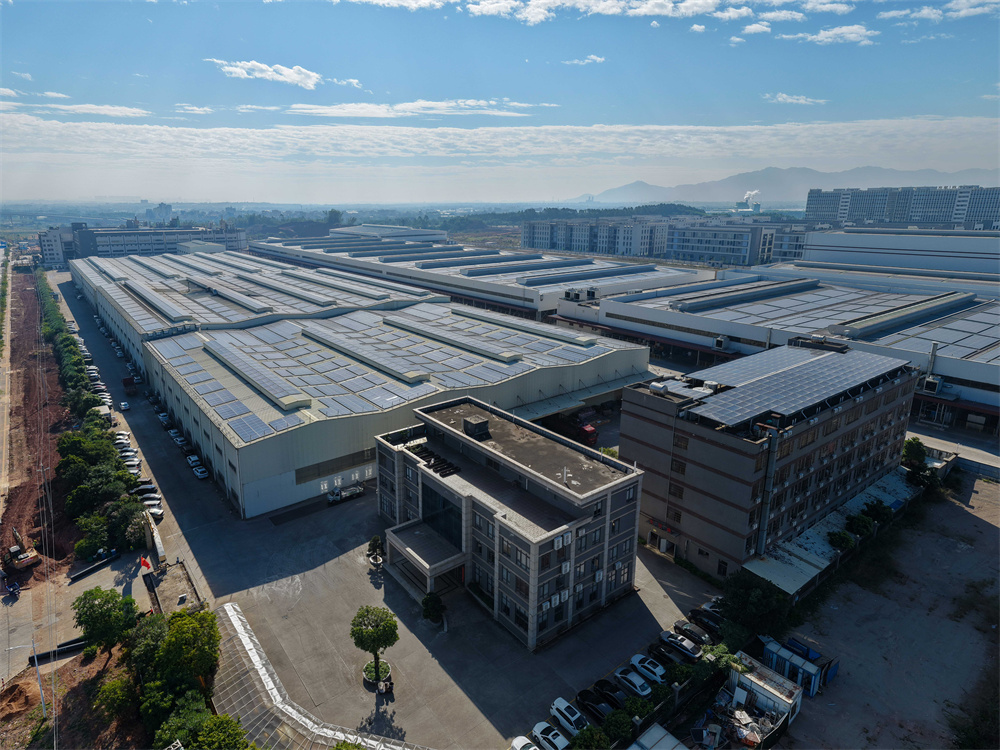
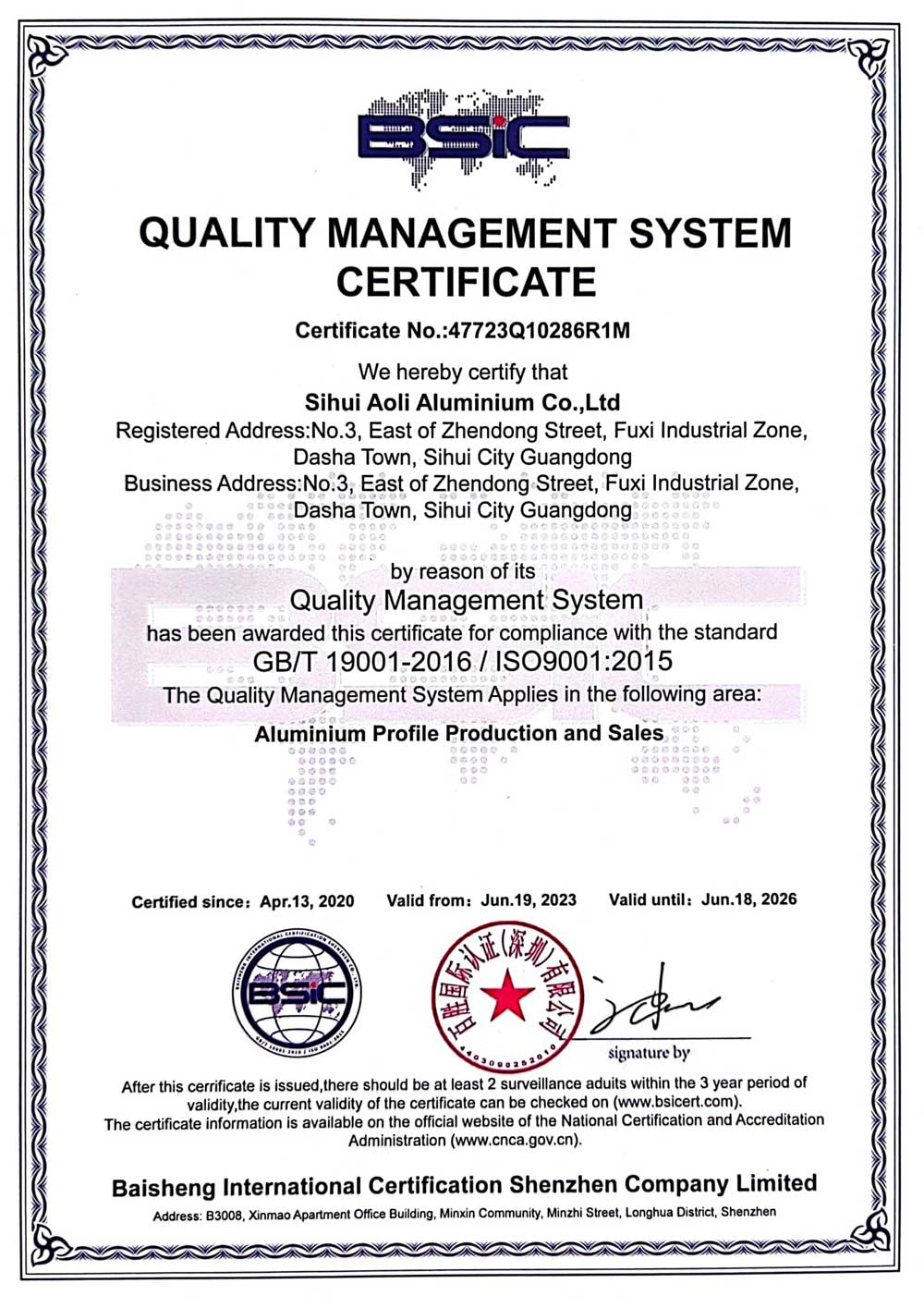
Founded in 2009, Aoli Aluminum (brand name "Aolijie") has grown from a specialized local extrusions workshop into an international manufacturer integrating R&D, structural design, and large-scale industrial manufacturing. Headquartered in Sihui, Guangdong, with sales and engineering support in Foshan, Aoli operates a comprehensive ISO 9001/14001 certified quality management system.
Our mission is "building sustainable cities for the world", committed to providing advanced heat sinks, modular structural framing, and custom thermal solutions that reduce energy loss and extend product life cycles.
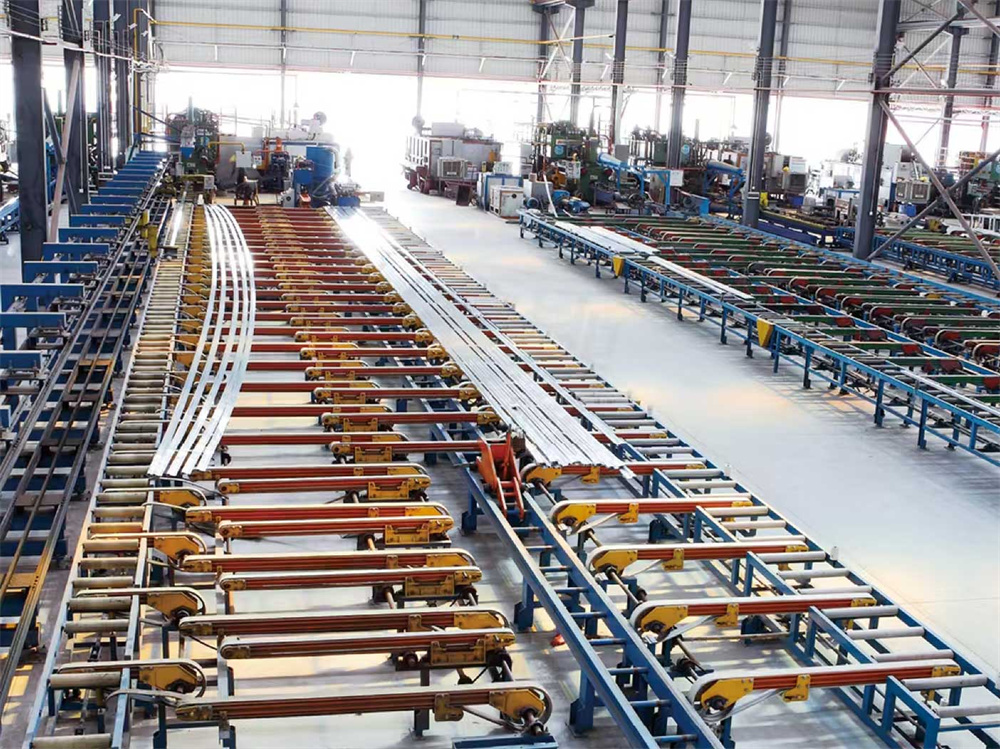
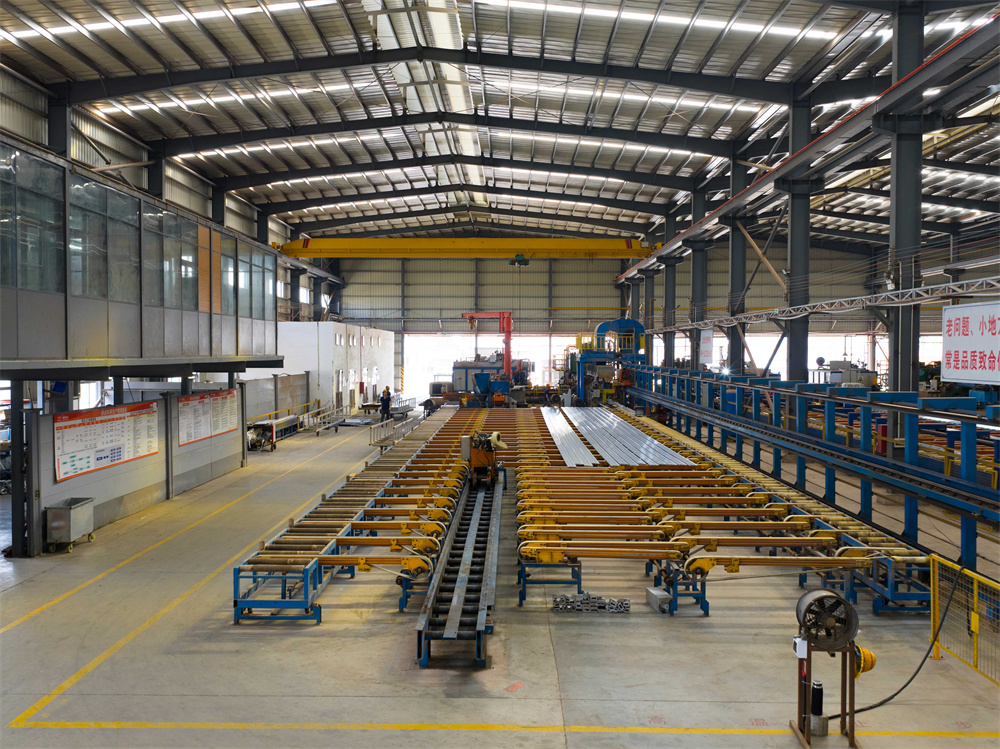
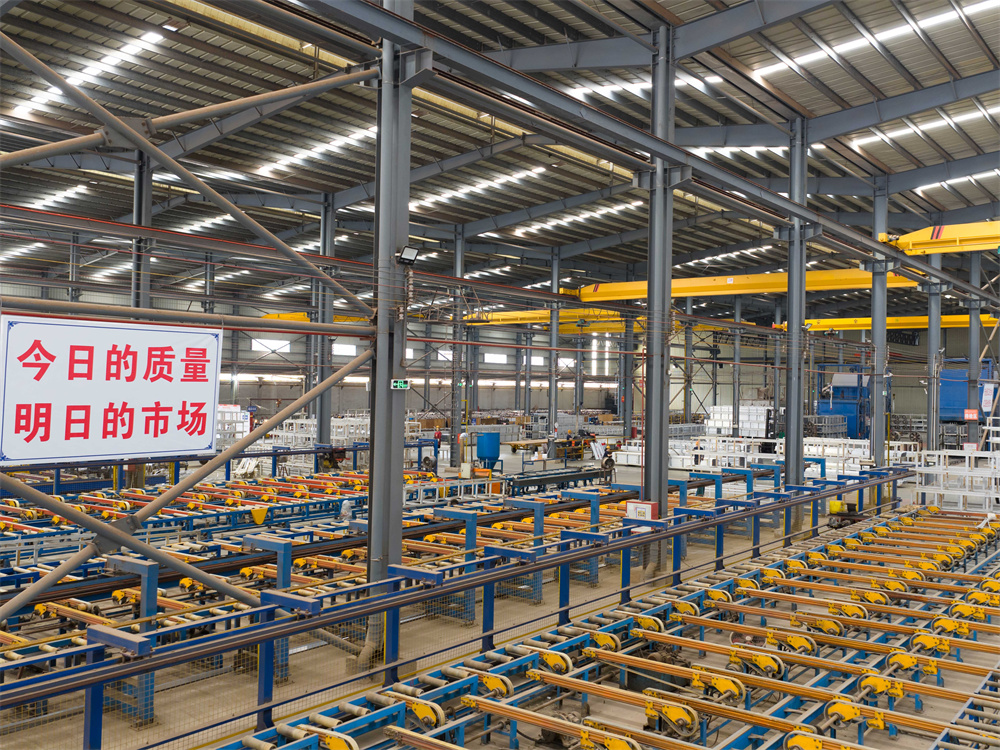
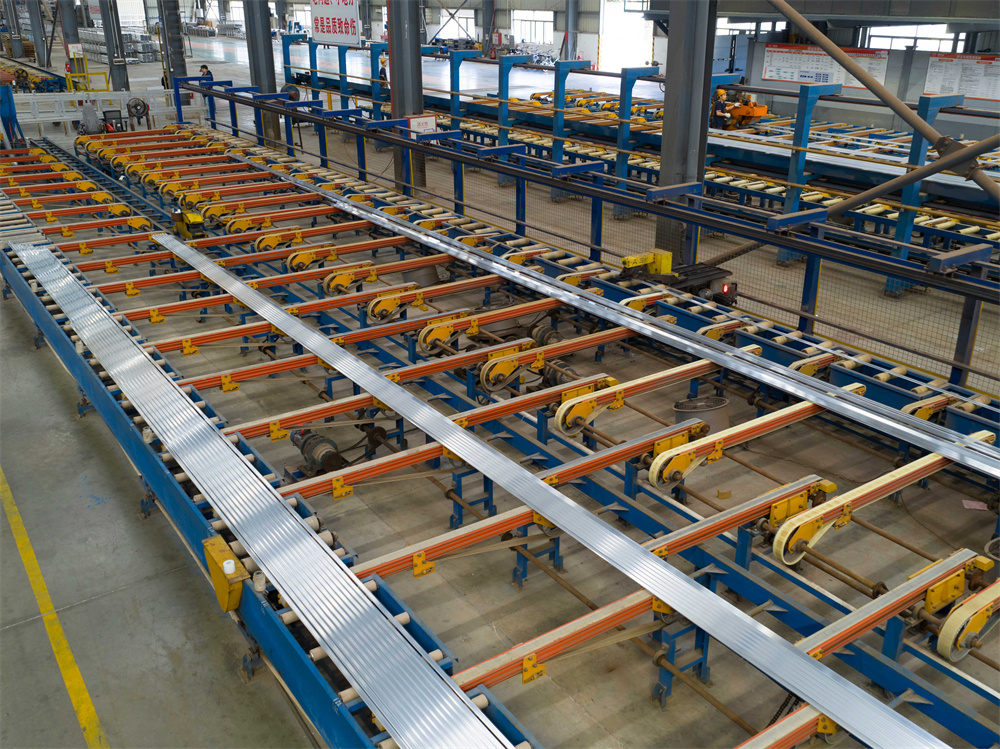
Equipped with advanced extrusion presses ranging from 900 tons to 2,000 tons, handling profiles up to 250mm width.
Complete mechanical post-processing including multi-axis CNC drilling, slotting, tapping, and precision cutting.
Why sourcing from the Guangdong cluster ensures unmatched cost efficiency and speed to market.
Sourcing anodized heat sinks from China, specifically within the Guangdong aluminum industrial cluster (comprising Foshan, Sihui, and Guangzhou), offers significant advantages to global procurement divisions. This region is home to the most concentrated non-ferrous metal extrusion supply chain in the world, providing unmatched access to raw materials, tooling services, post-processing capabilities, and logistics hubs.
Direct proximity to major primary aluminum smelters and alloy casting houses ensures constant supply of high-grade, zero-impurity A00 aluminum billets, critical for electrical and thermal reliability.
With over 100,000 sets of existing extrusion dies, Aoli can often bypass tooling costs. Custom mold design-to-production cycles are compressed to 7-10 days, compared to 4-6 weeks in Western hubs.
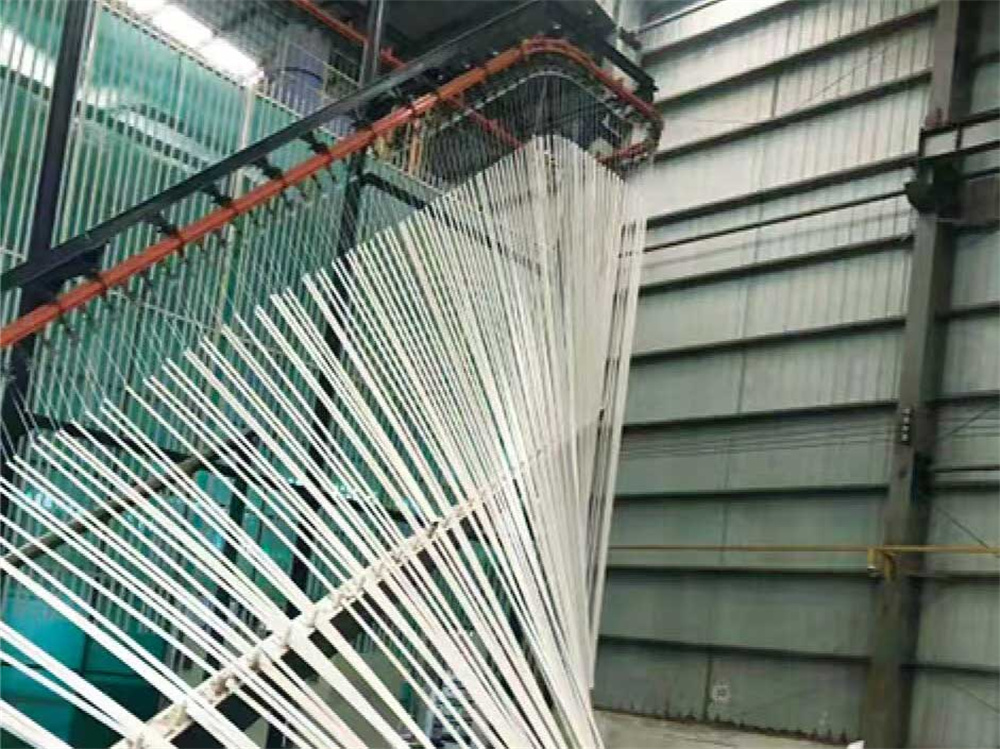
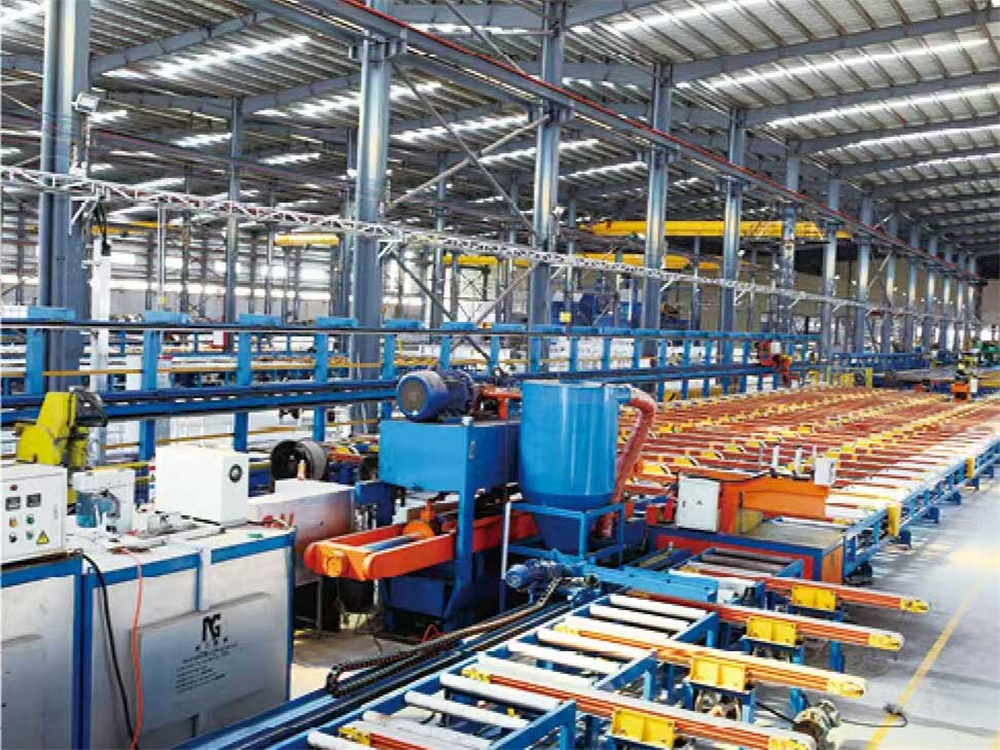
From extrusion, CNC machining, automated anodizing, to thermal interface material (TIM) pre-application, every production step is performed under one roof to minimize transit damage and delays.
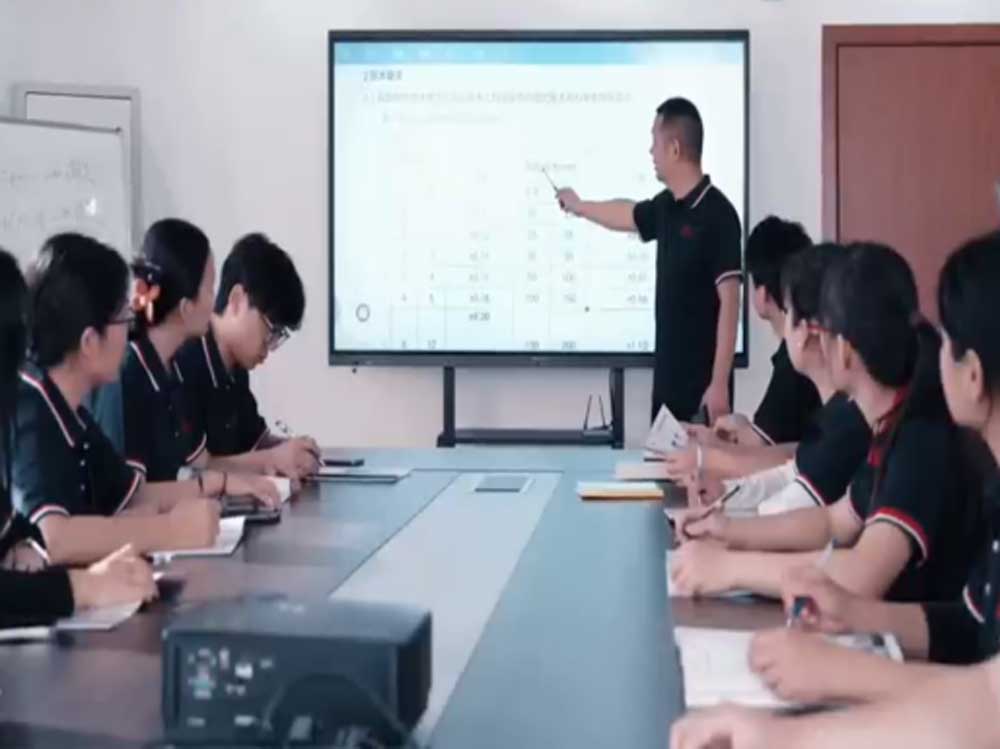
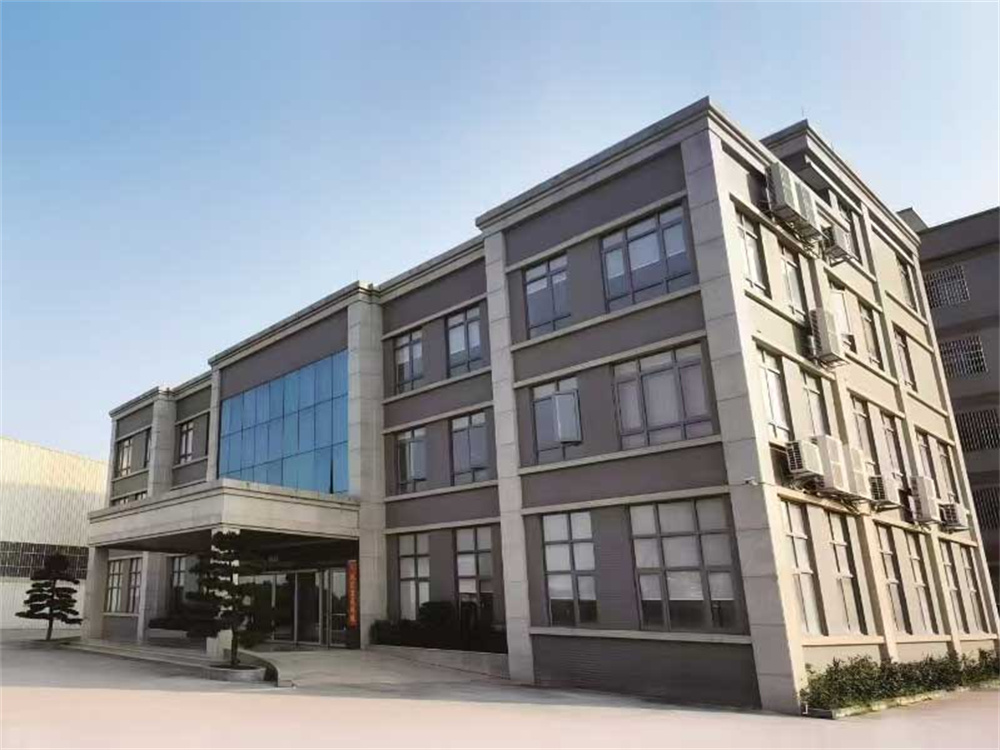
A visual tour of our 100,000 m² production bases, advanced extrusion presses, and quality testing labs.
How Aolijie evolved from a local extrusion plant into a global leader in aluminum technology.
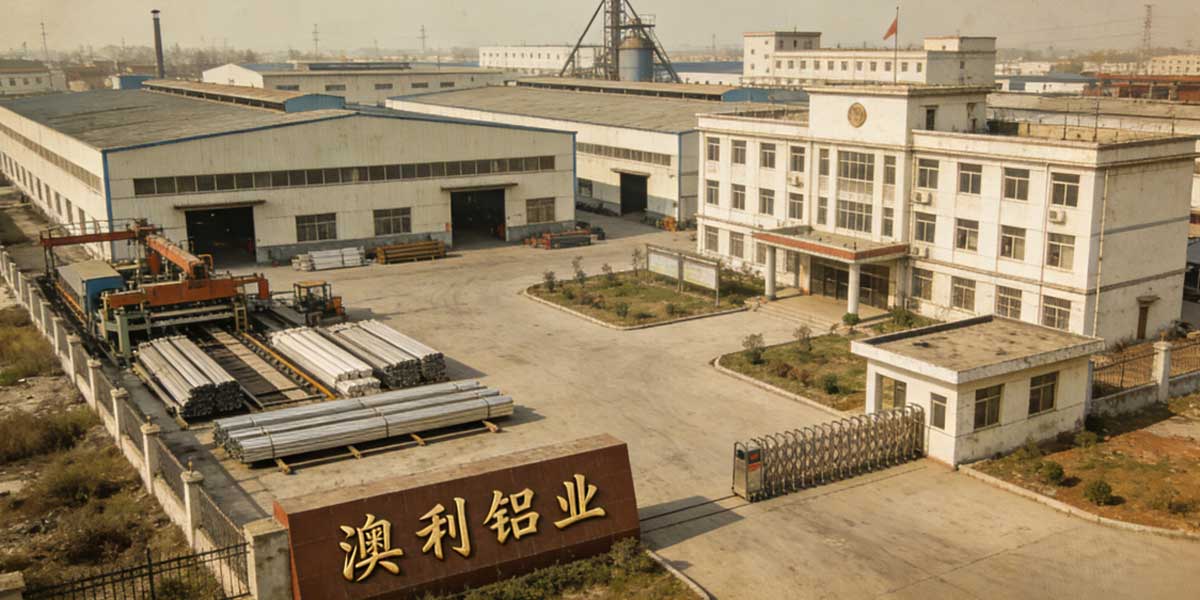
Factory Establishment & Brand Creation: A modern 10,000 square meter aluminum profile factory was constructed and commissioned in Sihui City, Guangdong Province, launching the brand name "Aolijie".
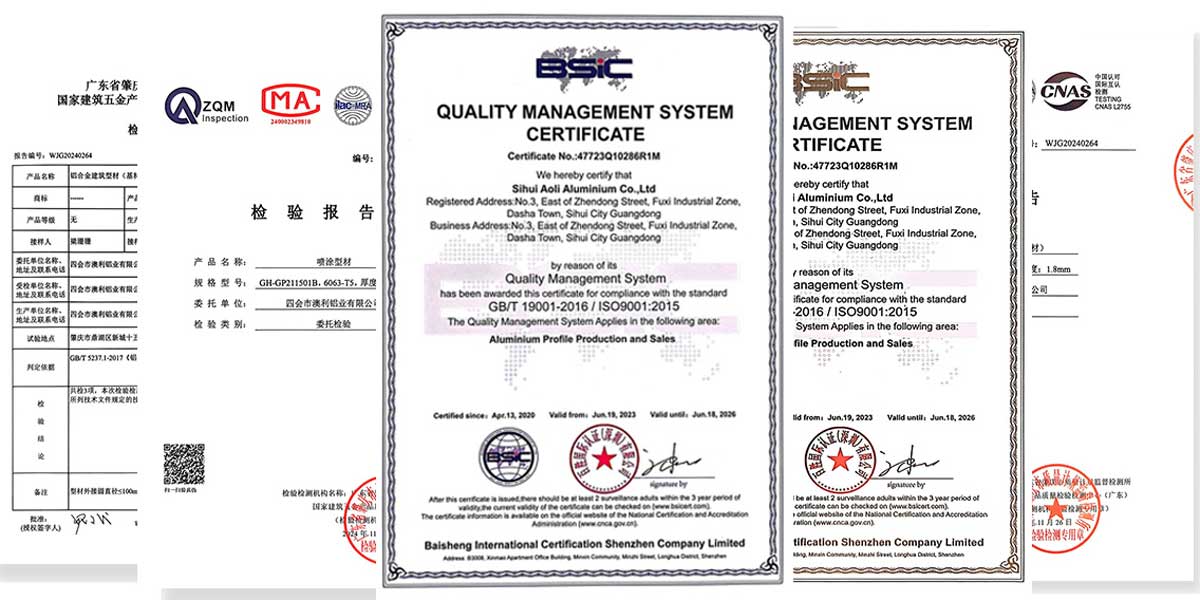
Quality System Foundations & Patents: Obtained 13 national product utility patents. Secured ISO 9001 and ISO 14001 certifications, establishing standardized QC procedures for high-precision industrial heat sinks.
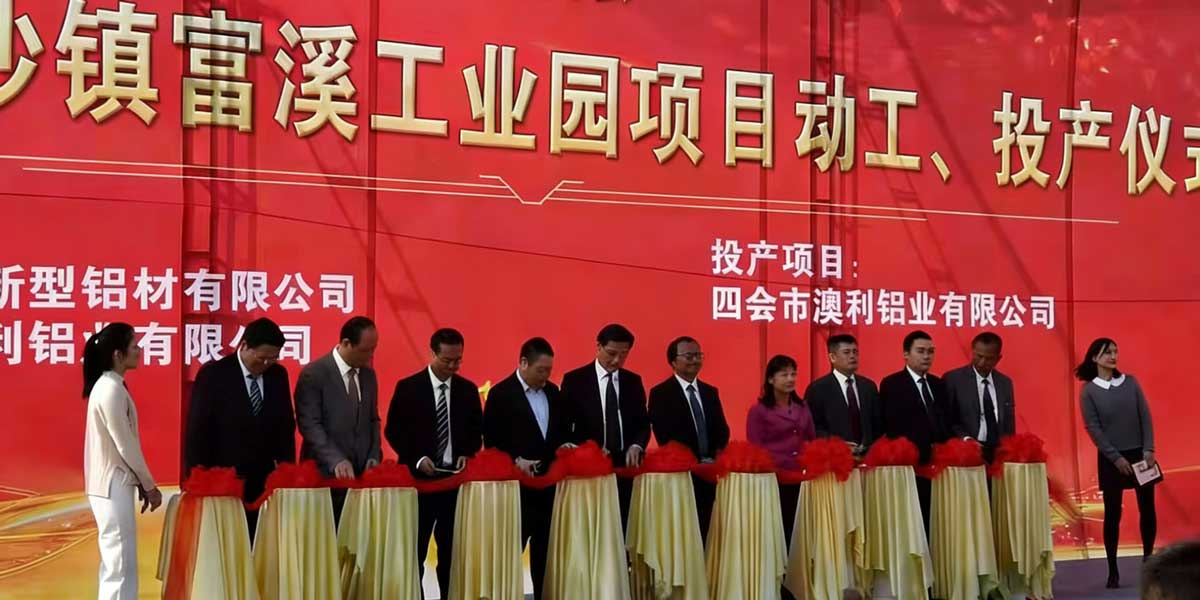
Capacity Scaling: Invested in the construction of an expanded 100,000 square meter intelligent factory, raising our annual manufacturing capacity to 100,000 metric tons to support OEM global clients.
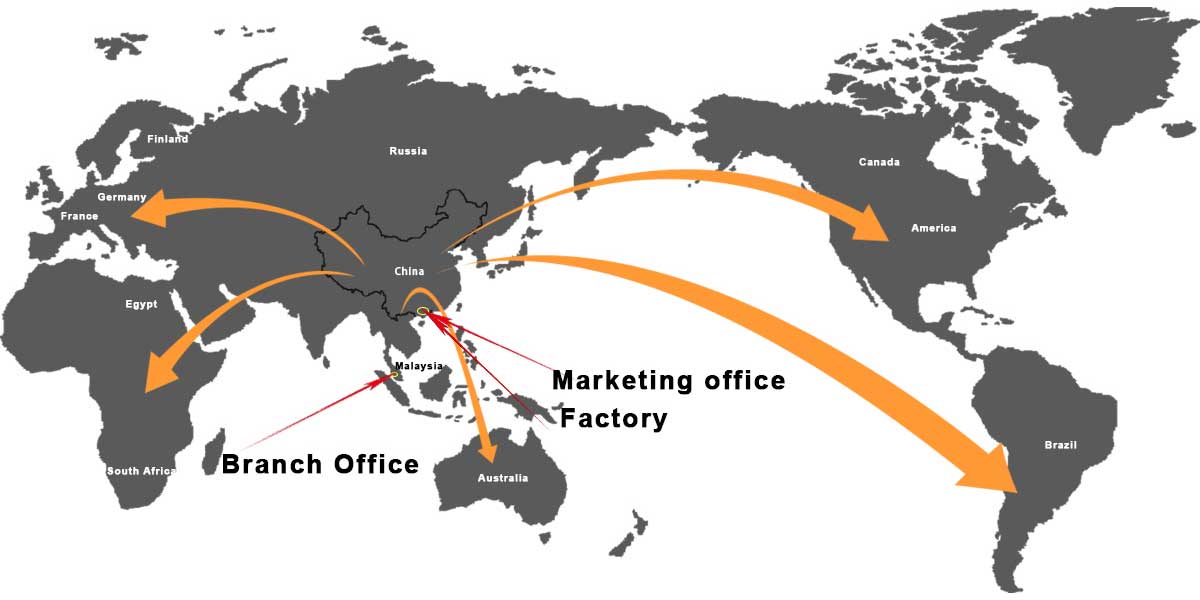
Global Footprint Expansion: Established a global sales and customization office in Foshan, Guangdong. Initiated the planning of our first Southeast Asian regional office in Malaysia, scheduled for launch in 2026.
Solving specific thermal management challenges across key growth sectors.
Liquid-cooled plates and large extrusion profiles dissipate high current thermal loads generated during rapid battery charge cycles. Our components meet the strict mechanical tolerances and surface flatness requirements of major global EV battery modules.
High-density pin-fin anodized heat sinks are essential for server processors, GPUs, and power distribution systems. They provide passive reliability that reduces the workload on cooling fans, contributing to lower Power Usage Effectiveness (PUE).
Solar components operate under harsh outdoor environments. Our anodized finishes provide protection against UV exposure, salt air, and thermal cycling, ensuring a 25-year service life for solar converters.
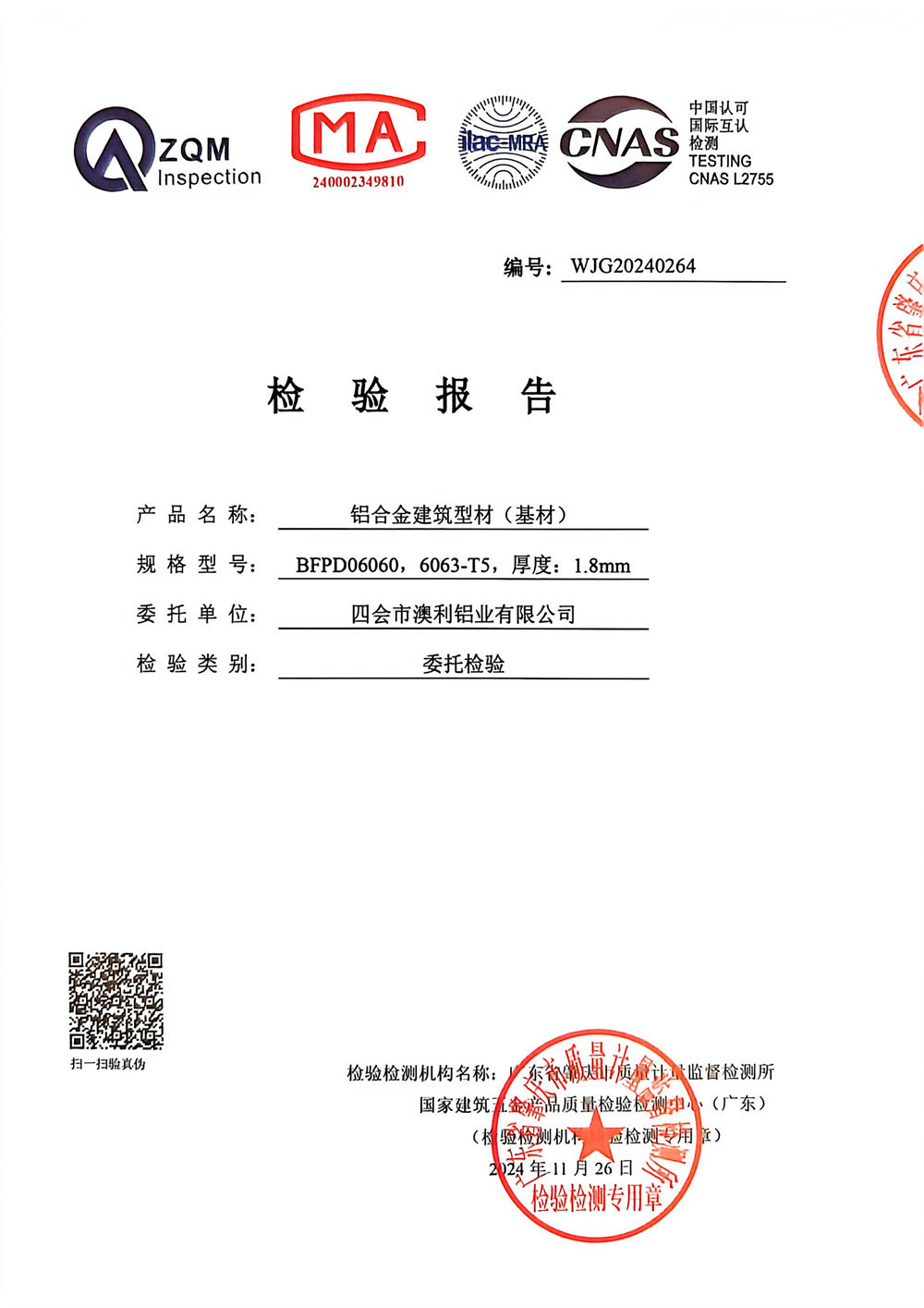
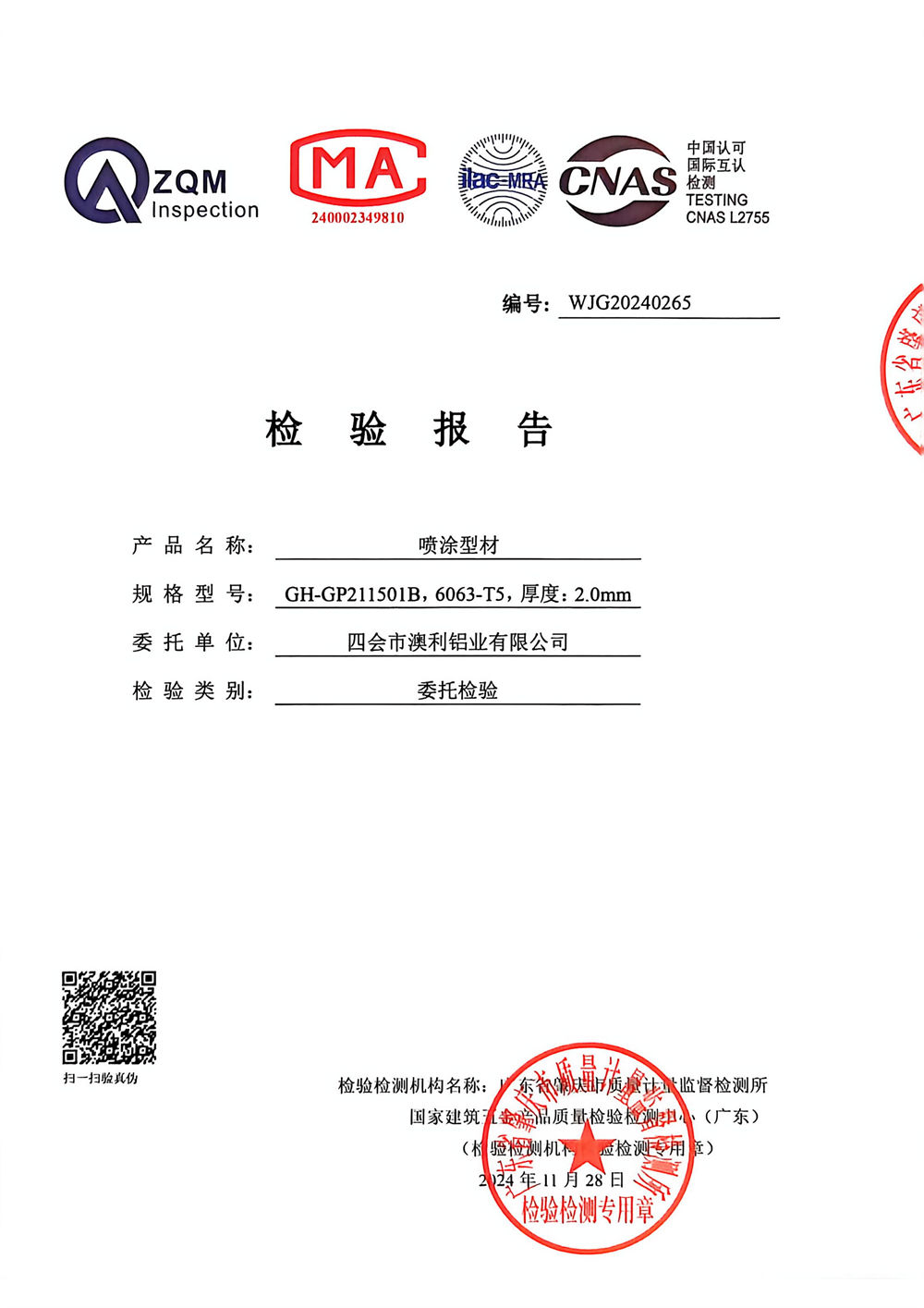
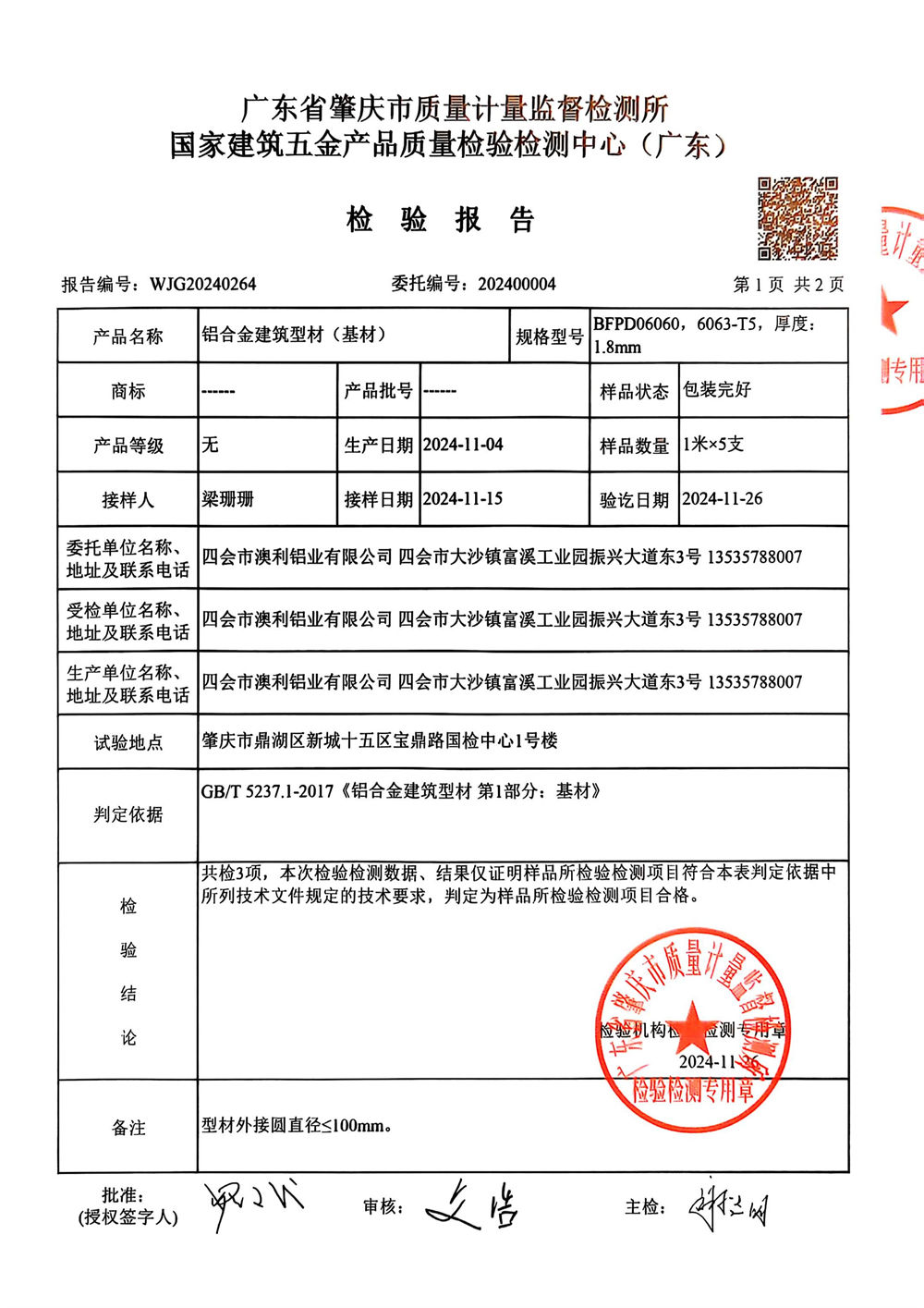
100% full inspection and strict chemical verification to ensure reliable quality for every production run.
Our quality verification starts before extrusion. Using raw aluminum alloy chemistry validation, we ensure zero impurity inclusions. Our lab conducts chemical composition audits, mechanical stretch testing, and surface microscopic checks to confirm uniform grain structures. This attention to detail results in consistent thermal properties and avoids structural weak points during post-processing.
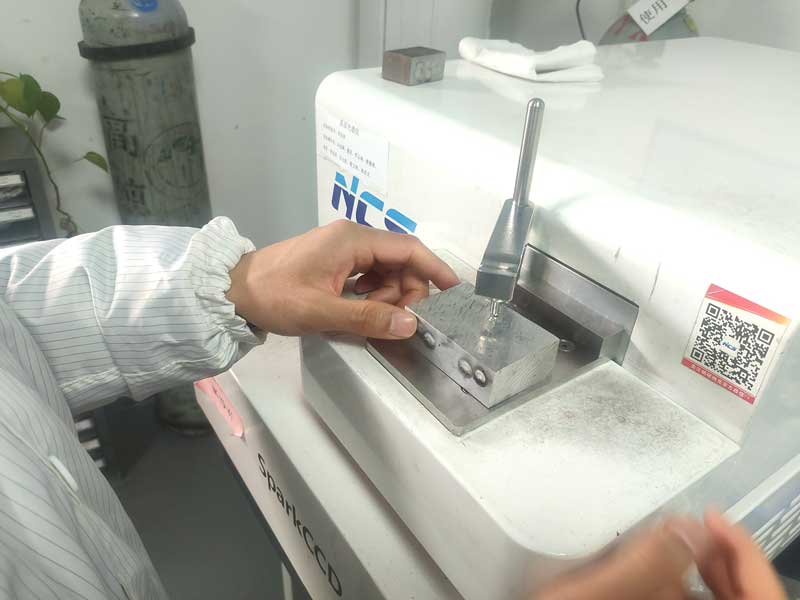
Componential Analysis
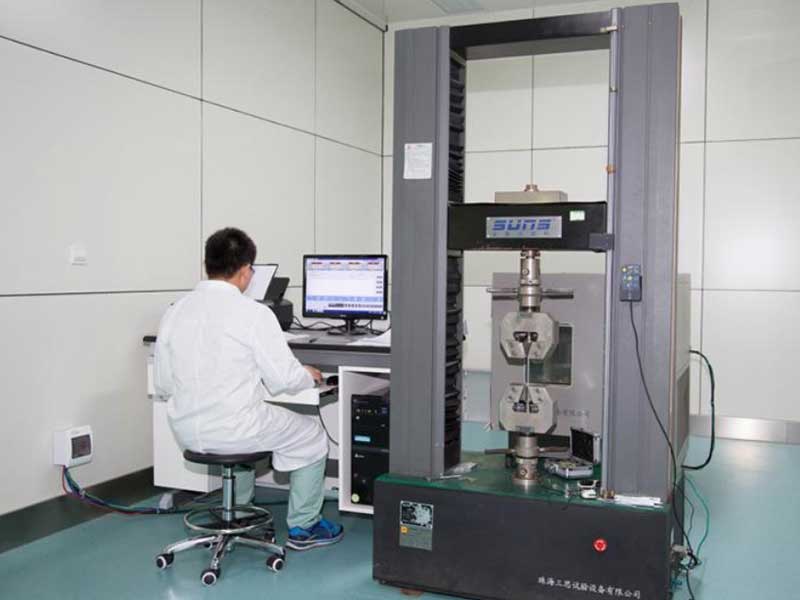
Tensile Test
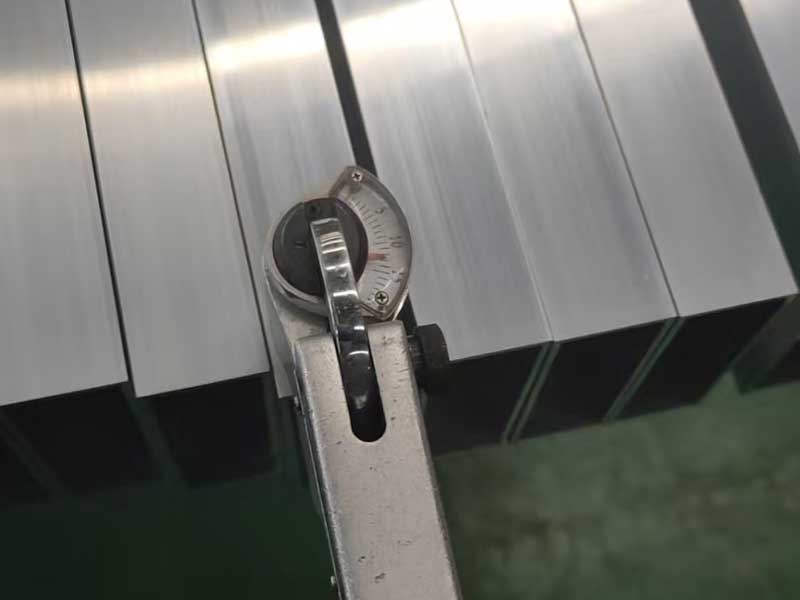
Hardness Test
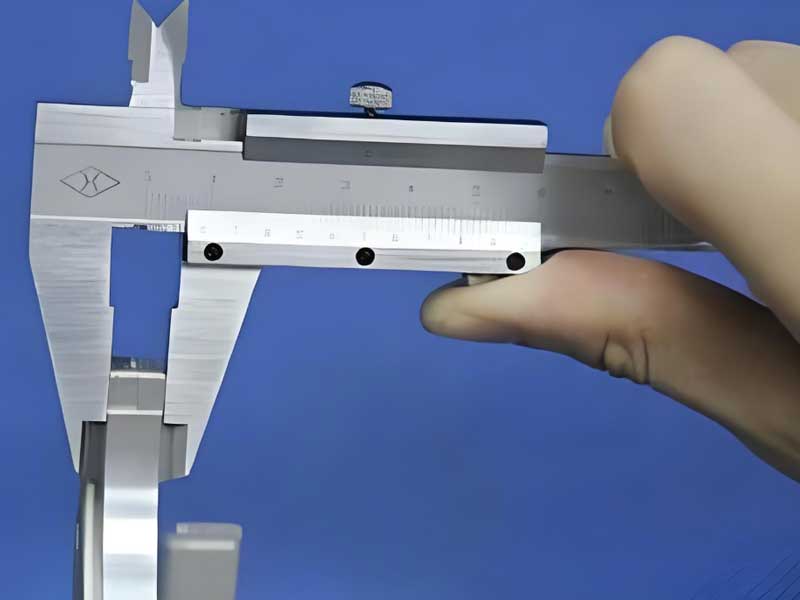
Dimensional Measurement
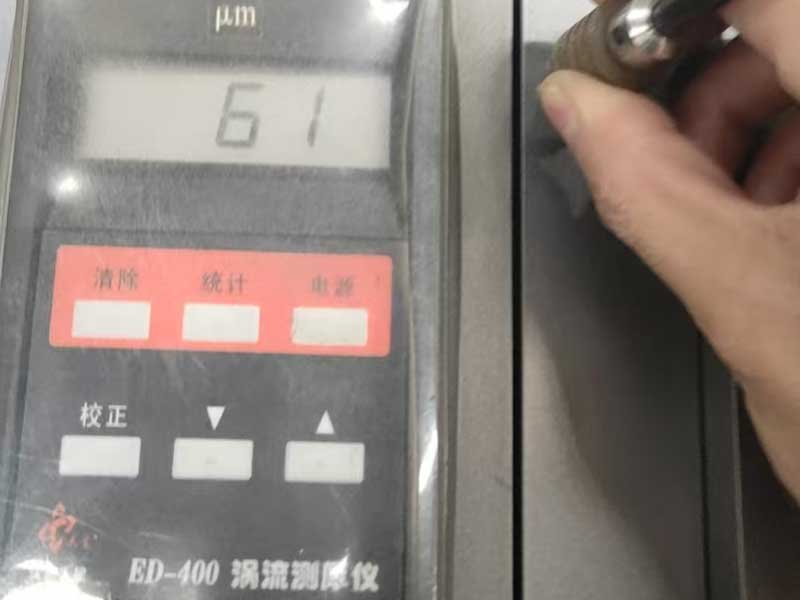
Coating Test
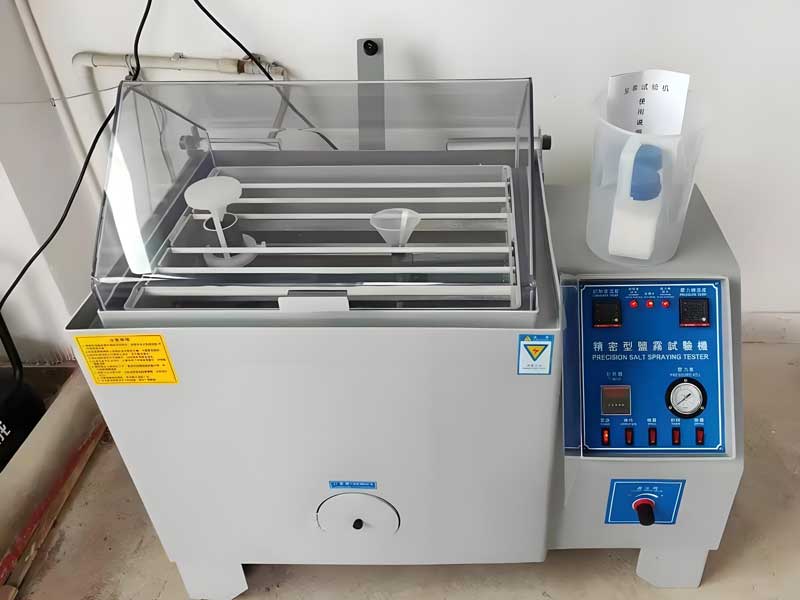
Salt Spray Test
*Testing standards follow ISO 2859 / ANSI/ASQ Z1.4 sampling plans.
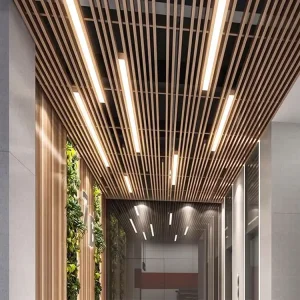
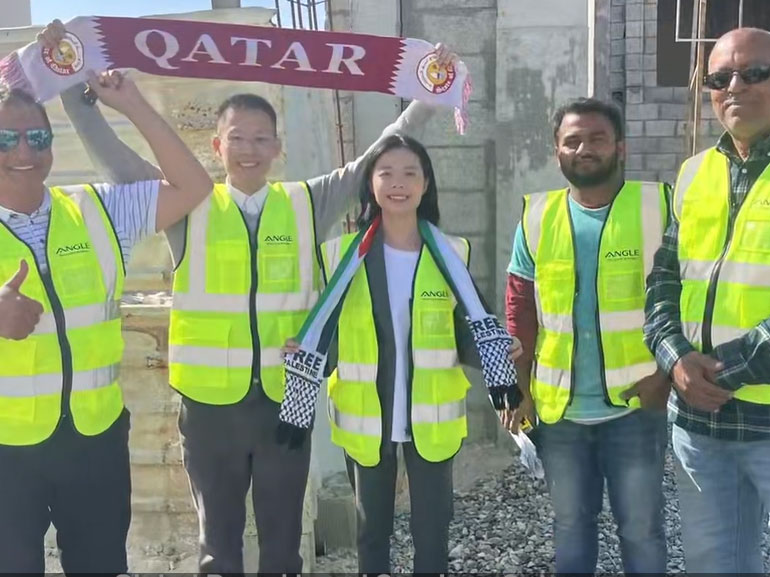
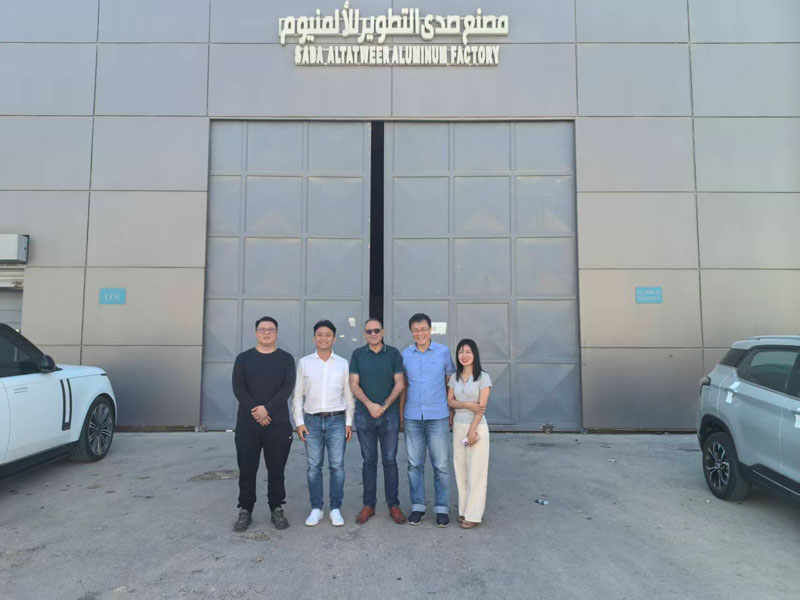
Discover real-world applications of Aoli aluminum profiles across key global projects.


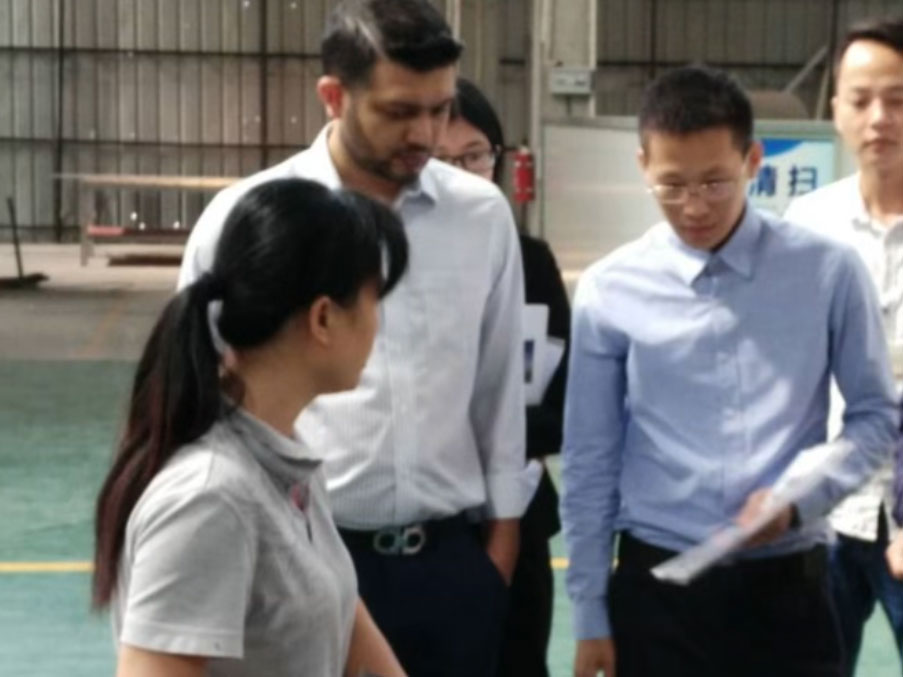
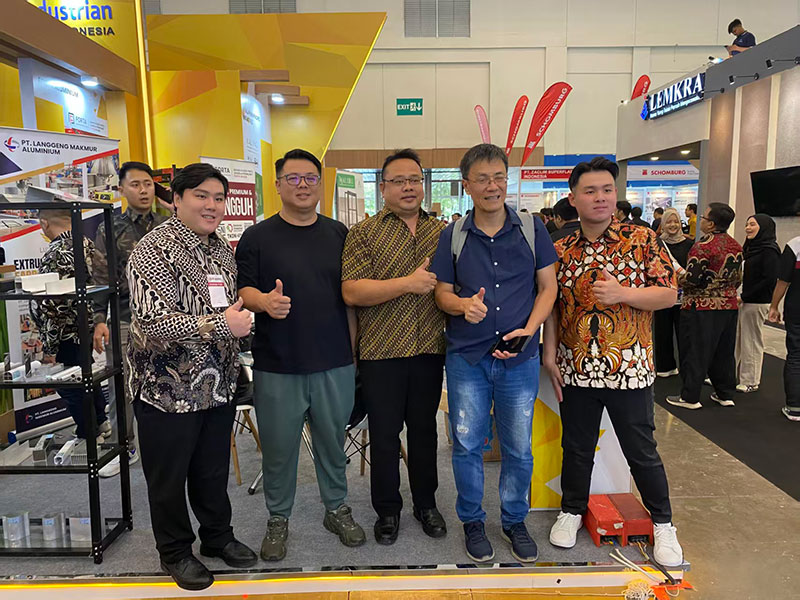
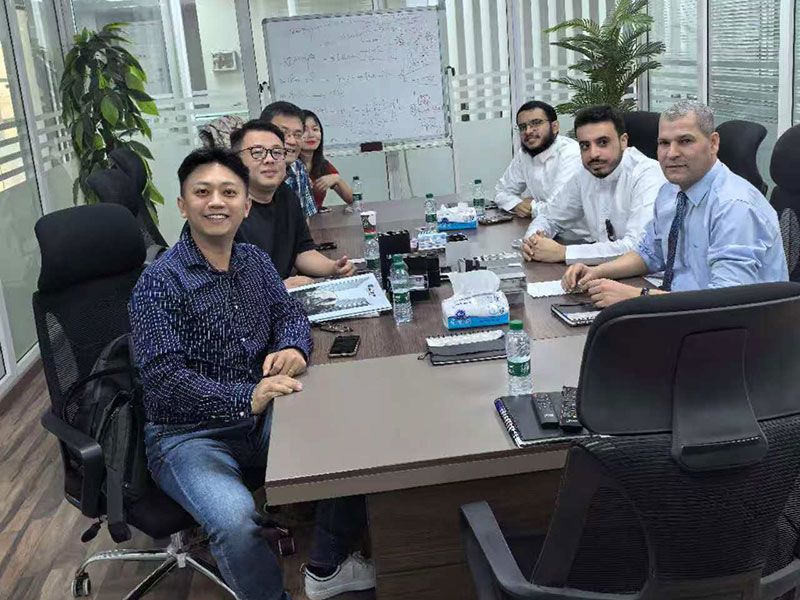
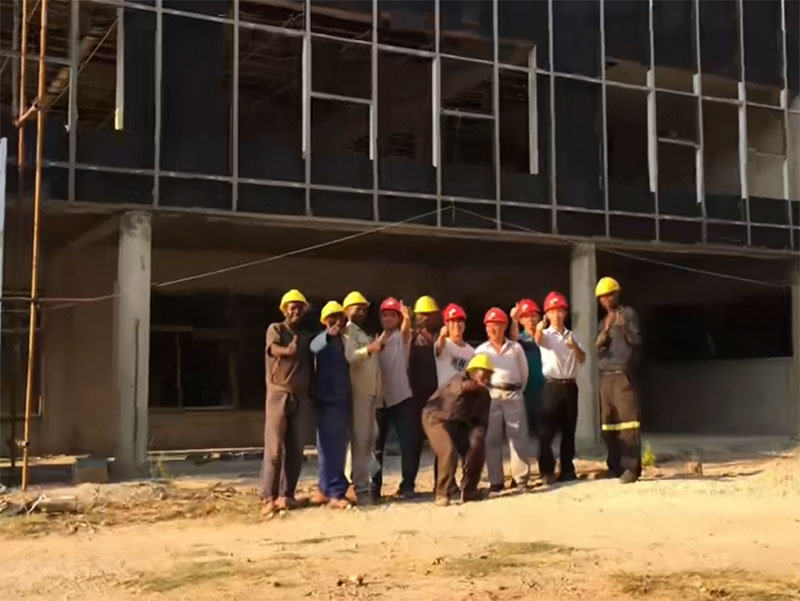
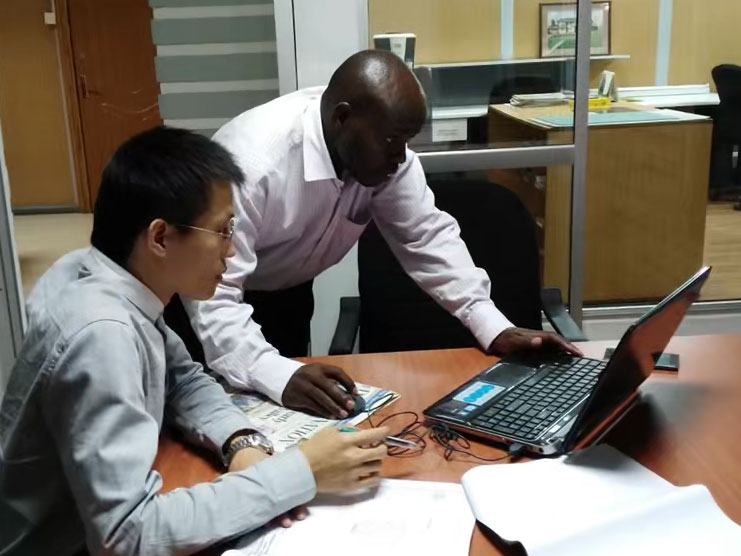
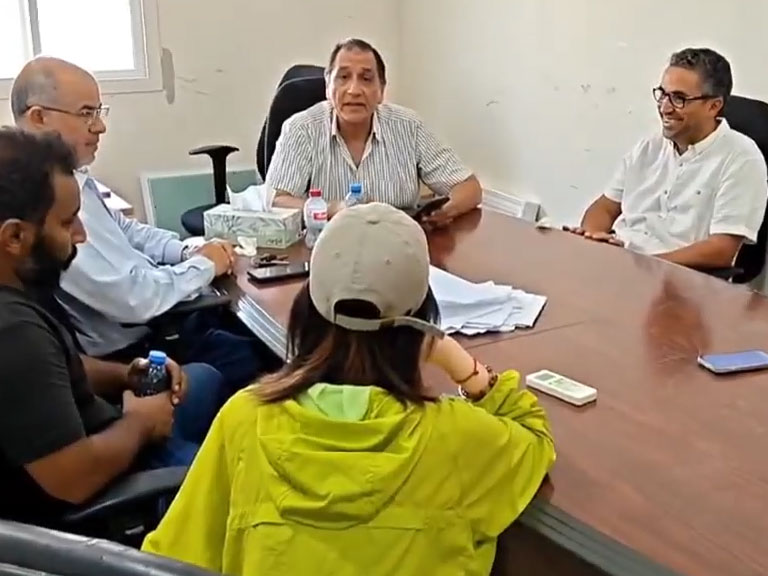
Our engineering division will review your CAD drawings and provide a thermal simulation check and quote within 24 hours.
Common questions from design engineers and procurement professionals.
Premium functional profiles designed for structural framing and electrical housings.
 Aoli Aluminum