Engineered to meet rigorous global standards, these custom and standard profiles offer unparalleled longevity, high structural capacity, and thermal efficiency.
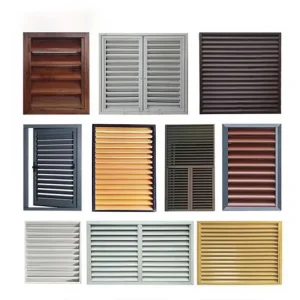
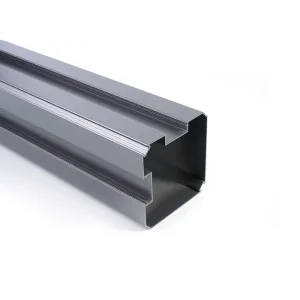
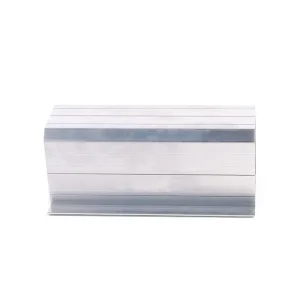
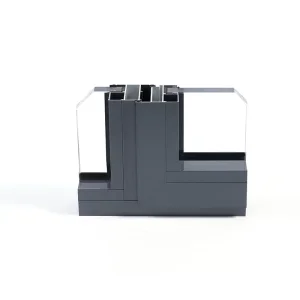
A comprehensive overview of architectural innovations, environmental shifts, and structural developments redefining modern construction materials.
Urban development continues to shift toward sustainable footprints. Aluminum alloys are playing a key role, thanks to their near-infinite recyclability and light weight, which reduces structural dead-load. Major projects targeting LEED, BREEAM, or DGNB standards increasingly specify low-carbon primary aluminum or post-consumer recycled extrusion products to reduce embodied carbon.
Thermal break technologies utilizing structurally reinforced polyamide inserts (such as PA66-GF25) have become standard for windows, doors, and unitized curtain walls. These barriers limit thermal transmittance (U-value reduction) in building envelopes, directly optimizing HVAC power consumption in modern high-rise buildings and extreme climates.
Architects are moving away from traditional coatings toward highly durable treatments like PVDF (Fluorocarbon) coating, heavy-film anodizing, and electrophoretic finishes. These methods protect structural facades against coastal sea-salt erosion, intense ultraviolet exposure, and chemical pollution, extending building exterior lifespans to multiple decades.
"The future of urban infrastructure relies heavily on lightweight metals. As we optimize structural integrity through customized chemical configurations, Aoli Aluminum is committed to pushing the envelope in building sustainable cities for the world."
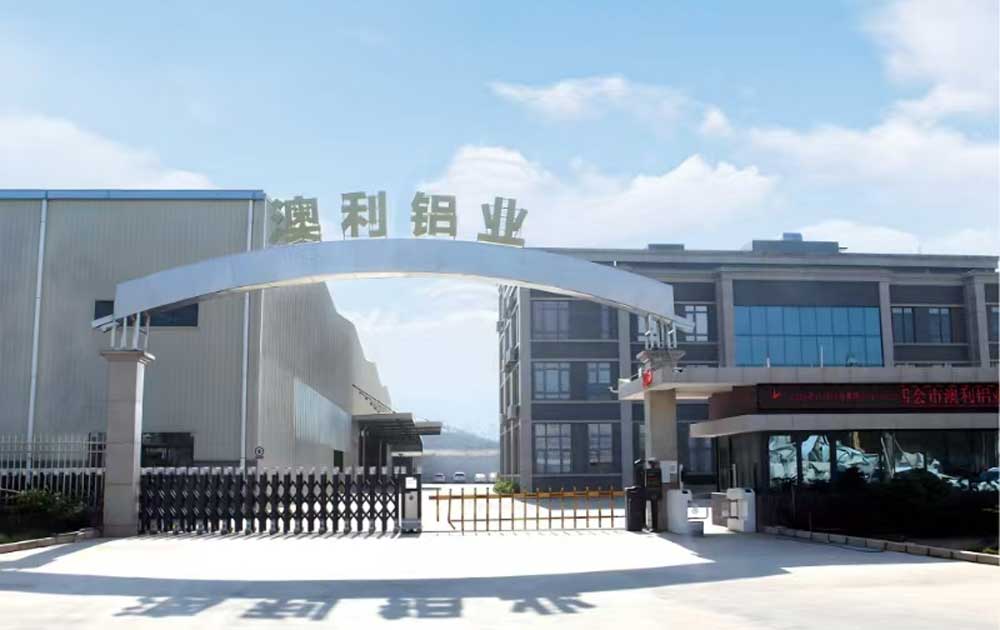
Established in 2009, Aoli Aluminum is a fully integrated manufacturer incorporating research and development, precision extrusion, surface treatment, and deep CNC fabrication. We specialize in manufacturing high-performance aluminum alloy profiles for construction, architectural decoration, and heavy industrial applications.
Headquartered in Sihui, Guangdong Province, with an active sales and customer consultation branch in Foshan, we operate under a rigorous ISO quality management system. Our annual production capacity reaches 100,000 tons, supported by a vast inventory of over 100,000 sets of specialized dies, spanning 100+ series and more than 1,000 detailed specifications.
Our brand "Aolijie" is closely linked with the evolution of China's aluminum extrusion sector. Since 2000, our founder Mr. Wong engaged deeply in the sales of building materials. Observing China's rapid urbanization, he realized the potential of aluminum as an eco-friendly, low-carbon, durable material crucial for future cities. In 2009, he established the manufacturing facility in Sihui, Guangdong under the brand "Aolijie".
Therefore, "Aolijie" stands for: Your first choice - outstanding Chinese products guided by industry-leading indicators.
A standard manufacturing plant spanning 10,000 square meters was constructed and commissioned in Sihui, Guangdong. The brand "Aolijie" was launched to deliver high-standard structural extrusions.
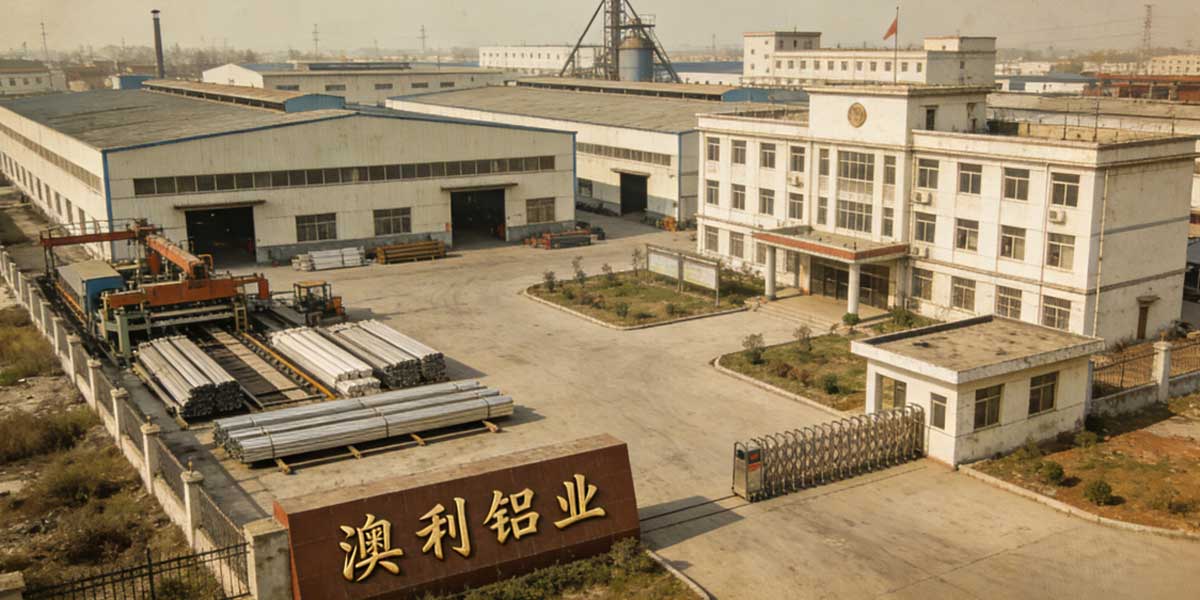
Focusing on strict production and quality systems, the company secured 13 product patents and obtained ISO9000 management certification, establishing its presence in the domestic market.
Responding to growing demand, Aoli invested in a new 100,000 square meter facility, increasing annual manufacturing capacity to 100,000 tons and upgrading its machinery.
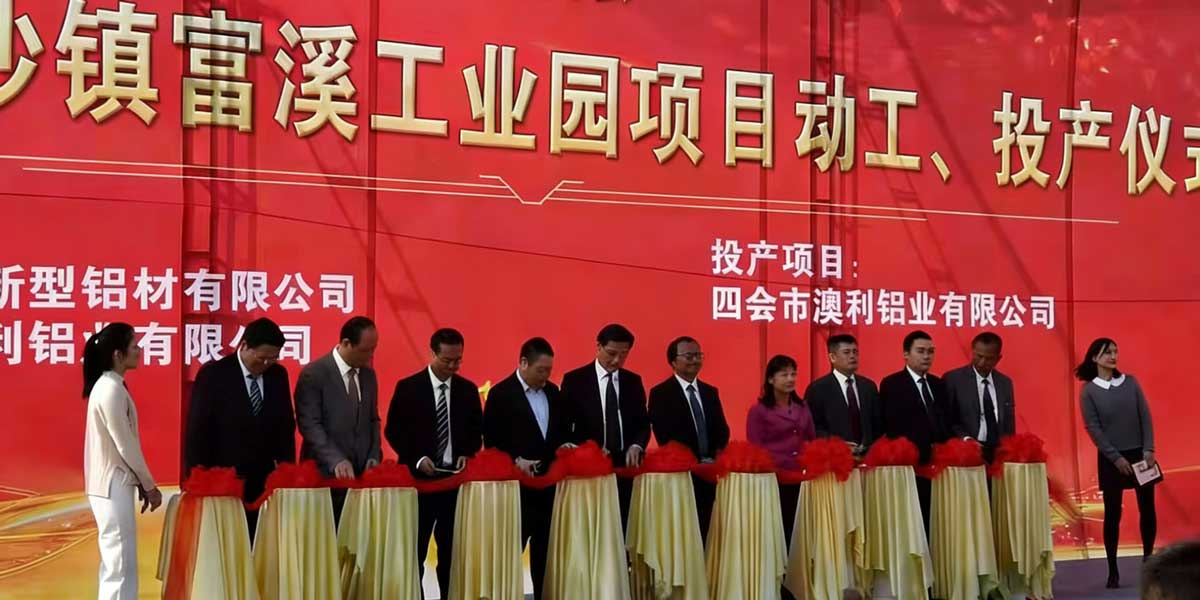
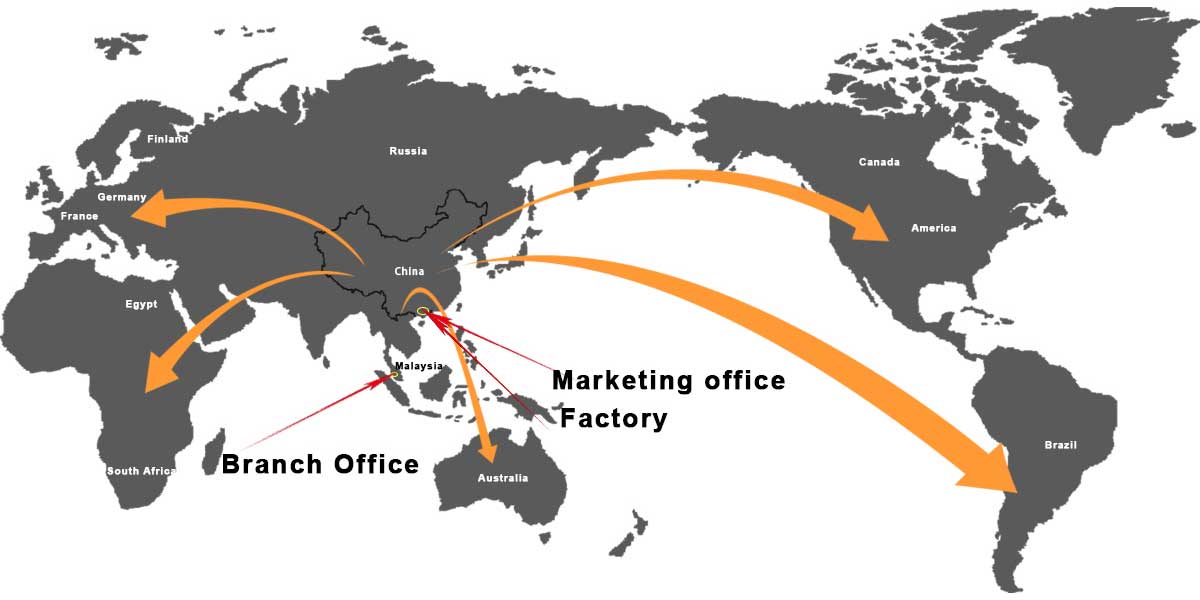
In 2024, the company established a dedicated sales branch in Foshan, Guangdong. Aoli is currently preparing to open an overseas representative office in Malaysia in 2026 to support Southeast Asian and global accounts.
Industrial structural engineers and procurement heads require reliable mechanical parameters. Below is the technical specification breakdown for standard structural alloys.
| Alloy Grade & Temper | Minimum Yield Strength (MPa) | Tensile Strength (MPa) | Elongation A50 (%) | Typical Applications |
|---|---|---|---|---|
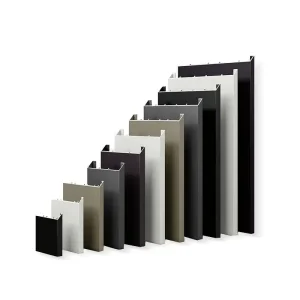
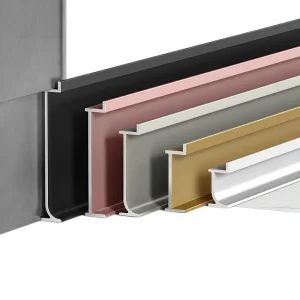
| 6063 - T5 | ≥ 110 | ≥ 160 | ≥ 8 | Standard windows, doors, cladding profiles, decorative skirting boards. |
| 6063 - T6 | ≥ 170 | ≥ 215 | ≥ 10 | Curtain wall framing, modular display frames, lightweight brackets. |
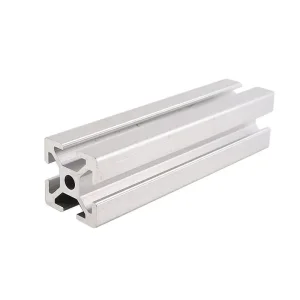
| 6061 - T6 | ≥ 240 | ≥ 265 | ≥ 8 | Heavy-duty structural frames, brackets, camper battery enclosures. |
| 6082 - T6 | ≥ 260 | ≥ 290 | ≥ 8 | High-load structural columns, scaffolding, heavy marine engineering. |
For large-scale construction and industrial projects, structural stability is critical. Our engineering team assists procurement managers by providing full material traceability, custom tooling development, and third-party mechanical testing. Our capabilities include press lines ranging from 900 tons to 2,000 tons, allowing us to extrude simple profiles as well as complex hollow designs with precise tolerances.
Explore our specialization across architectural applications and precision industrial components.
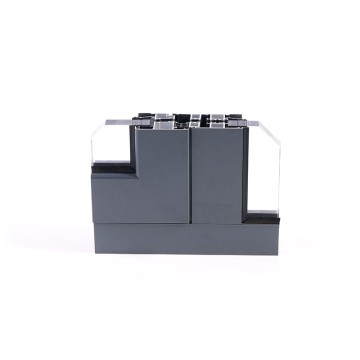
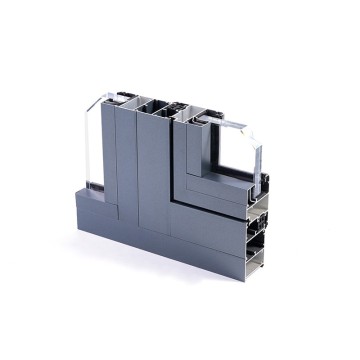
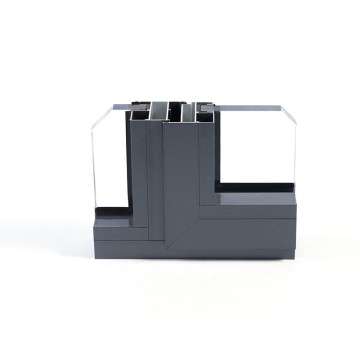
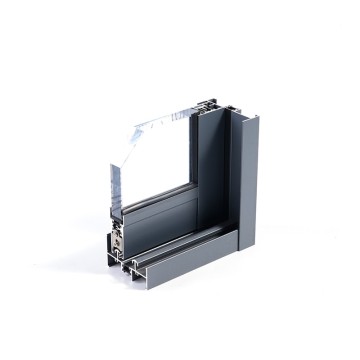
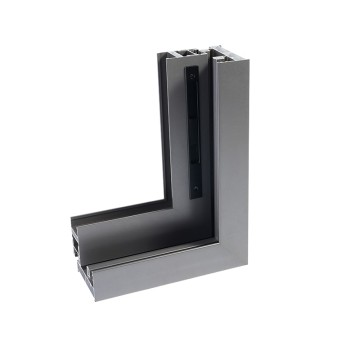
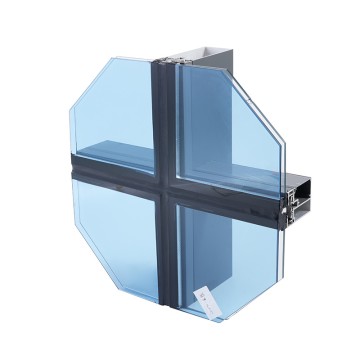
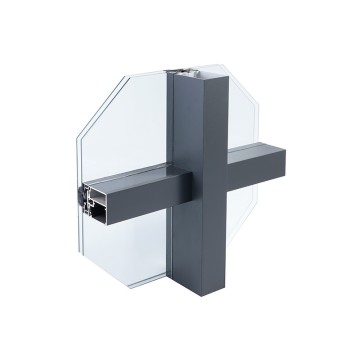
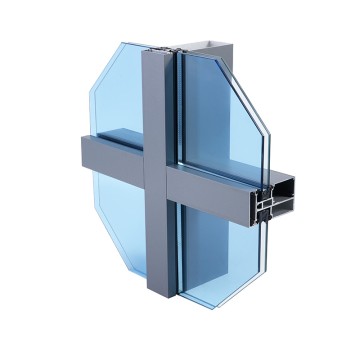
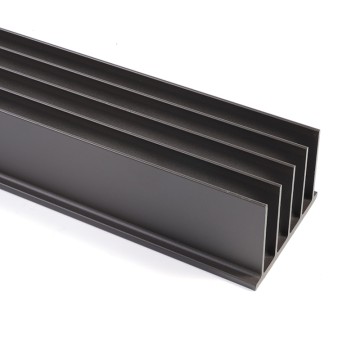
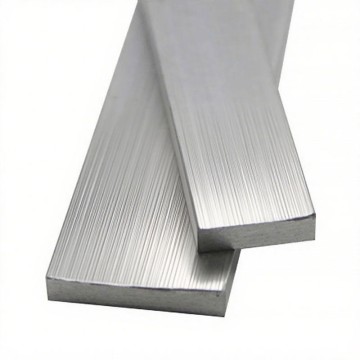
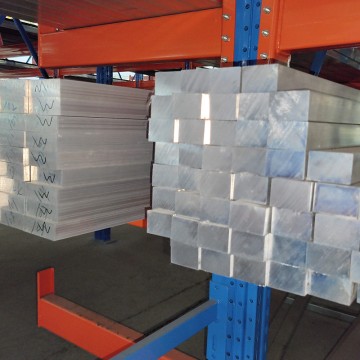
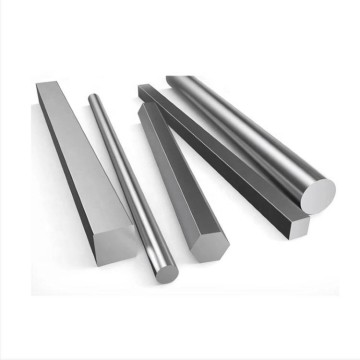
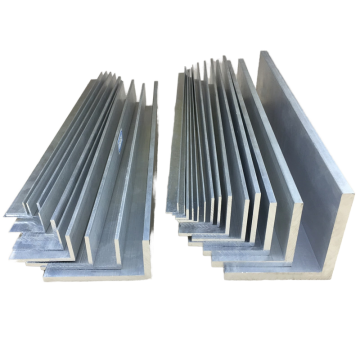
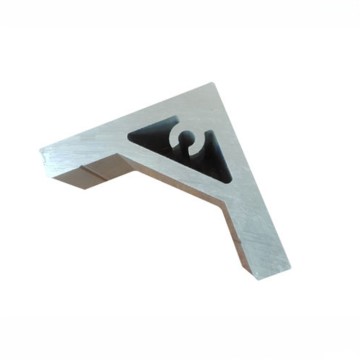
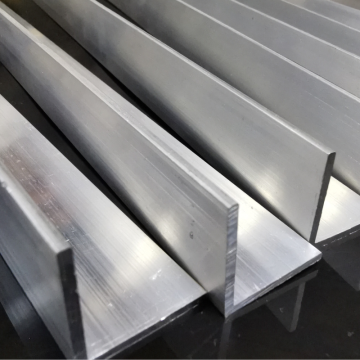
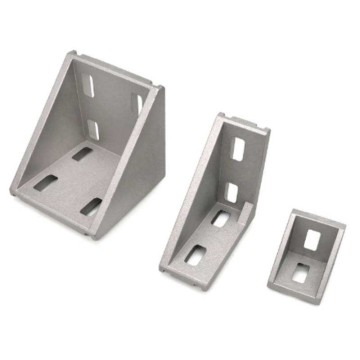
We maintain strict quality control throughout production, implementing random AQL inspections and 100% visual checks for structural and finish consistency.
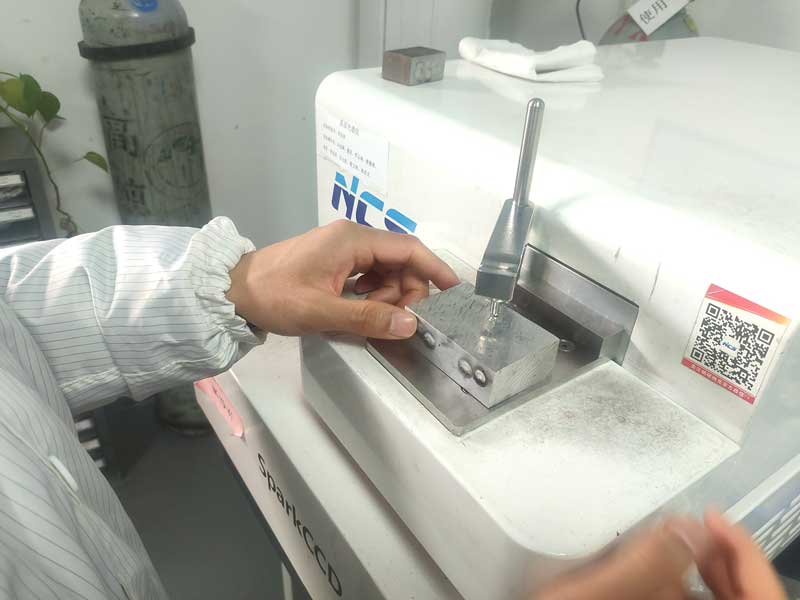
Verifies exact chemical percentages (Mg, Si, Fe) in extrusion billets to guarantee alloy classification integrity.
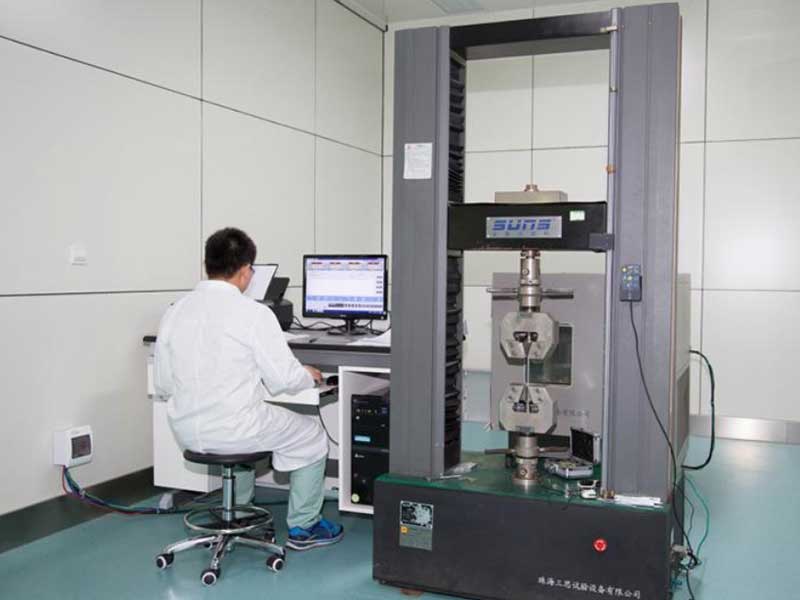
Measures physical yield stress, rupture points, and material ductility under high stress loads.
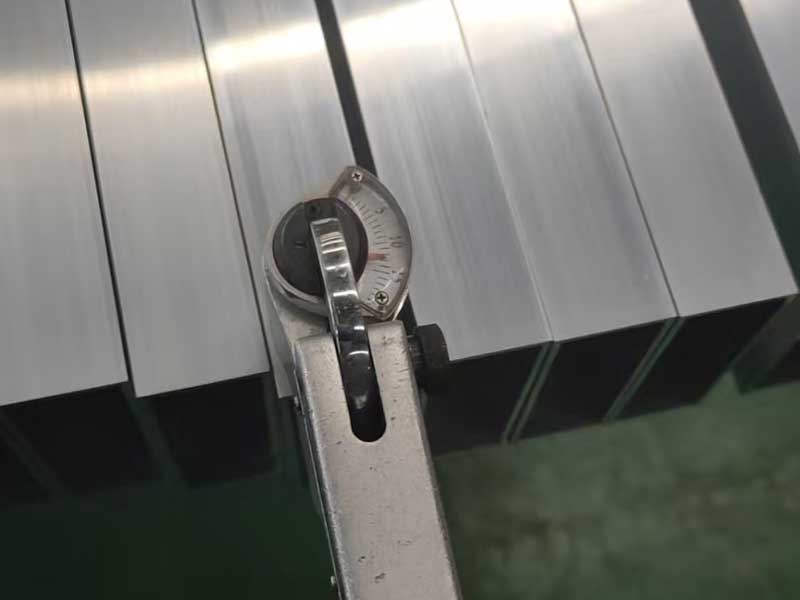
Ensures correct aging treatment (Webster/Vickers scale) to prevent profile bending or deformation.
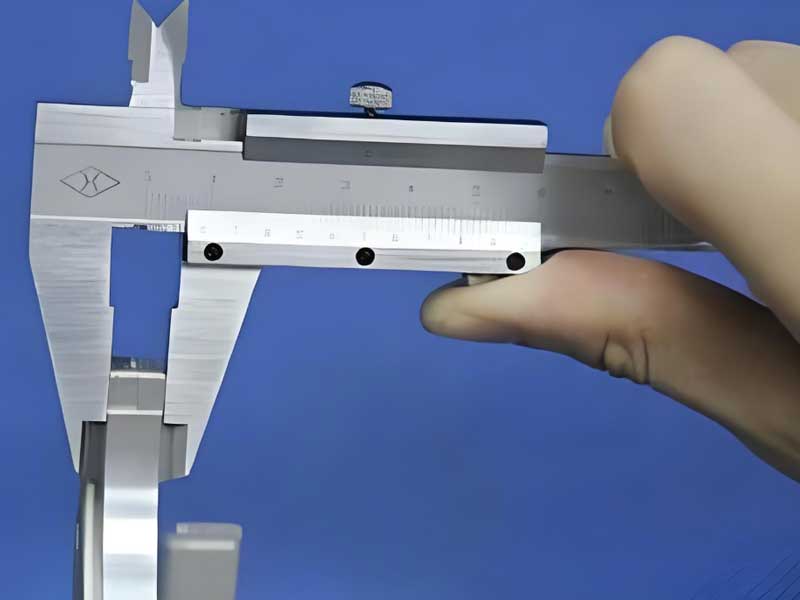
Verifies profile cross-sections, wall thickness tolerances, and twisting alignments using digital calibrators.
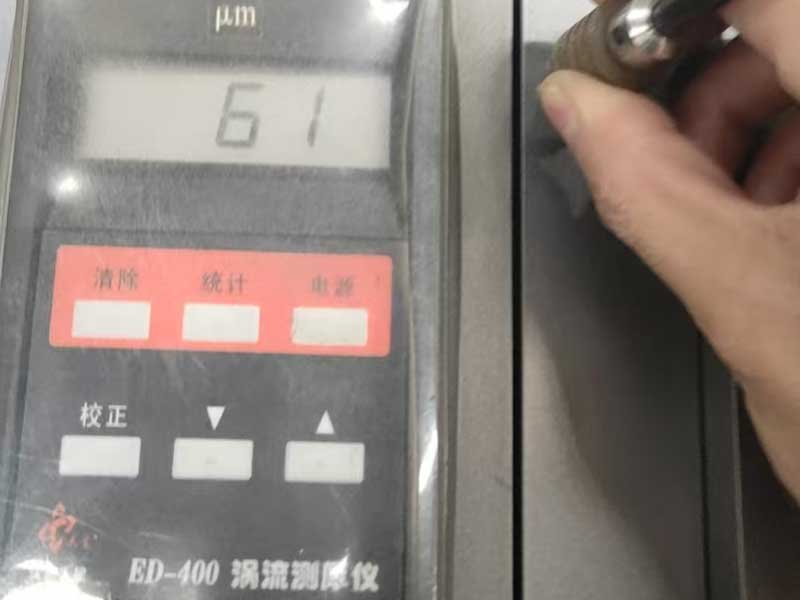
Evaluates micron thickness, cross-hatch adhesion, and gloss level on powder-coated and anodized surfaces.
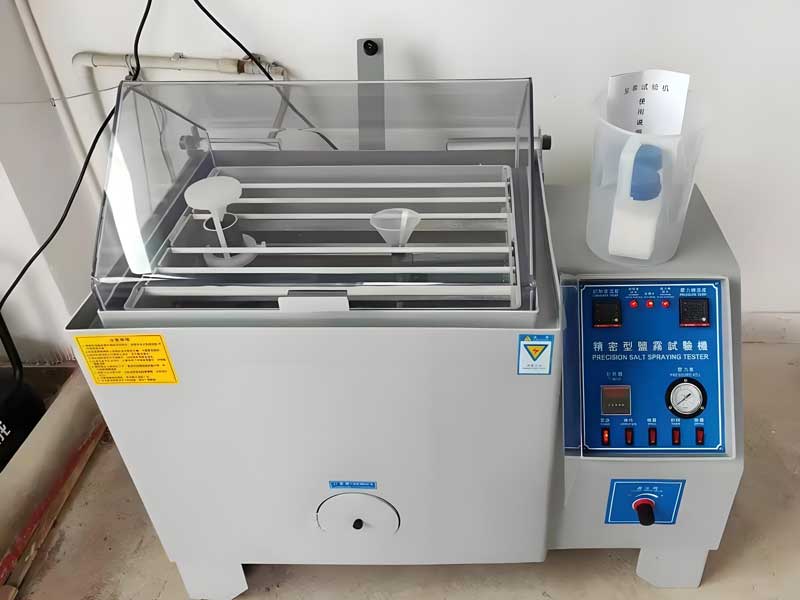
Accelerates corrosion exposure testing to ensure long-term stability in coastal and industrial environments.
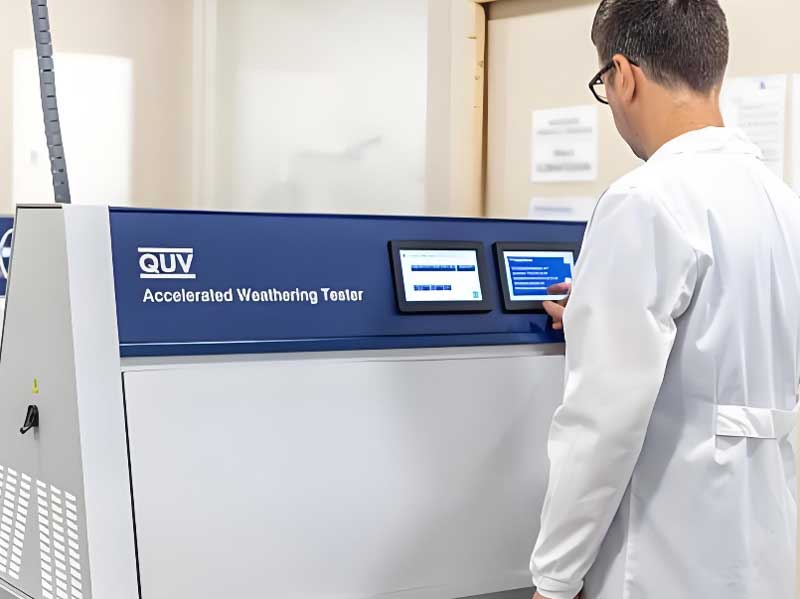
Exposes coated profiles to concentrated UV radiation to test against color fading, chalking, and degradation.
Our quality assurance workflow includes a 100% manual visual inspection, supplemented by a 5% secondary spot-check protocol. For every production run, our quality control team performs 8 distinct spot-checks per batch, using random AQL (Acceptable Quality Level) sampling procedures in accordance with ISO 2859 and ANSI/ASQ Z1.4 frameworks. This ensures consistent dimensional stability and surface quality for global shipments.
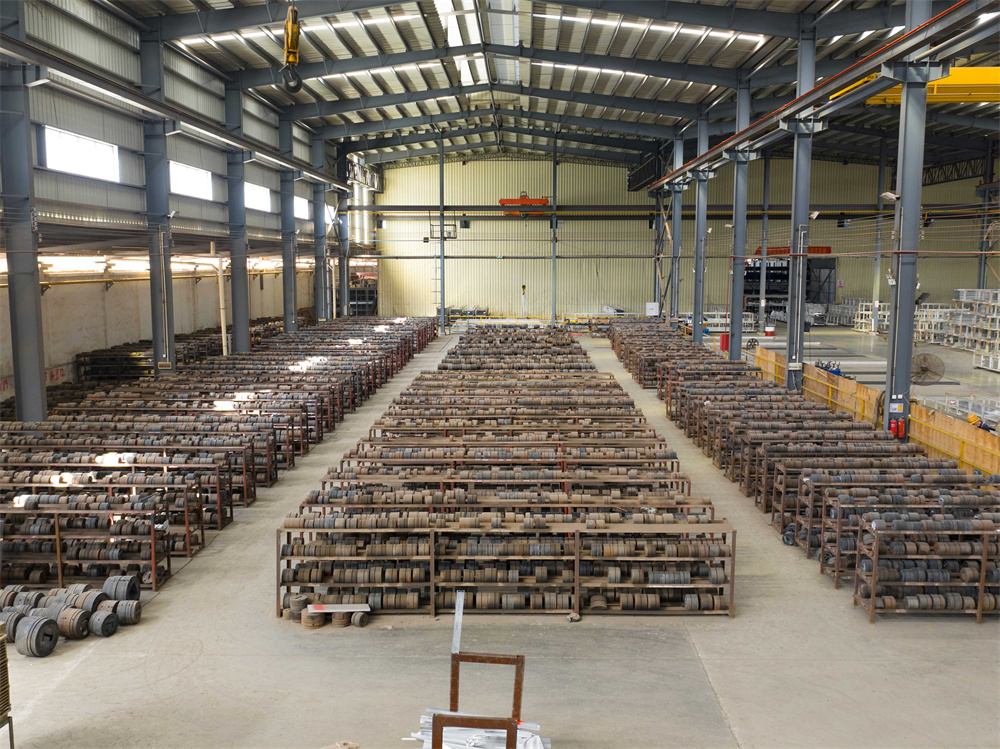
A look inside our 100,000 square meter facility, showcasing our production capacity and extrusion presses.
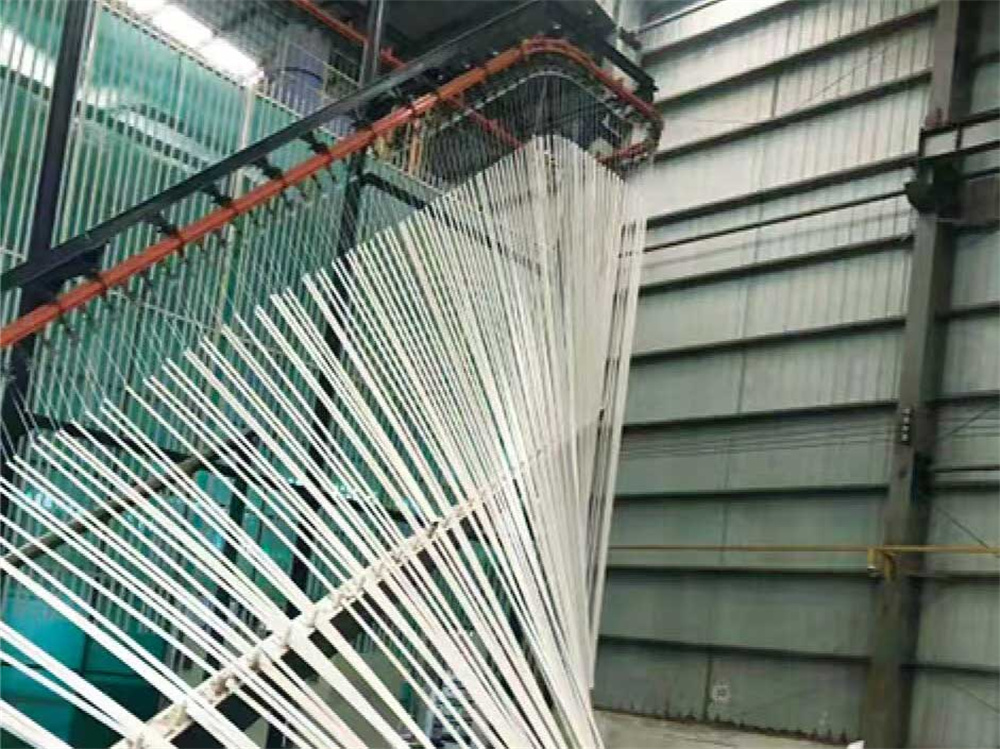
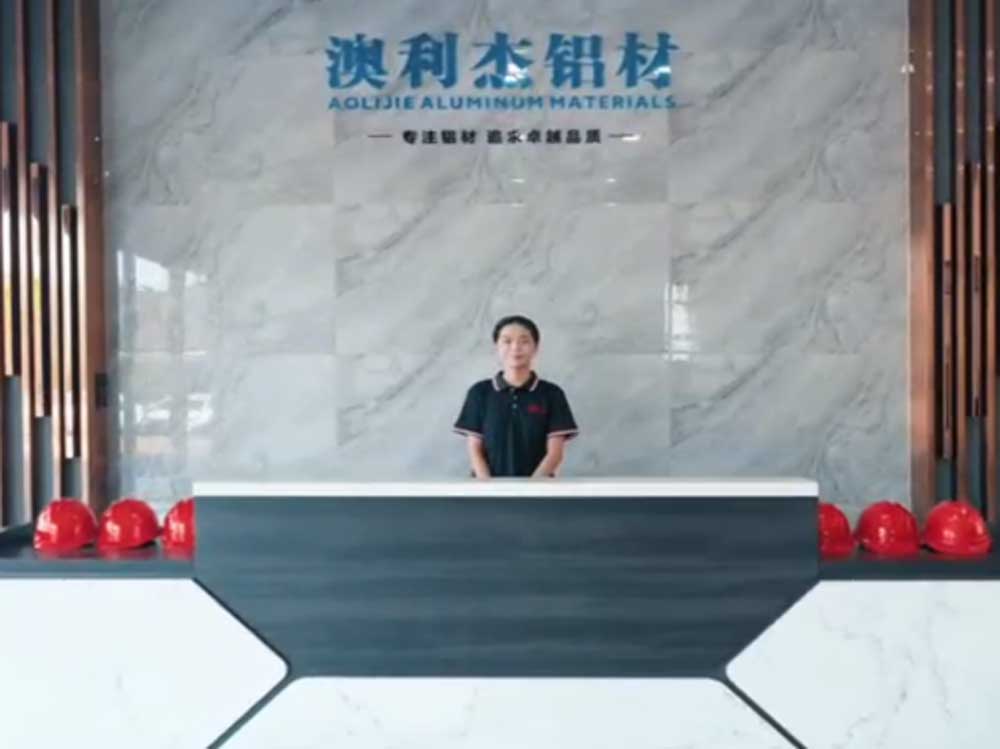
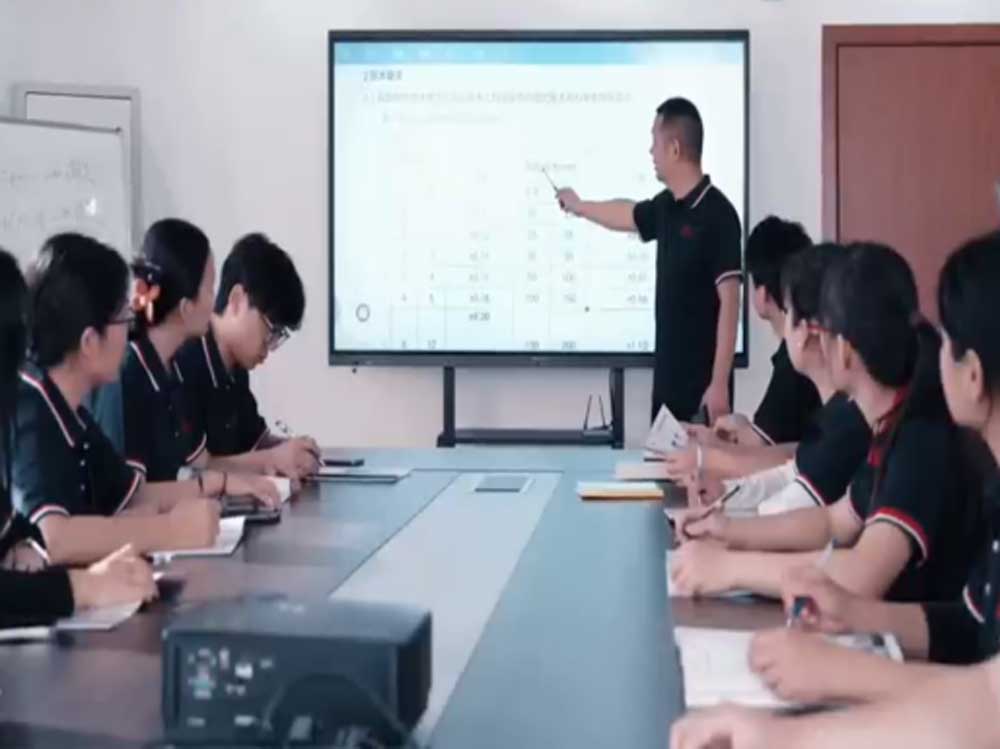
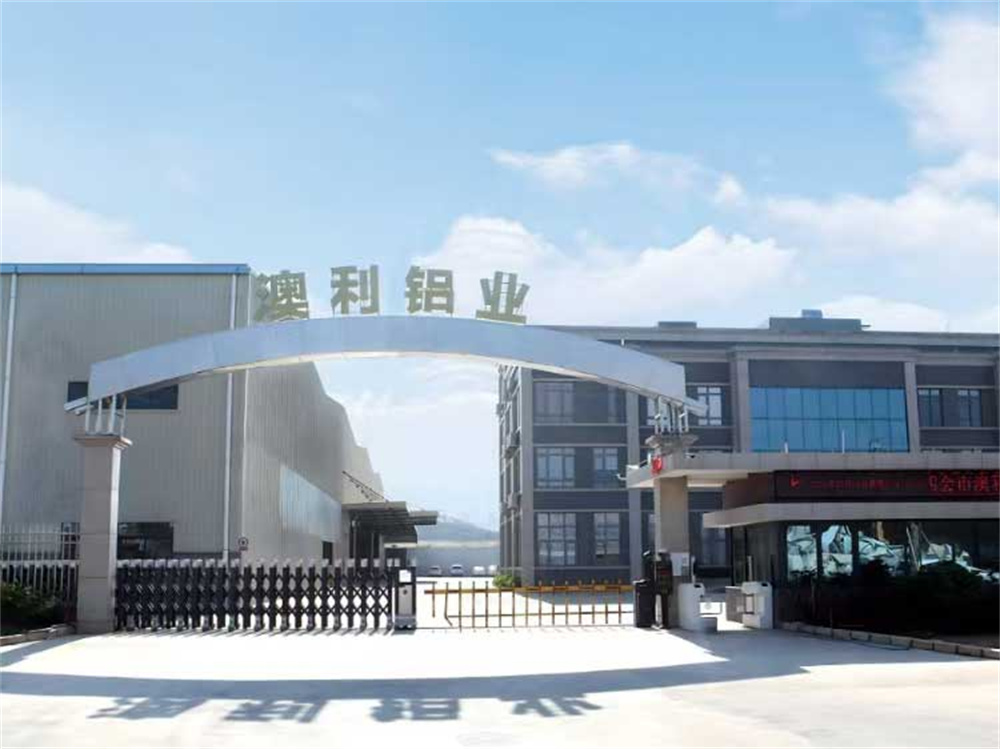
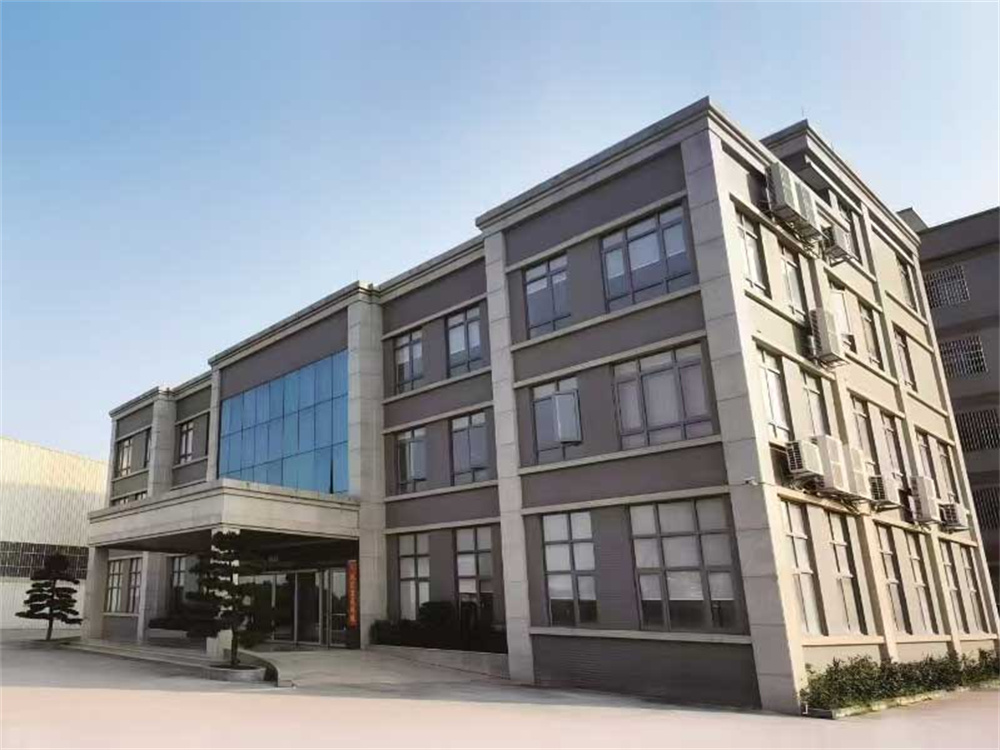
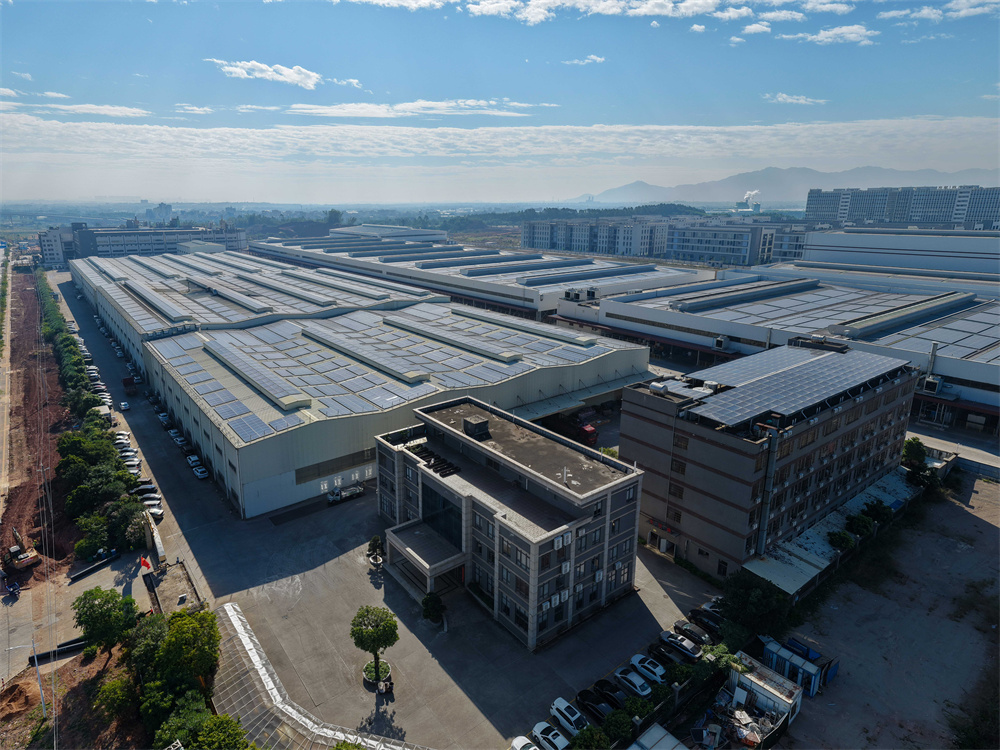
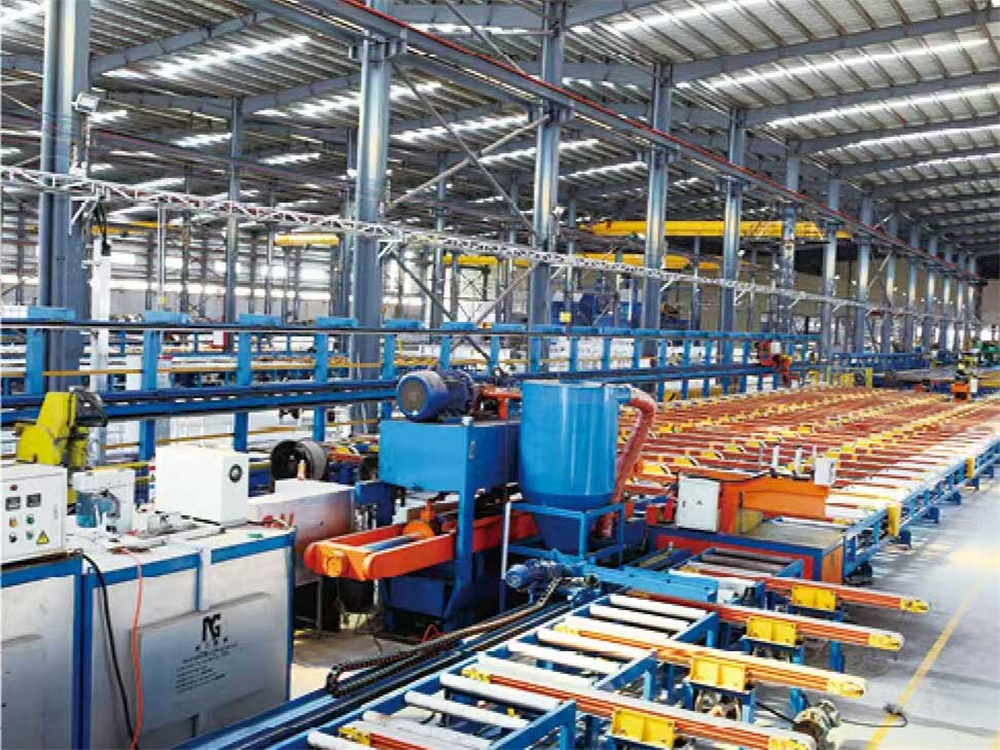
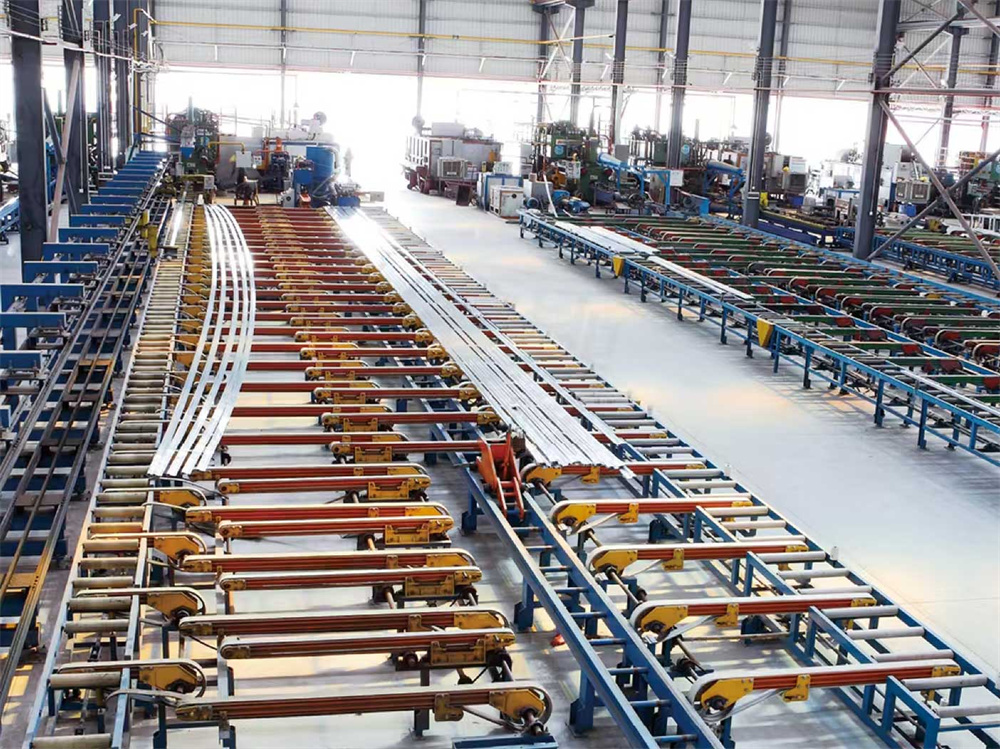
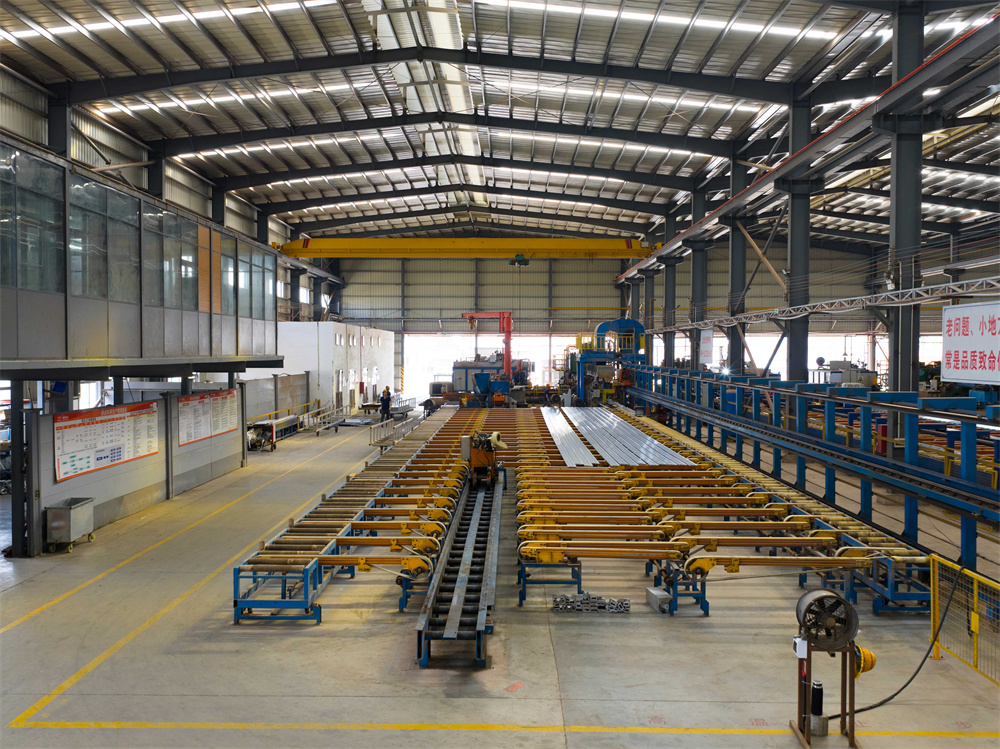
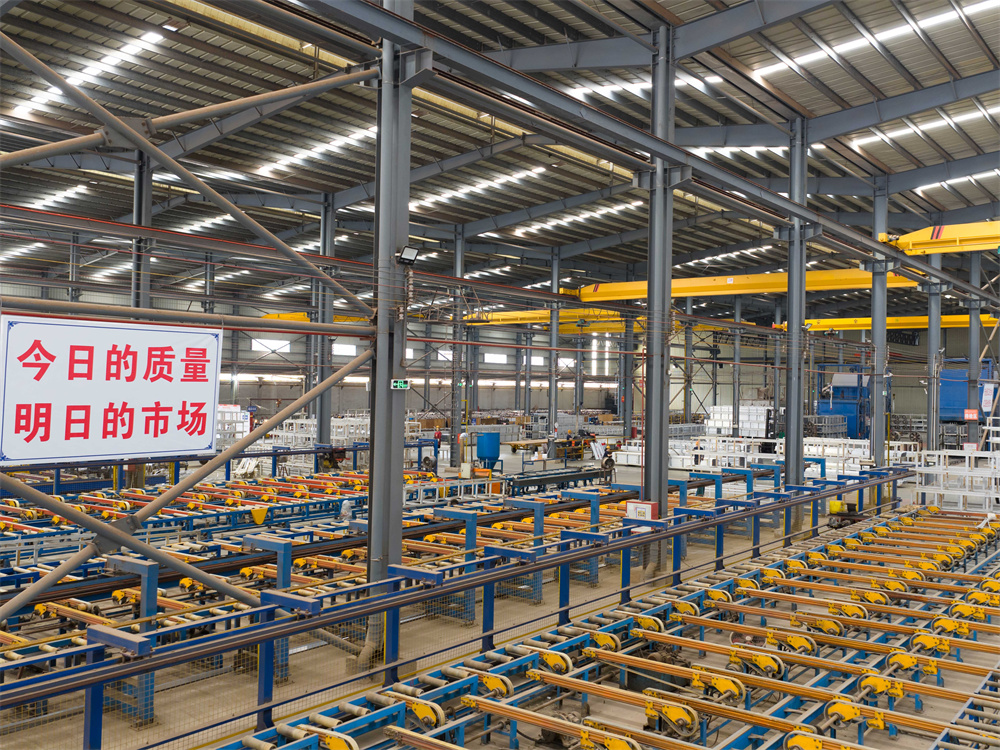
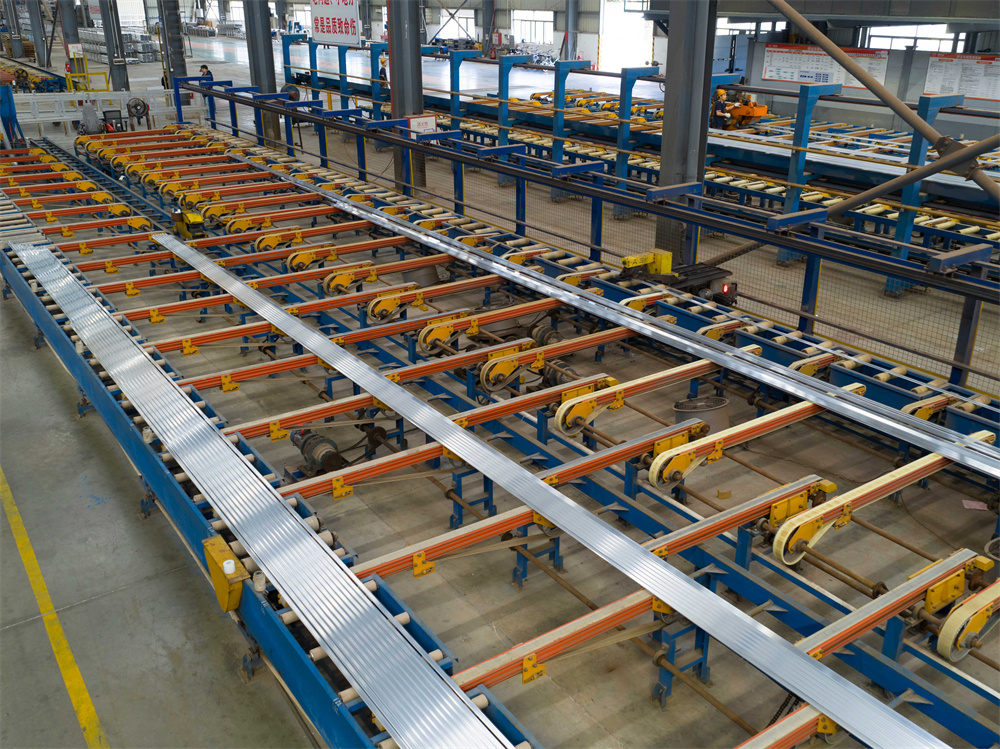
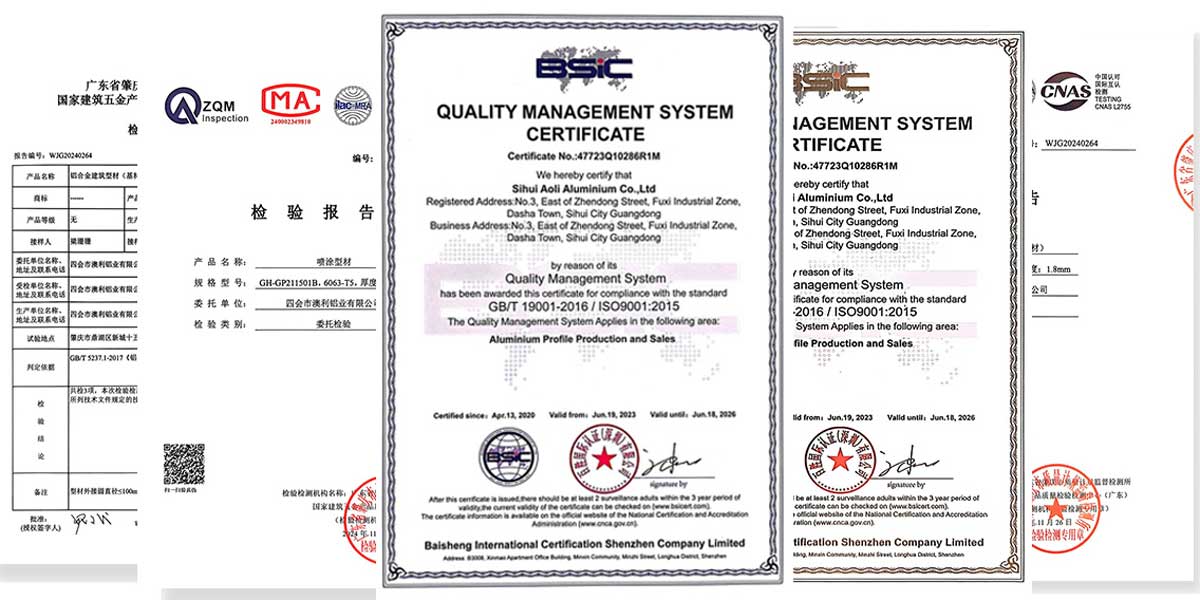
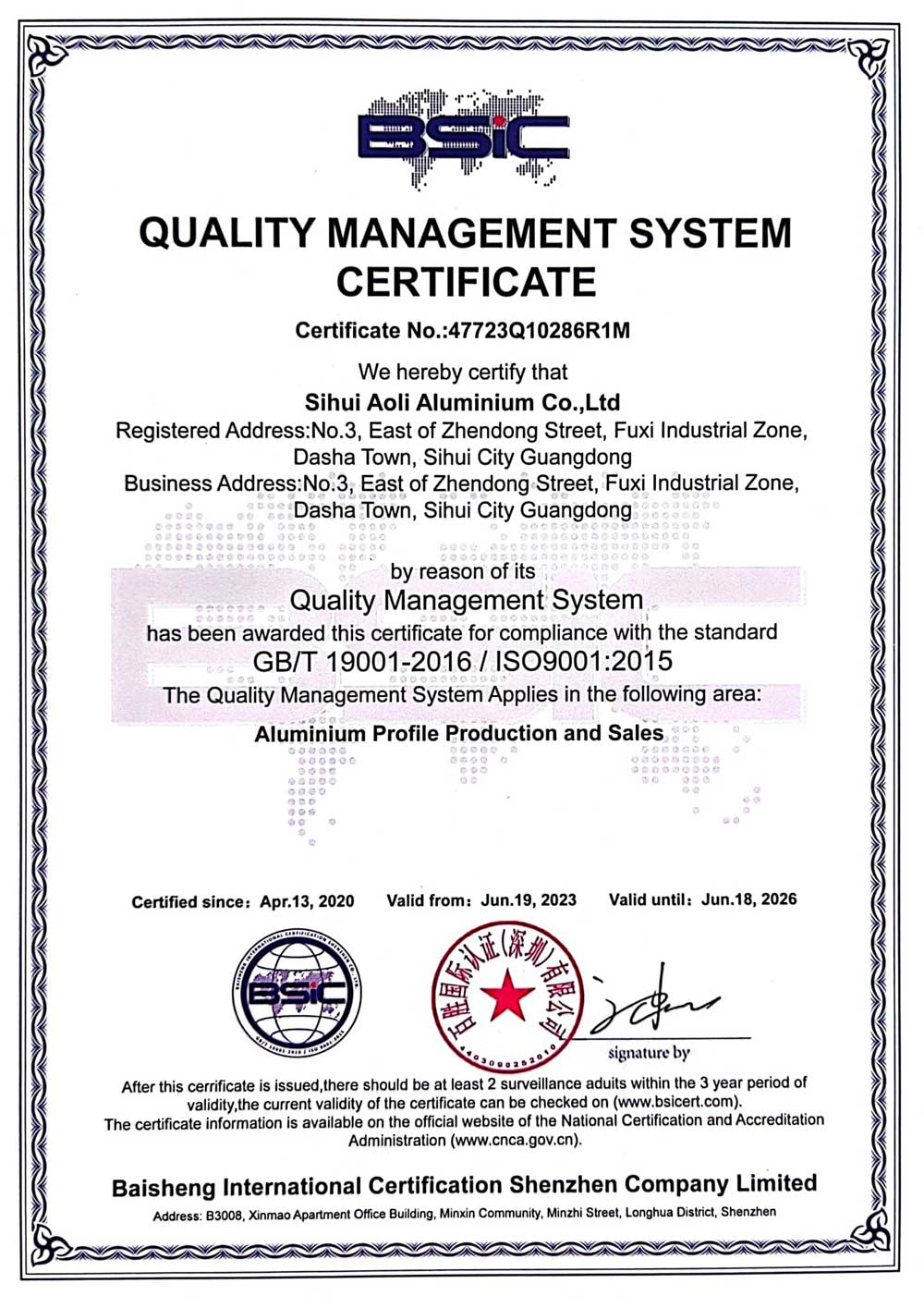
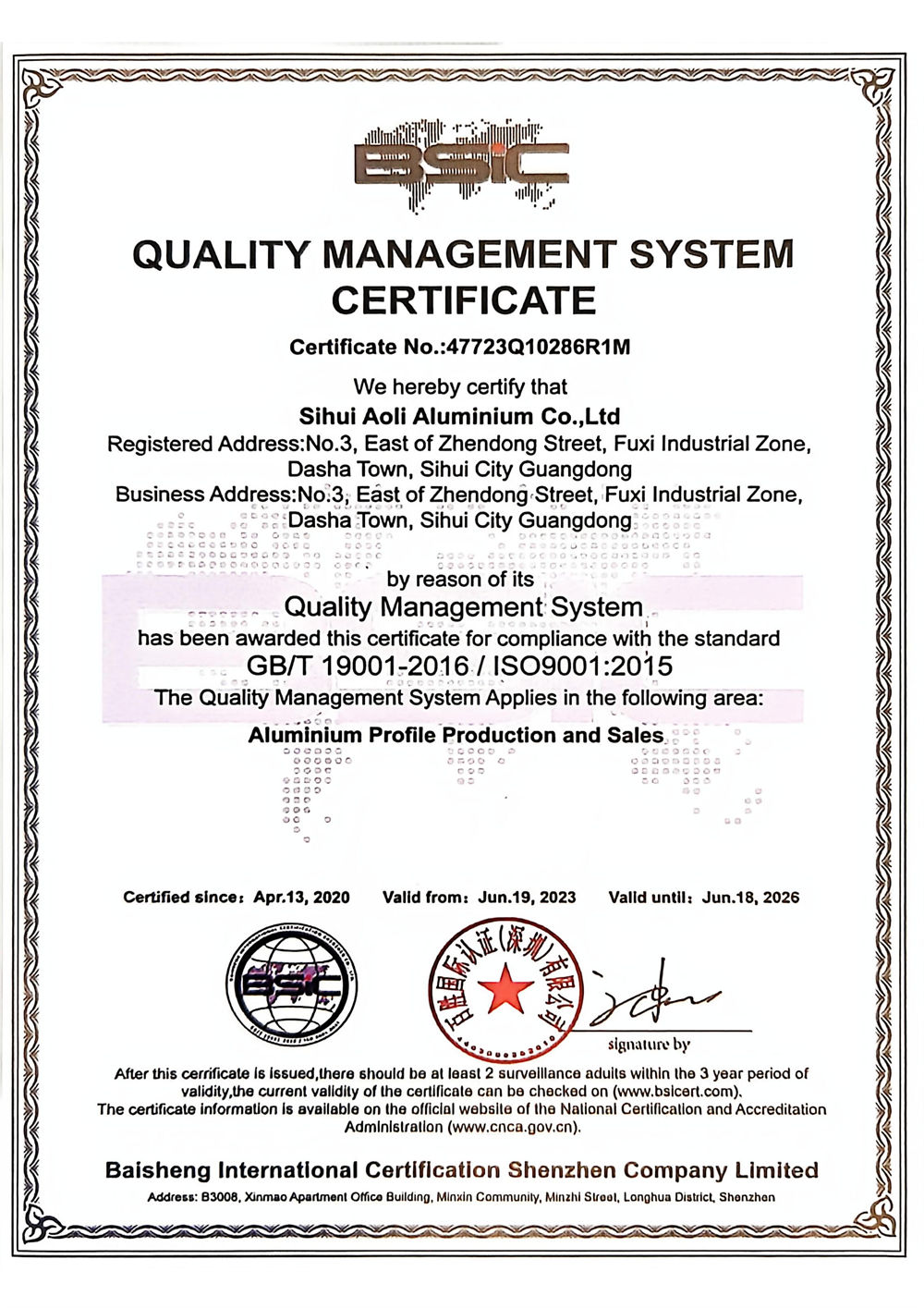
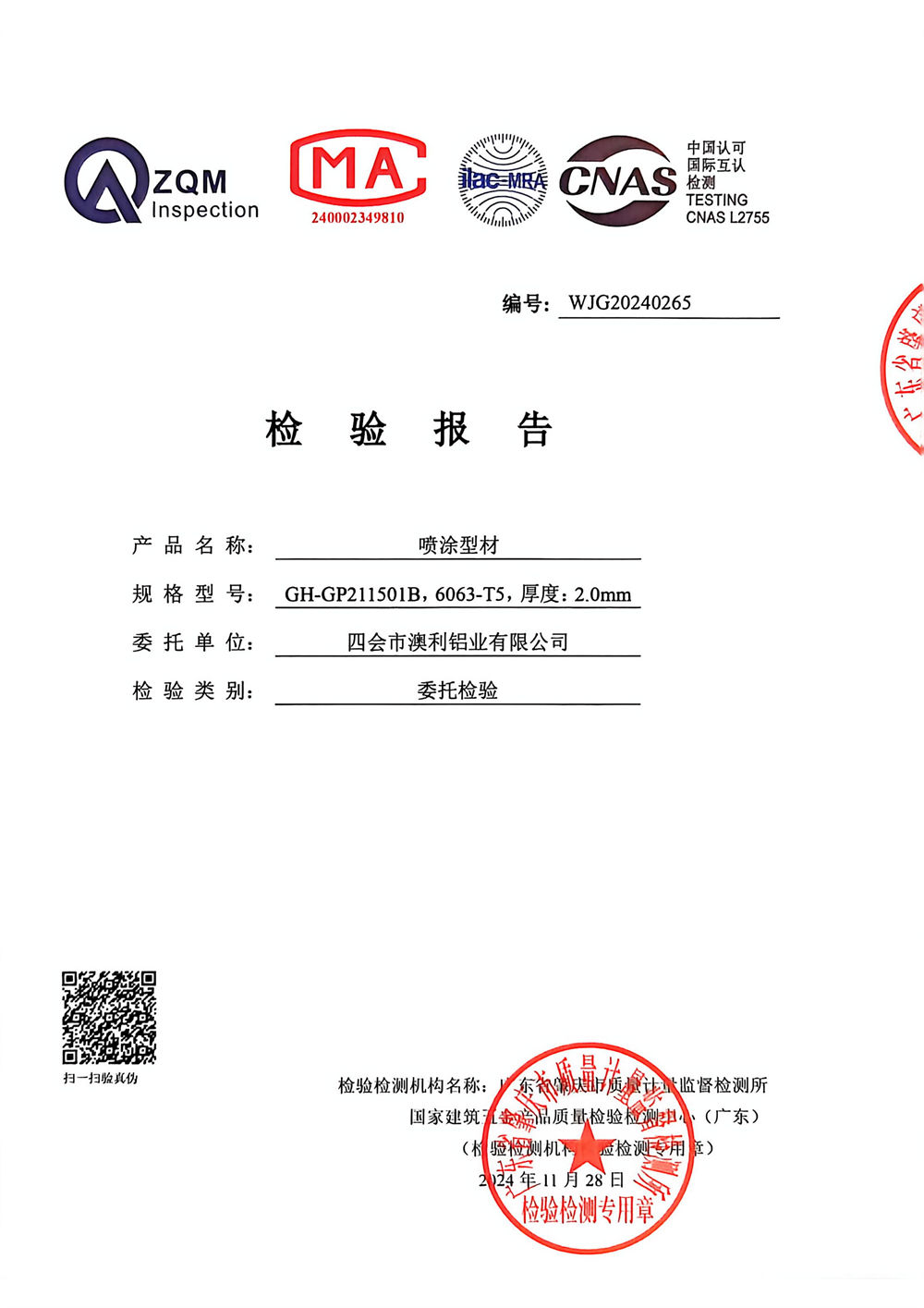
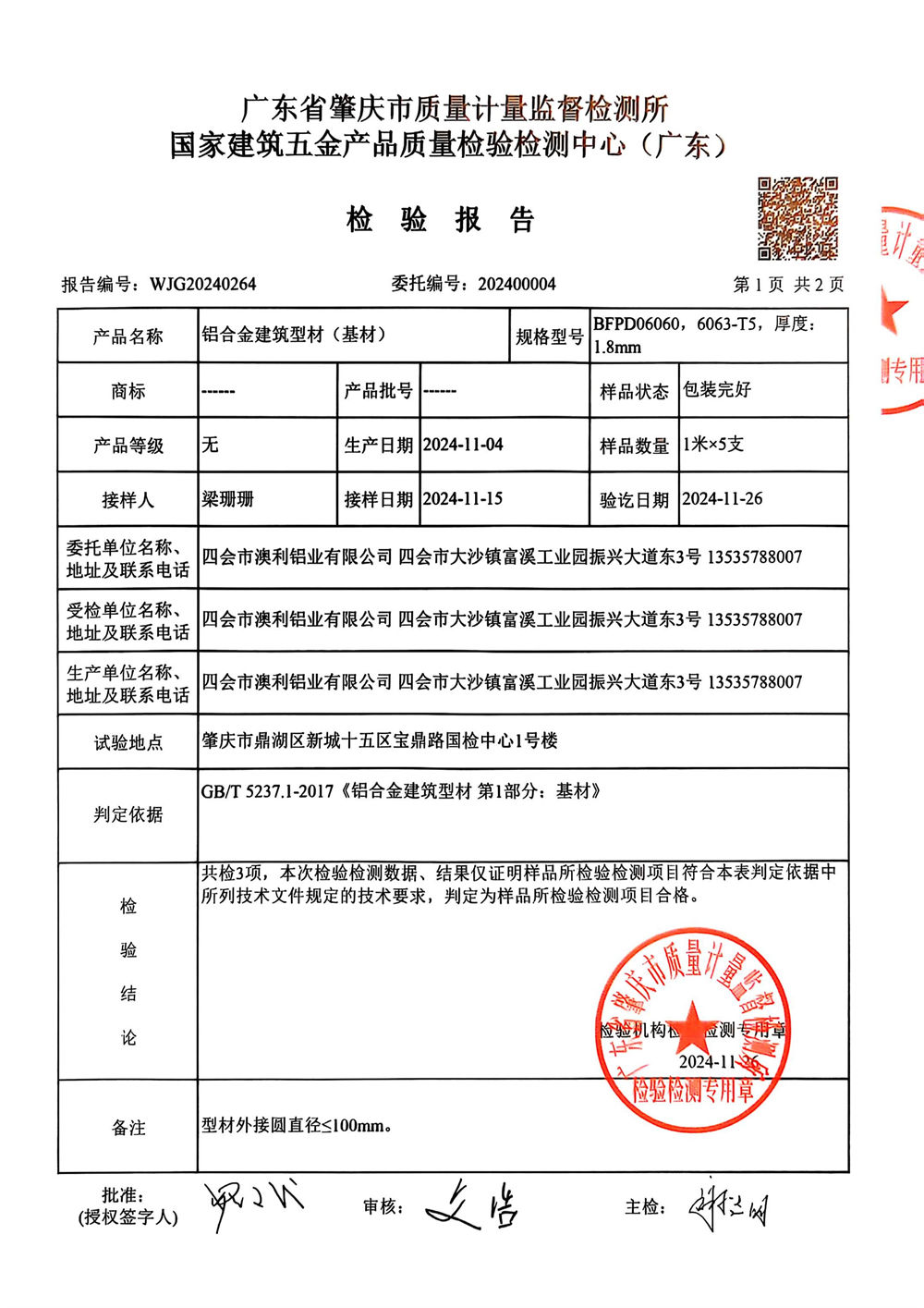
Aolijie manufacturing facilities operate under certified ISO systems, meeting regional quality specifications for export markets.
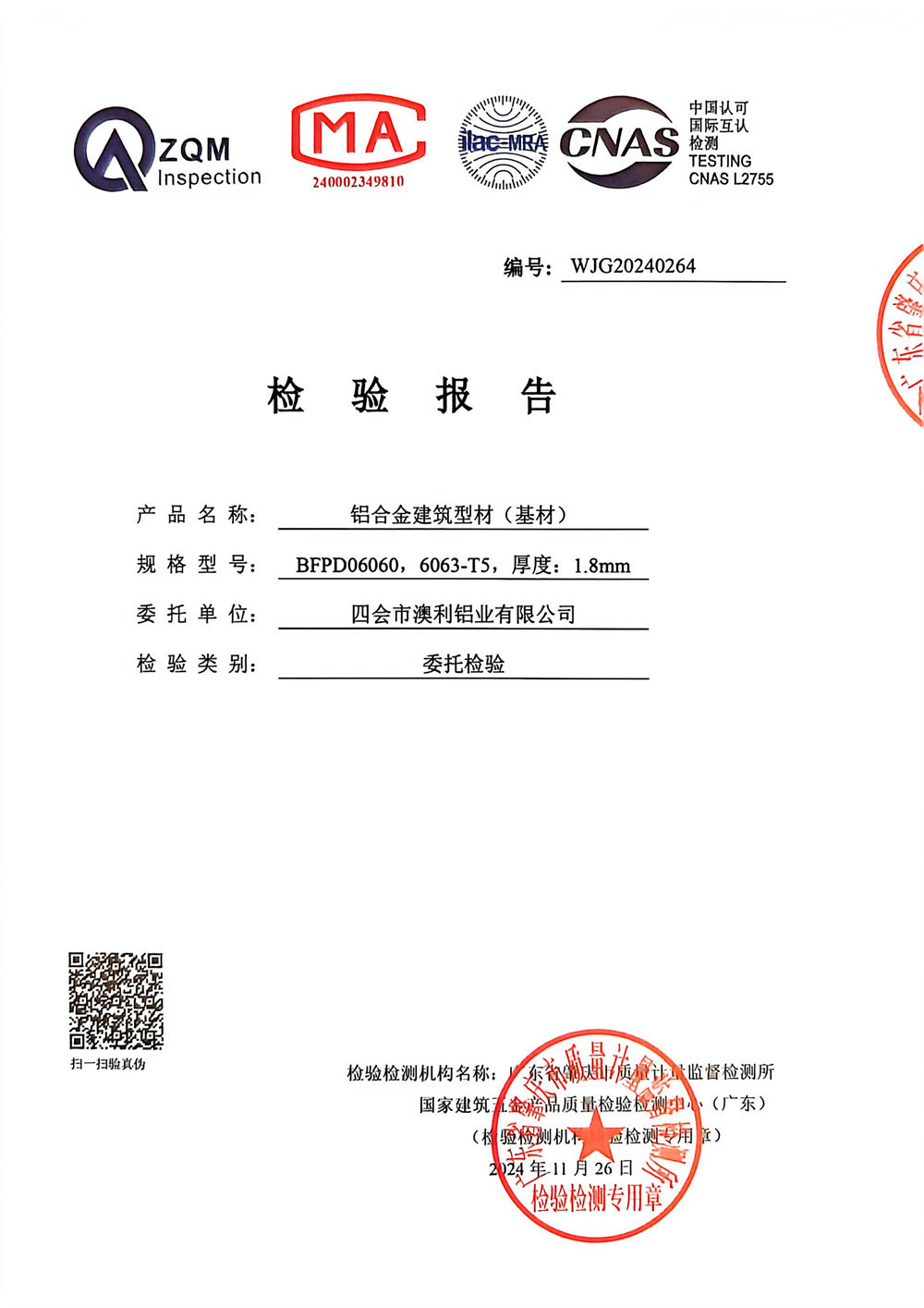
Our architectural profiles are engineered to meet ASTM and European EN structural requirements. By simulating deflection, wind pressure, and shear stresses, our engineers help customize structural frames to meet localized safety factors and international building codes.
To support global supply chains, Aoli Aluminum actively tracks and documents carbon intensity throughout the extrusion process. We assist European and international clients with necessary import carbon calculations, including CBAM regulatory filings.
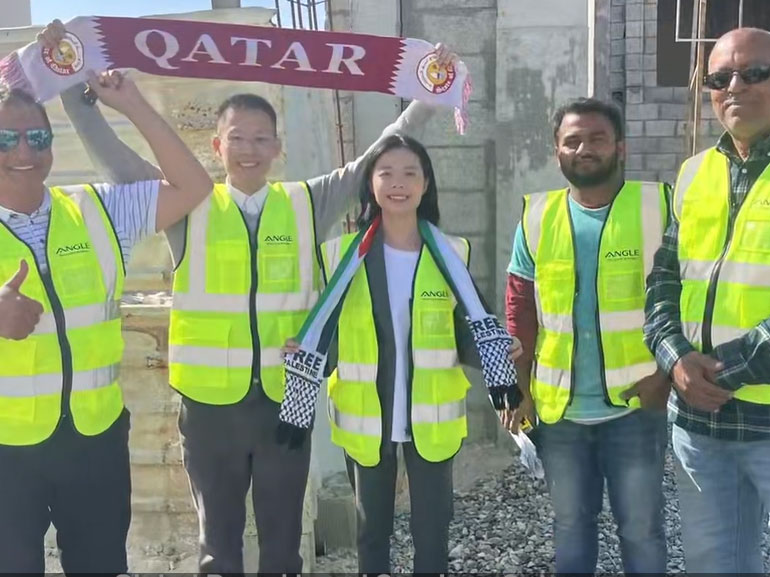
Our structural components are used in residential complexes, high-rise curtain walls, and industrial support frames worldwide.
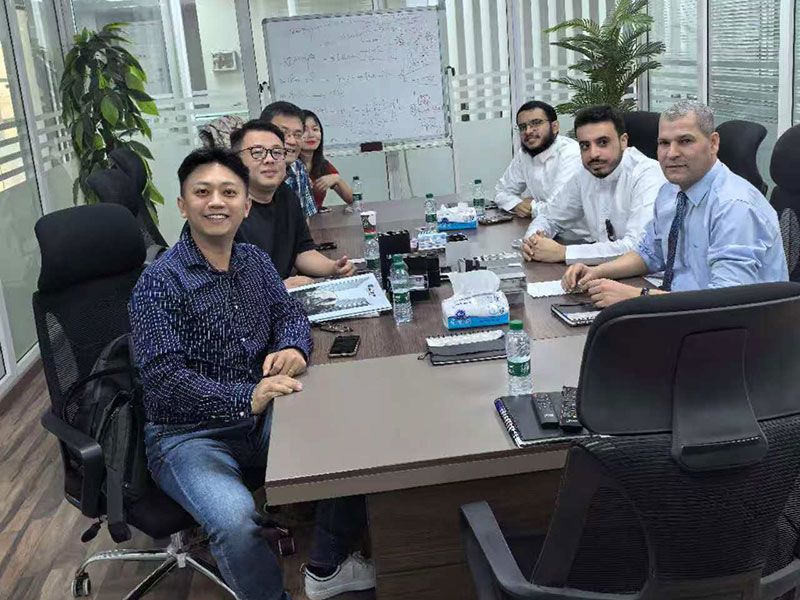
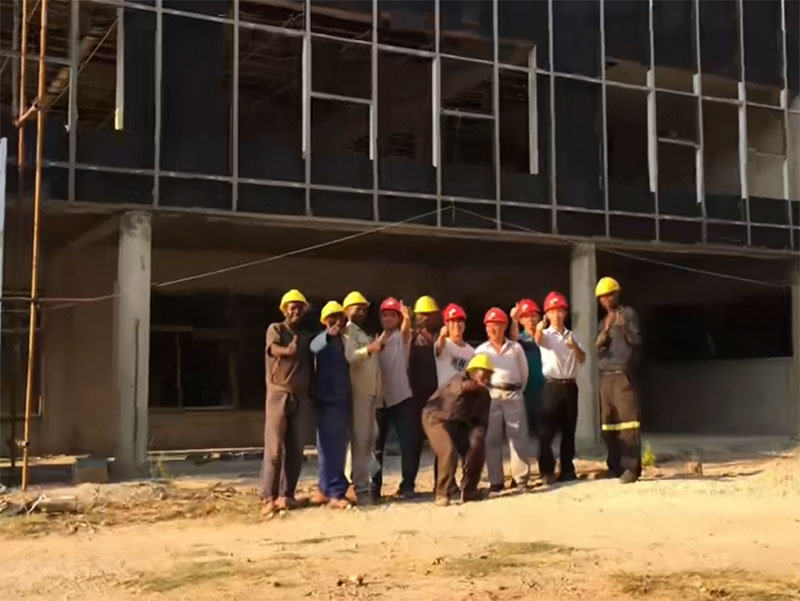
How Aoli Aluminum is adapting to automation and sustainability requirements in materials engineering.
We are upgrading our presses with automated temperature control and speed monitoring. This stabilizes billet microstructures during extrusion, improving dimensional precision and mechanical consistency across batches.
Using 3D flow simulation software, our design team optimizes custom dies before physical machining. This shortens prototype lead times, improves tolerance control, and reduces material waste during tool trials.
We are developing high-fraction scrap alloy series that preserve structural integrity. Our target is to offer clean structural profiles using up to 75% certified recycled aluminum scrap, lowering total carbon footprint.
Answers to common technical, manufacturing, and shipping questions from global structural engineers and buyers.
We manufacture to Chinese GB/T 5237 (high precision level) and European EN 755/EN 12020 standards. For special tolerances, our engineering team can review custom drawing files to ensure alignment with required specifications.
Our process begins with a detailed technical drawing review. We provide CAD/3D cross-sectional approvals within 48 hours. After approval, tool fabrication takes 7 to 10 working days, followed by sample extrusion and verification. Bulk production starts immediately after the client approves the initial samples.
Our engineers perform finite element analysis (FEA) to calculate stress distribution, deflection limits, and safety margins under regional design wind loads. This ensures our profiles perform reliably in high-rise window and curtain wall designs.
Standard profile runs take approximately 15 to 20 days. Custom extrusions requiring specialized dies, thermal break insertion, or multi-step PVDF coatings typically take 25 to 30 days from final sample sign-off to container loading.
We use automated current-density and temperature control systems in our anodizing tanks. Continuous monitoring of chemical concentration levels prevents visual banding and ensures color and film thickness consistency across extrusion runs.
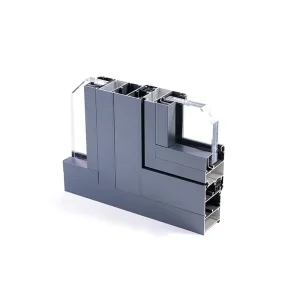
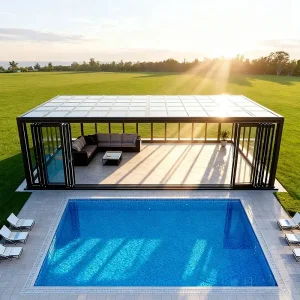
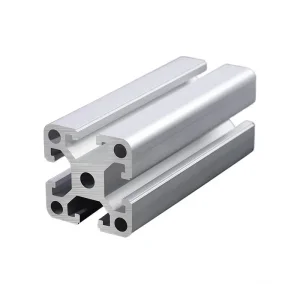
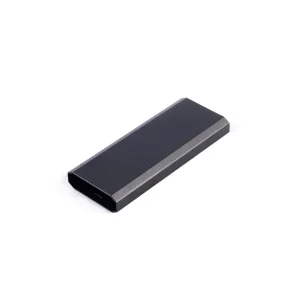
Select from our architectural and industrial components, engineered to meet international safety and environmental standards.
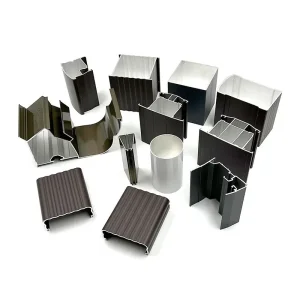
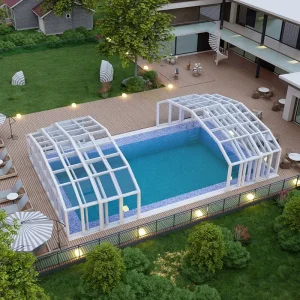
We are committed to providing you with the highest quality products and excellent services. If you have any questions or need assistance with our products, please feel free to contact us and we will be happy to serve you.
Inquiry Now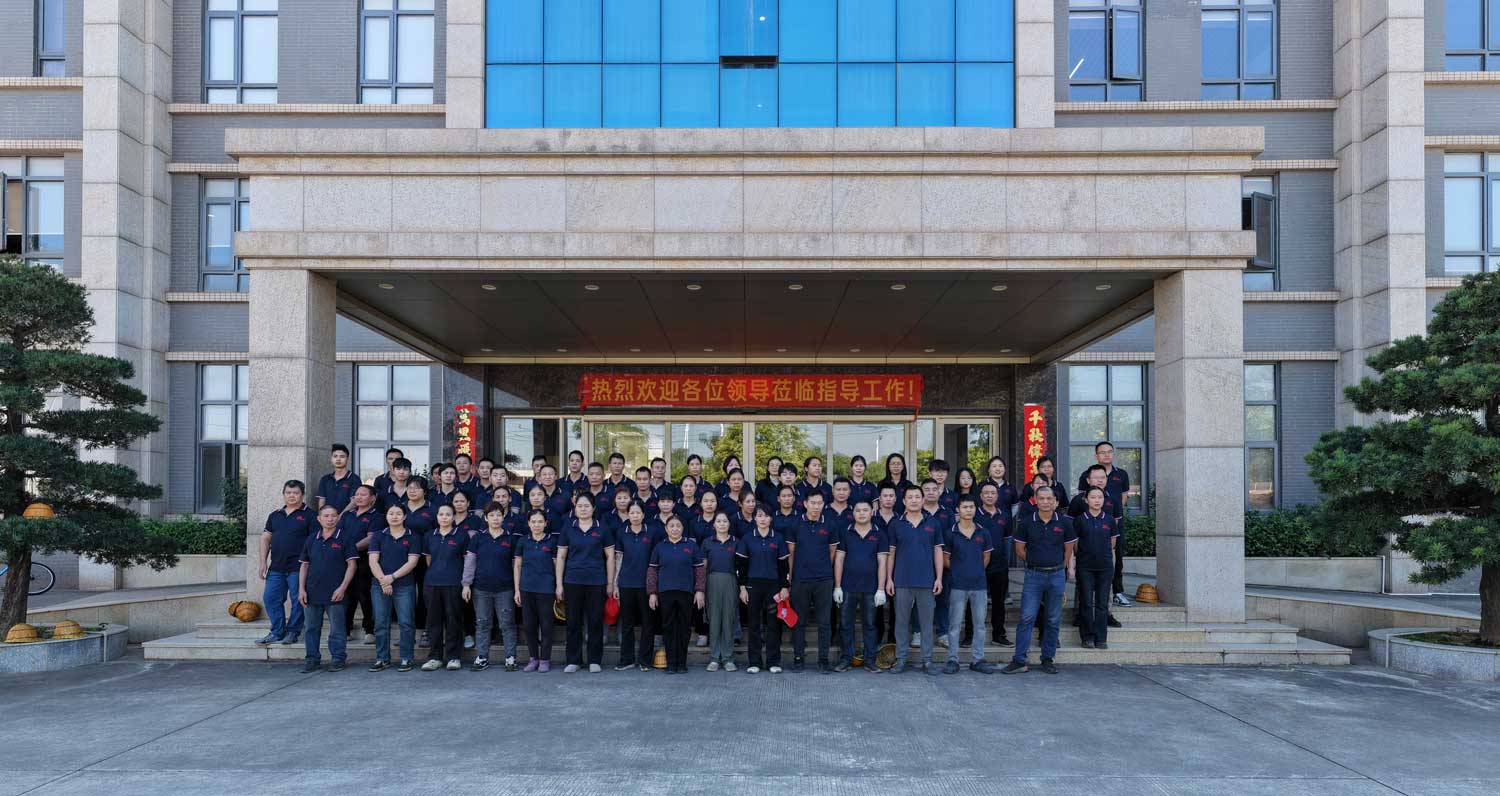
 Aoli Aluminum