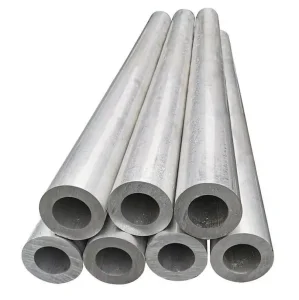
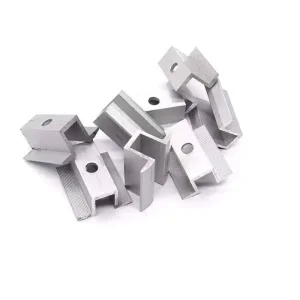
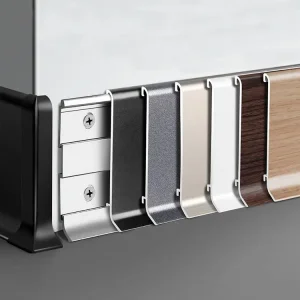
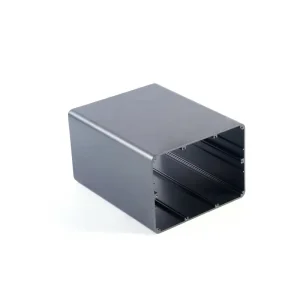
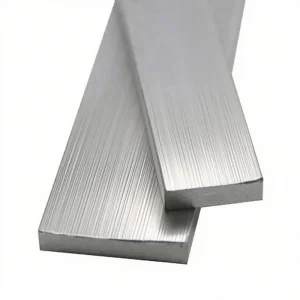
Explore our foundational range of precision structural components engineered to reduce thermal bridging and bolster energy efficiency.
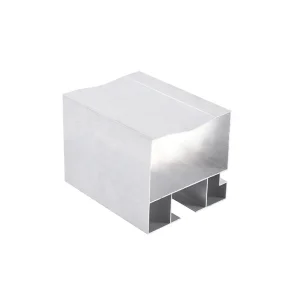
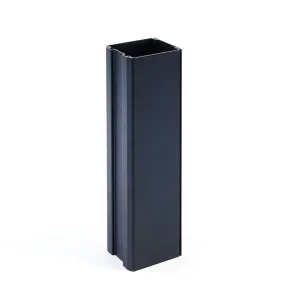
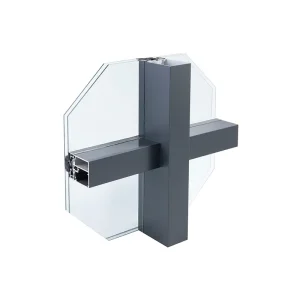
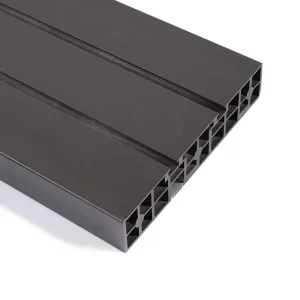
A thermal break (or thermal barrier) is a material of low thermal conductivity placed in an extrusion assembly to reduce the flow of thermal energy between conductive materials. In architectural aluminum profiles, aluminum itself is an excellent thermal conductor, which means heat easily escapes during winter and penetrates during summer. By structurally inserting a low-conductivity medium—typically a glass-fiber reinforced polyamide strip (specifically PA66 GF25) or a poured polyurethane barrier—into the inner and outer structural cavities of the aluminum profile, a thermal barrier is established.
This mechanical separation blocks the conductive path of heat transfer through the frame of windows, doors, and curtain walls. Consequently, it minimizes condensation, stabilizes internal temperatures, and dramatically decreases HVAC energy consumption. By maintaining low U-factors (thermal transmittance values), thermal break systems play a pivotal role in complying with modern energy codes such as ASHRAE 90.1, Title 24, and Europe's strict EN ISO 10077 standards.
"According to the US Department of Energy, thermal transmission through non-insulated aluminum window frames can account for up to 30% of a commercial building’s total heating and cooling loss. The introduction of optimized thermal break profiles directly mitigates this inefficiency, facilitating green building certifications like LEED and BREEAM."
B2B procurement professionals must distinguish between the two primary thermal barrier methodologies:
1. Polyamide Insulating Struts (Strip System): Utilizing mechanical knurling and rolling processes, high-performance PA66-GF25 (Polyamide 66 with 25% glass fiber reinforcement) strips are locked between two separate extruded aluminum shapes. This method offers exceptional shear strength, allows dual-color finishes (anodized exterior/powder-coated interior), and can bridge much wider gaps (up to 50mm+) for superior U-value customization.
2. Poured and Debridged (P&D): Liquid polyurethane is poured into an extruded channel and cured, after which the metal bridge at the bottom is mechanically removed. P&D systems offer excellent structurally sound thermal insulation but are typically limited in terms of thermal gap width and flexibility in multi-color anodizing.
Rising energy costs and stringent environmental mandates drive the demand for smarter structural barriers.
Low-energy building structures demand triple-glazed systems integrated with polyamide cavities. Achieving Uw values below 0.8 W/(m²K) requires factories to possess precise precision tooling to insert wide, multi-cavity thermal struts.
Sourcing strategies vary by climate zone. For cold climates (Nordic countries, northern US), the focus is preventing interior frost. For tropical regions (Middle East, SE Asia), the goal is minimizing radiation heat gain to cut air conditioning loads.
With Europe introducing the Carbon Border Adjustment Mechanism (CBAM), smart sourcing is shifting toward green aluminum, manufactured using clean energy hydro-power and certified recycled scrap profiles.
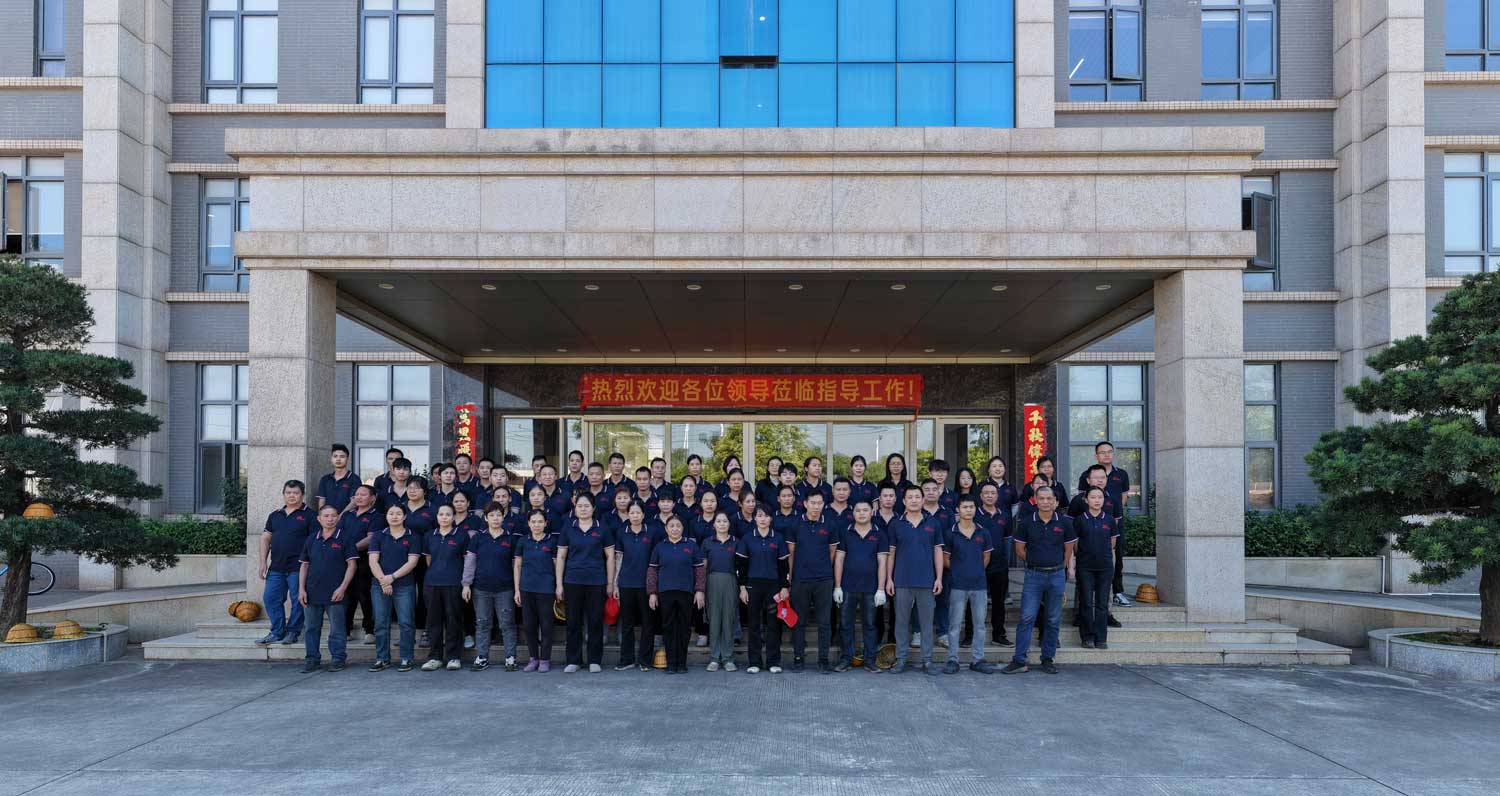
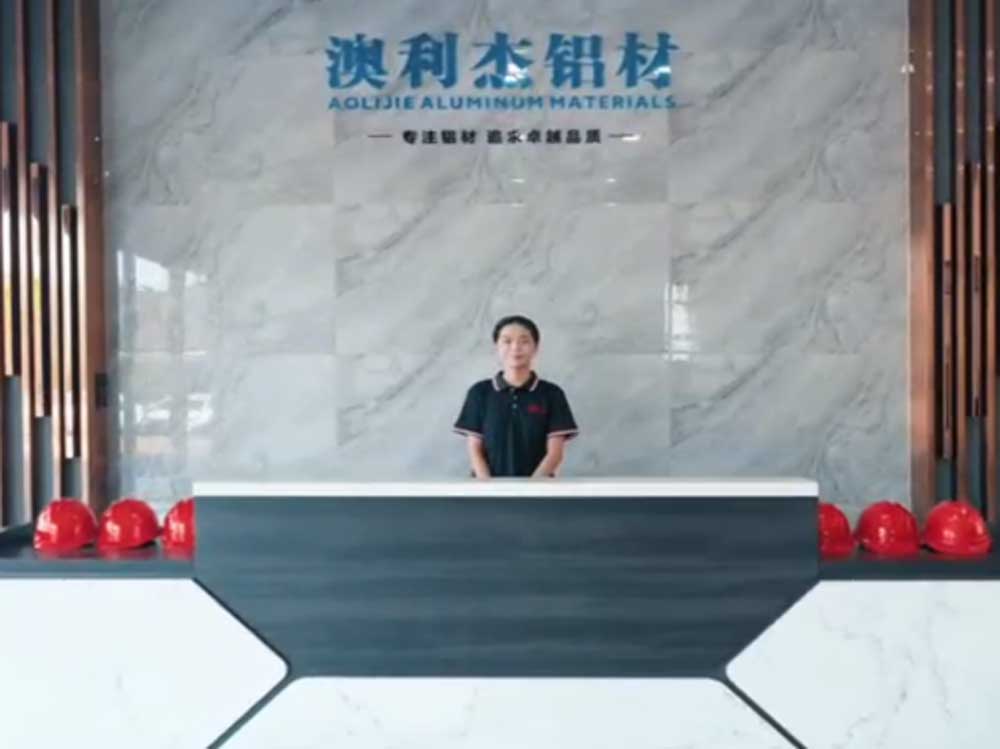
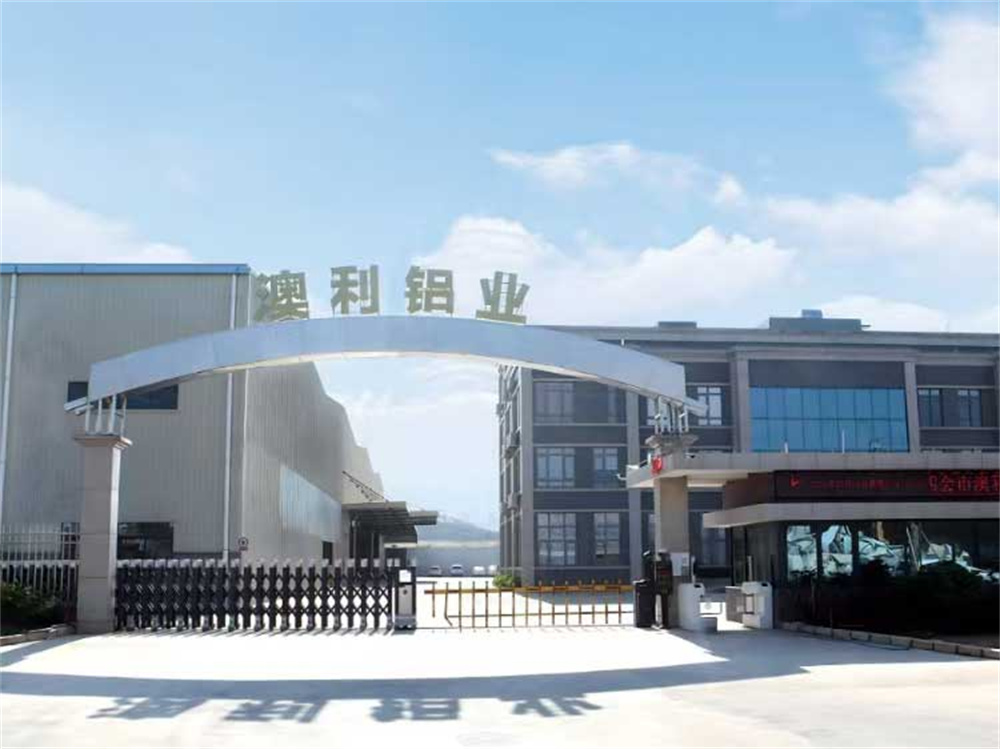
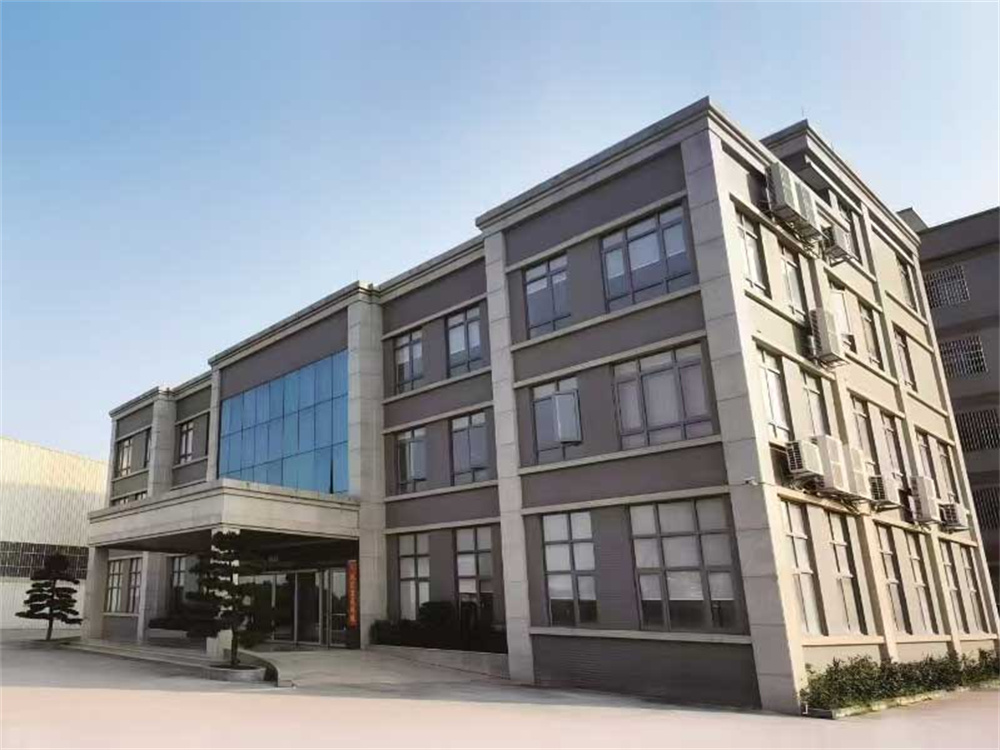
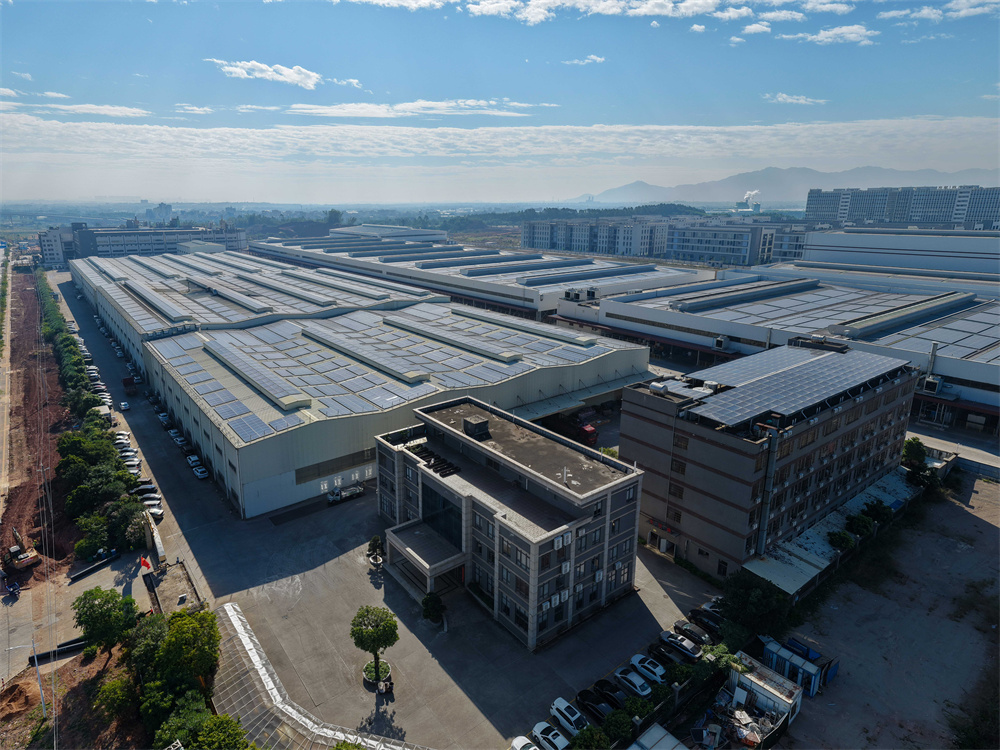
Established in 2009 under the brand Aolijie, Aoli Aluminum is a premier manufacturer integrating advanced research, precision extrusion, surface treatment, and downstream CNC fabrication. Headquartered in Sihui, Guangdong, with sales and distribution branches in Foshan, Aoli maintains a strictly audited ISO quality management ecosystem to supply premium architectural, industrial, and customized thermal break assemblies.
Our core mission revolves around "Building sustainable cities for the world". We dedicate substantial capital to extrusion tolerances and structural integrity testing, satisfying demand across the Middle East, South America, Africa, Southeast Asia, and Western markets.
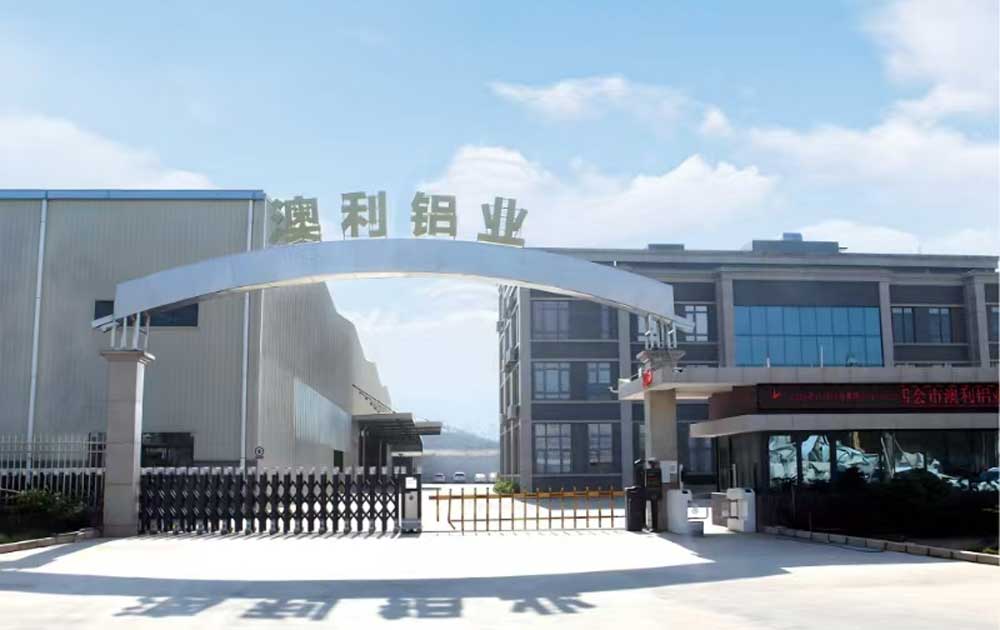
The story began in the year 2000, when our founder, Mr. Wong, entered the Chinese building materials industry. Recognizing the environmental value of lightweight, durable, and infinitely recyclable aluminum, he realized that structural thermal conservation would become the cornerstone of modern urbanization.
In 2009, Aolijie was registered with a philosophical promise:
"Aolijie: Your first choice — outstanding structural products guided by leading indicators."
A standard 10,000 square meter factory was commissioned in Sihui, Guangdong. Mr. Wong set out to design custom profiles exceeding standard structural guidelines.
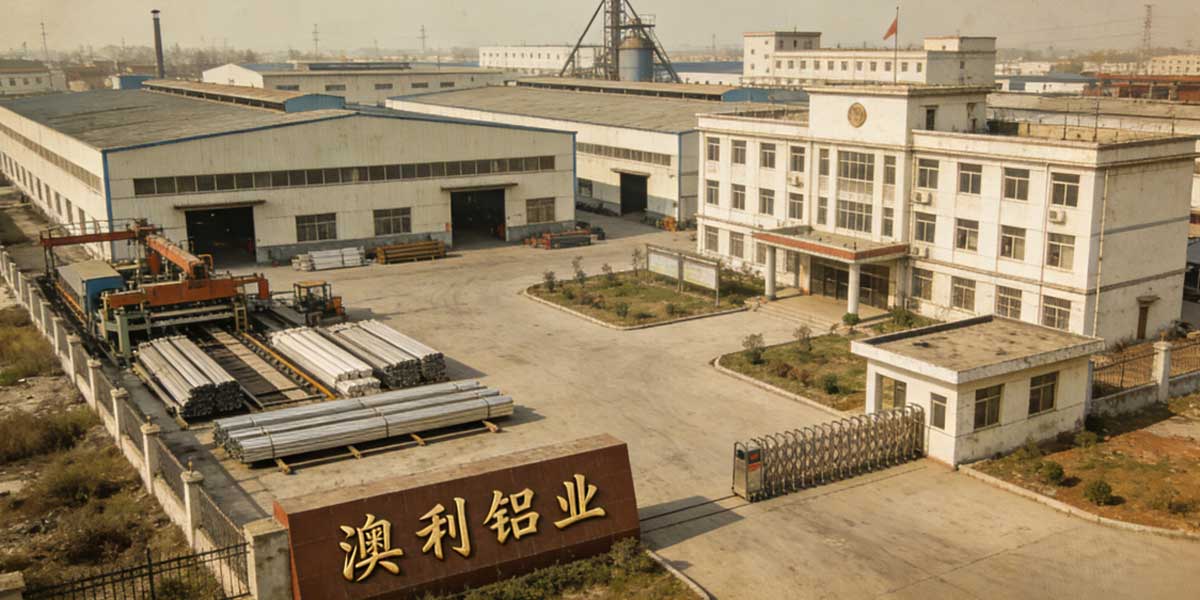
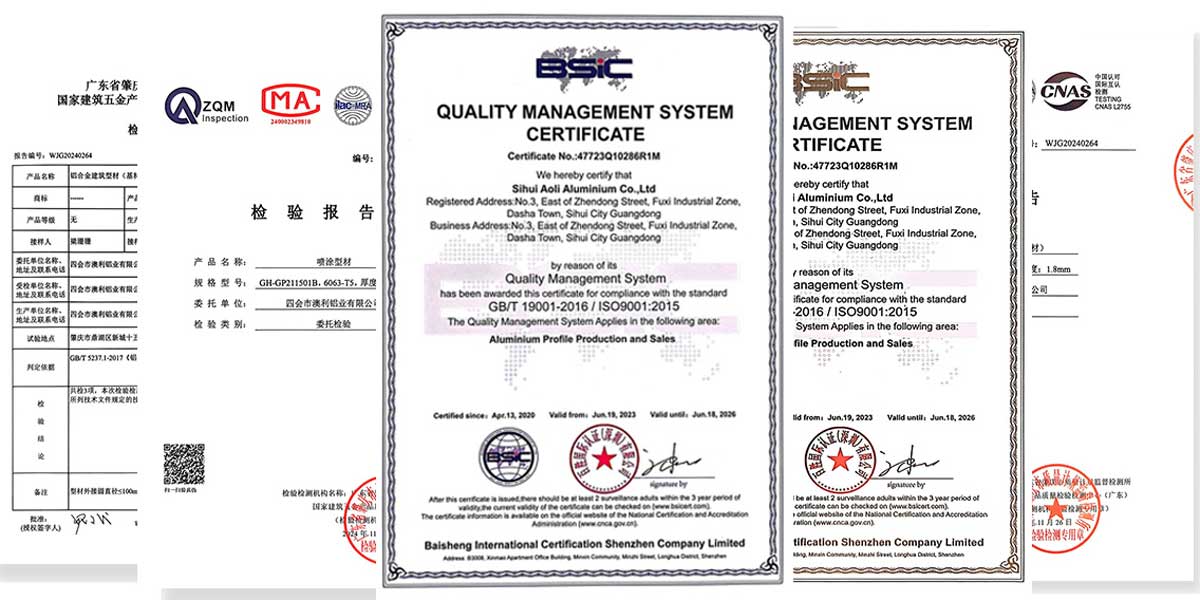
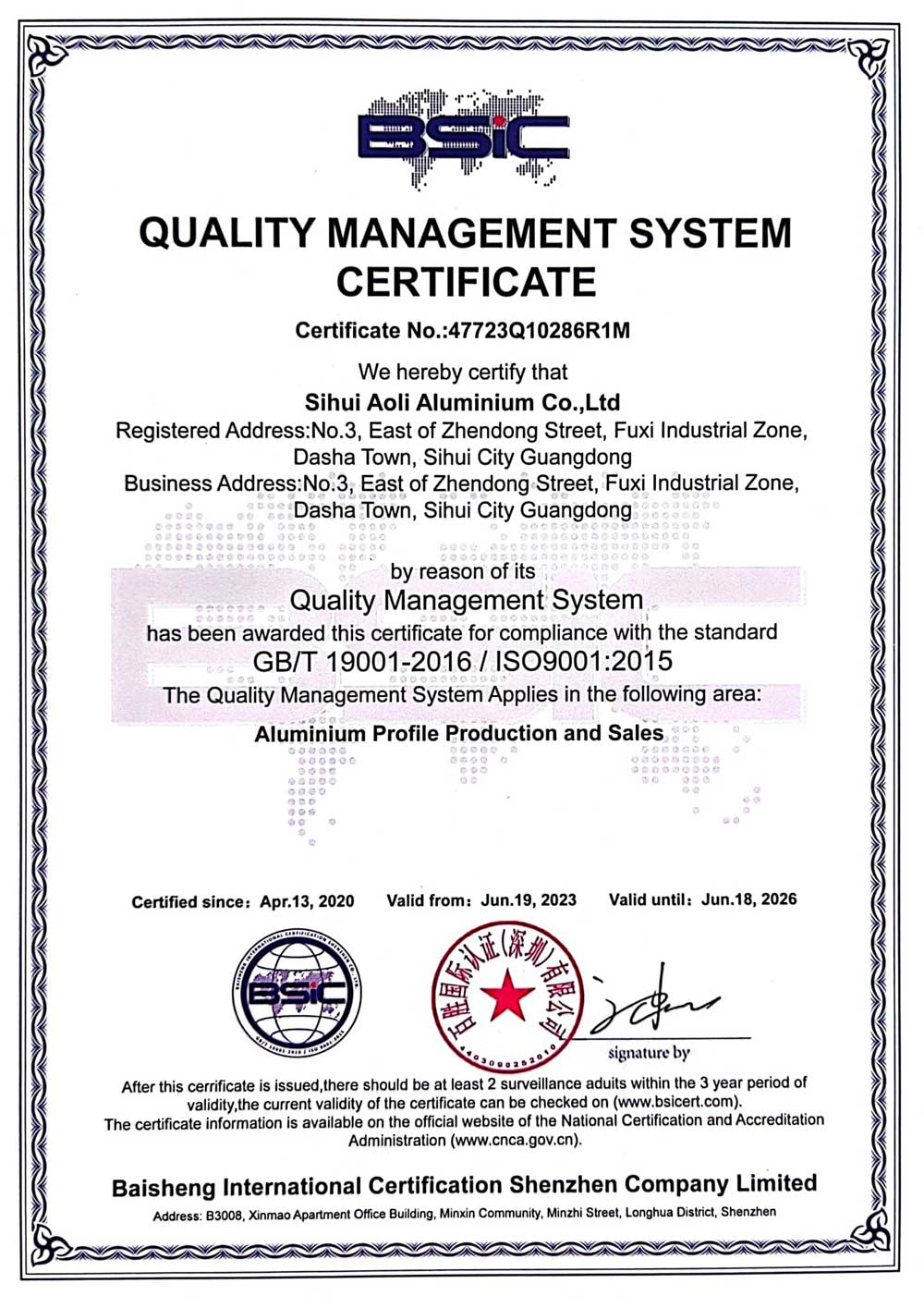
Aolijie obtained 13 proprietary patents for window chambers, thermal breaks, and structural profiles, alongside full ISO9001 quality system certification.
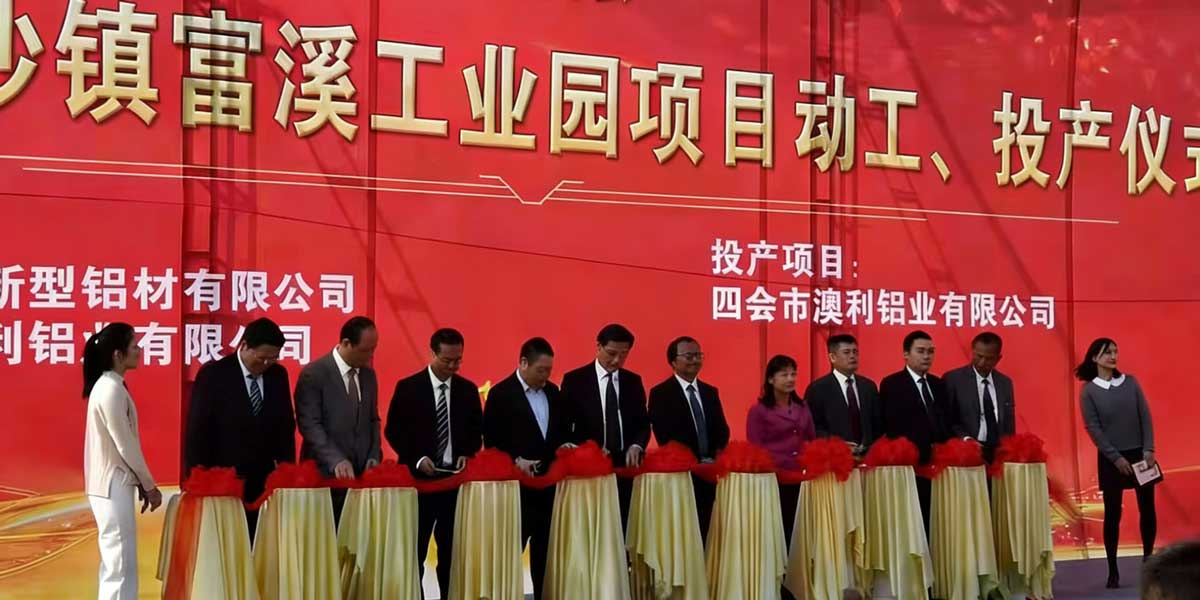
To support global contracts, the company invested in a state-of-the-art 100,000 square meter facility, increasing annual structural metal output to 100,000 tons.
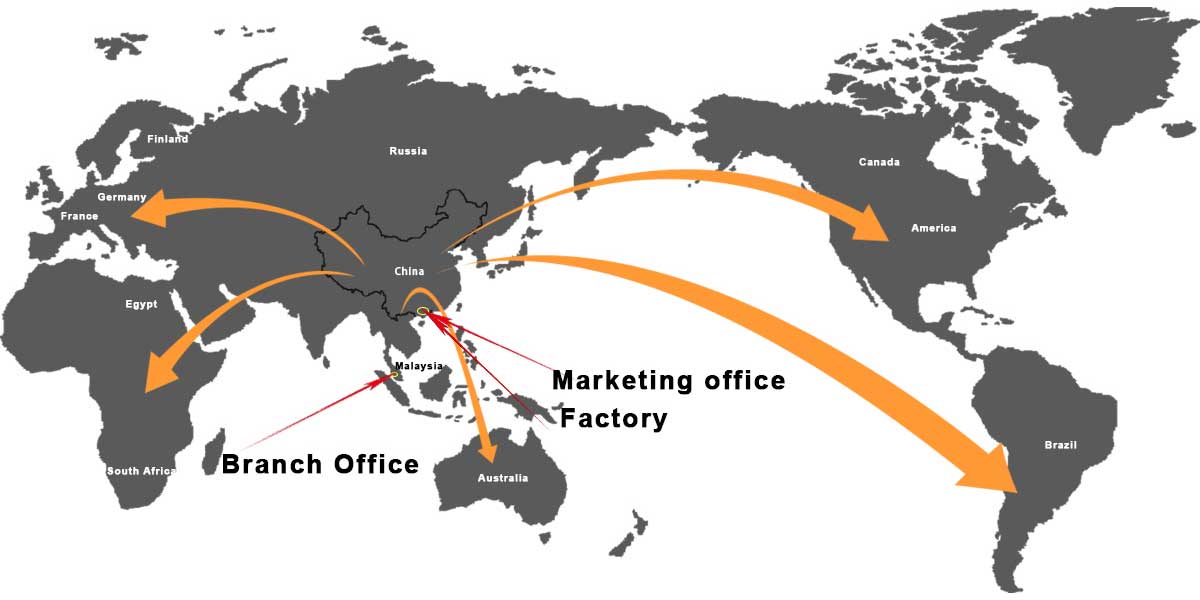
In 2024, the company opened a specialized B2B trade node in Foshan. Our upcoming Malaysian office, set to open in 2026, will streamline tariff-free logistics for North American and European buyers.
Ensuring dimensional stability, strict structural properties, and supply chain resilience.
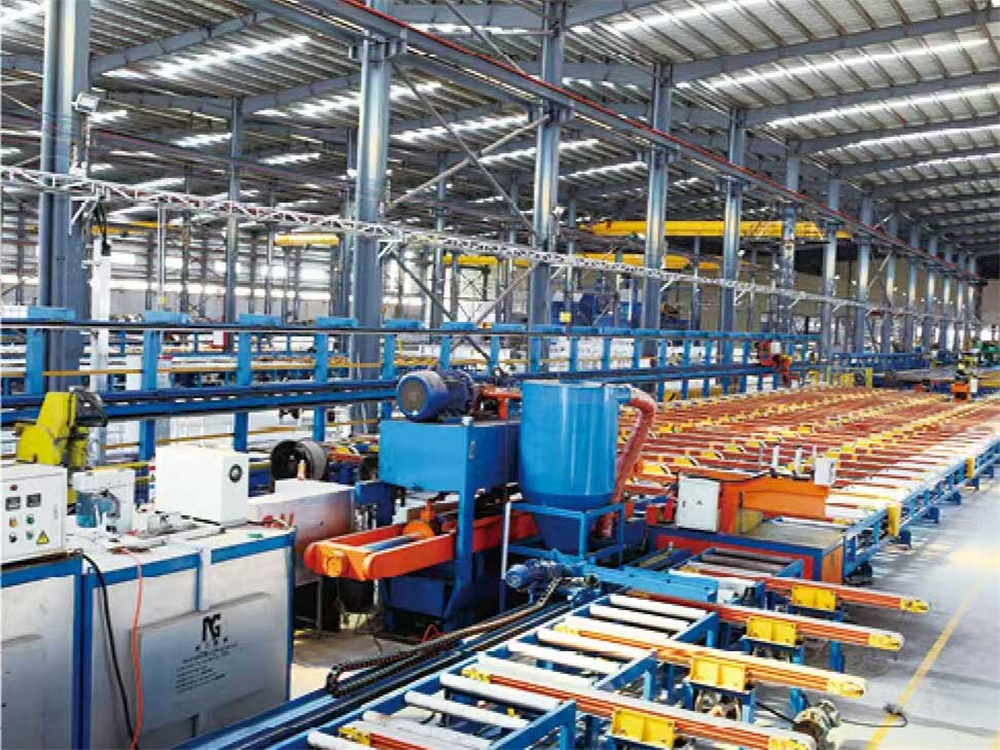
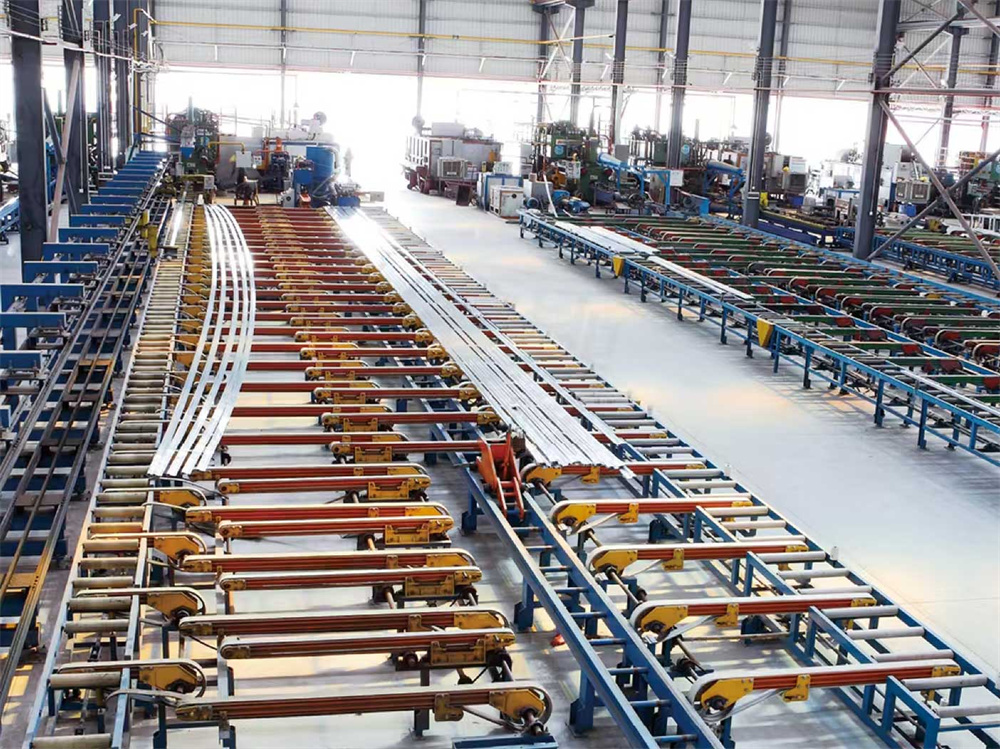
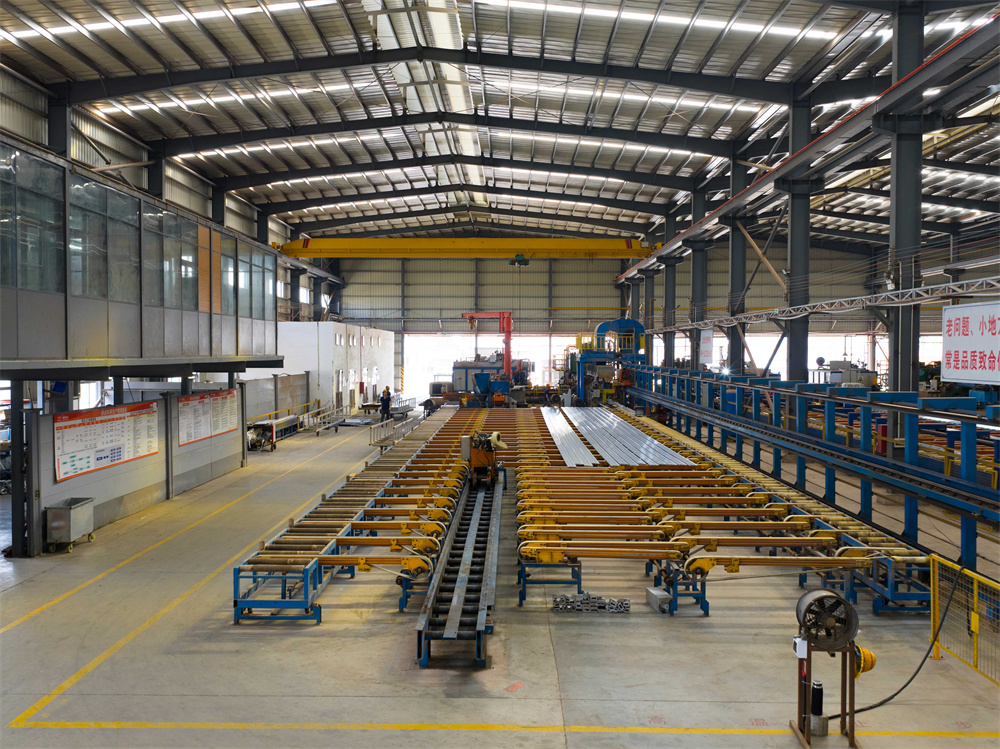
Aolijie utilizes highly automated extrusion presses spanning 900 tons to 2,000 tons. This machinery allows us to extrude standard and custom shapes from high-grade structural alloys, including 6063, 6061, 6005, and 6082. Our vertically integrated facility features dedicated thermal break assembly lines where knurling, strip insertion, and rolling occur in continuous, automated sequences.
Beyond extrusion, our factories are equipped with finishing lines, including chemical etching anodizing, vertical powder coating, electrophoretic coating, PVDF coating (for coastal curtain walls), and lifelike wood-grain transfer sublimation. For downstream integration, our CNC machining centers offer precision multi-axis cutting, drilling, tapping, and milling.
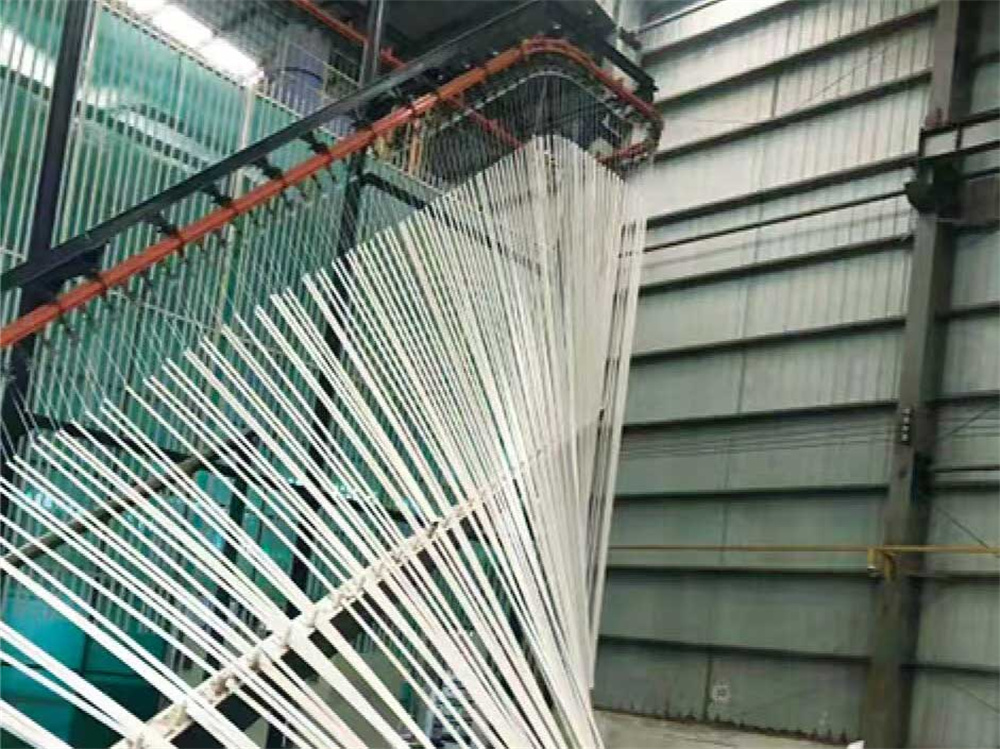
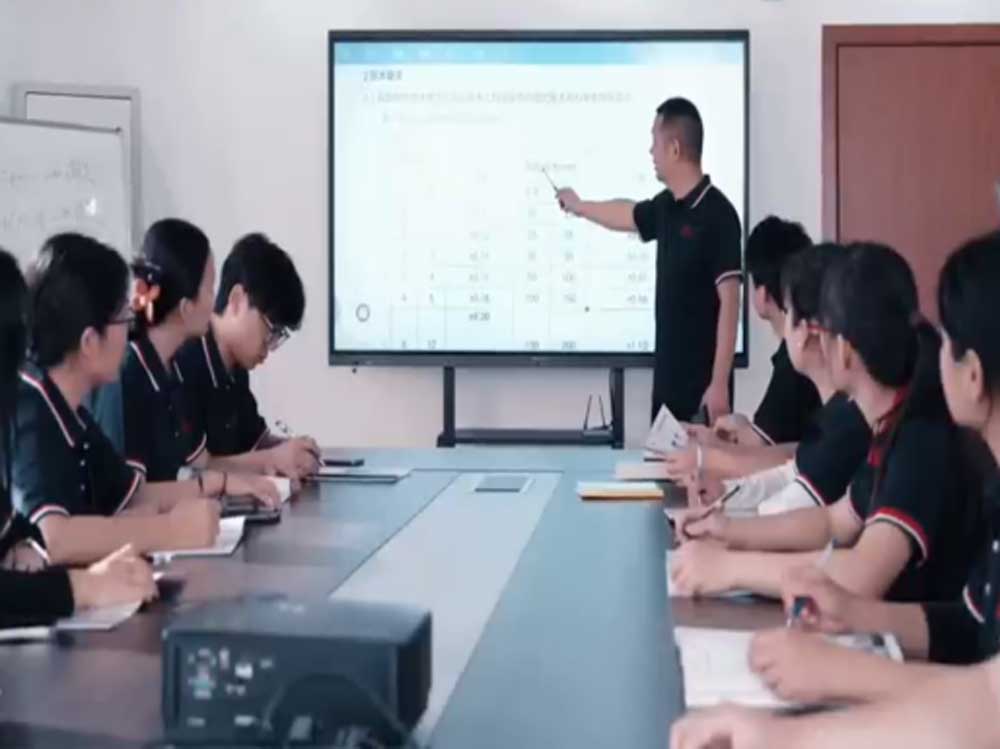
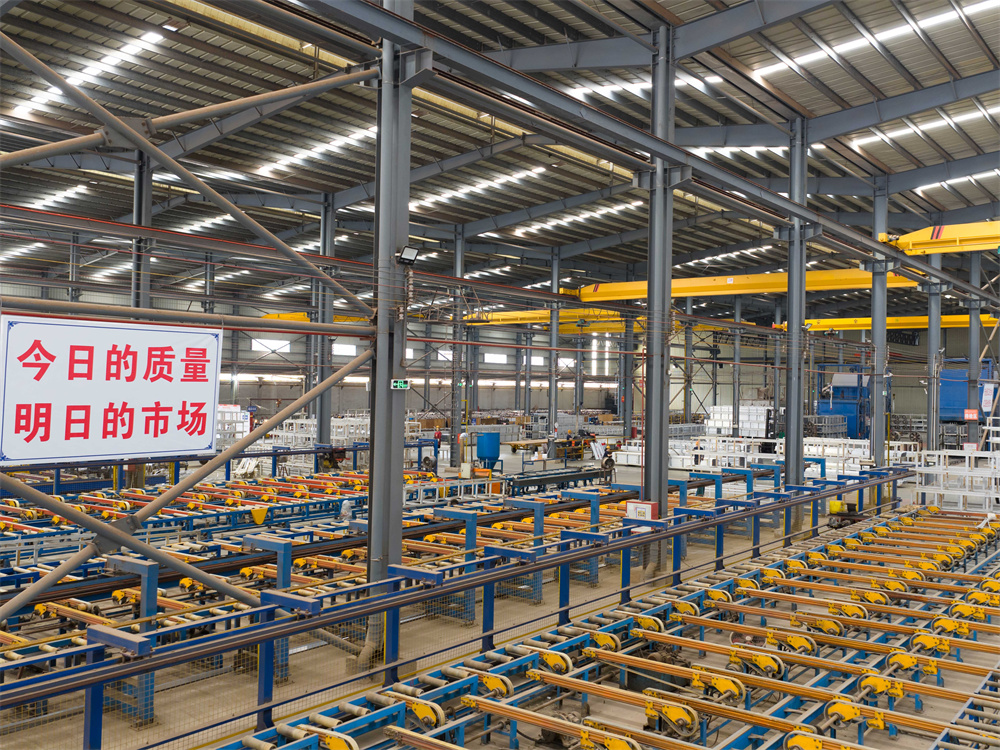
100% full visual inspection and systematic sampling methods based on ISO 2859 standards.
To guarantee high mechanical properties and weather resistance in extreme outdoor environments, each batch of extrusions is subjected to testing procedures in our laboratory:
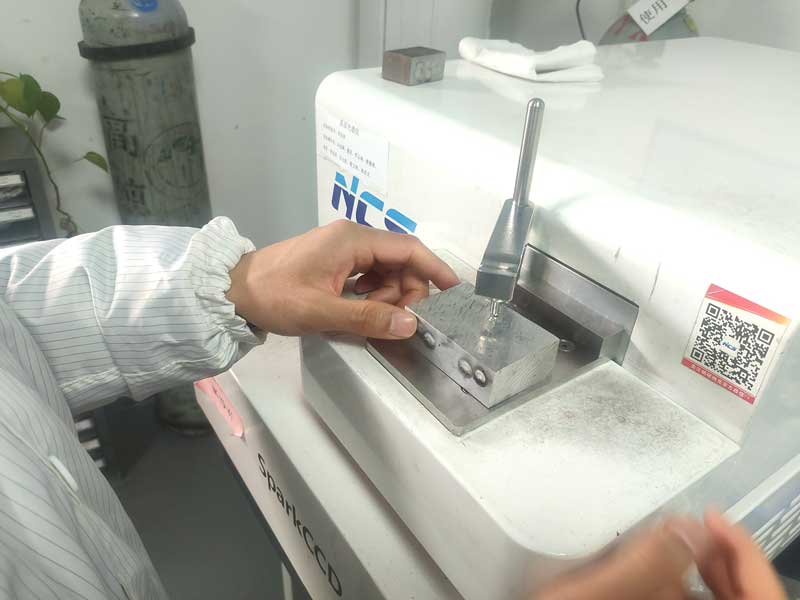
Componential Analysis
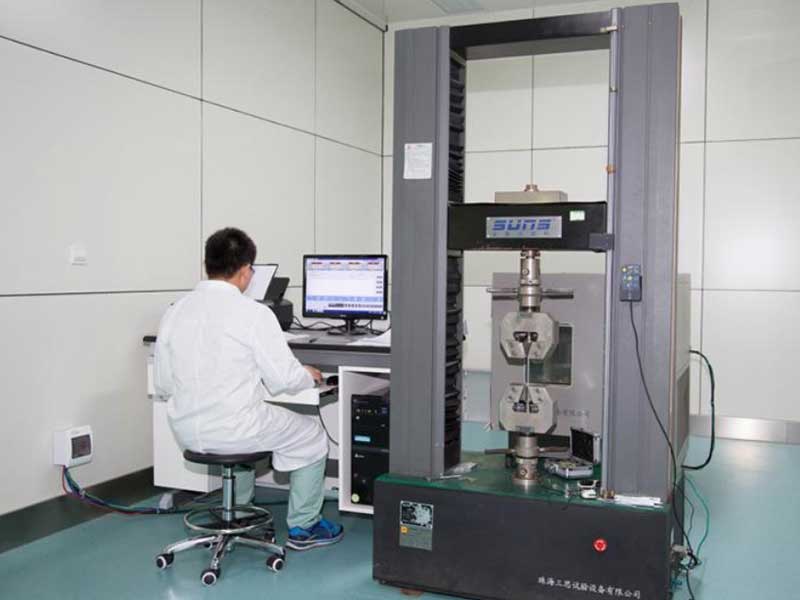
Tensile Test
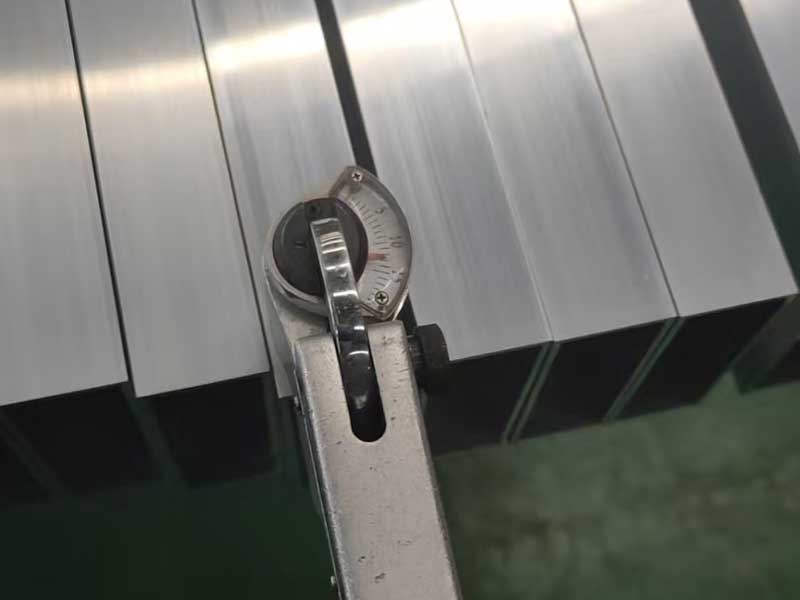
Hardness Test
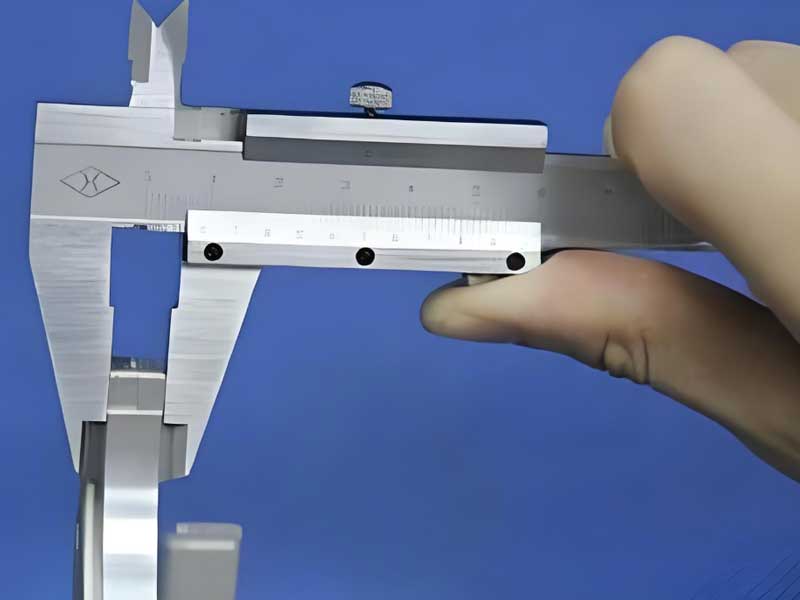
Dimensional measurement
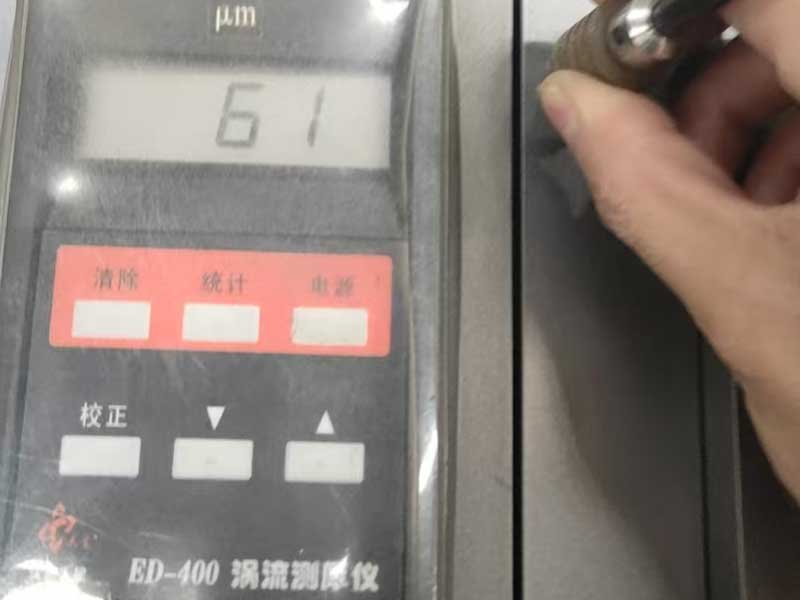
Coating Test
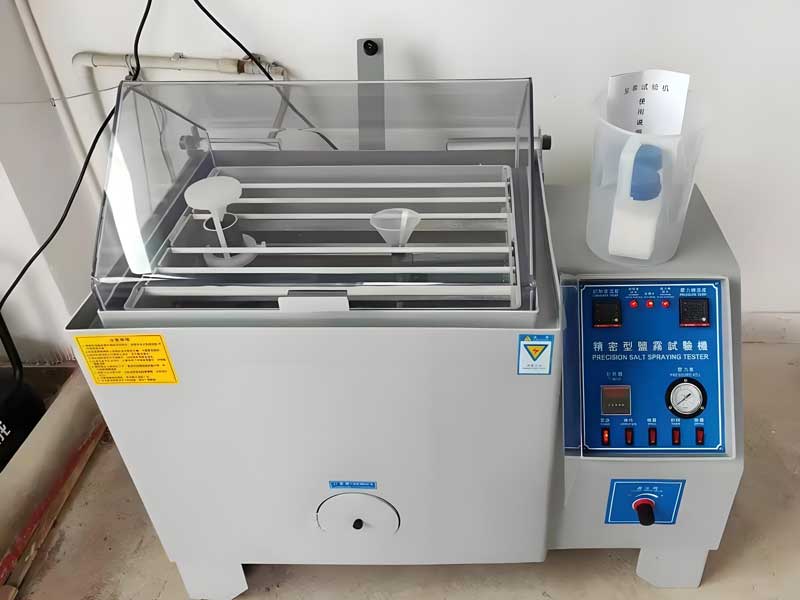
Salt Spray Test
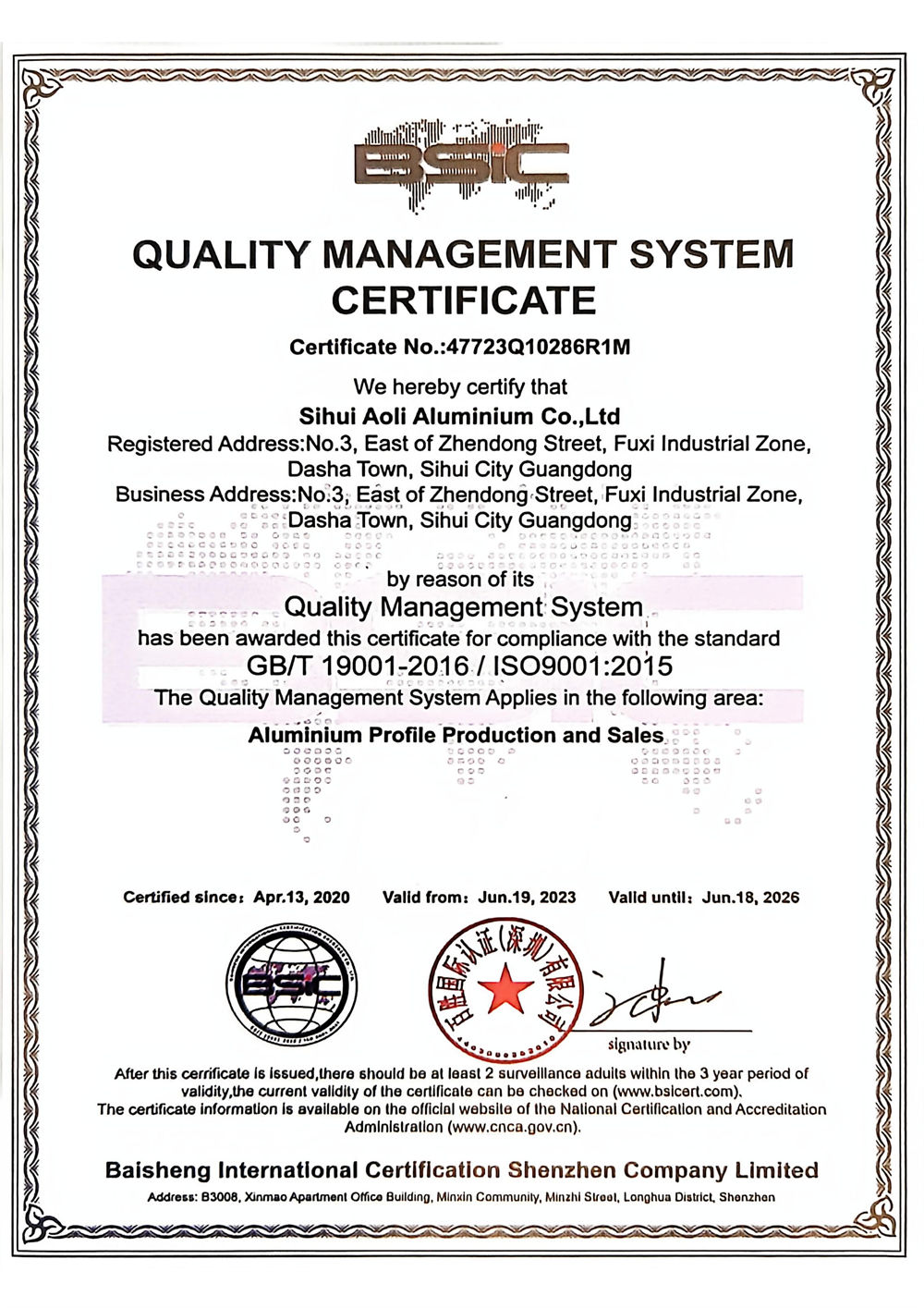
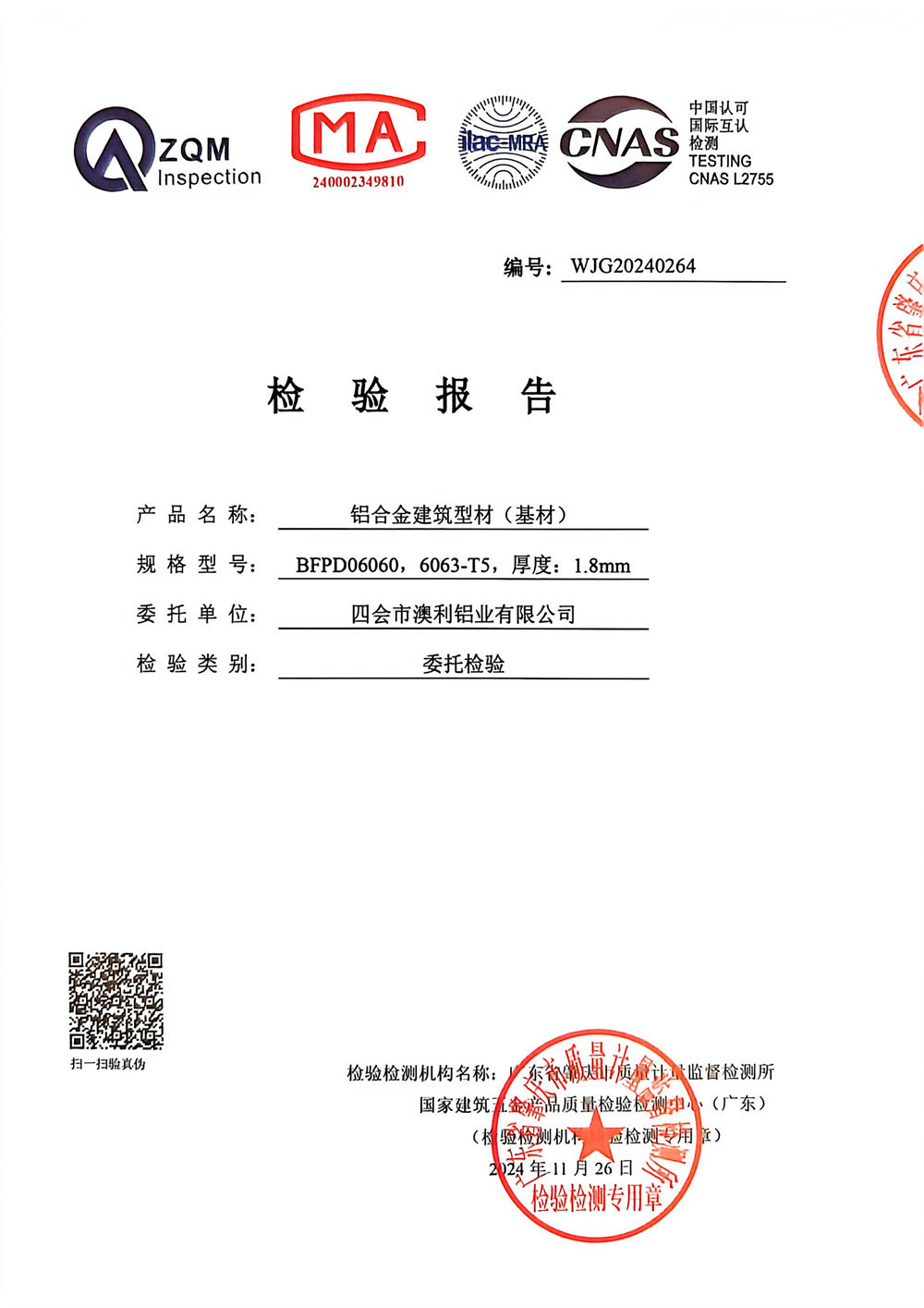
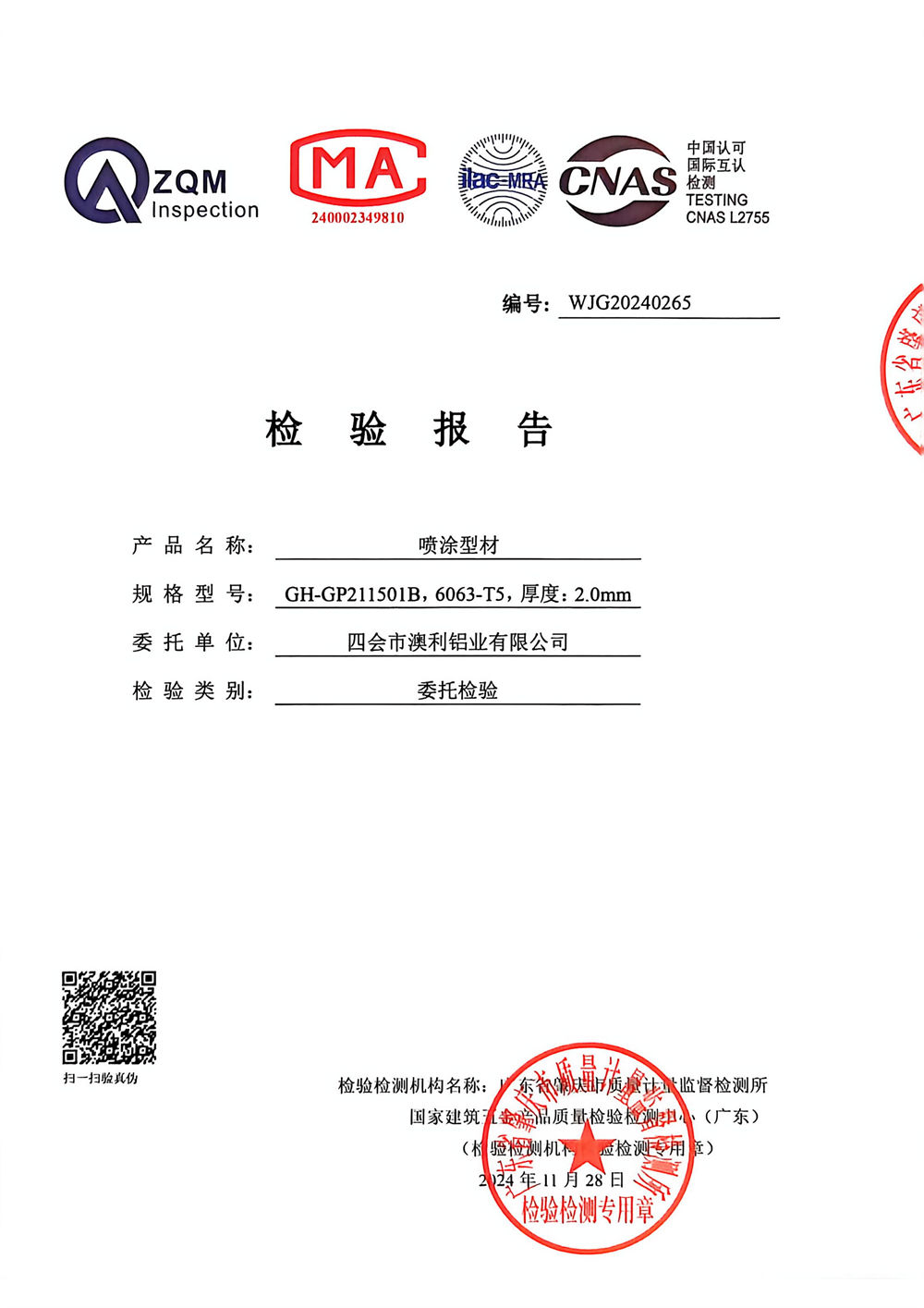
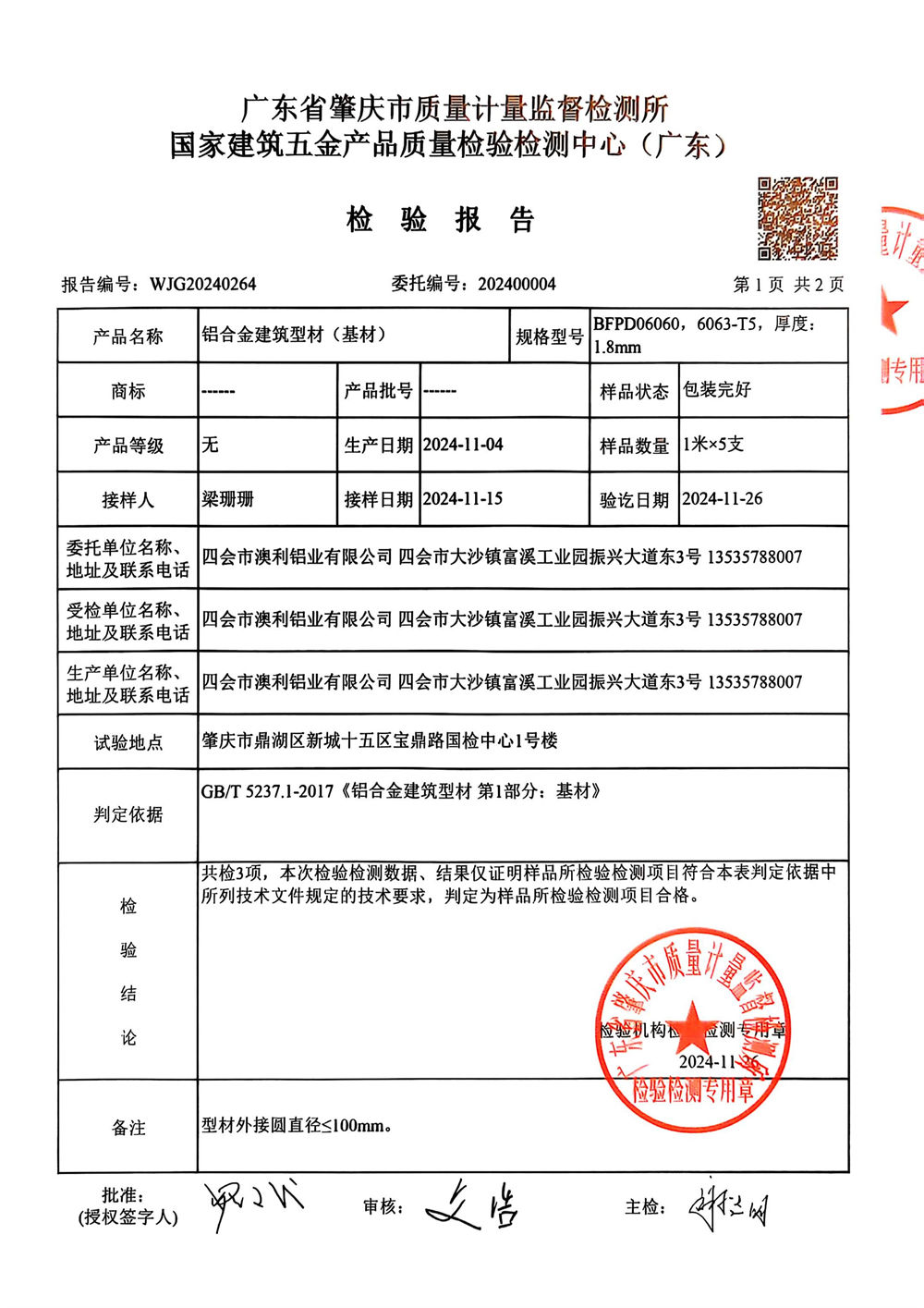
Architectural and structural solutions engineered to standard specifications.
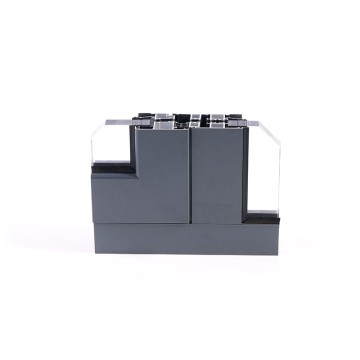
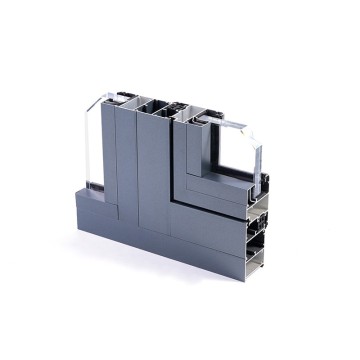
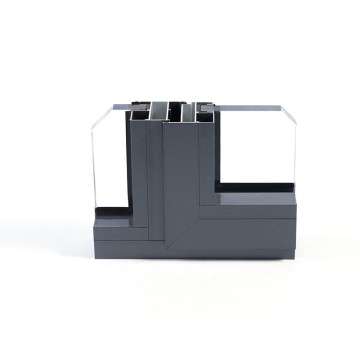
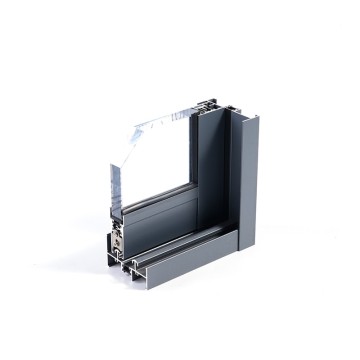
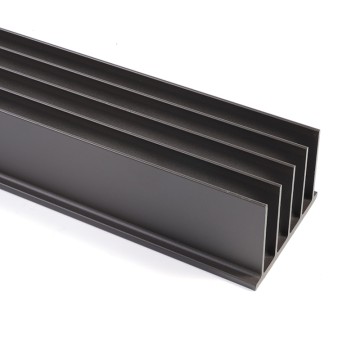
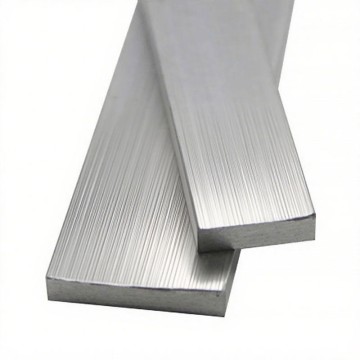
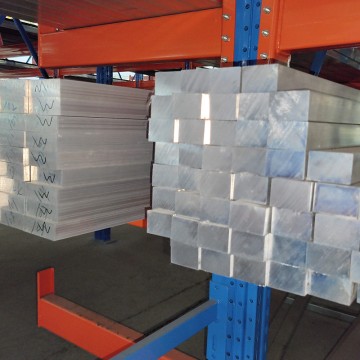
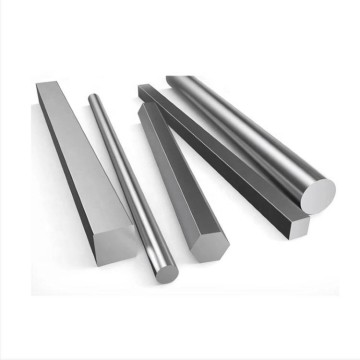
Deploying energy-conserving building materials across projects worldwide.


Expert clarifications regarding thermal efficiency, alloy specifications, and custom tooling.
The industry standard is Al-Mg-Si alloy 6063, primarily in the T5 or T6 temper states. 6063 offers a favorable balance of surface finish quality, complex extrusion characteristics, and structural strength. For structural glazing and curtain walls subject to high wind loads, 6061-T6 or 6005A-T6 may be utilized due to their higher yield strengths.
Polyamide strips (PA66-GF25) are mechanically rolled into the profile's cavities. They offer high structural shear resistance, allow dual-color powder coating, and support wide gaps for improved thermal performance. Poured and debridged (P&D) polyurethane systems are suited for moderate climates but have limited gap configurations and are less suitable for deep dual-finish profiles.
A non-insulated aluminum frame typically has a U-factor exceeding 2.0 BTU/hr·ft²·°F (approx. 11 W/m²K). Utilizing an integrated structural thermal barrier system with dual-pane low-E insulated glass units (IGUs) can reduce the overall window assembly U-factor to below 0.35 BTU/hr·ft²·°F (1.9 W/m²K). High-performance multi-cavity designs can achieve Passive House standards below 0.14 BTU/hr·ft²·°F (0.8 W/m²K).
We design and machine extrusion dies using wire-cut EDM and high-speed CNC equipment. Our processes follow GB/T 5237.1 (high-precision level) or EN 755-9 specifications. Cross-sectional profiles undergo inspection via optical projectors to ensure dimensional conformance before production runs.
Yes. For environments with high salinity or humidity, we recommend PVDF (polyvinylidene fluoride) liquid paint coatings or Class 2/3 powder coatings. These treatments resist chalking, fading, and oxidation, and pass ASTM G85 acetic acid-salt spray testing.
Discuss your project’s custom extrusion, alloy, and U-value specifications with our engineering team today.
Browse our precision non-architectural components engineered for solar, electrical, and transport applications.
 Aoli Aluminum