Custom High-Precision Extrusions, Advanced Thermal Breaks, and Sustainable Architectural Solutions Engineered for High-Performance Building Systems Globally.
Explore our structural profiles designed for extreme durability, energy efficiency, and modern architectural aesthetics.
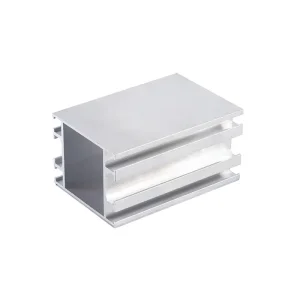
As urbanization accelerates worldwide, modern infrastructure demands materials that satisfy structural safety, longevity, and sustainability criteria. Window Aluminium Profiles have emerged as the foundational element of contemporary envelope systems. By leveraging superior strength-to-weight ratios and design versatility, aluminum profiles serve as the structural backbone for energy-efficient windows, doors, and glazed facades across residential and commercial sectors.
The global market for architectural aluminum extrusions is undergoing a significant transition. Driven by strict energy efficiency legislation, such as the European Union’s Energy Performance of Buildings Directive (EPBD) and the United States' ASHRAE 90.1 standards, developers are moving away from traditional vinyl (uPVC) and wood frames toward thermal-break aluminum structures. Aluminum is infinitely recyclable, making it highly compatible with green building certifications like LEED, BREEAM, and DGNB.
Historically, aluminum was criticized for its high thermal conductivity. However, the development of modern thermal break technology—utilizing low-conductivity polyamide insulating strips (typically PA66-GF25) crimped between structural aluminum extrusions—has revolutionized the material's thermal properties. Today's insulated aluminum windows deliver low U-factors that match or exceed alternative framing materials, while retaining the durability, wind-load capacity, and slim profiles demanded by contemporary architecture.
Founded in 2009, Aoli Aluminum (branded as "Aolijie") has grown from a regional extruder into a global manufacturer integrating research and development, custom extrusion tool design, precision metallurgy, advanced surface finishing, and CNC deep fabrication.
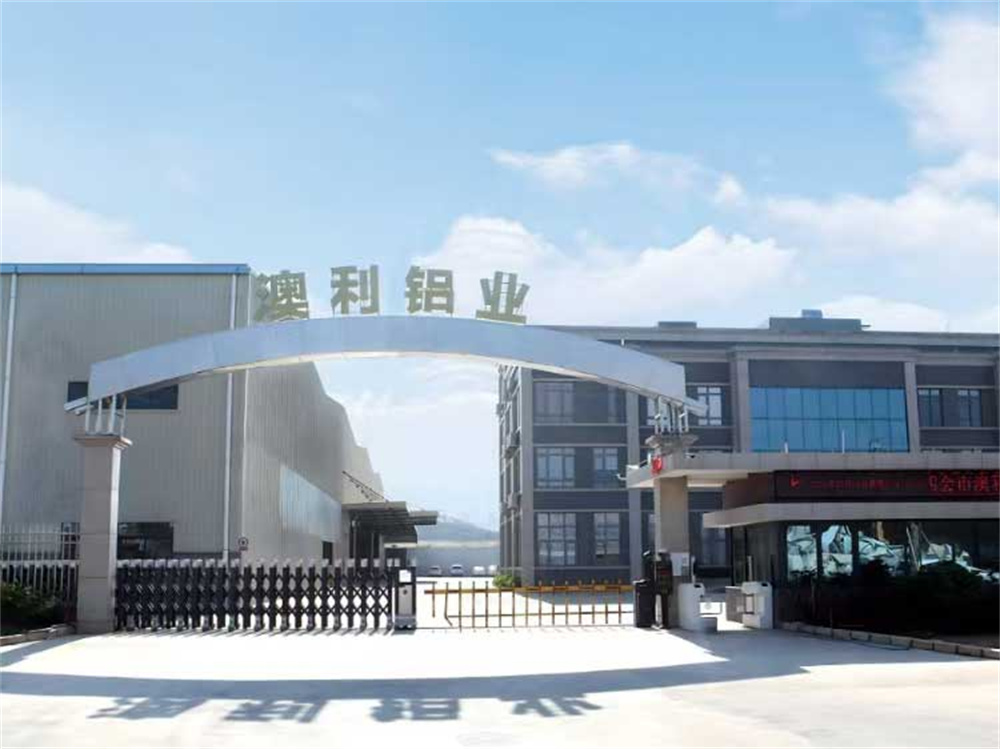
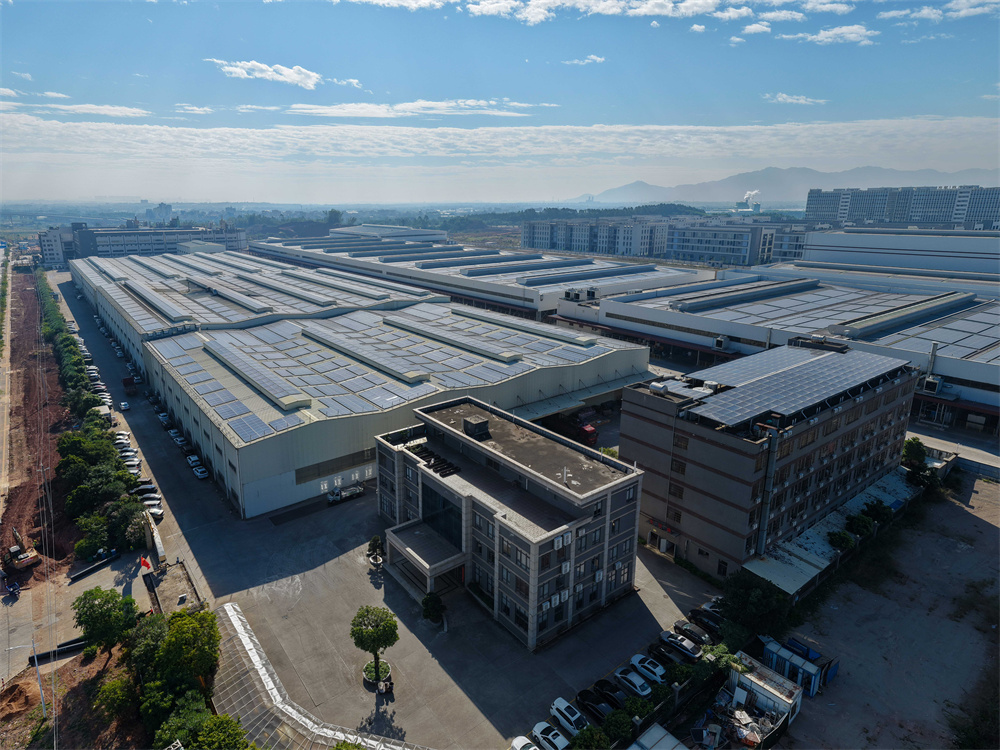
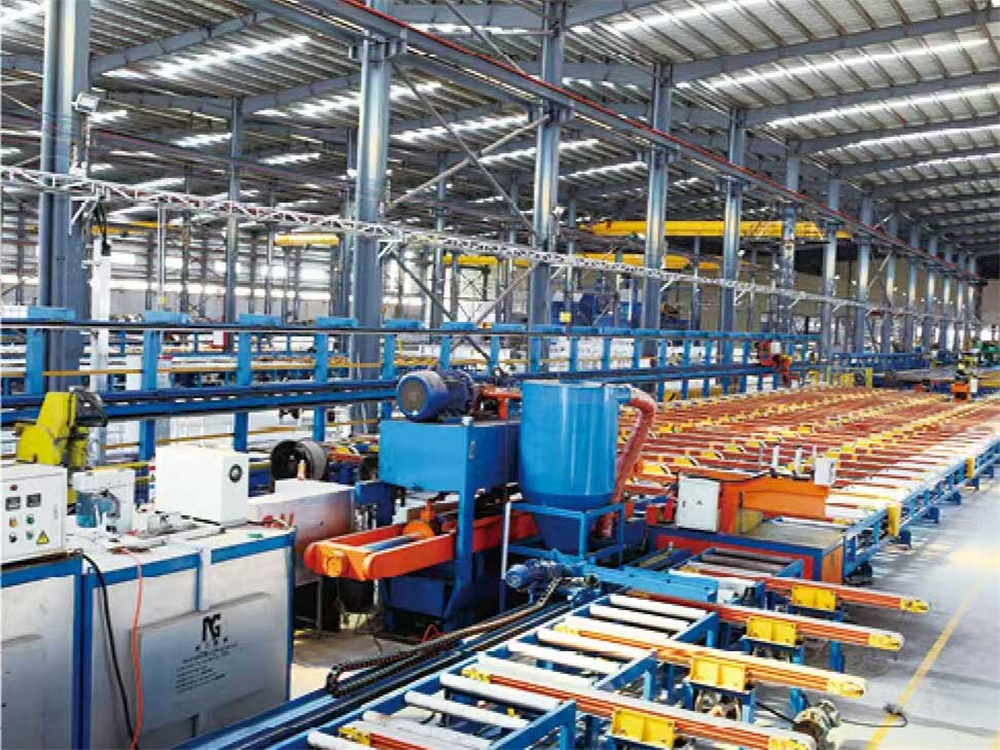
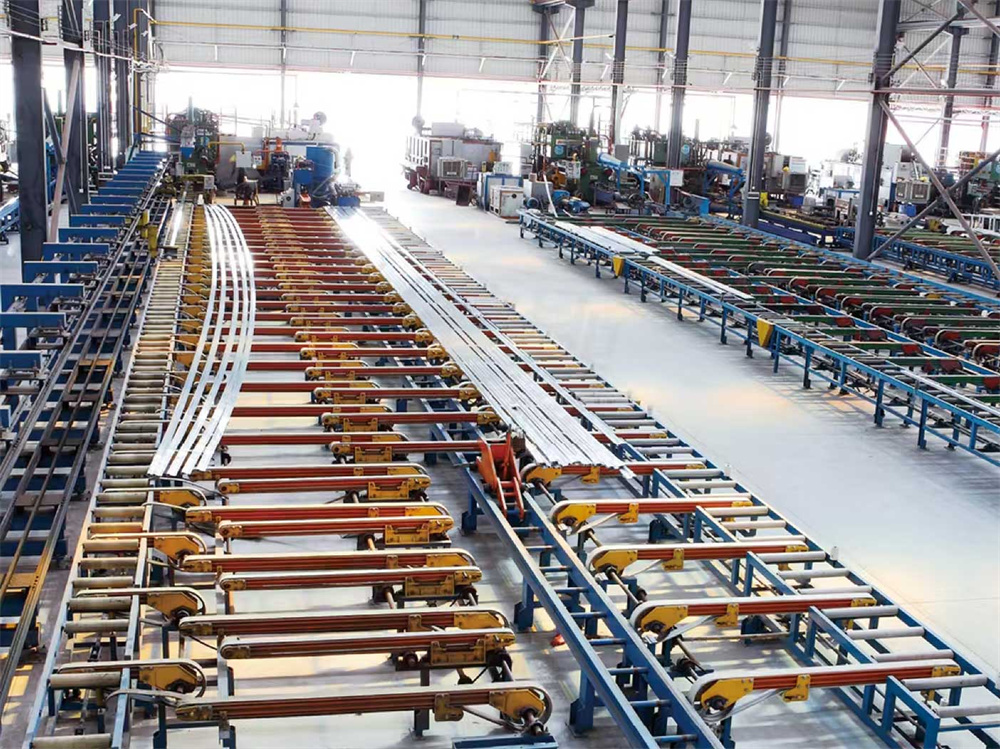
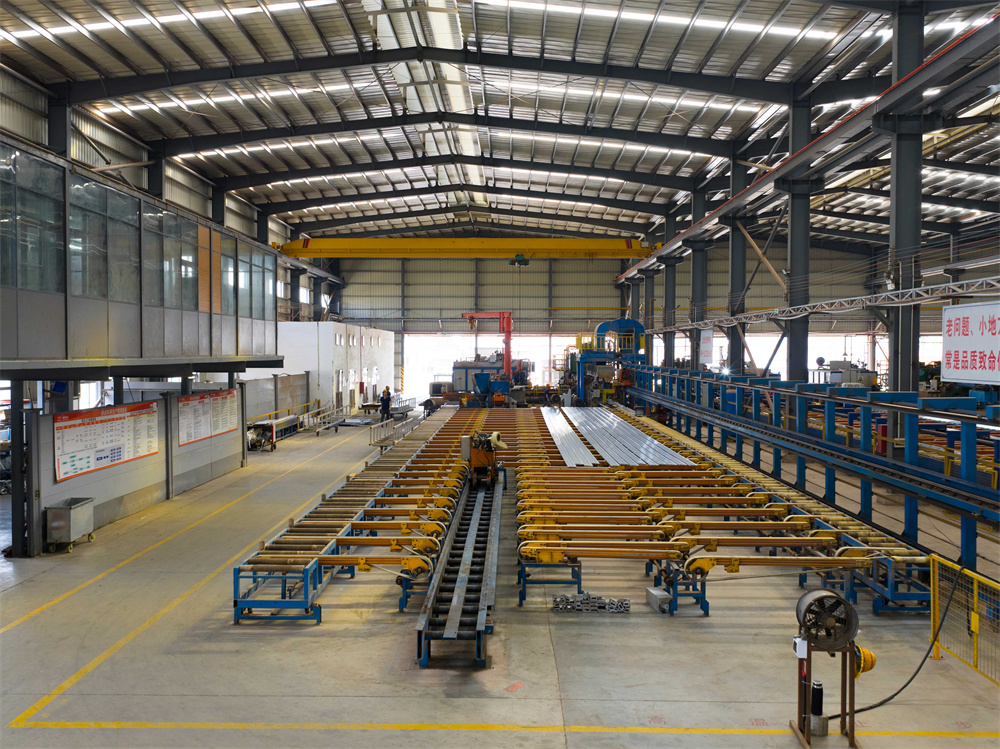
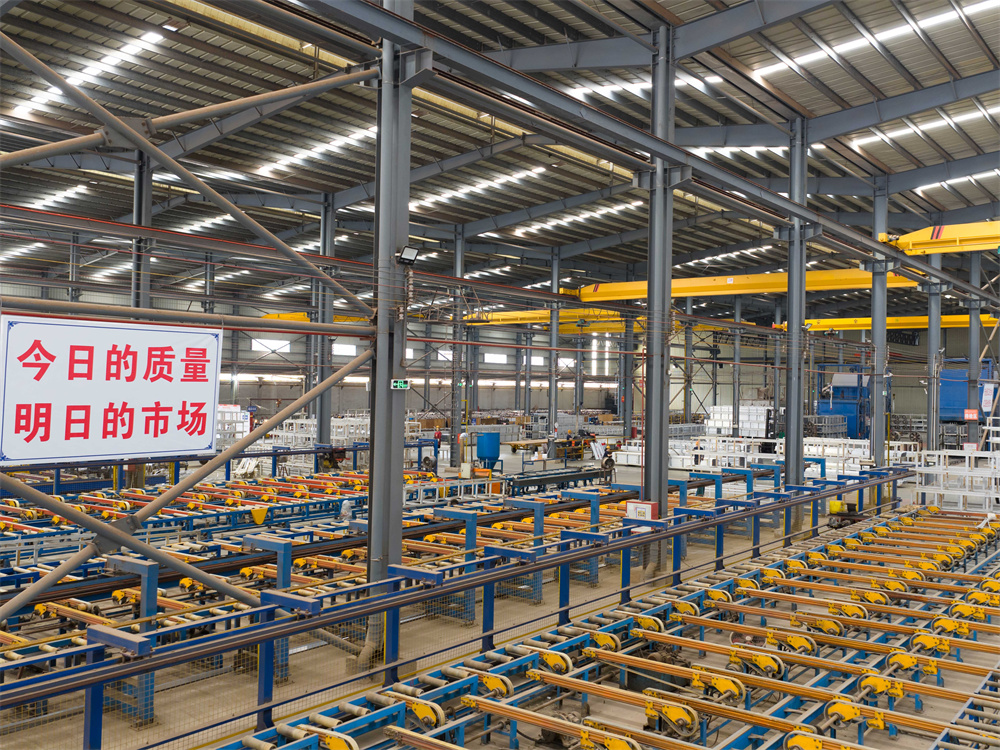
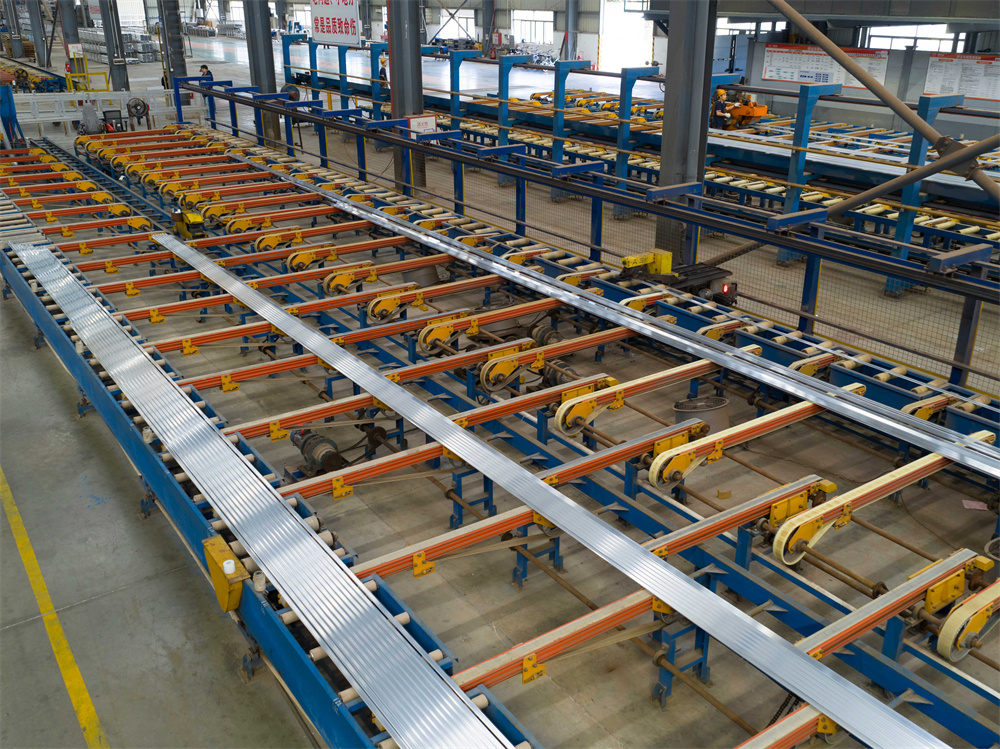
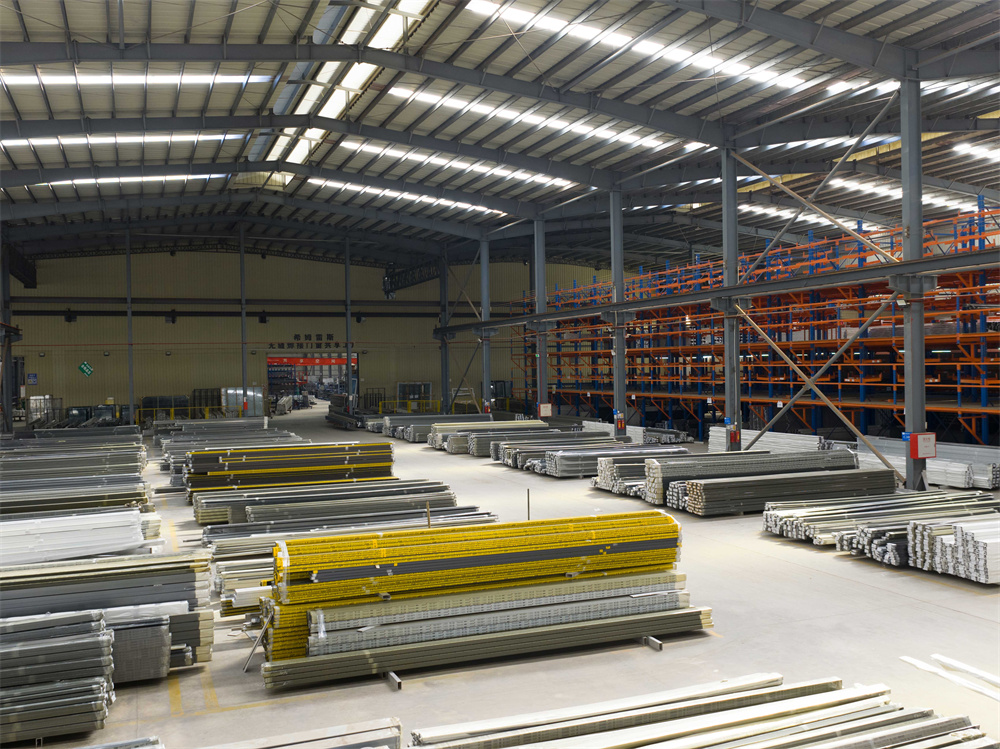
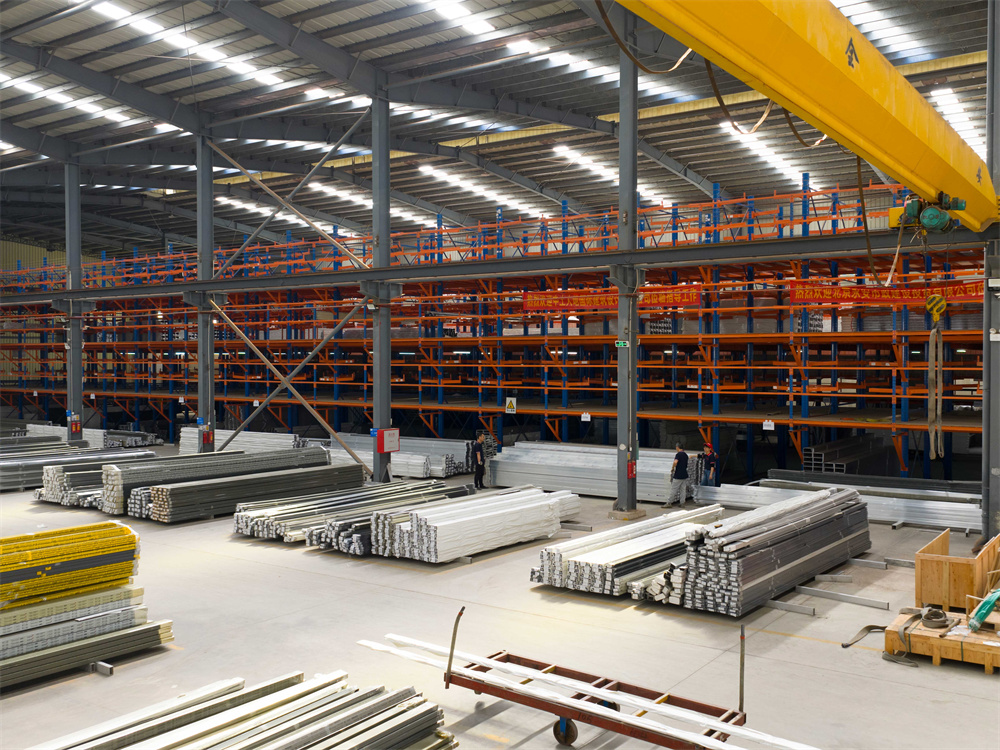
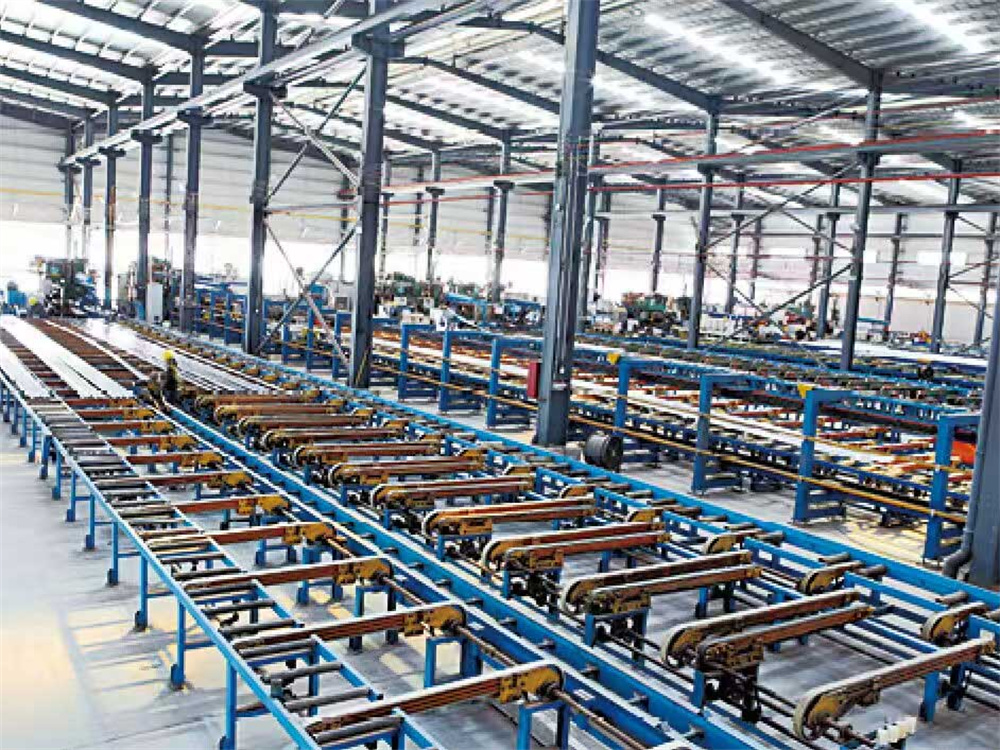
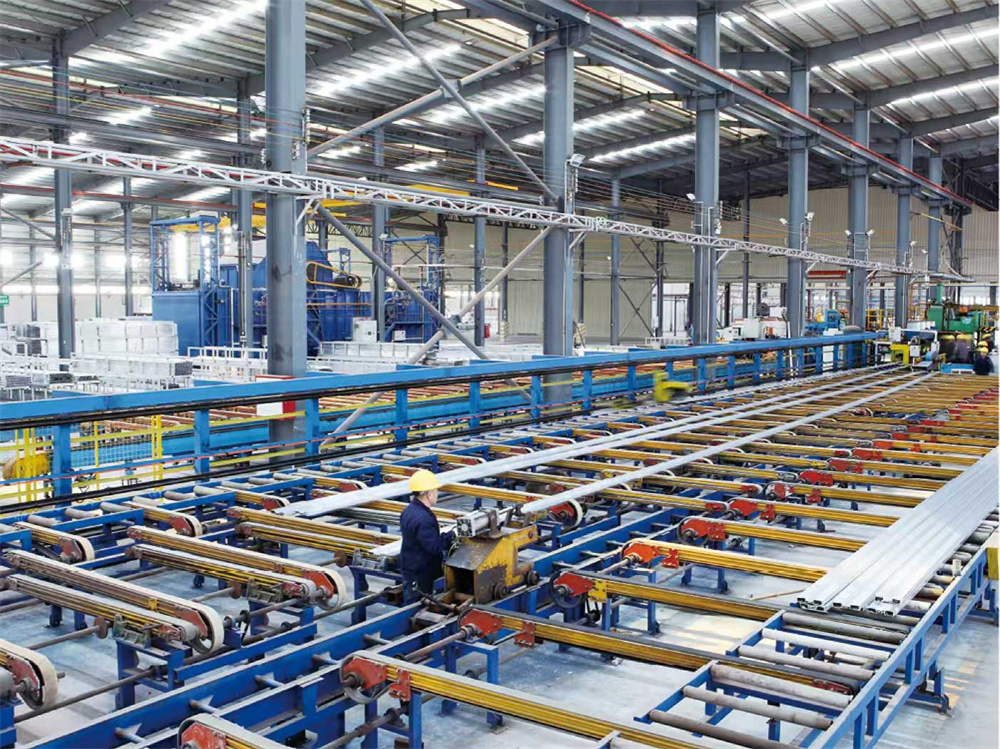
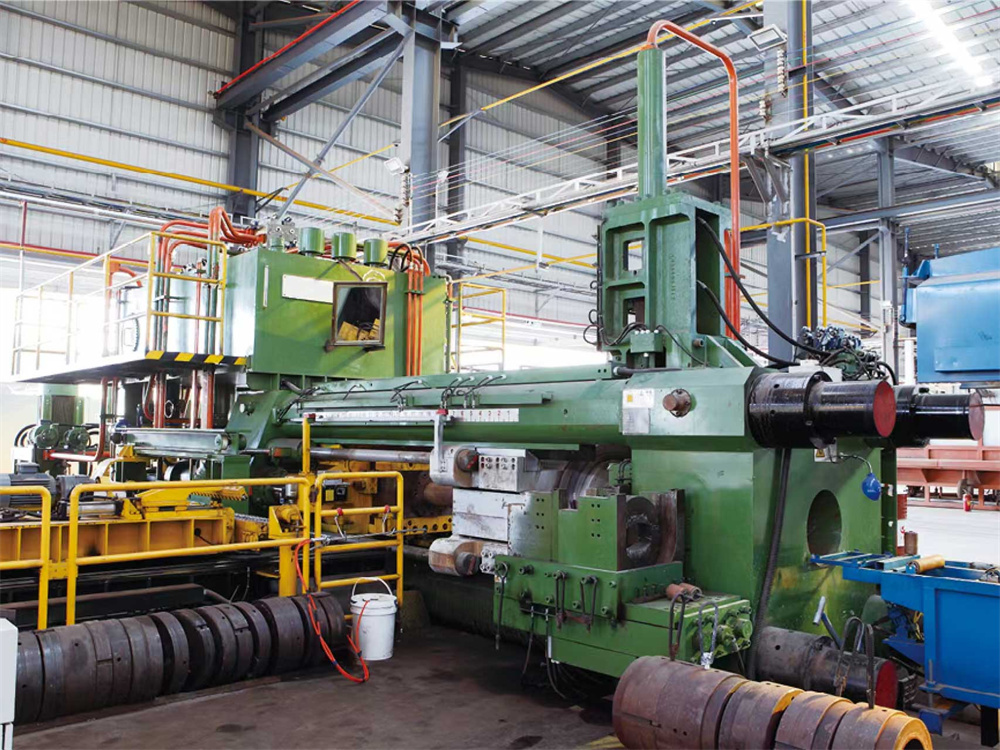
Headquartered in Sihui, Guangdong, with sales branches located in the aluminum commercial center of Foshan, our production footprint spans four specialized manufacturing bases. With extrusion presses ranging from 900 tons to 2,000 tons, our factory floor is equipped to produce complex profile geometries with wall thicknesses and tolerances that comply with international standards.
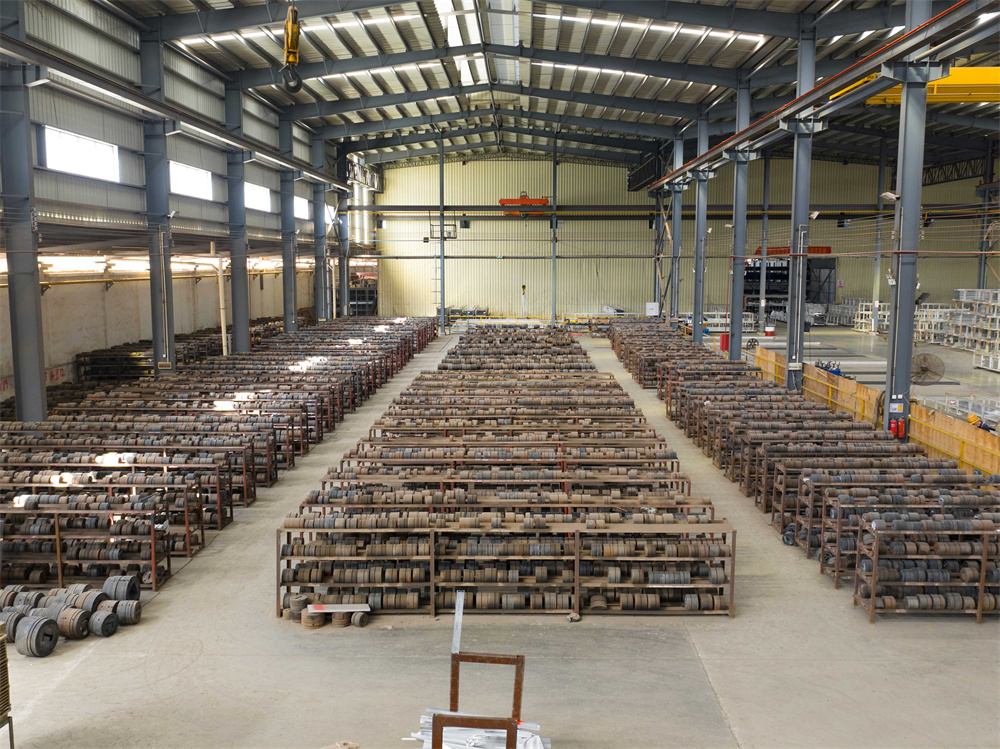
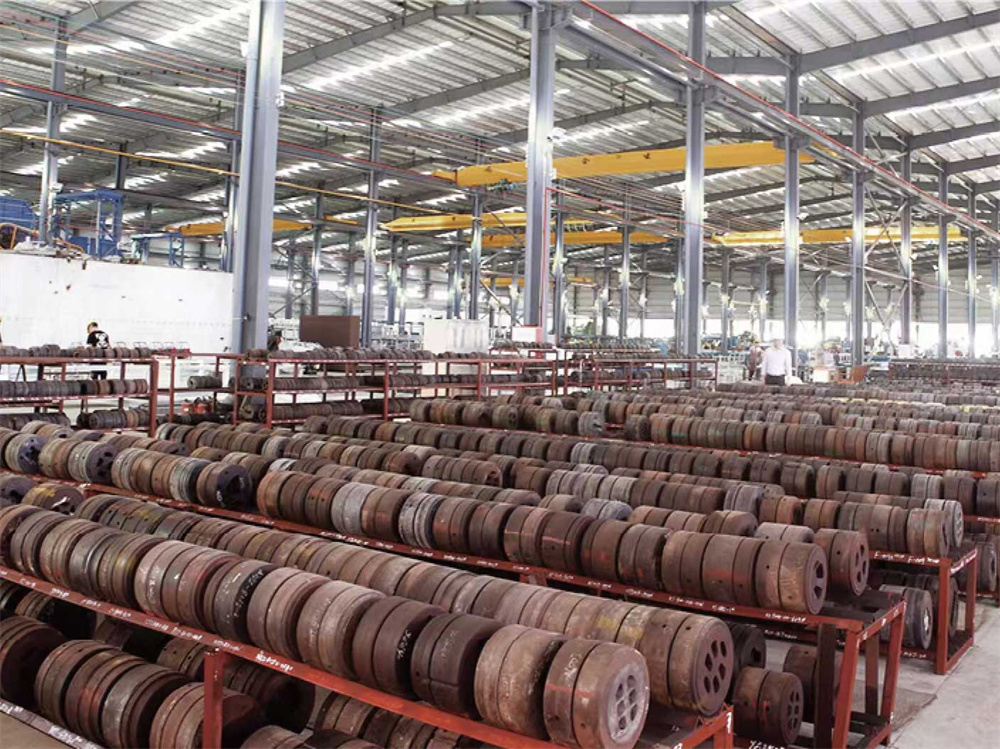
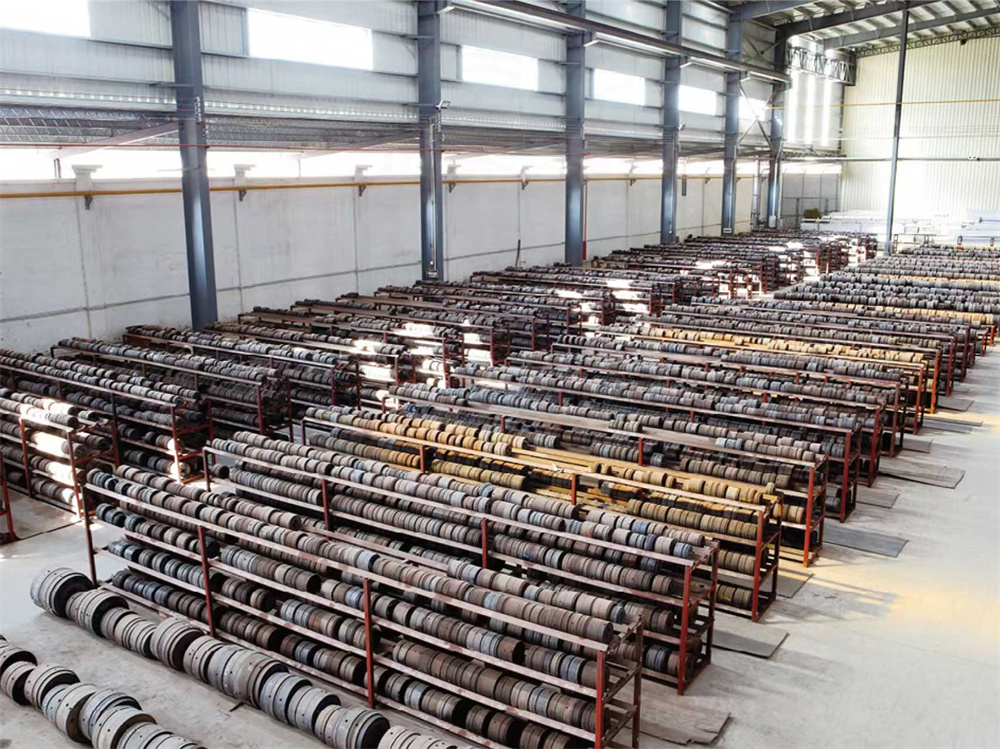
Our founder, Mr. Wong, began his career in the construction materials sector in 2000, aligning with the initial growth phase of China's structural extrusion industry. Guided by his vision that aluminum is the key material for sustainable, low-carbon cities, Aolijie has focused on technical innovation, accumulating over 13 patents and securing ISO 9001 and ISO 14001 certifications. We maintain an active inventory of more than 100,000 mold sets, covering over 100 architectural and industrial series.
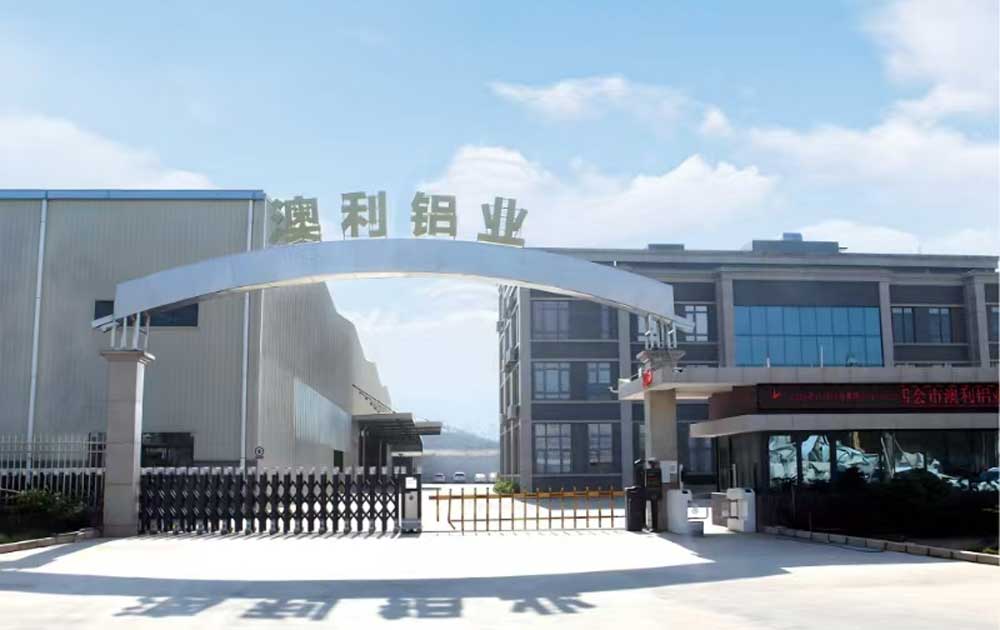
Our facility is strategically located in Sihui and Foshan, within the Guangdong industrial cluster. This hub provides substantial geographic and economic advantages for procurement managers:
At Aolijie, we treat quality control as our primary responsibility. Each shipment undergoes a multi-stage verification process to ensure full compliance with target tolerances, finish durability, and chemical characteristics.
| Inspection Stage | Technical Testing Parameter | Applicable Standard / Instrument |
|---|---|---|
| Metallurgical Verification | Componential analysis of Si, Fe, Cu, Mn, Mg, Cr, Zn, Ti levels | Optical Emission Spectrometer (OES) |
| Mechanical Testing | Yield strength, tensile strength, and percentage elongation | Universal Hydraulic Tensile Testing Equipment |
| Hardness Checks | Hardness range verification (typically ≥ 8 HW for 6063-T5) | Webster Hardness Tester / Barcol Hardness |
| Dimensional Precision | Profile wall thickness, critical cross-sectional dimensions | Digital Calipers, Optical Projectors, and Go/No-Go Gauges |
| Coating & Finish Integrity | Dry film thickness, cross-hatch adhesion test, gloss level | Magnetic Thickness Gauge, Adhesion Tape, Glossmeter |
| Environmental Durability | Corrosion resistance (anodized/powder coated profiles) | CASS Accelerated Salt Spray & UV Xenon Arc Chamber Testing |
Explore our catalog divided into high-performance architectural systems and industrial structural profiles.
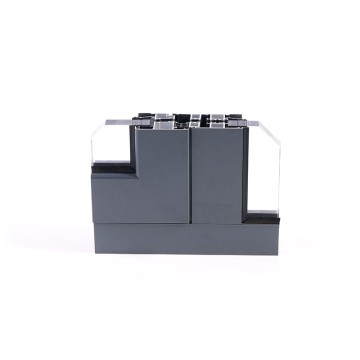
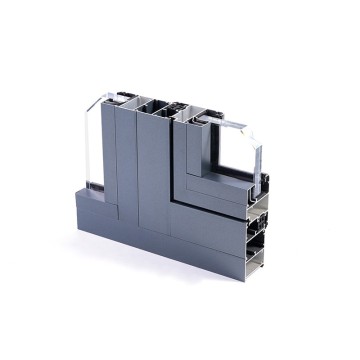
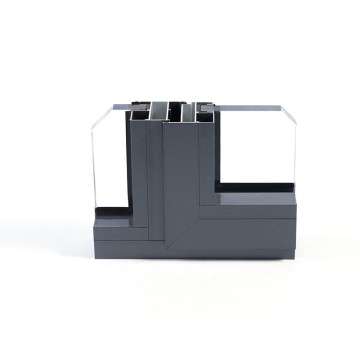
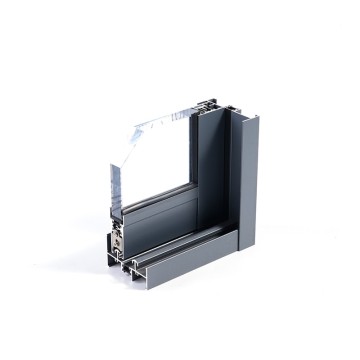
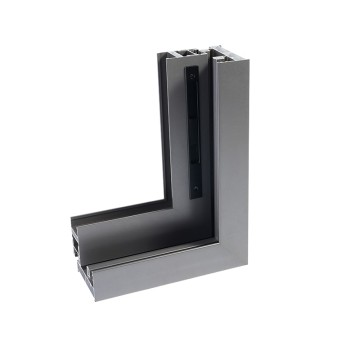
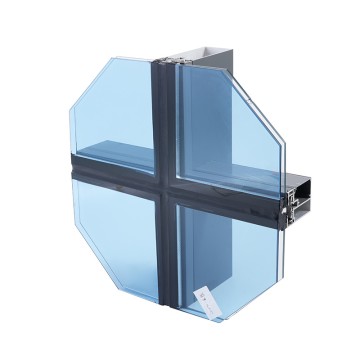
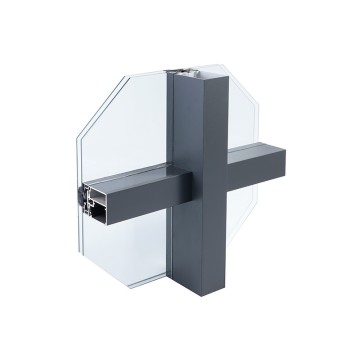
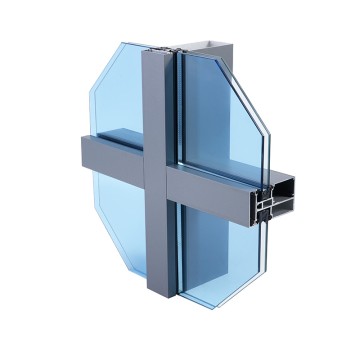
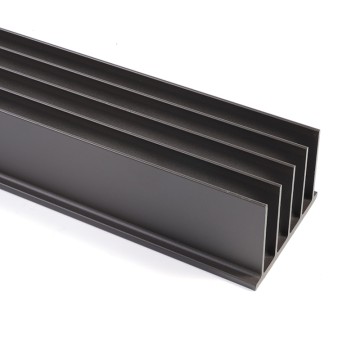
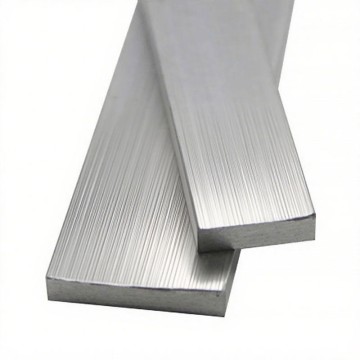
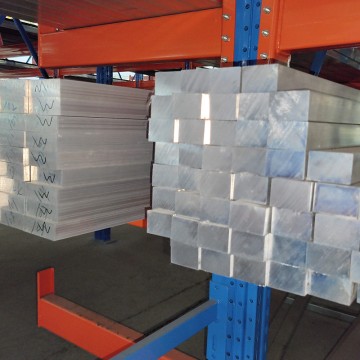
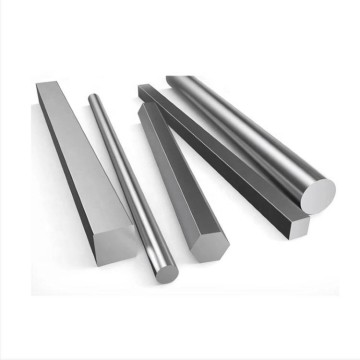
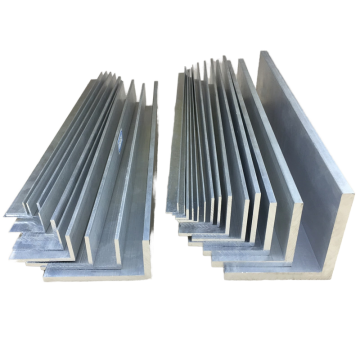
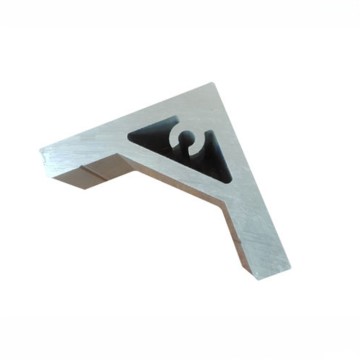
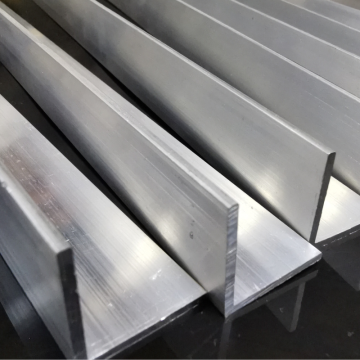
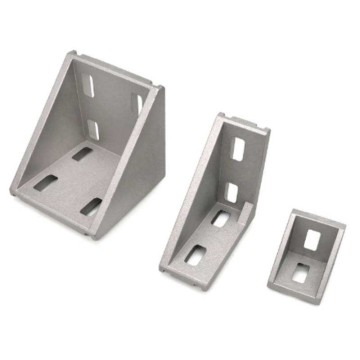
Architectural envelopes must be engineered for regional climates. Aolijie window profiles are optimized for specific wind loads, thermal barriers, and salinity levels:
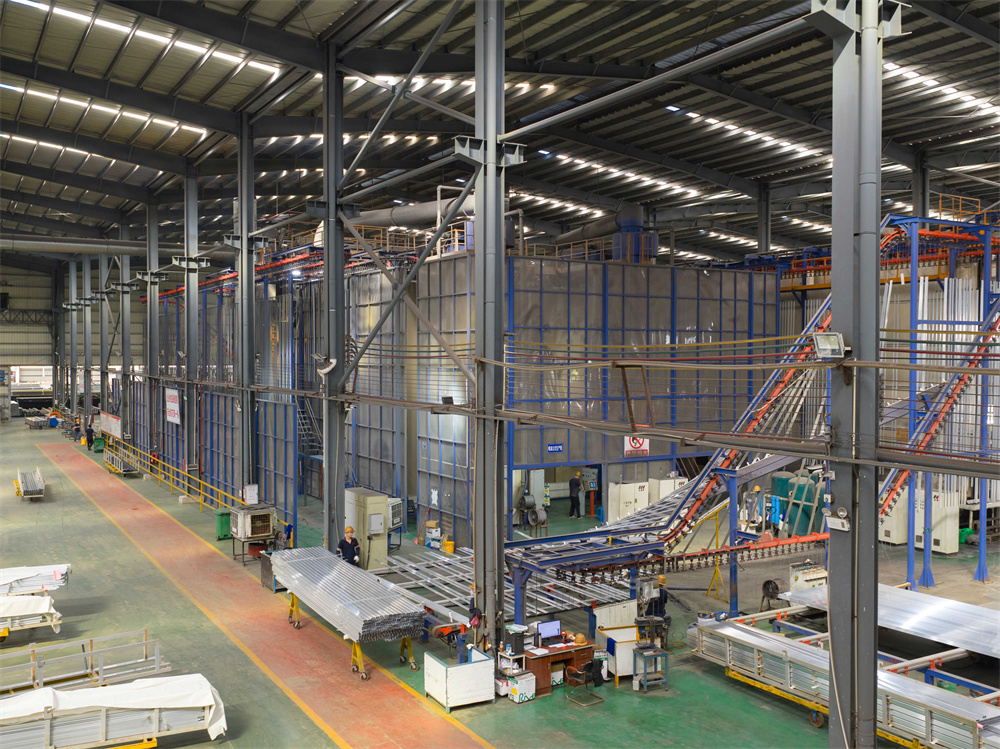
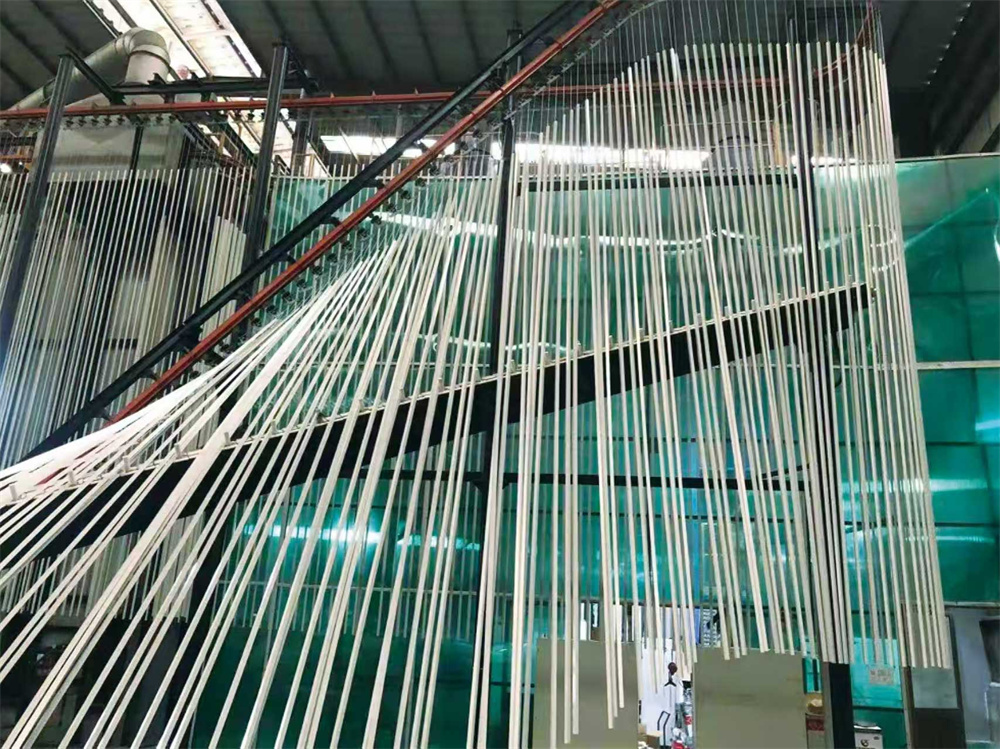
Tropical & High-Humidity Environments (e.g., Southeast Asia, Coastal Regions): In these zones, atmospheric salinity accelerates corrosion. We apply premium PVDF coatings (Polyvinylidene Fluoride) and Class I anodized finishes (minimum 15 microns thick) to protect against oxidation, chalking, and paint degradation.
Sub-Zero & Cold Climates (e.g., Northern Europe, North America): These regions require low overall heat transfer coefficients. Aolijie's multi-cavity thermal break window profiles, incorporating dual polyamide struts filled with polyurethane foam, reduce heat conductive pathways. This structure helps minimize condensation on interior frame surfaces and lower building energy consumption.
High-Wind Load Urban Zones (e.g., Middle East High-Rises, Typhoon-Prone Areas): High-rise structures face significant dynamic wind pressures. By using high-temper alloys like 6063-T6 or 6061-T6 and increasing structural wall thickness up to 3.0mm, we deliver the rigidity and deflection resistance required for large-span curtain walls and ribbon windows.
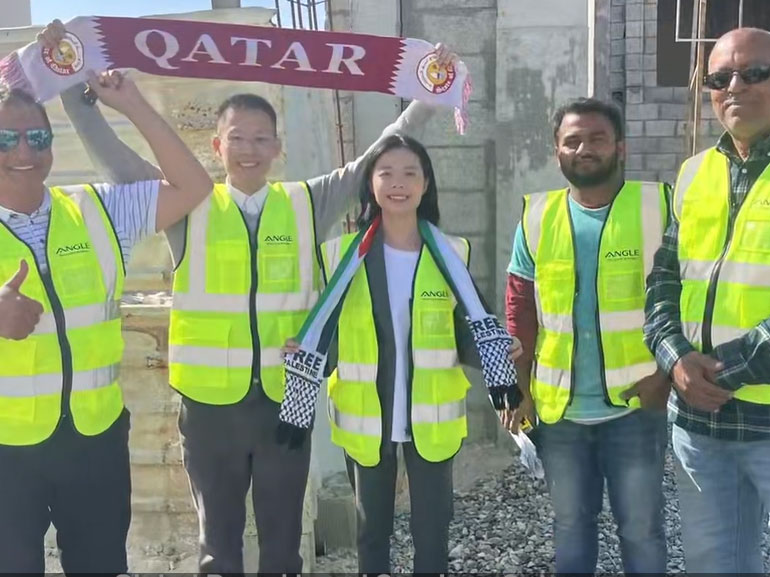


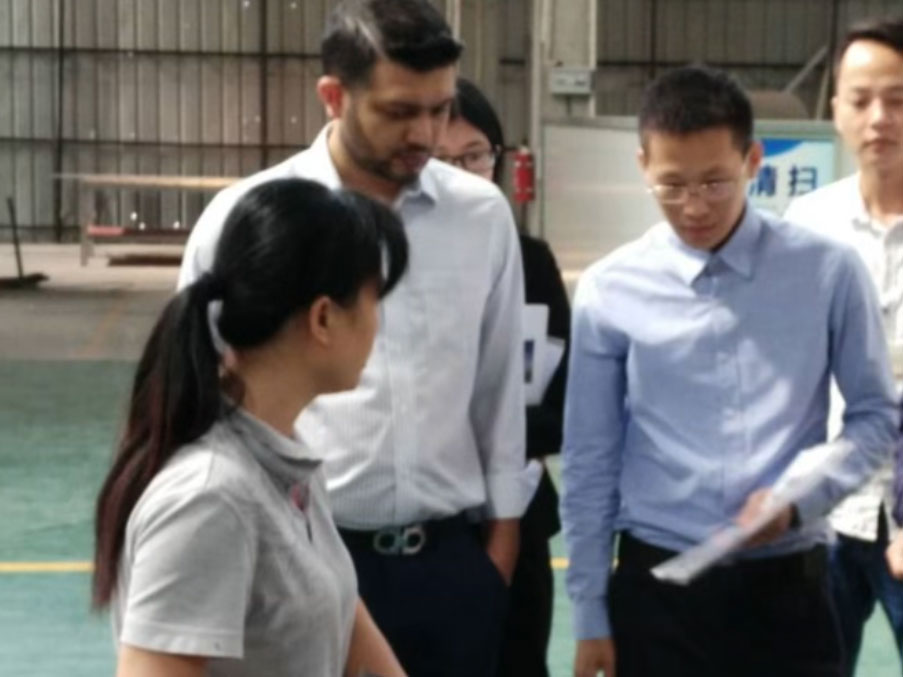
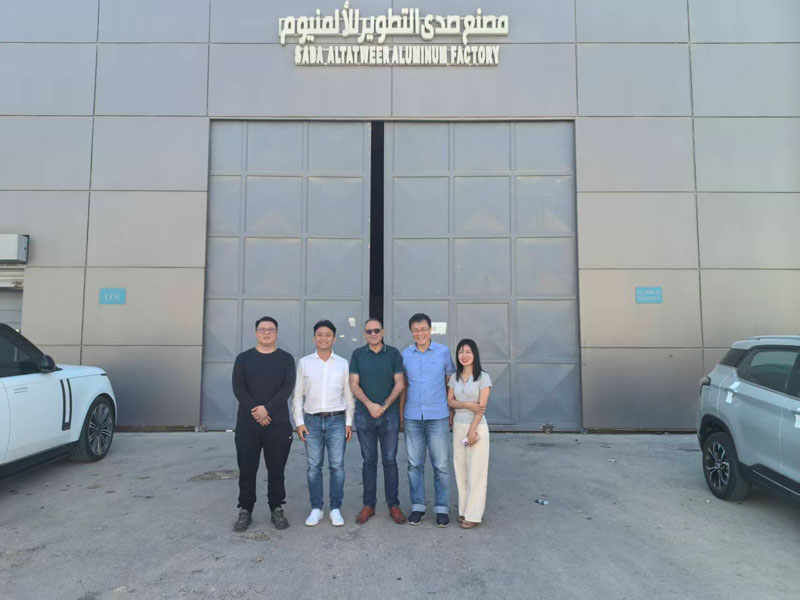
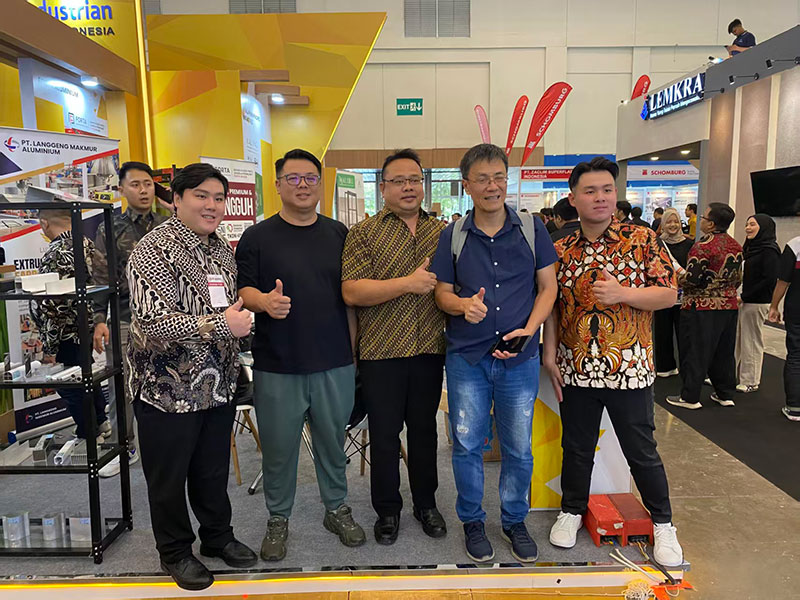
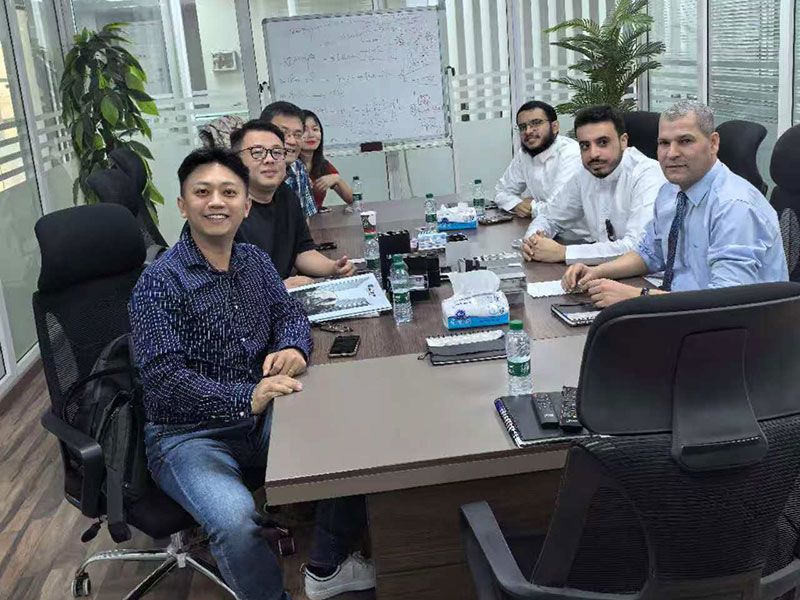
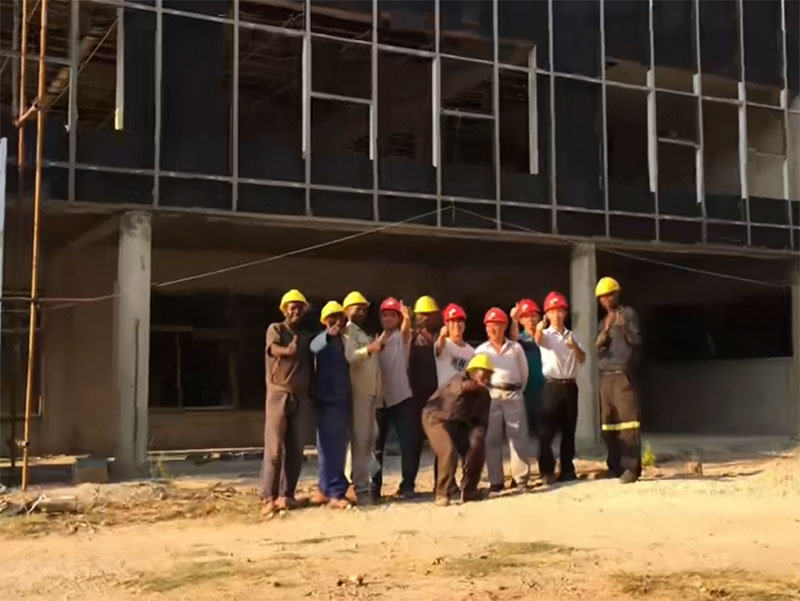
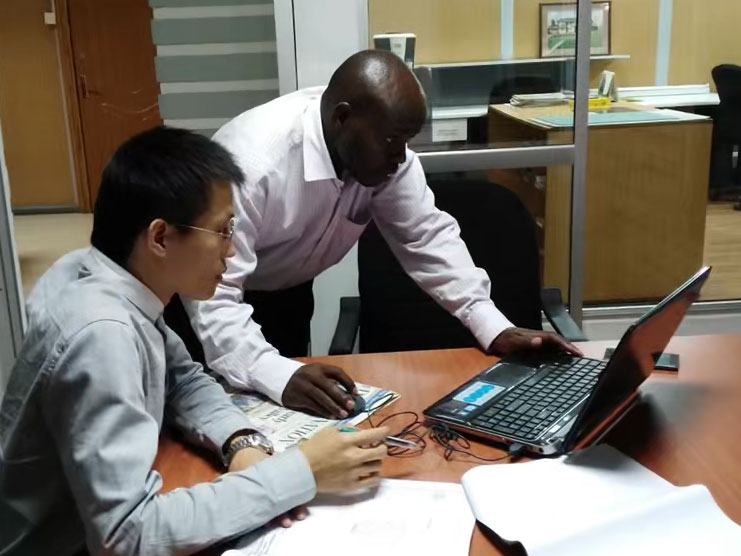
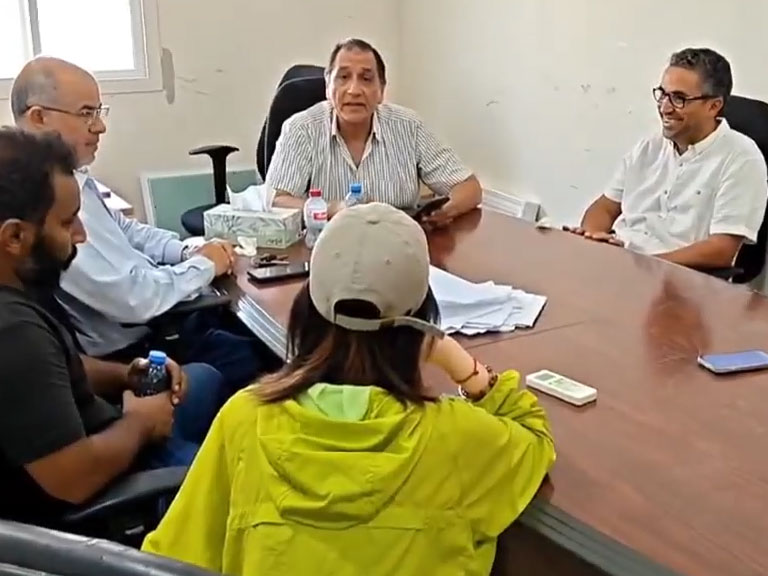
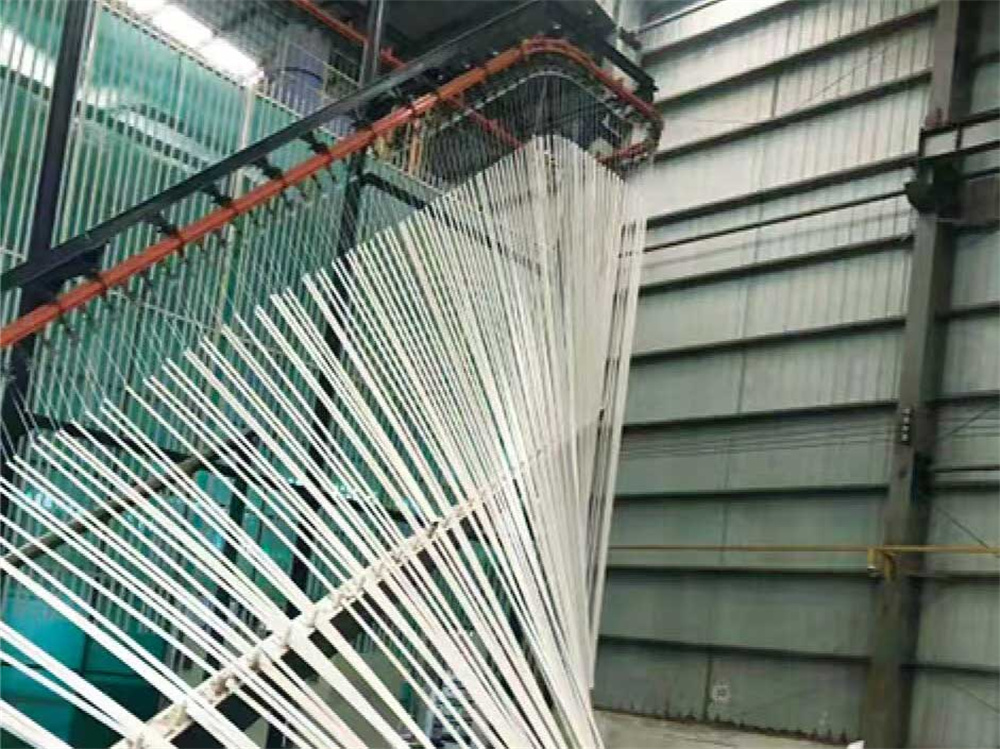
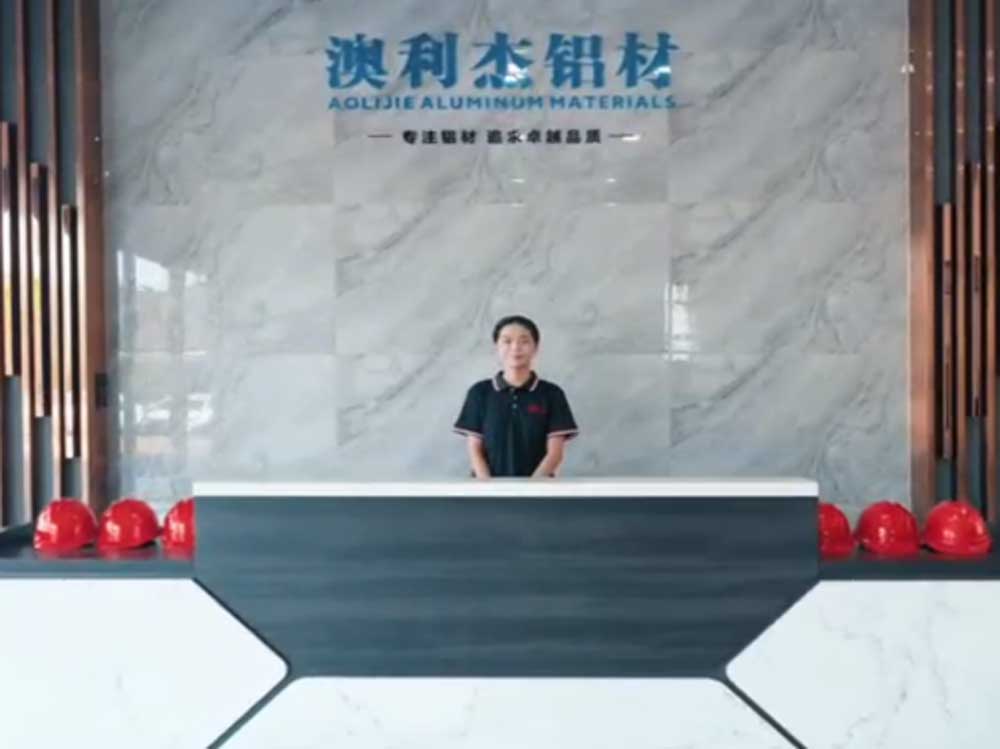
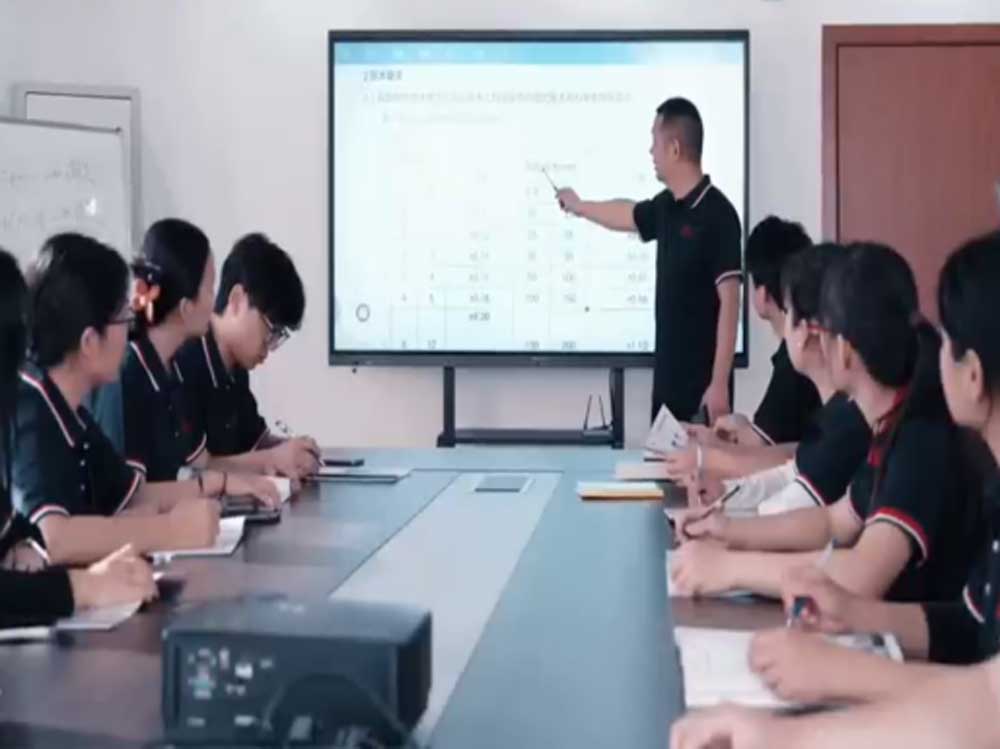
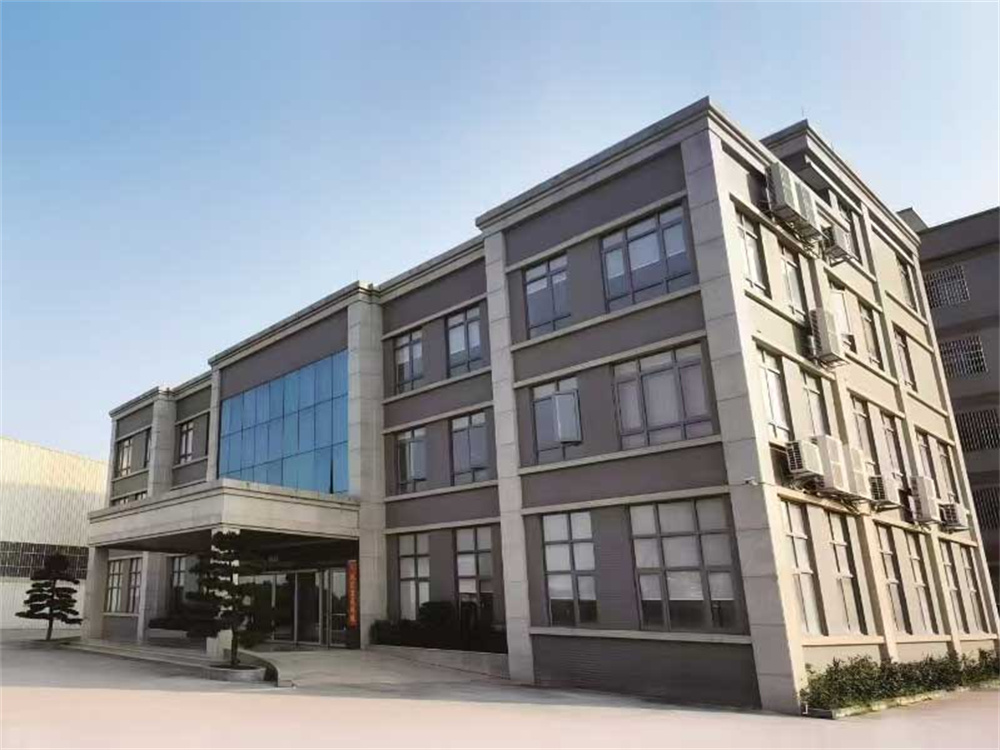
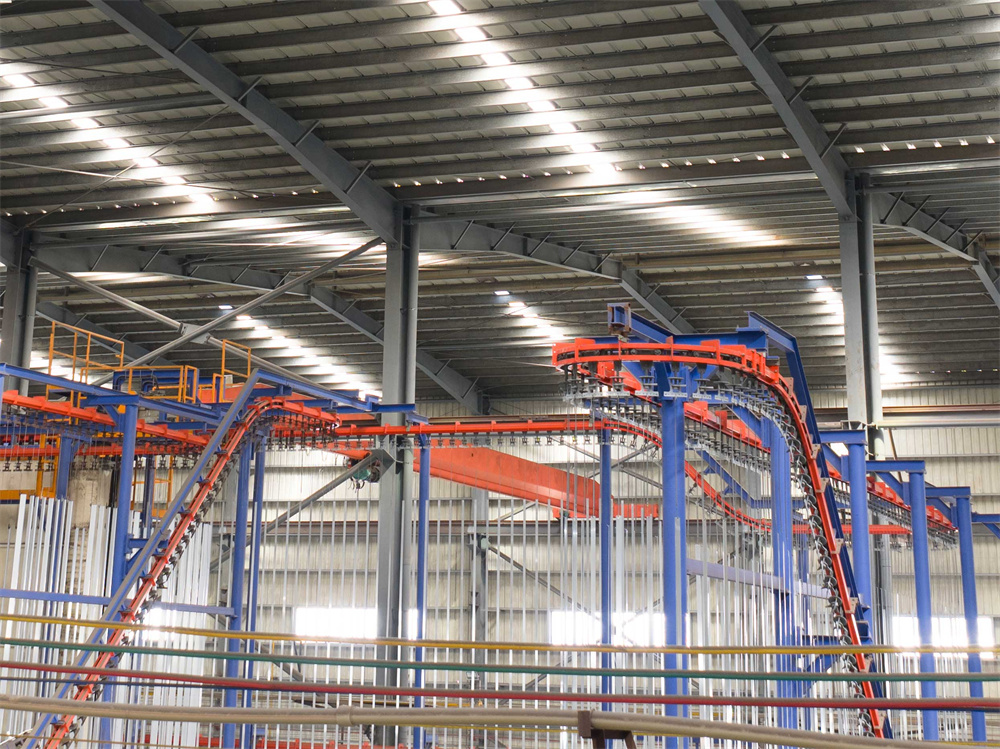
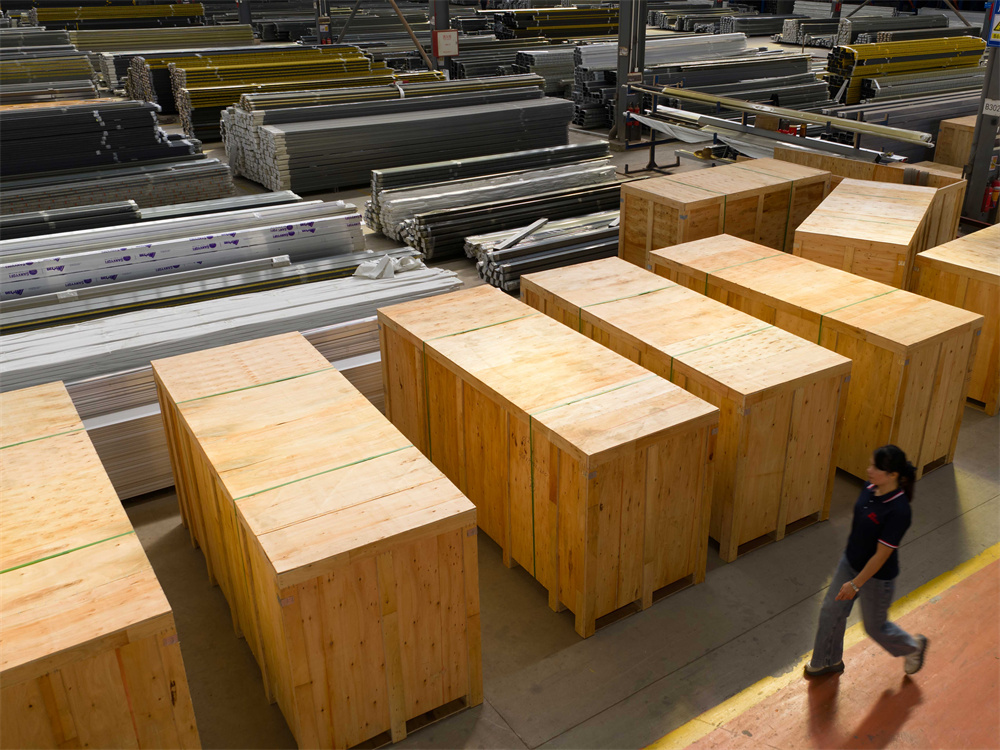
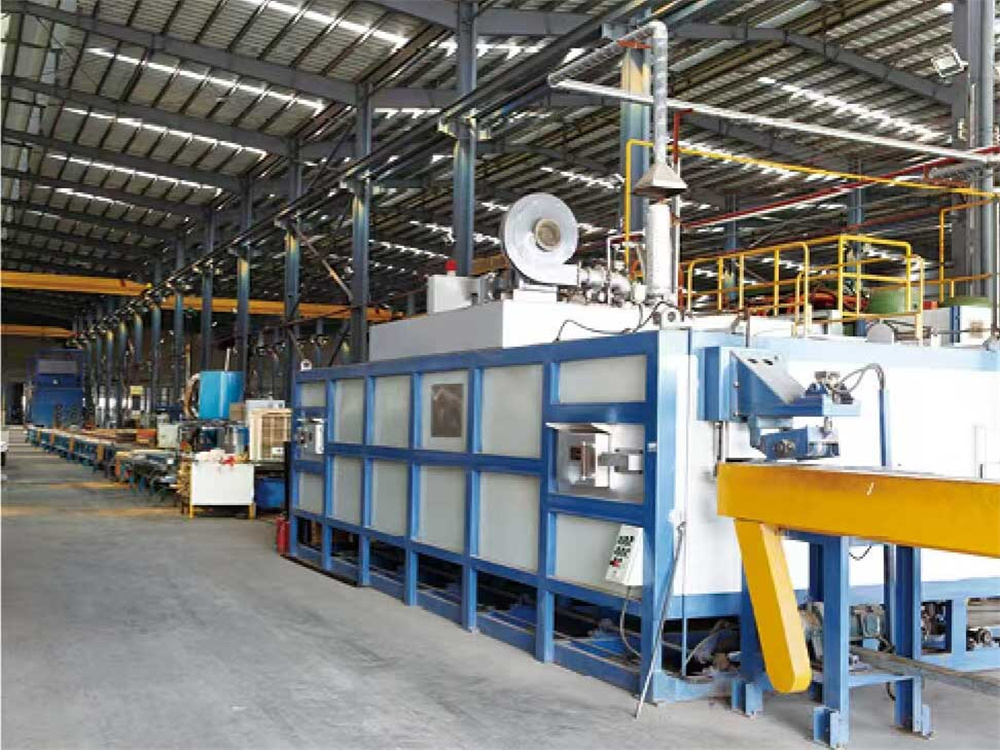
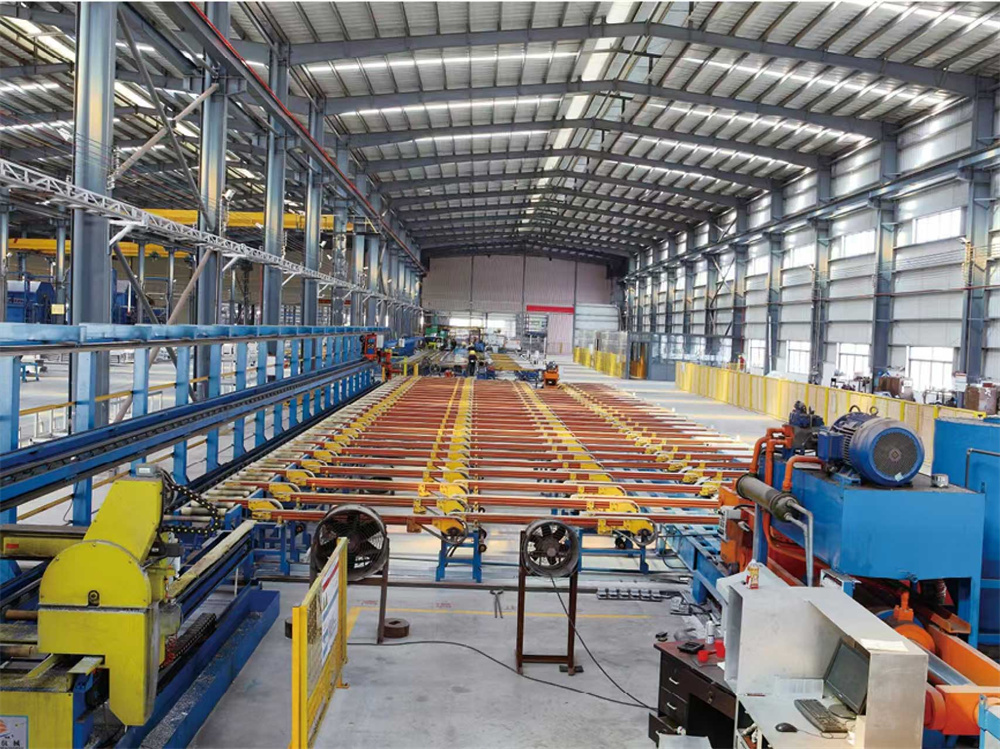
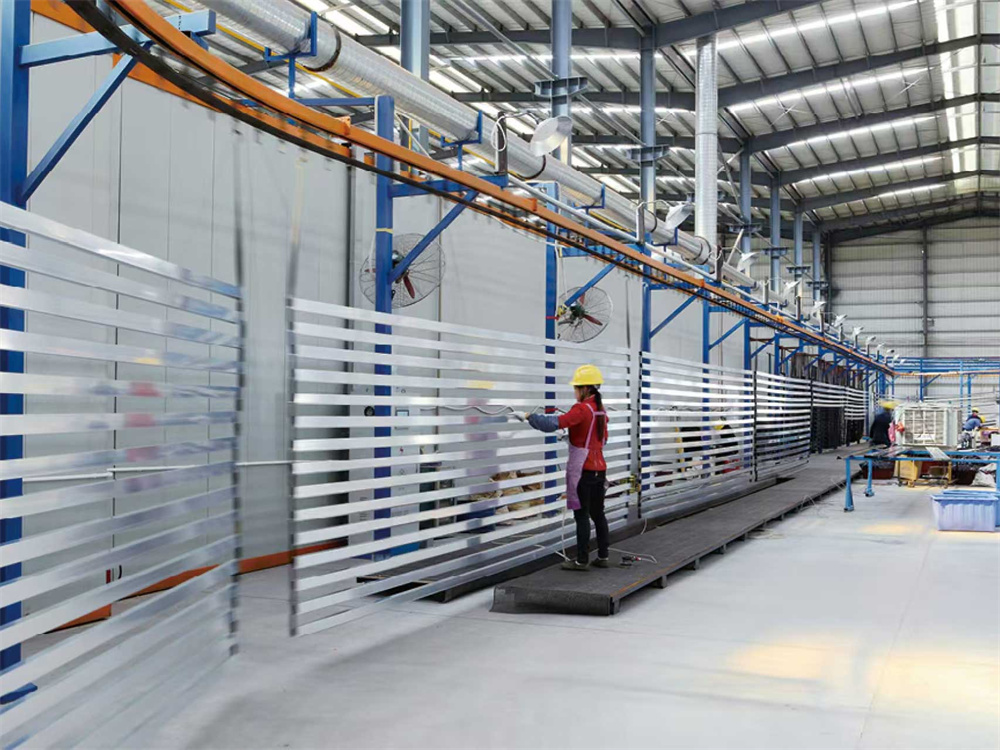
A visual tour of our production bases, showing our extrusion lines, testing stations, and surface treatment facilities.
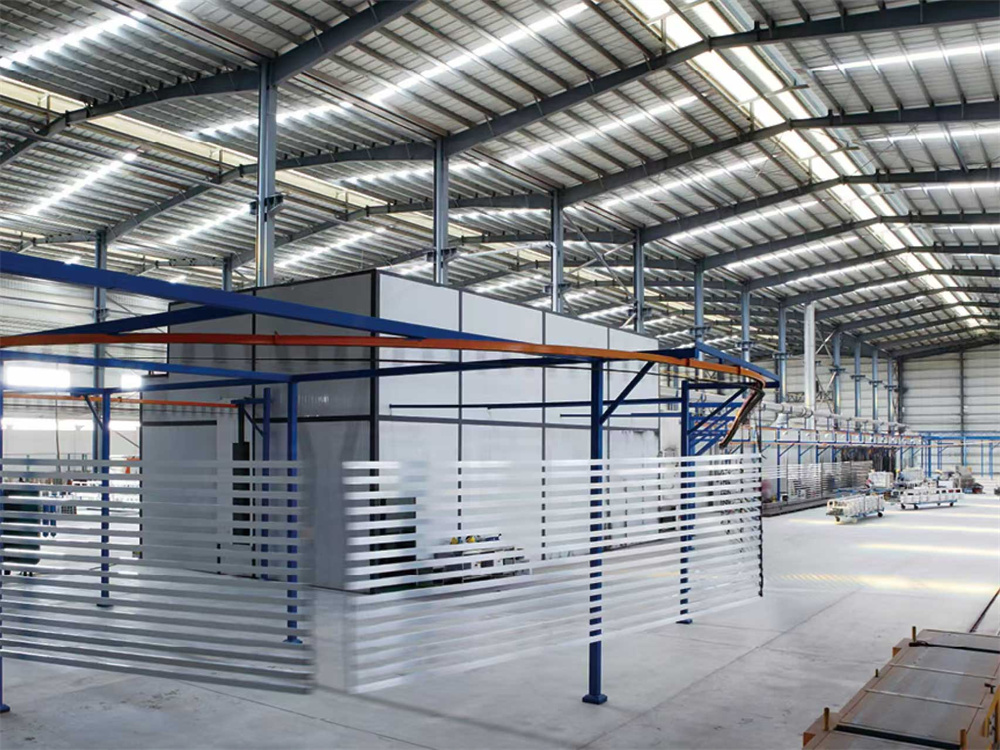
Expert answers addressing the design, structural limits, surface treatment specifications, and logistics of window aluminum profiles.
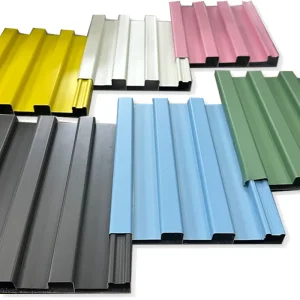
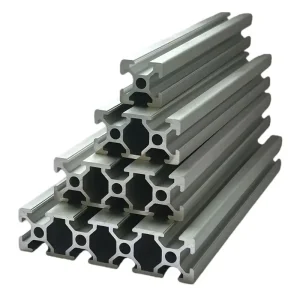
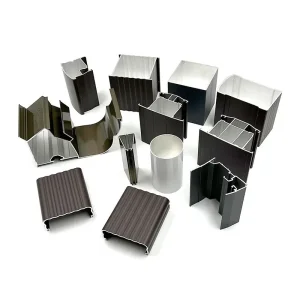
Explore our additional profiles, including industrial structural elements, decorative trim, and customizable cladding profiles.
 Aoli Aluminum