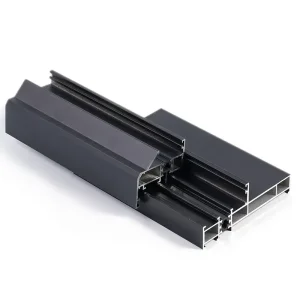
Explore our core selection of heavy-duty extrusion profiles designed for diverse architectural, structural, and industrial applications.
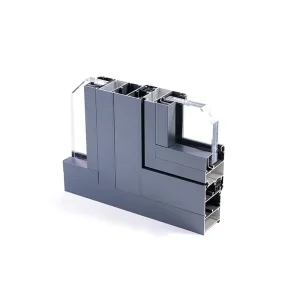
The contemporary architectural landscape is witnessing an unprecedented shift towards structural transparency, energy efficiency, and minimalist aesthetics. As a direct result, the demand for high-end Aluminium Profile Sliding Doors has surged exponentially worldwide. Modern urban developments require sliding door systems that combine structural slimness with heavy-duty performance capability. This trend is driven by key parameters such as maximum glass area configuration, thermal break efficiency, and high-performance weatherproofing.
From a manufacturing perspective, the transition from traditional standard profiles to advanced architectural systems is defined by the integration of polyamide thermal barrier strips. Polyamide 66 reinforced with 25% glass fiber (PA66GF25) is currently the industry standard, providing exceptional structural rigidity while effectively isolating indoor and outdoor environments. In addition, surface treatment technologies have evolved. Architectural projects now routinely mandate PVDF (Fluorocarbon) coatings or architectural-grade powder coatings that comply with international standards like Qualicoat Class 2 or AAMA 2605, ensuring resistance against UV degradation and coastal salinity for up to 25 years.
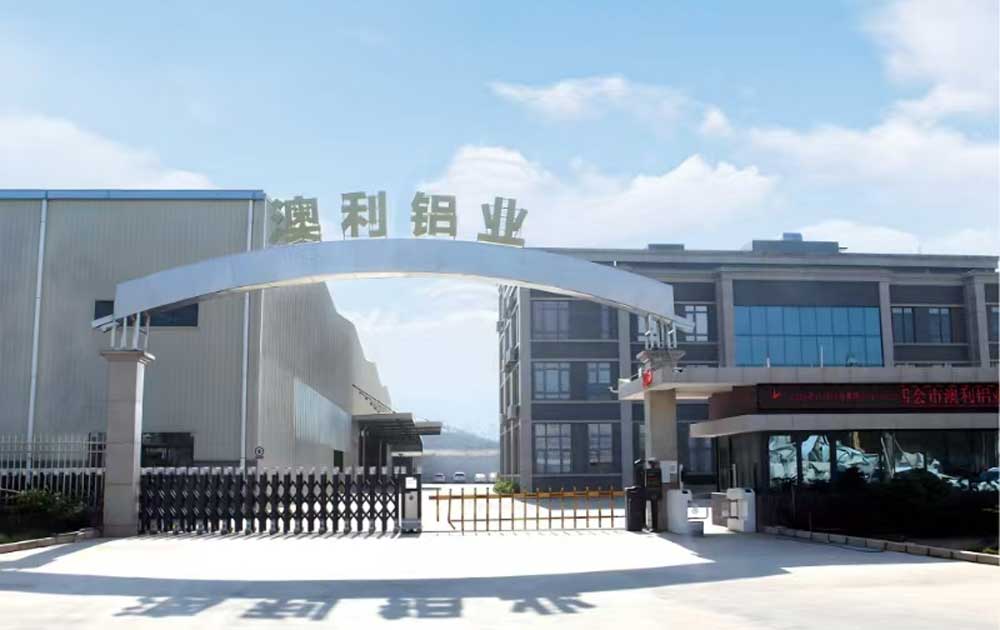
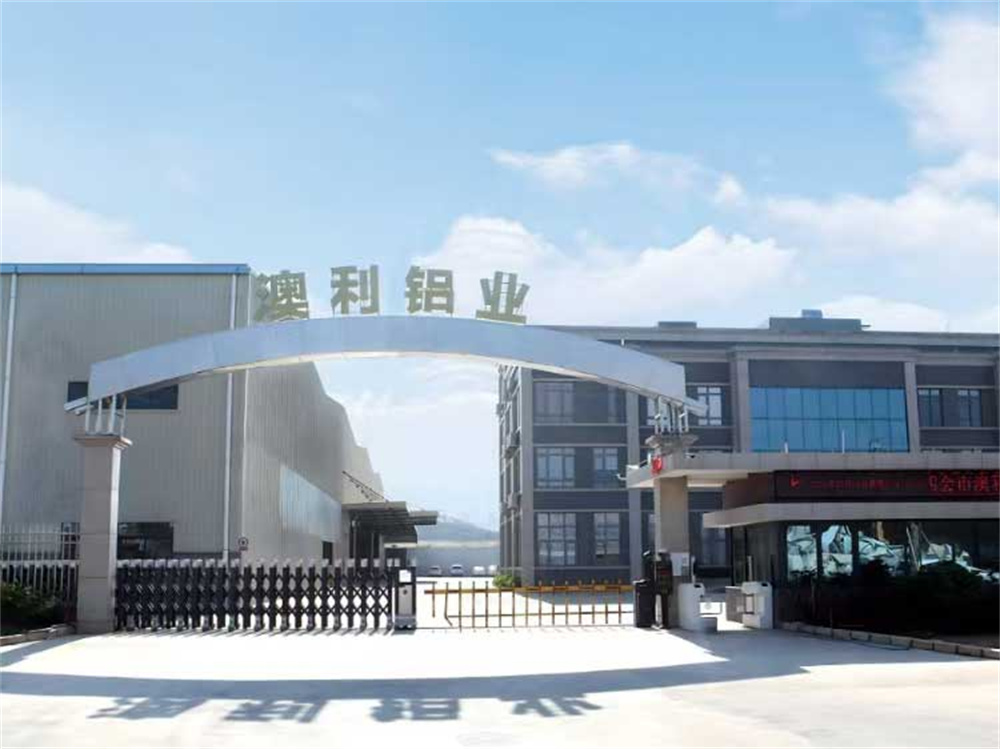
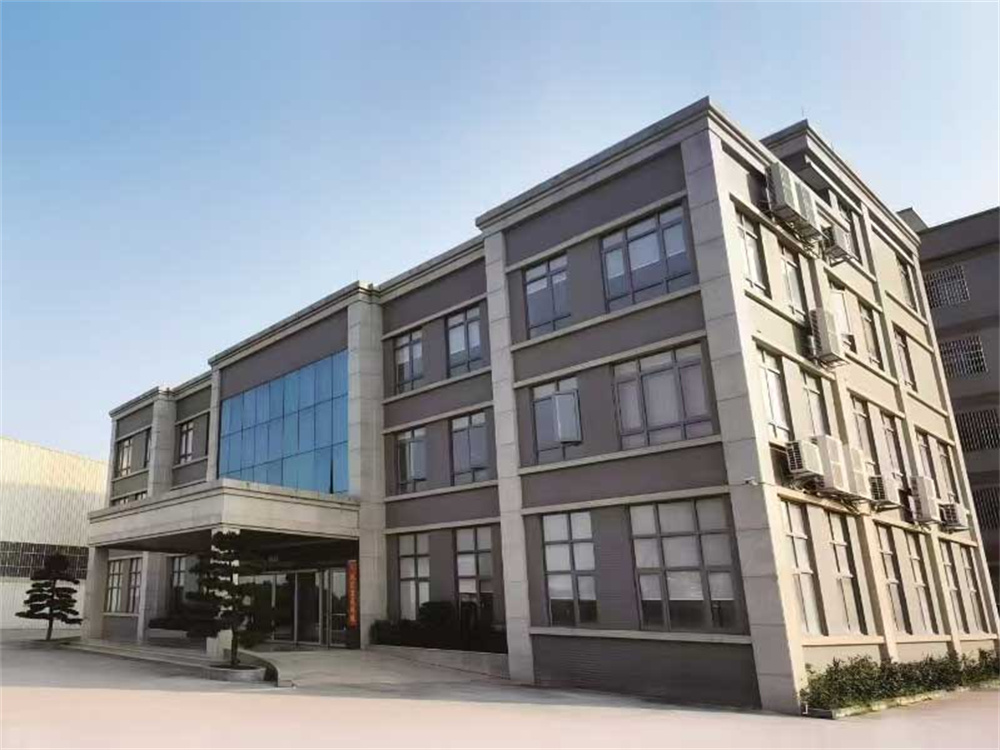
Aoli Aluminum was established in 2009 and is a premium manufacturer that integrates research and development, production, and sales.
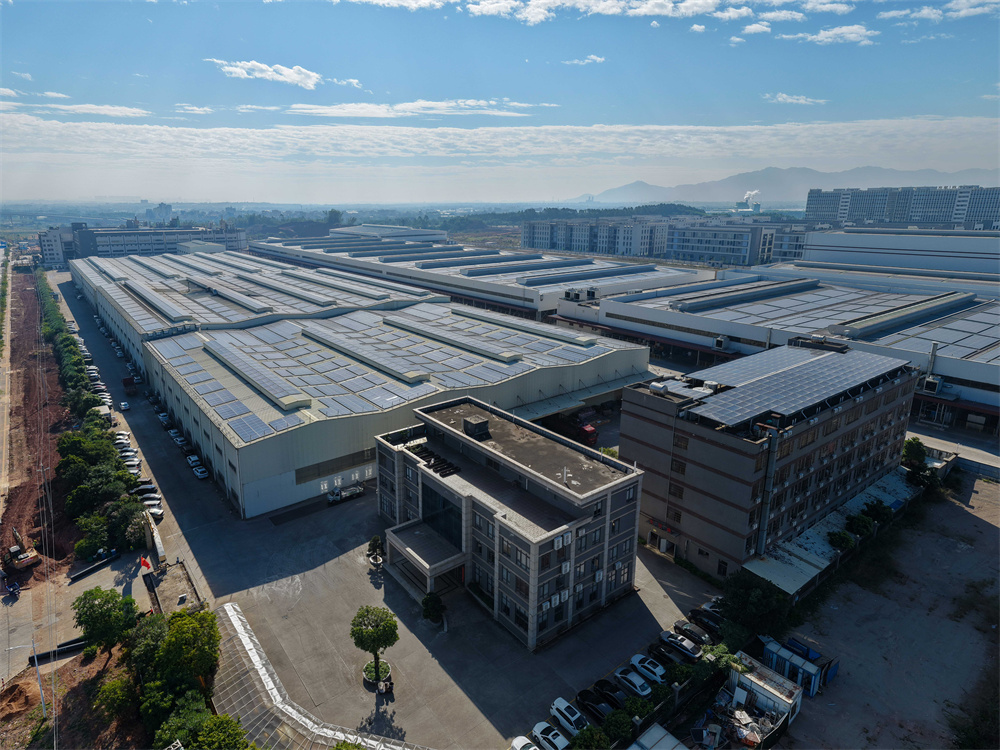
Our brand is "Aolijie", which owns 4 production bases and is equipped with advanced production lines. This includes high-performance extrusion equipment ranging from 900 tons to 2000 tons. Our facility includes advanced surface treatment lines for powder coating, Anodizing, Electrophoretic Coating, PVDF coating, wood grain, die production, and CNC deep processing equipment. We also maintain a specialized production base dedicated entirely to the assembly of high-performance aluminum doors and windows.
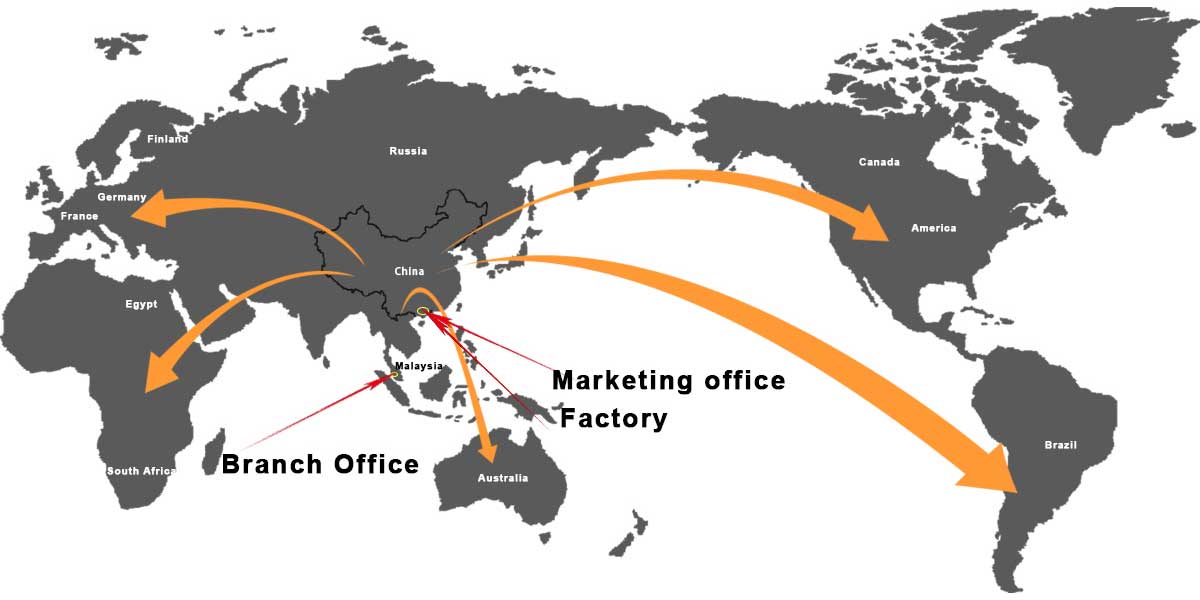
Our product catalog covers more than 100 series and over 1000 specifications. In order to meet the unique structural demands of global architectural customers, we have adopted internationally advanced technology in thermal break aluminum profiles and precision inspection protocols. Our premium architectural solutions have been successfully exported to regions including the Middle East, South America, Africa, and Southeast Asia, offering robust structural integrity under variable climatic conditions.
B2B procurement of wholesale aluminium profiles involves careful evaluation of engineering capacities, supply chain resilience, and quality standard compliance. Enterprise buyers are looking for direct-to-manufacturer cost structures alongside reliable Lead Times. This procurement cycle requires manufacturers to provide detailed technical data sheets, cross-sectional mechanical properties, and certified test reports early in the evaluation phase.
Global architectural trends demand thin-frame or "minimalist" profiles. These designs feature extremely narrow visual sightlines, but must still carry heavy double-glazed or triple-glazed units. Therefore, the choice of alloy grade (such as 6063-T5 or 6063-T6) is a critical decision point. T6 temper treatment provides higher tensile strength and yield strength, allowing fabricators to build larger, heavier sliding door panels. For high-volume projects, direct manufacturer engagement is essential for custom die development, which helps buyers optimize profiles to reduce overall metal weight while maintaining required structural wind load ratings.
From raw aluminum ingot processing, extrusion, surface finishing, to precision CNC machining. This complete workflow eliminates multi-party markups and guarantees consistent quality control.
Our in-house die design department supports custom profile creation, allowing rapid prototyping and production optimization for complex sliding door designs.
Strategically situated in Sihui and Foshan, Guangdong, our logistics network provides seamless ocean freight, customs clearance assistance, and protective packaging.
Our mission is building sustainable cities for the world. Committed to achieving a win-win situation for employees, customers, and society has always been our business vision.
Building Sustainable Cities: We engineer low-carbon, thermally insulated aluminum extrusions that reduce overall building energy consumption, helping reduce greenhouse gas emissions in urban centers.
To be the aluminum profile production enterprise with the highest customer satisfaction, the strongest sense of employee happiness, and the most influential Chinese aluminum profile export brand globally.
Customer First: Regard customer success as our responsibility.
Employee Development: Mutual growth.
Brand Reputation: We never sacrifice brand reputation for short-term gain.
Our brand "Aolijie" is closely related to the development of aluminum profiles in China. Founded by Mr. Wong, who has been active in the building materials industry since 2000.
Since 2000, our founder Mr. Wong has been engaged in the building materials industry. During this period, China's real estate market experienced rapid growth, driving technical development across the domestic architectural aluminum profile industry.
Recognizing the environmental advantages, durability, and low-carbon footprint of aluminum, Mr. Wong envisioned producing high-quality architectural profiles to support modern, energy-efficient urban infrastructure. This goal led to the establishment of the "Aolijie" brand in 2009.
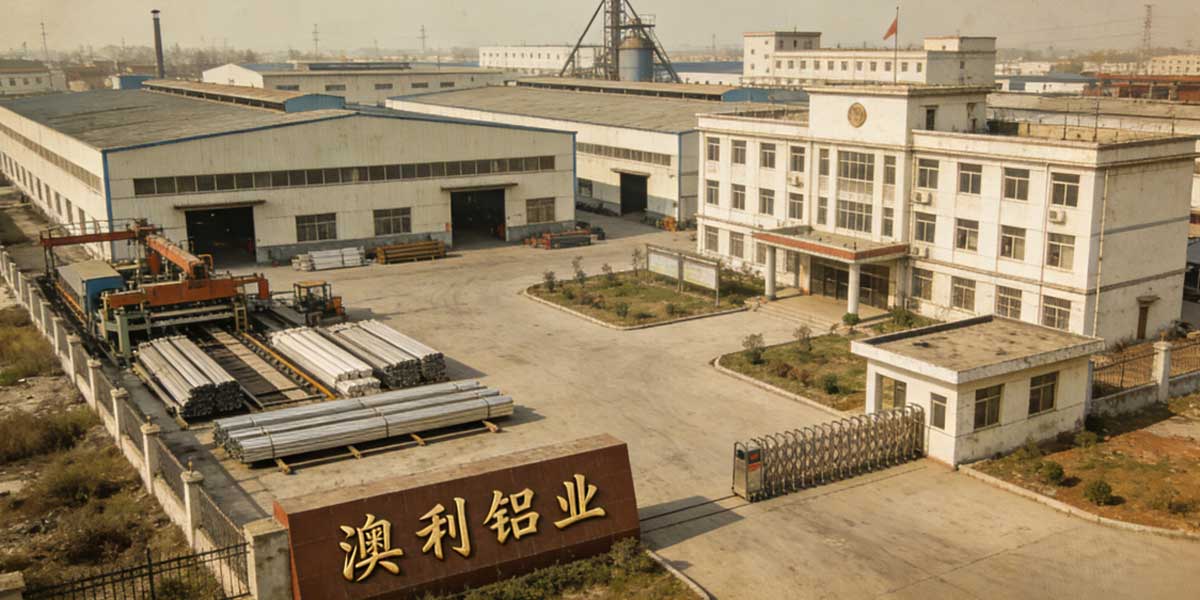
A standard aluminum profile factory covering 10,000 square meters was established and put into production in Sihui City, Guangdong Province. The brand "Aolijie" was founded, focusing on standard architectural extrusions.
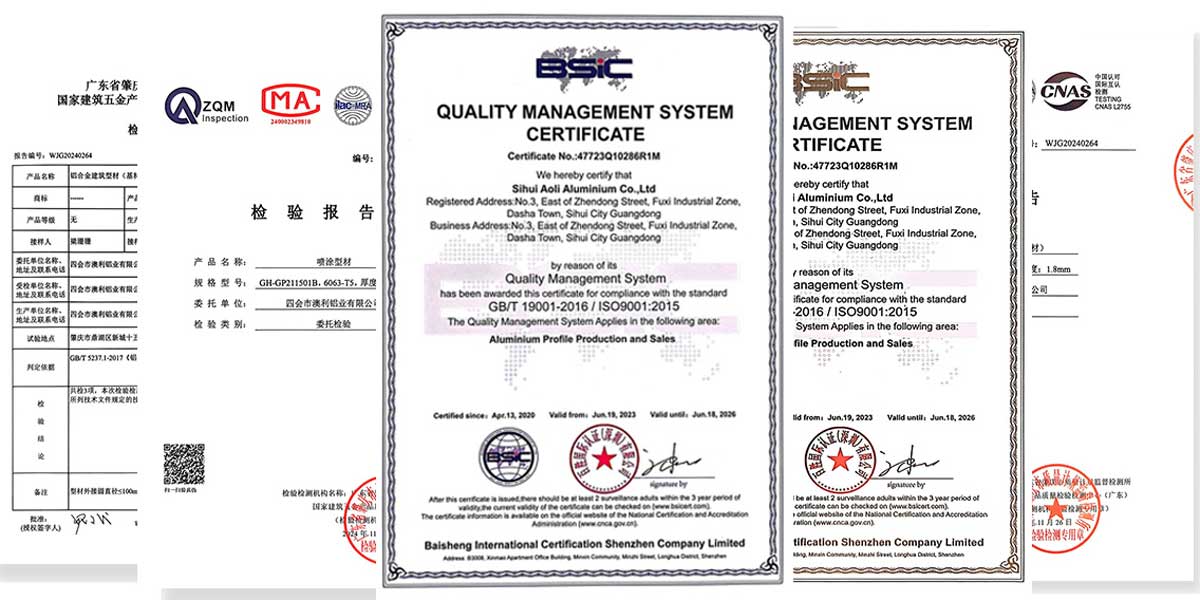
Focused on quality management and production refinement, obtaining 13 product patents and securing full ISO9001 quality system certification.
Invested in the construction of an expanded 100,000 square meter manufacturing base, raising annual extrusion output capacity to 100,000 tons.
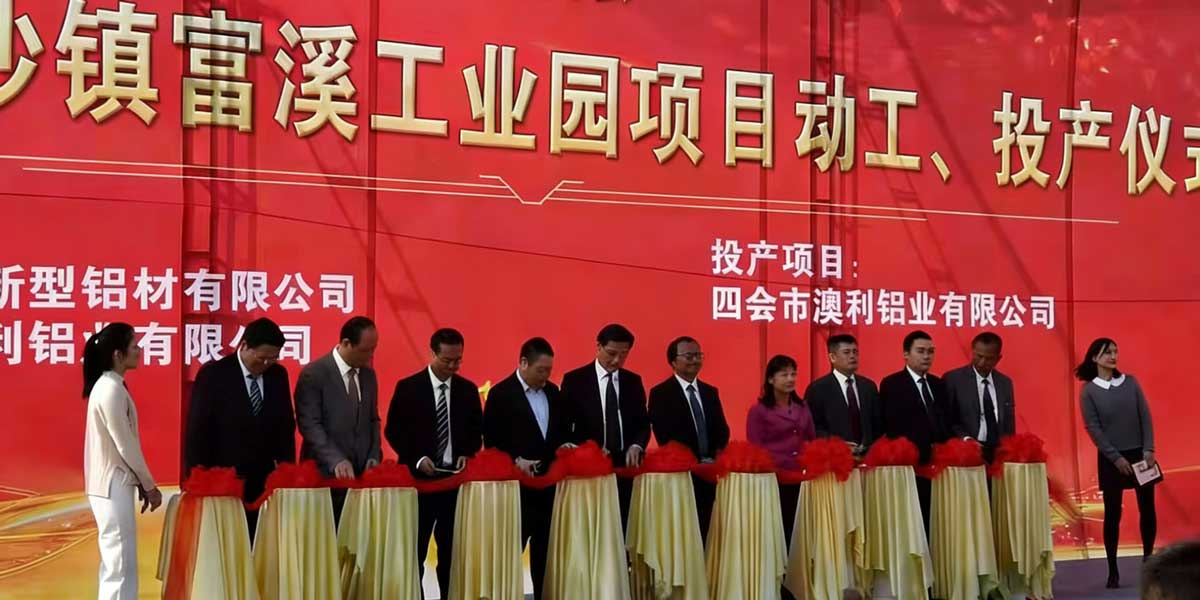
Established a dedicated sales branch in Foshan, Guangdong in 2024, with plans to open an overseas regional office in Malaysia by 2026 to support global clients.
In high-density urban environments, sliding doors are subjected to varied stress profiles. High-rise projects require structural designs that withstand elevated wind loads while preventing air and water infiltration. Our macro architectural solutions focus on profile wall thickness optimization. By positioning structural chambers at key stress points, we ensure that our profiles comply with local wind load requirements (such as ASCE 7 in the United States or EN 1991 in Europe) without requiring excessive metal weight.
Acoustic insulation is another key factor in urban project specifications. Our multi-chamber profiles are engineered to integrate double or triple insulated glass units (IGU) up to 39mm in thickness. Combined with high-quality EPDM gaskets, these systems achieve weighted sound reduction index (Rw) ratings of over 40 dB, shielding interior spaces from urban noise. Thermal transmittance (U-value) is managed through multi-cavity thermal break designs, helping buildings meet green energy certifications such as LEED or BREEAM.
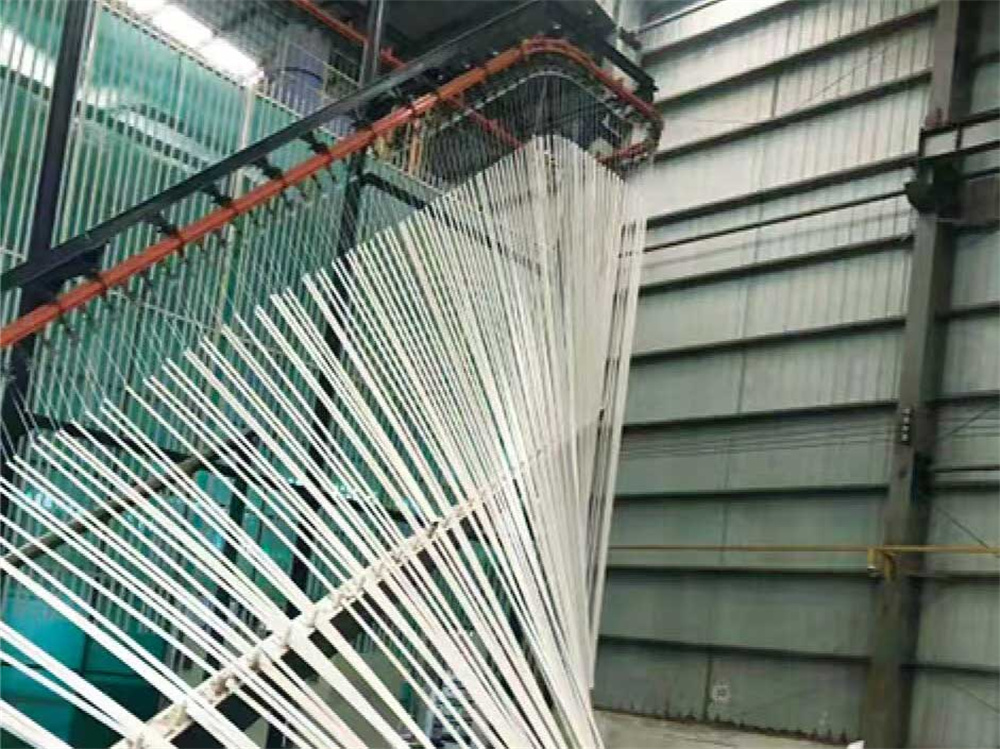
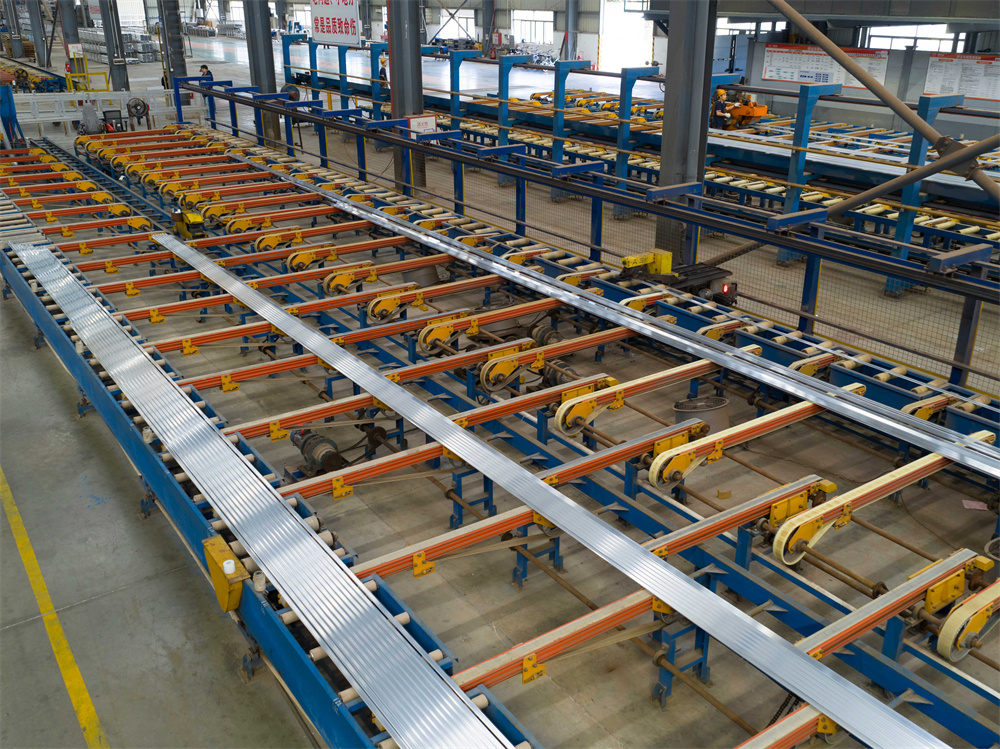
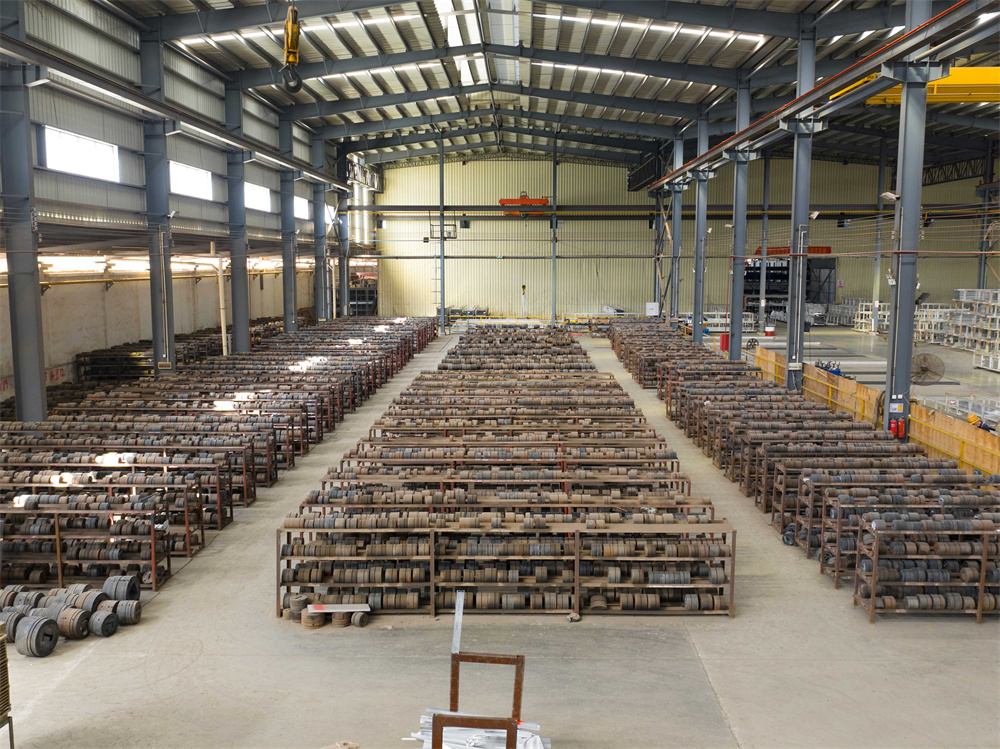
Below is a selection of real-time images capturing our extrusion workshops, anodizing tanks, powder coating lines, and warehouse facilities. These resources demonstrate our production capacity and capability to handle large-scale commercial contracts.
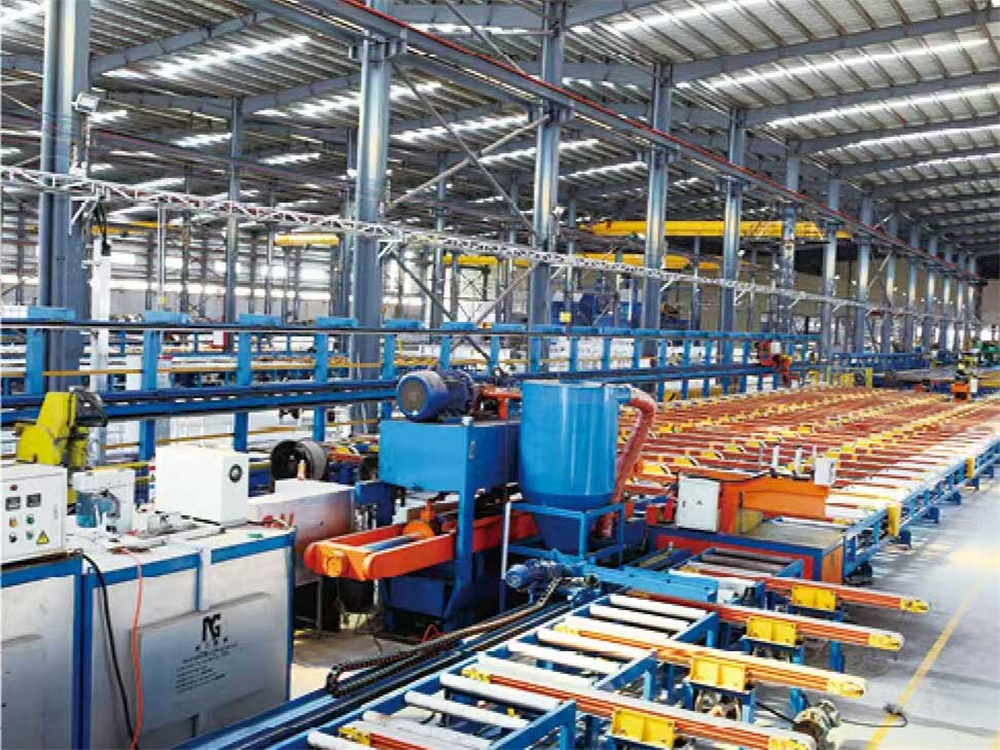
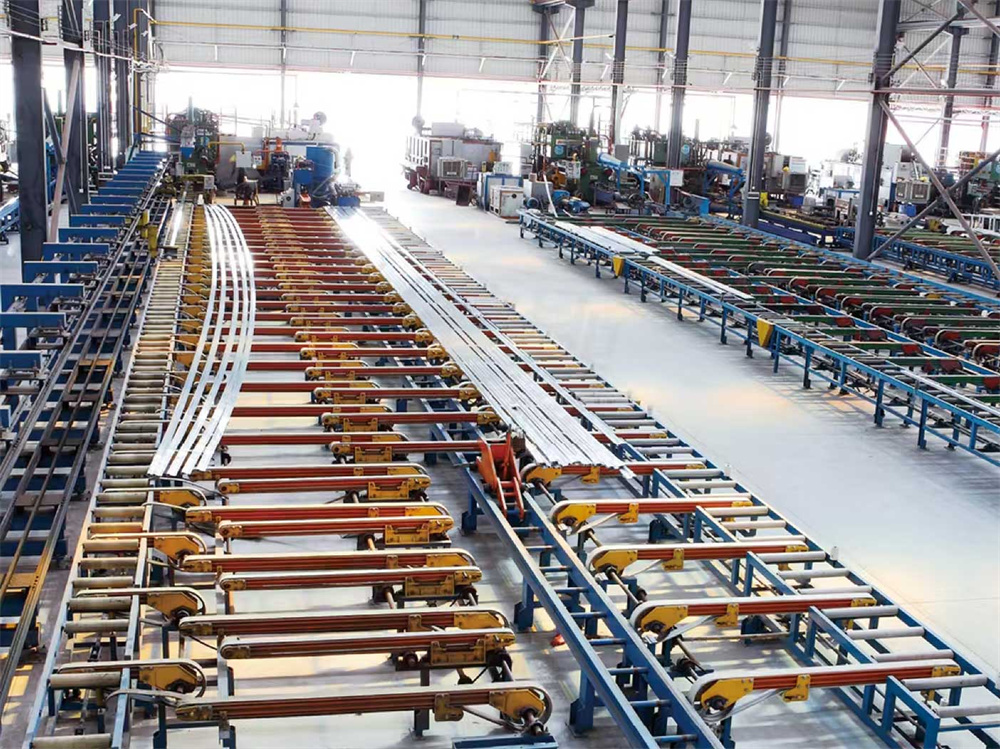
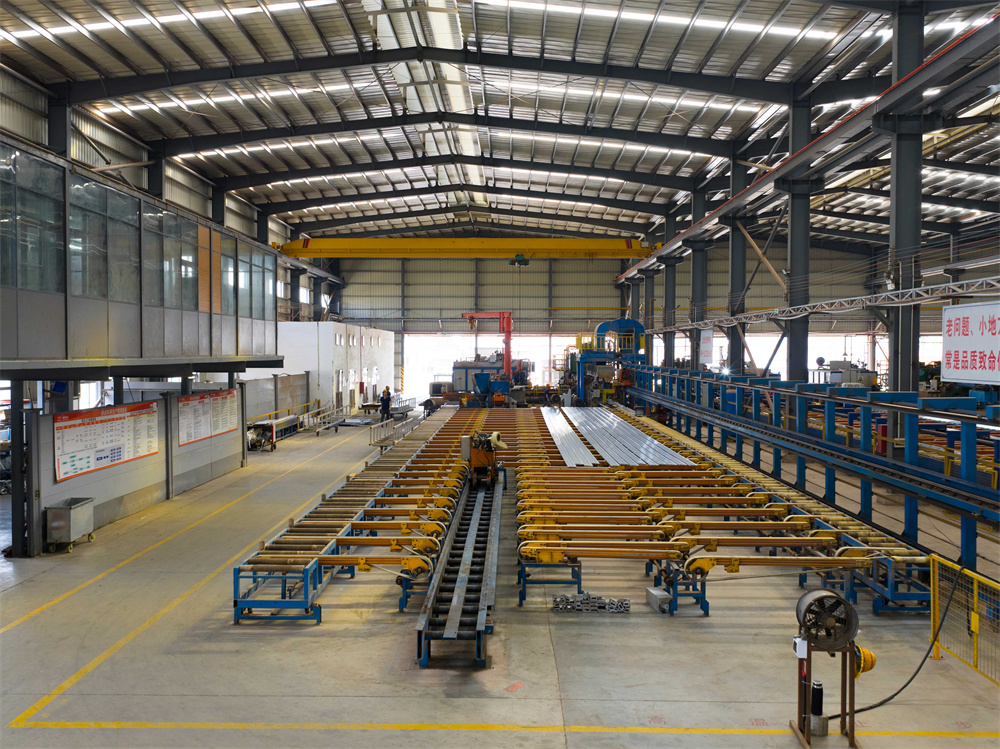
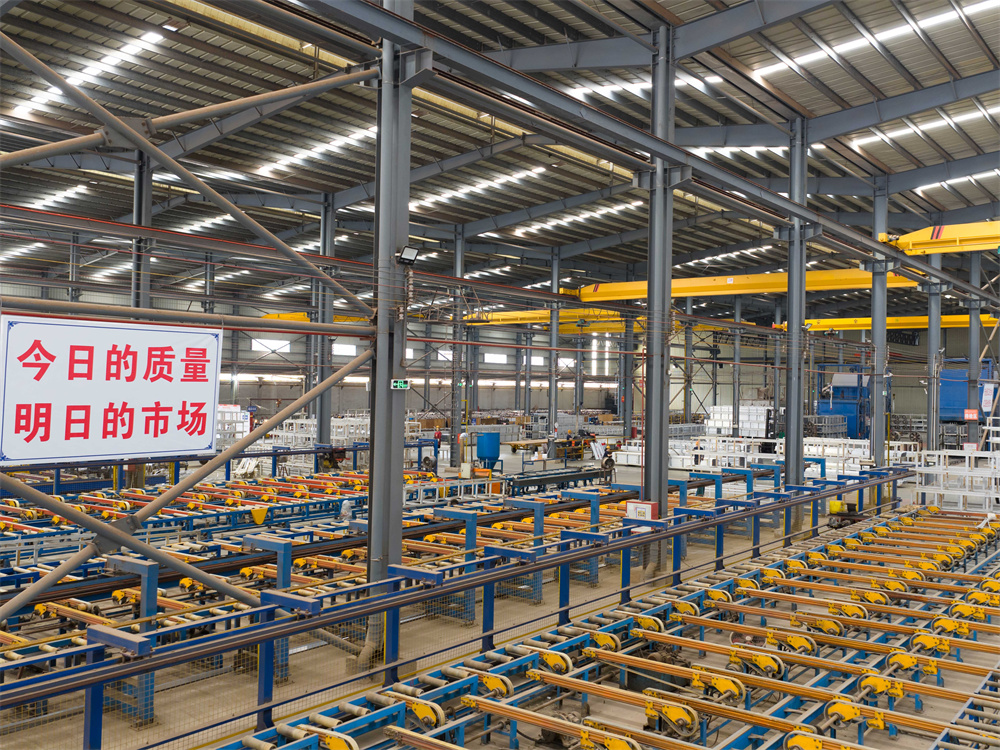
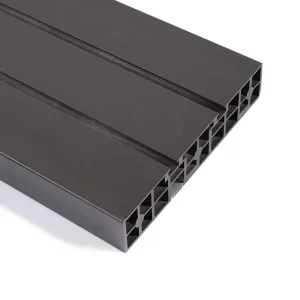
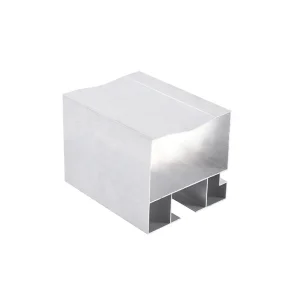
Architectural and structural aluminum series developed for residential, commercial, and industrial markets.
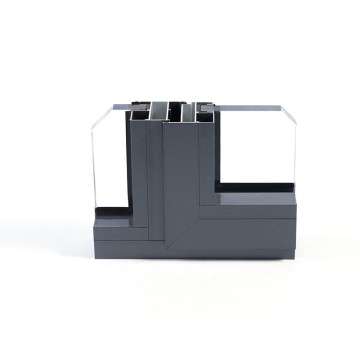
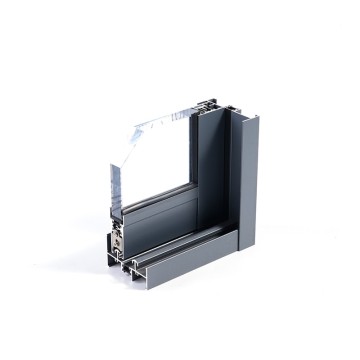
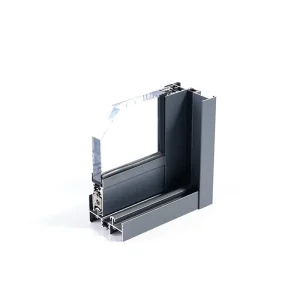
Designed for aesthetic durability and weather protection. Includes:
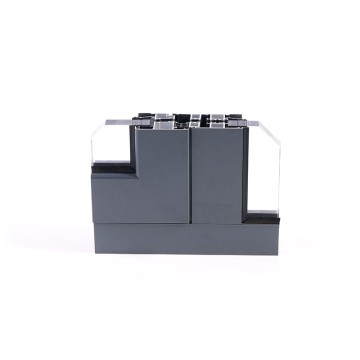
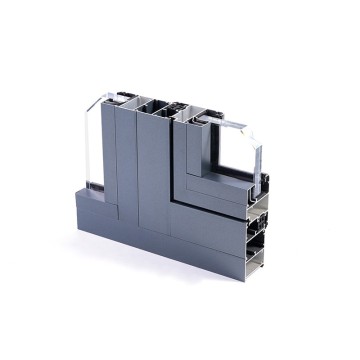
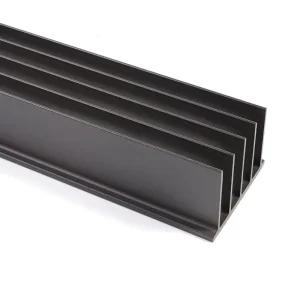
Precision-engineered extrusions for thermal management, electrical, and heavy engineering applications. Includes:
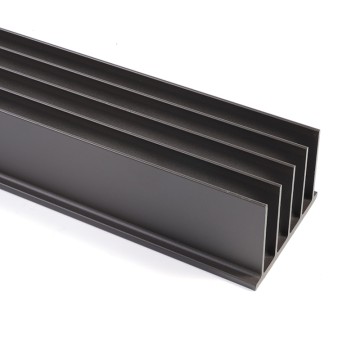
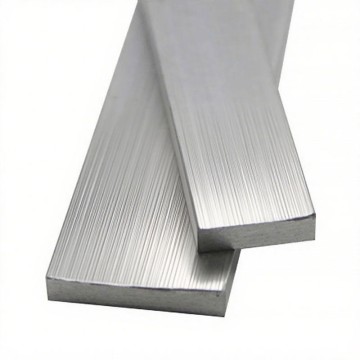
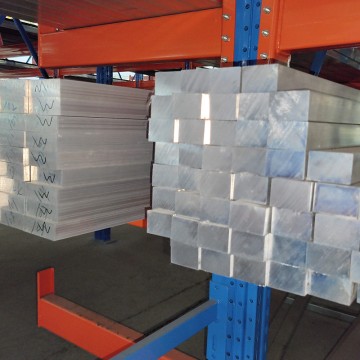
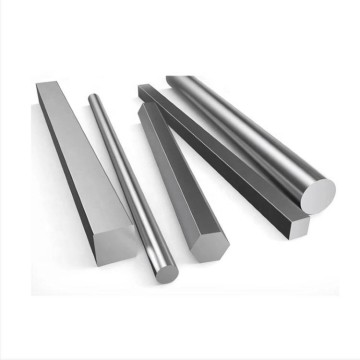
The engineering roadmap for next-generation sliding door aluminum profiles focuses on high-strength metallurgy and low-carbon production. We are investigating the transition to 6060 and 6063 alloy chemistries with optimized T66 tempering. The T66 process uses a targeted cooling and artificial aging profile to achieve up to 15% higher mechanical strength than standard T6 profiles. This allows for thinner profile walls and narrower visible frame widths, facilitating the design of expansive glass panels with structural stability.
From an environmental standpoint, our roadmap prioritizes the use of low-carbon recycled aluminum. Utilizing post-consumer and industrial scrap run through electromagnetic purification systems, we produce extrusions with a lower carbon footprint than primary aluminum, helping projects target LEED certification points. Additionally, surface treatment processes are evolving. Chrome-free pre-treatment chemicals, combined with VOC-free powder coatings, provide corrosion resistance without releasing hazardous chemicals. Automated 5-axis CNC machining centers perform drilling, tapping, and milling on extruded profiles, ensuring precision fit during final window assembly.
Quality is our top priority. We operate a multi-stage quality control process to verify the physical properties and surface durability of every extrusion run.
Our quality control protocol incorporates checks at key stages of production to verify performance standards:
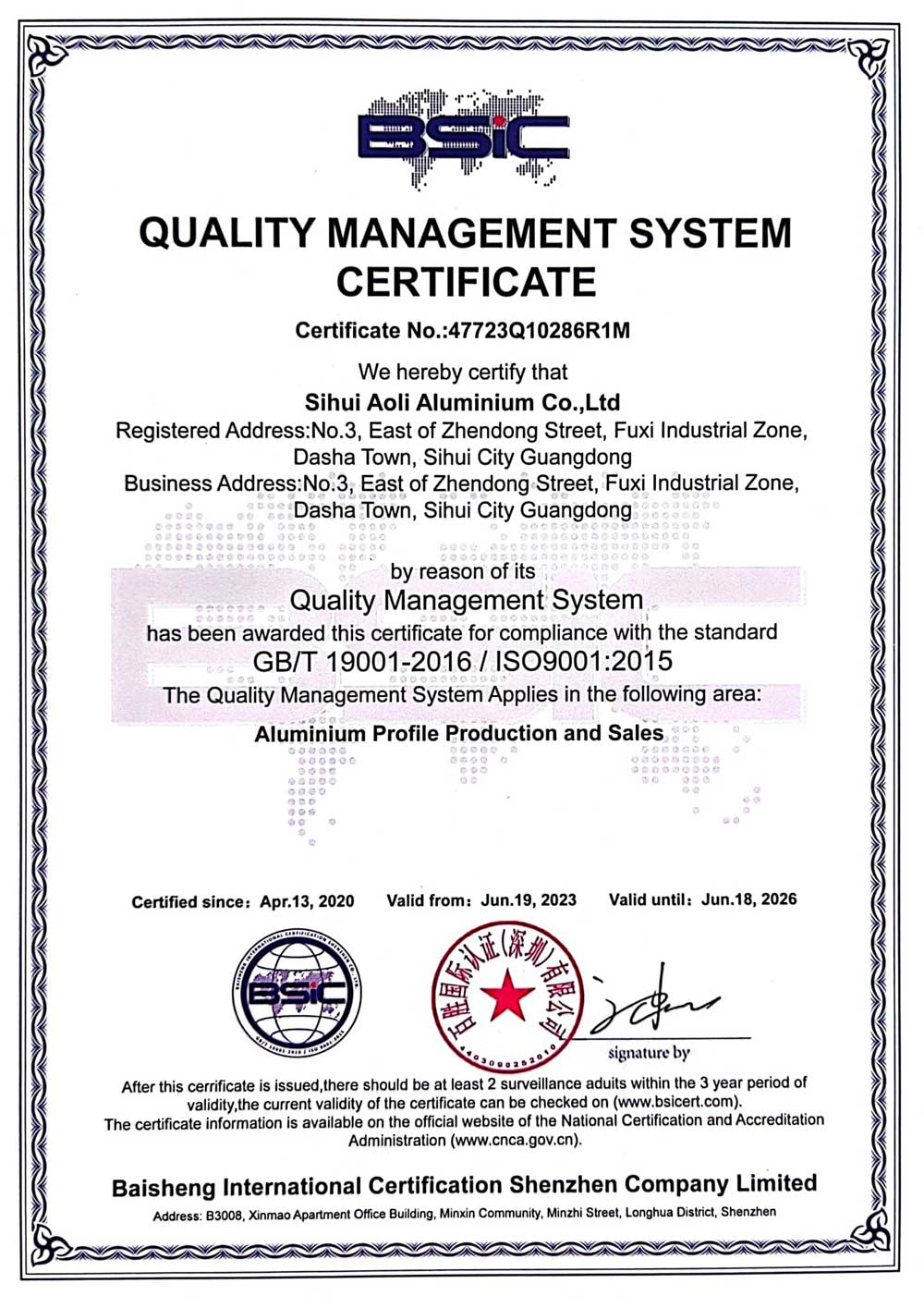
ISO Quality Management Certified
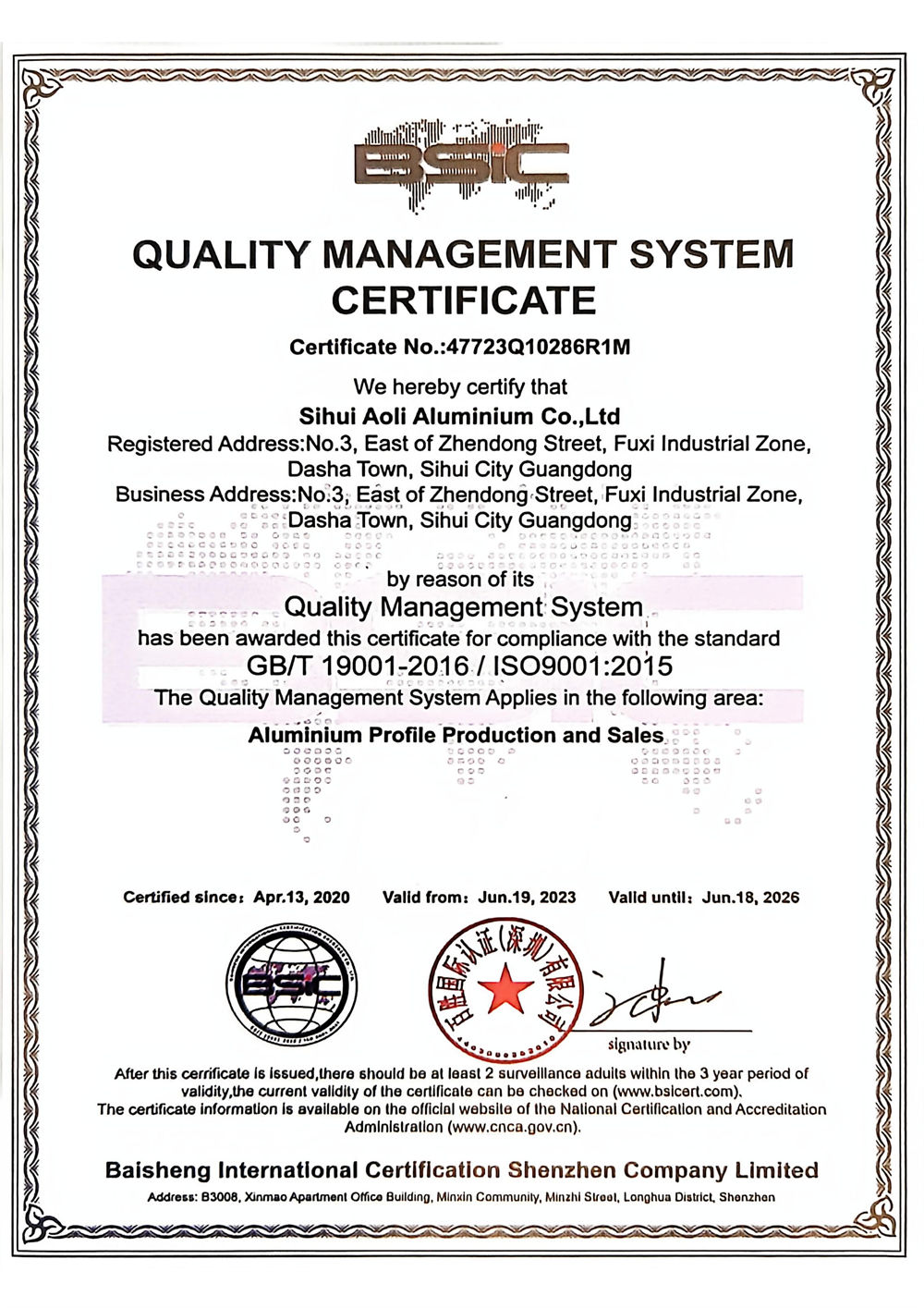
Laboratory Standards Compliant
In-house laboratories verify mechanical limits and chemical composition using calibrated testing equipment.
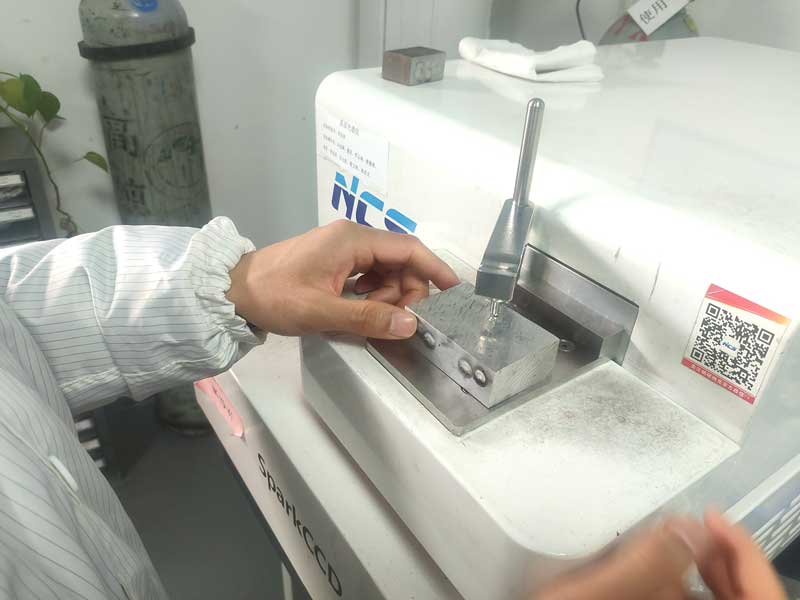
Verifies alloy purity and composition using optical emission spectrometry.
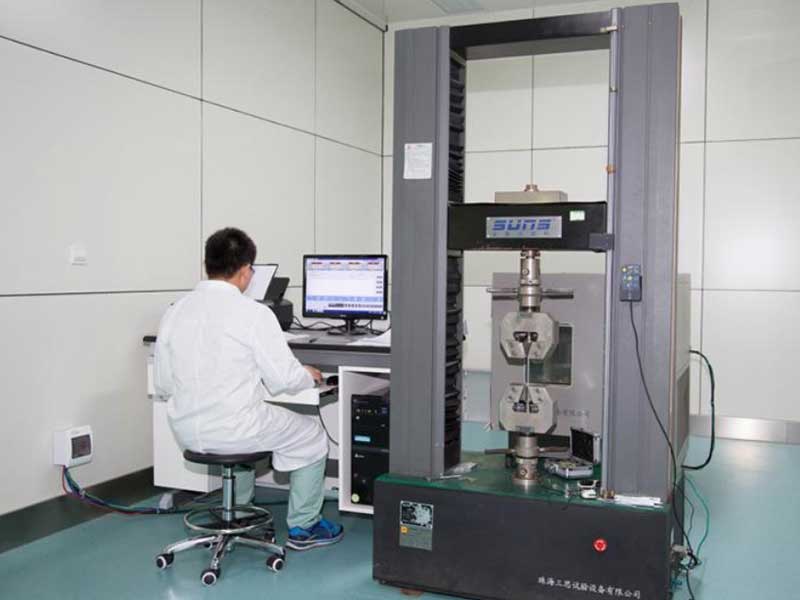
Measures ultimate tensile strength, yield strength, and elongation limits.
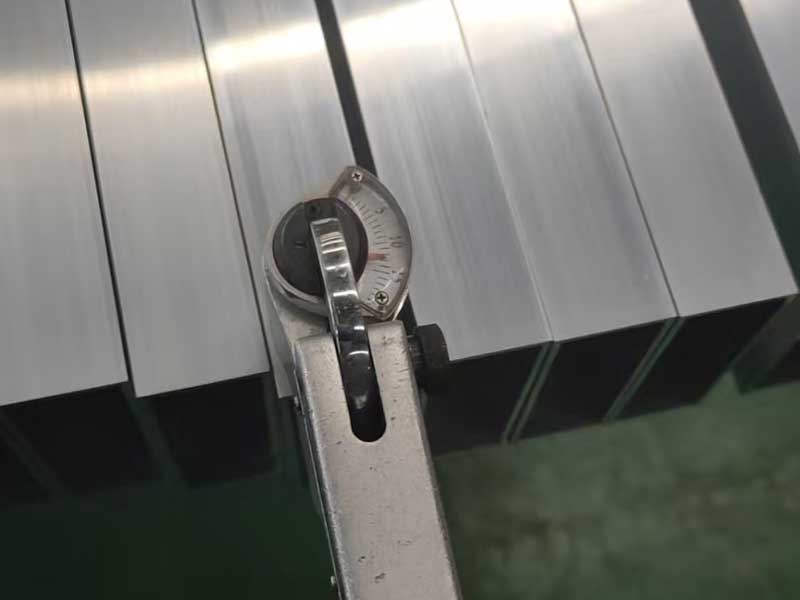
Verifies web hardness using Webster hardness testers.
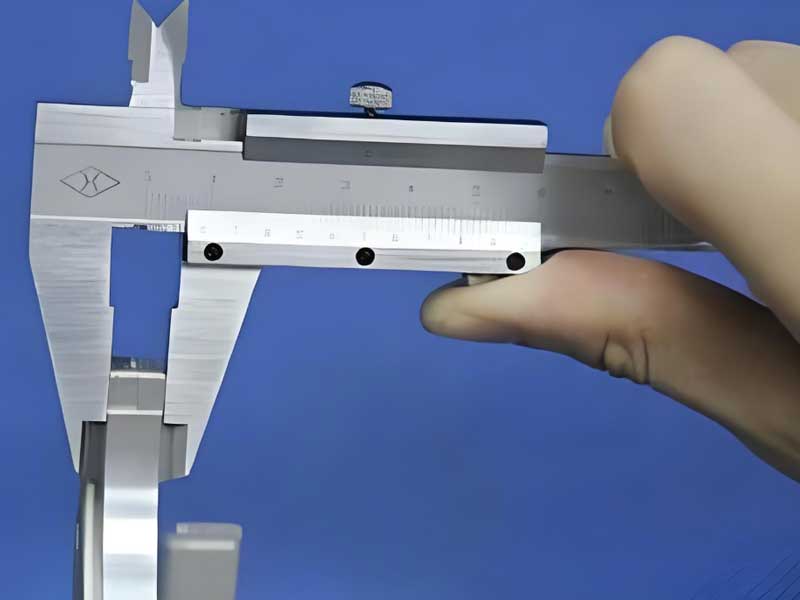
Verifies wall thickness and cross-section tolerances using digital micrometers.
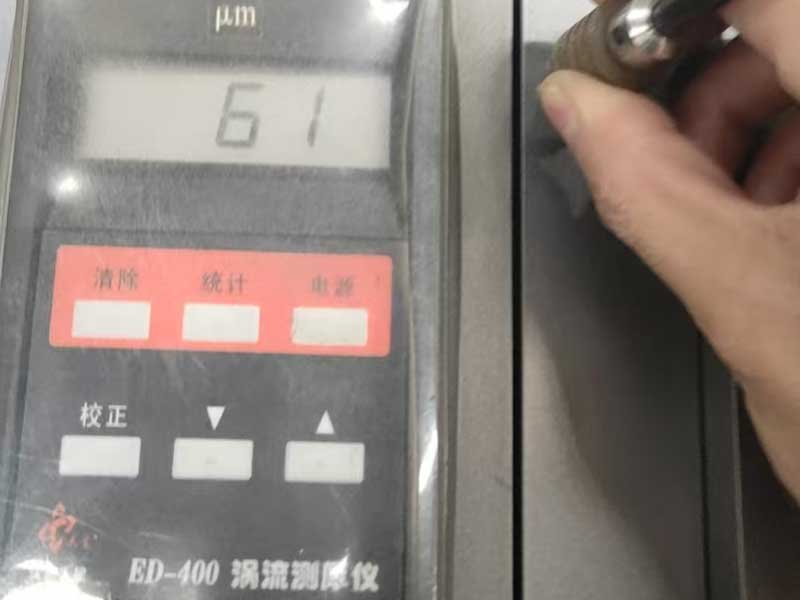
Measures coating thickness and cross-hatch adhesion properties.
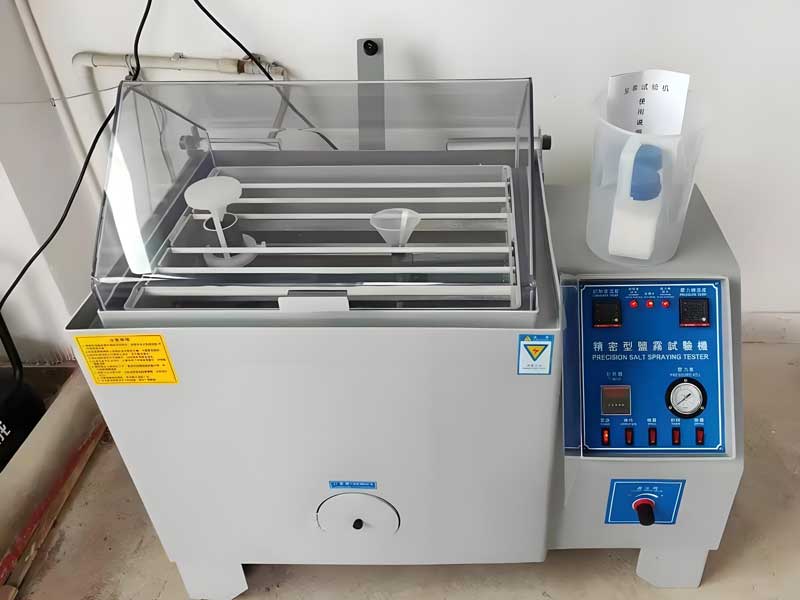
Simulates coastal environments to verify corrosion resistance.
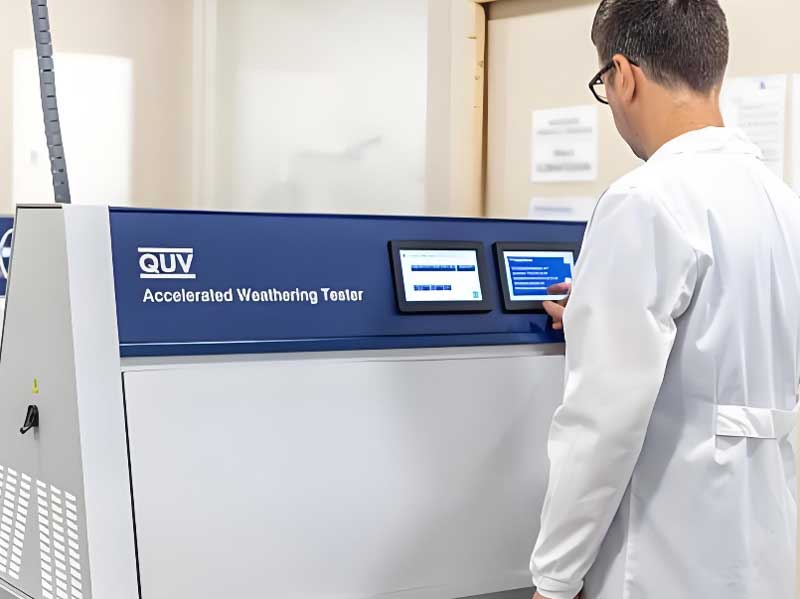
Exposes coated samples to accelerated UV radiation to check color retention.
Operating in global markets requires adherence to local building standards and certification frameworks. We maintain compliance across several regional standards systems:
To support global supply chains, we provide localized documentation, including mill test certificates (MTCs), raw material chemical composition analyses, heat treatment records, and detailed export customs documentation. Protective packaging (including custom shrink wraps, wooden crates, and steel frames) prevents surface damage during sea transport and handling.
We supply high-performance custom extrusions and standard profiles to door manufacturers, fabricators, and commercial construction projects worldwide. Contact us to discuss your profile designs and specifications.
Inquiry NowOur structural aluminum profiles are utilized in diverse residential, commercial, and industrial building projects globally.


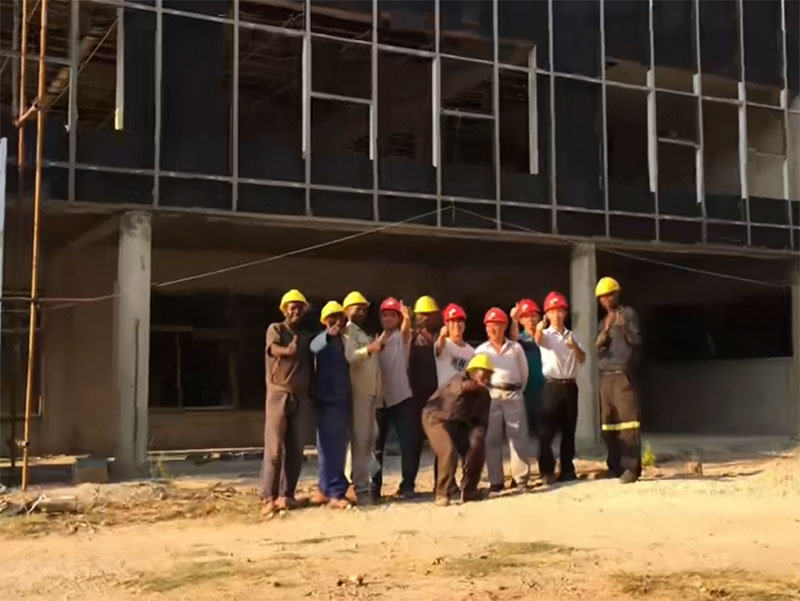
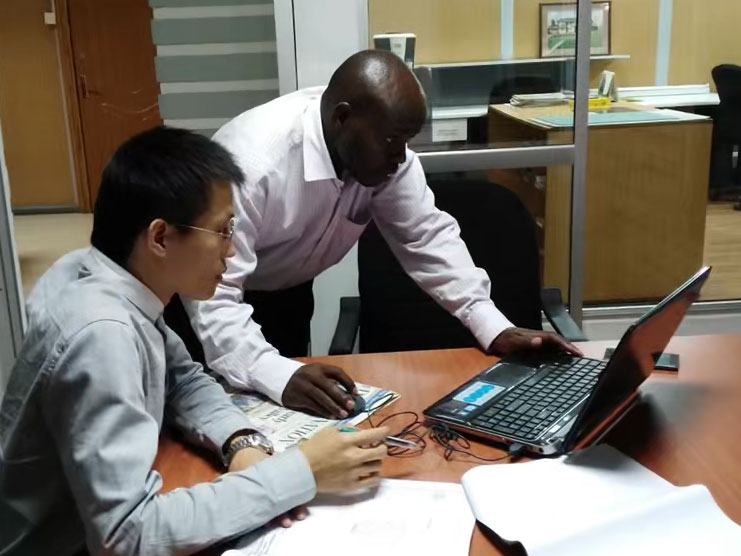
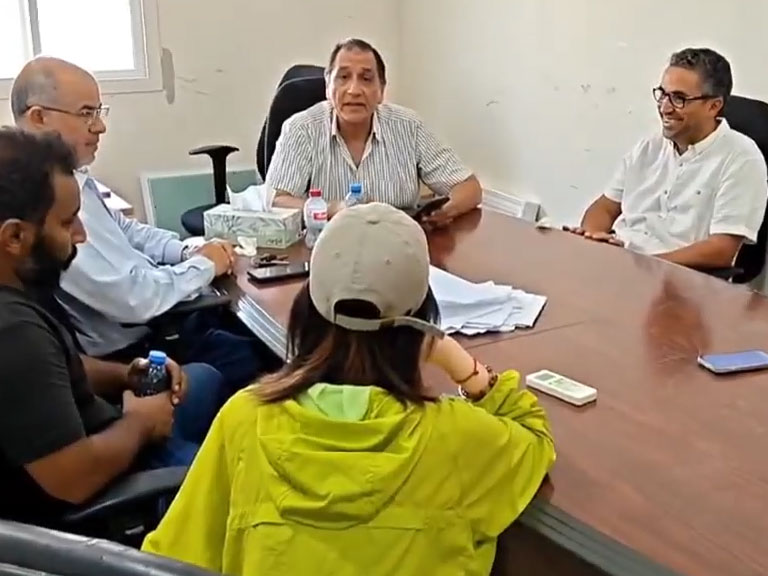
Technical answers to common questions raised by architectural engineers, B2B purchasing managers, and window/door fabricators.
Our custom extrusion process follows a structured timeline. Die design and tooling fabrication typically require 7 to 10 working days, depending on cross-section complexity. Once the trial die is completed, we extrude initial samples for dimensional verification and send them to the client. Upon sample approval and deposit confirmation, the mass production run is scheduled. The standard production lead time is 15 to 20 days, depending on the required surface finishing (anodizing, powder coating, or PVDF) and CNC machining requirements.
For minimalist, thin-frame sliding doors, structural performance relies on wall thickness optimization at high-stress points. We run finite element analysis (FEA) on the profile cross-sections to calculate moment of inertia (Ix and Iy value). This ensures that deflection under wind loads remains within allowed limits (typically L/175 or L/240 per local standards). We also offer reinforcement options using integrated steel or structural carbon-fiber bars within the hollow cavities of the vertical interlocking profiles, allowing wide-span configurations in coastal areas.
We recommend alloy 6063 with a T5 or T6 temper for standard commercial sliding doors. 6063 alloy provides clean surface finishes and extrudability, making it suitable for complex architectural shapes. For high-traffic entrances or tall structures, we utilize 6061-T6 or 6063-T66. These alloys have higher yield strength, helping profiles resist deformation under high physical stress and support heavy double- or triple-glazed units.
For coastal projects (within 5km of the sea), we suggest two finishing options: Class 2/Class 3 Anodizing (minimum thickness of 20-25 microns) with hot-water sealing, or PVDF (Fluorocarbon) coatings containing at least 70% Kynar 500 resins. PVDF provides chemical resistance against salt spray, humidity, and UV radiation, maintaining finish performance for up to 20-25 years. Powder coatings should meet AAMA 2605 or Qualicoat Class 2 specifications for coastal performance.
Our thermal break profiles feature structural polyamide insulation strips (PA66GF25) inserted between the inner and outer aluminum frames. This thermal barrier breaks the conductive heat transfer path through the metal, reducing thermal transmittance. Incorporating these insulated profiles in sliding doors helps lower U-values, reduces building energy consumption, prevents condensation on interior surfaces, and supports compliance with local energy efficiency codes.
Yes. Our in-house technical department works directly with AutoCAD (.dwg, .dxf) and SolidWorks (.step, .igs) design files. We review your designs for extrusion feasibility, wall thickness consistency, and assembly tolerances. Once approved, we build custom dies to match your specified parameters.
Explore our industrial range, designed for thermal management, vehicle manufacturing, and heavy-duty structural frame installations.
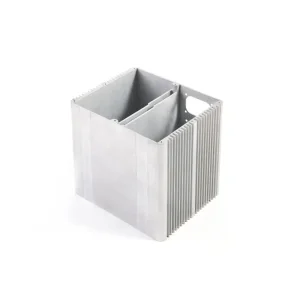
 Aoli Aluminum