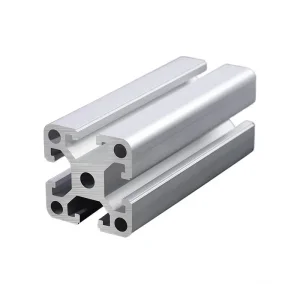
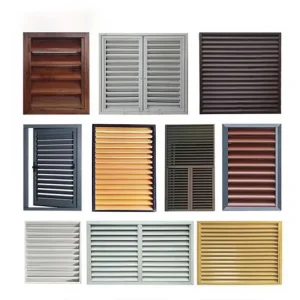
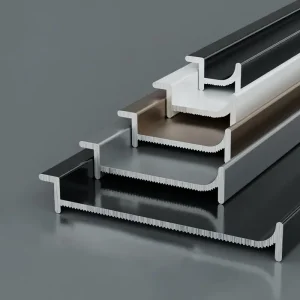
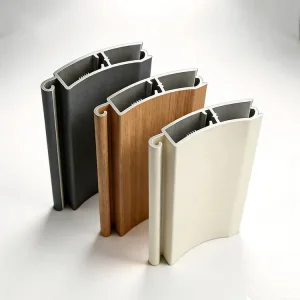
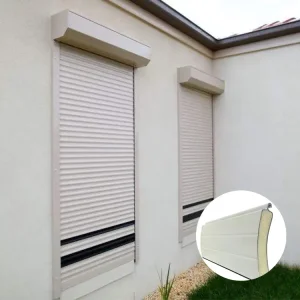
Explore our precision-extruded aluminum profile systems, designed for modular building frames, partition walls, safety screens, and high-performance commercial architectural facades.
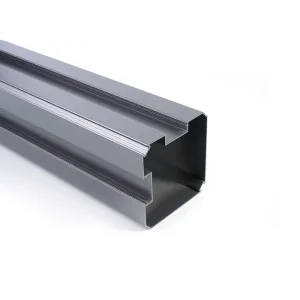
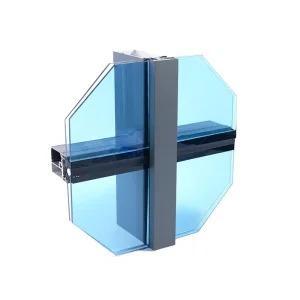
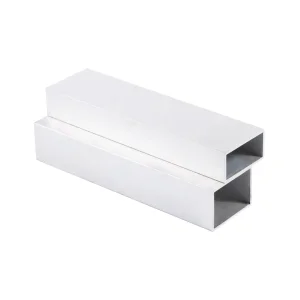
In modern construction, the selection of framing materials dictates a project’s efficiency, longevity, and structural safety. Aluminum sliding door profiles serve as a cornerstone of architectural design, facilitating transitions between internal spaces and outdoor environments. Standard sliding glass systems must bear substantial static dead loads from double- or triple-glazed units, while simultaneously absorbing external wind forces and seismic deflections.
From an engineering perspective, sliding door frames require structural profiles with an optimized second moment of area (moment of inertia) to minimize physical deflection under peak wind pressures. By leveraging high-precision 6000-series aluminum alloys (primarily 6063 and 6061), manufacturers can achieve thin sightlines without compromising safety. These profiles support large-format sliding glass panels that enhance daylight penetration, while providing the structural integrity needed to meet global building code mandates.
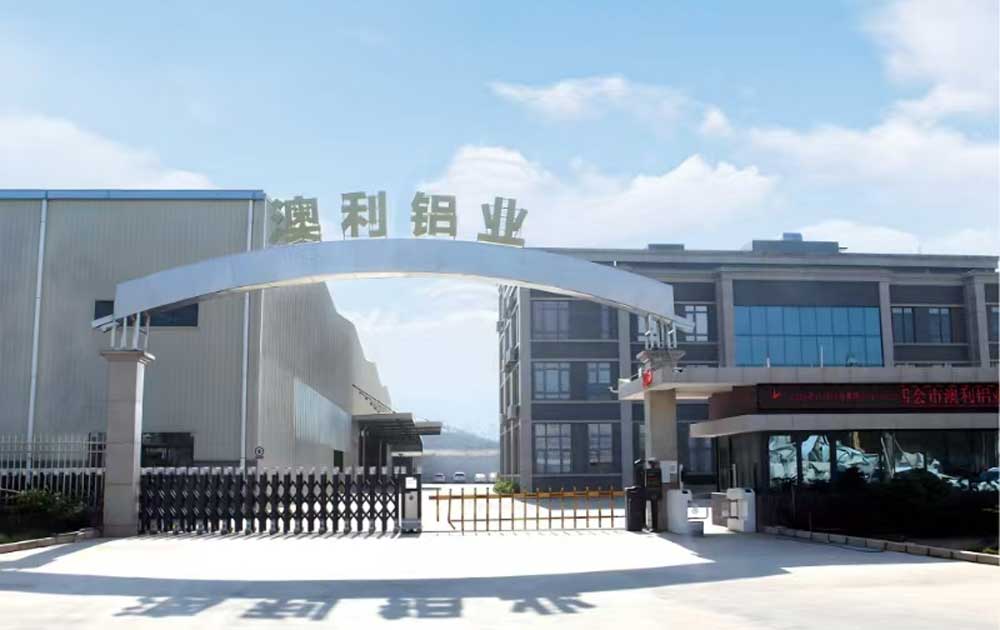
Established in 2009, Aoli Aluminum has developed into an integrated manufacturer specializing in research, development, extrusion design, and global distribution. We focus on structural aluminum alloy profiles for residential, architectural, and industrial markets. Our corporate headquarters are located in the manufacturing hub of Sihui, Guangdong, supported by specialized commercial sales divisions in Foshan, China. We operate under a rigorous quality management system certified to global ISO standards.
Our Mission: To construct sustainable cities for the global community. We align our business practices with a long-term vision that balances ecological responsibility, employee well-being, and customer success.
Our premium product line is marketed globally under the Aolijie brand. Operating four production bases, we run advanced extrusion lines with press forces ranging from 900 tons to 2000 tons. Our finishing lines support powder coating, anodizing, electrophoretic coating, PVDF finishes, and wood-grain effects. Specialized CNC machining centers allow for custom fabrication and precision drilling.
Our catalog contains over 100 product series and 1,000 distinct structural profiles. We offer complete custom-die design and rapid prototyping. Utilizing thermal break technology, our architectural profiles are distributed across key international markets, including the Middle East, South America, Africa, and Southeast Asia.
The name "Aolijie" reflects Mr. Wong’s founding vision:
Achieving optimal mechanical performance in a sliding door system requires precise control over the alloy's chemical composition and heat treatment. We primarily utilize 6063 and 6061 structural alloys. These formulations are optimized for surface finish quality, extrusion speed, and high load capacity.
| Alloy Grade | Silicon (Si) % | Magnesium (Mg) % | Iron (Fe) % | Tensile Strength (MPa) | Yield Strength (MPa) | Primary Application |
|---|---|---|---|---|---|---|
| 6063-T5 | 0.2 - 0.6 | 0.45 - 0.9 | 0.35 max | ≥ 160 | ≥ 110 | Standard residential window & sliding door frames |
| 6063-T6 | 0.2 - 0.6 | 0.45 - 0.9 | 0.35 max | ≥ 205 | ≥ 170 | Heavy-duty sliding systems & commercial curtain walls |
| 6061-T6 | 0.4 - 0.8 | 0.8 - 1.2 | 0.7 max | ≥ 290 | ≥ 240 | Industrial framing, structural connectors, solar mounting |
To comply with modern energy efficiency standards, our sliding door profiles incorporate structural polyamide thermal barrier strips (such as PA66GF25, reinforced with 25% glass fiber). This thermal break interrupts heat transfer through the aluminum frame, helping to prevent condensation and reduce the overall thermal transmittance (U-value) of the fenestration system.
For large-scale patio sliding doors, the thermal barrier must also transfer shear stresses between the interior and exterior aluminum profiles. This ensures the composite section behaves as a single structural element under wind load conditions, avoiding structural failure or air infiltration.
The structural glazing and architectural fenestration sectors are undergoing a significant shift toward minimalistic, high-performance systems. Our development team monitors these trends to align our designs with global energy codes and structural standards.
Modern architects increasingly favor minimalist sliding doors with slim visual sightlines. Standard frames are replaced by recessed outer frames and interlocking stiles as narrow as 20mm. Supporting large heavy-duty glass units on narrow profiles requires high-grade alloys (such as 6063-T6) and precise extrusion tolerances to prevent structural bowing.
Global sustainable building programs (including LEED, BREEAM, and DGNB) require verified product life cycle documentation. Our manufacturing processes utilize low-carbon smelting inputs and recirculated water systems. This helps developers achieve certification credits by using verified, energy-efficient building materials.
Building envelopes must conform to specific local testing standards before installation. Our extrusion systems are designed and tested to meet major international standards:
From a local manufacturing start-up to an international brand, Mr. Wong's vision has driven Aoli Aluminum through periods of industrial expansion.
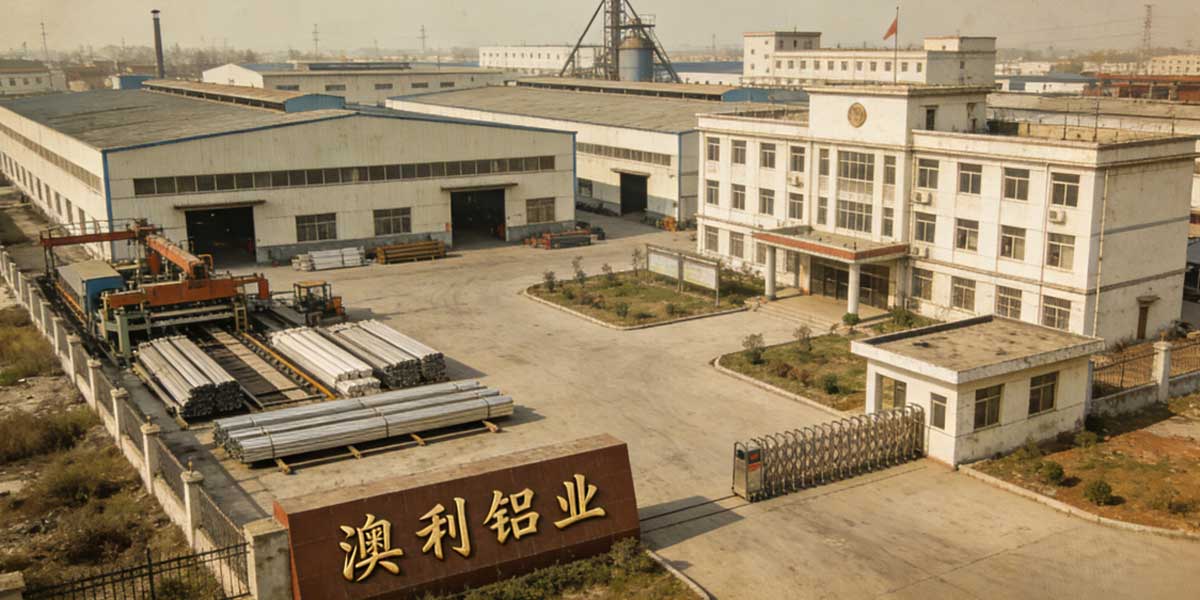
We established a 10,000-square-meter manufacturing facility in Sihui, Guangdong. The launch of the "Aolijie" brand initiated our production of standard aluminum profiles.
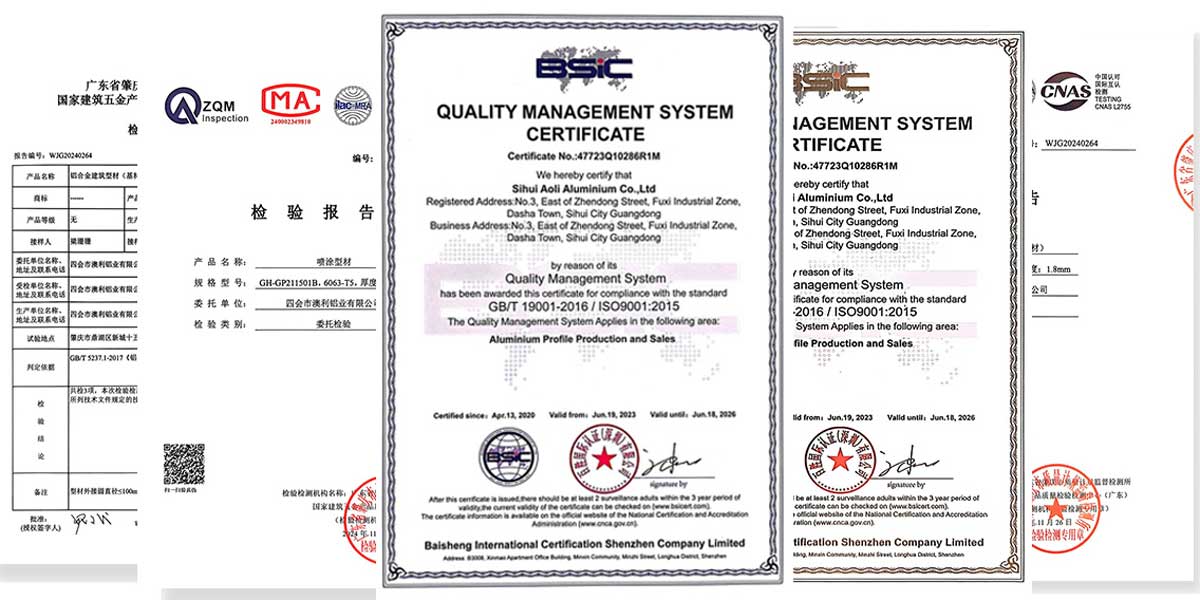
We secured 13 product patents and obtained ISO9001 quality management certification. This phase established our standardized extrusion parameters and material testing procedures.
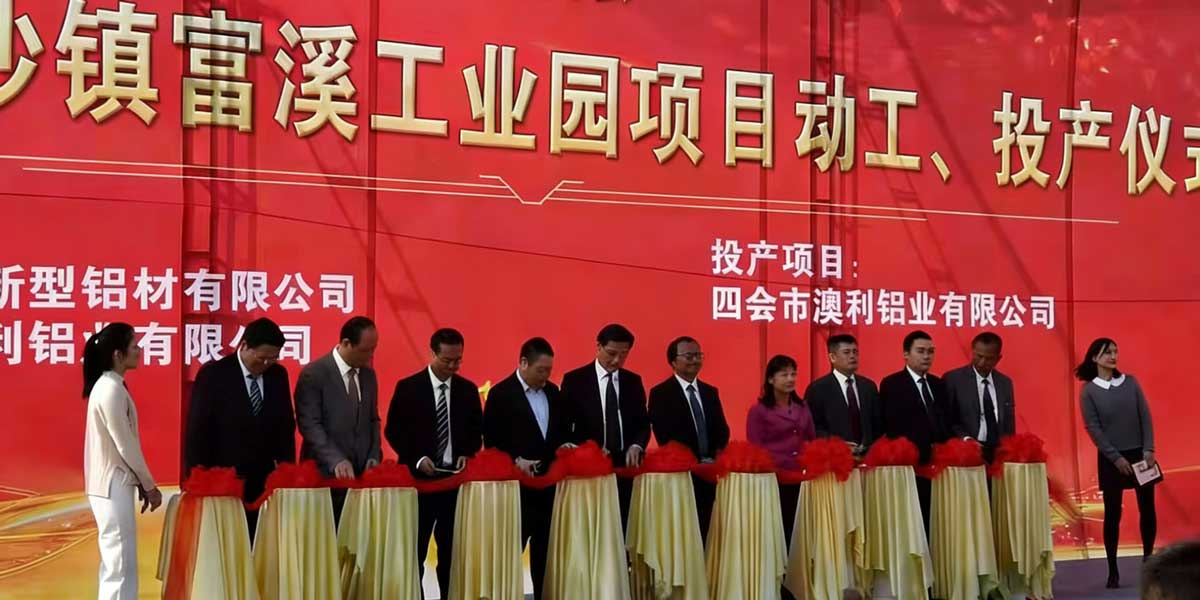
To meet increasing demand, we built a 100,000-square-meter facility. This expansion increased our annual production capacity to 100,000 tons.
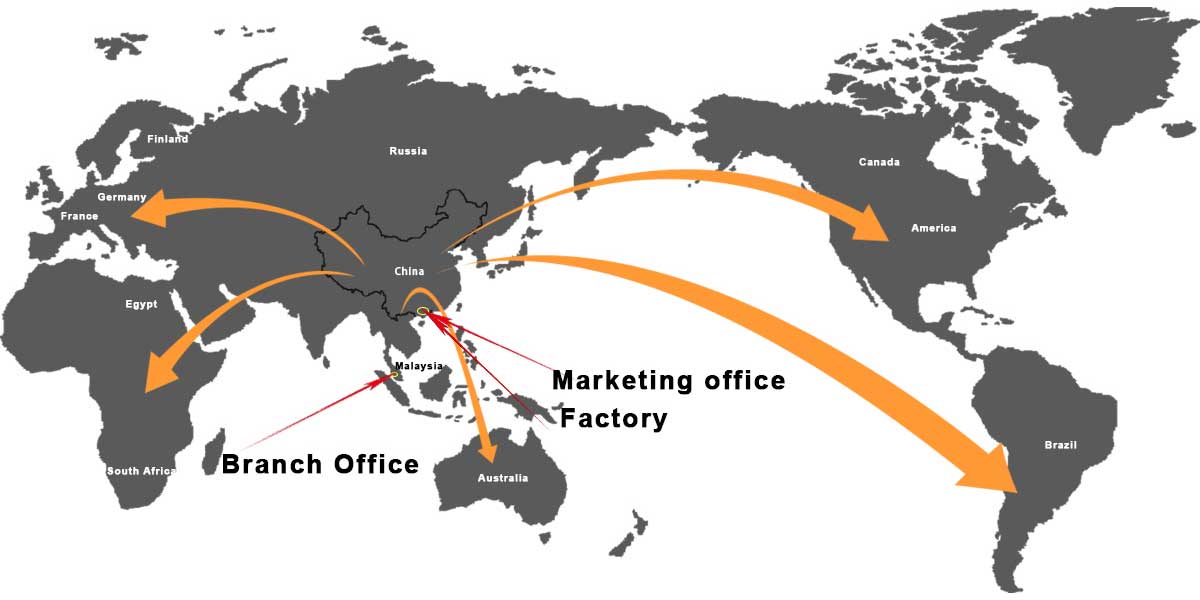
We opened our commercial division in Foshan and are establishing our regional office in Malaysia for 2026, extending our supply chains into Southeast Asia and global markets.
Every batch of extrusions undergo a structured inspection process to verify dimensional accuracy, mechanical values, and coating performance.
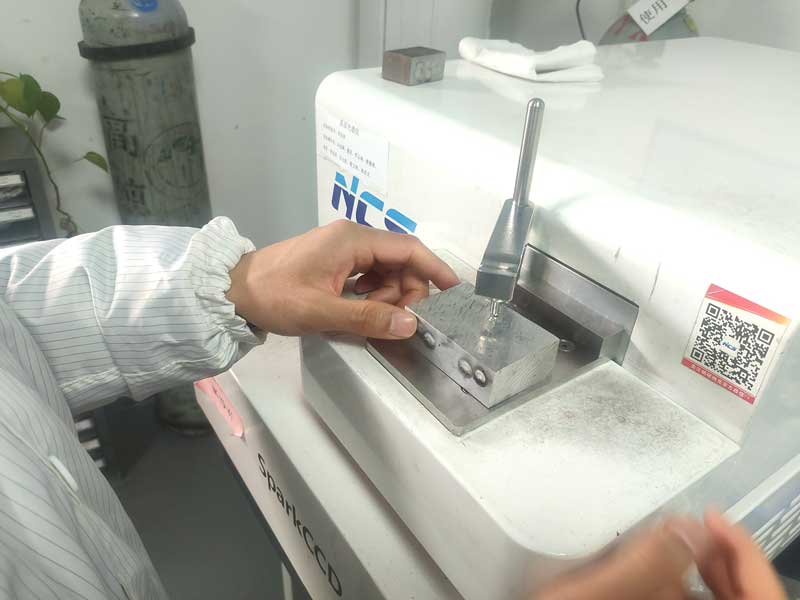 Spectrometer Composition
Analyzes raw billet composition before extrusion.
Spectrometer Composition
Analyzes raw billet composition before extrusion.
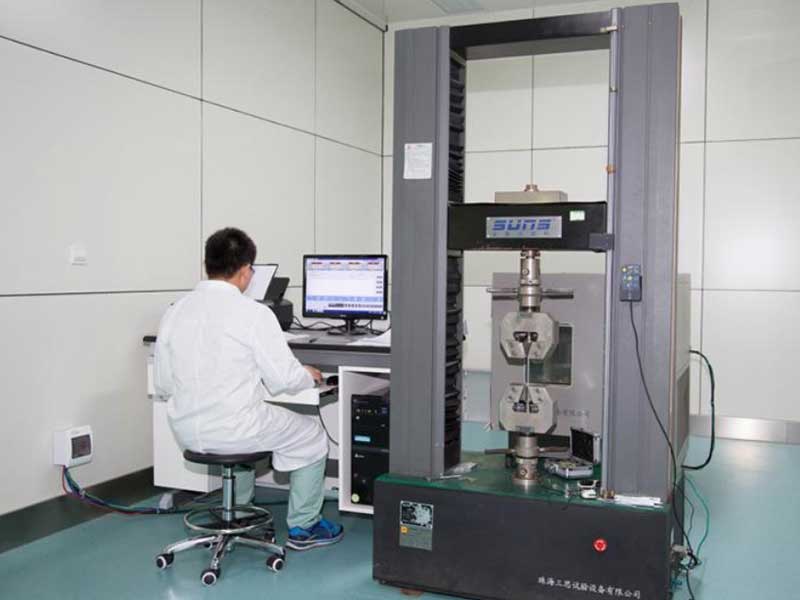 Tensile Yield Testing
Measures mechanical load limits and profile elongation.
Tensile Yield Testing
Measures mechanical load limits and profile elongation.
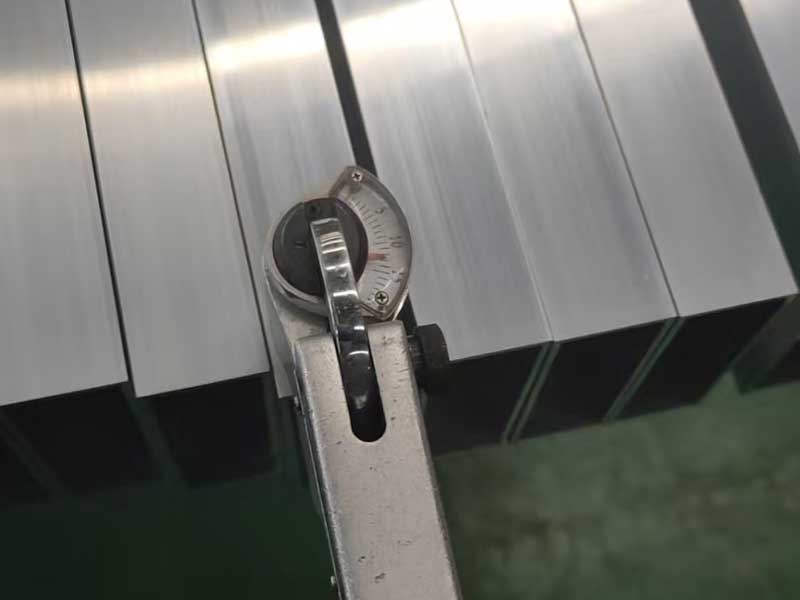 Webster Hardness
Verifies aging oven performance (HW hardness ≥ 8).
Webster Hardness
Verifies aging oven performance (HW hardness ≥ 8).
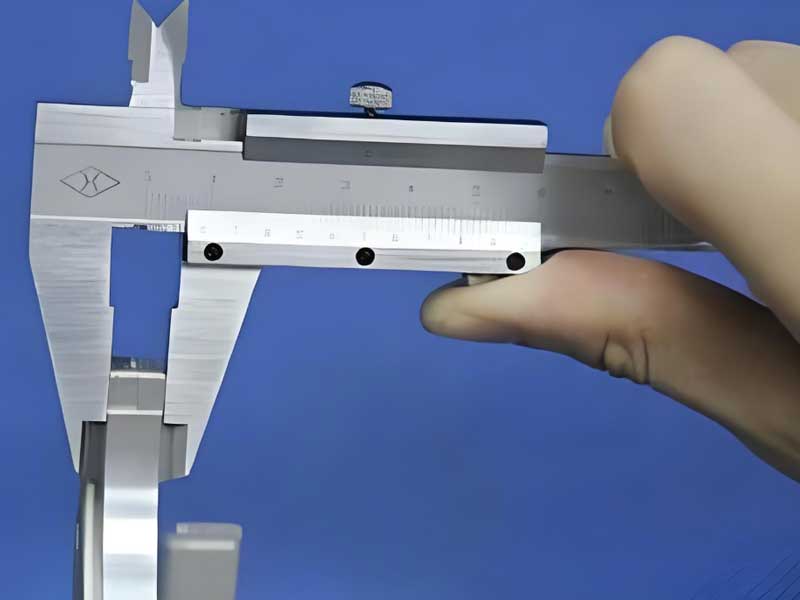 Dimensional Calibration
Verifies cross-sectional tolerances and wall thickness.
Dimensional Calibration
Verifies cross-sectional tolerances and wall thickness.
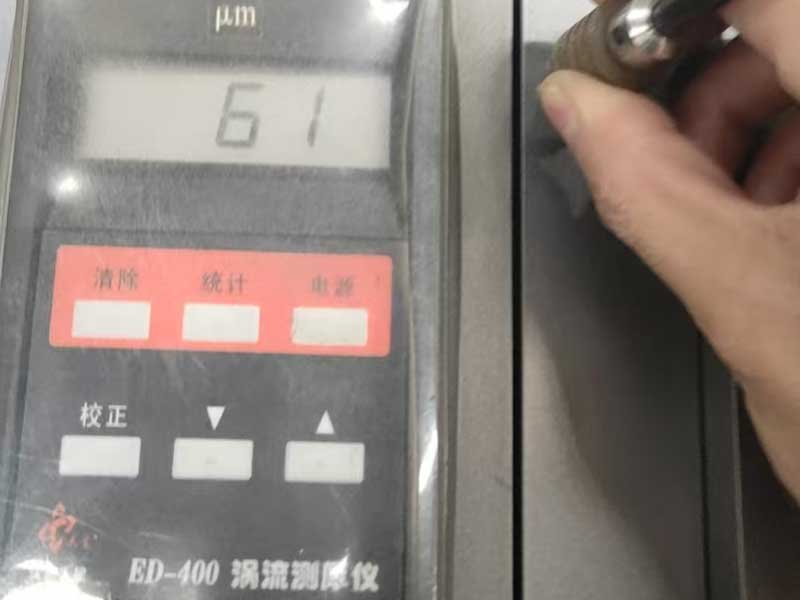 Finish Thickness
Measures powder coat thickness (microns) and cross-hatch adhesion.
Finish Thickness
Measures powder coat thickness (microns) and cross-hatch adhesion.
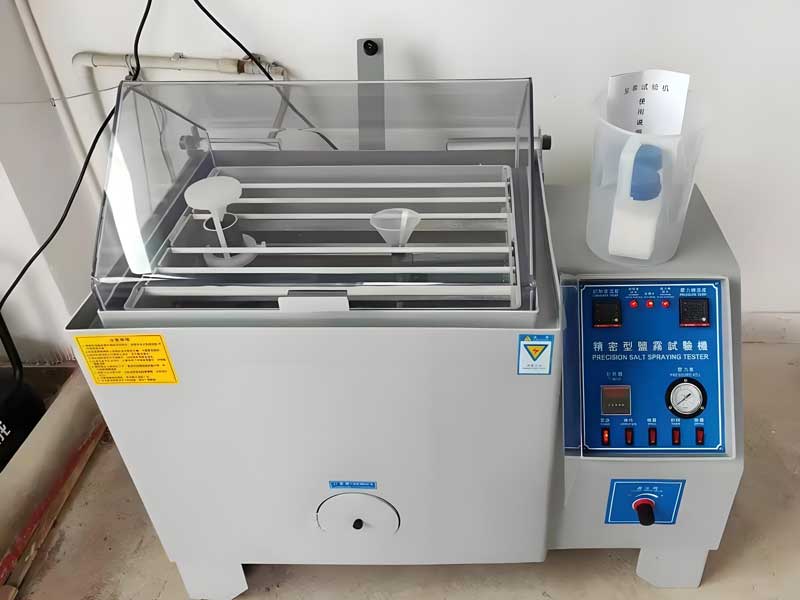 Salt Spray Testing
Simulates seaside environments to evaluate corrosion resistance.
Salt Spray Testing
Simulates seaside environments to evaluate corrosion resistance.
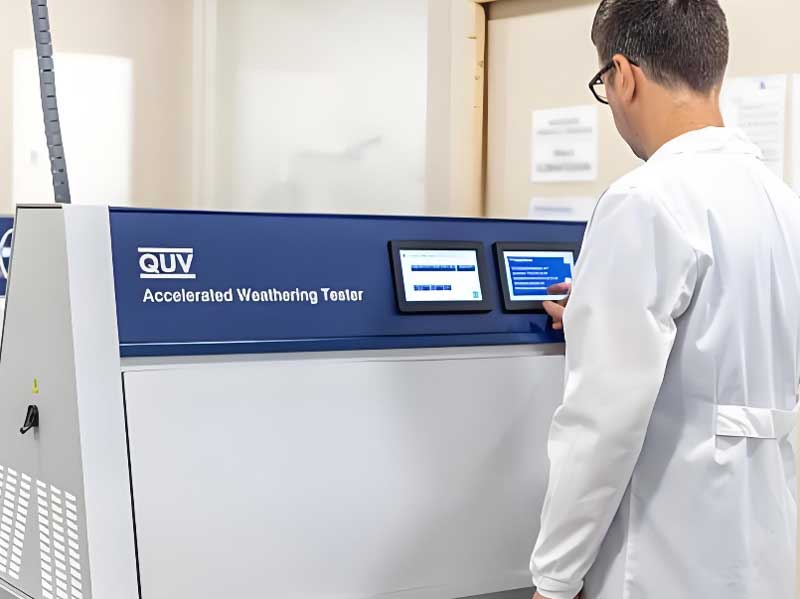 UV Aging Resistance
Tests finish gloss retention and color stability under solar radiation.
UV Aging Resistance
Tests finish gloss retention and color stability under solar radiation.
Our production facilities integrate raw ingot casting, die fabrication, extrusion, thermal curing, and automated finishing lines within a unified supply chain.
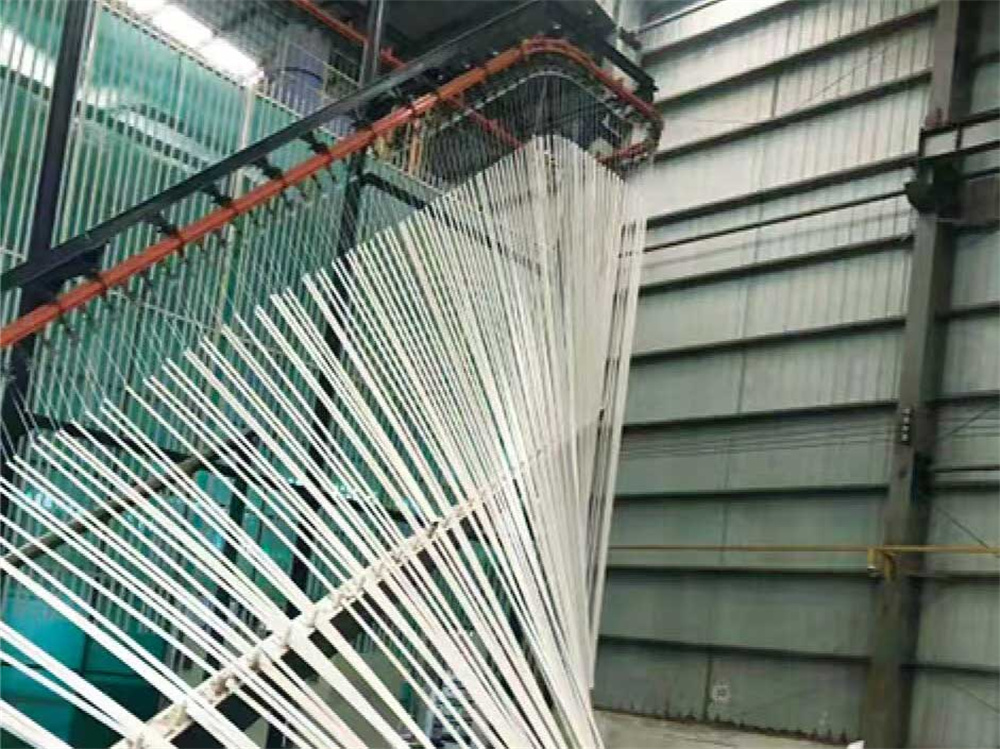
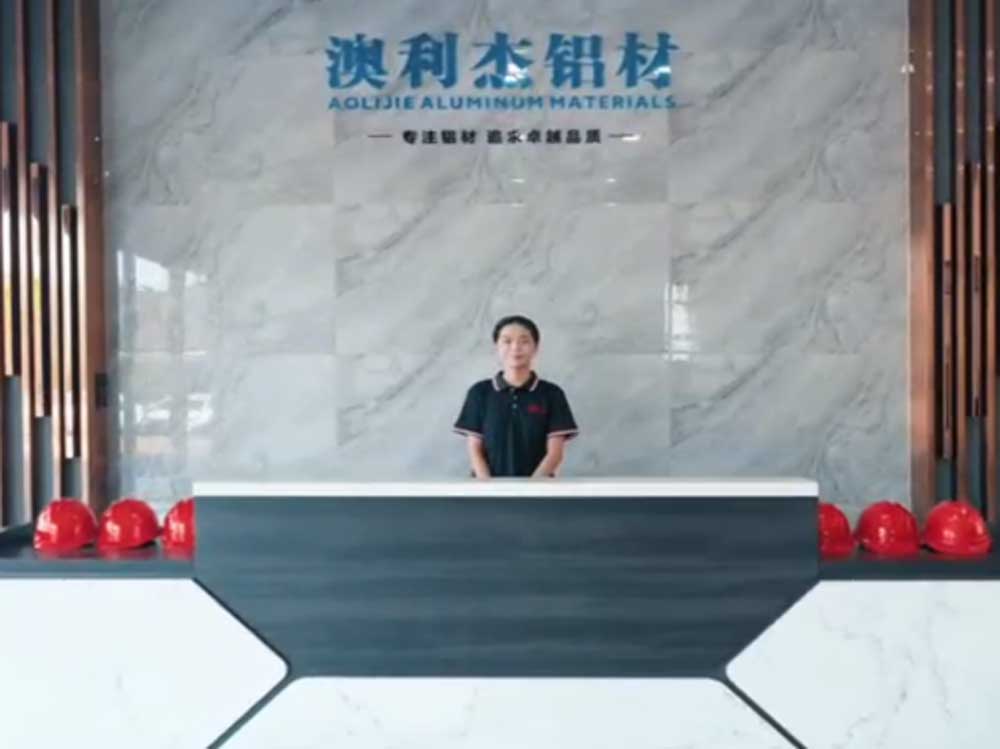
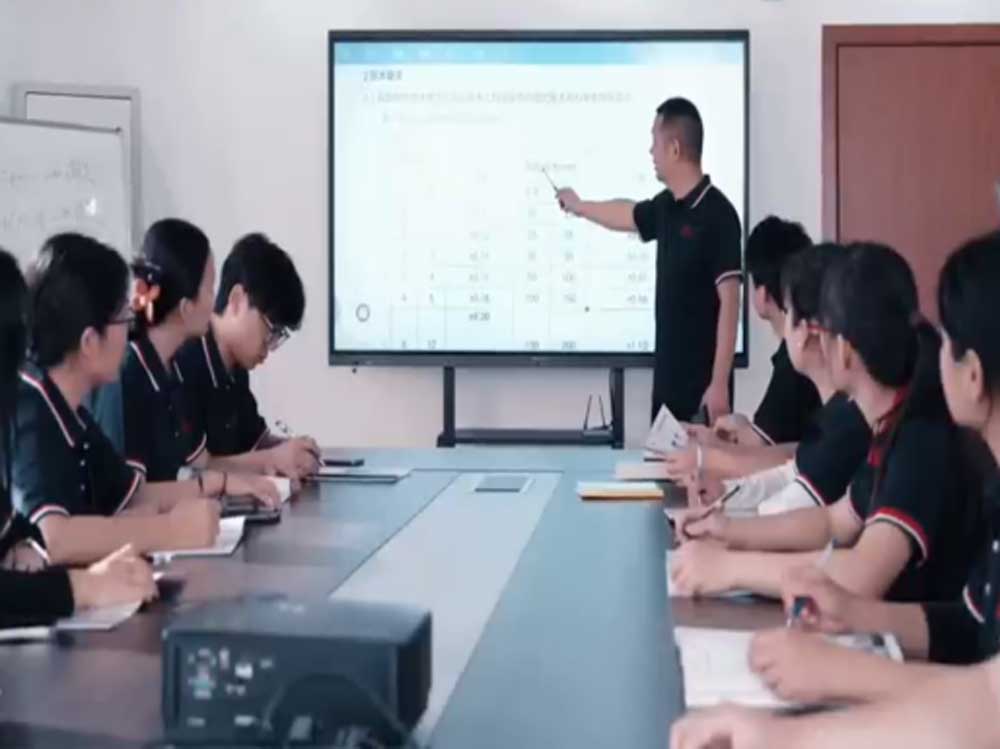
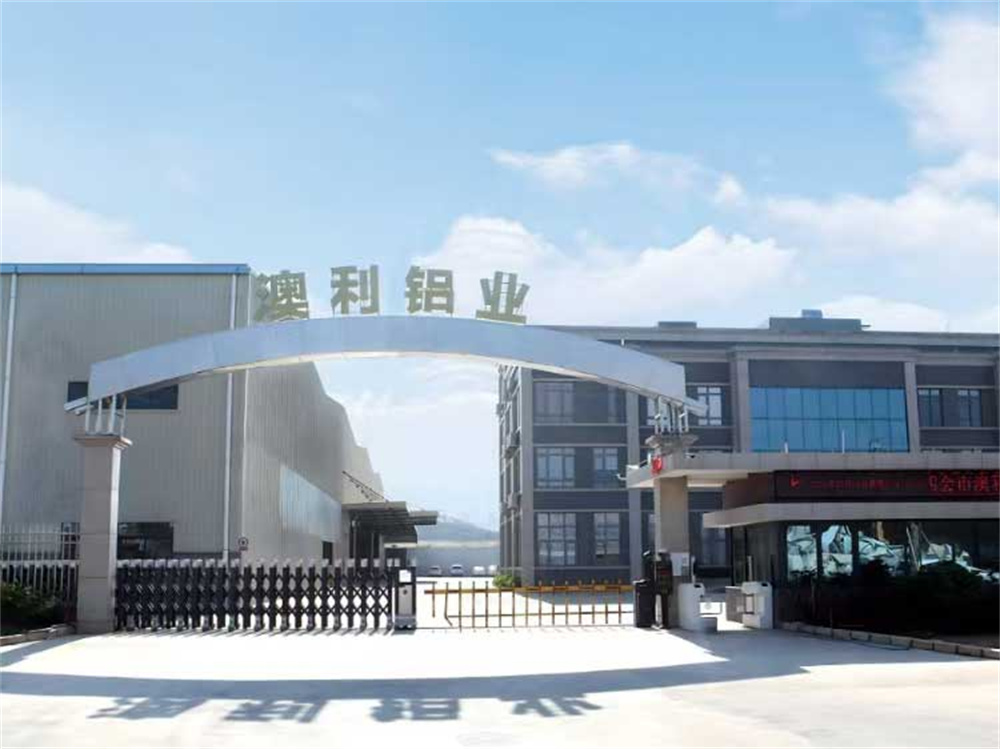
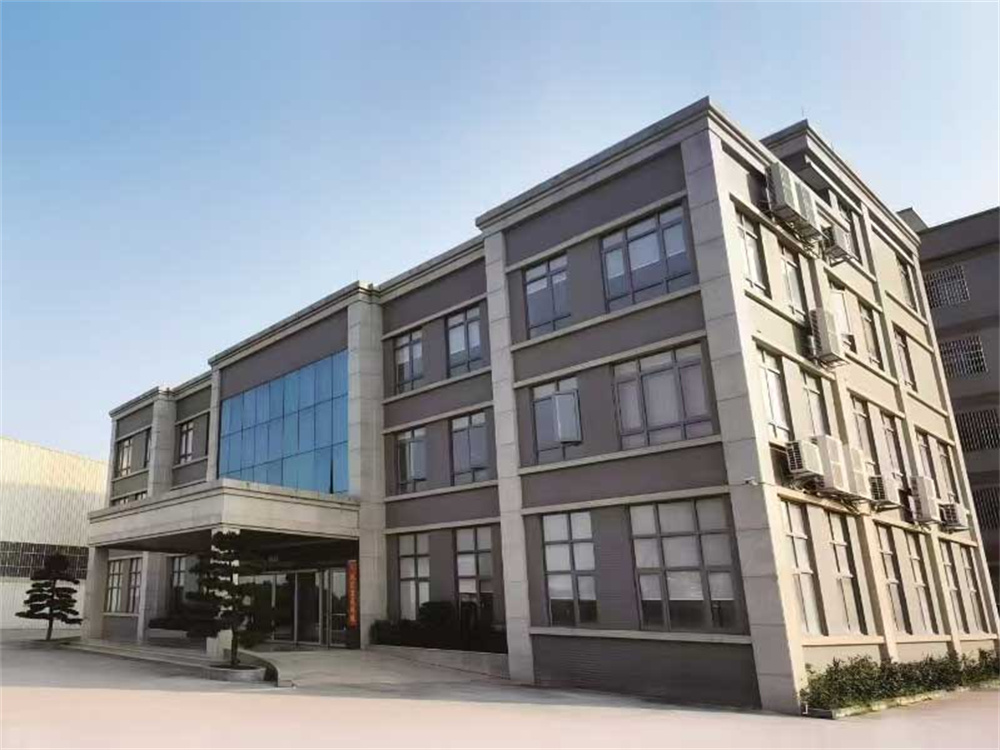
Aolijie profiles are utilized globally in structural framing, commercial window walls, and sliding configurations.



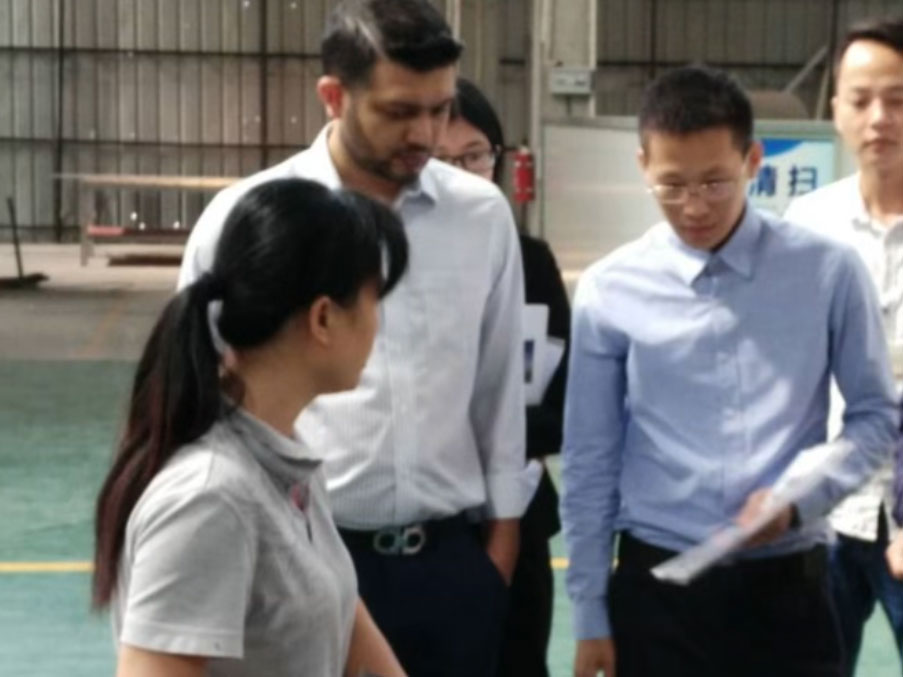
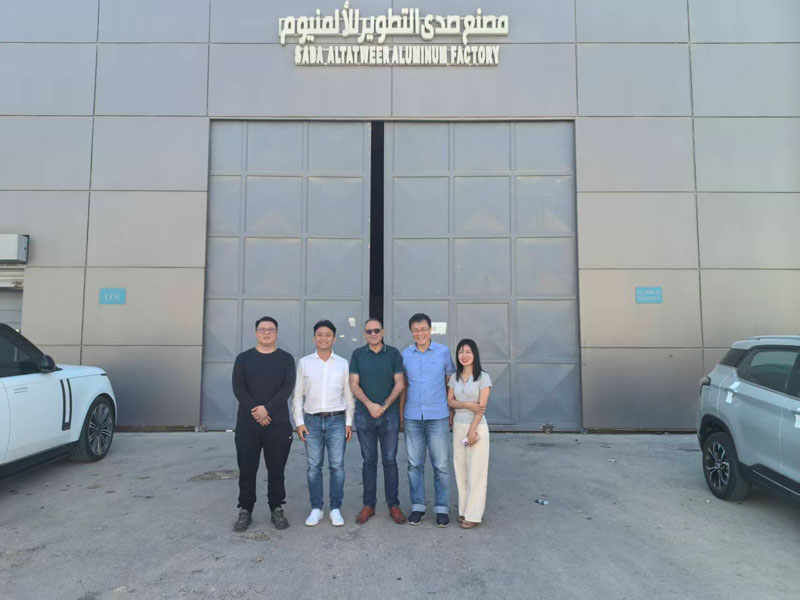
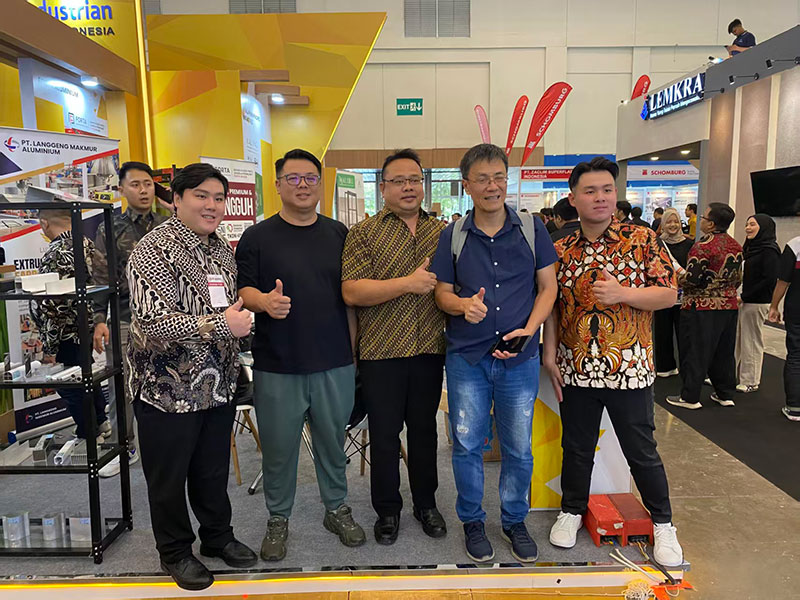
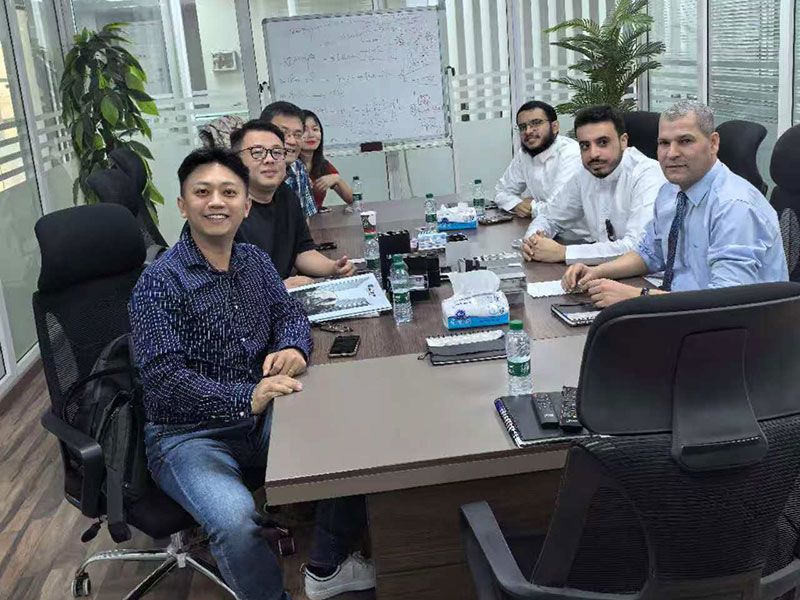
To meet evolving green building codes and architectural specifications, Aoli Aluminum focuses its R&D on structural stability and material sustainability.
We are increasing the proportion of clean, post-industrial scrap in our extrusion billets. This initiative aims to reduce the embodied carbon of our profiles, helping projects meet global sustainability standards.
We are developing multi-cavity thermal break designs to optimize overall U-values. These systems utilize low-emissivity films and specialized insulating foams within the profile chambers to reduce thermal bridging.
Our facilities are integrating multi-axis CNC machines to automate slotting, jointing, and lock-pocket routing. This pre-fabrication helps window and door manufacturers reduce assembly times on site.
Our commercial partnerships are supported by our manufacturing capacity, quality control systems, and direct pricing structures.
We maintain an inventory of standard profile geometries, helping to minimize lead times for commercial distributors. Custom extrusion profiles are supported by our die-making workshop, reducing tooling setup times.
We control the entire production cycle, from raw billet casting to extrusion and finishing. This vertical integration allows us to optimize production costs and maintain stable pricing structures.
Every shipment is dispatched with certified chemical analysis and mechanical testing reports. Quality management is documented at every stage, from material receipt through to final packaging.
Common engineering and supply-chain inquiries regarding wholesale aluminum sliding door systems and custom extrusion profiles.
Our engineering team is available to assist with custom die design, structural analysis, and compliance verification. Contact us to receive technical drawings, material certifications, or initial price quotes.
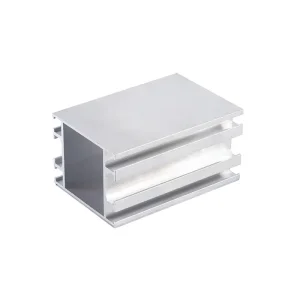
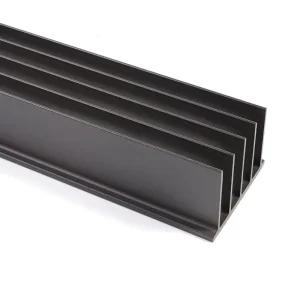
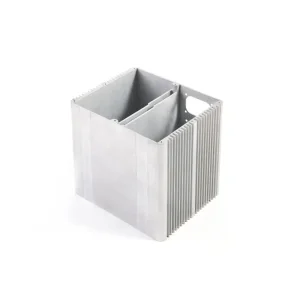
Submit InquiryOur industrial capabilities include high-surface-area heat sinks for electric vehicles, roller shutter profiles, and structural framing solutions for specialized manufacturing sectors.
 Aoli Aluminum