 Aoli Aluminum
1 / 5
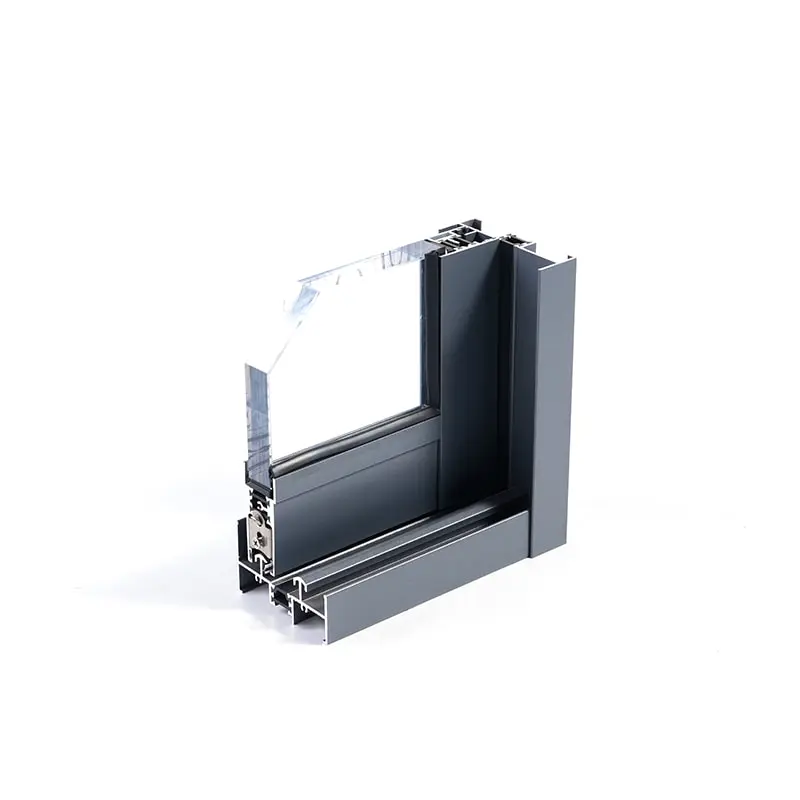
| Item | Aluminum Window Frame |
| Material | 6063 \ 6061 \ 6060 |
| Temper | T5 / T6 |
| Thickness | 0.8 – 5.0 mm |
| Length | 6 m (customizable) |
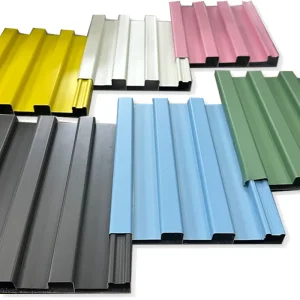
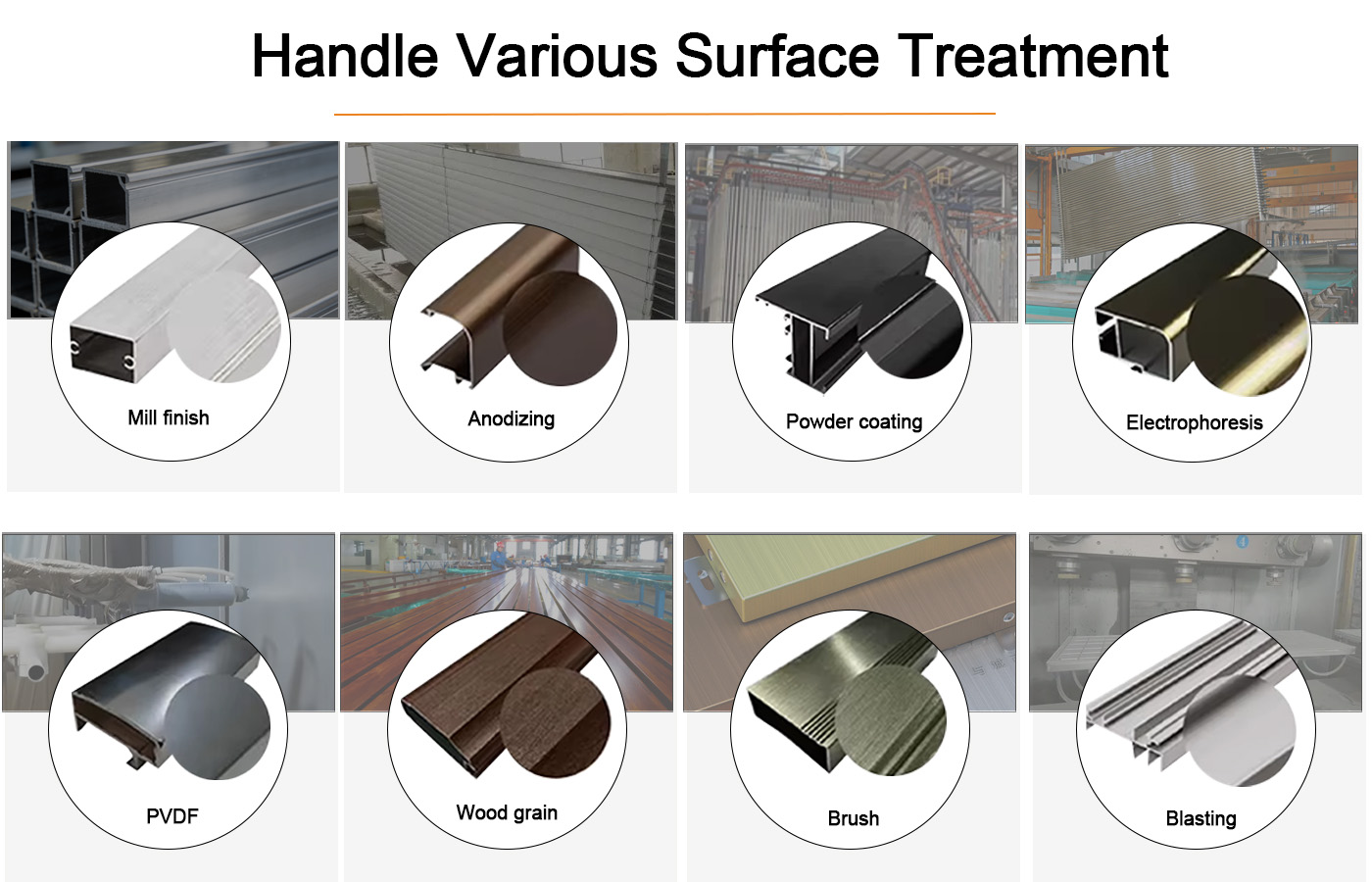
| Surface Treatment | Mill Finish | Powder Coating | Anodizing | Electrophoresis | Fluorocarbon Coating | Wood Grain, etc. |
| Color | According to customer requirements (customizable) |
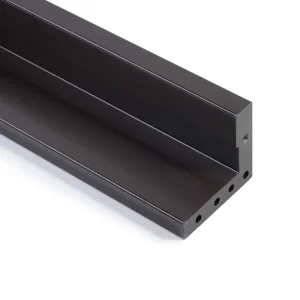
| Service Support | Drilling | Milling | Cutting | Welding | Bending | Assembling | CNC |
| Packing Details | Inside: packed with protective film to protect each piece |
| Outside: wrap to be bundles by shrink plastic bag | |
| Delivery Time | Die developing and sample testing: 7–10 days |
| Mass production completed: 15–30 days | |
| MOQ | 500 kg |
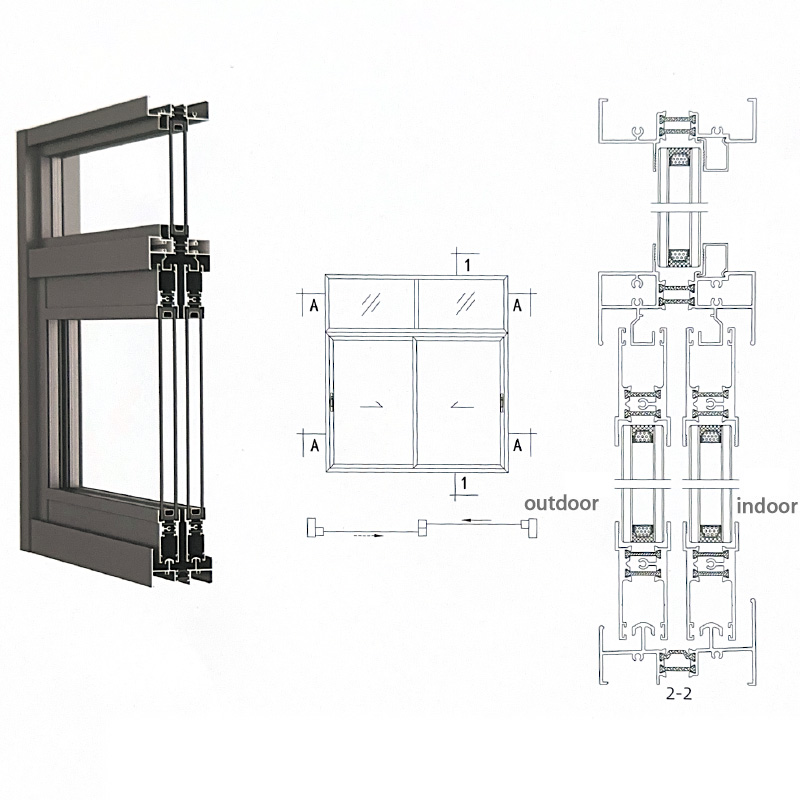
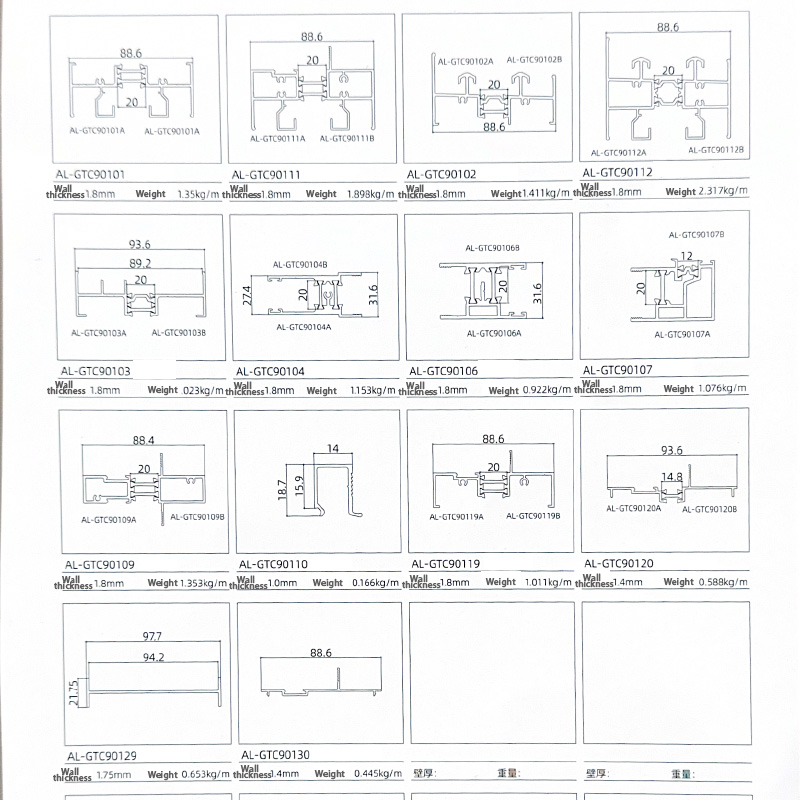
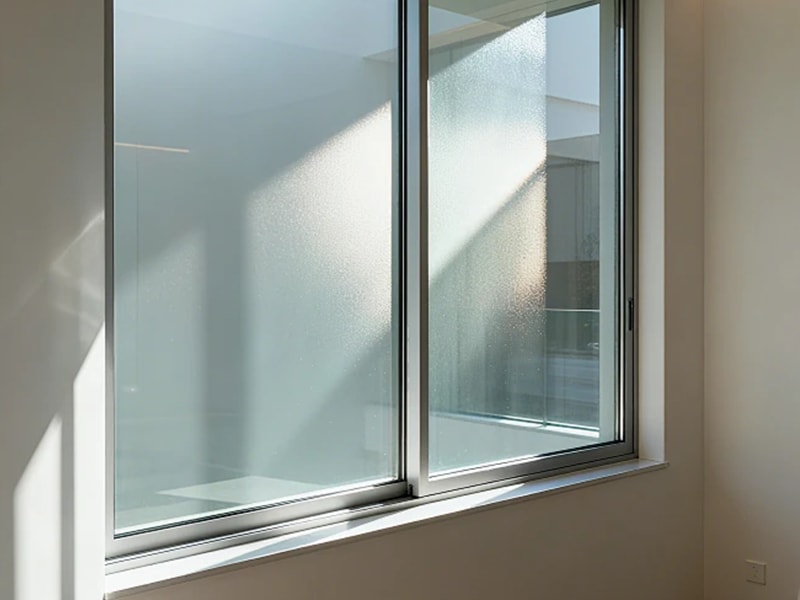
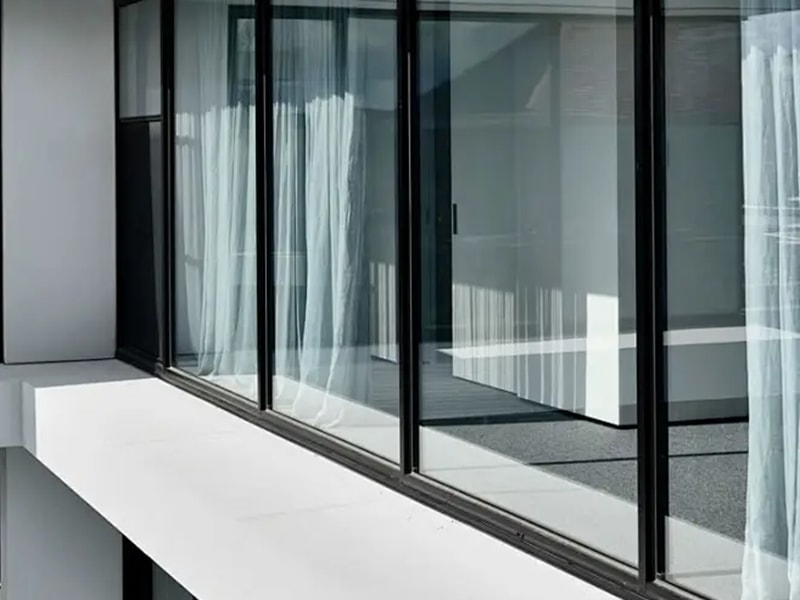
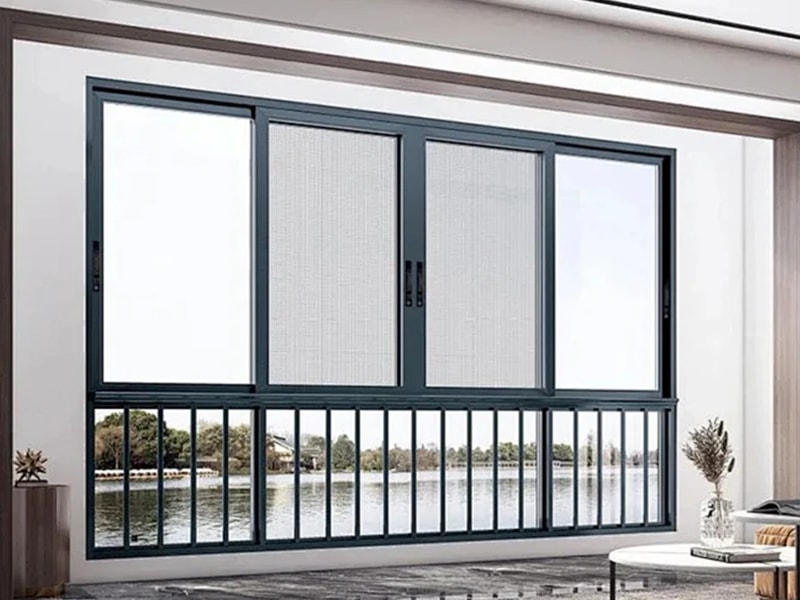
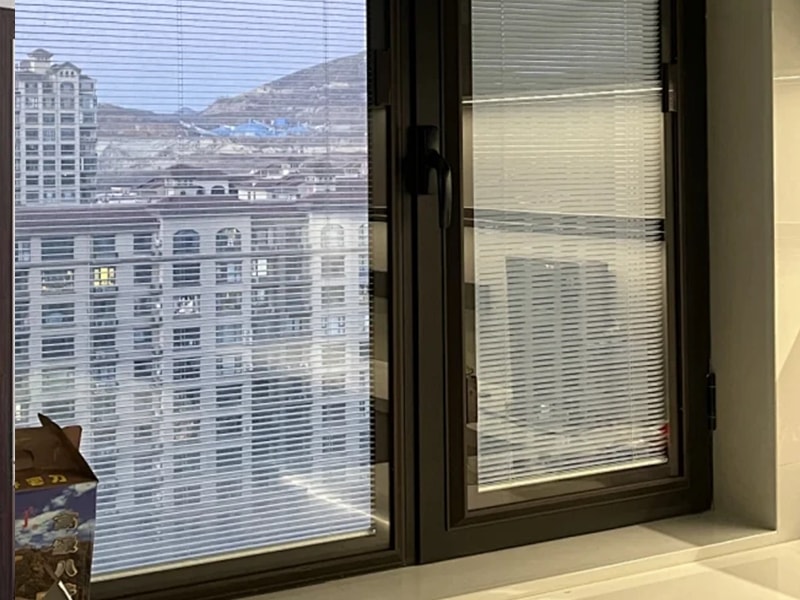
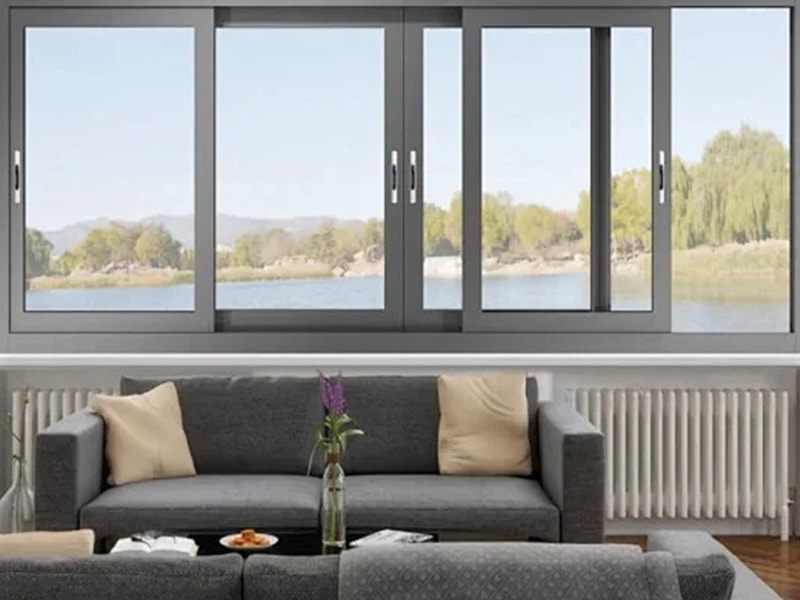
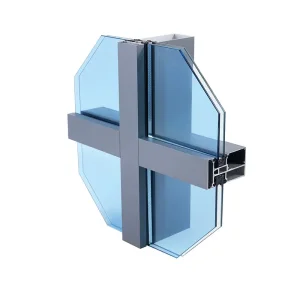
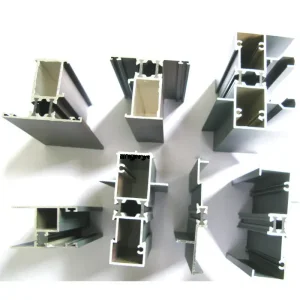
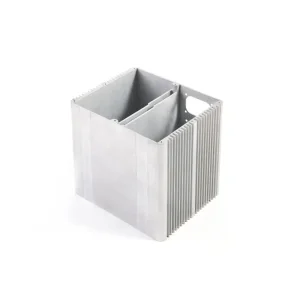
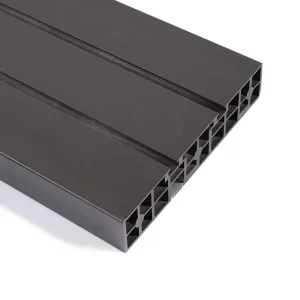
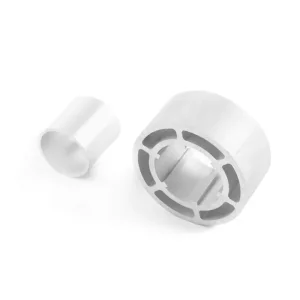
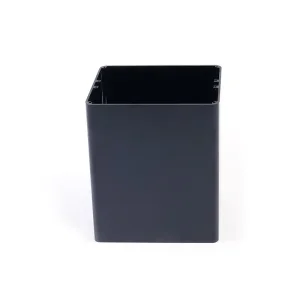
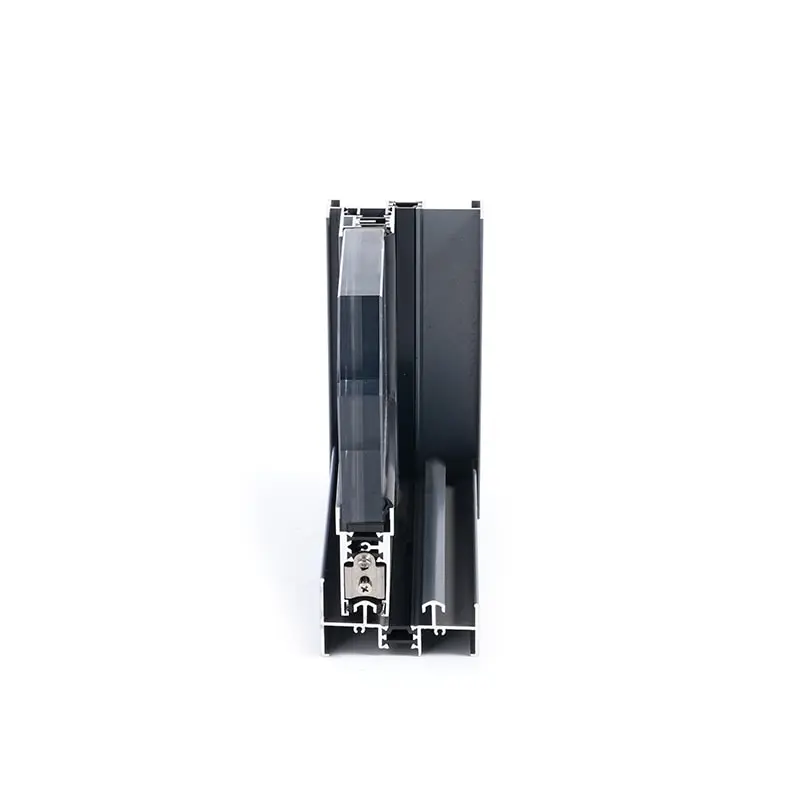
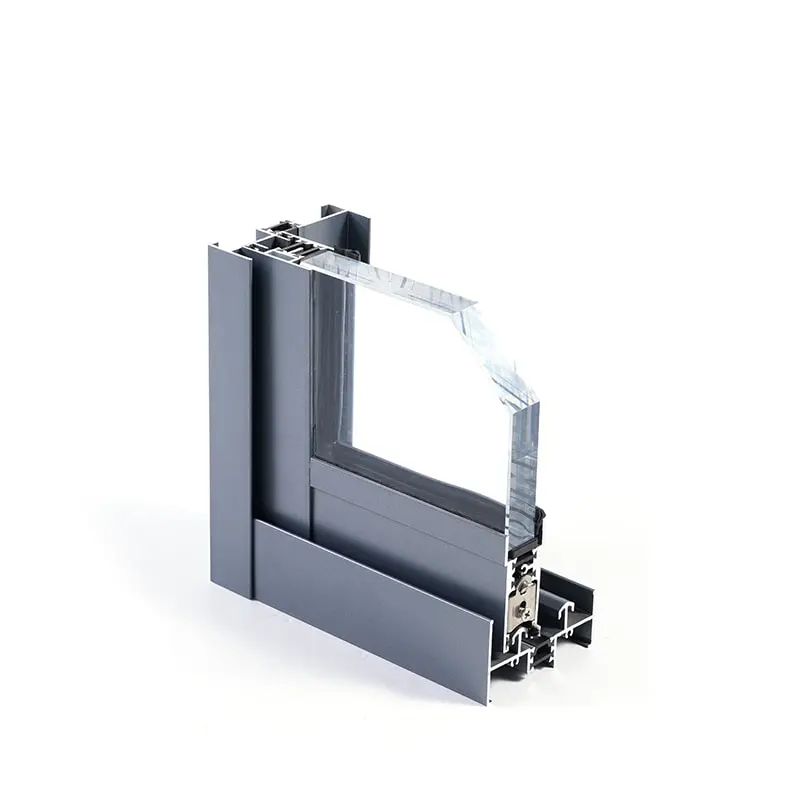
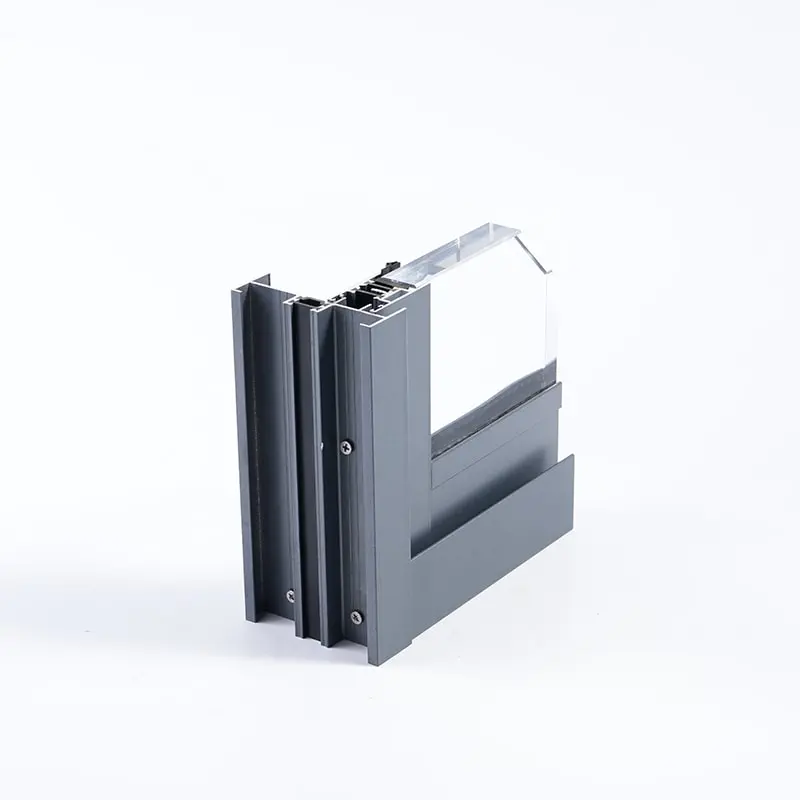
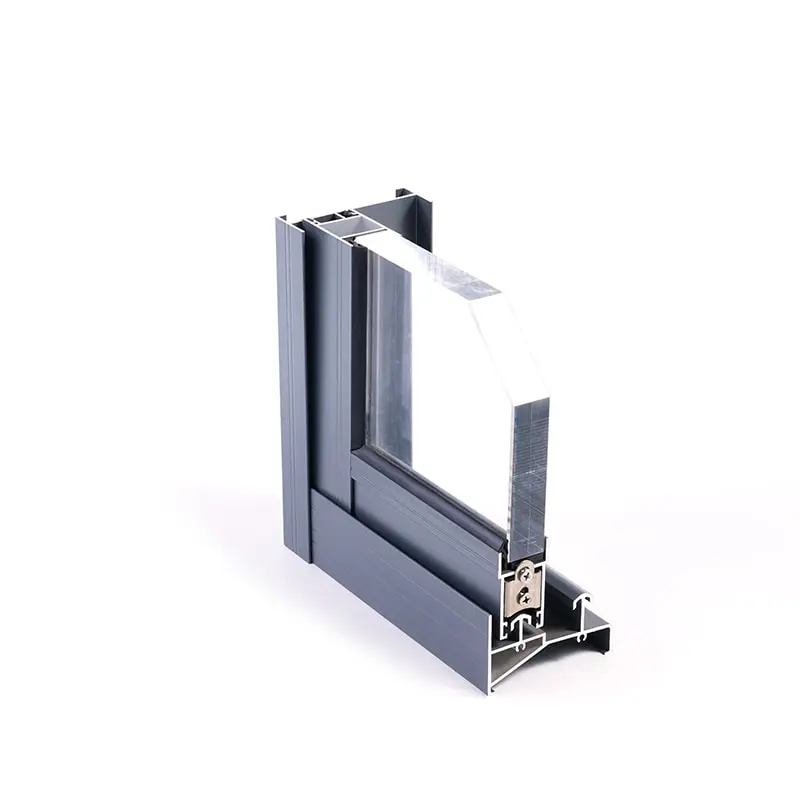
The core of the window's performance lies in its extruded aluminum profile. Key aspects include:
Alloy and Thermal Performance: Standard alloys like 6063-T5 offer excellent strength and corrosion resistance.
Structural Rigidity: Profile design must ensure sufficient rigidity to resist wind load and prevent frame deflection. Multi-chamber profiles improve both structural stability and thermal/acoustic insulation.
Surface Finish: High-quality powder coating or anodizing is essential for corrosion resistance, color retention, and easy maintenance. The finish should be uniform and certified for exterior use.
This directly impacts insulation, noise reduction, and security.
Glass Unit: Double or triple glazing with Low-E coatings and argon gas fill is standard for energy efficiency. For noisy environments, laminated glass provides superior sound insulation.
Seals: High-grade EPDM or silicone weather stripping is crucial. Multiple seals around the perimeter and between the sashes ensure effective barriers against air infiltration, water ingress, and dust.
Smooth, secure, and long-lasting operation depends on precision hardware.
Roller System: Bearings (nylon or stainless steel) must be durable and adjustable. The system should allow effortless, silent, and stable sliding, even for large, heavy sashes.
Locking Mechanism: Robust multi-point locking systems enhance security and improve compression against the seals, boosting weathertightness.
A well-engineered drainage system within the frame and sills is vital to channel away any incidental water, preventing internal accumulation and potential damage.