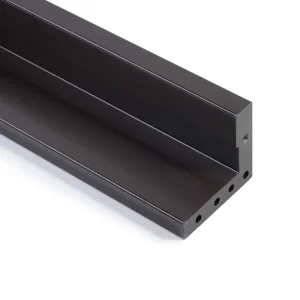
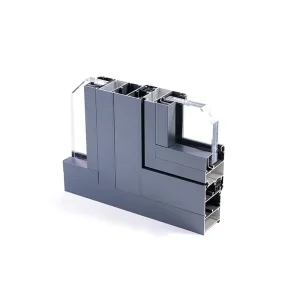
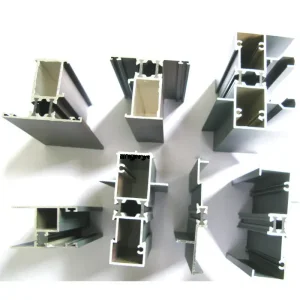
High-performance engineering extrusions specifically adapted for structural wall systems, curtain walls, and premium architectural applications within the New England territory.
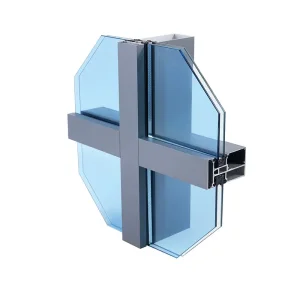
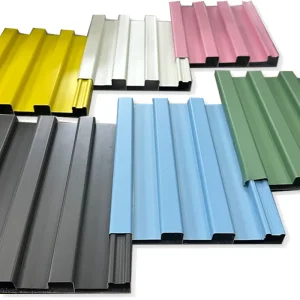
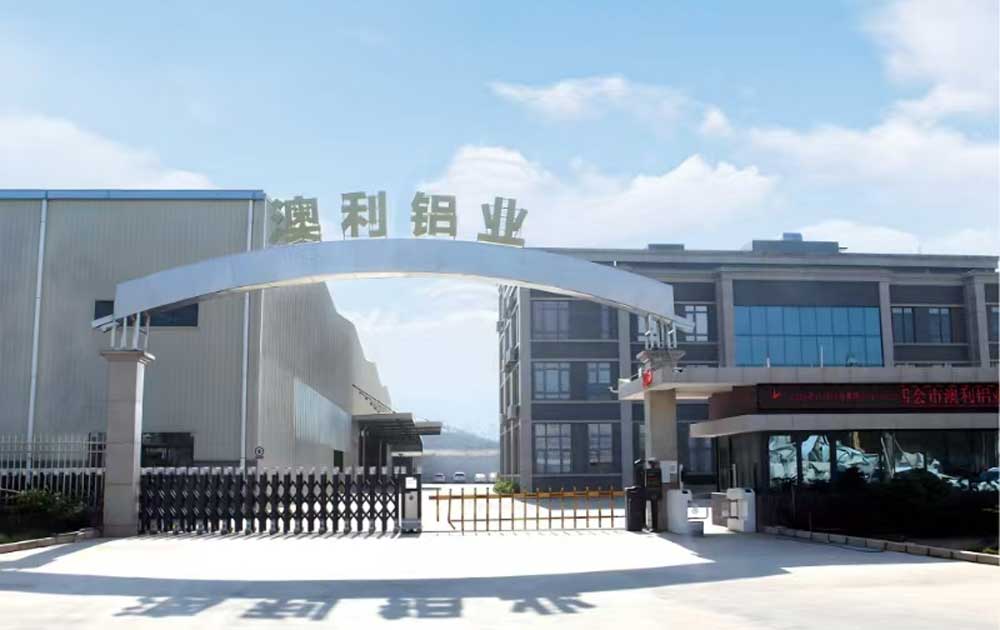
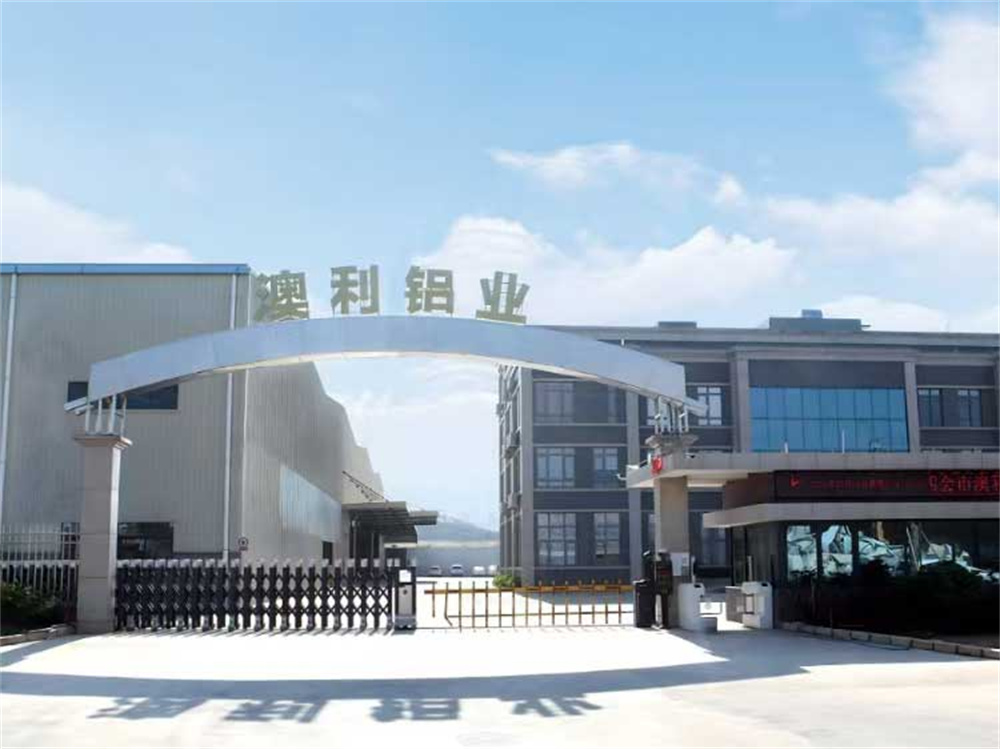
Established in 2009, Aoli Aluminum (brand name: Aolijie) has pioneered the development and processing of structural aluminum profiles. Operating from our state-of-the-art facilities in Sihui and Foshan, Guangdong, we have built a world-class vertical manufacturing workflow from raw ingot to precision custom profile finishing.
Our global supply chain network is fully certified under ISO quality systems, serving architectural, renewable energy, EV manufacturing, and custom industrial applications across major global metropolitan centers, including Boston and the New England territory.
"Our mission is building sustainable cities for the world. Committed to achieving a win-win situation for employees, customers, and society."
An in-depth white-paper analysis of aluminum extrusion technologies, decarbonization regulations, and localization metrics.
Boston's ambitious climate plan, particularly the Building Energy Reporting and Disclosure Ordinance (BERDO 2.0), mandates that all commercial and residential structures over 20,000 square feet achieve net-zero emissions by 2050. This regulation profoundly influences envelope engineering. Building envelopes are responsible for nearly 30% of heating and cooling energy loss, shifting the structural demand toward highly insulated thermal break aluminum window frames and curtain walls.
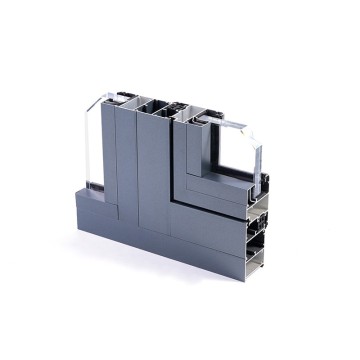
Our architectural profiles incorporate polyamide thermal barriers (polyurethane pour-and-debridge systems) that radically lower the thermal transmittance ($U$-value) of glazed structural systems. Given Boston's harsh coastal winters and hot summers, these structural profiles must withstand critical marine salt-mist exposure while keeping temperature gradients completely stable across the facade.
Beyond architecture, the New England corridor is a rising center for clean tech, electric vehicular testing, and hardware innovation. Our custom precision extrusions, such as 6000-series alloy structural components, EV battery trays, and heat sinks, provide the thermal efficiency and lightness required by modern battery enclosures. The proximity of academic, tech, and clinical labs in Boston creates a unique demand for precision-milled structural framing for cleanrooms and sensitive machinery.
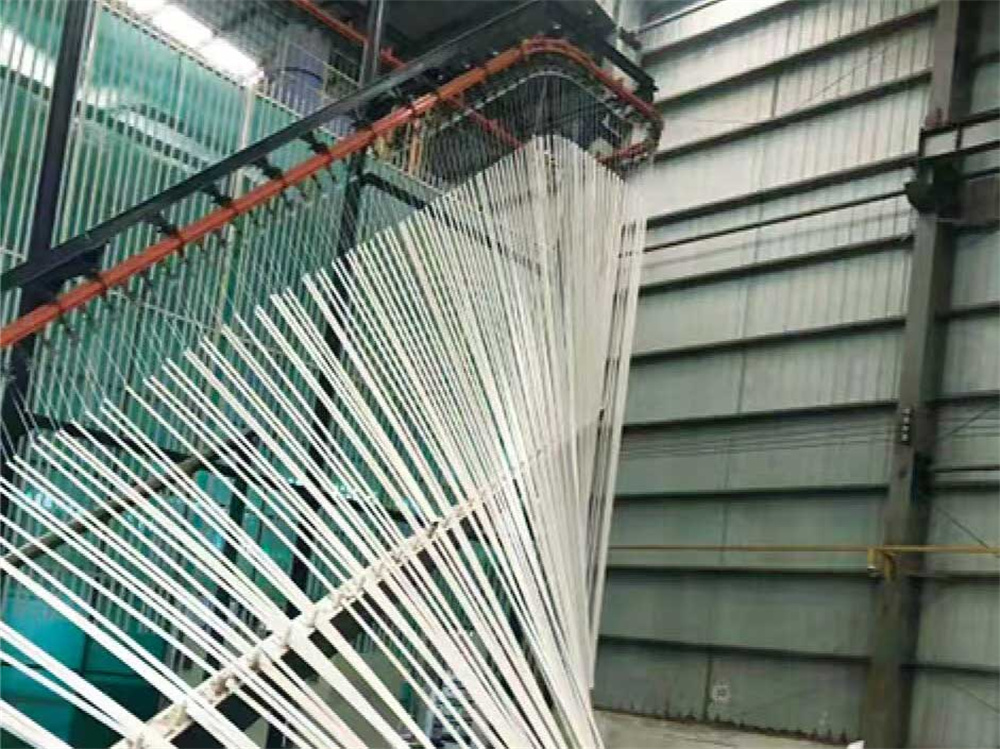
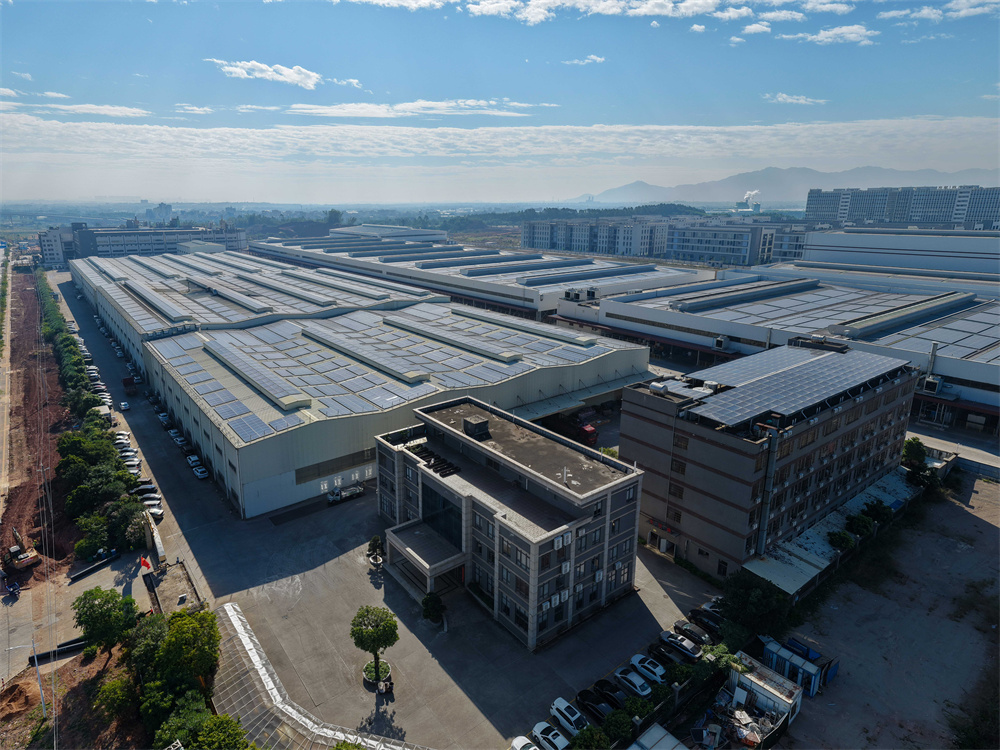
Our proprietary brand, "Aolijie", represents over 4 manufacturing plants equipped with advanced processing capabilities. This includes 900-ton to 2000-ton hot extrusion presses, modern electrostatic powder coating systems, electrophoretic painting lines, PVDF coating processing, wood grain sublimation transfers, complex die design facilities, and high-precision multi-axis CNC machining centers. This enables us to transition seamless raw structural shapes into fully finished components.
With an annual output exceeding 100,000 metric tons, Aoli Aluminum supports over 100 profile series encompassing 1,000 customized architectural and industrial configurations. Utilizing alloy compositions (6063, 6061, 6082, 6005), we deploy advanced mechanical testing equipment to secure geometric tolerance margins exceeding ASTM and EN specifications. Our products have earned deep client trust in regional markets across North America, South America, the Middle East, and Southeast Asia.
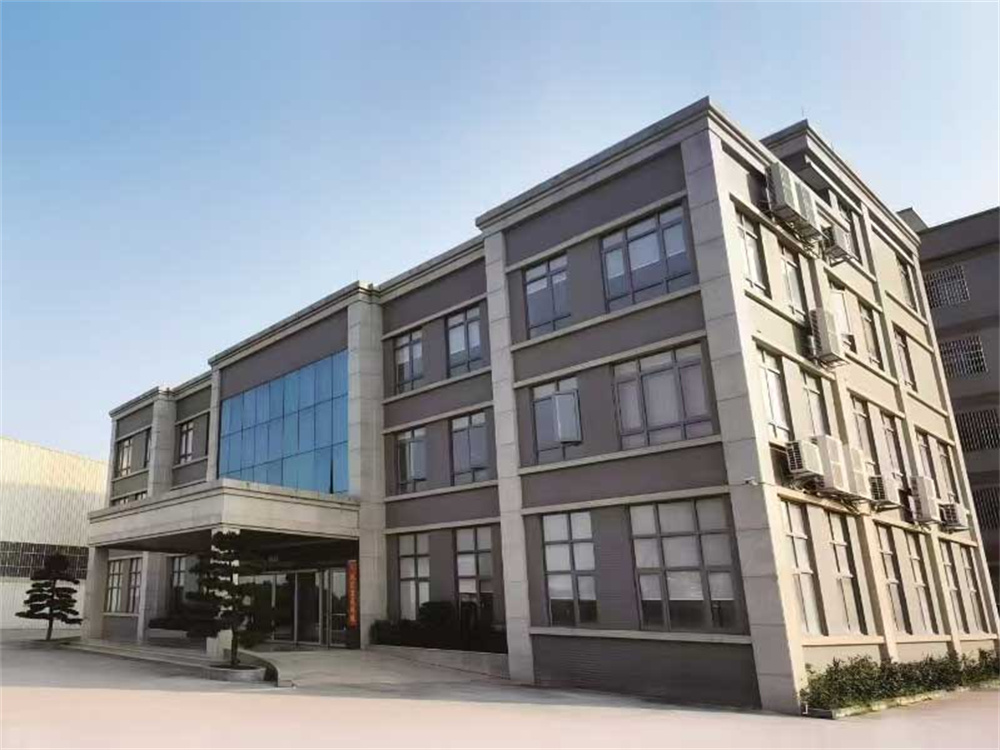
A pictorial look at our integrated production layout, featuring high-capacity extrusion lines, finishing shops, and testing equipment.
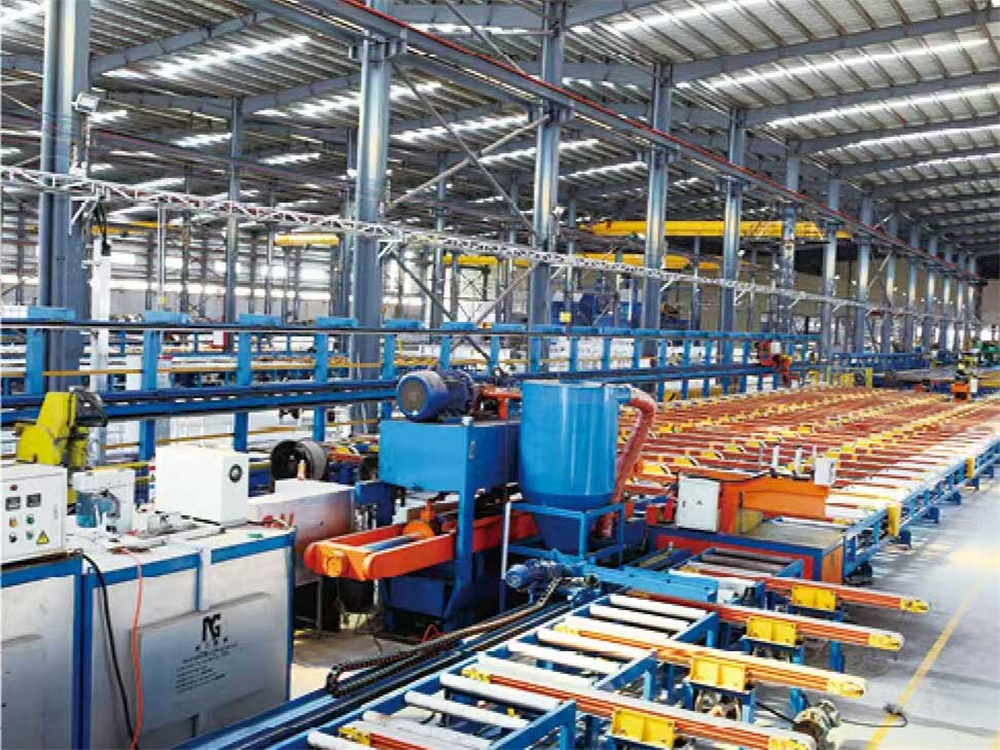
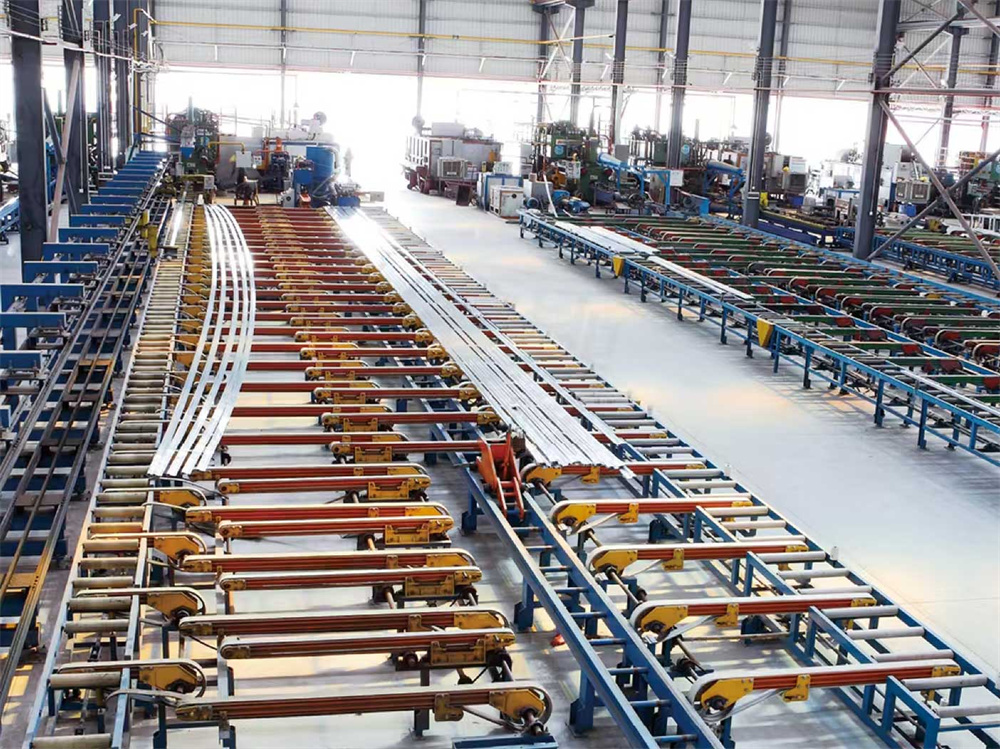
How Aoli Aluminum grew from a localized supply house into a primary global manufacturer of high-quality extruded products.
We regard our clients' engineering achievements as our prime directive. Our profiles are shaped around performance criteria that guarantee downstream integration efficiency.
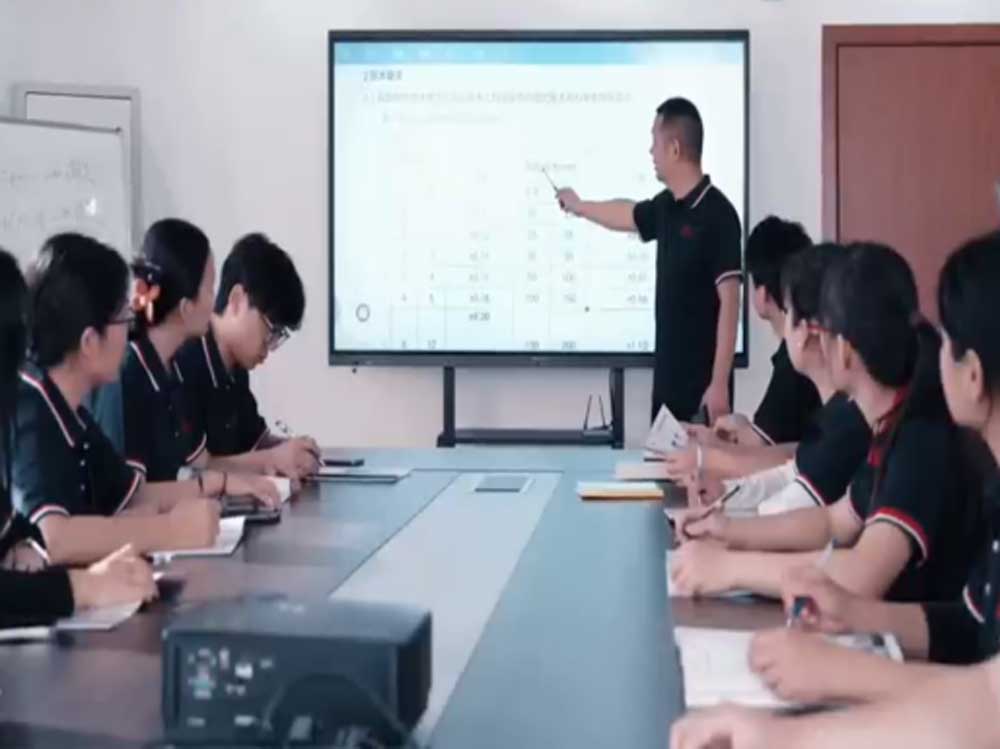
Advancing manufacturing careers through continuous training, safety regulations, and localized operational welfare is key to our organizational strength.
No shortcut justifies compromising quality. Every extrusion batch leaves our facility backed by certified testing records verifying alloy compliance.
Founded in 2000 by Mr. Wong during the rapid rise of structural metal works in East Asia, Aoli Aluminum recognized the vast long-term environmental value of aluminum: highly recyclable, light, and structurally stable.
Decoding the Name Aolijie:
Factory established in Sihui, Guangdong, covering 10,000 square meters. "Aolijie" brand launched focusing on high-grade residential framing profiles.
Secured 13 core manufacturing patents and established ISO 9001 quality system certifications, building a base for heavy industrial custom solutions.
Invested in a large-scale, modern 100,000 square meter factory complex, lifting manufacturing capability to a high of 100,000 tons per year.
Established direct sales divisions in Foshan and set up localized logistics and global supply chain partnerships, including new service channels for East Coast US hubs like Boston.
Detailed engineering guidelines on alloy compositions, structural loads, and surface finishing technologies.
Boston's maritime climate requires careful consideration of stress corrosion cracking and surface pitting. We customize alloy compositions depending on project loads:
| Alloy Specification | Yield Strength (min) | Tensile Strength (min) | Hardness (Webster) |
|---|---|---|---|
| 6063-T5 | 110 MPa | 150 MPa | ≥ 8 HW |
| 6063-T6 | 170 MPa | 205 MPa | ≥ 12 HW |
| 6061-T6 | 240 MPa | 260 MPa | ≥ 15 HW |
| 6082-T6 | 250 MPa | 290 MPa | ≥ 15 HW |
Explore our deep library of architectural, structural, and custom electronic heat management solutions.
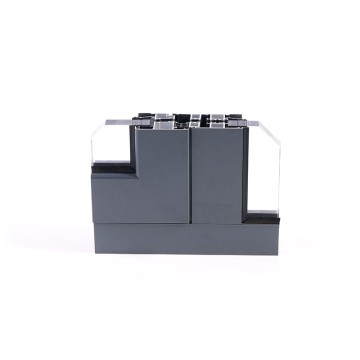
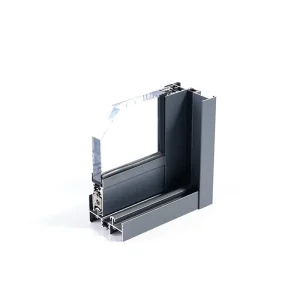
Superior thermal isolation profiles meeting global energy certifications.
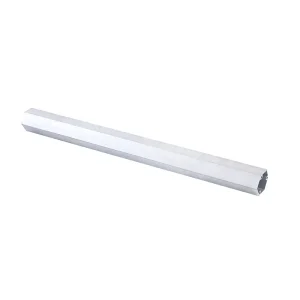
Anodized, electrophoretic, and PVDF coatings resistant to marine atmospheric degradation.
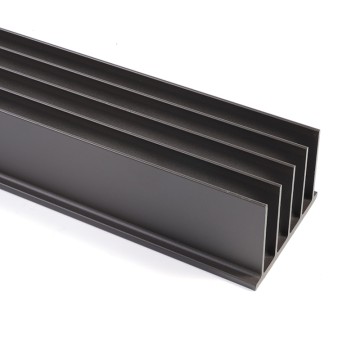
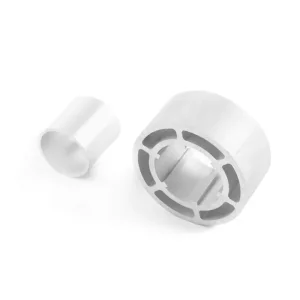
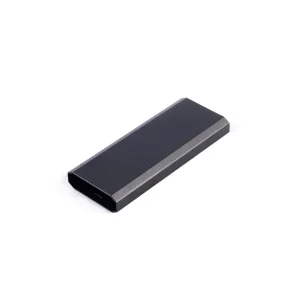
High-tolerance battery casings, cold plates, and power-bank heat-sinks.
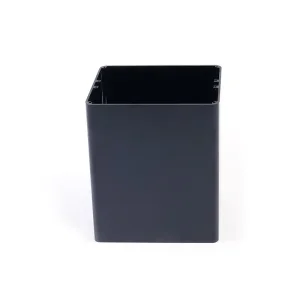
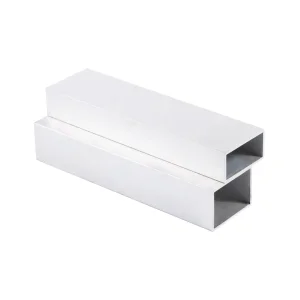
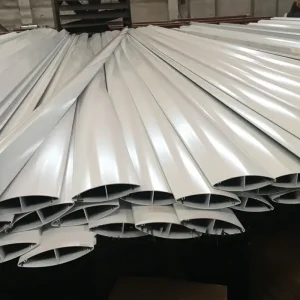
Heavy structural profiles featuring double-cavity load resistance.
How our ISO 9001 certified labs verify mechanical stability and surface longevity before shipping.
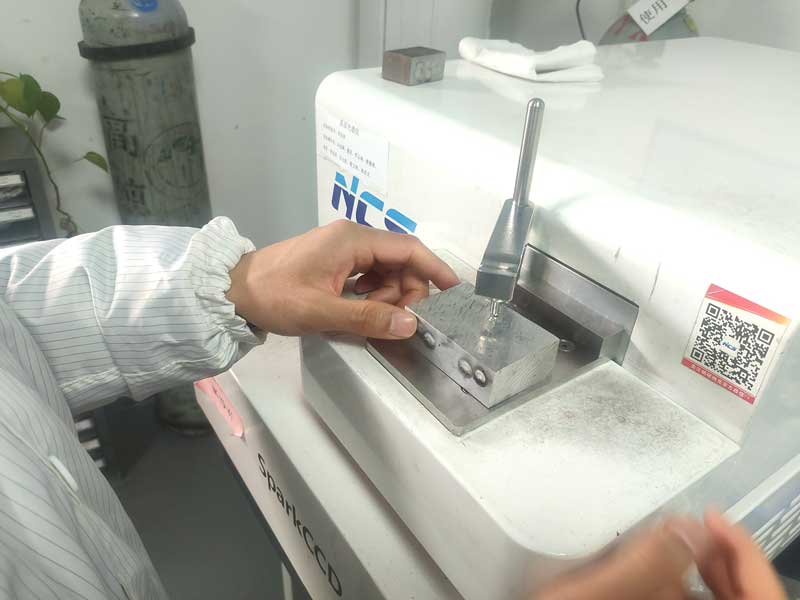
Spectrometry testing ensures optimal concentrations of Magnesium, Silicon, and Iron to secure mechanical parameters and avoid structural defects.
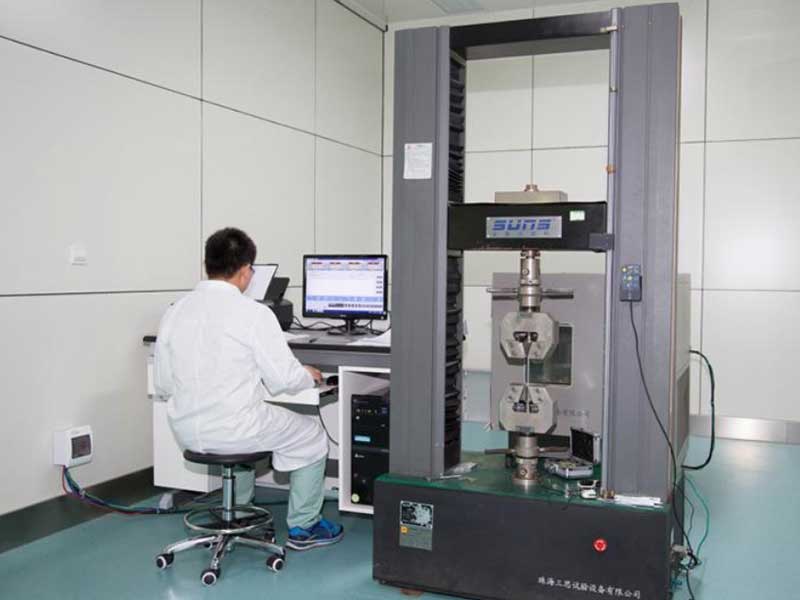
Verification of structural elasticity modulus, ultimate strain tolerance, and fracture thresholds conforming to structural load requirements.
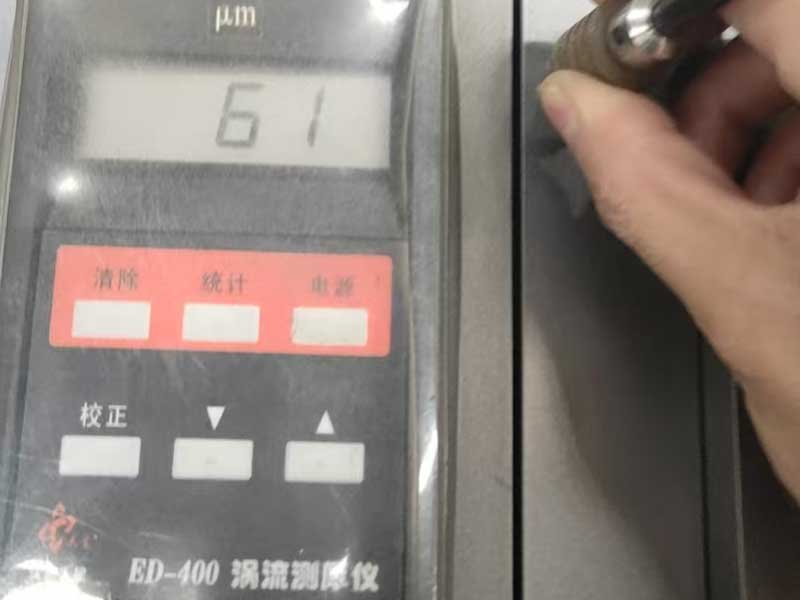
Accelerated UV aging, cross-hatch paint adhesion testing, and cyclic salt spray chambers validating suitability for Boston's marine coast.
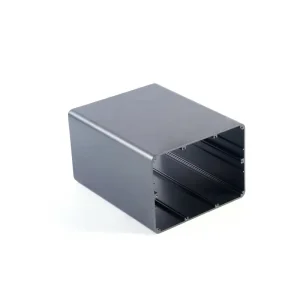
Heavy-duty, precision industrial extrusions, electronic heat-sinks, EV battery casings, and structural framing solutions.
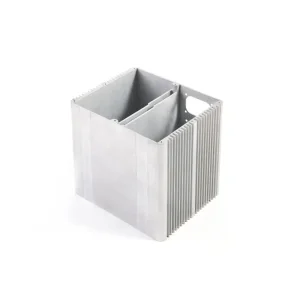
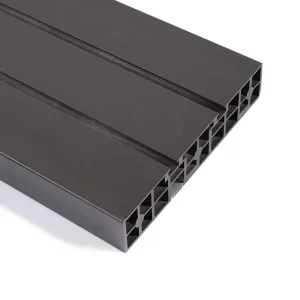
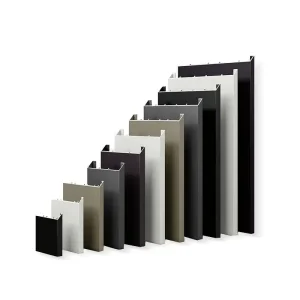
Get professional advice on customized aluminum profile design, shipping details, and quality certifications.
We employ a complete mechanical design department that works alongside Boston architects and structural engineers. Customers supply CAD drawings or physical design files. We review raw mechanical constraints, suggest optimal alloy selections (e.g., 6063-T6 or 6061-T6 depending on load conditions), and adjust extrusion draft angles to ensure structural integrity and reduce die assembly expenses.
For coastal applications like the Boston harbor district, we recommend PVDF (Fluorocarbon) coating or class-II anodized finishing (exceeding 18 microns). PVDF coating possesses outstanding resistance to salt air corrosion, acid rain, and UV exposure. It carries a color stability life of up to 15-20 years in highly exposed coastal environments.
Yes. Our customized thermal break aluminum profiles use high-precision, fiber-reinforced polyamide 66 thermal barrier strips (PA66-GF25). This integration interrupts the conductive thermal bridge across outer and inner aluminum sections, reducing thermal transmission values to assist building projects in complying with ASHRAE energy targets and Boston's BERDO standards.
For custom configurations, the die design and manufacturing process takes 10 to 14 days. Extrusion and finishing operations take an additional 15 to 20 days. Our standard custom die MOQ starts at 500 kg per configuration, which is waived if the total project volume exceeds 3 to 5 metric tons.
Our internal QA lab checks each production lot via spectrometer testing (alloy verification), Rockwell hardness testing, and tensile strain analysis. For surface coatings, we conduct cross-hatch adhesion, coating thickness verification (magnetic gauge), and color-meter matching tests. All shipments are accompanied by mill-certified chemical and physical testing reports.
Get expert engineering consultation, custom die pricing, and detailed architectural support tailored for your Boston or global construction and manufacturing applications.
Send Inquiry Now Aoli Aluminum