High-demand architectural components engineered to withstand the unique structural and meteorological requirements of modern Bangkok infrastructure projects.
As the primary economic motor of Thailand and the central hub of the Eastern Economic Corridor (EEC), the metropolitan area of Bangkok is undergoing an unprecedented structural transition. The demand for lightweight, high-tensile, corrosion-resistant metallurgical alloys is rising sharply. Modern Bangkok development is characterized by towering skyscrapers, comprehensive urban rail transit expansion, and rapid industrialization in areas such as Samut Prakan, Chonburi, and Rayong.
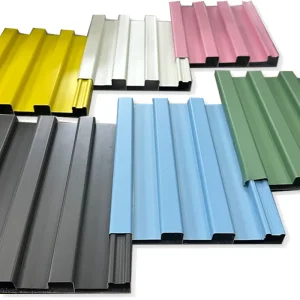
In the architectural sector, developers facing Bangkok's tropical climate—characterized by high humidity, coastal air, and monsoons—require exterior solutions that offer exceptional durability. Ordinary building profiles often suffer from accelerated thermal expansion and electrolytic corrosion. This has driven the industry toward premium 6000-series aluminum alloys with advanced surface coatings like fluorocarbon (PVDF) and architectural anodizing, which ensure structural integrity and aesthetic performance for decades.
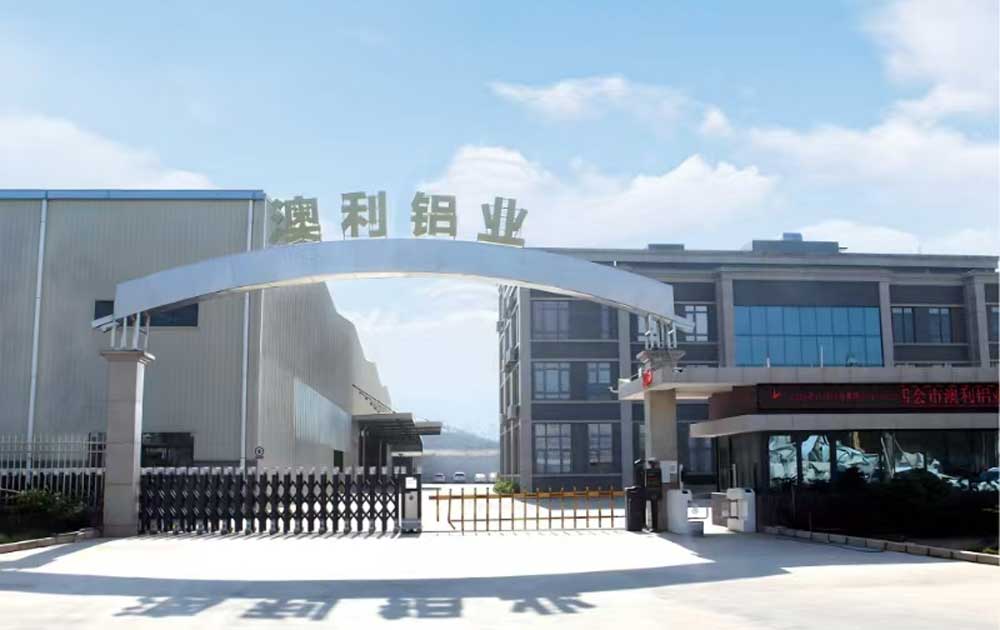
In the global supply chain, purchasing officers look to Chinese industrial hubs like Foshan and Sihui in Guangdong to meet demanding project schedules. The Chinese aluminum extrusion sector stands out for its high level of integration, process automation, and extensive catalog of pre-engineered molds.
Choosing a vertically integrated manufacturer like Aoli Aluminum provides several distinct advantages:
Deploying advanced aluminum materials to solve structural, thermal, and electrical challenges across commercial and industrial zones in Southeast Asia.
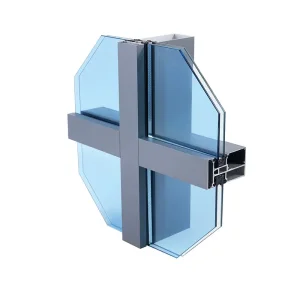
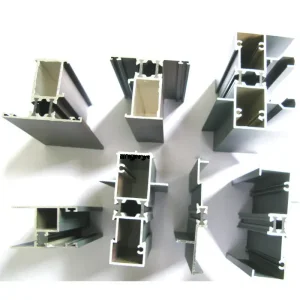
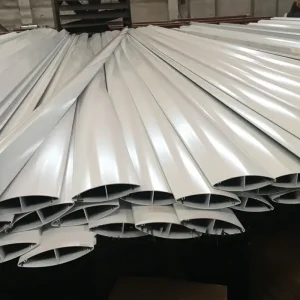
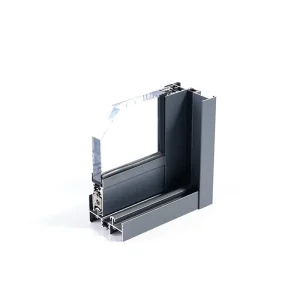
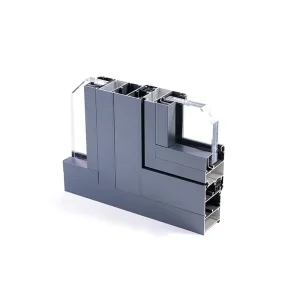
Specially designed for Bangkok's high-rise residential and commercial towers along Sukhumvit. Our profiles provide optimal wind load deflection resistance, water tightness, and structural stability, compliant with international building safety codes.
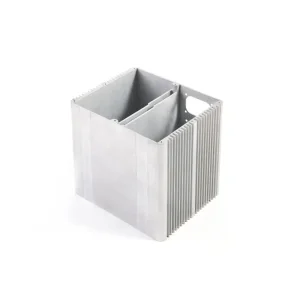
With Thailand's automotive corridor transforming into an EV powerhouse, we manufacture tight-tolerance battery cases, EV floorboards, and heat sinks utilizing 6061-T6 and 6063-T6 alloys to maximize thermal dissipation and structural crash protection.
Addressing the solar energy systems deployed across commercial rooftops in Thailand. Engineered with thick-micron anodization (15μm+) to prevent surface pitting and degradation under intense UV radiation and humid atmosphere conditions.
Established in 2009, Aoli Aluminum integrates research, development, and advanced extrusion manufacturing to build sustainable cities worldwide.
Since 2000, our founder Mr. Wong has been deeply involved in the building materials industry. Recognizing the role of aluminum as an environmentally friendly, low-carbon, and highly recyclable structural material, Mr. Wong envisioned high-performance architectural systems to support global urbanization. In 2009, this vision was realized with the establishment of Aoli Aluminum in Sihui, Guangdong, under the brand name "Aolijie".
"Aolijie" represents a commitment to high standards: "AO" denotes the premium first choice; "LI" references leading industrial indicators; and "Jie" signifies master-level craftsmanship.
Today, our operations feature a 100,000-square-meter facility with an annual production capacity exceeding 100,000 tons. Headquartered in Sihui, with commercial offices in Foshan and upcoming operations in Malaysia, we serve developers and industrial firms across the Middle East, South America, Africa, and Southeast Asia.
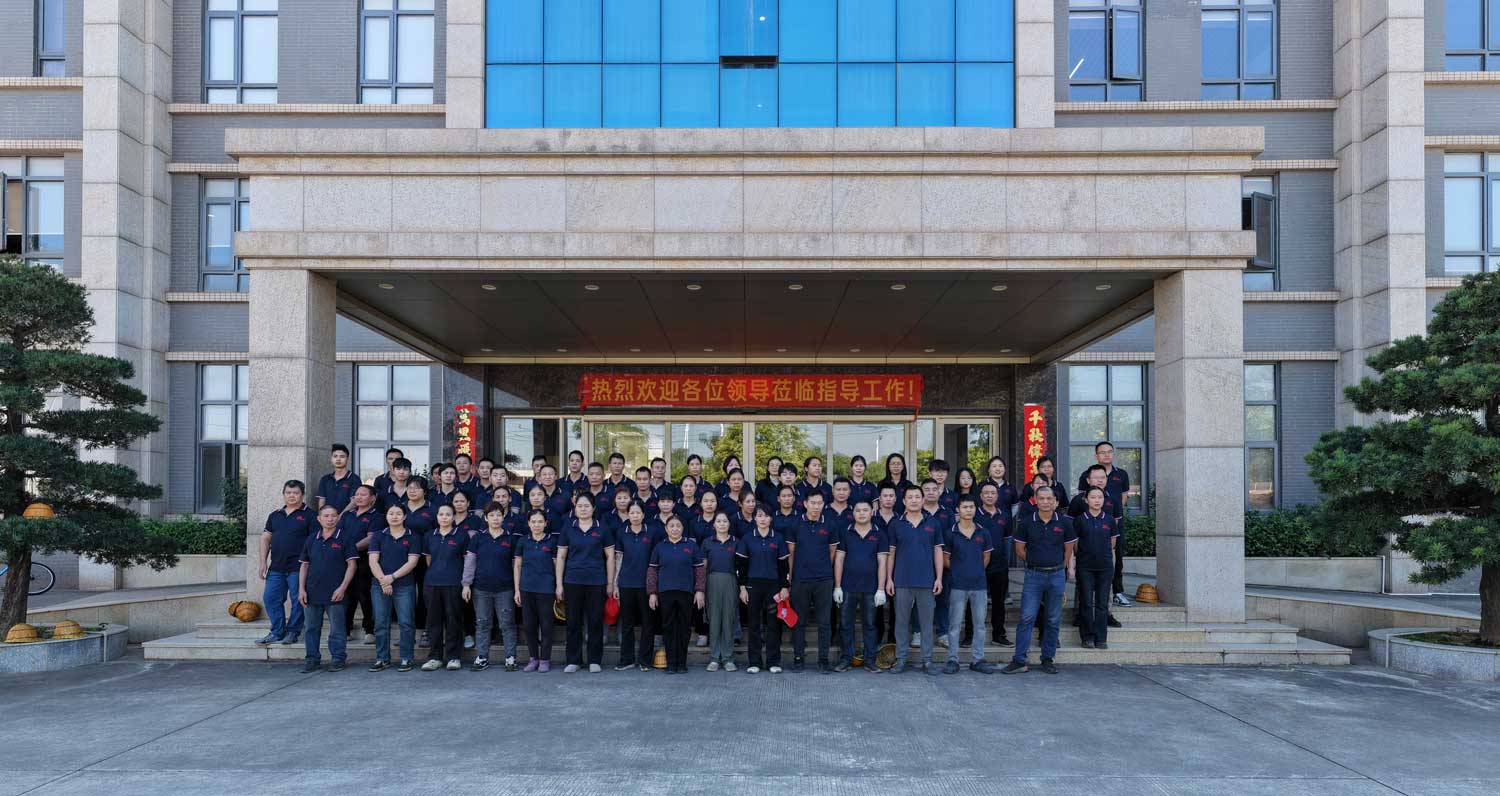
Track our trajectory from a regional extrusion manufacturer to a global supplier of specialized industrial aluminum systems.
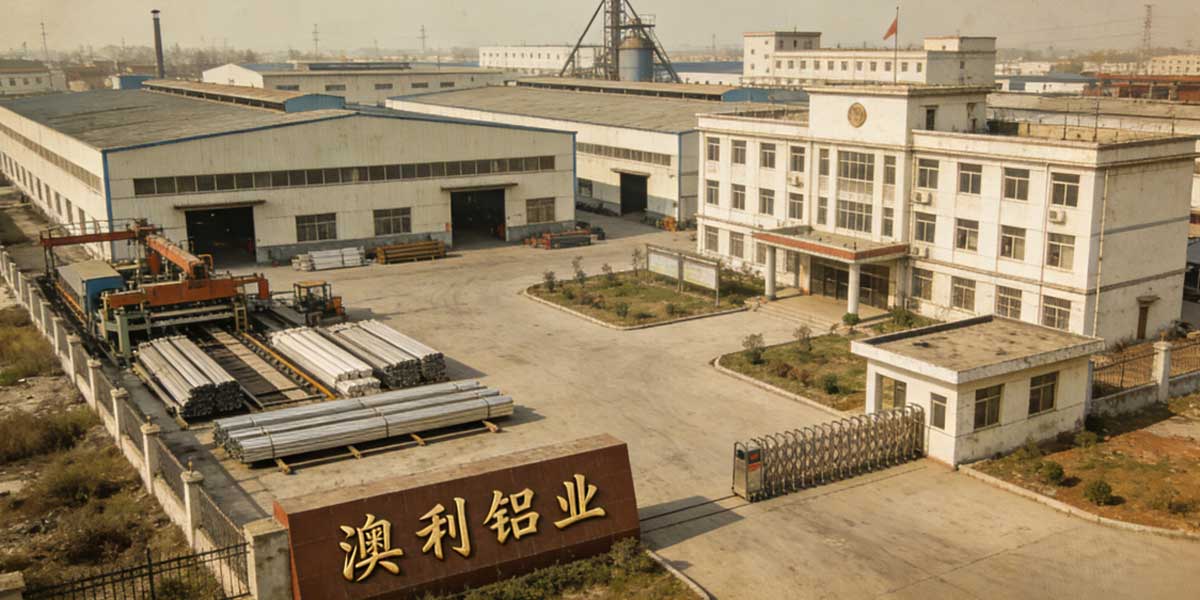
Established our 10,000 m² factory in Sihui, Guangdong, introducing the brand name "Aolijie" to the market.
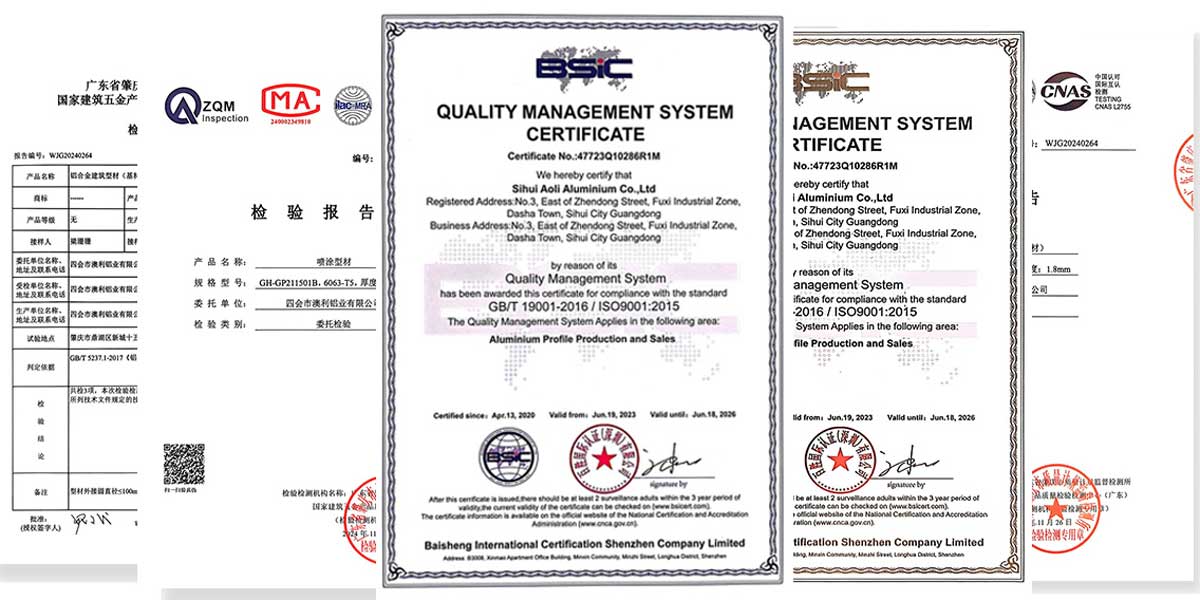
Secured 13 technology patents and achieved full compliance with ISO 9001 quality management systems.
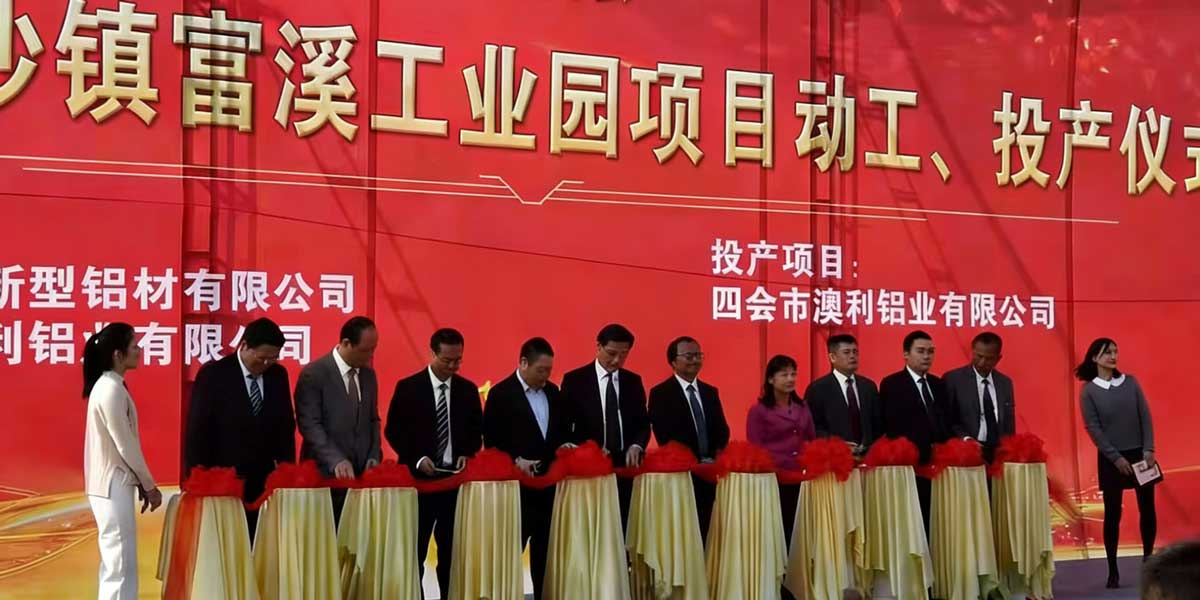
Constructed our 100,000 m² automated production facility, scaling annual capacity to 100,000 tons.
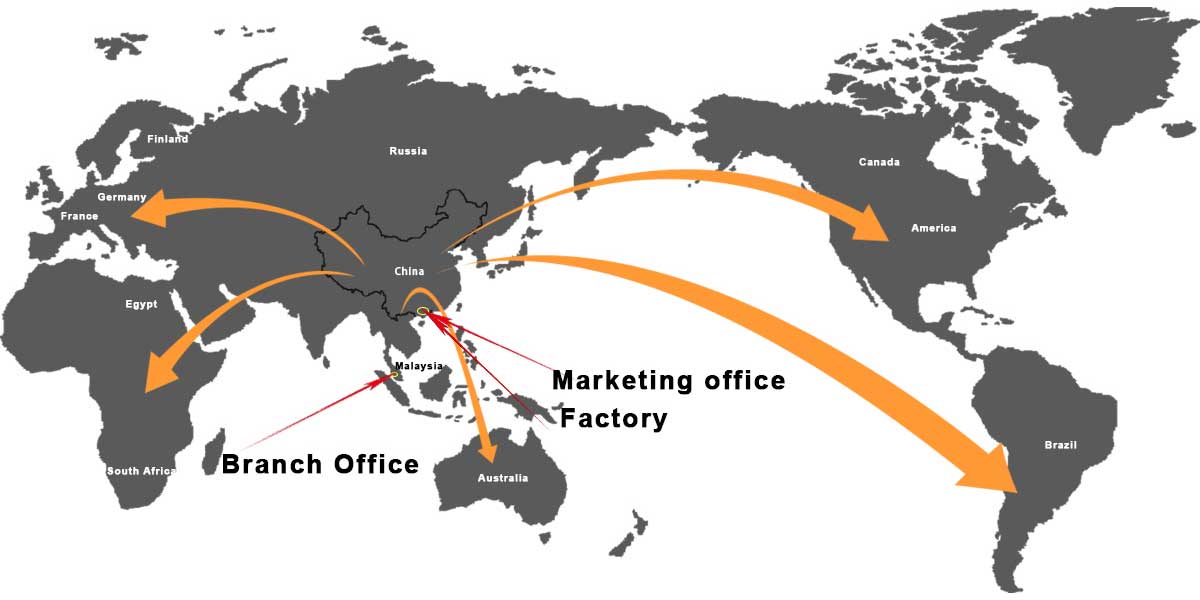
Opened our Foshan sales branch, with plans to establish our first overseas office in Malaysia by 2026.
Each production batch undergoes testing in our lab facility to ensure compliance with ASTM, EN, and local TISI specifications.
To verify the mechanical and surface integrity of our extrusions, we follow a testing protocol: 100% visual inspection, 5% secondary spot checks, and random AQL (Acceptable Quality Level) sampling based on ISO 2859 or ANSI/ASQ Z1.4 standards.
We test for:
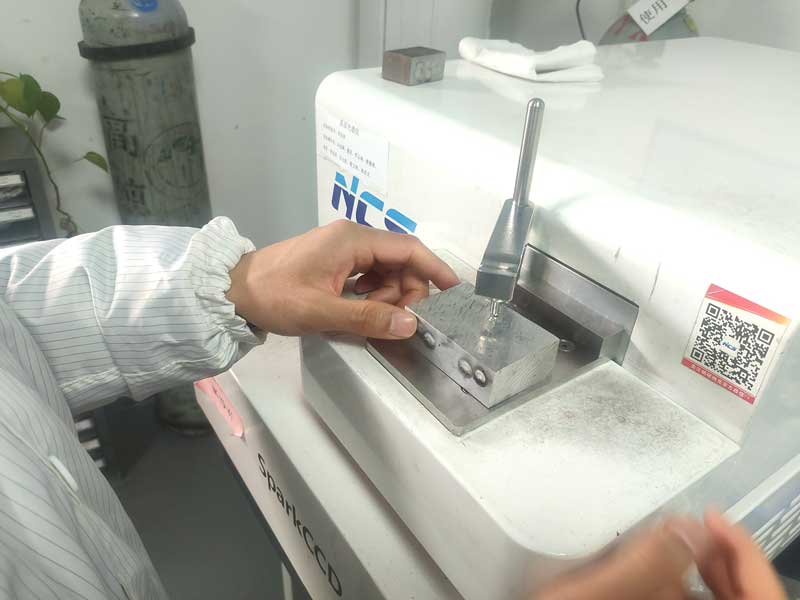
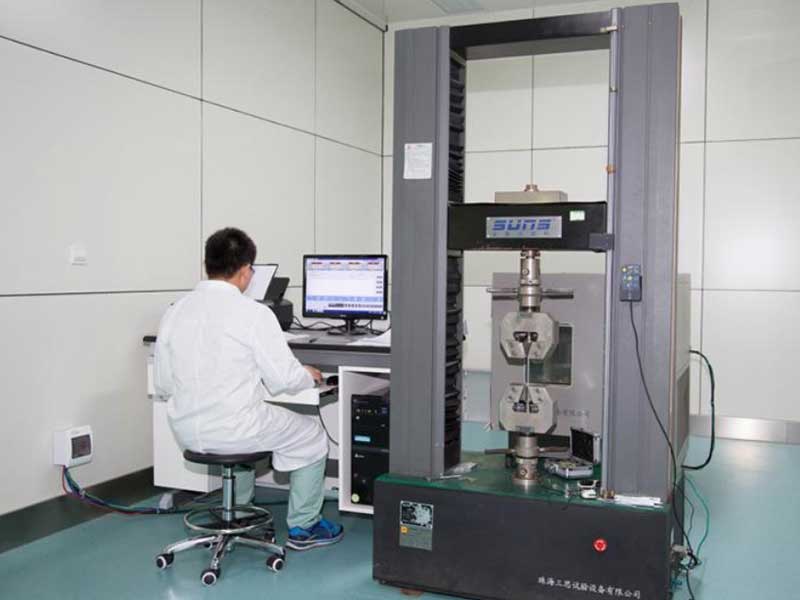
Tensile Strength Test
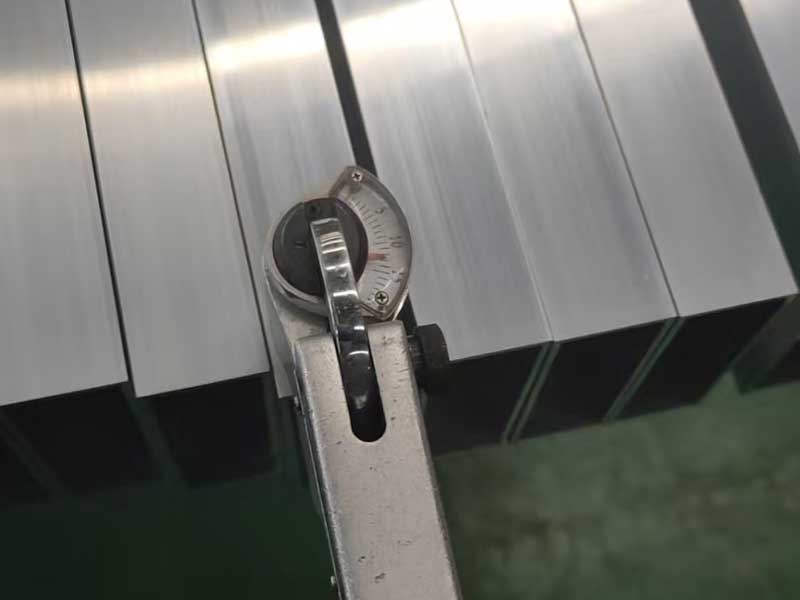
Barcol/Webster Hardness Test
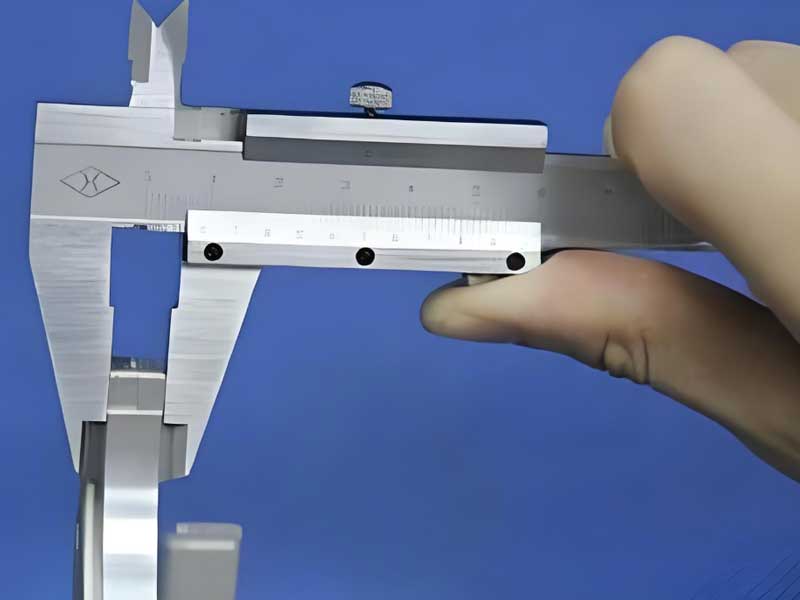
Dimensional Measurement
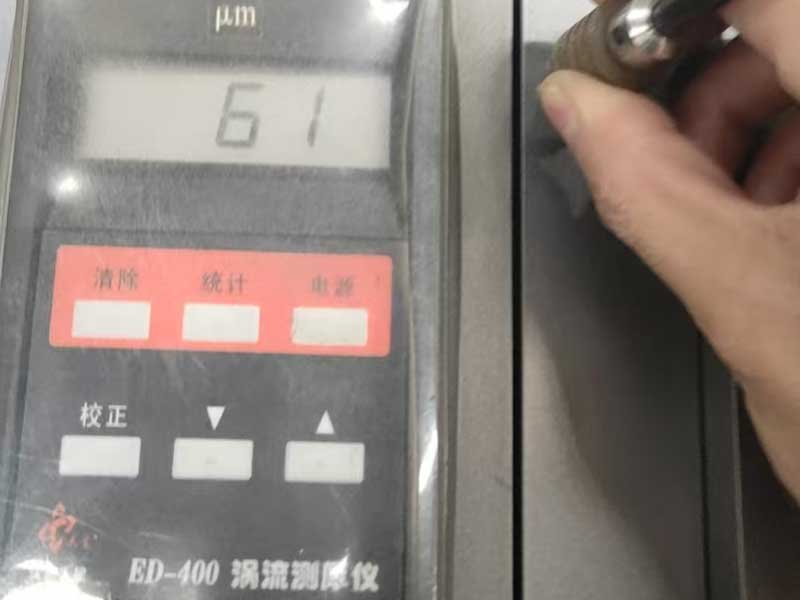
Coating Thickness Test
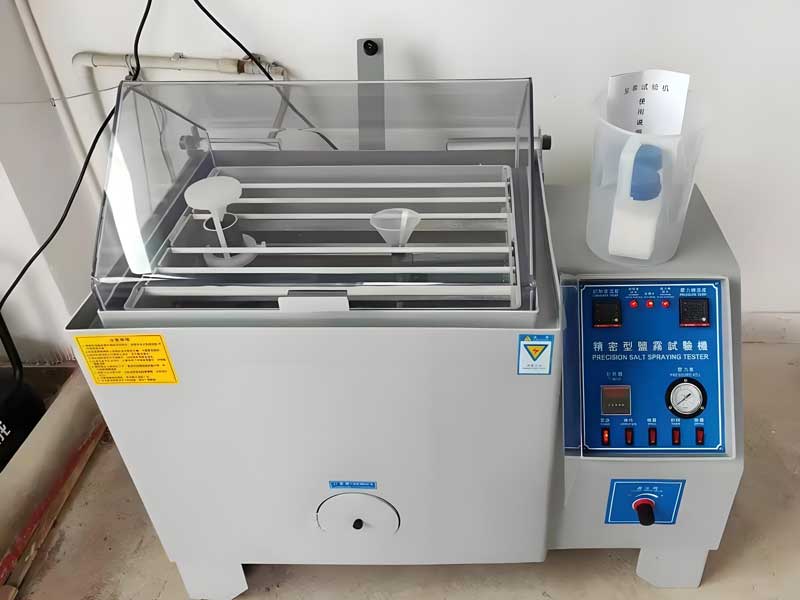
Salt Spray Corrosion Resistance
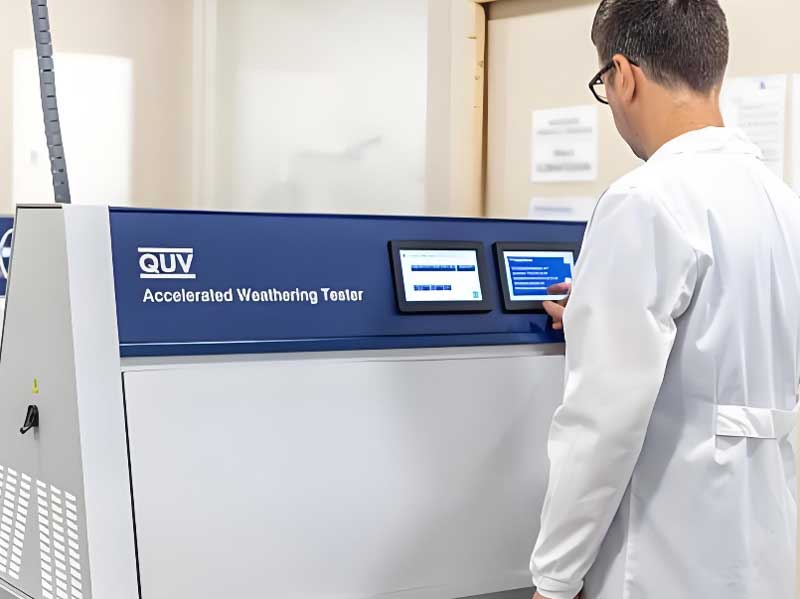
Accelerated UV Aging Test
Take a virtual look inside our factory. From smelting to extrusion, surface treatment, and precision CNC deep processing.
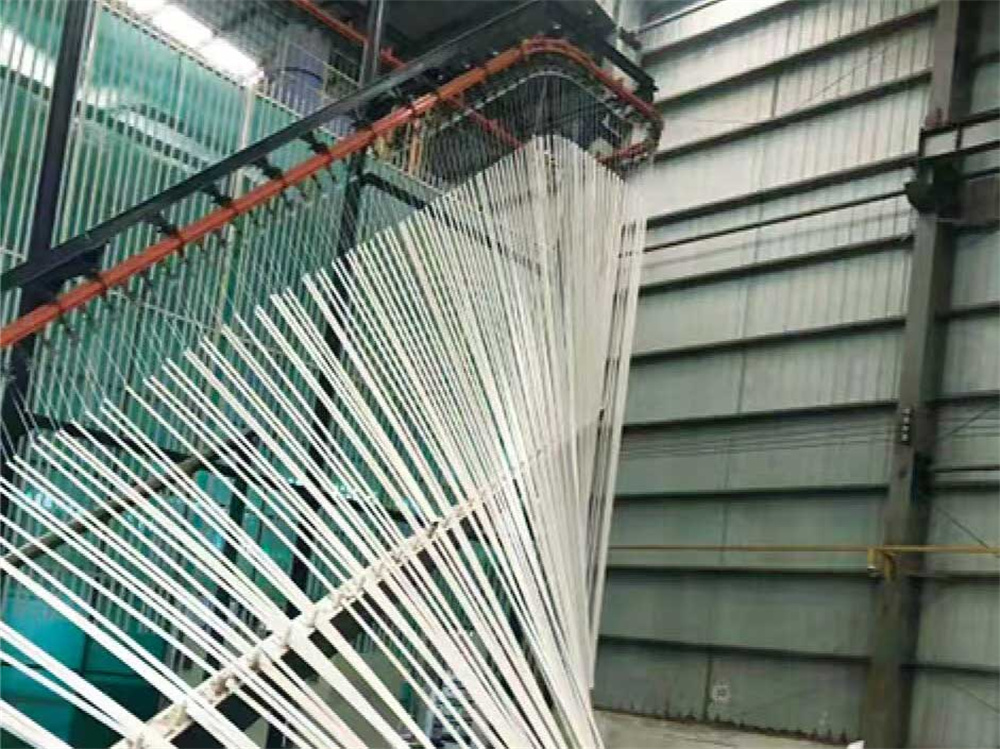
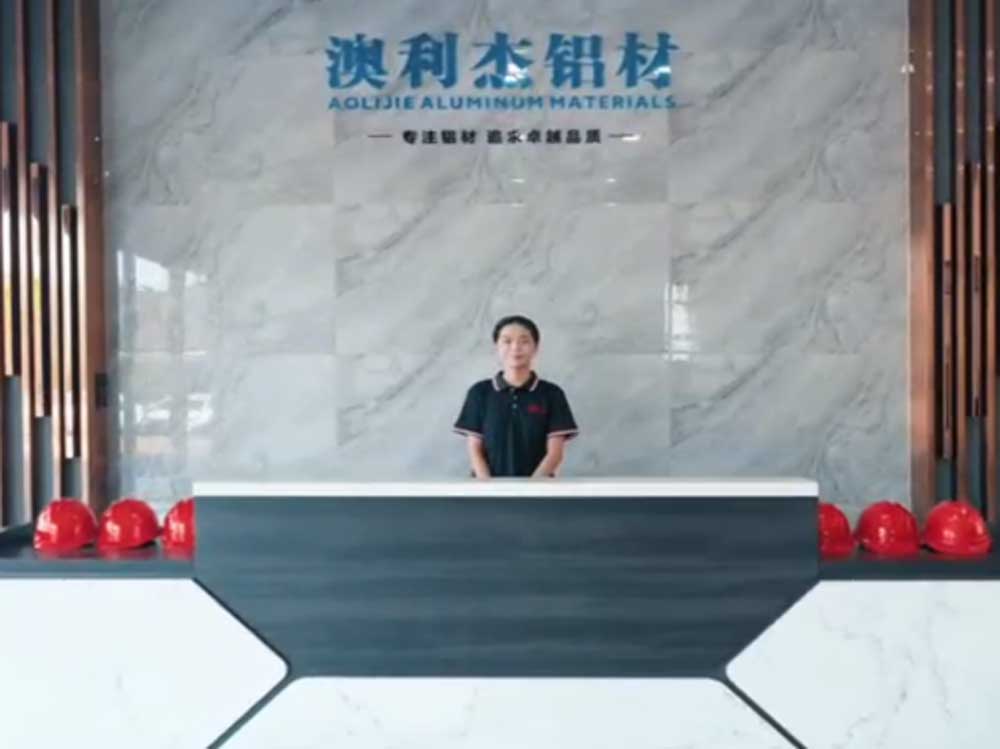
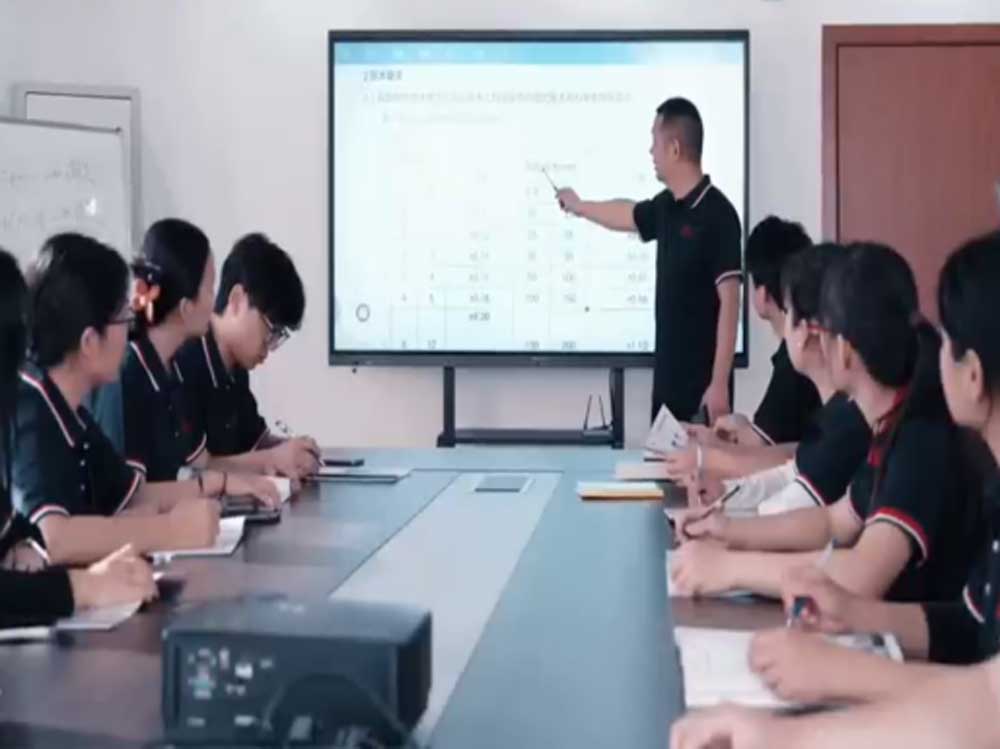
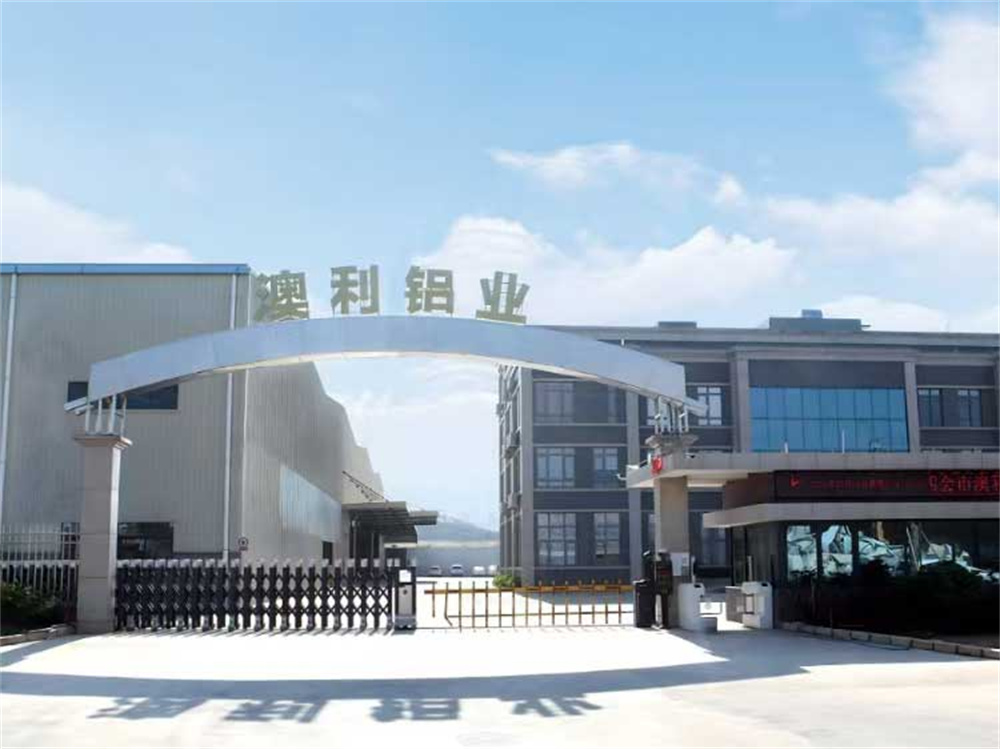
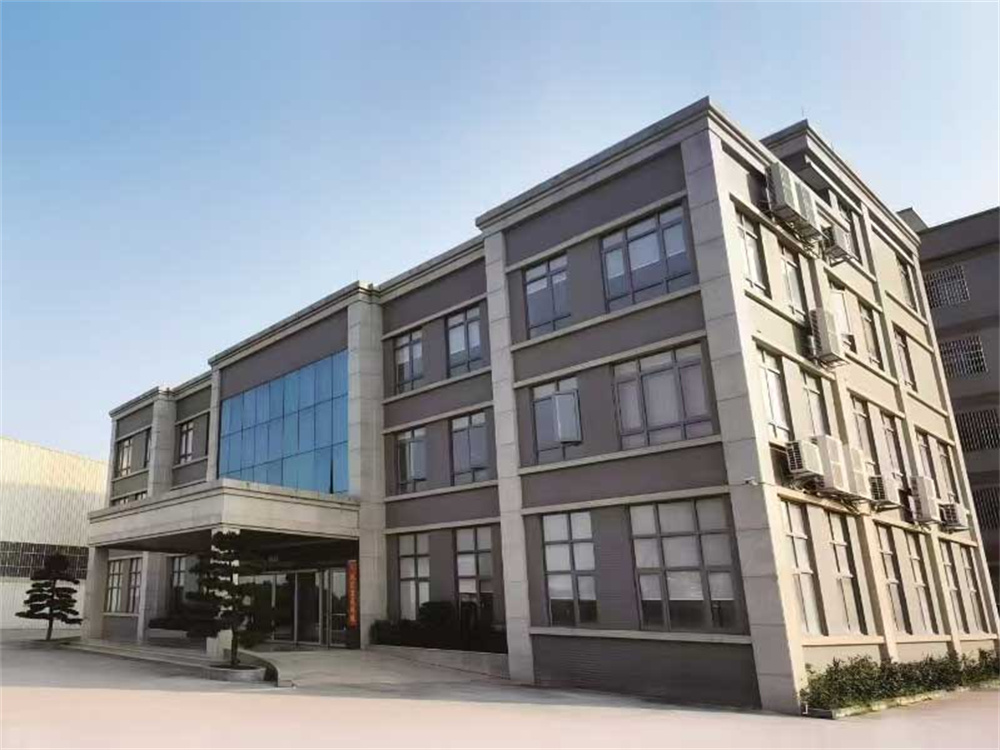
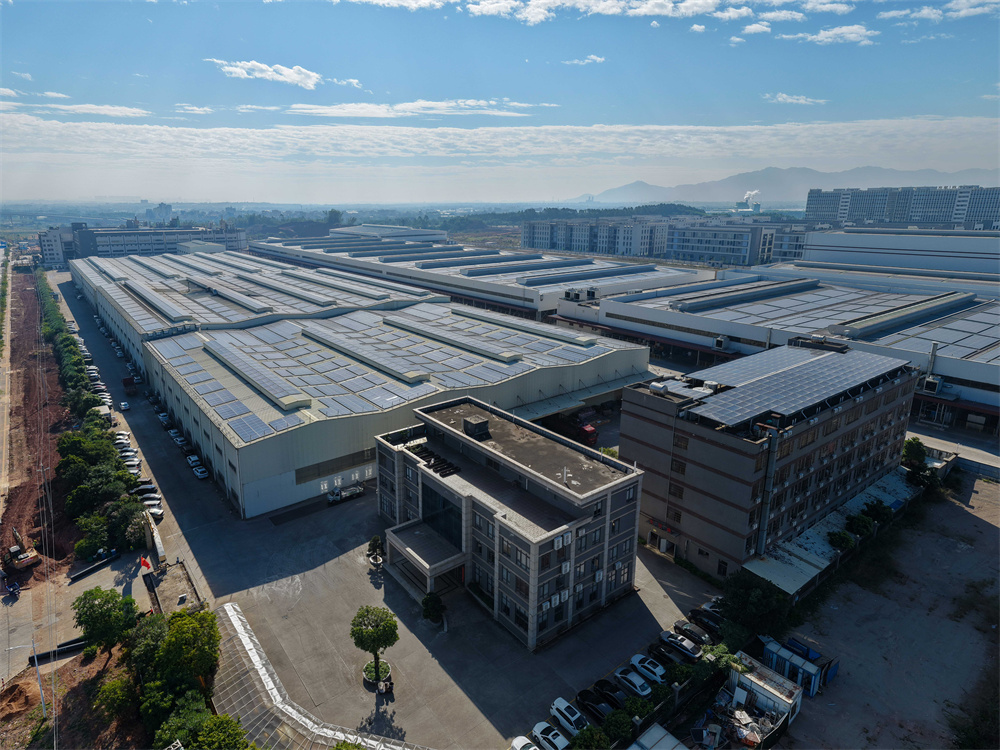
Our materials are utilized in high-profile building envelopes, automotive assembly plants, and structural frames globally.
Providing direct, transparent, and authoritative answers to common inquiries from architectural designers, engineers, and procurement managers.
For structural applications such as curtain walls and window frames in coastal or tropical monsoon regions, we recommend the 6000-series alloys, particularly 6063-T5 or 6063-T6. 6063 provides excellent surface finish quality and extrudability, while 6061-T6 is preferred for heavy load-bearing structural elements due to its higher tensile strength.
We offer three high-durability surface treatment options: Fluorocarbon (PVDF) coating, which is highly resistant to chemical corrosion and UV degradation; Class I Anodizing (thickness > 15 microns), which creates an integrated oxide layer that prevents surface pitting; and Electrophoretic coating (electrophoresis), which provides a uniform, glossy finish with high moisture barrier properties.
For custom configurations, the design and drawing approval process typically takes 2–3 days. Tooling and mold fabrication are completed within 7–10 days, followed by sample extrusion and quality approval. Once samples are verified, mass production is generally completed within 15–20 days, depending on the volume and surface treatment specifications.
We provide complete documentation under the China-ASEAN Free Trade Agreement (FTA), including the Certificate of Origin (Form E). Form E allows importers in Thailand to clear customs with reduced or zero import tariffs. Our logistics team coordinates sea freight shipments directly from Shenzhen or Guangzhou ports to Bangkok Port or Laem Chabang Port.
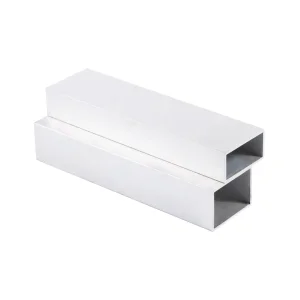
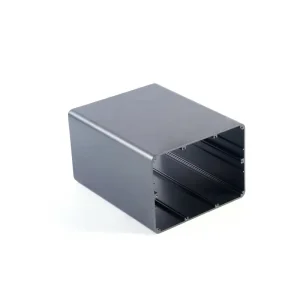
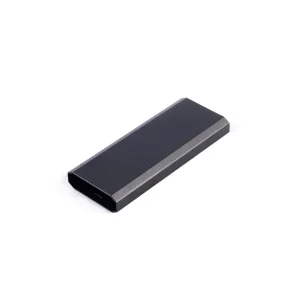
Select from our standard profiles, or contact our engineering department to develop custom tooling matching your design specifications.
 Aoli Aluminum