-
🔥
Superior Thermal Conductivity — exceeding 180 W/m·K for rapid heat dissipation
-
⚙️
Optimized Multi-Channel Fin Architecture — maximizes surface area for uniform heat transfer
-
🛡️
Excellent Corrosion Resistance — reliable performance under diverse operating conditions
-
⚡
High Strength-to-Weight Ratio — supports vehicle lightweighting for extended driving range
-
🔧
Full Custom Flexibility — simple shapes to complex multi-void profiles on demand
-
🛠️
Value-Added Services — precision cutting, CNC machining, micro-grooving & surface treatments
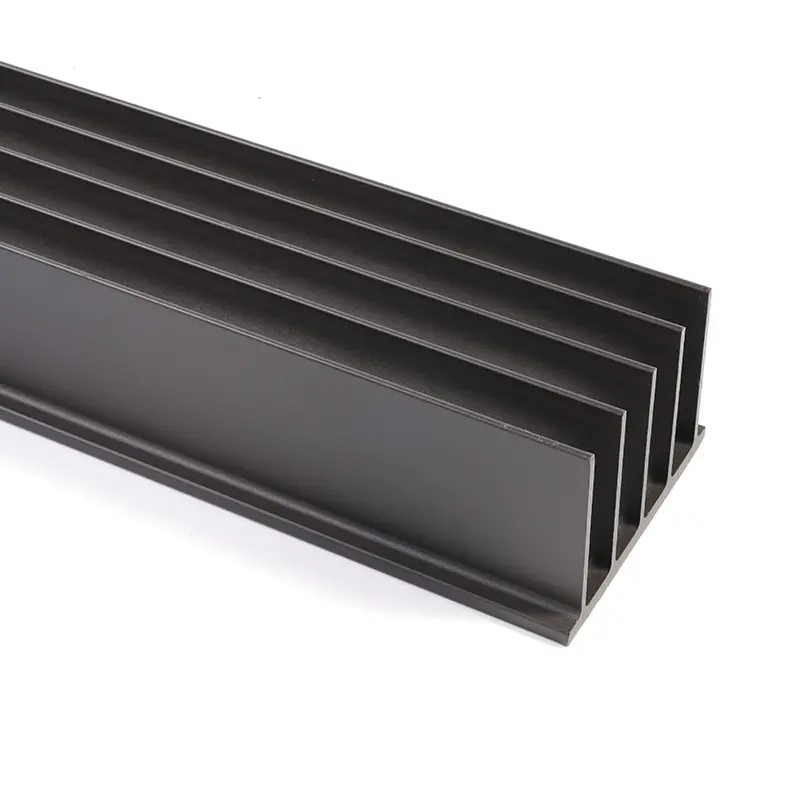
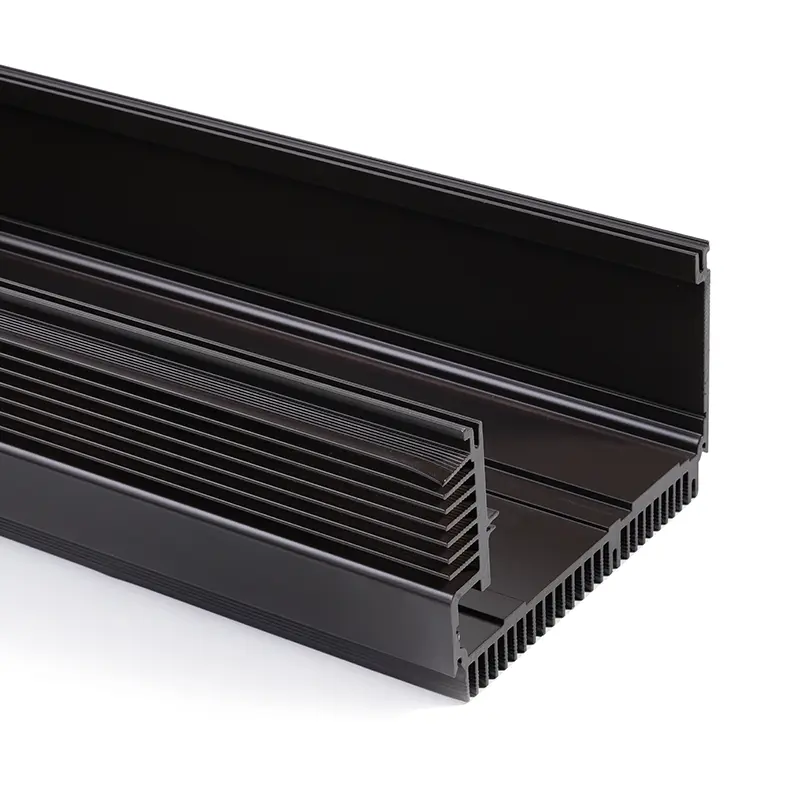
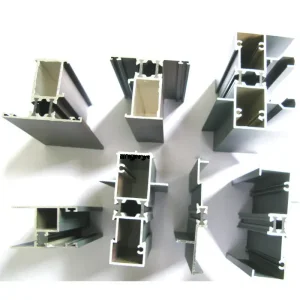
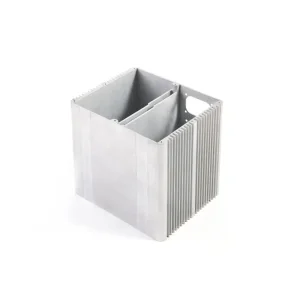
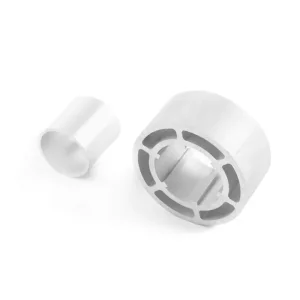
Crafted from premium 6000-series aluminum alloys, our profiles offer an exceptional balance of thermal conductivity (exceeding 180 W/m·K) and mechanical strength. The core of our design features an optimized multi-channel and fin architecture. This intricate geometry maximizes the surface area in contact with coolant or air, enabling rapid and uniform heat transfer away from sensitive components. Advanced simulation tools were employed to refine the fin density, thickness, and channel layout, ensuring peak thermal efficiency with minimal pressure drop for liquid cold plates or optimal airflow for heat sinks.
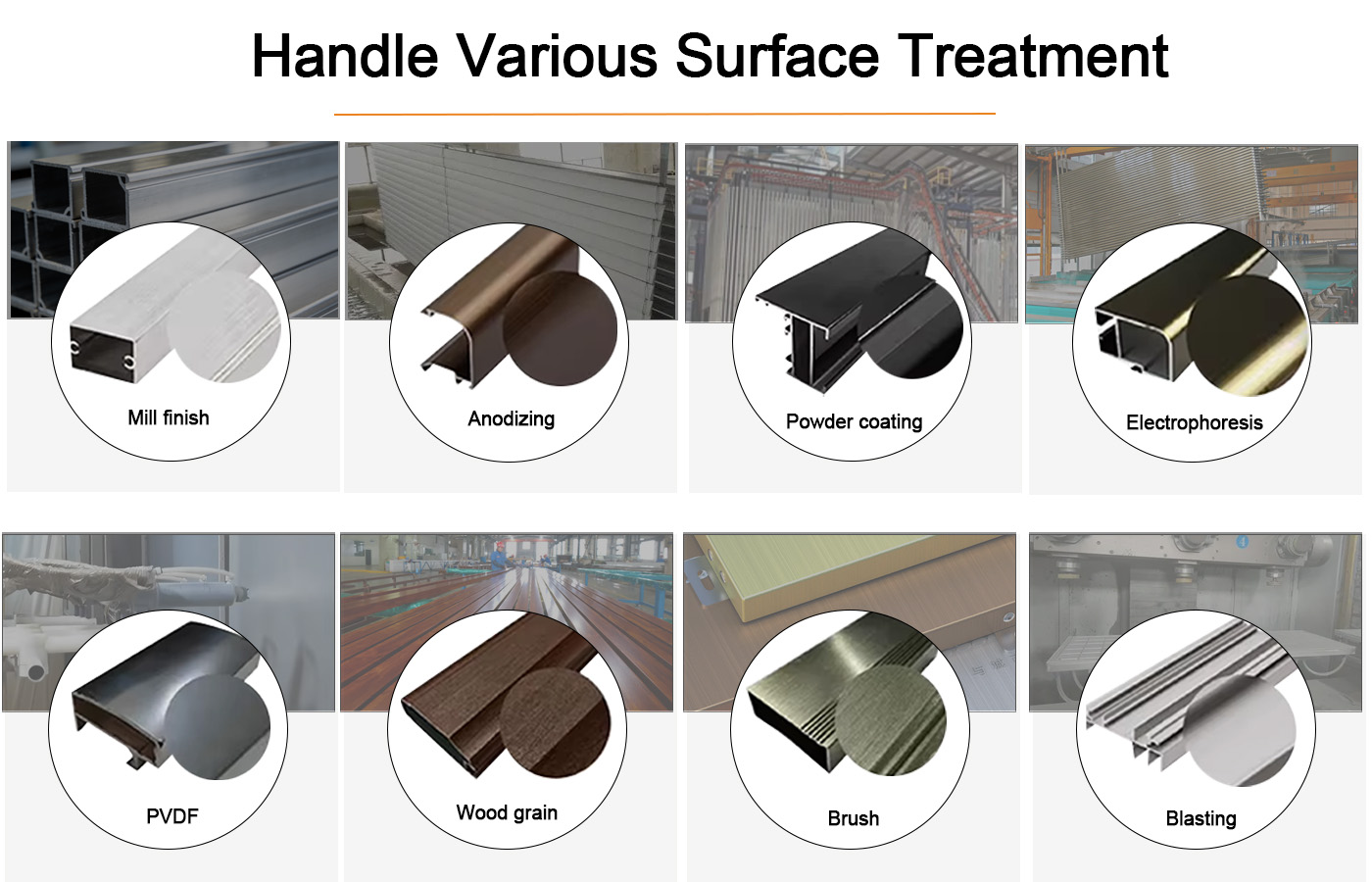
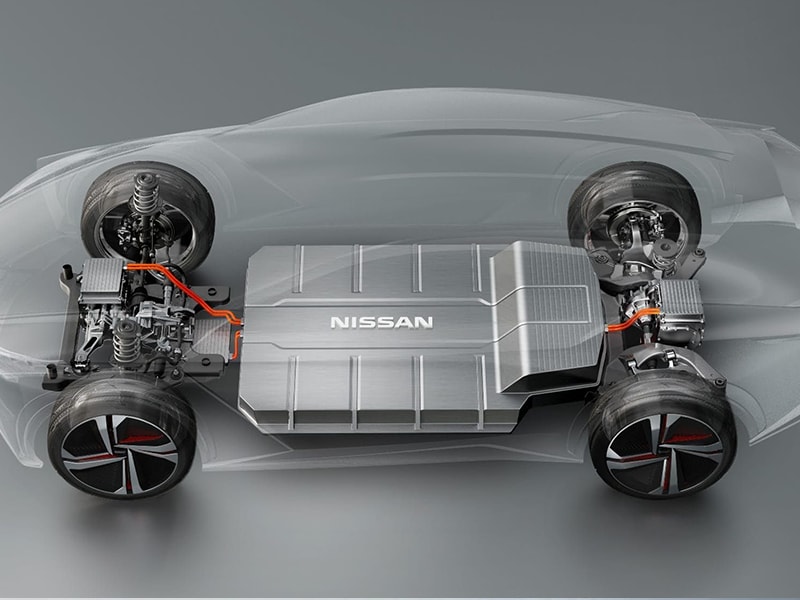
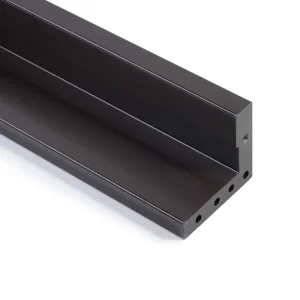
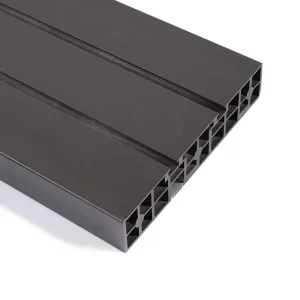
Beyond thermal performance, every parameter is tailored for the automotive environment. The profiles exhibit excellent corrosion resistance, crucial for long-term reliability under various operating conditions. Their high strength-to-weight ratio contributes directly to vehicle lightweighting, aiding in extended driving range. We offer complete flexibility, providing custom extruded solutions—from simple shapes to complex, multi-void profiles—that integrate seamlessly into your module assembly. Value-added services include precision cutting, CNC machining, micro-grooving for sealants, and various surface treatments (anodizing, powder coating) to meet specific aesthetic and protective requirements.
❓ Frequently Asked Questions
Q1
What aluminum alloys are used for your heat sink profiles, and why?
Our heat sink aluminum profiles are manufactured using 6063, 6061, and 6060 series alloys. These alloys are specifically chosen for their excellent thermal conductivity (exceeding 180 W/m·K), good mechanical strength, superior extrudability for complex shapes, and strong corrosion resistance — making them ideal for demanding thermal management applications.
Q2
Can the aluminum heat sink profiles be customized in size, shape, and color?
Yes, we offer full customization. Profiles can be tailored in thickness (0.8–5.0 mm), length (standard 6 m or custom), cross-sectional geometry (simple to complex multi-void shapes), and color. Surface treatments including anodizing, powder coating, electrophoresis, fluorocarbon coating, and wood grain finishes are all available to meet your specific requirements.
Q3
What surface treatment options are available for the heat sink profiles?
We offer a wide range of surface treatments: Mill Finish, Powder Coating, Anodizing, Electrophoresis, Fluorocarbon Coating, and Wood Grain finishes. Each treatment provides different levels of corrosion protection, aesthetic appearance, and surface hardness to suit various application environments.
Q4
What is the minimum order quantity (MOQ) and what are the lead times?
The minimum order quantity is 500 kg. For lead times: die development and sample testing typically takes 7–10 days, while mass production is completed within 15–30 days depending on order volume and complexity.
Q5
What value-added machining and processing services do you provide?
We provide comprehensive value-added services including Drilling, Milling, Cutting, Welding, Bending, Assembling, and CNC Machining. We also offer micro-grooving for sealant integration, ensuring profiles are delivered ready for direct assembly into your end product.
Q6
How are the aluminum heat sink profiles packaged for shipment?
Each profile is individually wrapped with a protective film to prevent surface scratches during transit. Profiles are then bundled together and secured with shrink plastic bags for the outer packaging, ensuring safe delivery and minimizing the risk of damage during transportation.
 Aoli Aluminum