 Aoli Aluminum
1 / 5
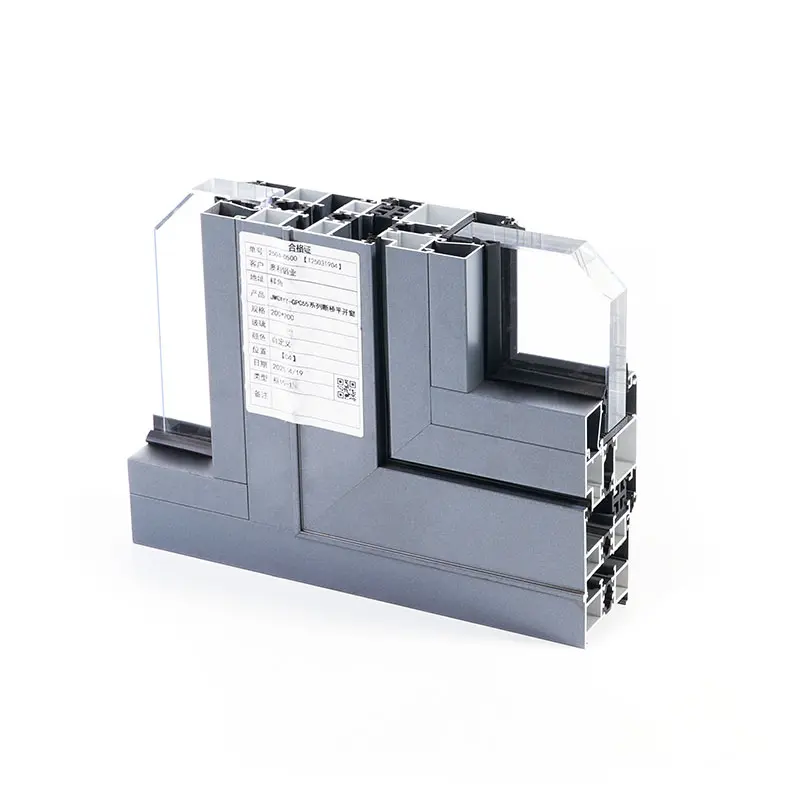
| Item | Thermal break aluminum window profile |
| Material | 6063 / 6061 / 6060 |
| Temper | T5 / T6 |
| Thickness | 0.8 - 5.0 mm |
| Length | 6 m (customizable) |
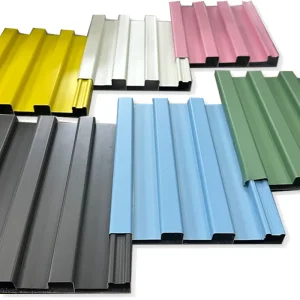
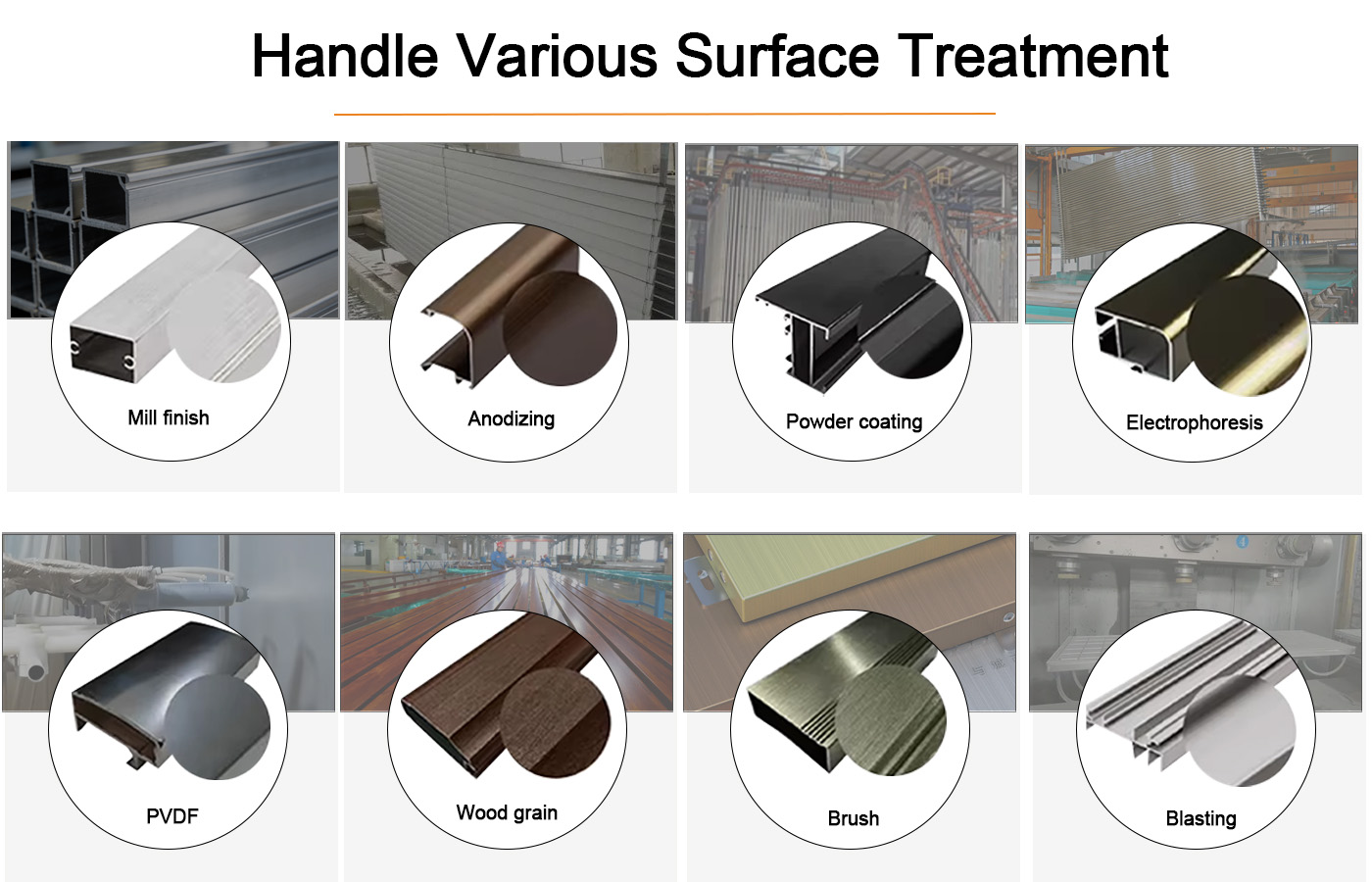
| Surface Treatment | Mill Finish / Powder Coating / Anodizing / Electrophoresis / Fluorocarbon Coating / Wood Grain, etc. |
| Color | According to customer requirements (customizable) |
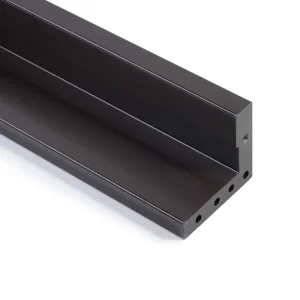
| Service Support | Drilling / Milling / Cutting / Welding / Bending / Assembling / CNC |
| Packing Details | Inside: packed with protective film to protect each piece |
| Outside: wrapped in bundles by shrink plastic bag | |
| Delivery Time | Die developing and sample testing: 7 - 10 days |
| Mass production completed: 15 - 30 days | |
| MOQ | 500 kg |
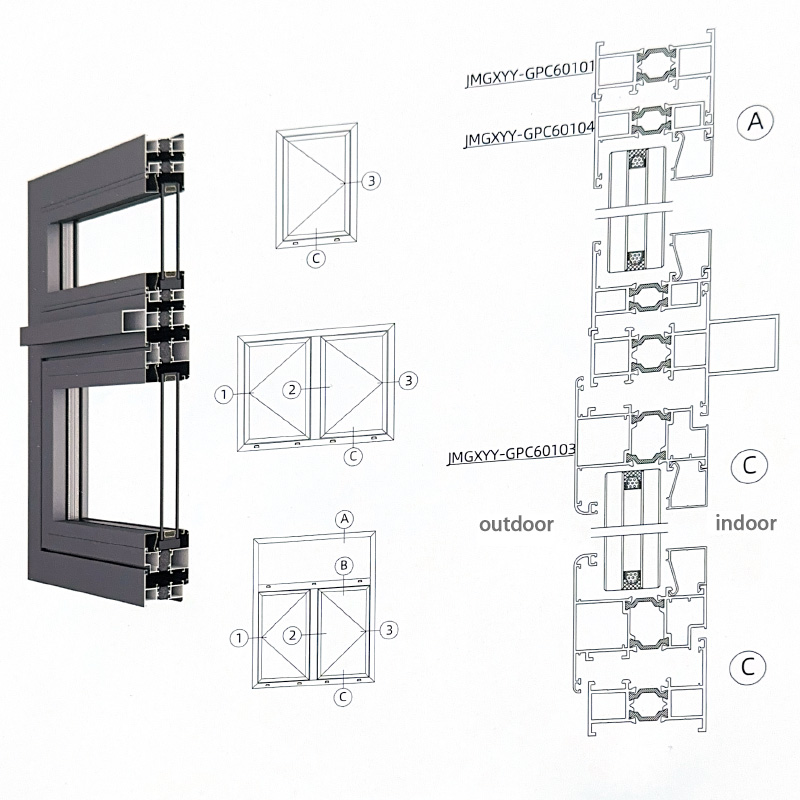
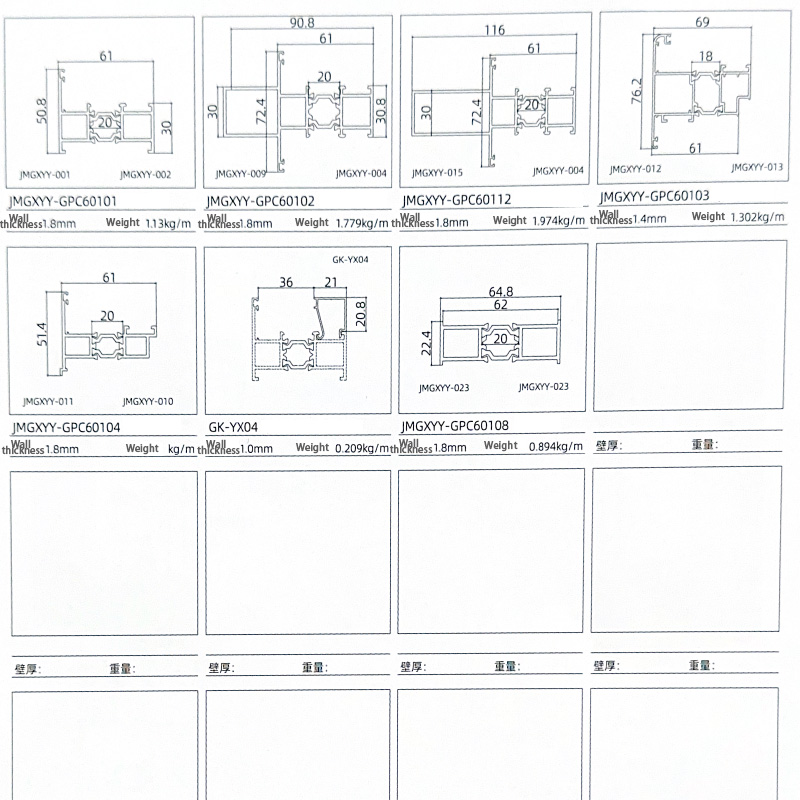
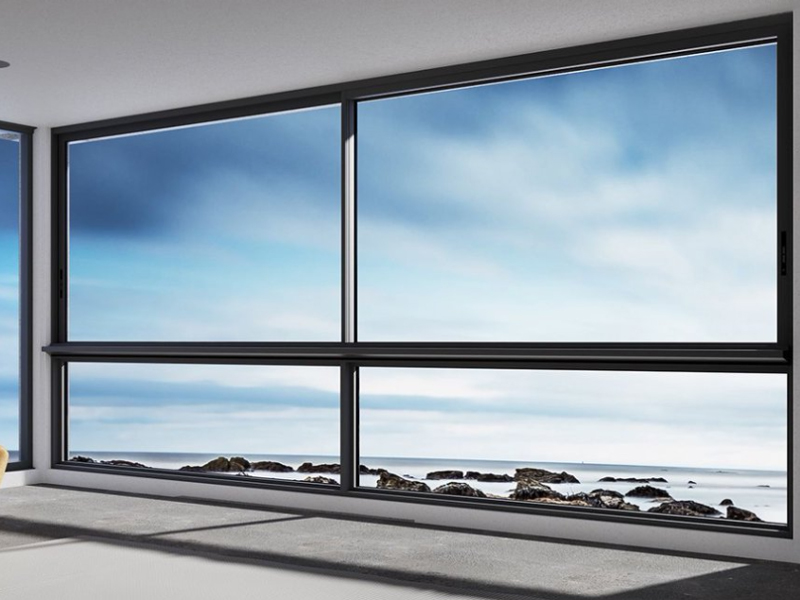
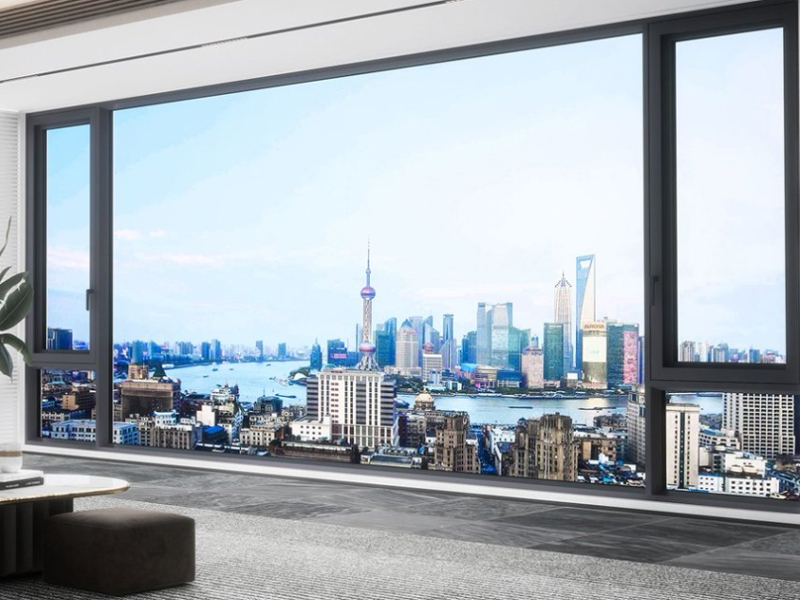
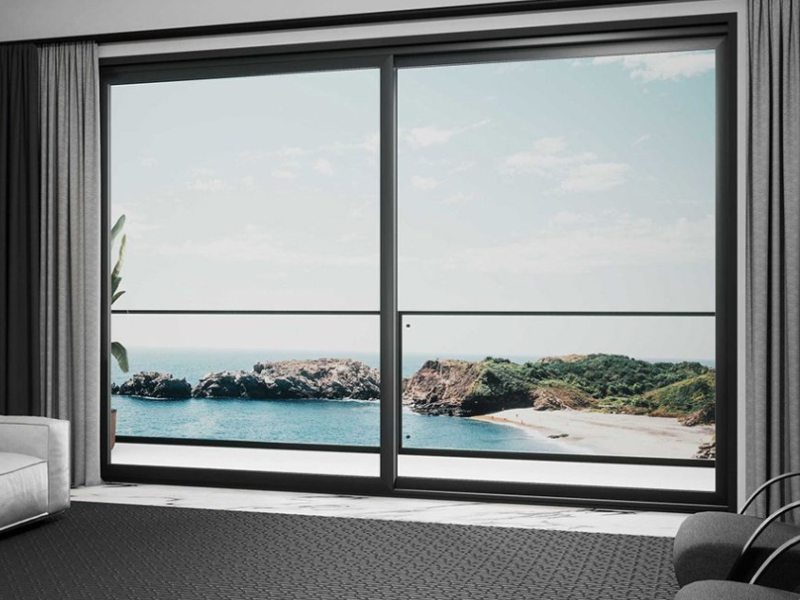
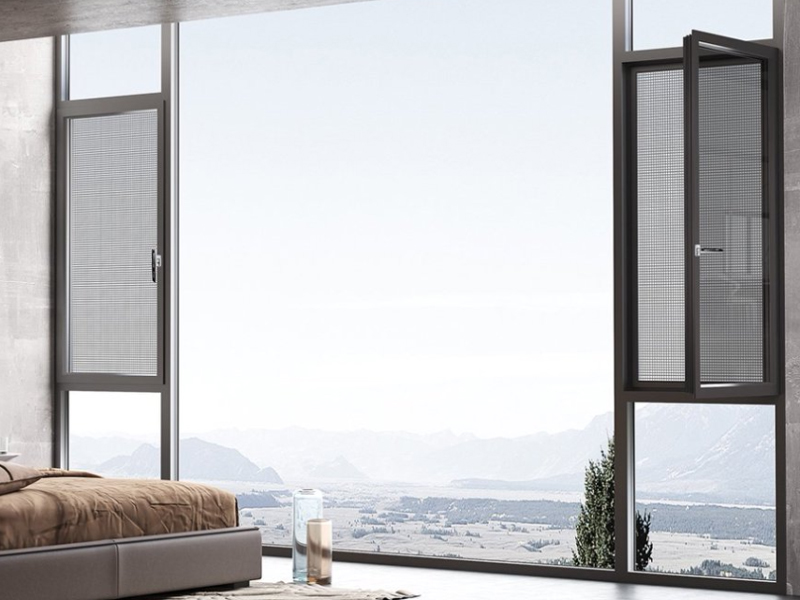
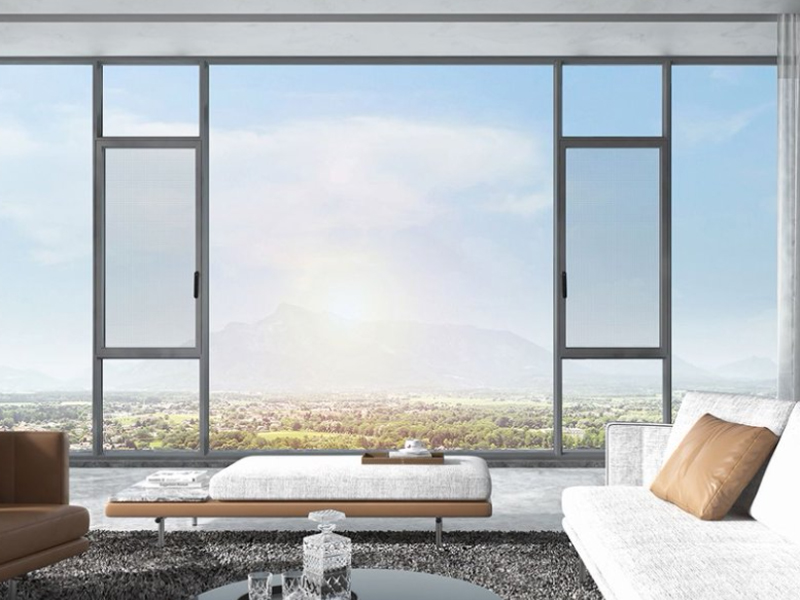
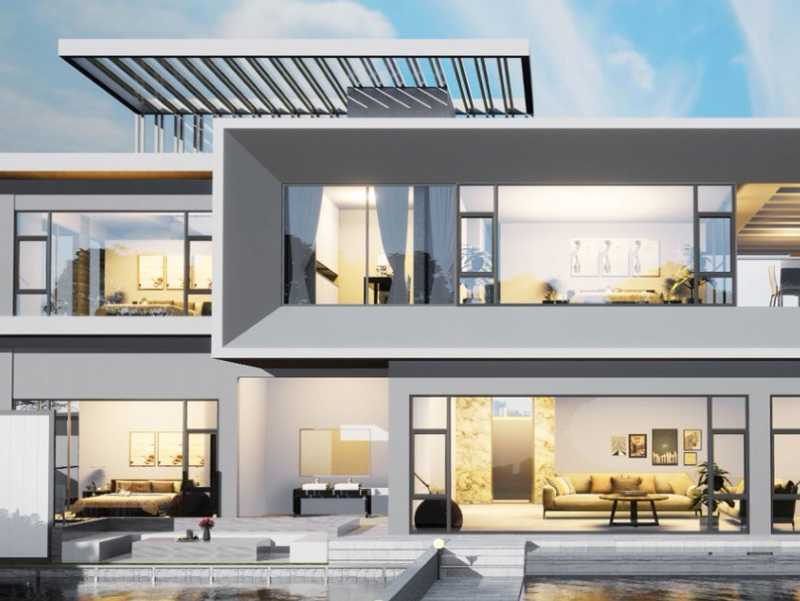
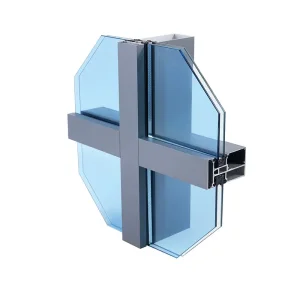
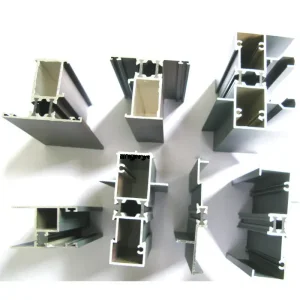
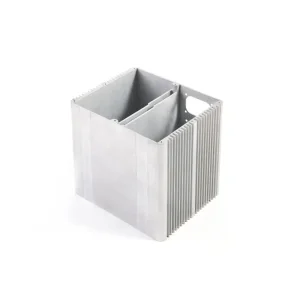
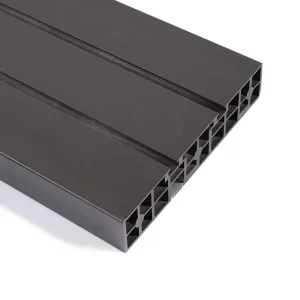
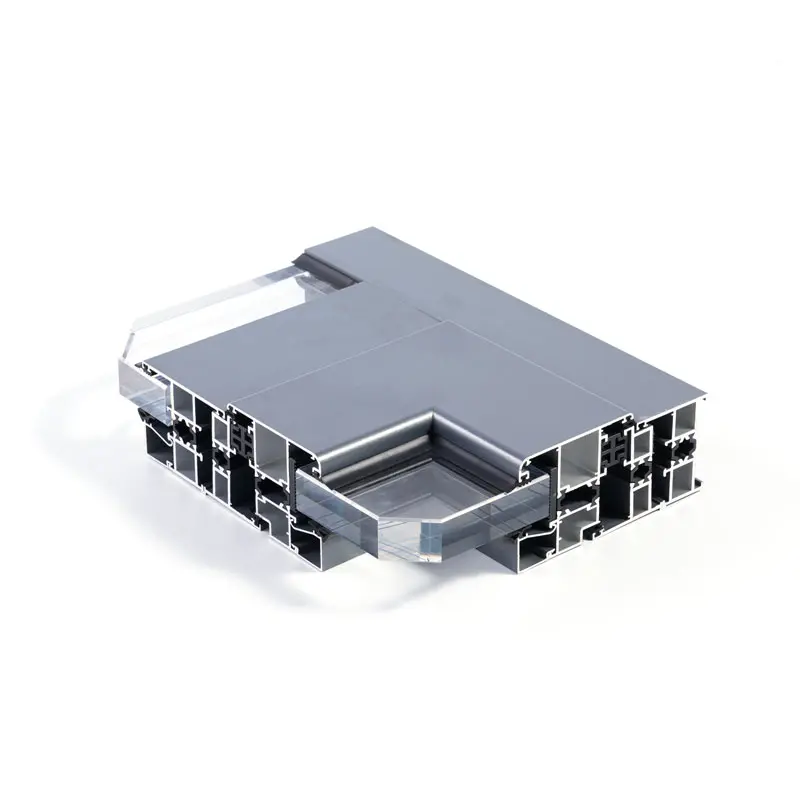
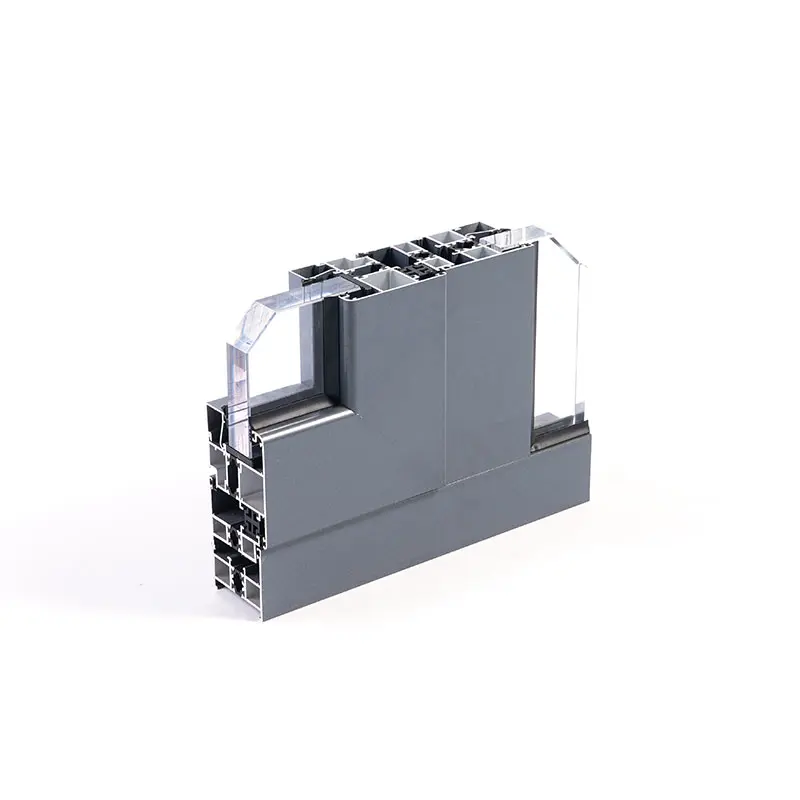
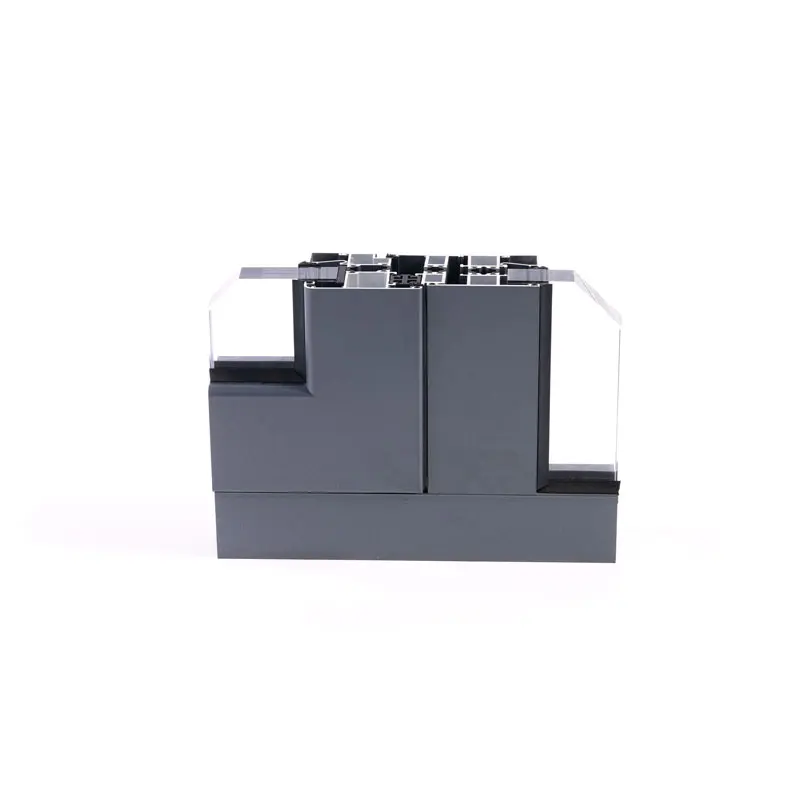
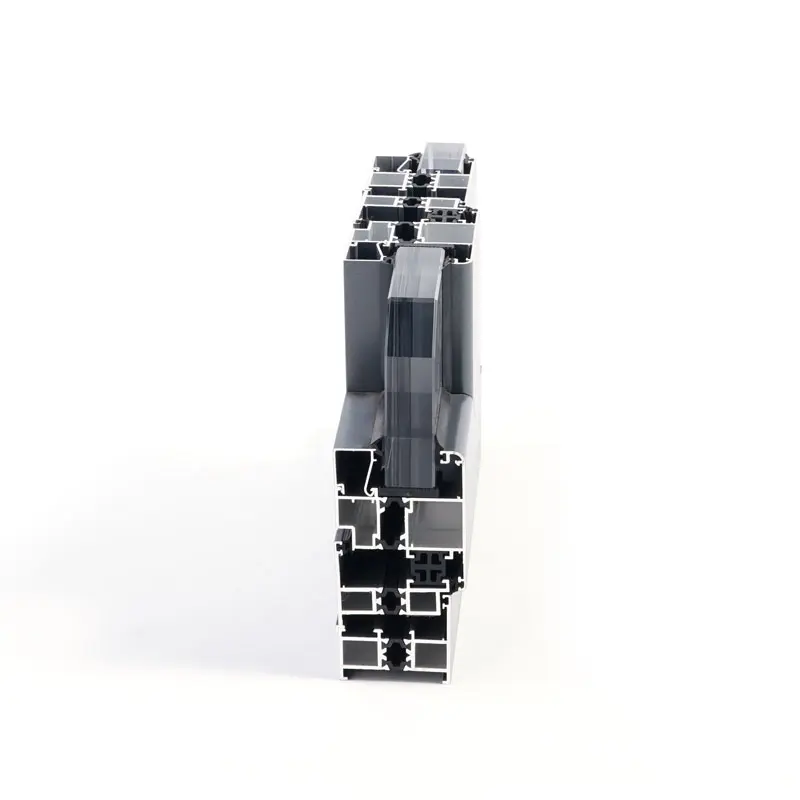
Our precision-engineered thermal-break aluminum profiles feature multi-chamber construction that delivers superior thermal and acoustic performance. The innovative thermal barrier technology reduces heat transfer by up to 60% compared to conventional profiles, making them ideal for energy-efficient buildings, passive houses, and modern architectural projects requiring premium fenestration solutions.
The core principle of thermally broken ("Thermal Break") systems lies in physically interrupting the conductive path of heat through the aluminum profile. Standard aluminum profiles act as a highly efficient "thermal bridge," allowing heat to flow readily between the interior and exterior. This leads to significant energy loss, condensation, and thermal discomfort.
A thermally broken profile is engineered as a composite structure. It consists of the interior and exterior aluminum sections, which are permanently joined by a robust, low-thermal-conductivity polyamide (often glass-fiber reinforced) bar. This polymer bar has a thermal conductivity hundreds of times lower than aluminum, creating a powerful thermal barrier within the profile's cross-section.
This design achieves insulation through three key mechanisms:
In essence, the technology transforms conductive aluminum from a liability into a durable, stable structural material for the fenestration, while the integrated polymer break provides the essential insulation, making it a fundamental solution for energy-efficient building envelopes.
Extrusion equipment ranging from 900 tons to 2,000 tons, covering more than 100 series and over 1,000 specifications.
Surface treatment production lines for powder coating, anodizing, electrophoretic coating, PVDF coating, and wood grain - meeting your different needs.
Die manufacturing and CNC machining services, including die production and CNC deep processing equipment, plus a dedicated production base for aluminum doors and windows.
Our own door and window manufacturing base provides comprehensive door and window procurement services.