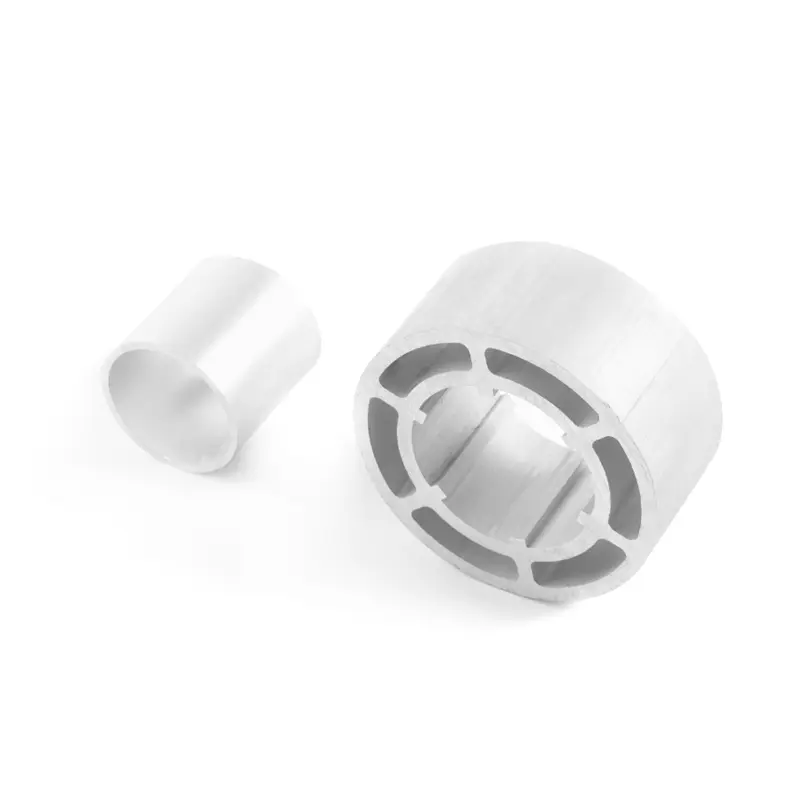
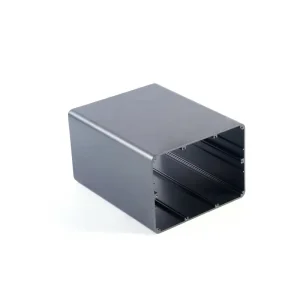
Dual-Core Industrial Motor Components
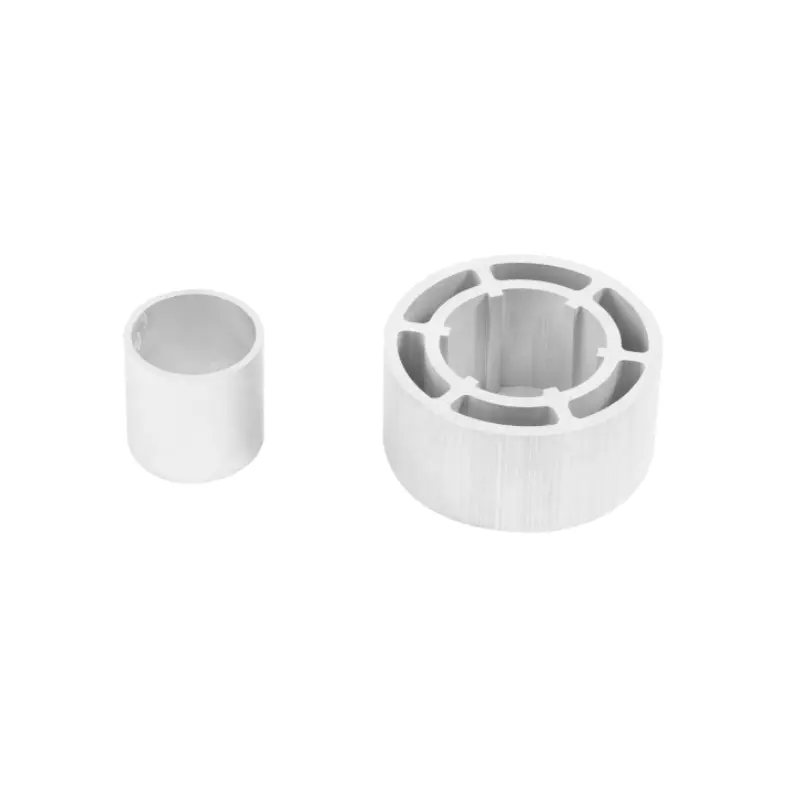
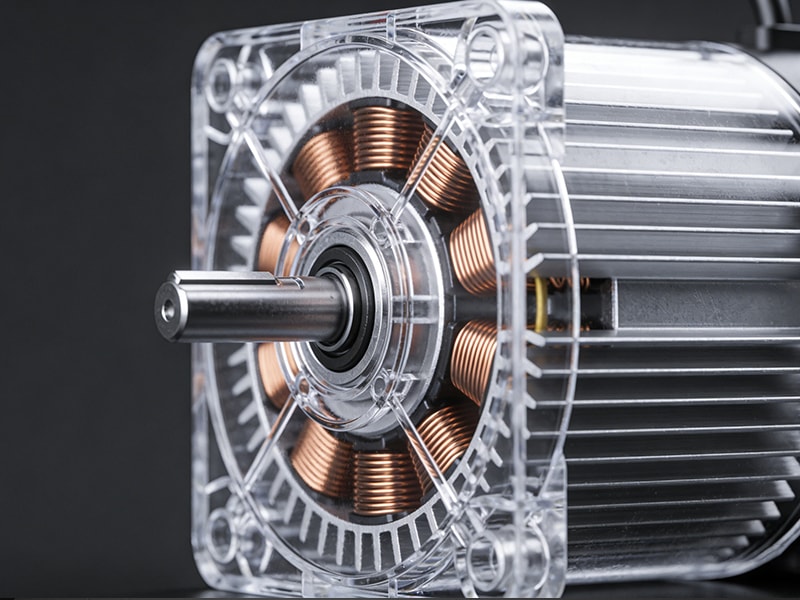
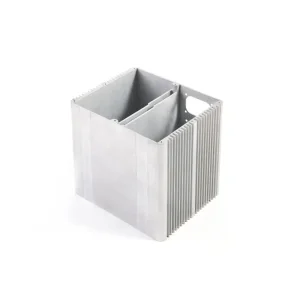
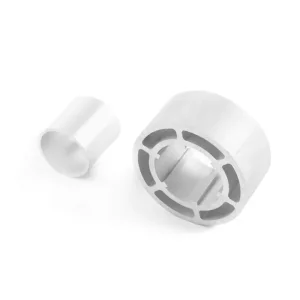
These precisely machined silver-aluminum cylindrical components feature multi-chamber internal ribs designed for optimized electromagnetic performance or heat dissipation in electric motors and generators. The parallel internal fins maximize surface area for efficient thermal transfer while maintaining structural stability under high-speed rotation.
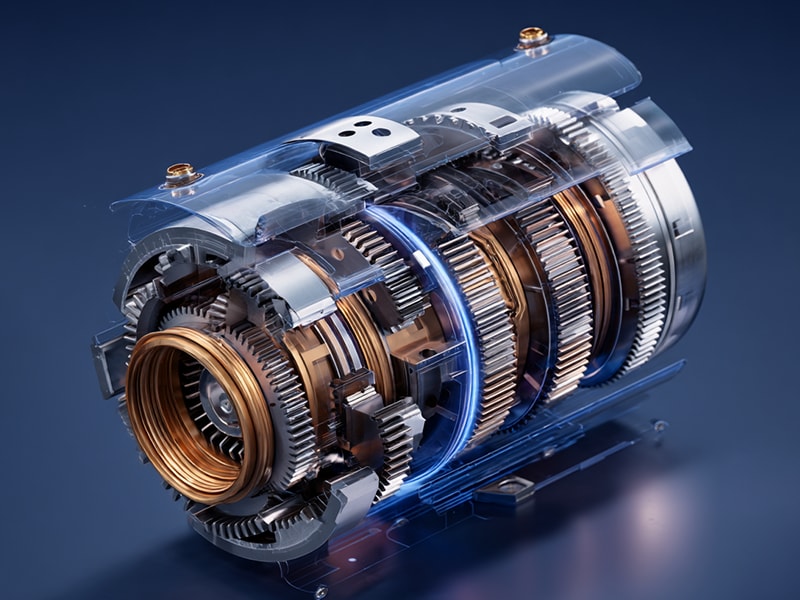
Ideal for industrial servomotors, EV powertrains, and automation systems requiring precision-balanced rotor/stator assemblies. The scalable design supports modular integration in compact mechatronic systems across automotive, robotics, and aerospace applications. Manufactured to micron-level tolerances for vibration-sensitive environments.
Classification of Aluminum Industrial Components Produced by Extrusion
Aluminum industrial components manufactured via extrusion can be systematically classified based on their profile geometry, functional complexity, and subsequent processing. The primary categories include:
01 By Basic Profile Geometry
Solid Profiles: Fully dense cross-sections including round bars, square bars, rectangular bars, and angles (L-shapes). They serve as basic structural elements, shafts, or raw material for further machining.
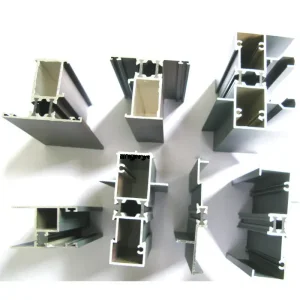
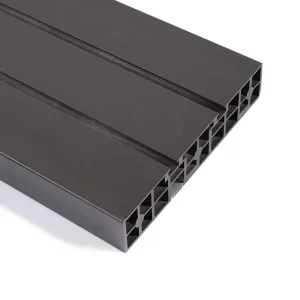
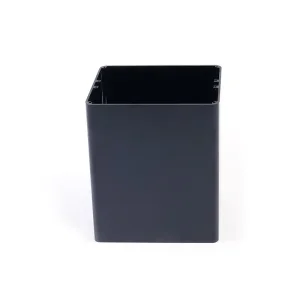
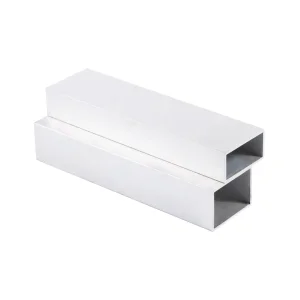
Hollow Profiles: Feature enclosed voids such as tubes (round, square, rectangular) and complex multi-chamber profiles. They offer an excellent strength-to-weight ratio and are used for fluid/gas conveyance, structural frameworks, and lightweight supports.
Semi-Hollow Profiles: Partially enclosed shapes like a "C" channel, which are easier to produce than full hollows while providing good structural properties.
02 By Functional & Application-Oriented Design
Standard Structural Profiles: Widely available industrial standards like I-beams, H-beams, channels, and angles used for general construction, frames, and machinery.
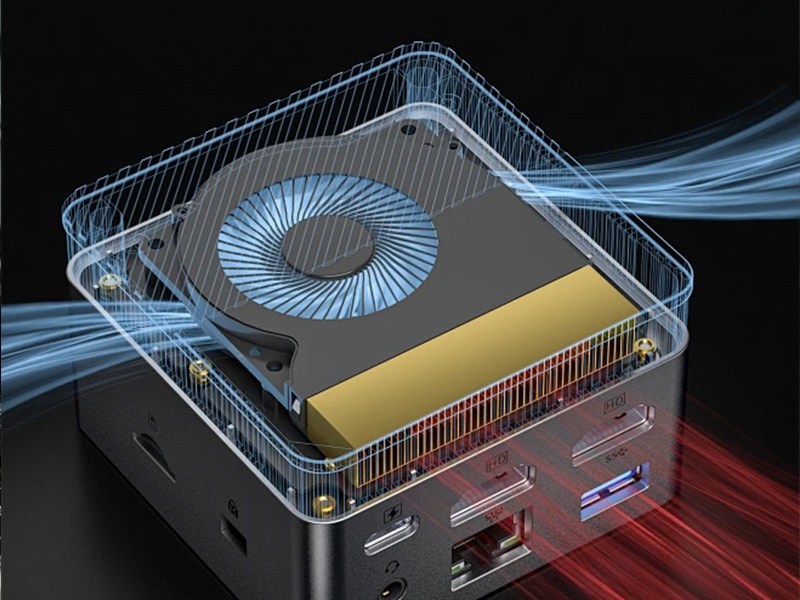
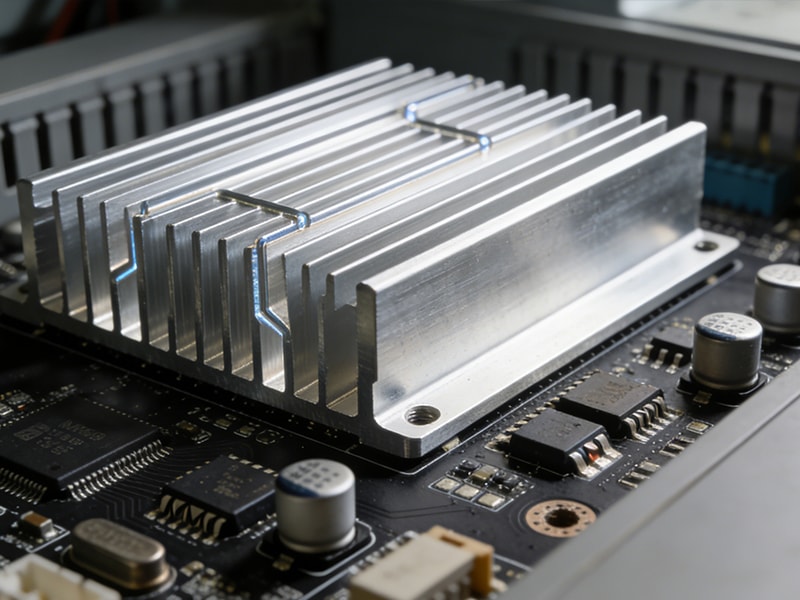
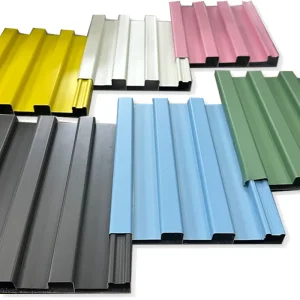
Custom-Engineered Profiles: Specifically designed for unique applications to integrate multiple functions — including heat sinks with complex fins, T-slot profiles for modular framing systems, tracks for sliding mechanisms, and components that combine structural, aesthetic, and mounting features in one extrusion.
Integral Fastener Profiles: Profiles with built-in grooves, slots, or lips designed to accept mating parts, seals, or panels without additional machining (e.g., profiles for window systems or cladding).
03 By Level of Post-Extrusion Processing
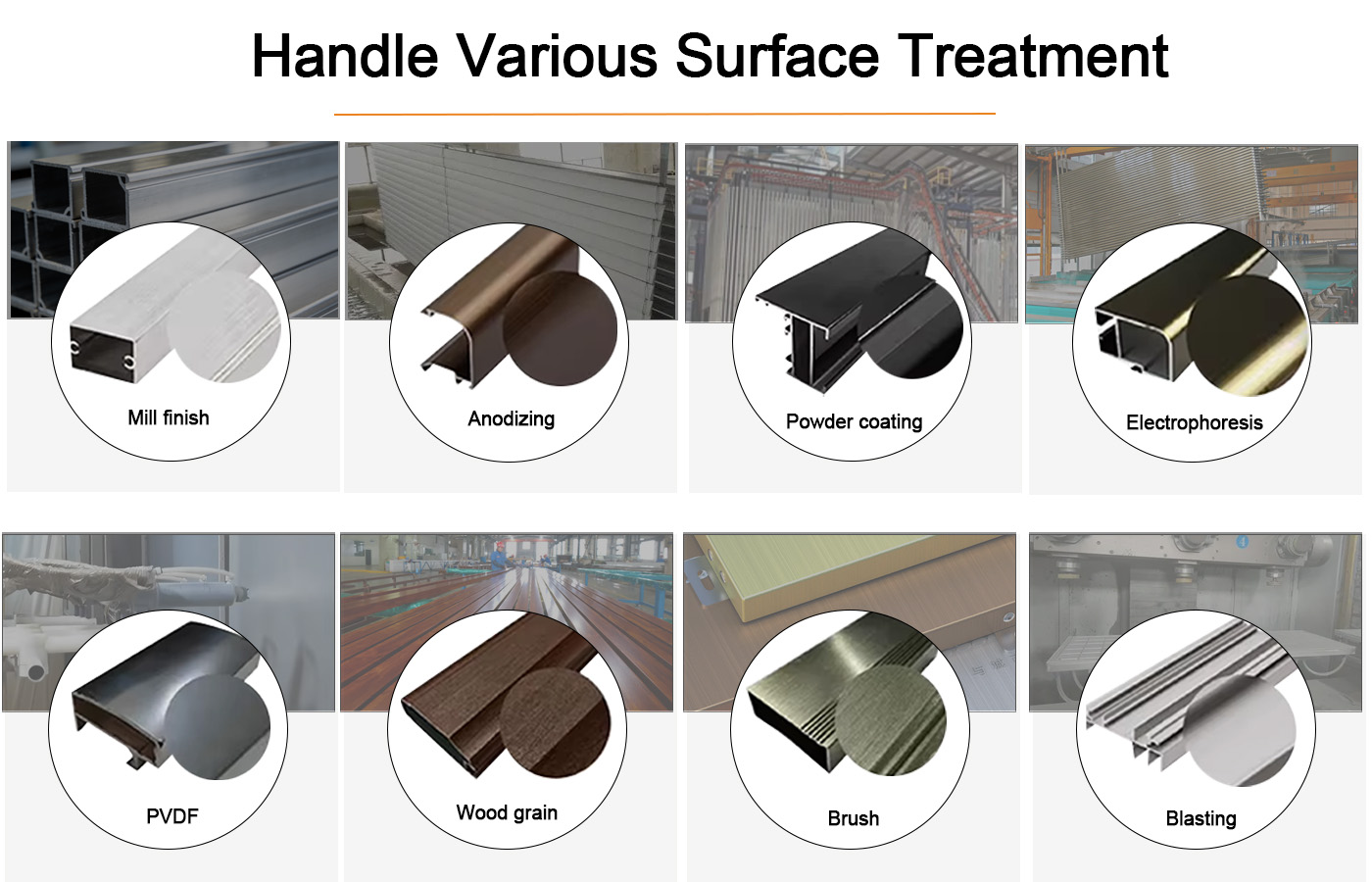
As-Extruded ("Mill Finish") Components: Used as-supplied after extrusion and thermal treatment, where dimensional accuracy and alloy properties are key but surface finish is not critical.
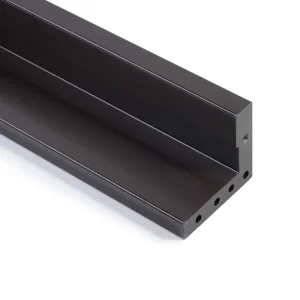
Precision Machined Components: Extruded profiles serve as near-net-shape blanks. Critical dimensions, holes, threads, and mating surfaces are finished via CNC machining, drilling, or milling to achieve tight tolerances for assembly.
Fabricated & Assembled Sub-Components: Profiles are cut, machined, welded, and joined with other parts to create a finished assembly, such as a complete machine guard, conveyor rail, or equipment frame.
 Aoli Aluminum