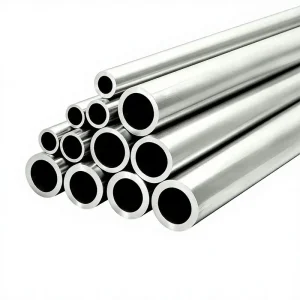
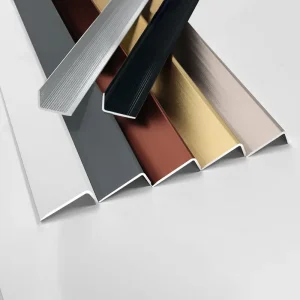
Direct-from-factory high-performance structural systems, precision engineered for modern architectural, domestic, and industrial projects.
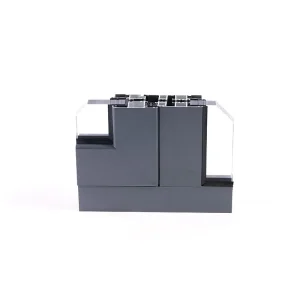
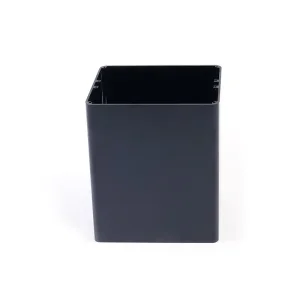
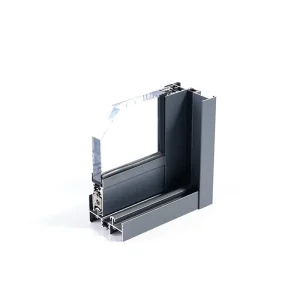
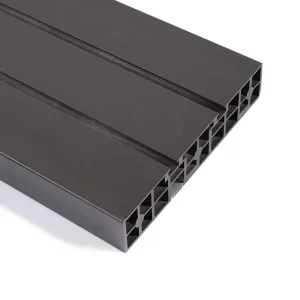
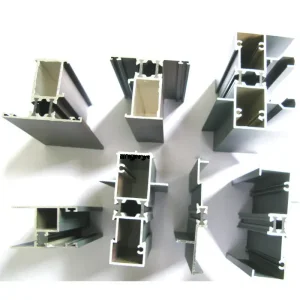
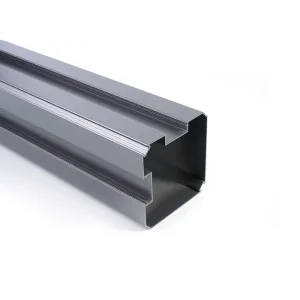
As smart cities emerge and energy codes tighten worldwide, the architectural specifications for aluminium door extrusions are undergoing a monumental shift. No longer just cosmetic frames, today's profiles are critical components of a building's thermal envelope and structural performance. Standard alloys like 6063-T5 have evolved. Advanced mechanical templating, micro-alloying, and customized thermal isolators (polyamides like PA66-GF25) are now mandatory to combat climate extremes, coastal wind loads, and industrial corrosion.
Understanding the interplay between metallurgical characteristics, surface finishes, and structural profiles is vital for engineering offices and procurement managers. For instance, high-load facade applications require localized mechanical properties that only precise temper heat treatment and exact zinc/copper trace limits can offer. Without these controls, profiles face mechanical failure, structural sagging, and premature delamination of powder coatings.
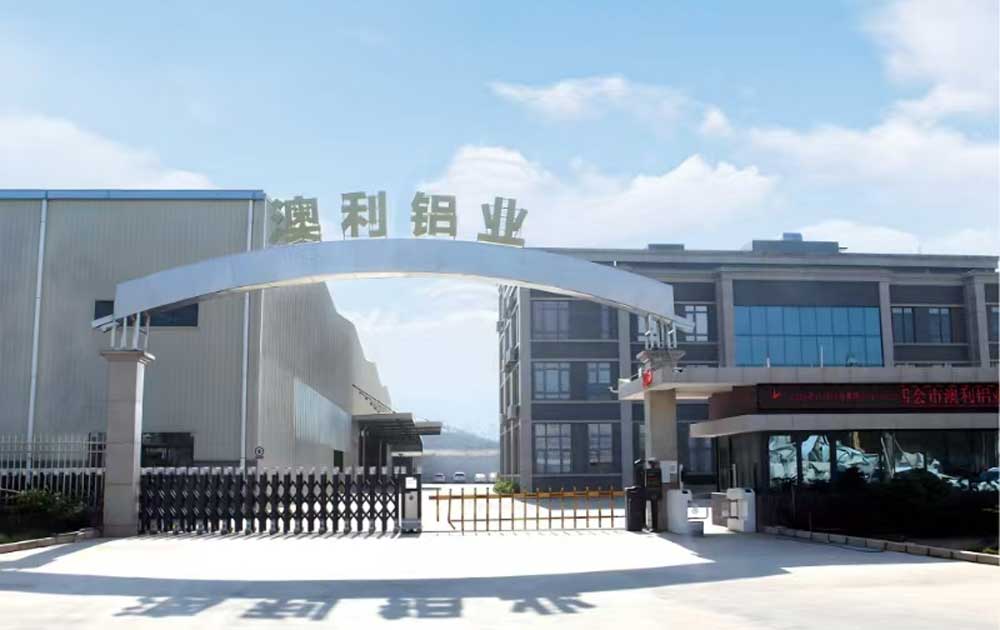
Annual Production Capacity (Tons)
Available Tooling & Mold Sets
Years of Industrial R&D Expertise
Advanced Integrated Production Bases
How concentrated supply chain clusters, direct raw-material pipelines, and state-of-the-art tooling infrastructure lower cost while elevating reliability.
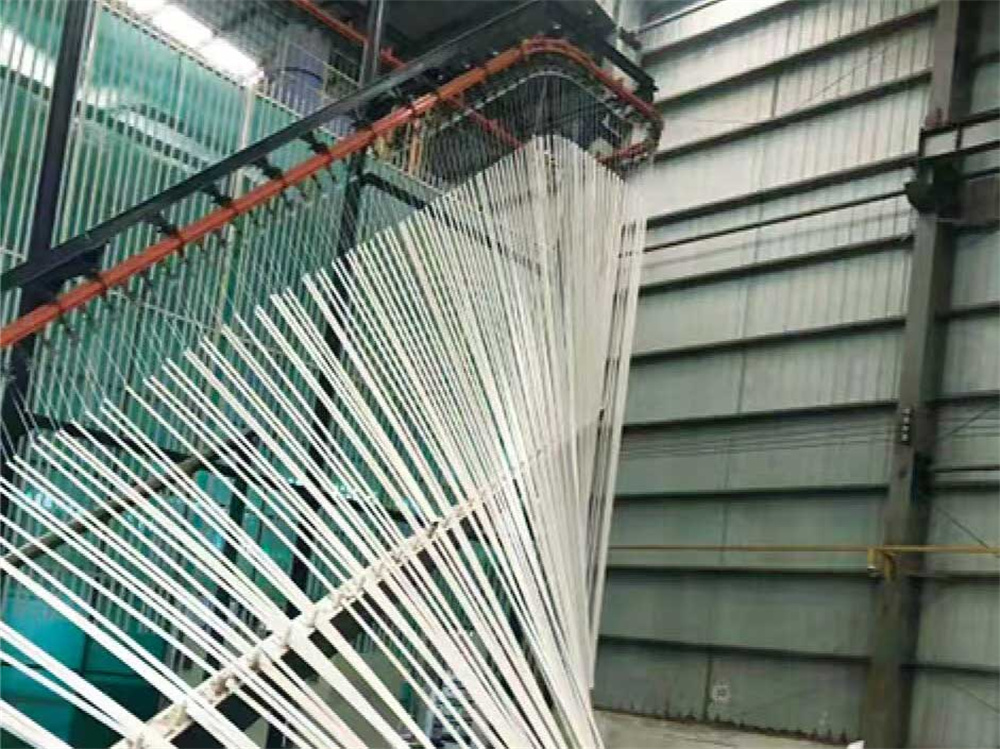
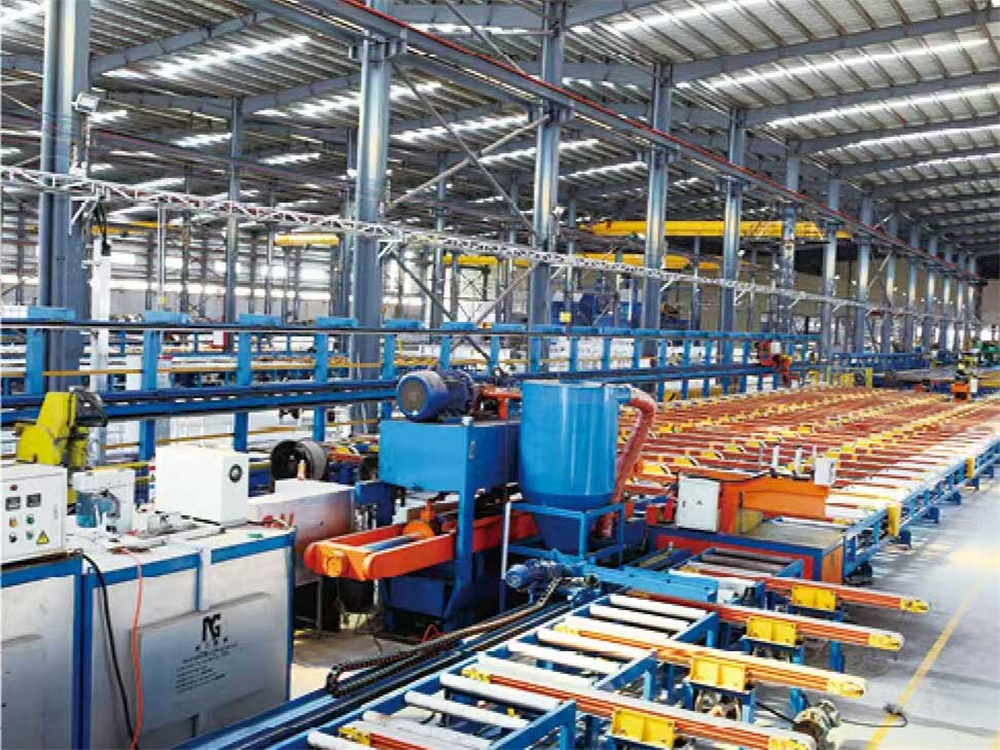
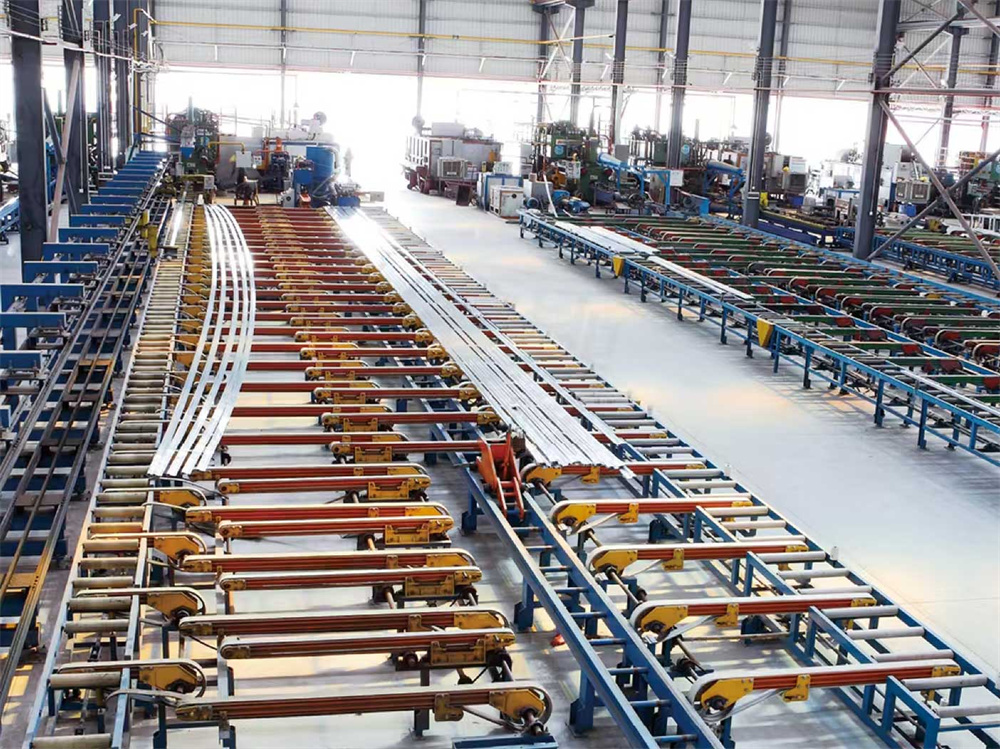
By conducting billet casting, structural die fabrication, primary extrusion (from 900 to 2000 tons pressure), surface anodizing, powder coating, and precision multi-axis CNC machining under one central quality umbrella, we eliminate multiple intermediary markups and freight risks.
Proximity to key domestic primary aluminium smelters ensures uninterrupted billet supply. We enforce tight chemical composition control, assuring structural profiles contain pristine trace element limits, resulting in superior mechanical yields and flawless finishes.
With an arsenal of over 100,000 active dies representing more than 100 architectural series and 1000 technical specifications, global clients often secure the exact geometry they need without the traditional upfront cost or 3-week lead time of custom extrusion tooling.
A crucial factor in global procurement of aluminium door extrusions is matching the correct surface finishing methodology to the localized climatic load. Global developers often make the mistake of deploying standard powder coatings in coastal or high-UV environments, leading to rapid chalking, color fading, and finish delamination. At Aoli Aluminum, our brand "Aolijie" produces solutions calibrated to these environmental challenges.
1. Anodizing (Class I & II): Best for coastal regions. An electrochemical process increases the oxide layer depth (up to 25 microns) to provide natural metallic texture alongside superior salt air corrosion resistance.
2. PVDF Coatings: High fluorine content coatings that offer premium resistance to UV radiation and chemical pollutants. Indispensable for commercial high-rise towers in tropical or urban zones.
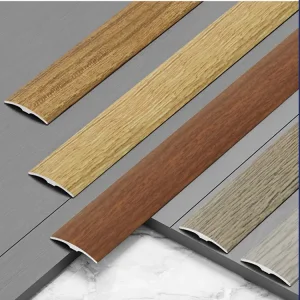
3. Electrophoretic Coating & Wood Grain: Merges mechanical protection with aesthetic warmth, offering natural timber textures with the structural resilience and fire safety of architectural aluminium.
Our profiles are manufactured to satisfy international quality regulations, allowing seamless integration into municipal architectural designs globally:
Quality is our priority. Every batch undergoes extensive mechanical and chemical inspections based on ISO 2859 and ANSI/ASQ Z1.4 sampling guidelines.
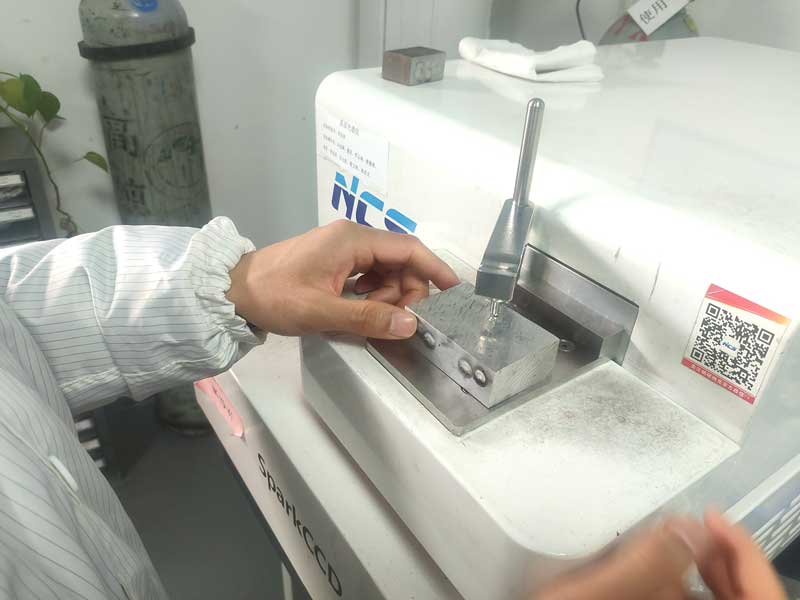
componential analysis
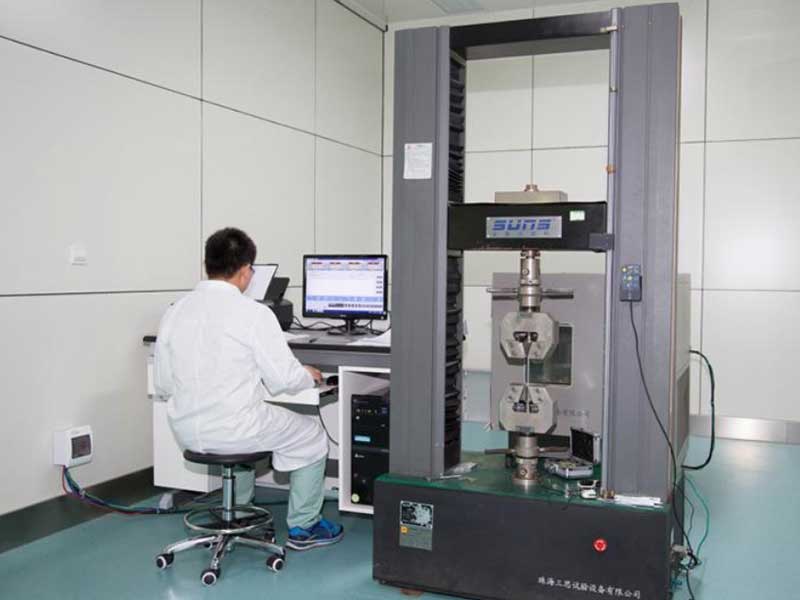
tensile test
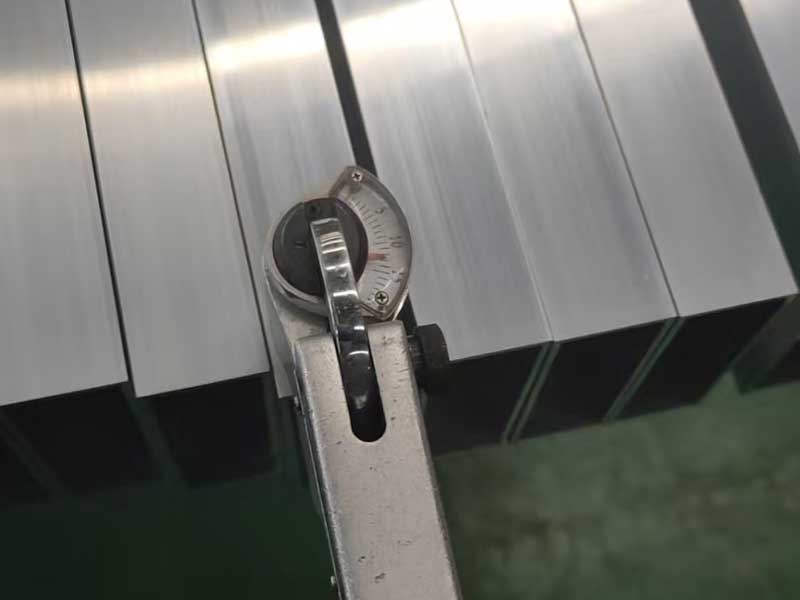
hardness test
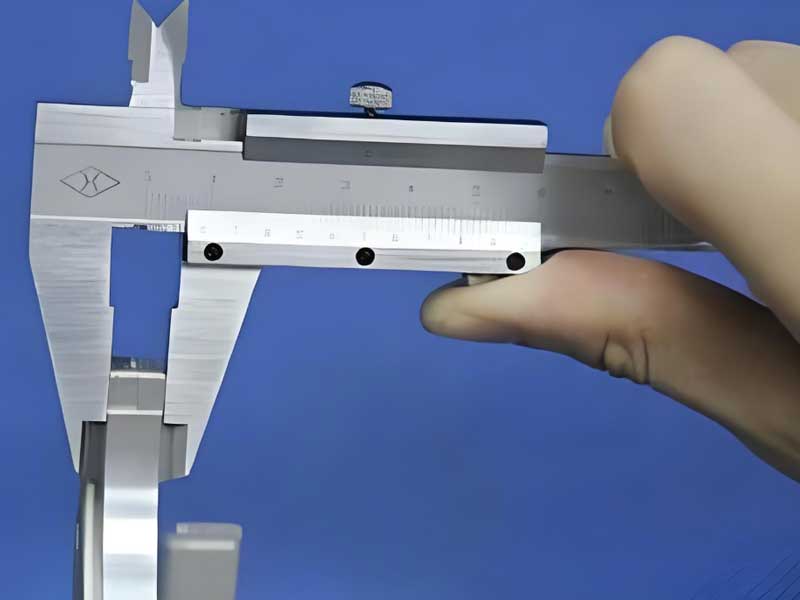
dimensional measurement
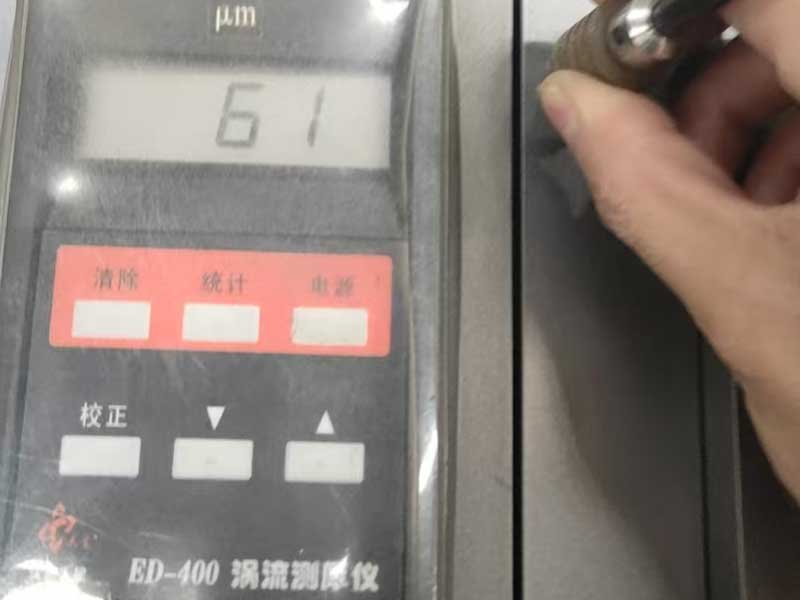
coating test
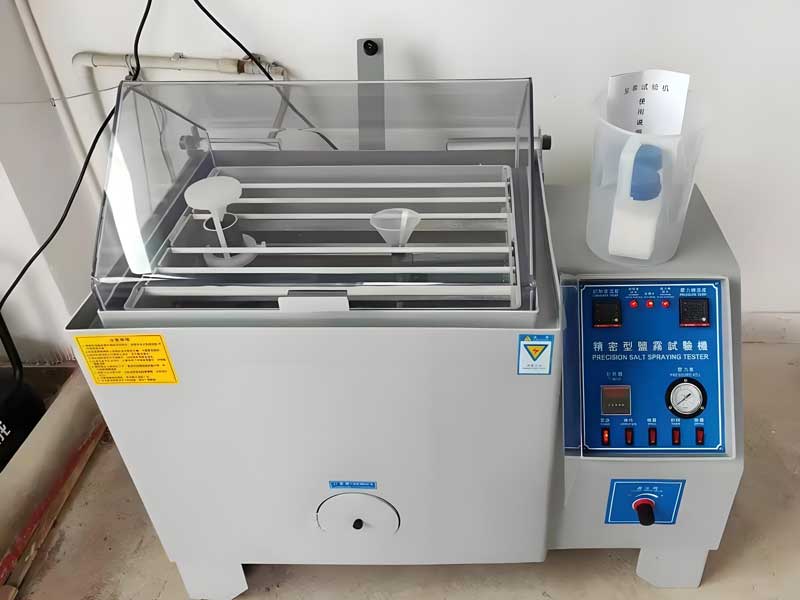
salt spray
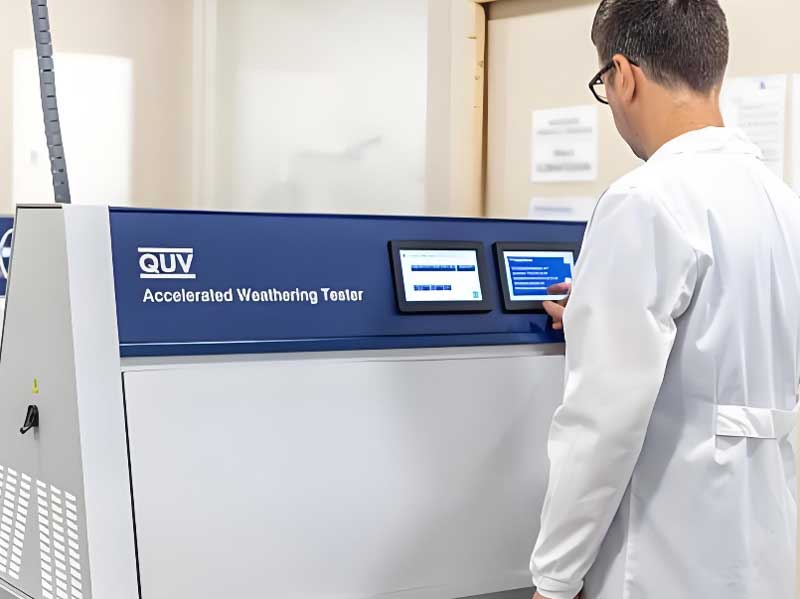
uv aging test
We maintain an in-house laboratory to perform continuous checks on structural billets and finished profiles. Our quality procedures dictate: 100% optical inspection on visible profiles, 5% secondary spot checks on critical functional mating points, 8 localized micro-measurements per production batch, and comprehensive cyclic salt spray testing to simulate decades of exposure in marine settings. Physical samples undergo mechanical testing to measure tensile yield strength, ultimate elongation, and Webster hardness before packing.
Aolijie: From local roots to an internationally recognized architectural partner.
Since 2000, our founder Mr. Wong has been deeply active in the building materials industry. Recognizing the rapid urban growth and environmental demands of the real estate sector, he identified structural aluminium profiles as a sustainable, low-carbon, and highly recyclable building material. This inspired him to launch our custom manufacturing facility under the brand name "Aolijie" in 2009.
The name "Aolijie" represents our corporate commitment:
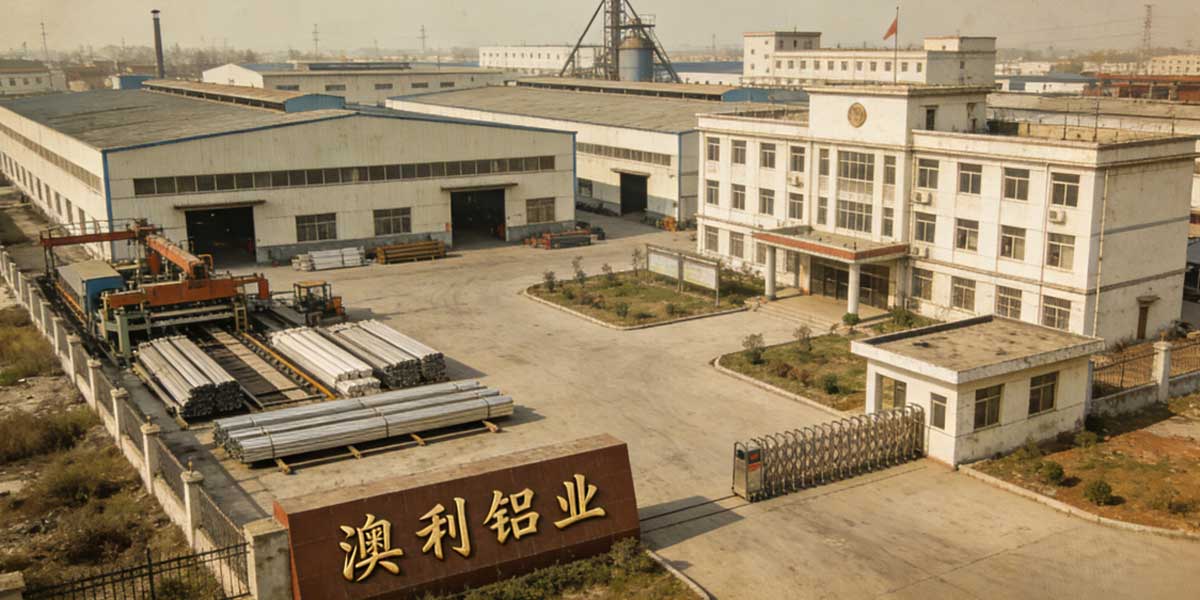
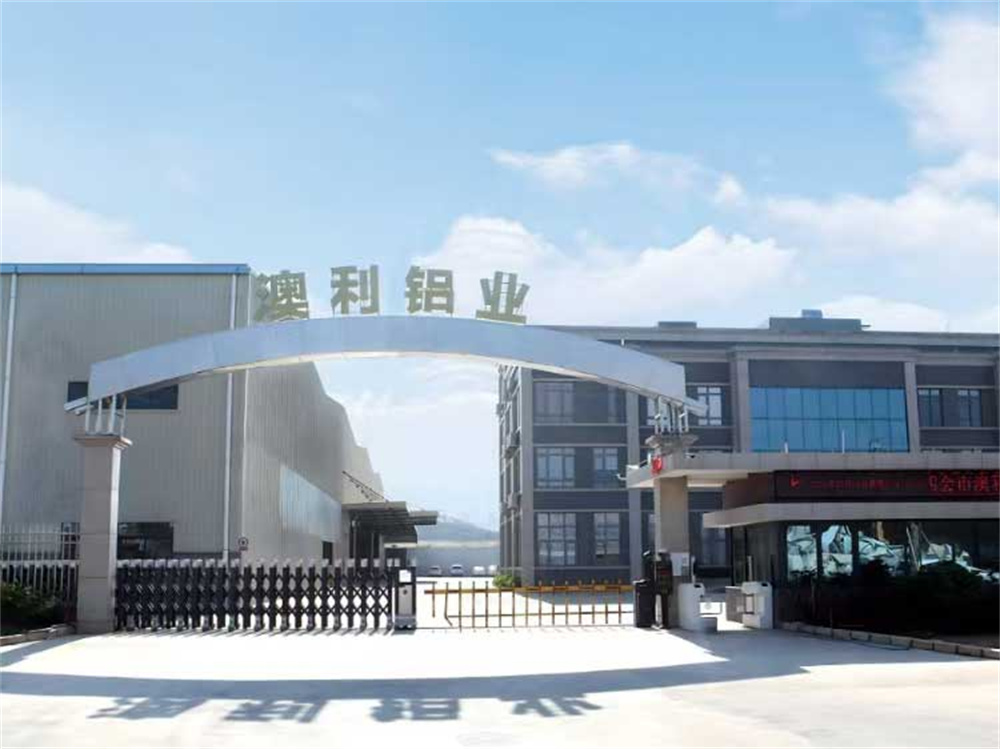
Our initial 10,000 square meter standard manufacturing plant in Sihui, Guangdong Province was established, marking the launch of the Aolijie brand.
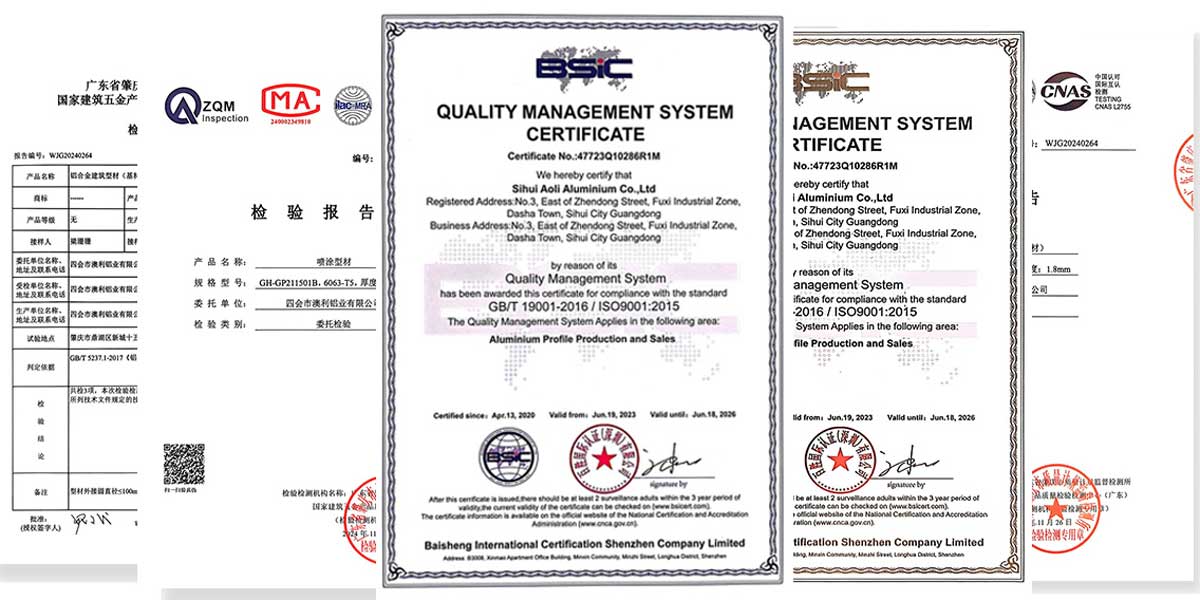
During this period, we optimized our internal manufacturing operations, securing 13 patents and obtaining our ISO9001 quality management system certification.
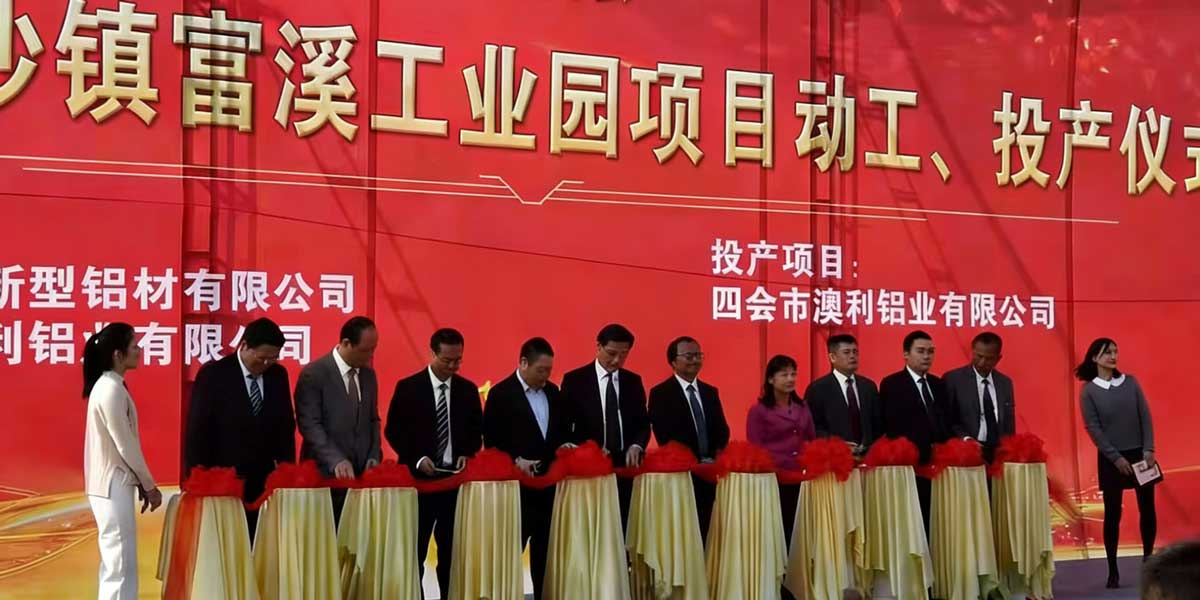
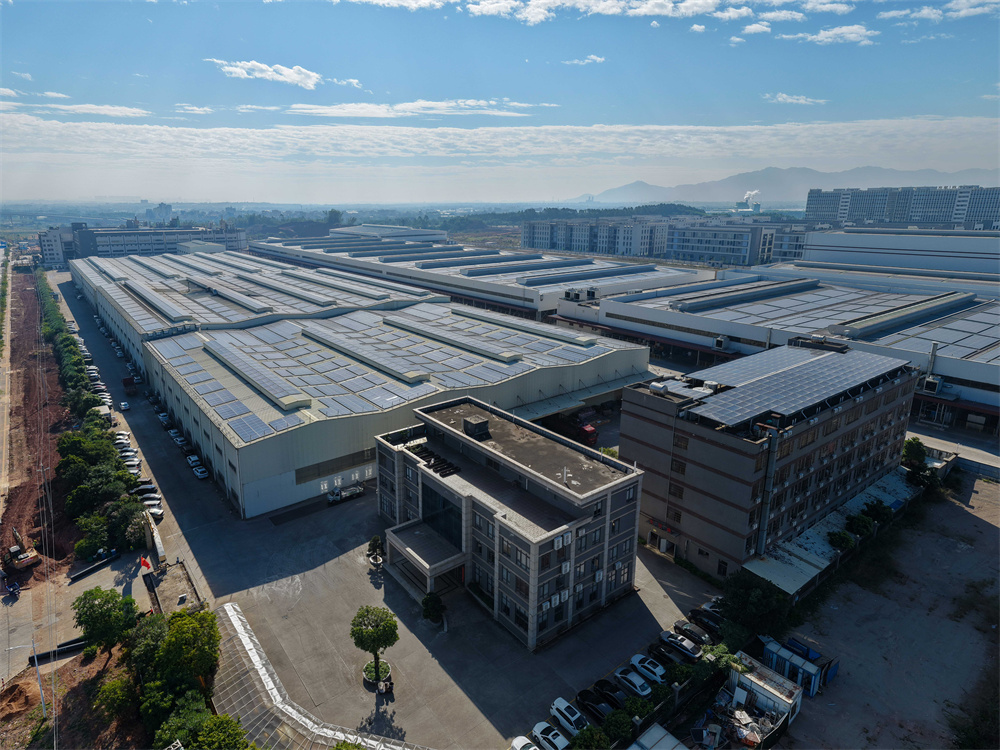
To meet rising global demand, we constructed a 100,000 square meter manufacturing complex, raising our annual capacity to 100,000 tons.
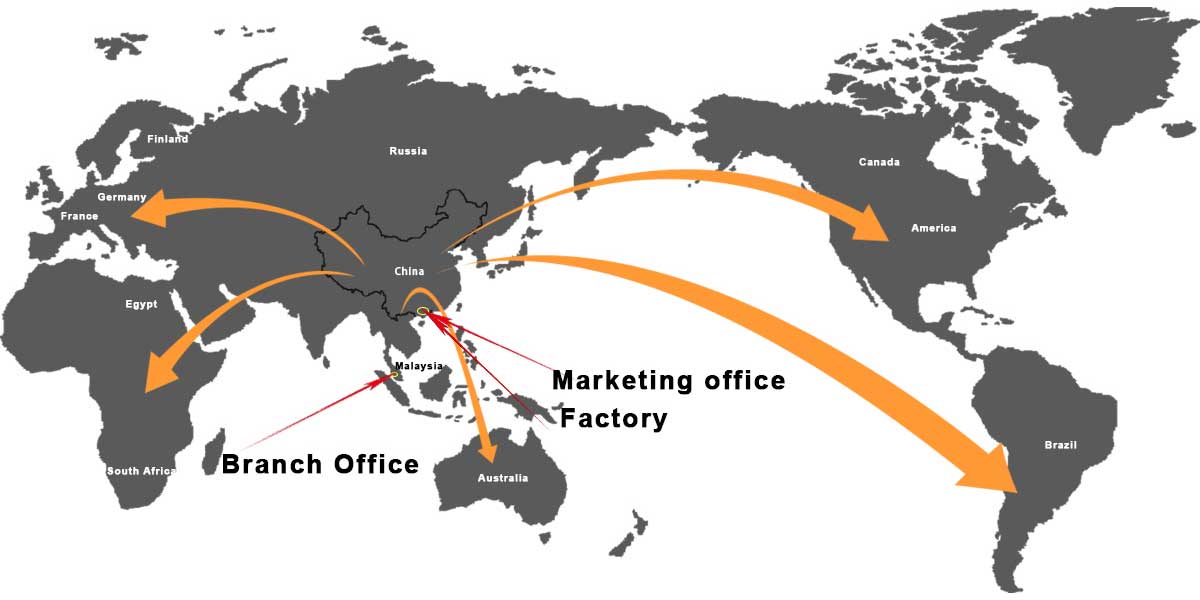
Following the establishment of our Foshan sales office, we are opening our dedicated international support office in Malaysia by 2026 to assist overseas clients.
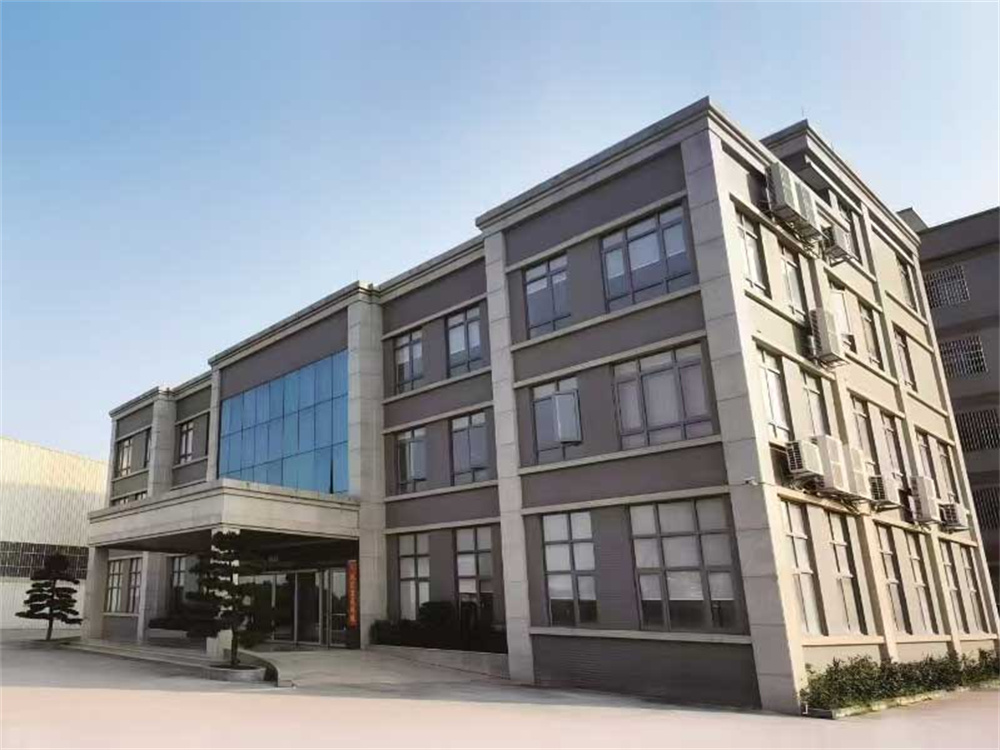
A look inside our extrusion presses, automated surface finishing lines, and advanced CNC machining centers.
For international procurement departments, sourcing architectural aluminium door extrusions from China requires balancing quality, manufacturing lead times, and shipping logistics. High-volume buyers should prioritize suppliers that offer full technical support and compliance verification.
Rather than relying on generic warranties, procurement teams should require structured AQL (Acceptable Quality Level) verification based on ISO 2859 standards. Our quality assurance matches the tolerances defined in EN 755-9, ensuring that dimensions, surface finishes, and structural wall thicknesses match your specified drawings.
In response to international tariffs on direct Chinese exports, Aoli Aluminum offers optimized logistics and flexible delivery terms. We are establishing an office in Malaysia by 2026 to provide localized technical support and customer service to international buyers.
As governments introduce strict environmental regulations, green building standards like LEED and BREEAM are becoming mandatory. Choosing extruded profiles made from clean primary aluminium or certified post-consumer recycled scrap helps reduce the carbon footprint of your architectural projects.
Answers to common questions from architectural designers, engineers, and procurement managers regarding structural aluminium extrusions.
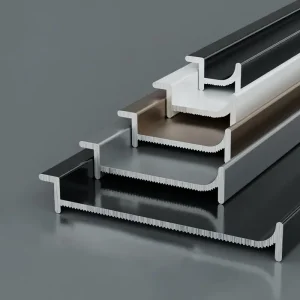
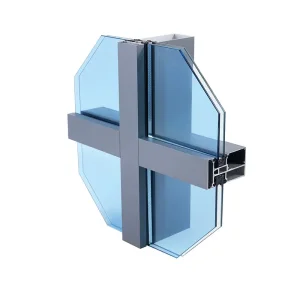
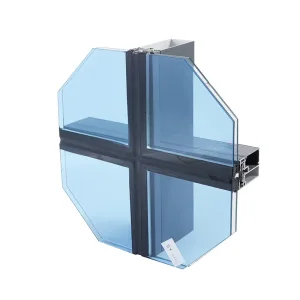
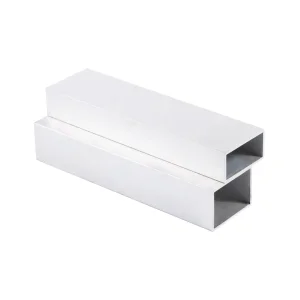
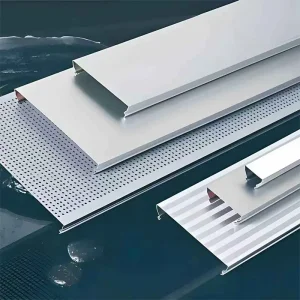
Explore our structural profiles, heavy-duty industrial framing systems, and architectural skirting components.
We supply engineering-grade samples, complete alloy material certificates, and design evaluations. Get in touch with our technical team today to discuss your project requirements.
Contact Our Engineers Now Aoli Aluminum