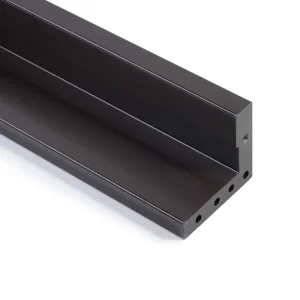
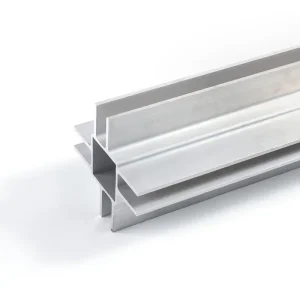
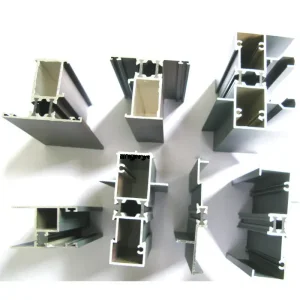
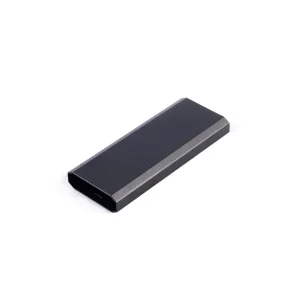
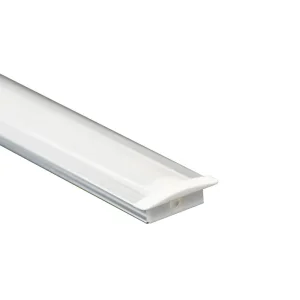
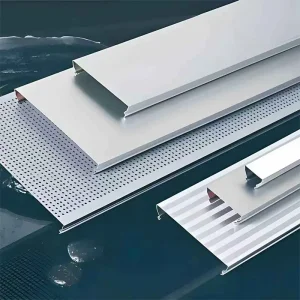
Effective thermal management is the cornerstone of reliability in modern high-power electronics. As electronic devices decrease in scale while increasing in power density, managing operational temperatures becomes a critical system challenge. Aluminum extrusion alloys, specifically the Al-Mg-Si family (6000 series, mainly 6063), are standard choices for heat sink structures due to their excellent balance of mechanical processing capability, corrosion resistance, and thermal conductivity.
However, basic milled aluminum features a low surface emissivity profile. This is where black anodizing becomes an essential production step. Through electrochemical oxidation, an amorphous aluminum oxide film layer (Al2O3) is generated on the extrusion surface. This structure increases surface area porosity and boosts surface thermal emissivity to 0.82–0.90, compared to under 0.10 for unanodized mill-finished metal. This increase in emissivity boosts thermal dissipation via radiative heat transfer, making it ideal for systems lacking active convection currents.
China's industrial regions, especially around Guangdong and Foshan, concentrate raw billet suppliers, custom toolmakers, CNC machining centers, and anodizing lines within tight geographical clusters. This local infrastructure reduces material transport times, streamlines logistics, and speeds up product development cycles.
Our operations cover the entire production cycle, including custom die design, billet extrusion (900T to 2000T), complex multi-axis CNC drilling and milling, chemical and physical surface etching, and automated anodizing lines. These combined capabilities help control quality and reduce production variance.
We leverage advanced simulations and physical prototyping to test custom thermal profiles. Custom tooling modifications are quickly implemented in-house to accommodate rapid changes in electronic component layout, helping clients shorten their time-to-market.
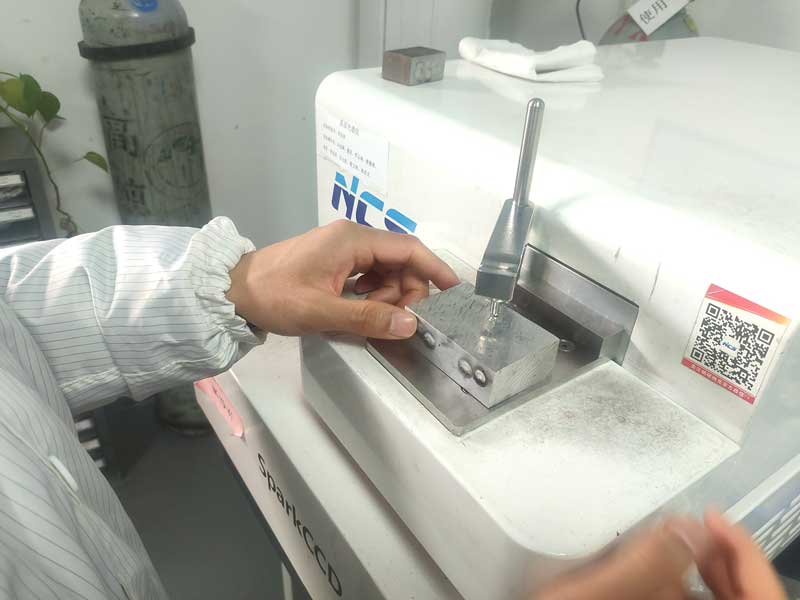
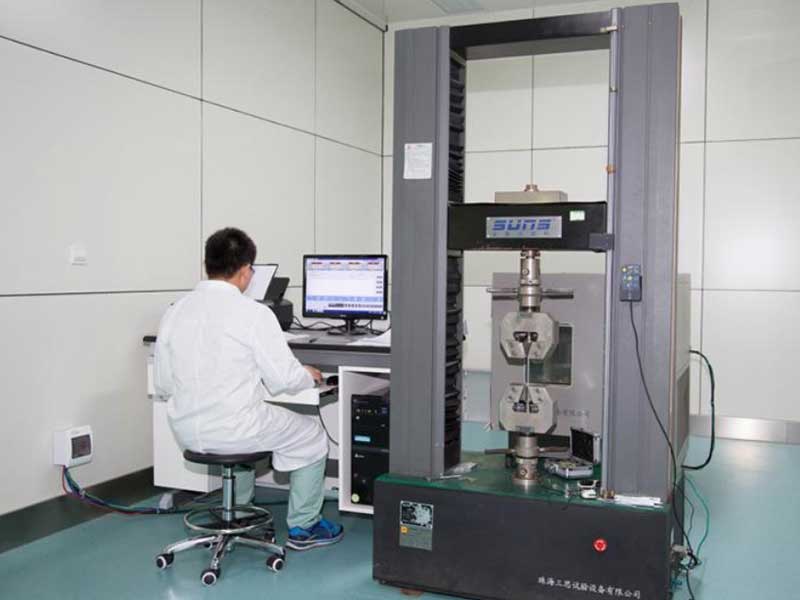
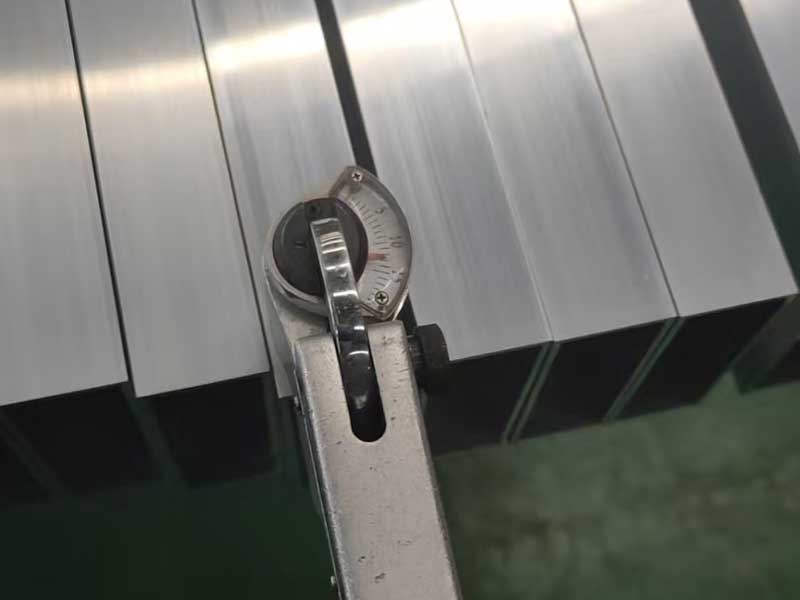
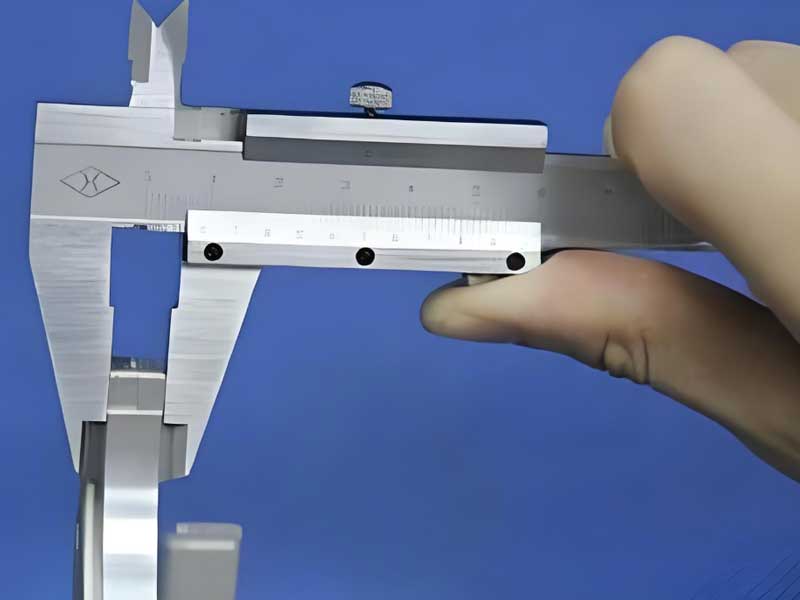
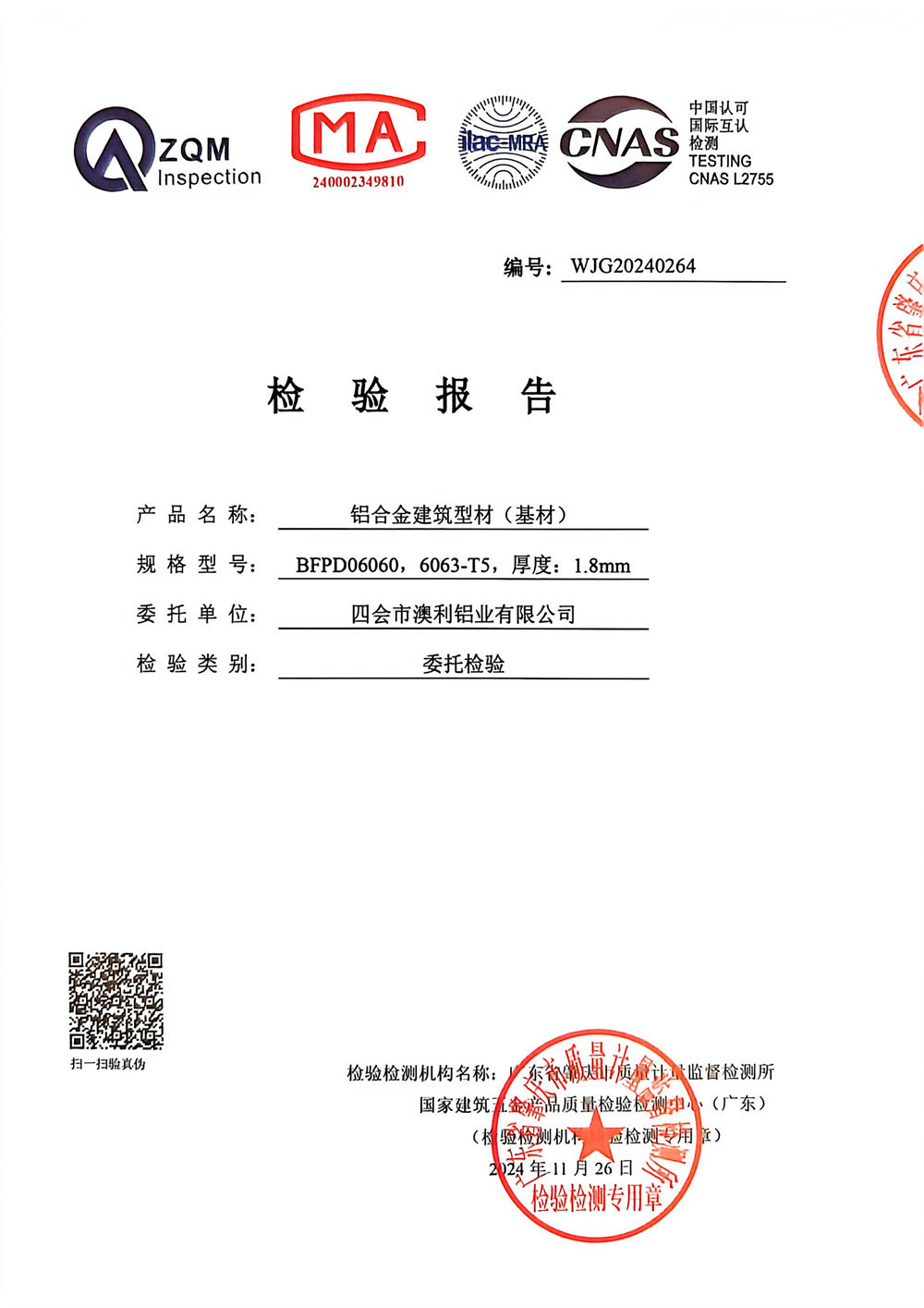
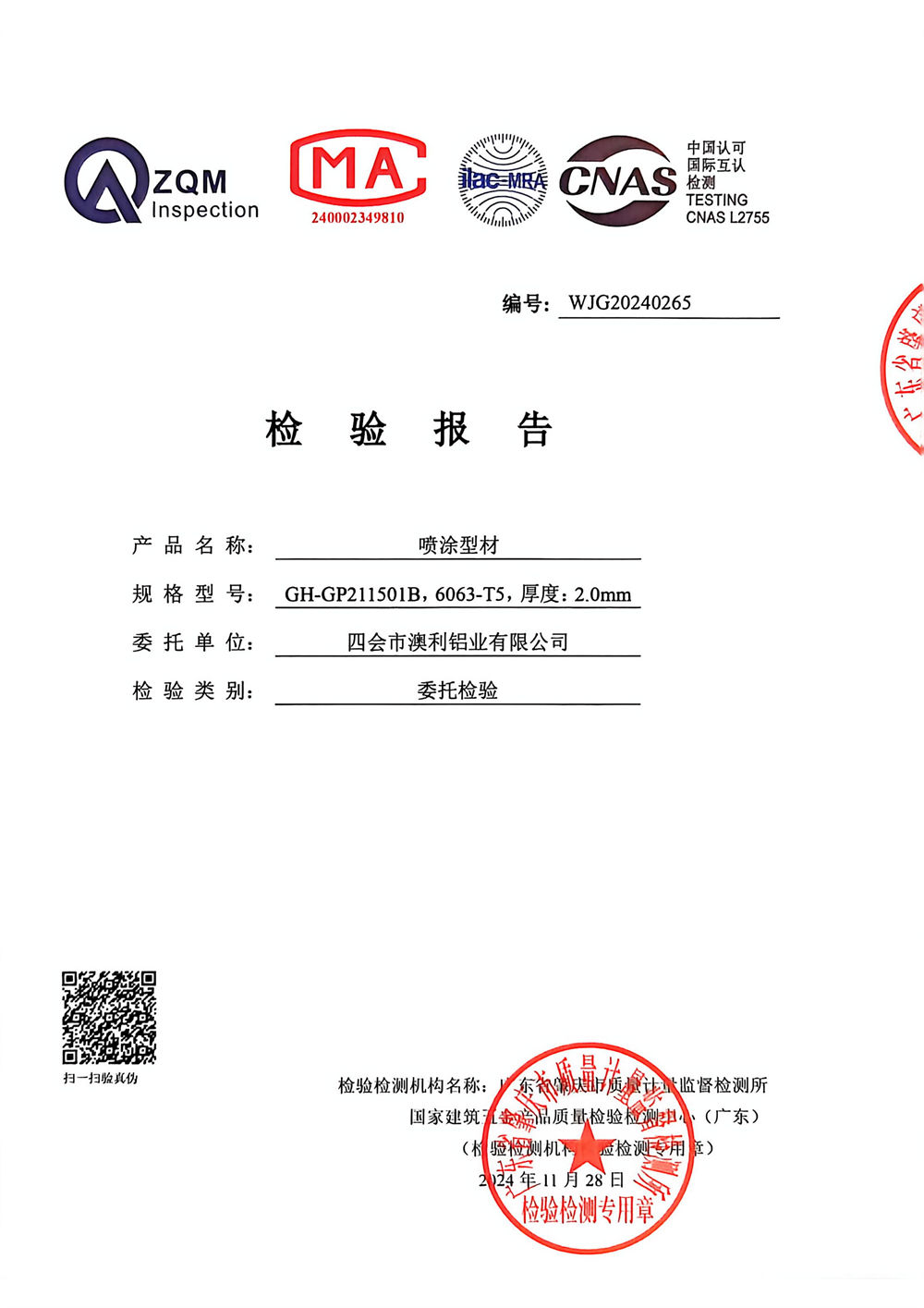
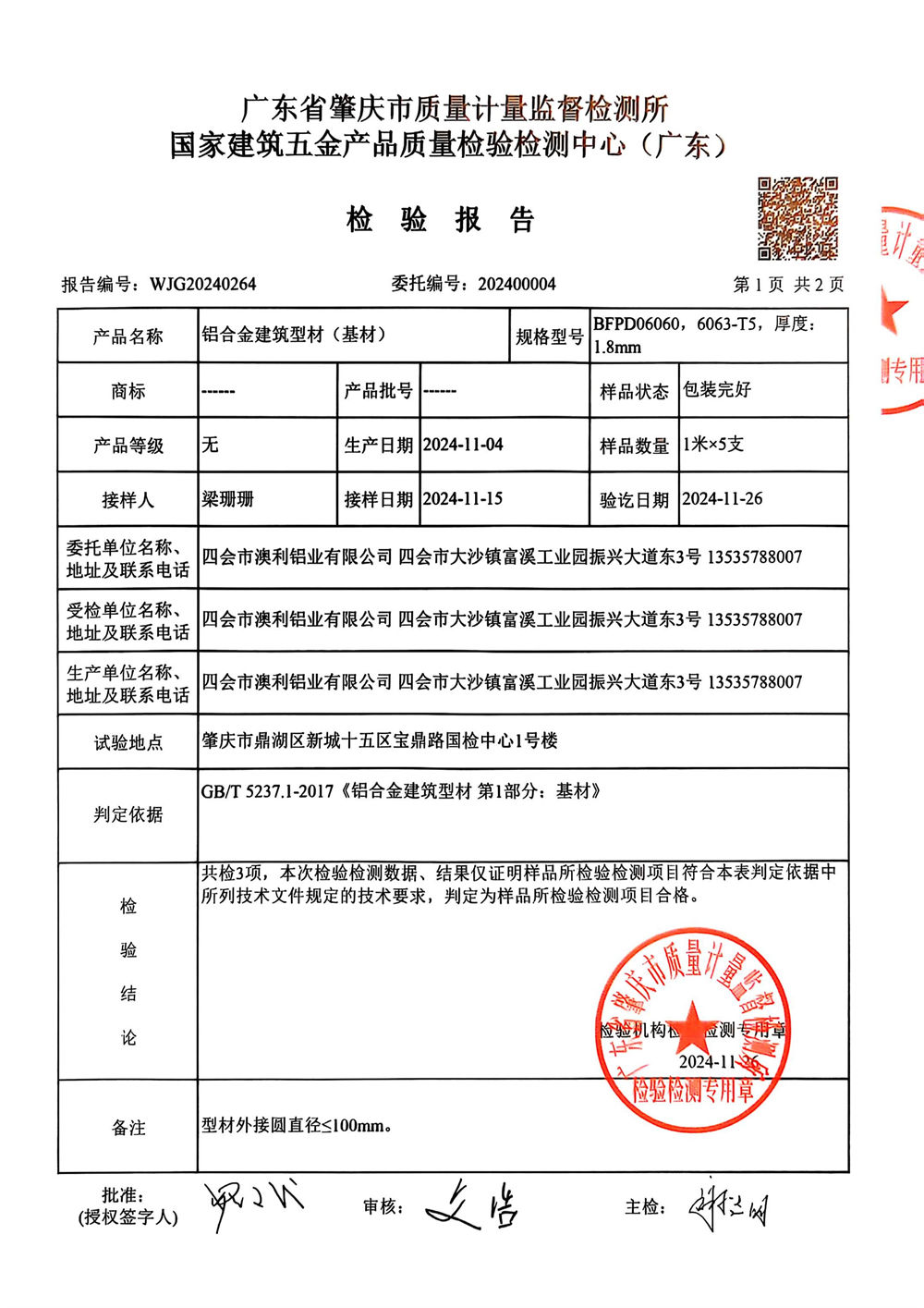
To ensure durability in harsh environments, each production batch undergoes strict material composition and surface inspections.
Our quality verification processes check both structural strength and surface integrity through a series of testing procedures:
Established in 2009, Aoli Aluminum is a manufacturer that integrates research and development, production, and sales. We specialize in manufacturing of aluminum alloy profiles for construction, decoration, and industry. Our headquarters are located in Sihui, Guangdong, with branch offices in Foshan, Guangdong, and a comprehensive ISO quality management system has been established.
"Our mission is building sustainable cities for the world. Committed to achieving a win-win situation for employees, customers, and society has always been our business vision."
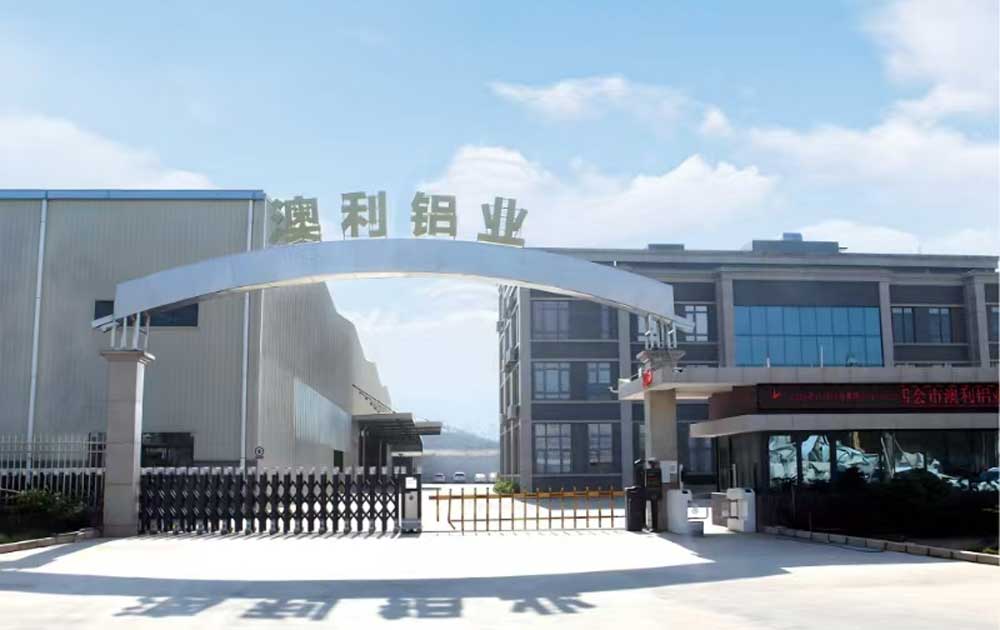
Our brand is "Aolijie", which owns 4 production bases and is equipped with advanced production lines, including extrusion equipment ranging from 900 tons to 2000 tons. Our surface treatment capabilities include powder coating, Anodizing, Electrophoretic Coating, PVDF coating, wood grain, die production, and CNC deep processing equipment. We also operate a dedicated production base for aluminum doors and windows.
Our annual production capacity is 100,000 tons, supported by over 100,000 sets of in-house molds. Our product catalog covers more than 100 series and over 1,000 custom specifications. To meet specific customer requirements, we utilize international technologies for thermal break aluminum profiles and precision inspections. Our products are exported globally, including to the Middle East, South America, Africa, and Southeast Asia.
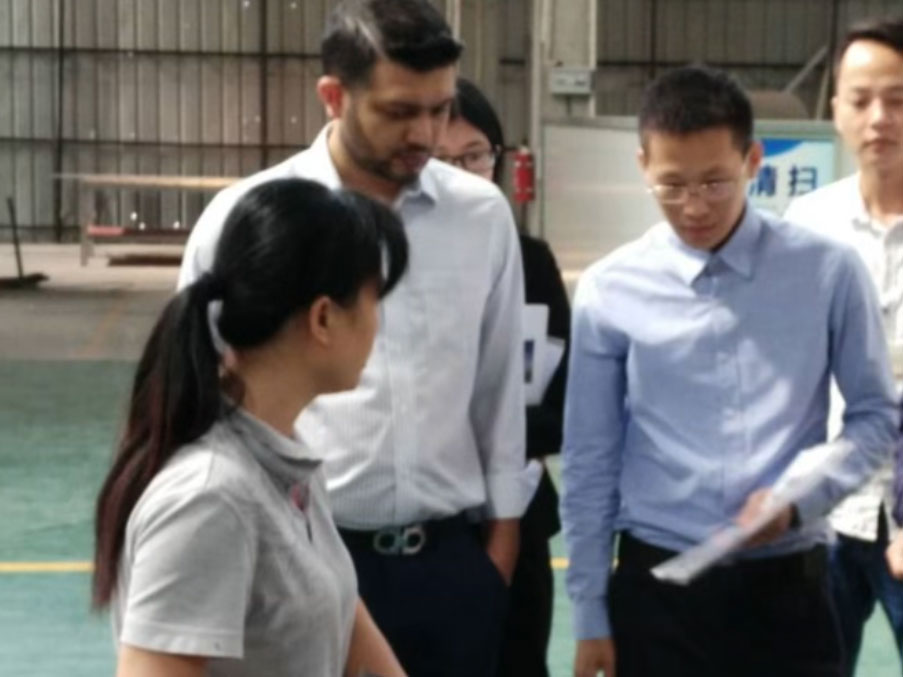
Direct view of our extrusion plants, testing centers, and warehouse management.
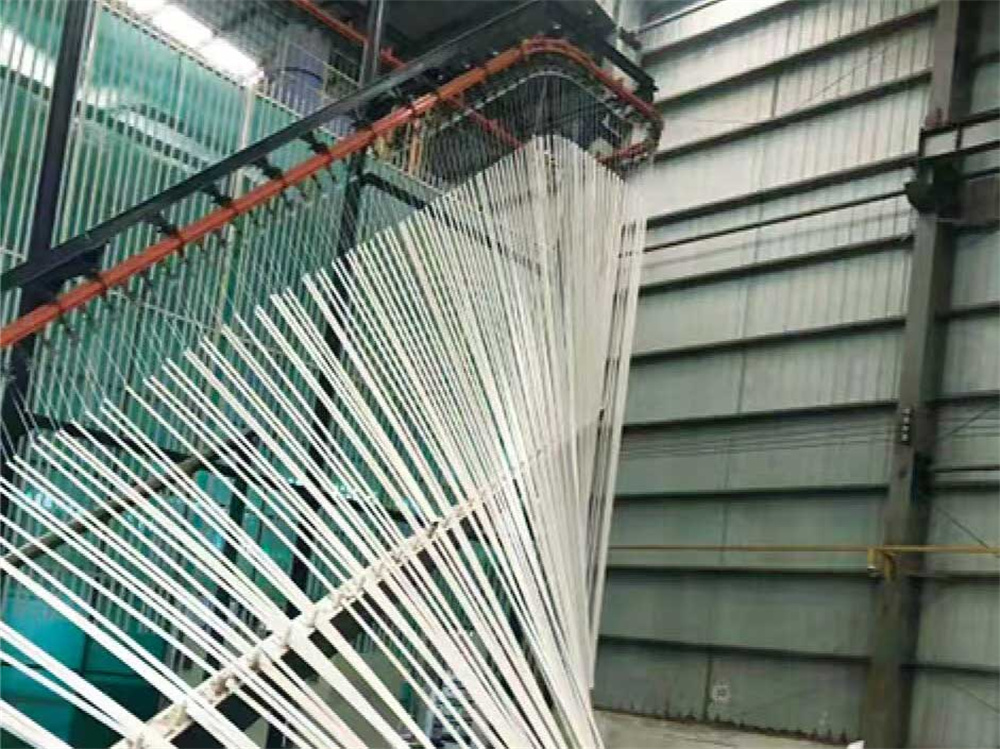
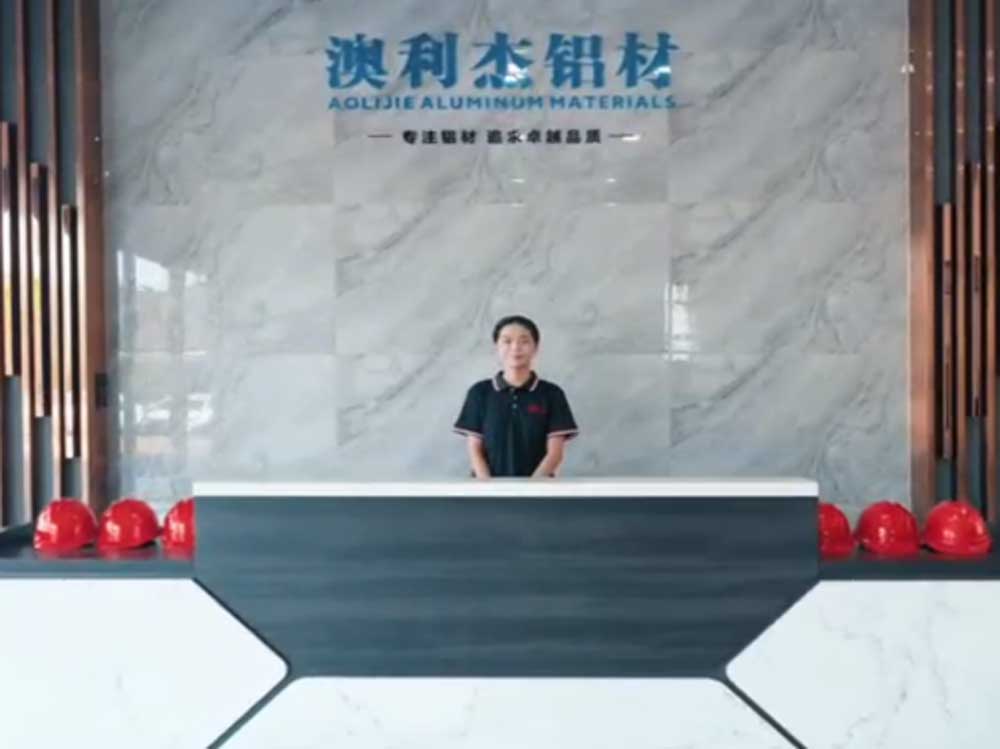
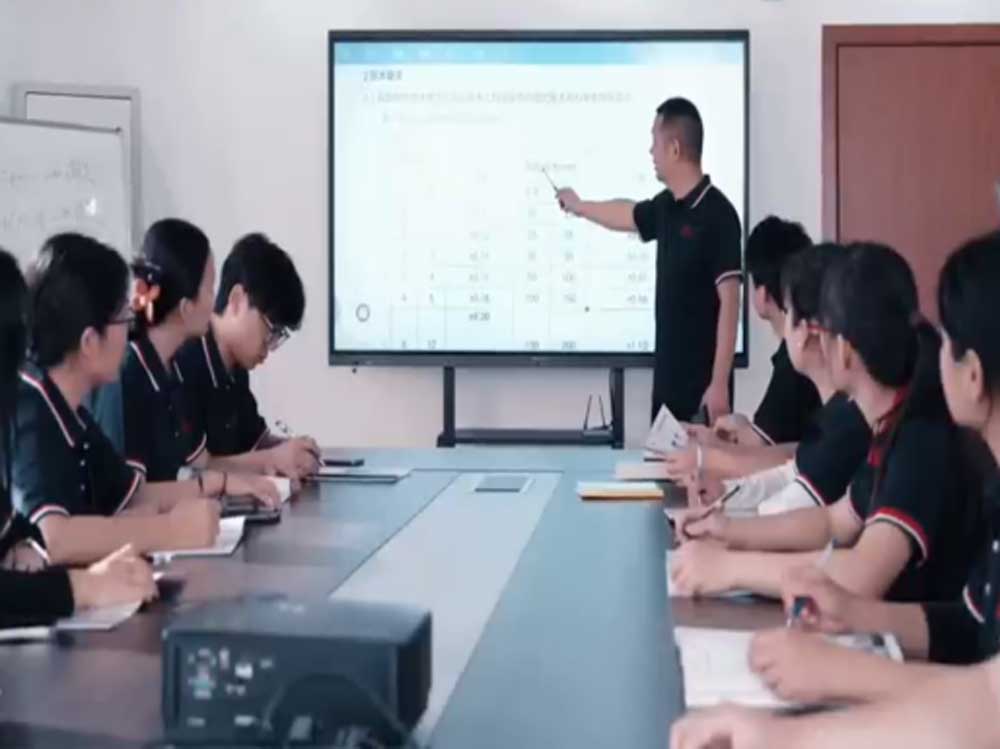
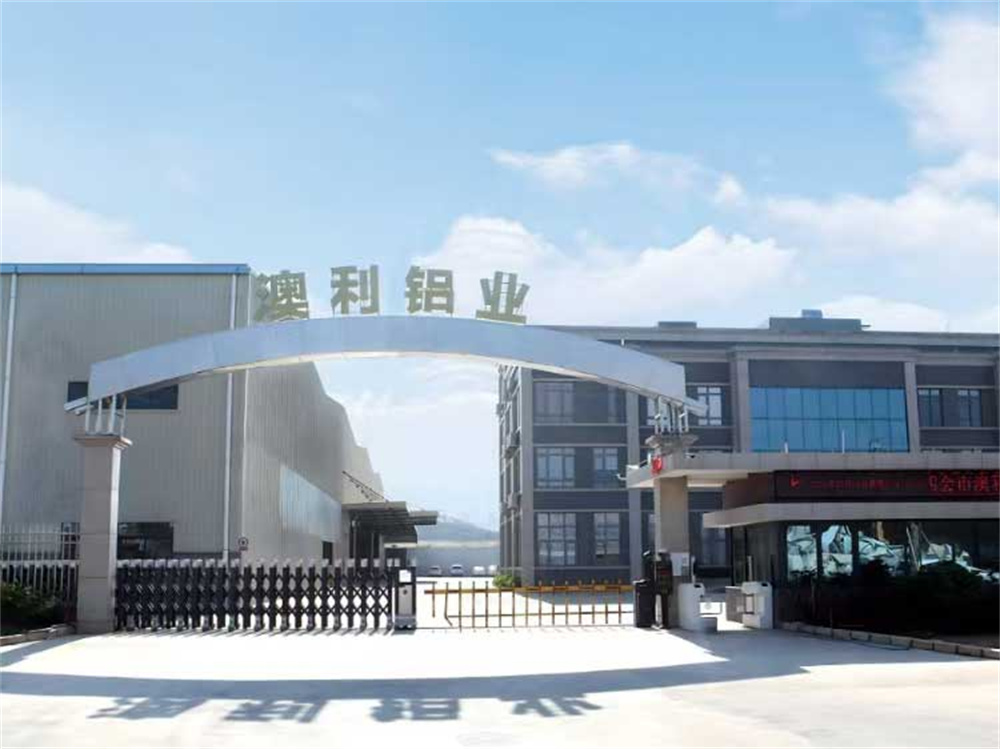
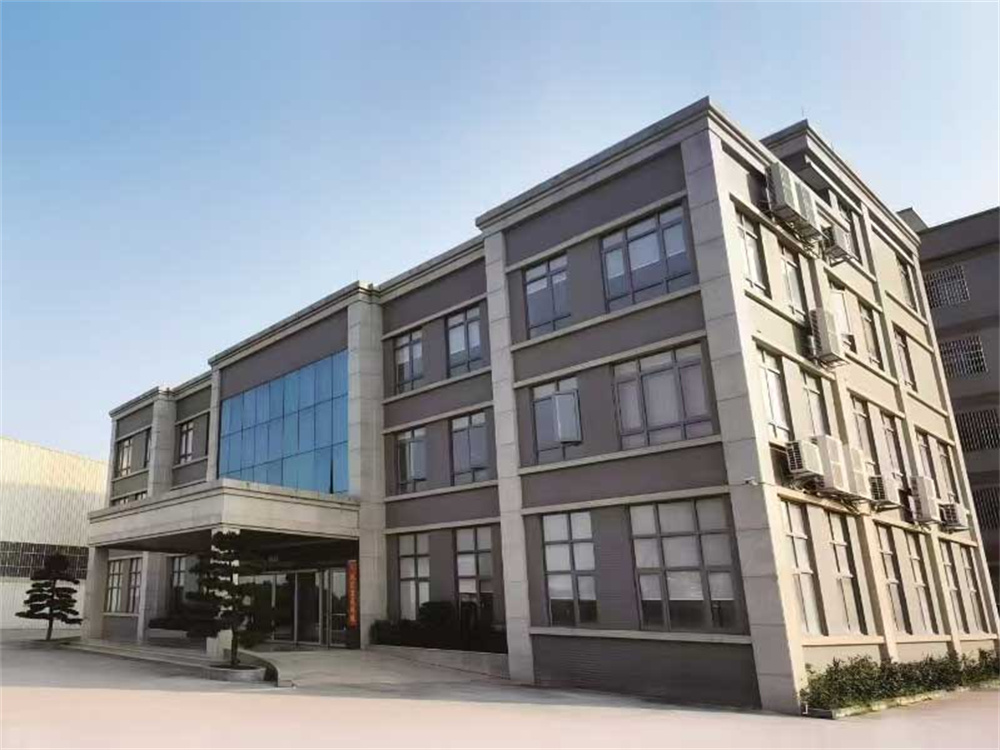
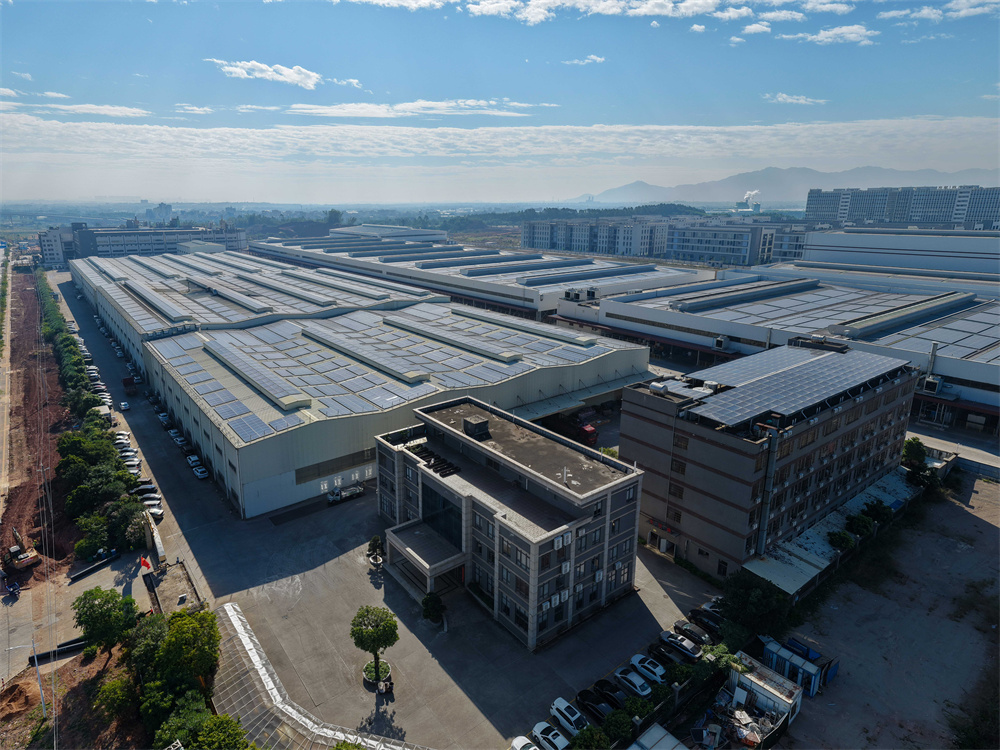
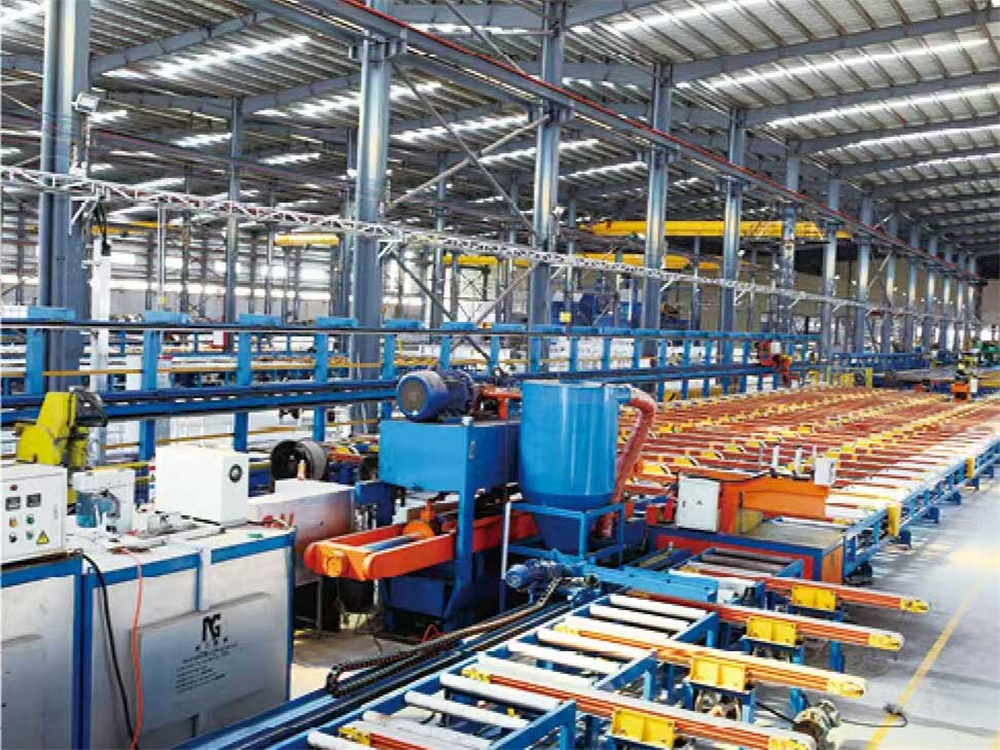
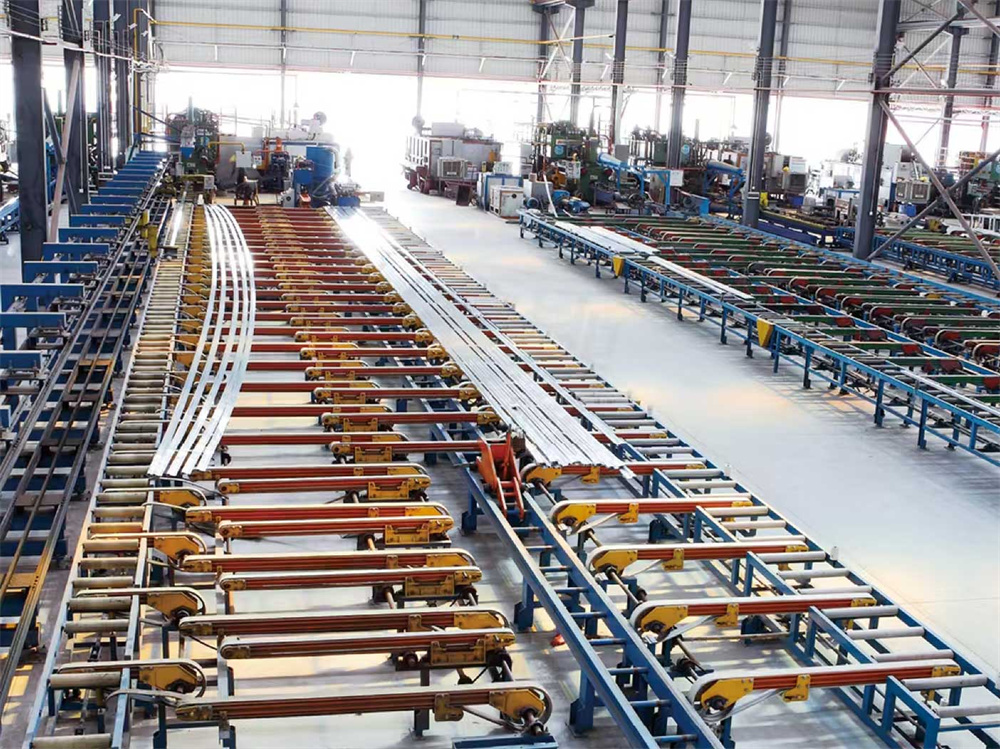
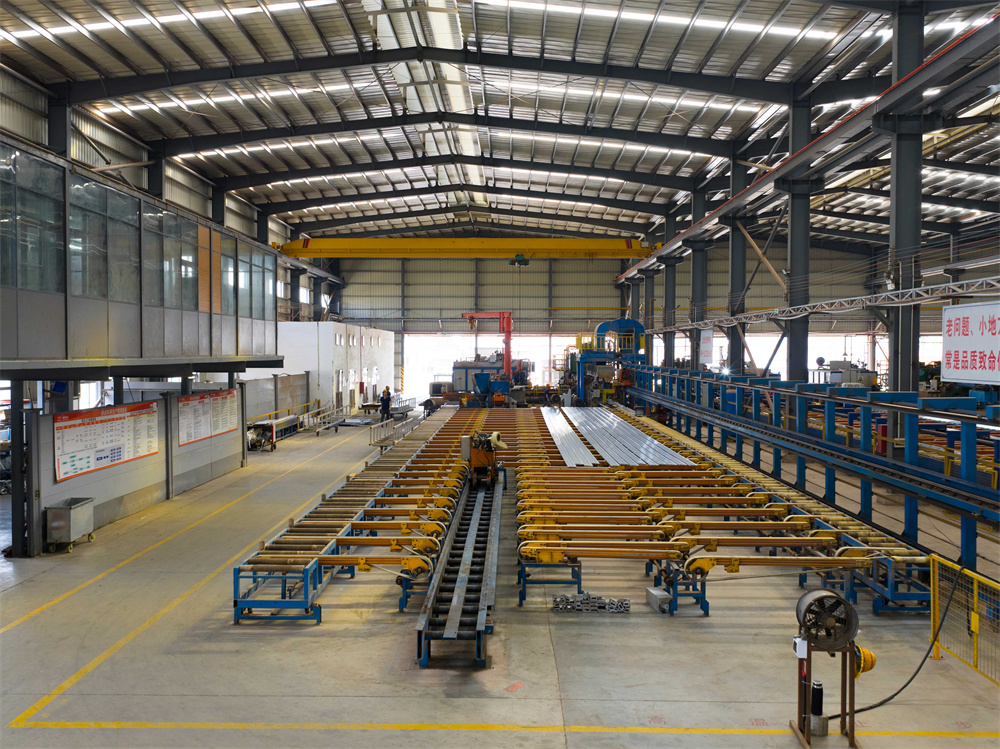
Our brand "Aolijie" is closely related to the development of aluminum profiles in China. Since 2000, our founder, Mr. Wong, has been engaged in the sales of building materials. At that time, China's real estate sector was experiencing rapid development, marking the official launch of the building aluminum profile industry.
Aluminum profiles are an environmentally friendly, low-carbon, and durable material. Mr. Wong recognized the potential of aluminum profiles for future urban architecture and established Aolijie to deliver high-quality options to the market.
AO: The first letter in the alphabet, symbolizing top quality, and "O" for "Option". Hence, "First Choice".
LI: "L" refers to "Leading", "I" to "Indicator", indicating a standard setter.
Jie: Transcribes to "Masterwork" in Chinese.
A standard aluminum profile factory covering 10,000 square meters was established in Sihui, Guangdong, to manufacture standard profiles.
Aolijie obtained 13 product patents and ISO9000 certification during this phase of growth.
Invested in the construction of a 100,000 square meter factory in 2017, increasing capacity to 100,000 tons annually.
Established our Foshan office in 2024, with plans to open a Malaysian sales office by 2026.
Our extruded profiles serve several engineering fields that require efficient thermal management and structural reliability:
Electric vehicle drivetrains generate substantial thermal energy during fast charge/discharge cycles. Liquid cooling plates and bottom battery frames are extruded from custom 6000-series alloys to maintain batteries within safe operating limits.
Solar inverters mounted outdoors are exposed to solar radiation and weather. Heavy-duty black anodized heat sinks utilize a thick anodized layer to prevent corrosion while managing internal IGBT module temperatures.
5G base station transmitters require passive thermal management. Our custom multi-slot profiles act as both structural enclosures and natural convection radiators for sensitive RF electronics.
We aim to maintain high satisfaction levels across our industrial partnerships. Our design-to-production workflow for custom profiles is optimized to manage tooling costs and setup times effectively.
We perform 100% visual inspections and random AQL sampling based on ISO 2859 and ANSI/ASQ Z1.4. Each production run is documented with inspection and material certificates.
Our cost management is built on integrated production steps: raw billet sourcing, in-house die design, extrusion, surface finishing, and CNC machining, reducing intermediate logistic costs.
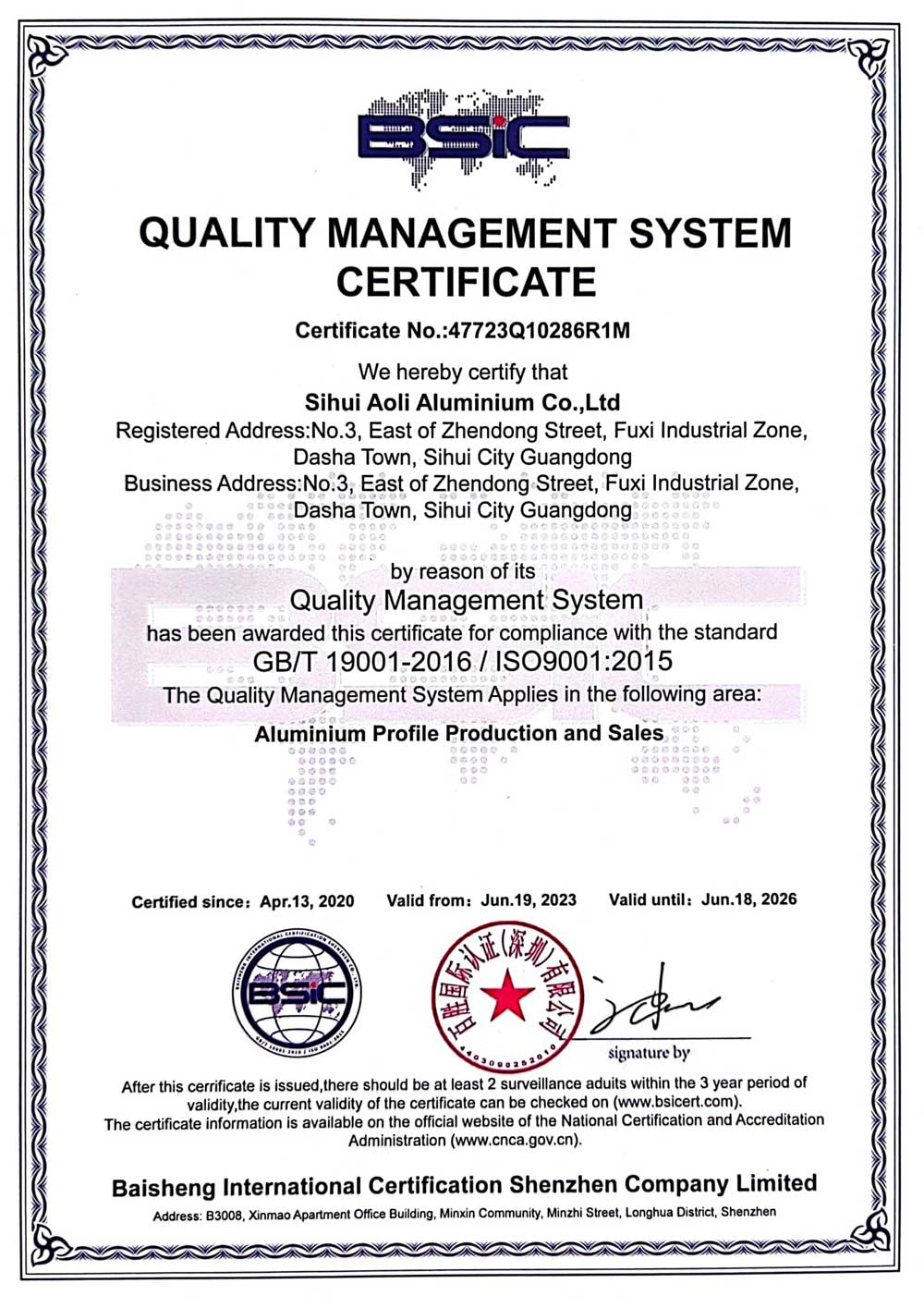
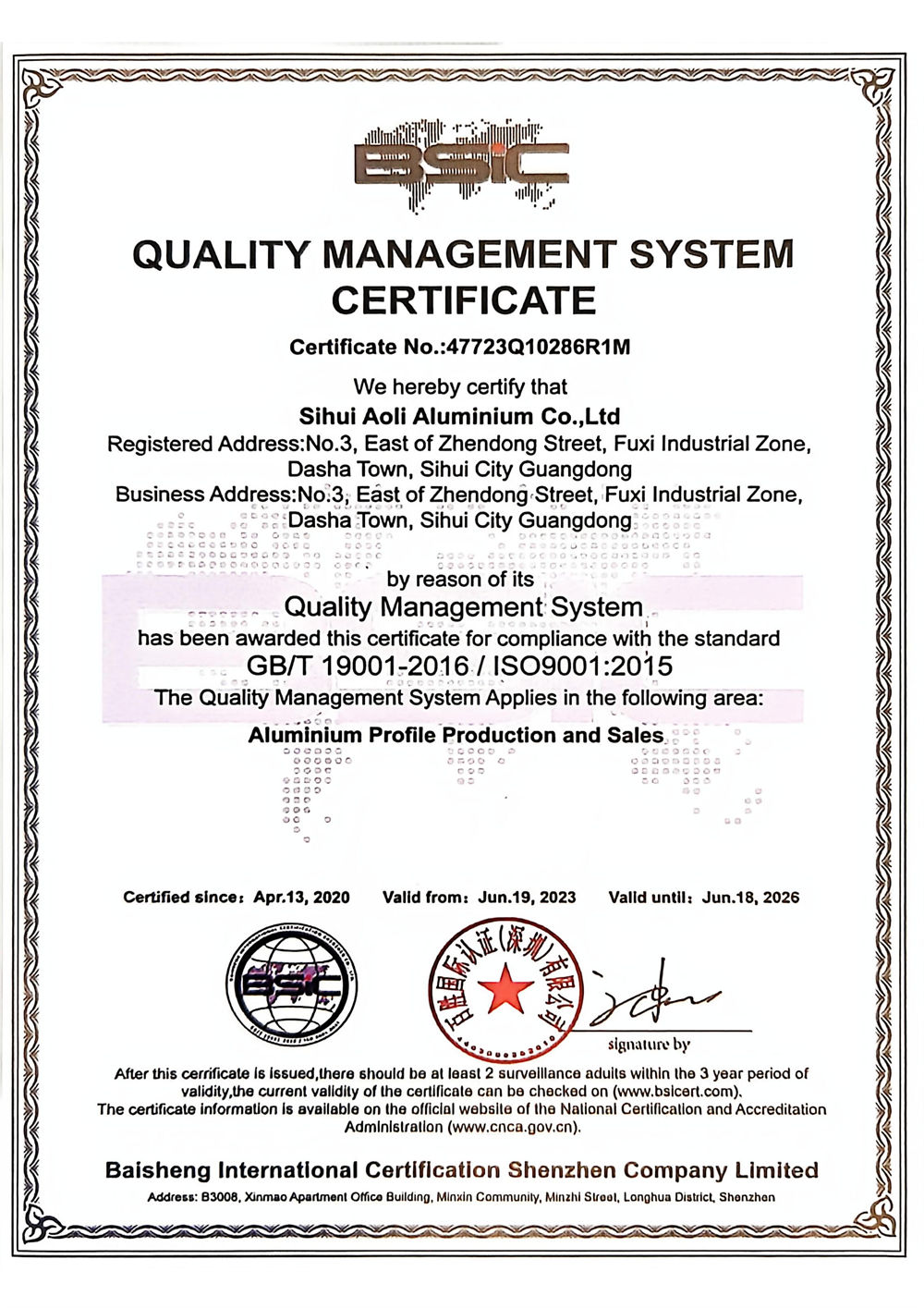
We maintain standard quality control certifications. Our processes comply with ISO 9001 and ISO 14001 environmental safety metrics. We are qualified to supply structural profiles to engineering firms globally.
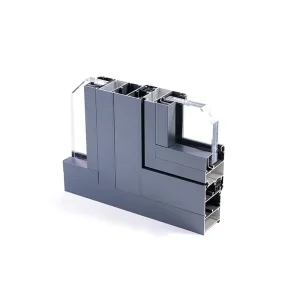
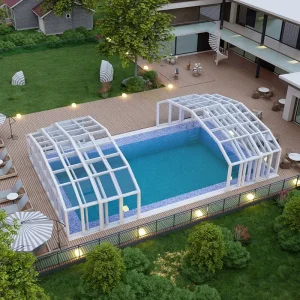
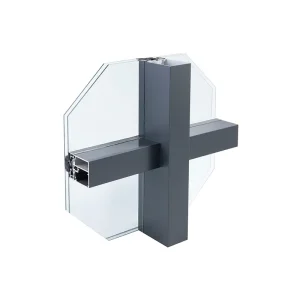
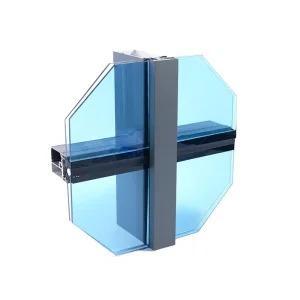
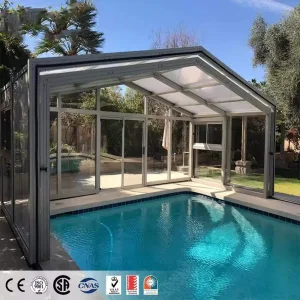
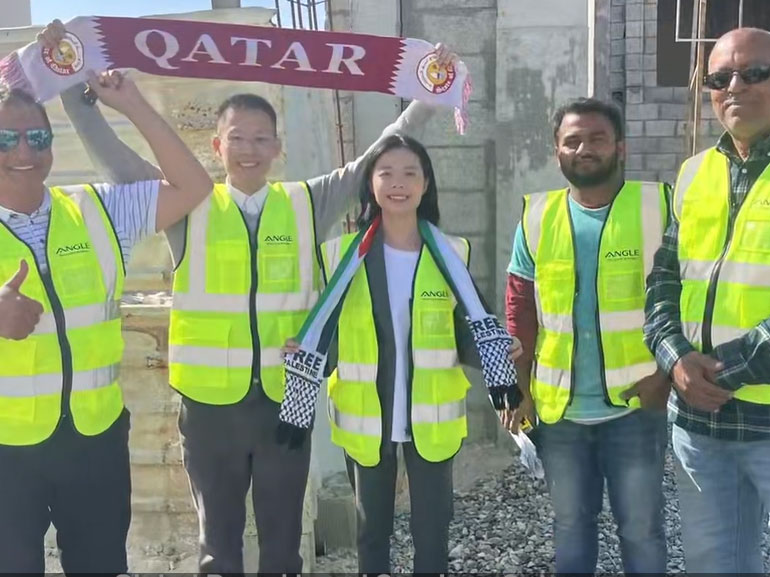
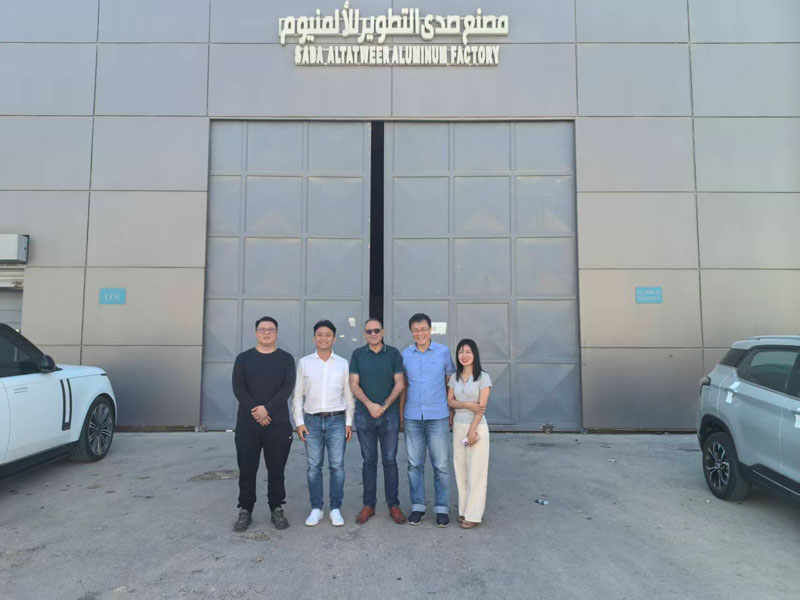
Our aluminum profiles are used in structural framing, window systems, and machinery components. View some of our collaborative installations:


Anodizing creates a controlled oxide film layer that increases the material's emissivity index from less than 0.10 to approximately 0.85. This improvement helps dissipate heat in natural convection environments where radiative heat transfer is a primary cooling mechanism.
Alloy 6063 is standard for extruded profiles. It offers a thermal conductivity of approximately 200 W/m·K, good tensile strength, and responds well to the extrusion and chemical anodizing processes. For high structural strength applications, alloy 6061 is also used.
For standard indoor enclosures, an anodized film layer of 8 to 12 μm is typical. For outdoor applications, such as solar power inverters or industrial machinery, we recommend thickness settings between 15 and 25 μm to provide corrosion resistance against salt spray and moisture.
Yes. We run in-house multi-axis CNC drilling, milling, tapping, and sawing setups to machine precise hole alignments, interface dimensions, and fin shapes before sending the components to our anodizing lines.
We follow ISO 9001 quality guidelines. Every batch of raw billets undergoes spectroscopic analysis, and final products are checked for dimensions, thickness, and hardness before shipping to verify conformity.
Contact us to request detailed material data sheets, design assistance, or to discuss custom profile requirements.
Inquiry Now Aoli Aluminum