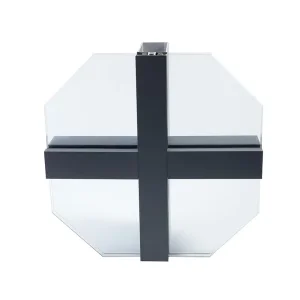
Preserving Original Custom Extrusions and Architectural Systems for Global Commercial Distribution
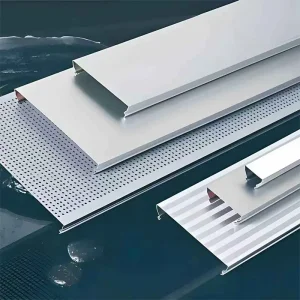
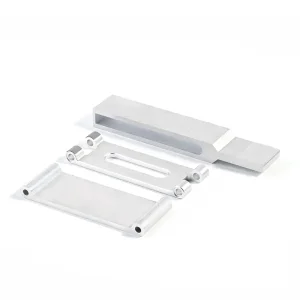
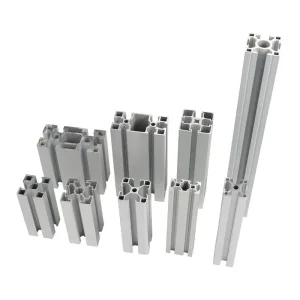
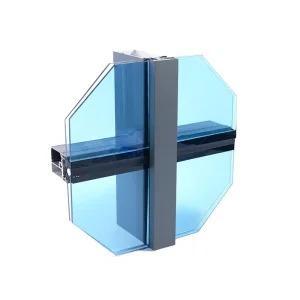
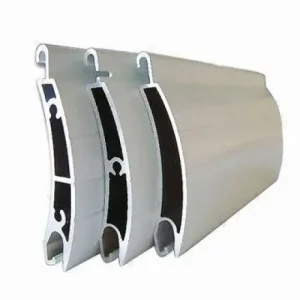
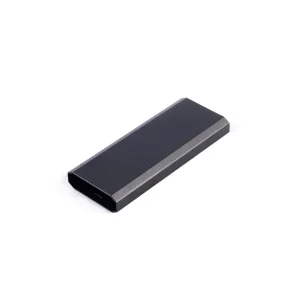
In the contemporary landscape of high-performance architectural design, aluminium sill profiles (or sub-sills) have evolved far beyond basic structural trims. They represent critical boundary junctions in curtain walls, window systems, and rainscreen claddings, bearing the double responsibility of structural water-shedding and thermal bridge mitigation.
Urban modernization, coupled with strict regulatory guidelines such as the European Union’s Energy Performance of Buildings Directive (EPBD) and North America's ASHRAE 90.1, has driven massive demand for sophisticated extruded designs. Modern sill systems must incorporate continuous thermal barrier technology, typically using fiberglass-reinforced polyamide strips (PA66 GF25), to prevent condensation and structural thermal leakage at the slab-edge connection interface.
As architectural footprints grow taller and more complex, wind-load capacity, seismic displacement tolerance, and long-term durability of these extruded boundaries determine the life cycle of the entire building envelope. Consequently, procurement officers and structural engineers must seek suppliers capable of maintaining micro-tolerance control and advanced surface finishing to withstand aggressive environments.
Establishing Standards of Excellence in Extrusion, Anodizing, and Deep Processing Since 2009
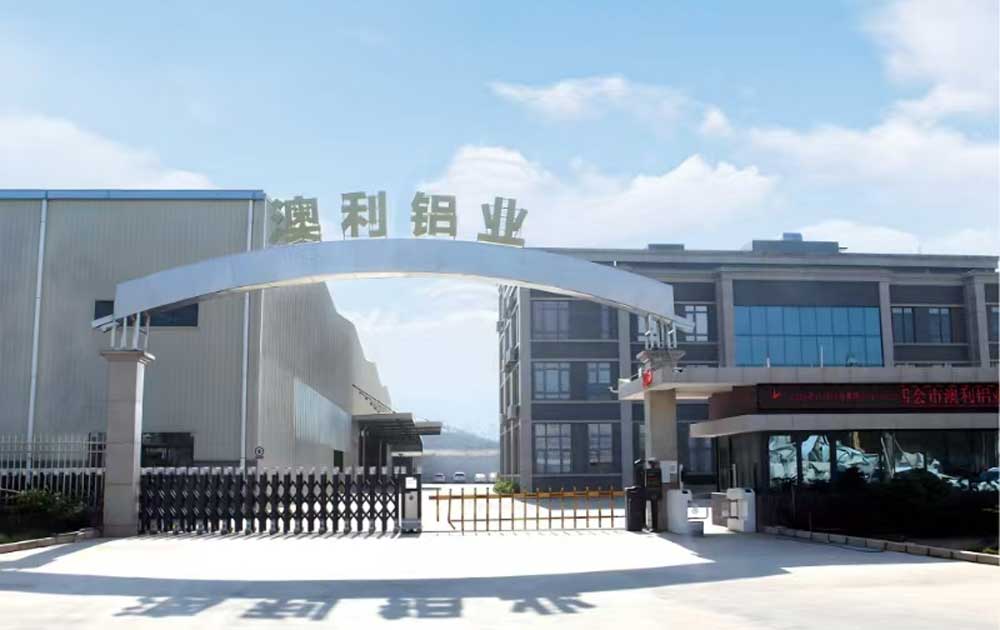
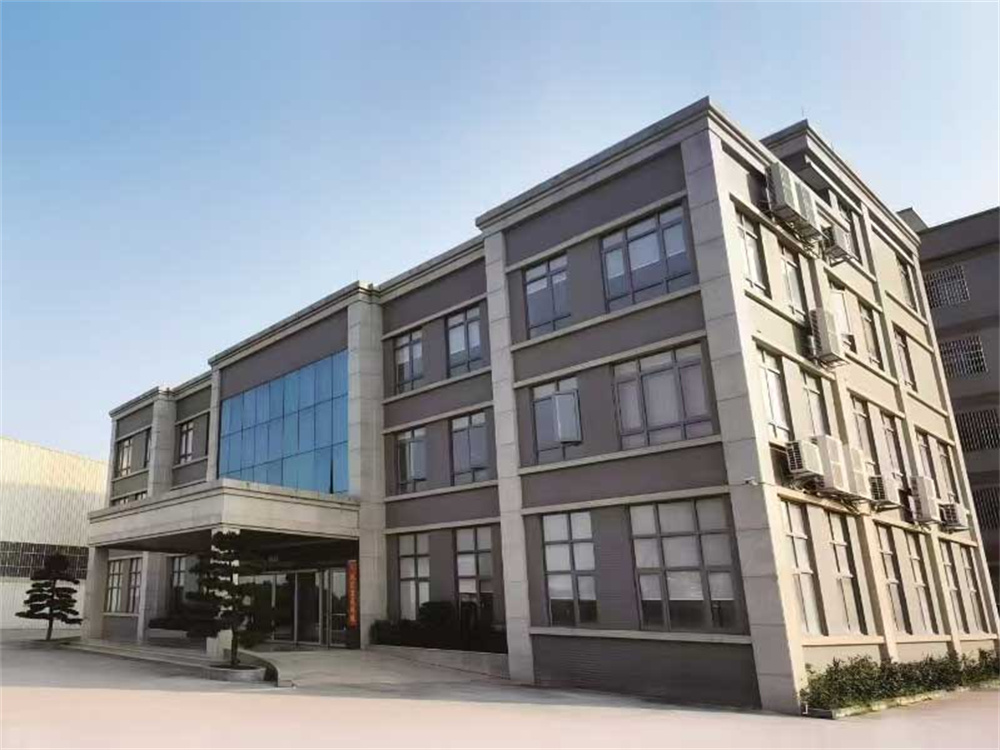
Established in 2009, Aoli Aluminum has developed into an integrated powerhouse incorporating research & development, manufacturing, sales, and custom metal fabrication. We specialize in producing aluminum alloy profiles engineered for complex architectural, structural, and industrial systems.
Headquartered in the industrial hub of Sihui, Guangdong, and bolstered by commercial offices in Foshan, Aoli Aluminum strictly enforces a comprehensive ISO 9001 quality management structure. We operate with a primary mission: Building sustainable cities for the world, and continuously strive to deliver exceptional customer-centric support and carbon-neutral production pathways.
"Our vision is to be the aluminum profile production enterprise with the highest customer satisfaction, the strongest sense of employee happiness, and the most influential export brand in the global industrial sector."
Our core brand is "Aolijie". Across our 4 highly automated production bases, we feature extrusion presses ranging from 900 tons to 2,000 tons of force. Our surface coating capabilities are comprehensive, featuring:
Developing Leading Indicators for High-Performance Metal Products Since the Turn of the Century
The story of "Aolijie" is fundamentally intertwined with the rise of modern industrial aluminum manufacturing in China. In 2000, our founder, Mr. Wong, entered the architectural building materials sector, recognizing that rapid urbanization required a sustainable, lightweight, and durable alternative to traditional building structures.
Recognizing the potential of aluminum to improve environmental outcomes across structural projects, Mr. Wong envisioned a factory built upon precision metallurgy. This dream culminated in the establishment of the "Aolijie" brand in 2009.
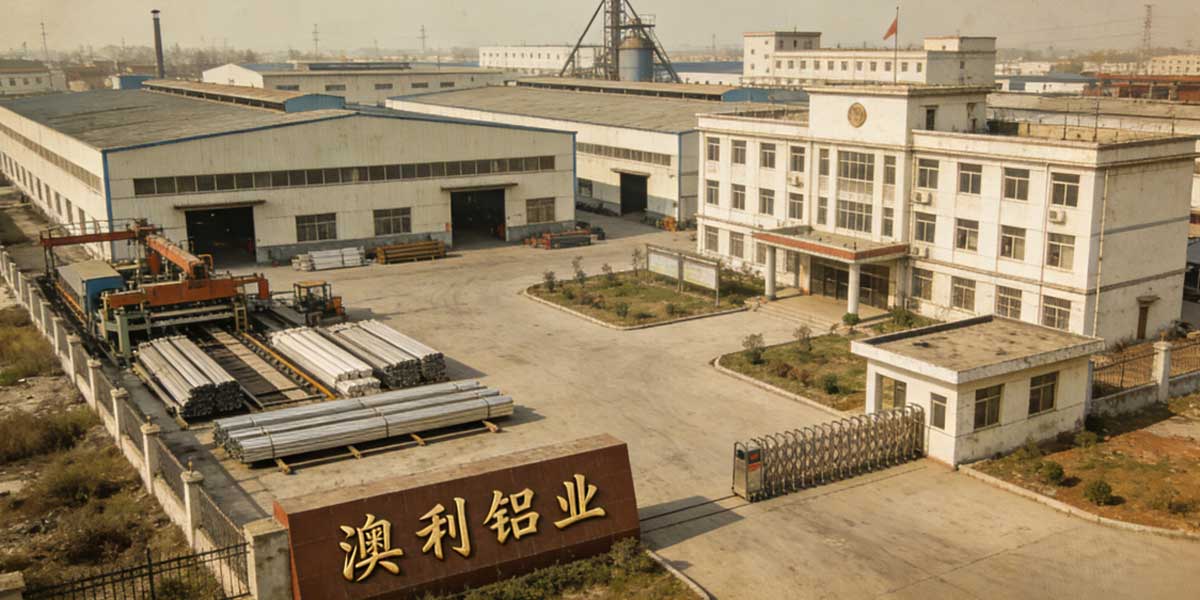
Established a 10,000 m² standard factory in Sihui, Guangdong. The "Aolijie" brand is registered, aiming to engineer industry-leading standard profiles.
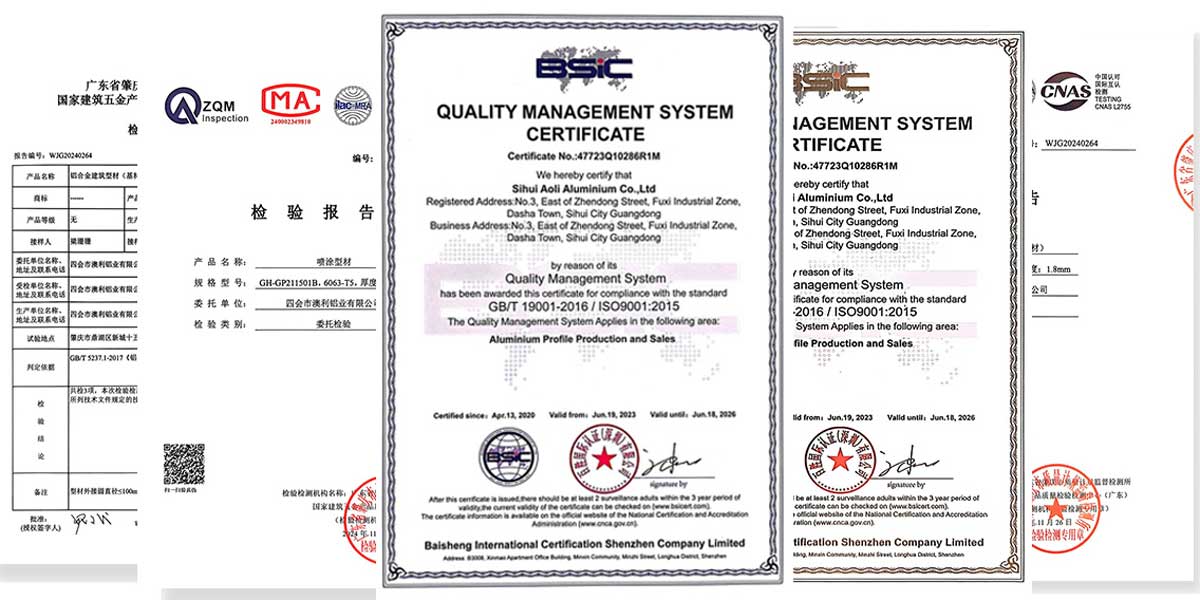
Secured 13 innovative structural patents and officially obtained ISO 9001 compliance, driving our expansion into international industrial channels.
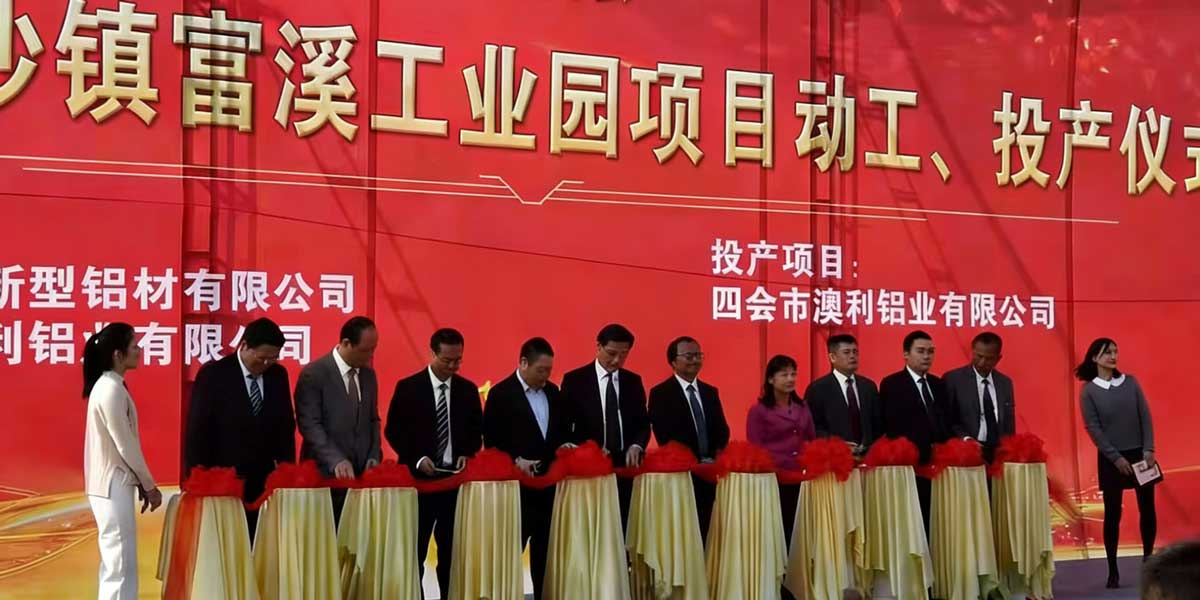
Constructed a state-of-the-art 100,000 m² plant, integrating 2,000-ton press lines to scale annual production capacity to 100,000 metric tons.
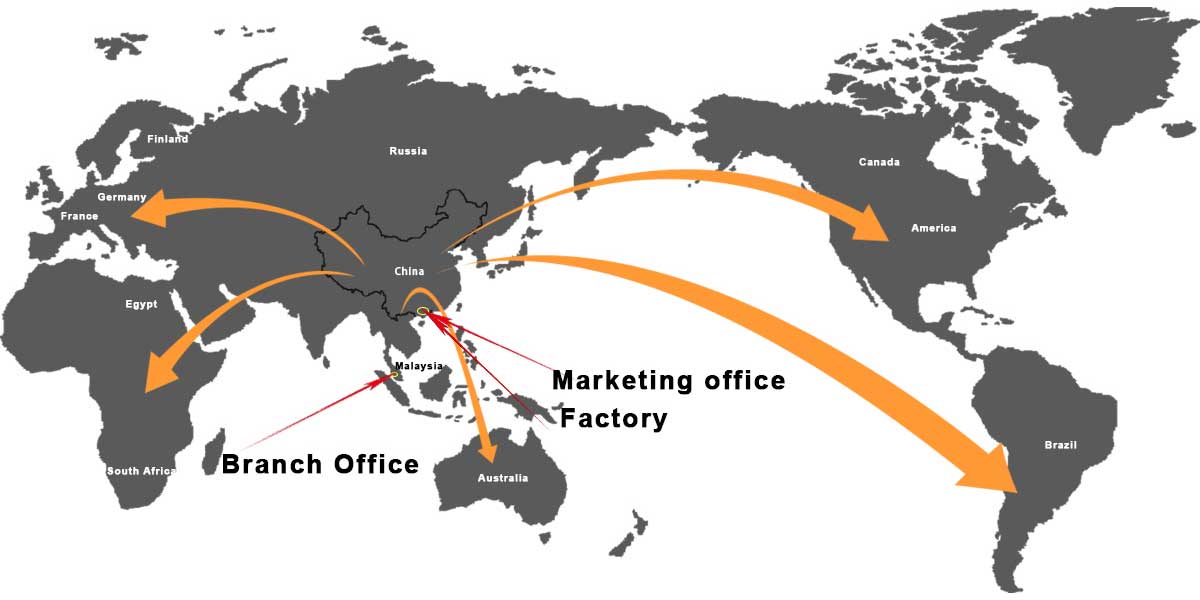
Established a dedicated sales branch in Foshan and finalized strategic preparations for an overseas facility in Malaysia by 2026.
Deep Technical Insight into Alloys, Mechanical Thresholds, and Tolerance Standards
| Parameter | 6063-T5 Specification | 6063-T6 Specification | Testing Protocol Compliance |
|---|---|---|---|
| Tensile Strength (Rm) | ≥ 160 MPa | ≥ 205 MPa | ISO 6892-1 / ASTM E8M |
| Yield Strength (Rp0.2) | ≥ 110 MPa | ≥ 170 MPa | ISO 6892-1 / ASTM E8M |
| Hardness (Webster) | ≥ 8 HW | ≥ 12 HW | ASTM B647 / ISO 6507 |
| Elongation (A50mm) | ≥ 8% | ≥ 8% | ISO 6892-1 |
| Dimensional Tolerances | EN 755-9 (Standard precision) | EN 12020-2 (Ultra-high precision) | Coordinate Measuring Machine (CMM) |
| Thermal Conductivity | 200 W/(m·K) | 200 W/(m·K) | ASTM E1225 |
Thickness range: 10μm to 25μm. Offers natural metallic aesthetics with high abrasion resistance. Meets Qualanod specifications, ideal for high-salinity coastal installations.
Contains ≥ 70% Kynar 500 / Hylar 5000 resins. Specifically designed for curtain wall sub-sills exposed to extreme UV. Yields 20+ year performance with no chalking.
Offers uniform film thickness (60μm to 80μm) with thousands of RAL color options. Formulated without VOCs to align with sustainable building certifications.
Implementing 100% Inspection and Rigorous Laboratory Testing Protocols
To maintain high reliability across commercial construction projects, Aoli Aluminum implements a multi-stage quality control system. Our internal quality standard requires a 100% visual inspection of surface conditions combined with a 5% secondary spot check for structural tolerances.
Every single production batch undergoes 8 separate secondary spot-checks, utilizing random AQL (Acceptable Quality Level) sampling guided by ISO 2859 or ANSI/ASQ Z1.4 parameters.
This process ensures that every delivery is supported by a comprehensive Quality Inspection Report (MTR), detailing exact mechanical properties and dimensional adherence.
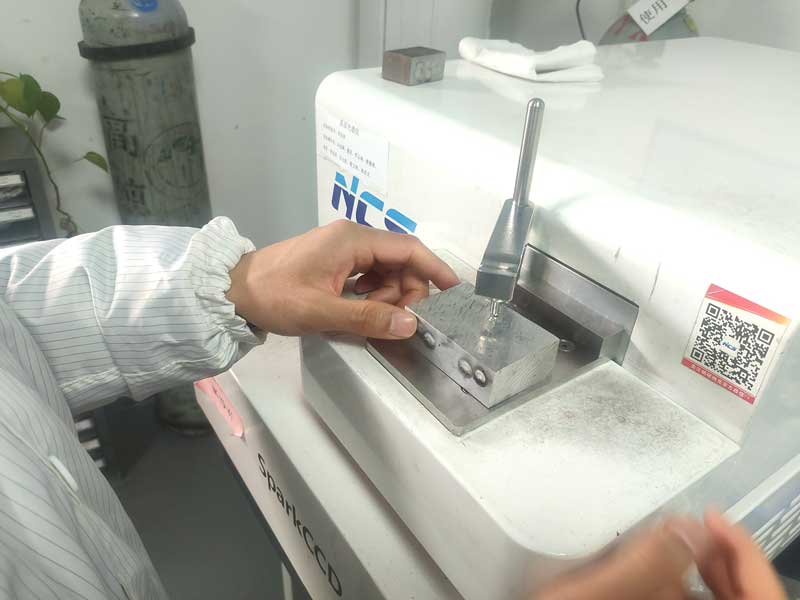
Compositional Analysis
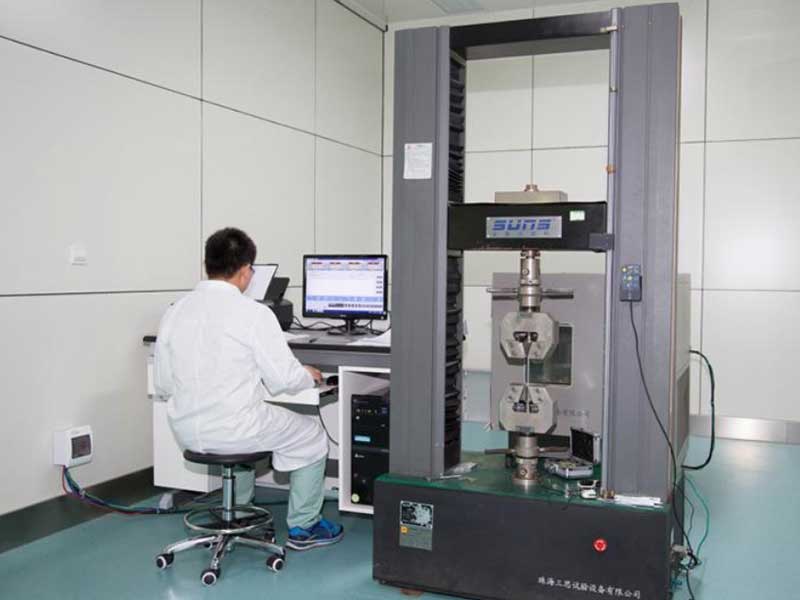
Tensile Test
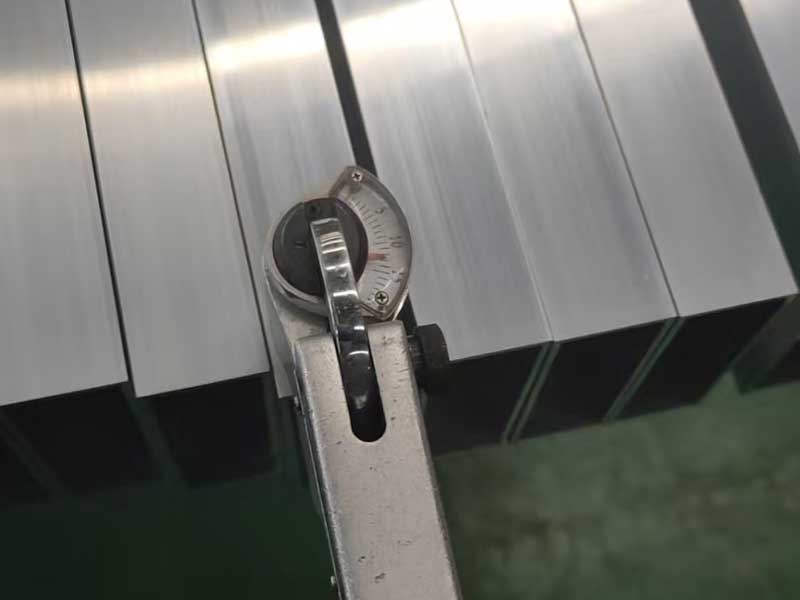
Hardness Test
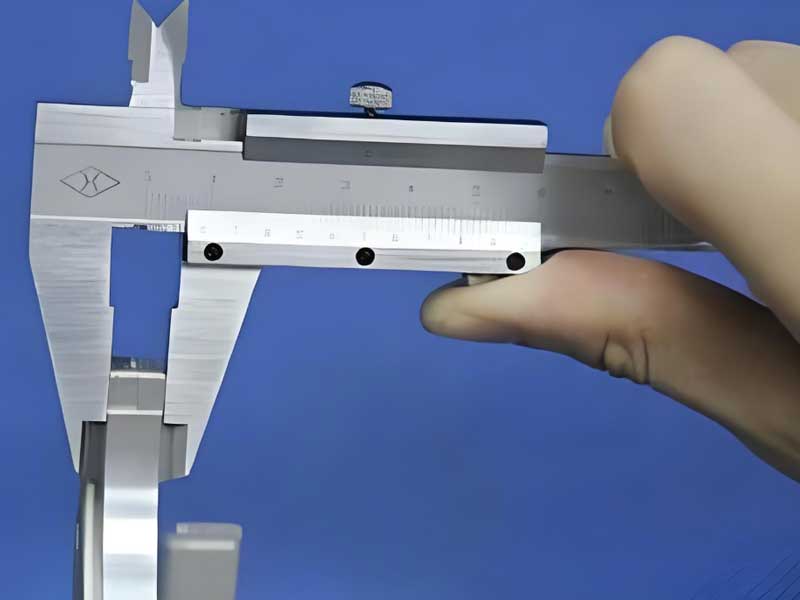
Dimensional Measurement
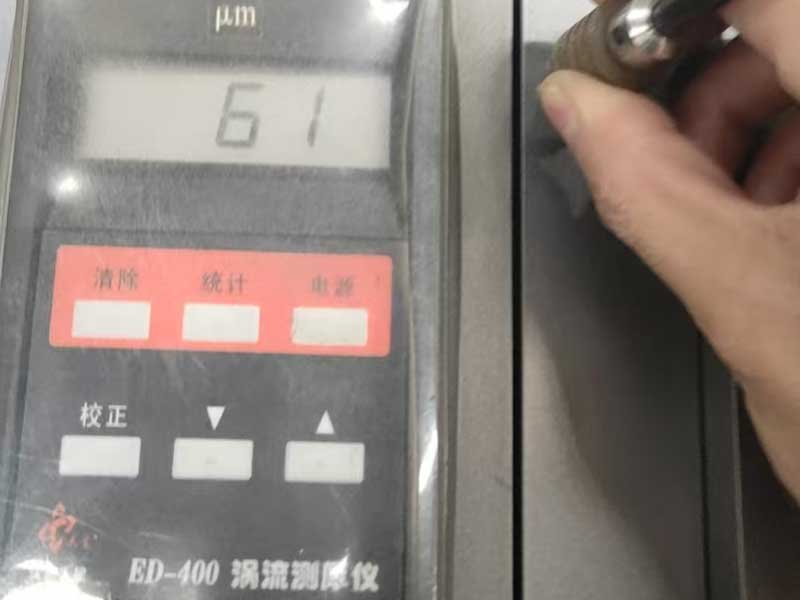
Coating Test
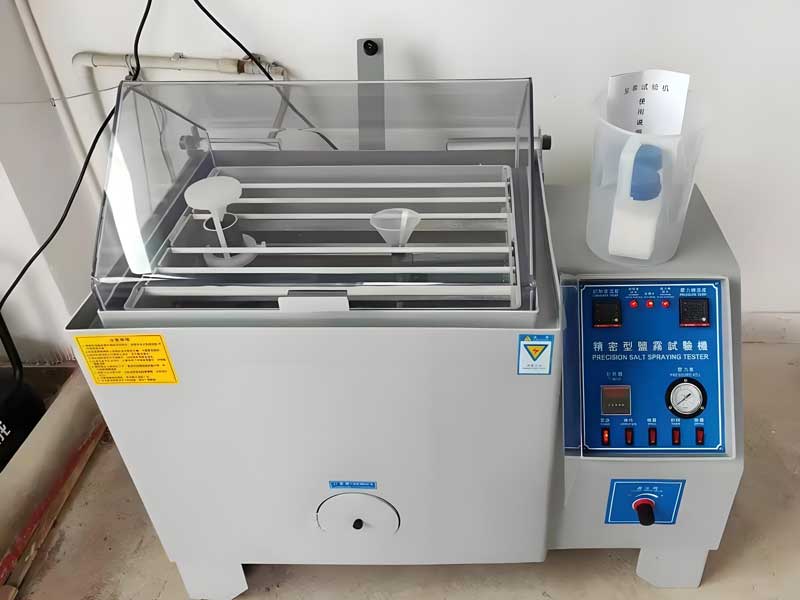
Salt Spray Test
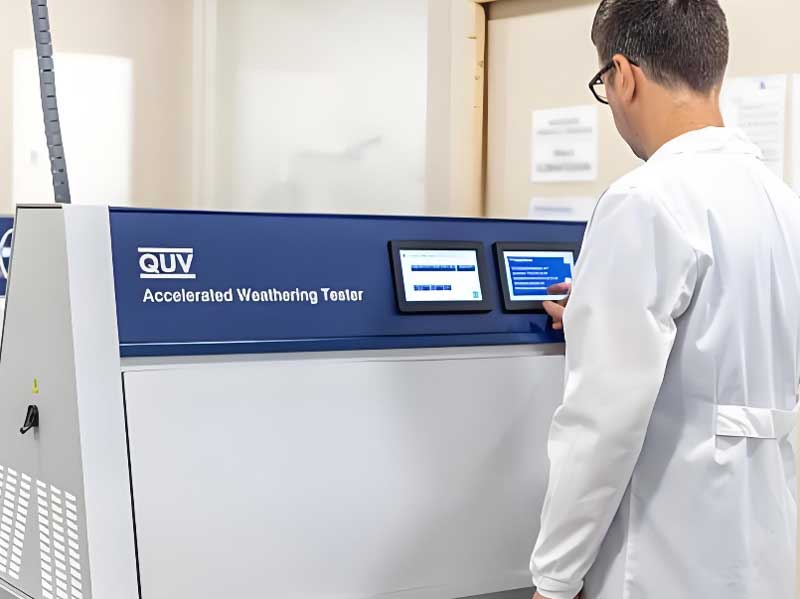
UV Aging Test
Precision Calibration
Bridging the Gap Between Complex Design Intentions and Reliable Extrusion Realities
Designed with multi-cavity drainage structures that direct rainwater away from structural window anchors, maintaining pressure equalization in high-wind conditions.
Integrates structural polyamide strips (PA66 GF25) into the sill profile, reducing thermal bridging and aiding compliance with strict LEED and Passivhaus standards.
Engineered with optimal structural wall thicknesses to withstand high wind loads in high-rise buildings, meeting ASTM E330 deflection criteria.
Industrial installations globally demand tailored compliance adjustments. In North America, sill extrusions must adhere to strict AAMA 2605 specifications for paint finishes and ASTM E547 water penetration criteria. In contrast, projects in Europe prioritize thermal transmittances ($U$-factors) mapped under EN ISO 10077-2 calculations.
Aoli Aluminum customizes raw materials, wall profiles, and thermal configurations to meet local building codes. This allows developers to reduce installation time and avoid compliance failures at the construction site.
The Future of Circular Economy, Smarter Sub-Sills, and Green Aluminum Metallurgy
The global aluminum industry is undergoing a significant transition toward reduced carbon footprints. Aoli Aluminum is actively developing manufacturing lines to process high-percentage recycled aluminum billets (using post-consumer scrap) without compromising structural tensile properties.
By integrating energy-efficient gas-fired heating systems for billet pre-heating and recycling process heat across our anodizing lines, we strive to lower the embodied carbon value ($kg\ CO_2/kg\ Al$) of our profiles.
This approach enables architectural projects utilizing our extrusions to earn credits toward green building certifications, including LEED, BREEAM, and DGNB.
Detailed Engineering Answers Regarding Selection, Design, and Procurement
Receive engineered solutions, customized drawings, physical samples, and dynamic structural calculations for your commercial sub-sill requirements.
Inquiry Now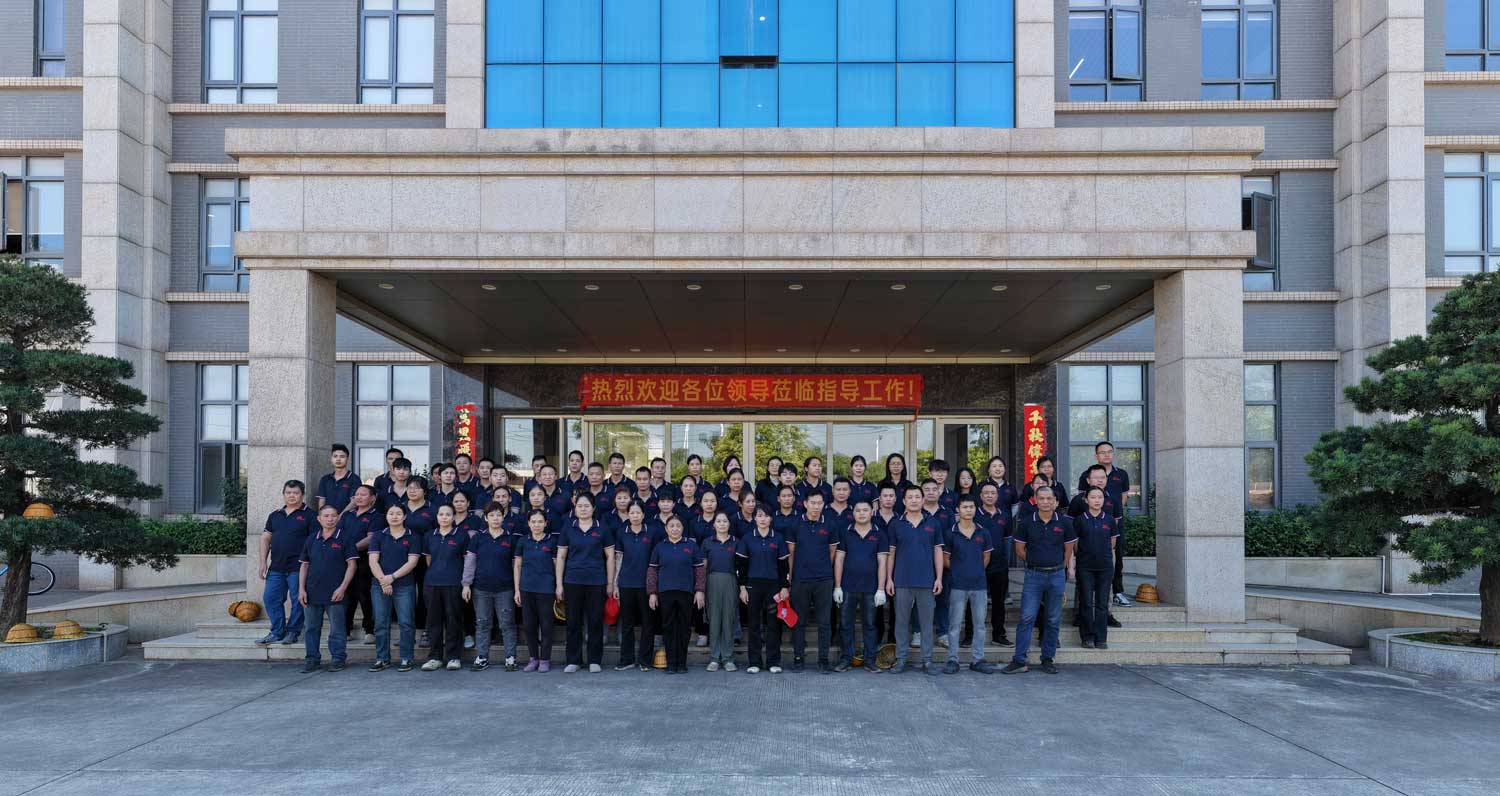
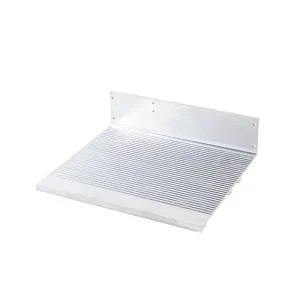
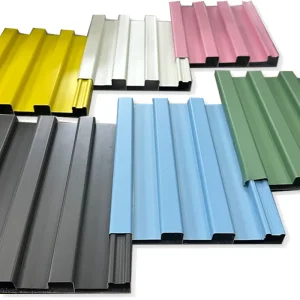
Explore Our Industrial Heat Sinks, Precision Structural Tubes, and Heavy-Duty Extrusions
 Aoli Aluminum