Direct supply line of standard structural profiles and custom components, engineered to tight tolerances for demanding industrial applications.
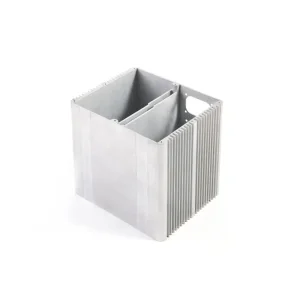
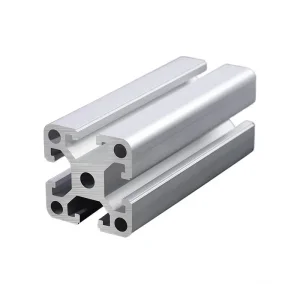
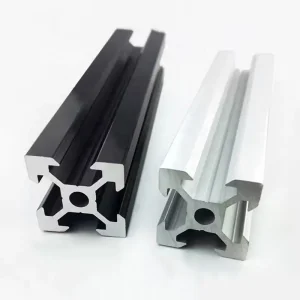
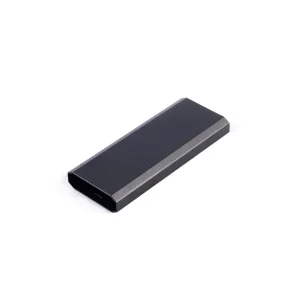
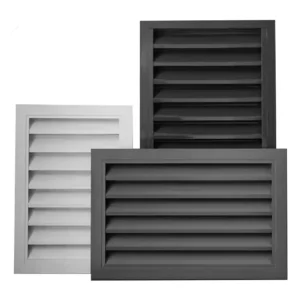
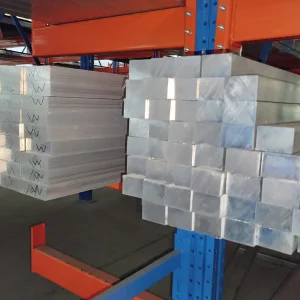
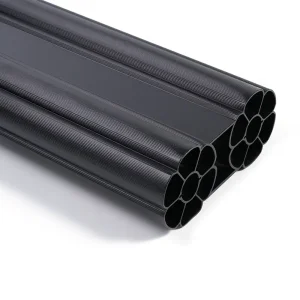
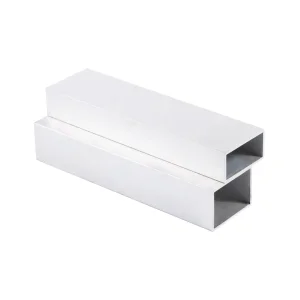
In modern industrial design, structural aluminium profiles serve as the mechanical backbone for automated assembly systems, production machinery framing, CNC machine chassis, cleanrooms, and linear motion configurations. When evaluating structural framing materials, the choice of profile section geometry and alloy composition is critical to match mechanical performance targets with cost-efficiency.
Alloy Grade Selection: 6063 vs. 6061: While 6061-T6 alloy represents the standard for heavy-duty structural components requiring high yield strengths (minimum 240 MPa), 6063-T5 or T6 grade remains the alloy of choice for complex architectural, framing, and decorative profiles. 6063 offers superior extrudability, allowing for intricate hollow or multi-cavity designs with finer tolerances and significantly smoother surface finishes. This makes it highly compatible with protective surface treatments such as clear or colored anodizing, powder coating, and PVDF coatings.
| Property / Characteristic | AA 6063-T5 | AA 6063-T6 | AA 6061-T6 (Comparative Standard) |
|---|---|---|---|
| Tensile Strength (UTS) | 150 MPa (min) | 205 MPa (min) | 290 MPa (min) |
| Yield Strength | 110 MPa (min) | 170 MPa (min) | 240 MPa (min) |
| Elongation at Break | 8% - 12% | 8% - 10% | 10% - 15% |
| Anodizing Quality | Excellent | Excellent | Good / Industrial Utility |
| Corrosion Resistance | Excellent | Excellent | High (Slightly less than 6063) |
Designers must calculate the expected deflection (δ) when building framing structures to prevent mechanical failures under load. T-slot profiles are subject to standard beam bending calculations. For a profile acting as a beam supported at both ends with a center load (P), the formula is:
δ = (P * L³) / (48 * E * I)
Where:
P = Applied force / load (N)
L = Beam span length (mm)
E = Modulus of elasticity (approx. 70,000 N/mm² for aluminium)
I = Area moment of inertia of the selected profile (mm⁴)
Because the deflection is proportional to the cube of the beam span (L³), selecting profiles with a higher moment of inertia (such as our 4040, 8080, or double-cavity heavy-duty models) is critical for structural stability over long spans.
Global manufacturing networks rely heavily on Chinese supply chains to access high-quality building and industrial components at competitive cost levels. The industrial clustering of the Pearl River Delta, specifically in Guangdong province, has allowed Aoli Aluminum to establish a highly integrated production ecosystem.
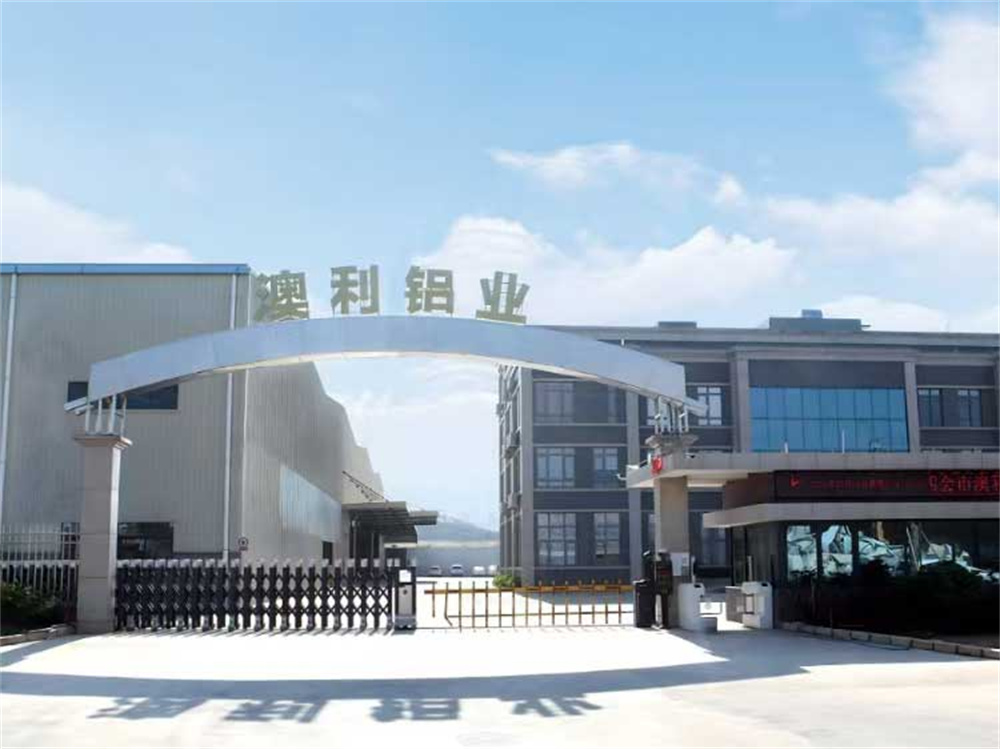
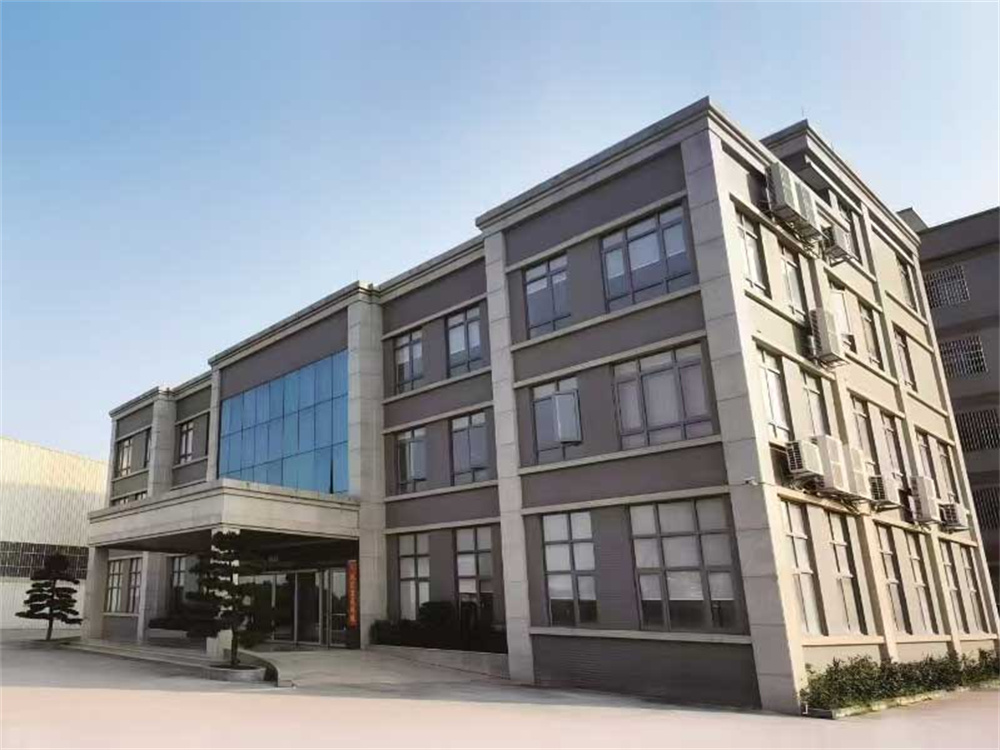
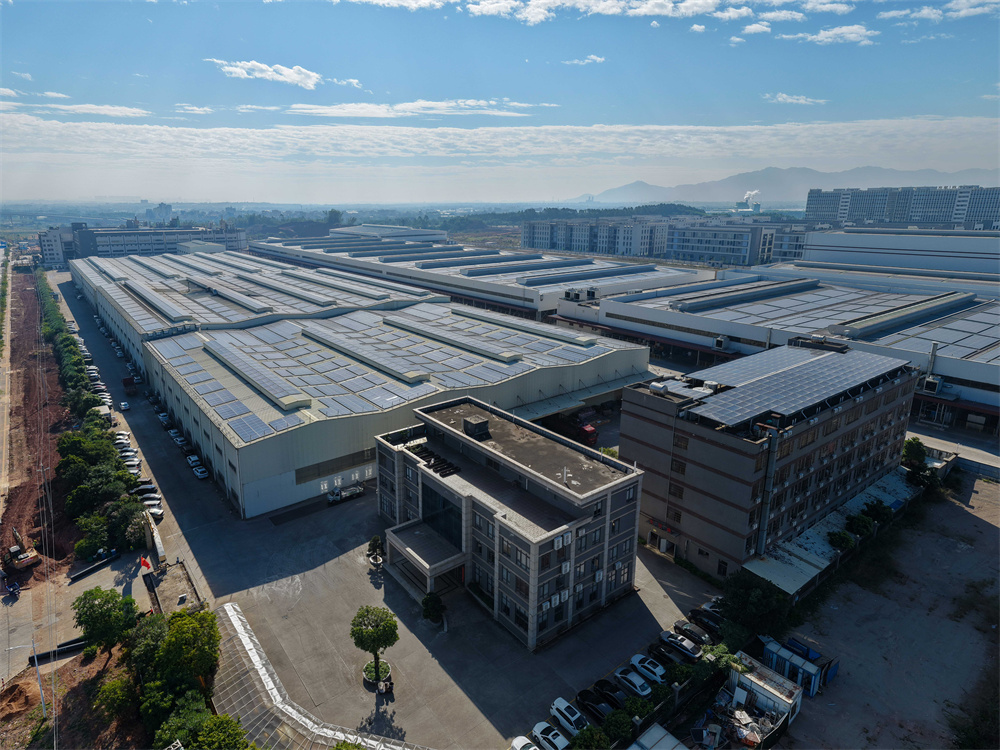
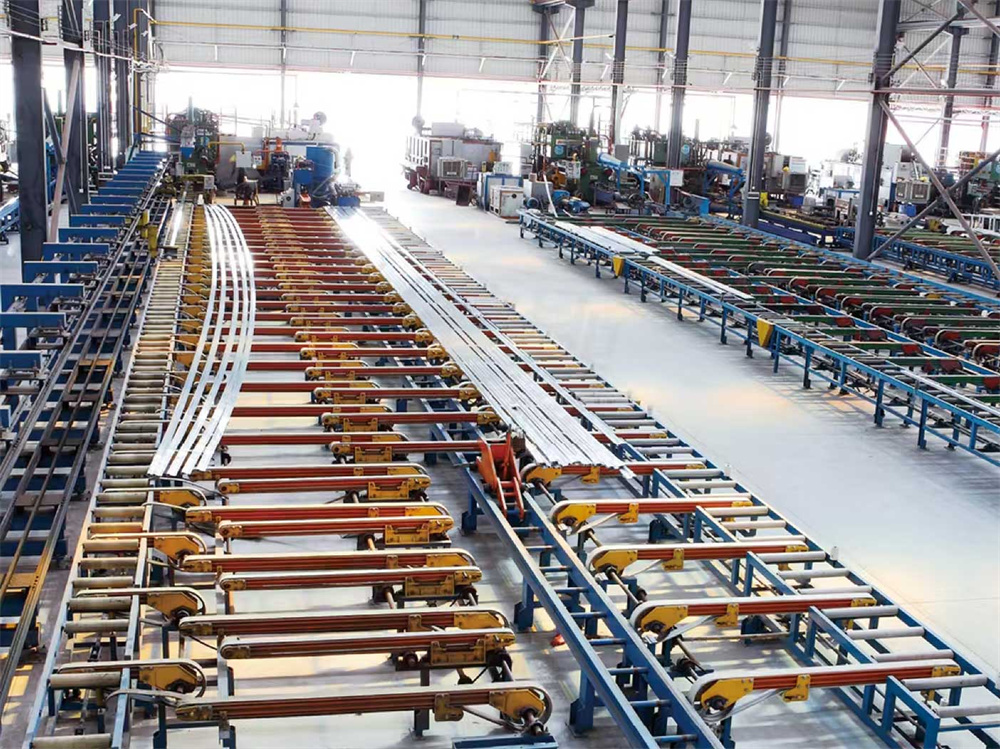
Founded in 2009 by Mr. Wong, Aoli Aluminum (Aolijie) operates a state-of-the-art 100,000 m² factory in Sihui, Guangdong, coupled with a dedicated international trade and sales hub in Foshan. Our vertically integrated production model eliminates third-party markups and minimizes processing lag times by keeping all critical processes under a single management system.
With an annual production capacity of 100,000 tons and an inventory of over 100,000 customized and standard mold sets, Aoli Aluminum ensures fast turnarounds for customized thermal-break systems, architectural framing, and precise industrial profiles.
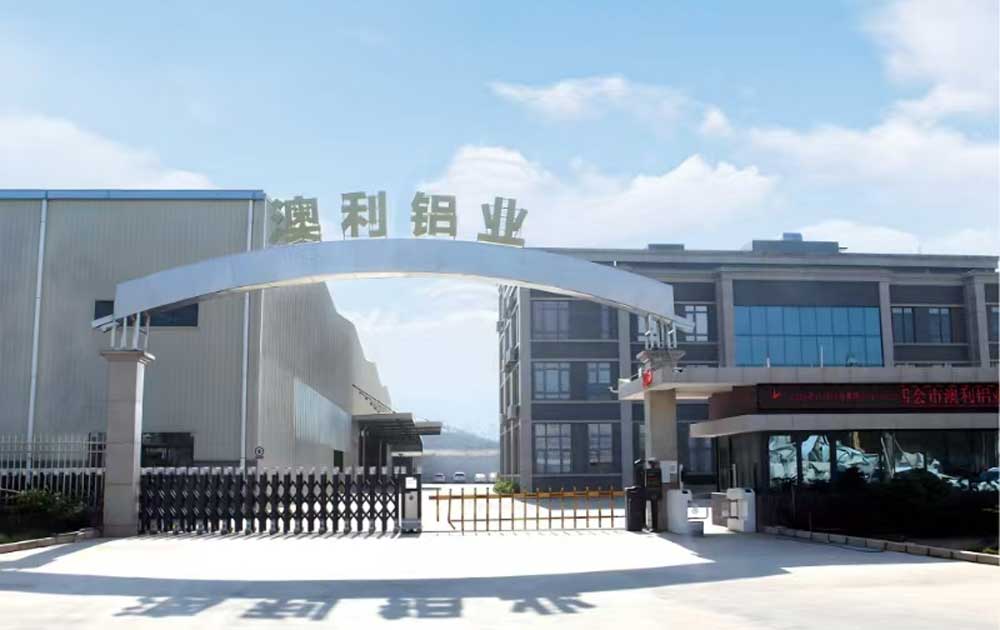
Custom and standard aluminium solutions engineered to meet the stringent demands of modern clean industrial and energy applications.
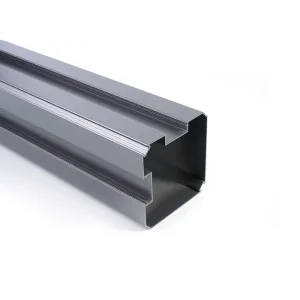
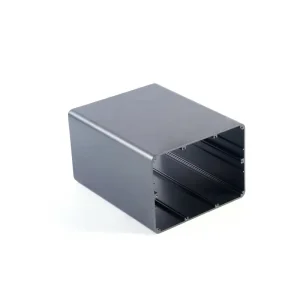
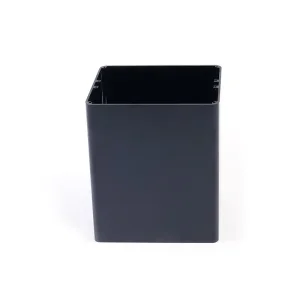
Custom structural housings, lightweight protective battery frames, and heat-dissipating enclosures engineered specifically for high-capacity outdoor power banks and camping energy systems.
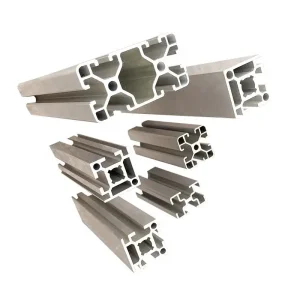
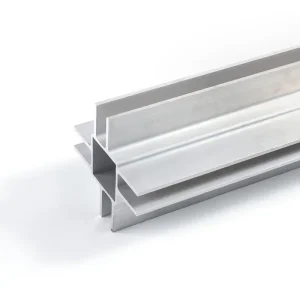
Heavy-duty structural T-slot framing (4040, 8080, wide series) for production lines, safety guards, automated machine bases, conveyor side rails, and high-strength enclosures.
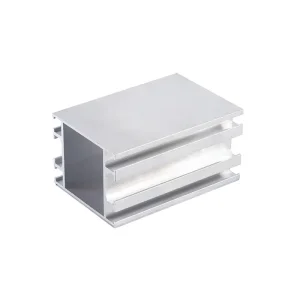
Thermal-break window framing, glass curtain wall mullions, and architectural air vent louvers engineered to support green building performance and international energy standards.
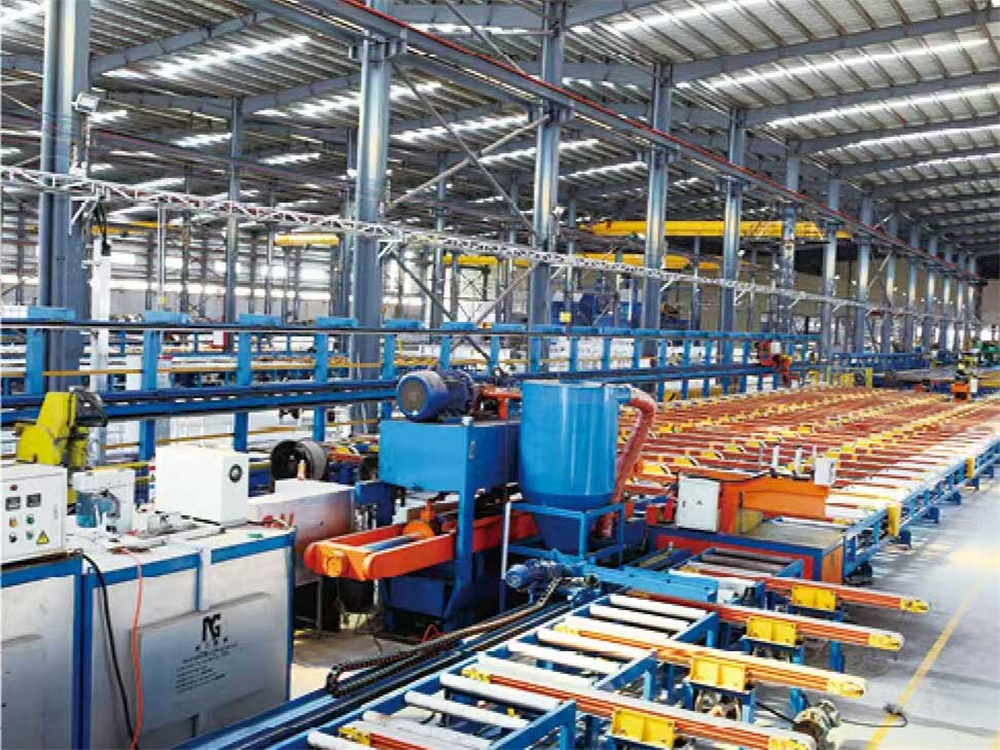
Operating integrated extrusion, machining, surface finishing, and quality control lines to secure the structural reliability of your final product.
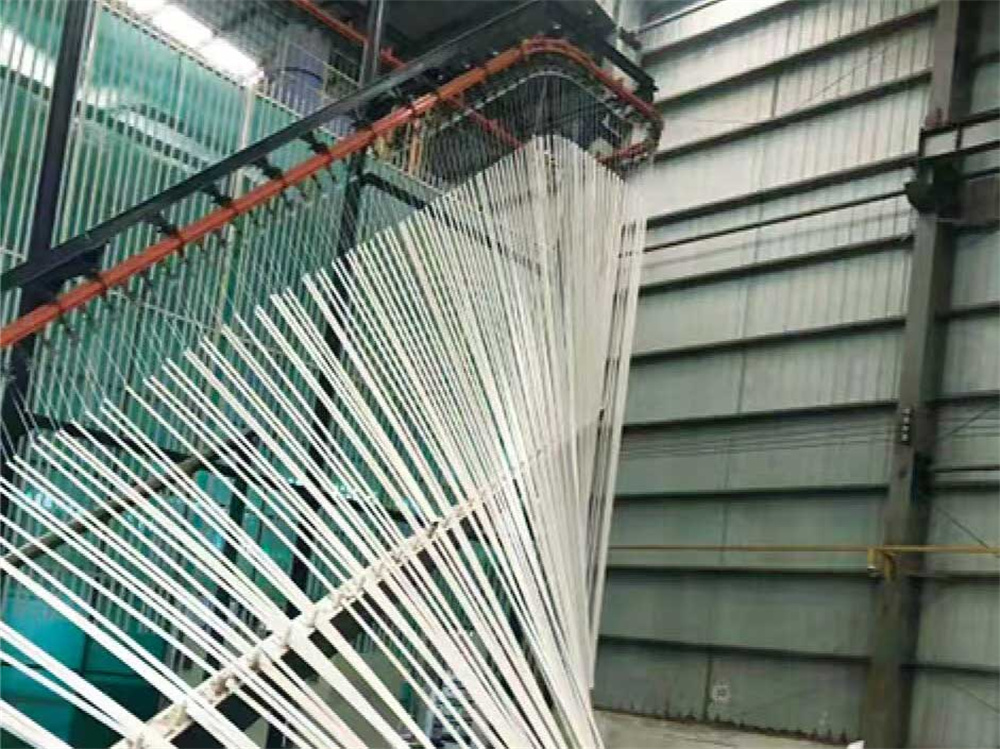
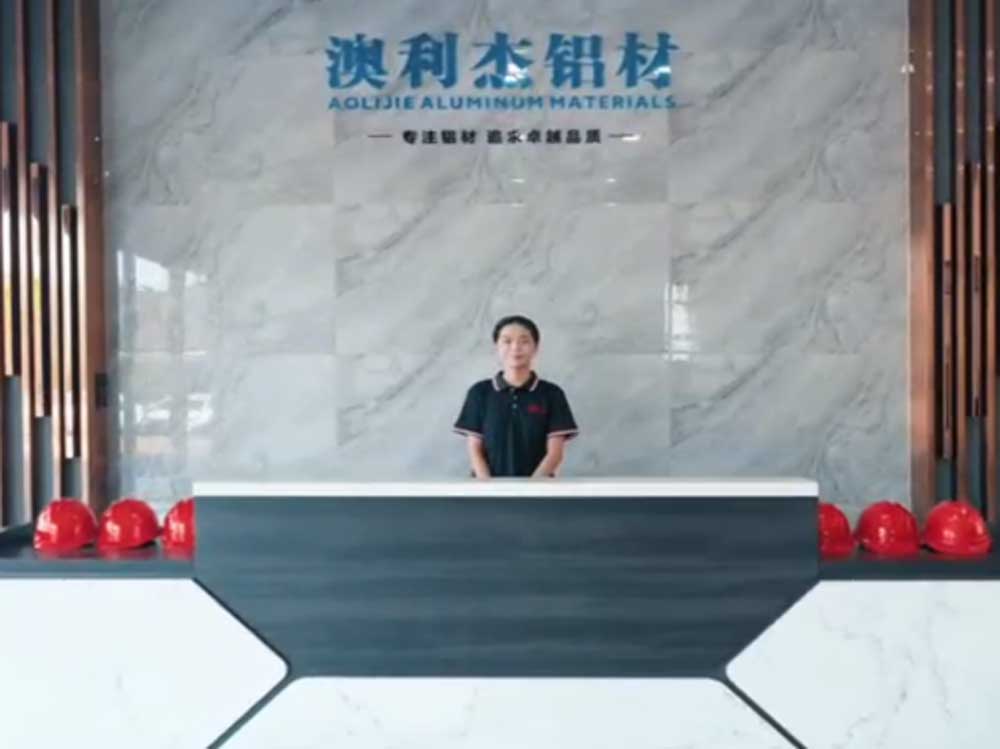
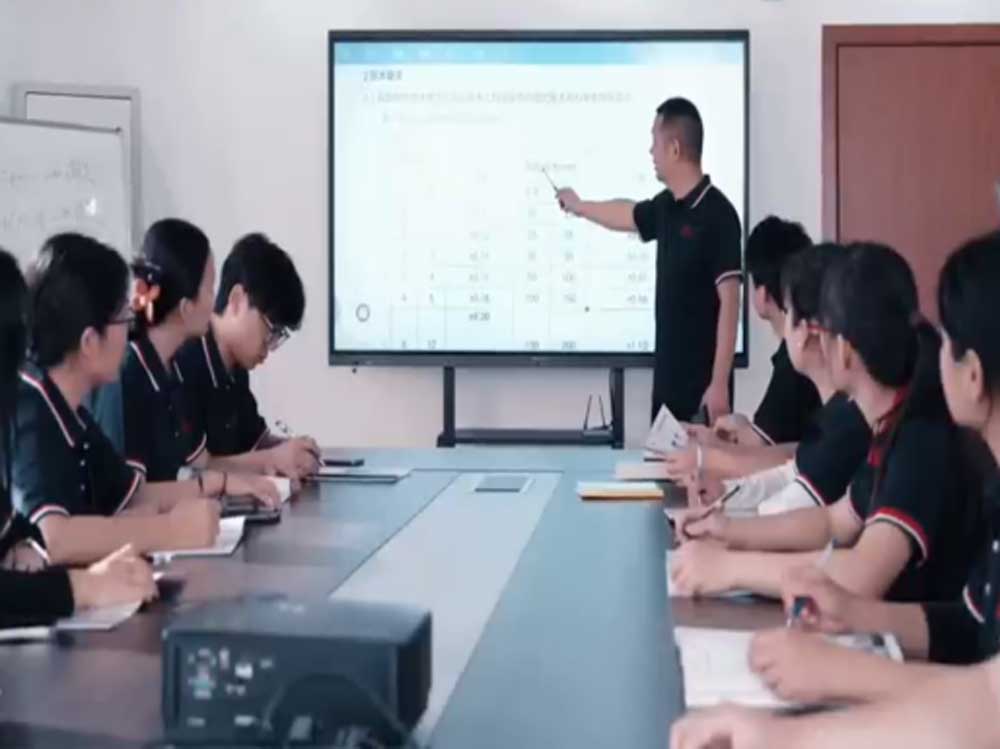
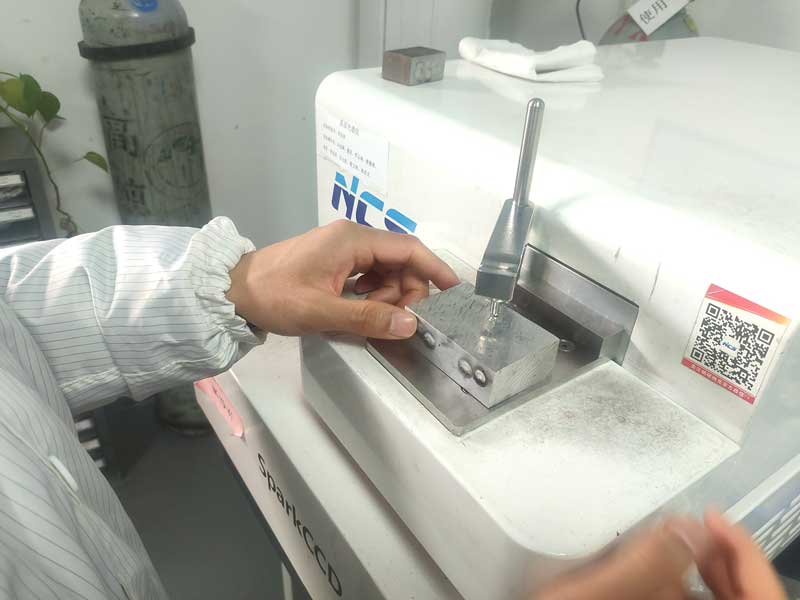
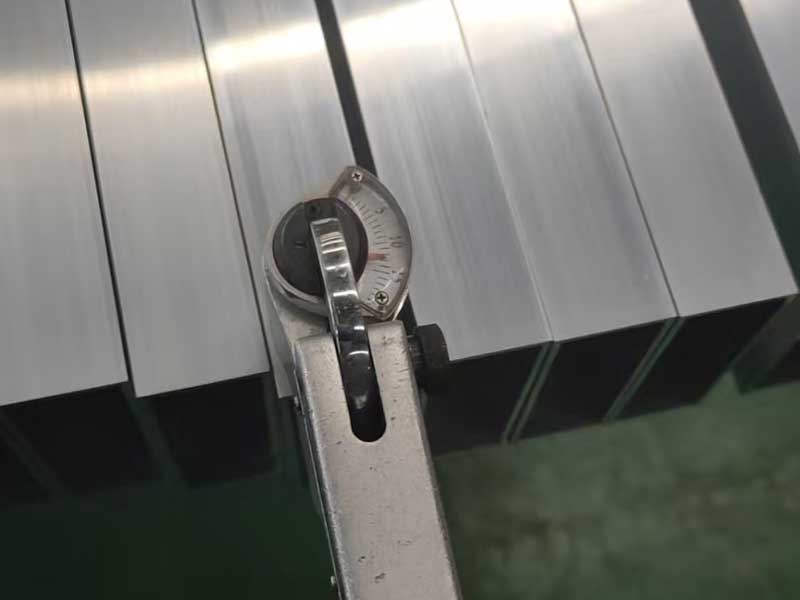
We perform 100% visual inspections alongside systematic random AQL sampling (Acceptable Quality Level based on ISO 2859 or ANSI/ASQ Z1.4). This ensures that every shipment adheres to target mechanical profiles and project specifications.
Our quality verification processes check dimensional limits and chemical performance across critical parameters:
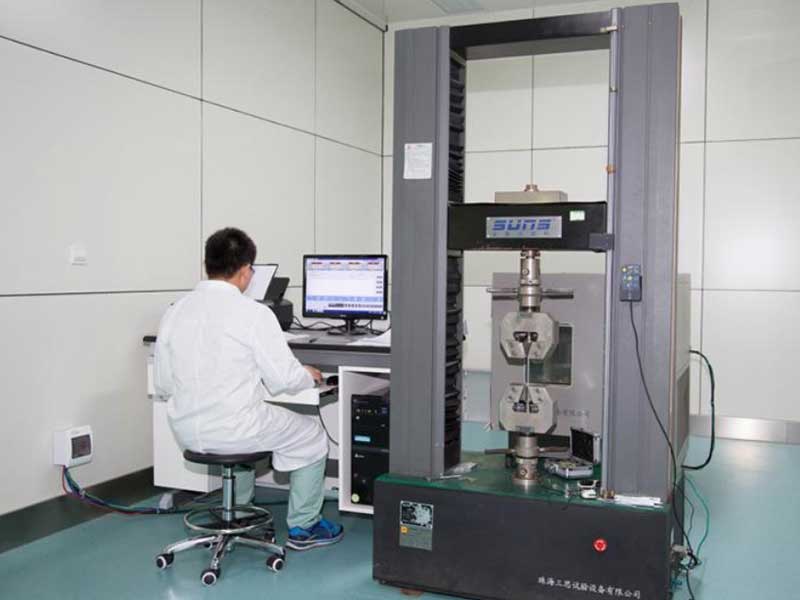
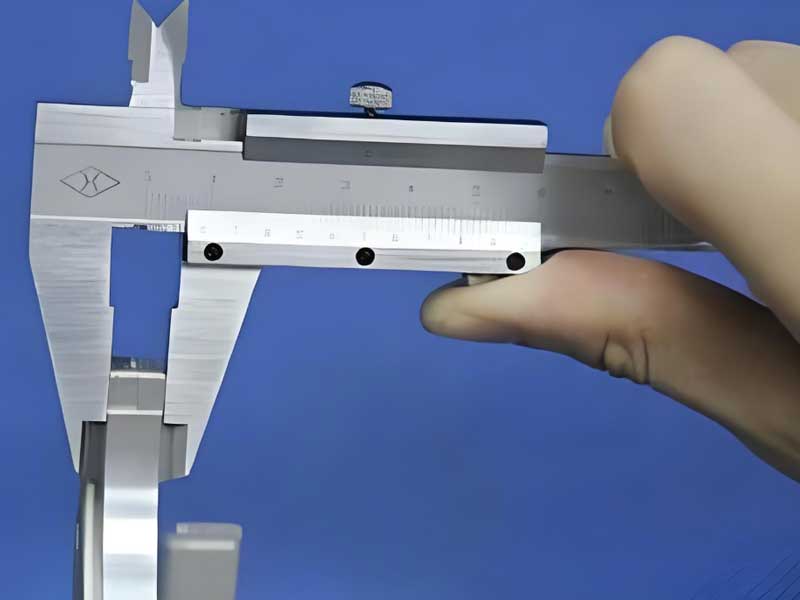
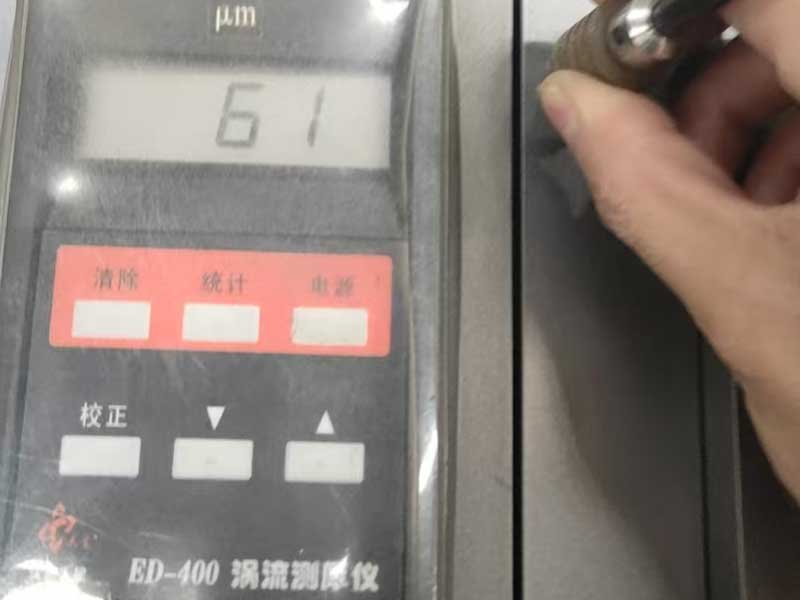
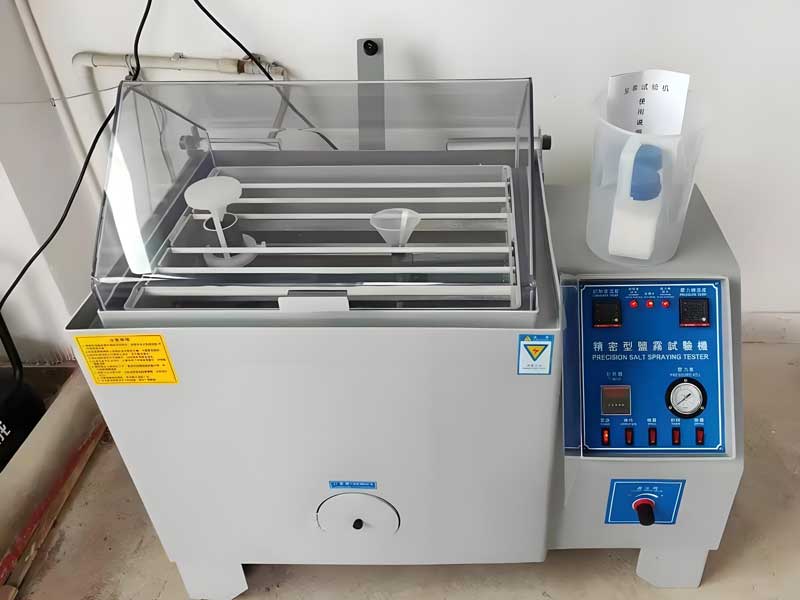
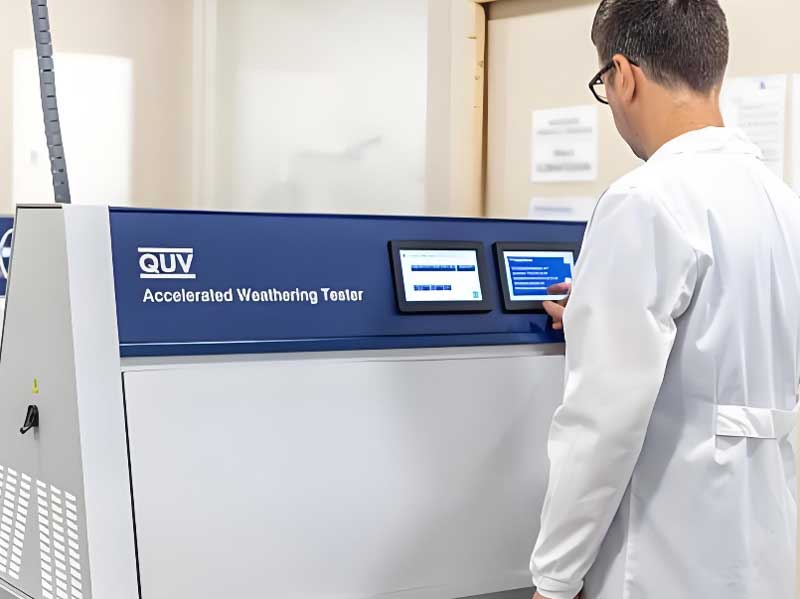
Sourcing structural aluminium profiles from a China factory involves balancing direct material costs against tooling investment, quality validation processes, and international shipping logistics. Aoli Aluminum assists procurement teams and industrial designers through this process to optimize Total Cost of Ownership (TCO).
When standard T-slot sizes (like the 2020 or 4040 series) are not sufficient, custom profile designs require new extrusion dies. Die creation costs range from a few hundred to several thousand dollars depending on the profile's complexity, circle size, and single-cavity vs. multi-cavity design. Aoli Aluminum reduces this procurement barrier: we offer free tooling/mold design services and refund custom die charges once order volumes exceed agreed-upon contract thresholds.
Aluminium profiles are long, low-density cargo that can lead to high volumetric shipping costs if not packed efficiently. Standard profiles are typically extruded in 5.8-meter or 6.0-meter lengths to fit cleanly into 20ft or 40ft shipping containers. We offer custom cutting services to ship profiles at their exact final lengths, eliminating structural scrap, reducing local CNC labor, and optimizing the freight volume of each container.
Answers to common technical, design, and procurement questions regarding aluminium T-slot extrusions.
Partner with a reliable Chinese factory. Contact our engineering and sales department today to request custom CAD file validation, structural calculations, or a factory quote.
Inquiry Now & Get Free QuoteCustom structural housings, heavy duty profiles, and high-precision heat-dissipating shapes for modern industrial applications.
 Aoli Aluminum