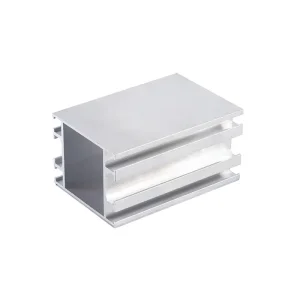
China Durable Aluminum Profile Battery Case for E-bike & Electric Scooters Manufacturer, Suppliers

1.Traceability from material to final extrusion—every profile is documented with alloy composition and heat treatment logs.
2.We collaborate with your engineering team using FEA simulation to optimize crashworthy profiles before tooling.
3.Capabilities in variable cross-section extrusion and micro-leak testing guarantee perfect sealing for battery modules.
4.Globally certified solutions with regional compliance packs—plus on-site technical support for rapid issue resolution.

Product Description

Specifications

Item Battery case aluminum profile
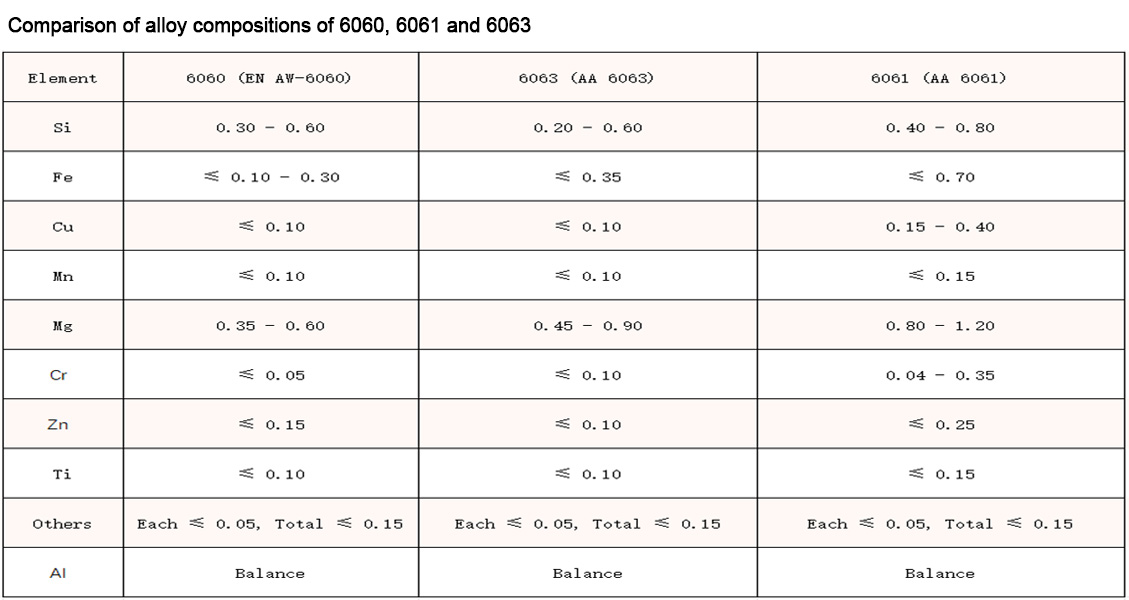
Material 6063 \ 6061 \ 6060
Temper T5/T6
Thickness 0.8-5.0mm
Length 6m (customizable)
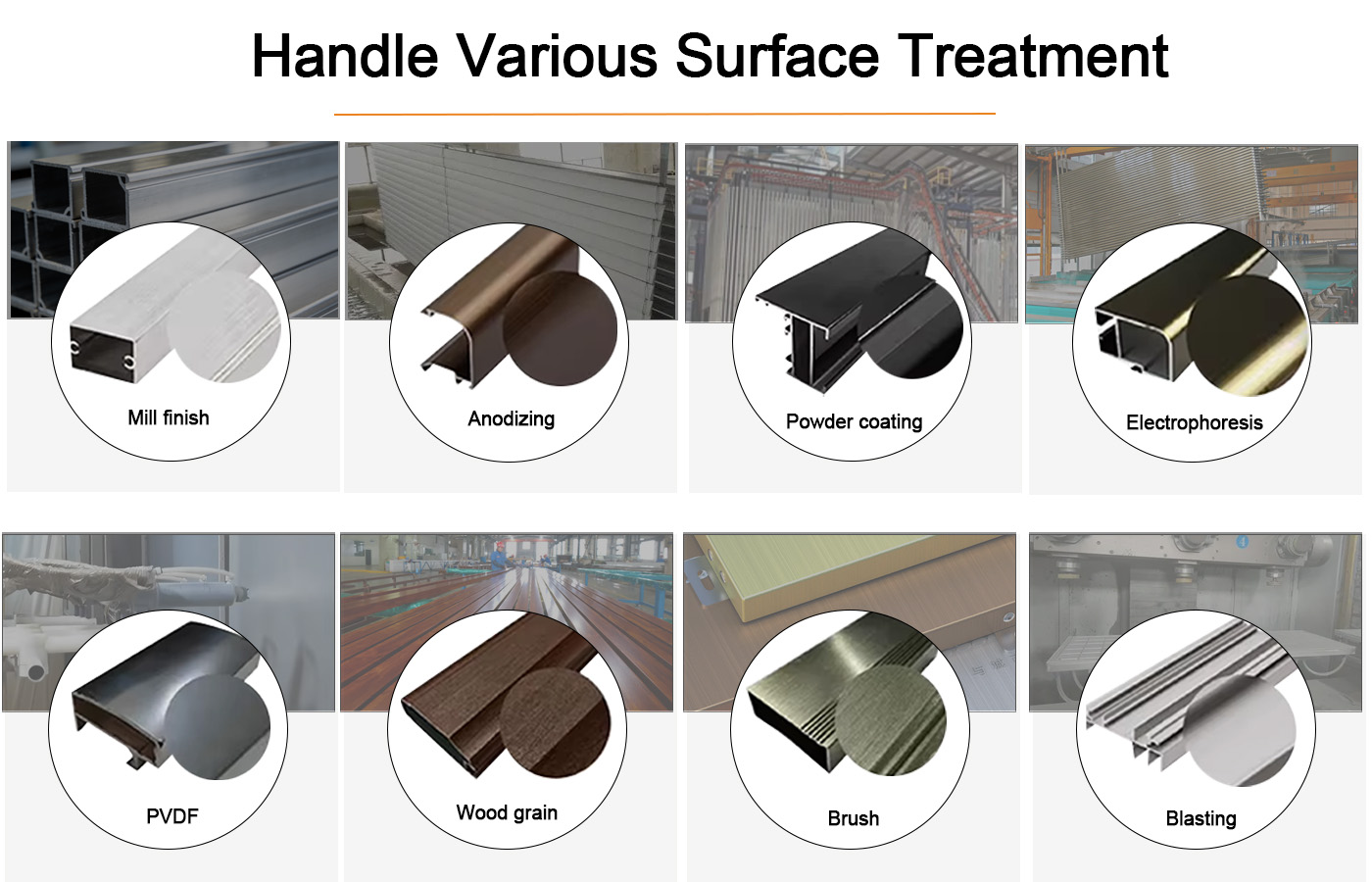
Surface treatment Mill finish \ Power coating \ Anodizing \ Electrophoresis \ Fluorocarbon coating \ Wood grain, etc.
Color According to customer requirements (customizable)
Service support Drilling \ Milling \ Cutting \ Welding \ Bending \ Assembling \ CNC
Packing details Inside: packed with protective film to protect each piece
Outside: wrap to be bundles by shrink plastic bag
Delivery time Die developing and sample testing: 7-10 days
Mass production completed: 15-30 days
MOQ 500kg

Surface Treatment

Surface treatment solutions for battery cases

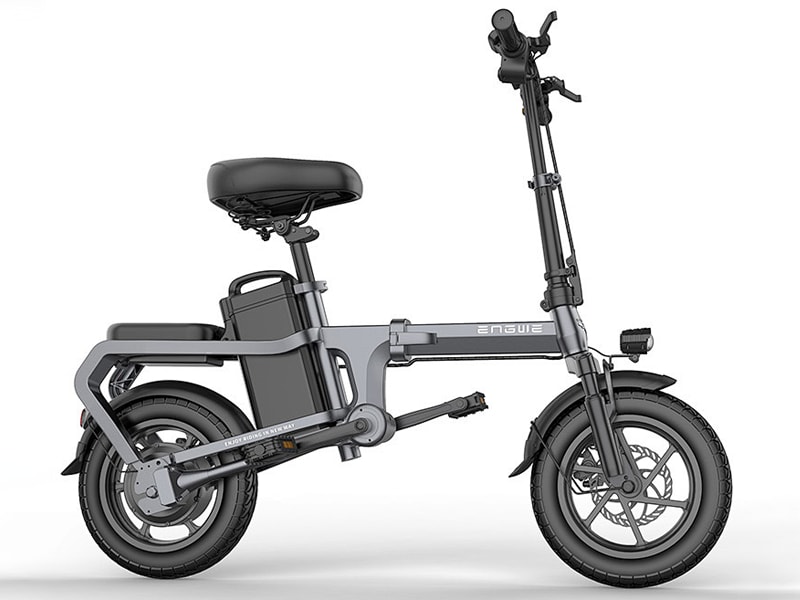
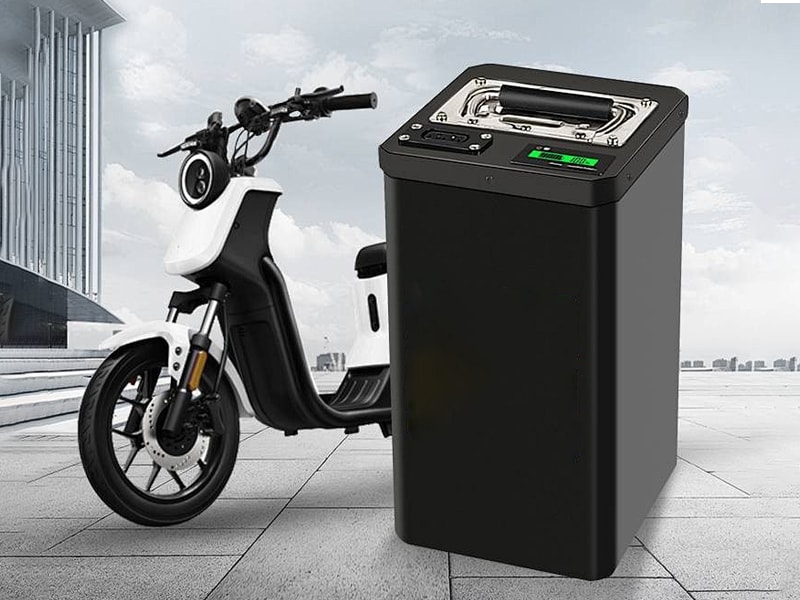
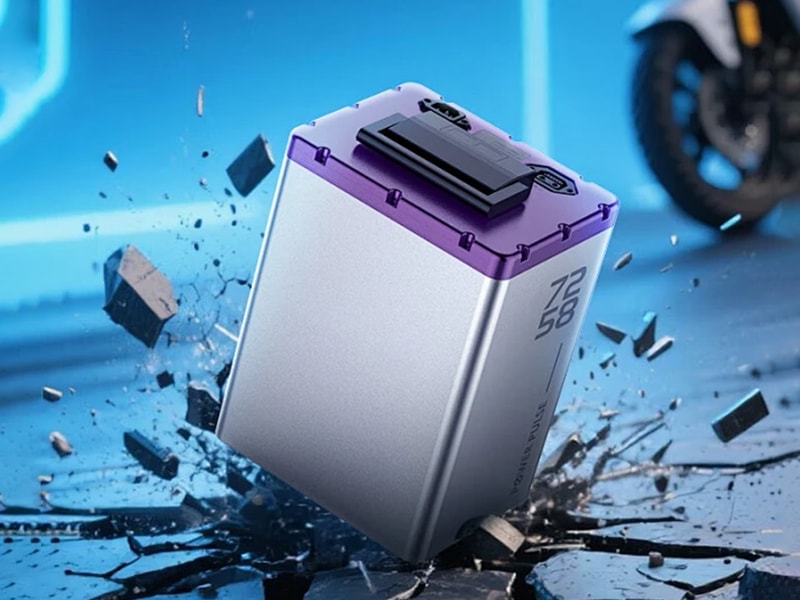
Product Application

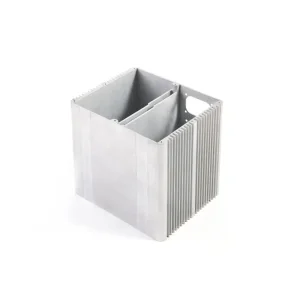
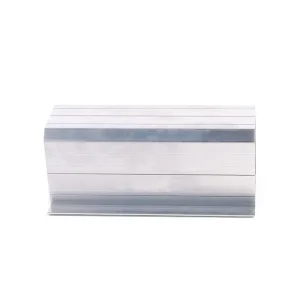
Durable Aluminum Profile Battery Case for E-bike & Electric Scooters detail (1)
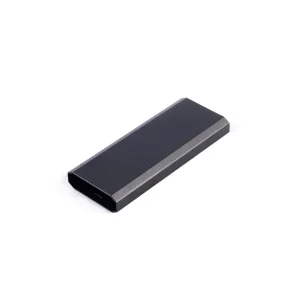
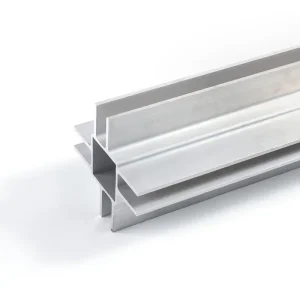
Durable Aluminum Profile Battery Case for E-bike & Electric Scooters detail (2)
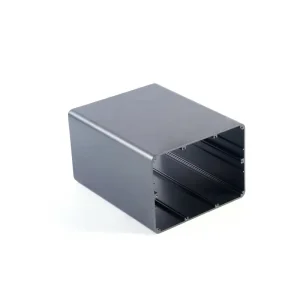
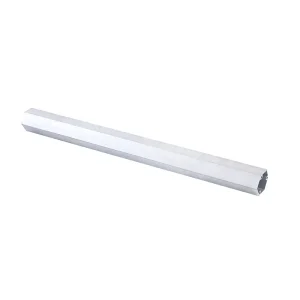
Durable Aluminum Profile Battery Case for E-bike & Electric Scooters detail (3)
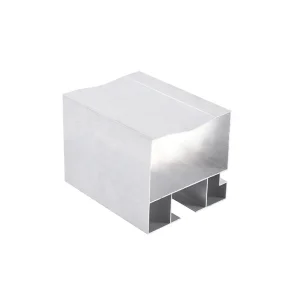
Durable Aluminum Profile Battery Case for E-bike & Electric Scooters detail (4)

Production Process for Extruded Aluminum Battery Housings

The manufacturing of extruded aluminum battery housings is a multi-stage process that transforms aluminum alloy billets into strong, lightweight, and precisely formed enclosures. This method is favored for creating long, robust profiles with a constant cross-section, ideal for battery packs in various applications.
1. Billet Preparation & Heating The process begins with cylindrical logs of a specific aluminum alloy (commonly from the 6000 series, like 6061 or 6063, for their good strength and extrudability). These billets are pre-heated in a furnace to a precise temperature (typically between 400-500°C). This thermal treatment softens the metal, making it pliable enough for extrusion without melting it.
2. The Extrusion Process The heated billet is loaded into the extrusion press. A hydraulic ram applies immense pressure, forcing the softened aluminum through a precision-engineered steel die. The die's opening defines the housing's final cross-sectional profile, including its external walls, internal ribs for structural support, and channels for thermal management or cable routing. The emerging profile is a continuous length of the shaped aluminum.
3. Quenching & Stretching As the profile exits the die, it is rapidly cooled using air or water quenching. This "freezes" the profile's shape and initiates the strengthening process. The long, straight profile is then mechanically stretched. This critical step corrects any twisting or dimensional irregularities and aligns the metal's grain structure.
4. Aging & Cutting to Length The profiles undergo artificial aging (precipitation hardening) in an oven. This heat treatment allows the alloy's microstructure to fully develop, bringing the aluminum to its specified temper (e.g., T5 or T6) and achieving its final mechanical strength and hardness. The hardened profiles are then cut to the precise required lengths for individual battery housings.
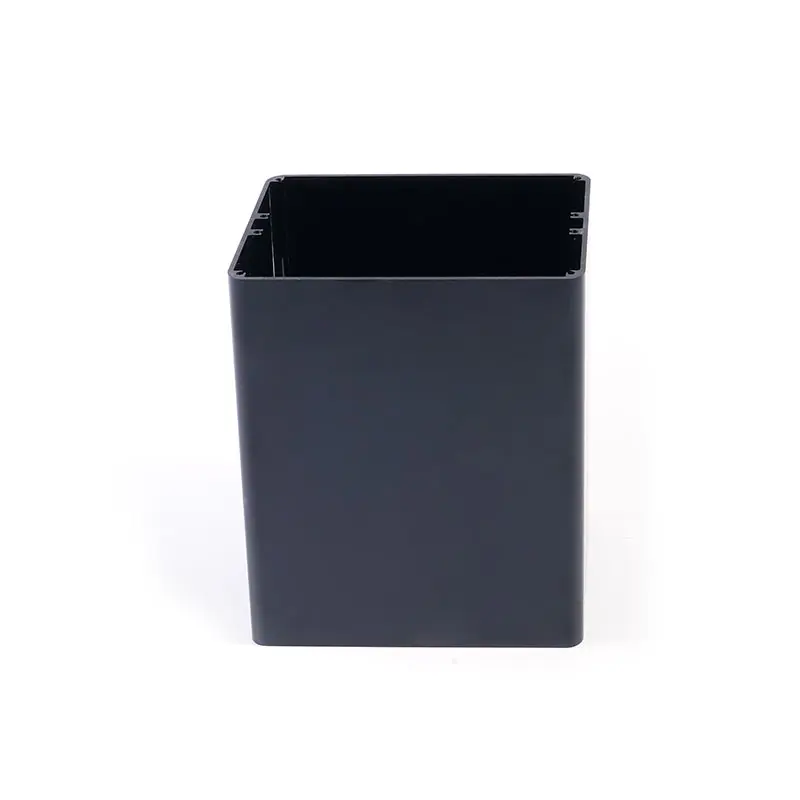
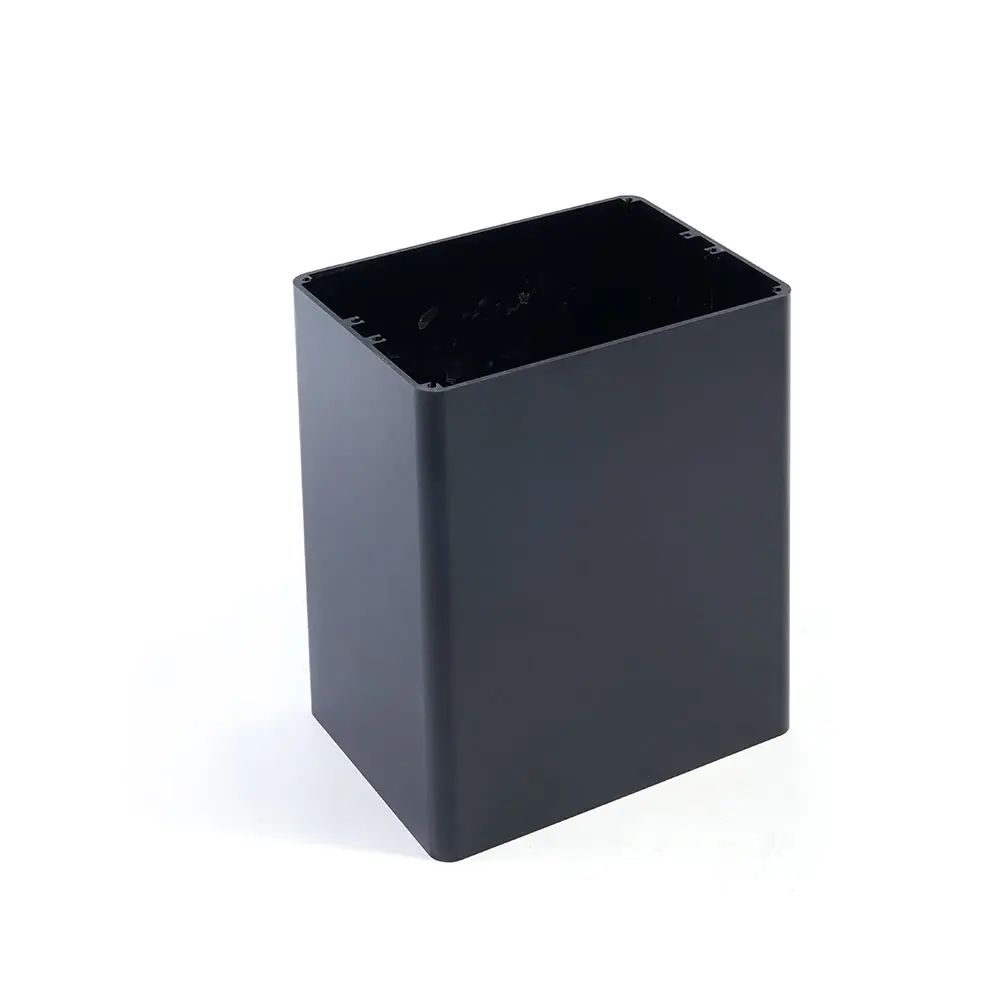
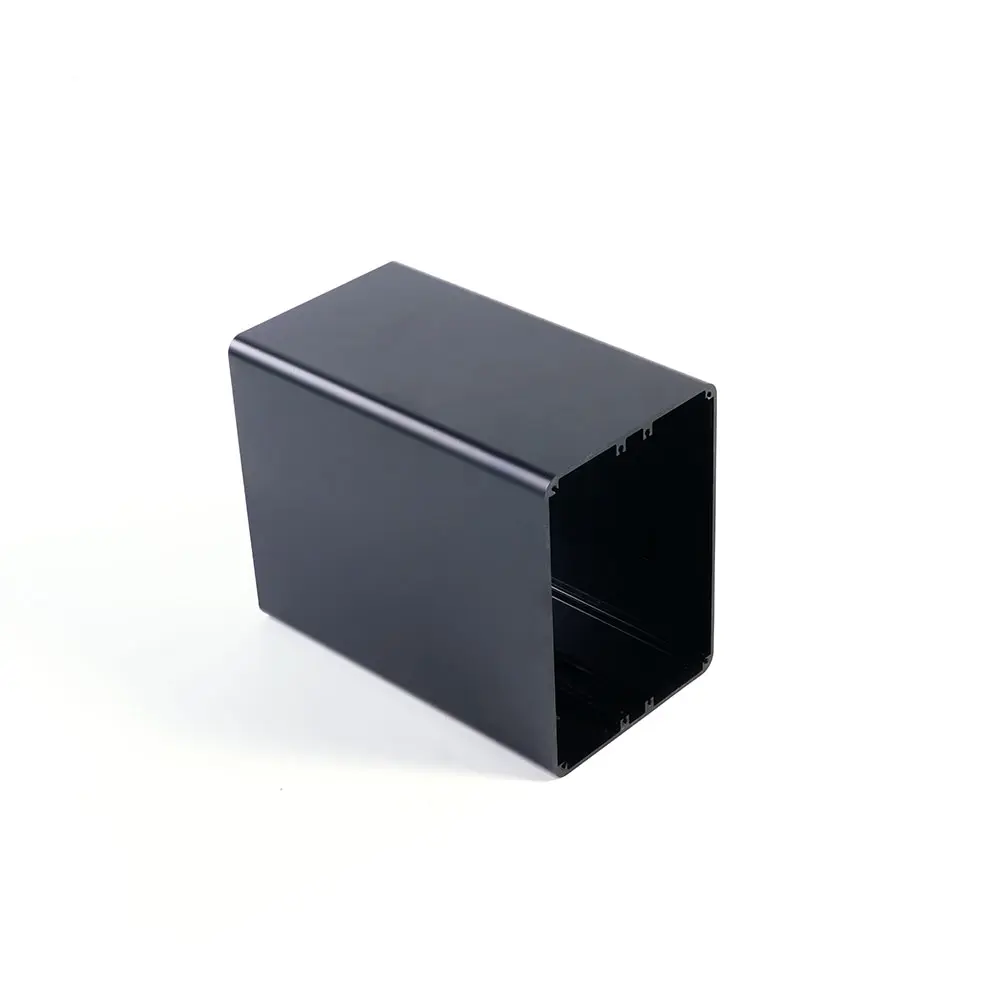
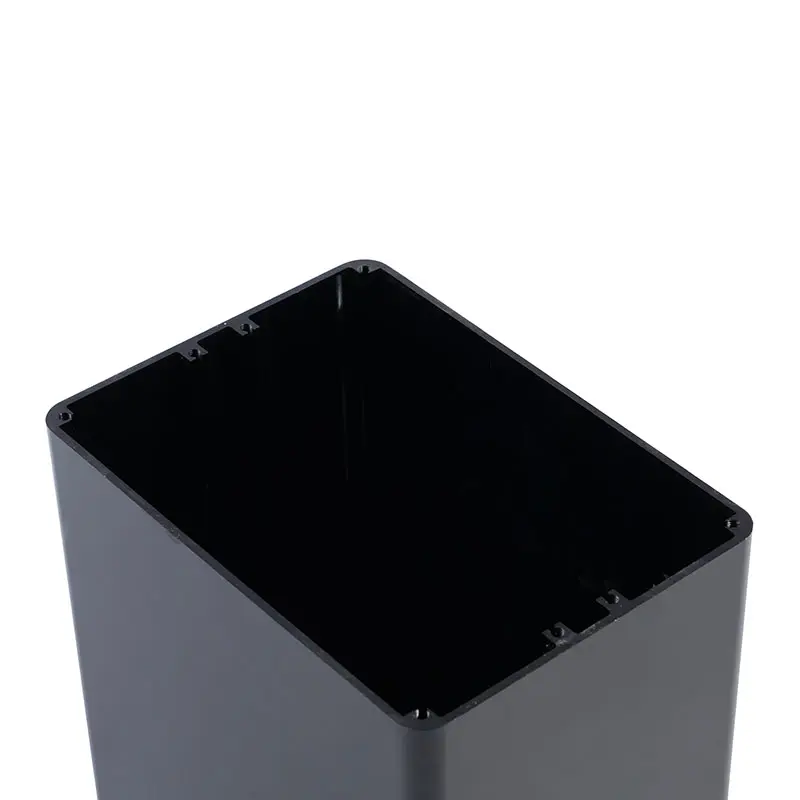
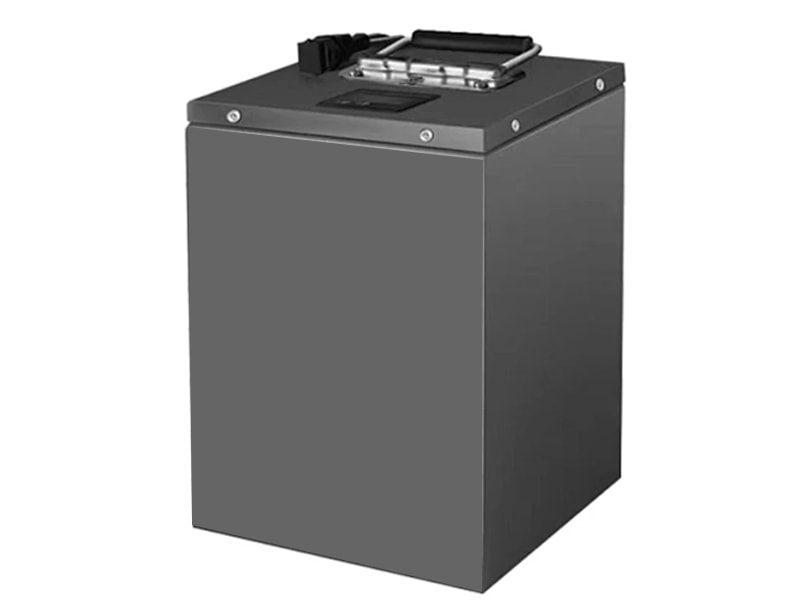
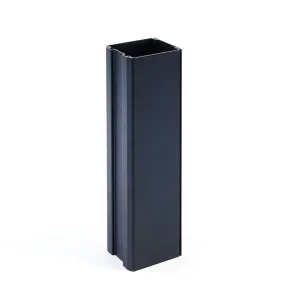
Black aluminum battery housing profile

Electric Vehicle Battery Enclosure: Built to Perform

Our premium black aluminum battery housing is engineered to protect and optimize EV power systems. Designed for e-bikes, e-scooters, and compact electric vehicles, its robust structure safeguards battery cells against impact and vibration while promoting efficient thermal management.

Featuring integrated mounting channels and precision-cut profiles, this enclosure ensures secure installation and streamlined integration with various vehicle frames. Ideal for manufacturers seeking durable, lightweight solutions that meet international safety standards.

The corrosion-resistant finish withstands diverse weather conditions, making it suitable for urban commuter vehicles and recreational e-mobility products. Its modular design allows customization for different battery configurations, balancing protection, weight efficiency, and sleek aesthetics.
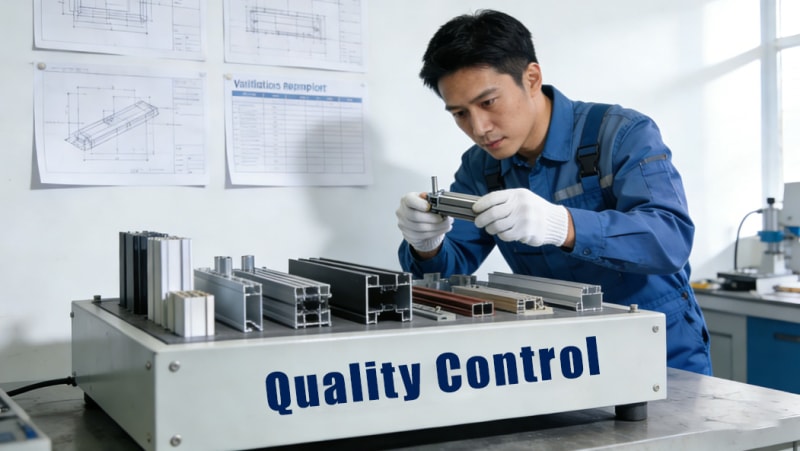
Quality Control & Inspection

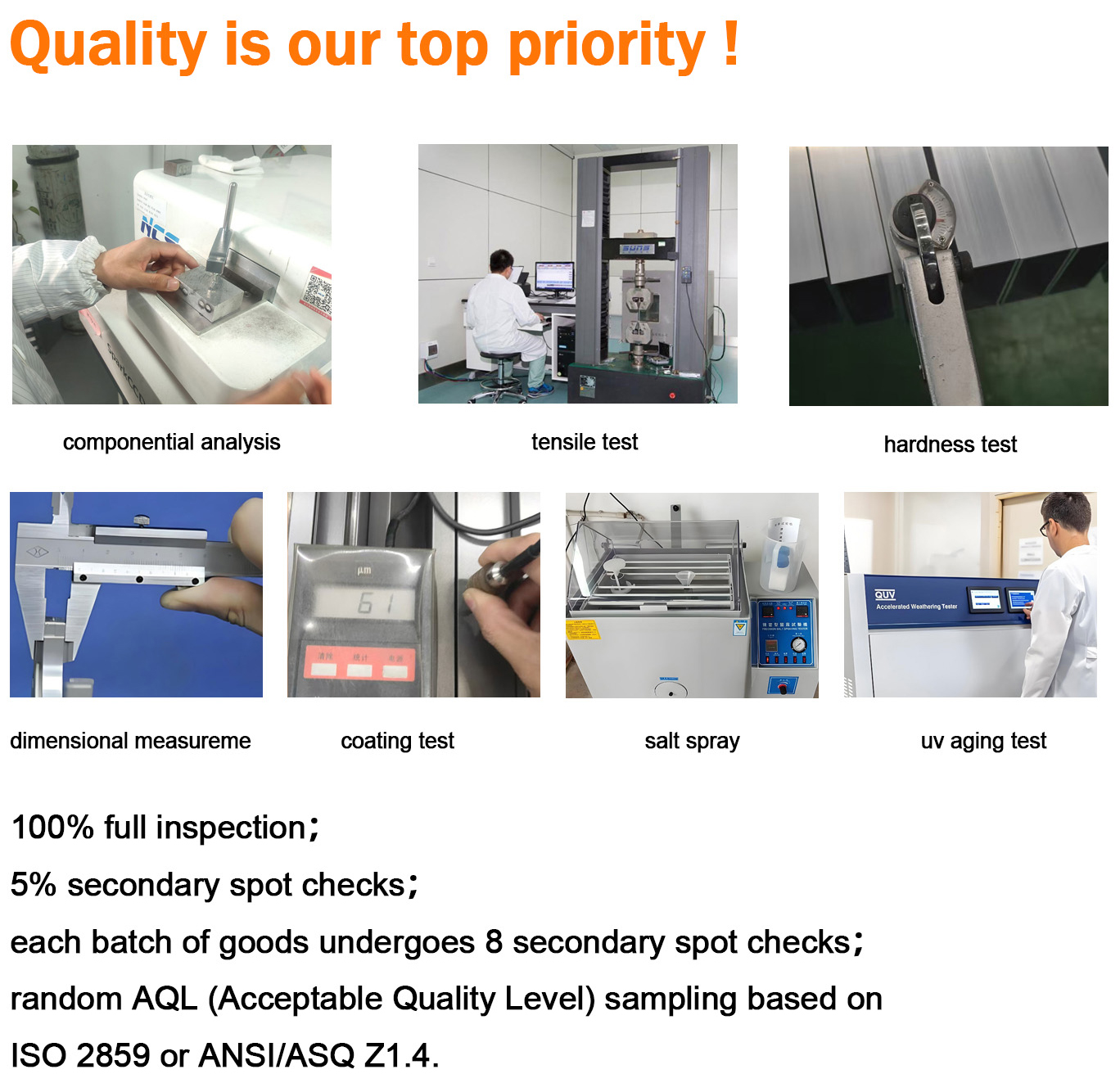
Quality Inspection facility and process
Precision measurement of aluminum profile
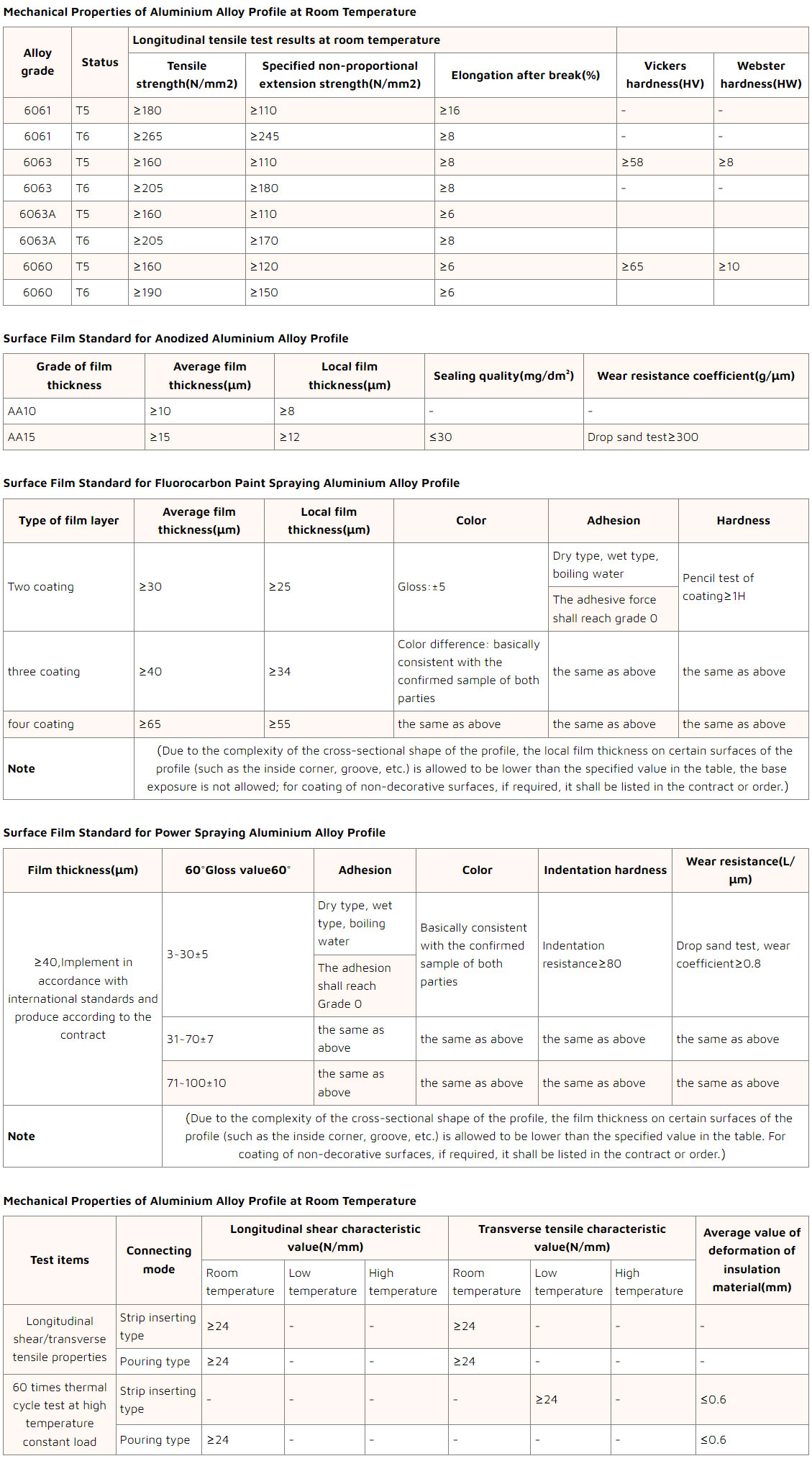
Material composition and testing specifications

Service Support - Your Success is Our Responsibility

Industrial profiles sample testing

Save your time

Quickly provide accurate samples for testing.
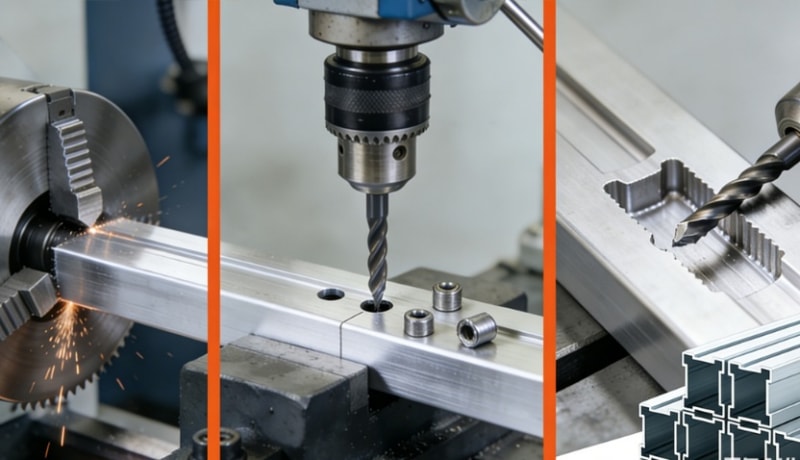
Processing services for profiles

Save your costs

Provide pre-processing services, such as cutting, drilling, milling, etc.
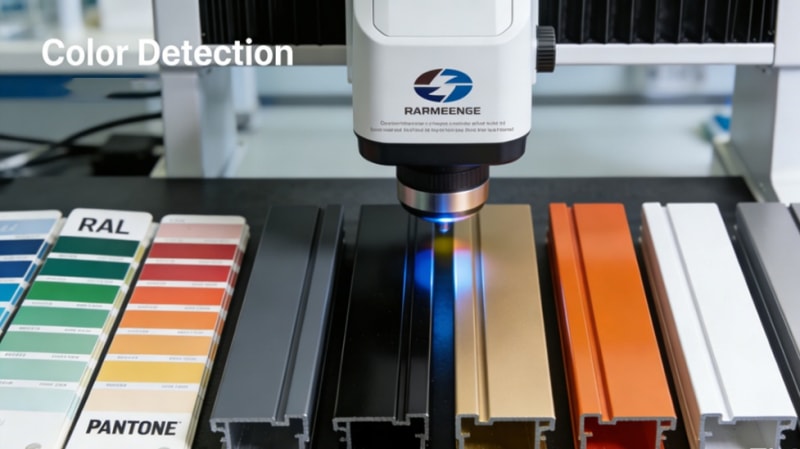
Color matching options

Meet client's requirements

Provide RAL or Pantone color cards precise color matching.
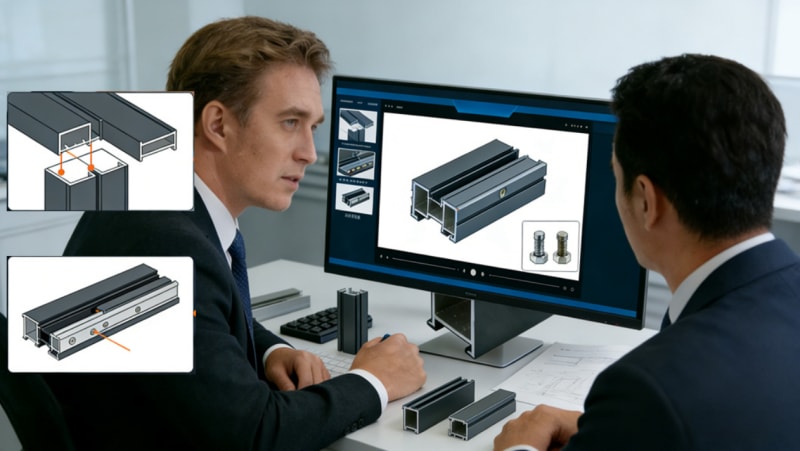
Technical manuals and product parameters

Sales work support

Provide product images, videos, and technical parameter manuals.
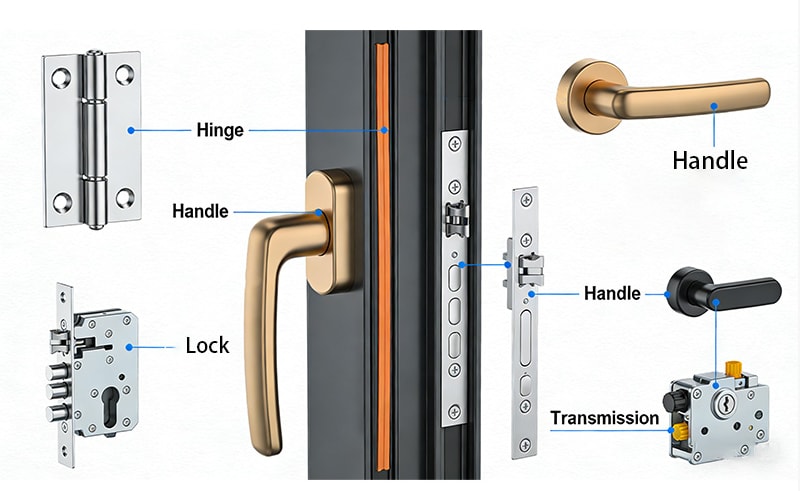
Guidelines and assembly process

Improve Your Efficiency

Provide guidance on profile application, such as assembly process and hardware accessory adaptation suggestions.
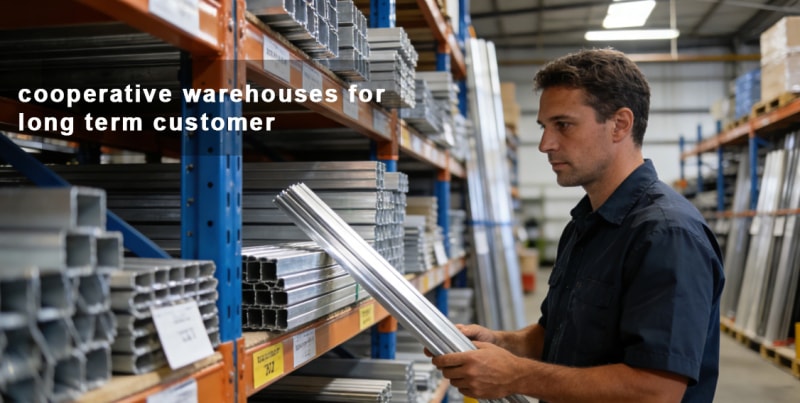
Warehouse and logistics supply cycle

Shorten supply cycle

Cooperative warehouses can be set up in your region.
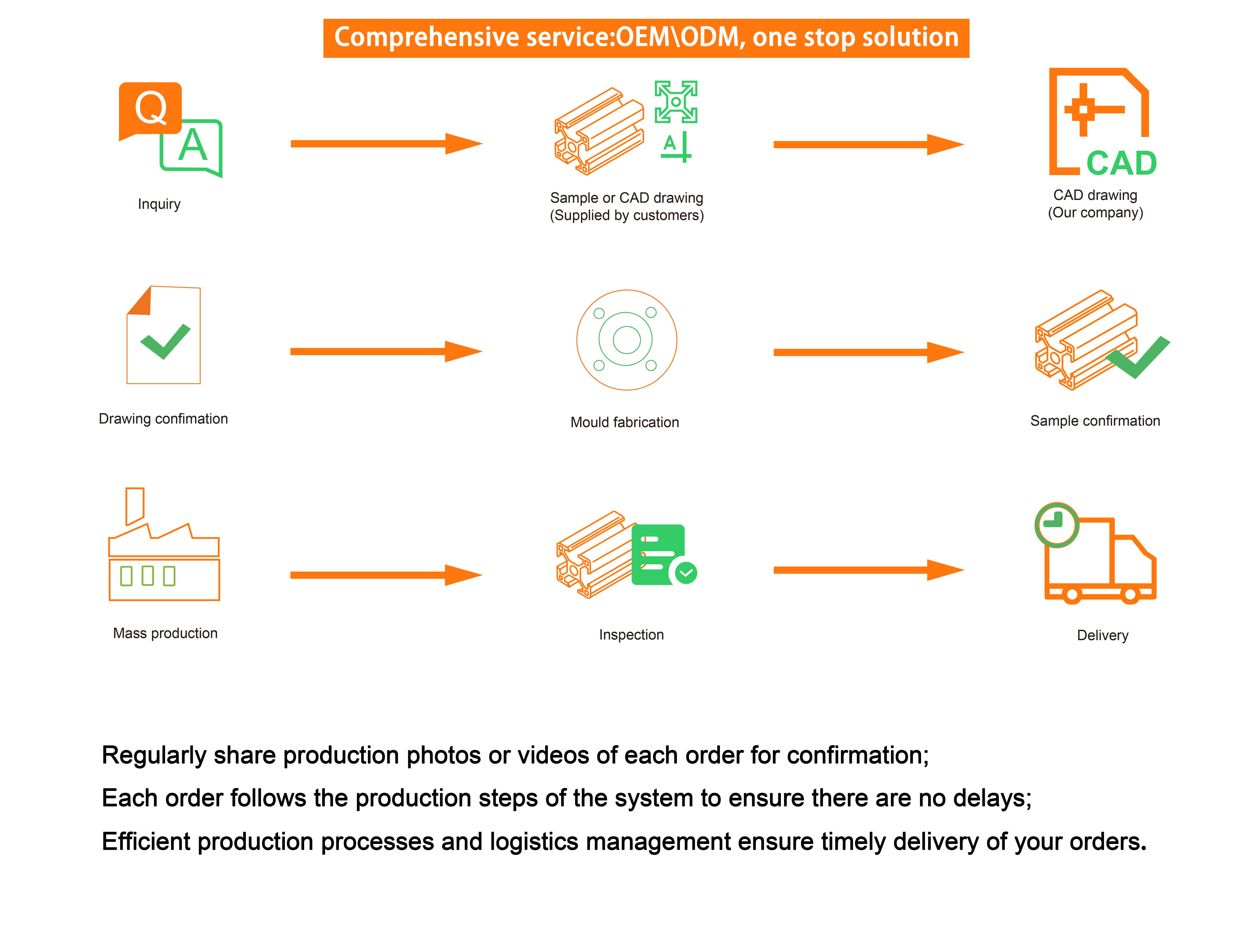
Order Process

Order process flow chart

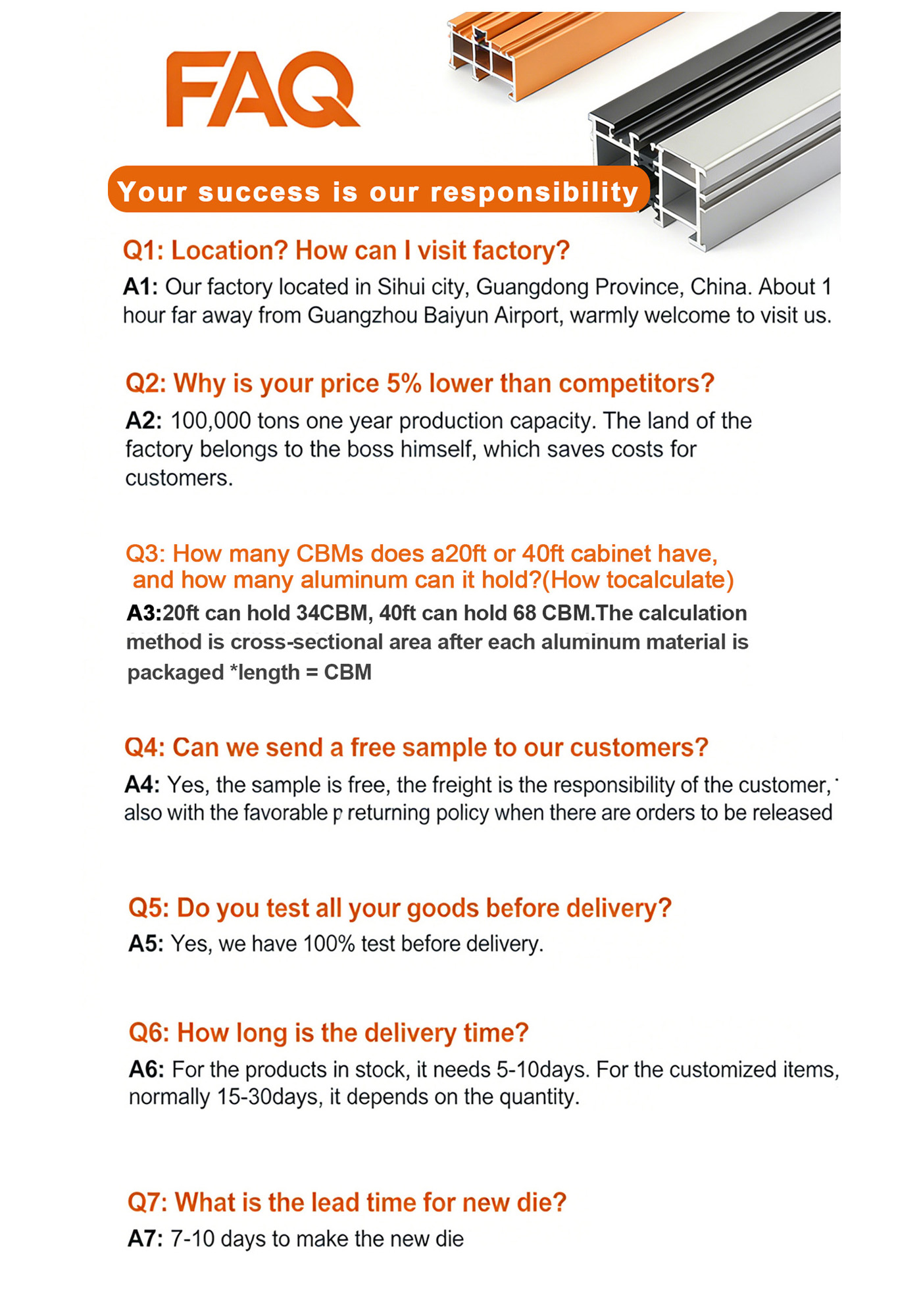
FAQ

FAQ support center
Q1: What grades of aluminum alloy are used for the battery cases?

We utilize premium 6063, 6061, and 6060 aluminum alloys with T5 or T6 temper configurations. These grades deliver an optimal balance of structural strength, thermal conductivity, and excellent corrosion resistance.

Q2: Can the lengths and dimensions of the housings be customized?

Yes, absolutely. While our standard profile length is 6 meters, we support comprehensive customization, including wall thicknesses ranging from 0.8mm to 5.0mm, and custom profile lengths tailored to your specific vehicle chassis requirements.

Q3: What surface finish options are available for the enclosures?

We offer a wide range of protective and decorative finishes, including mill finish, anodizing, powder coating, electrophoresis, fluorocarbon coatings, and wood grain texturing to protect against harsh weather conditions.

Q4: Do you provide secondary fabrication and CNC processing?

Yes, we provide end-to-end processing support. This includes precision cutting, drilling, milling, welding, bending, component assembly, and multi-axis CNC machining to supply installation-ready components.

Q5: What is the typical lead time for prototype and volume production?

Typically, die development and sample testing take about 7 to 10 days. Once the sample is approved, mass production is completed and ready for shipment within 15 to 30 days depending on the order volume.

Q6: What is the minimum order quantity (MOQ) for custom profiles?

Our minimum order quantity for custom extruded battery case aluminum profiles is 500kg per run.
Related Products