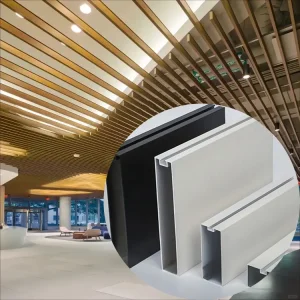
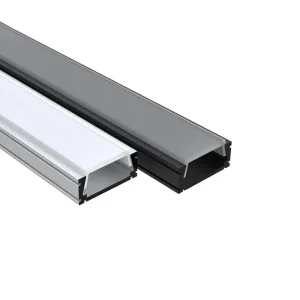
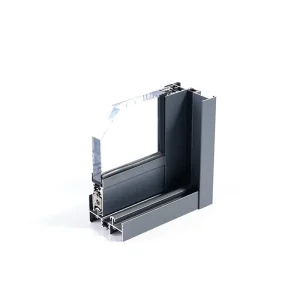
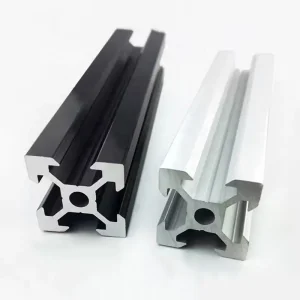
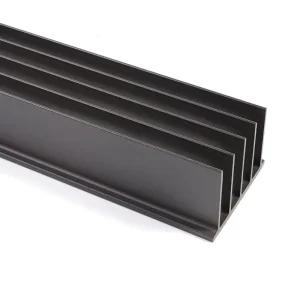
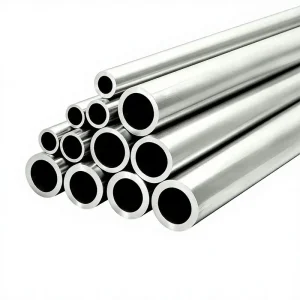
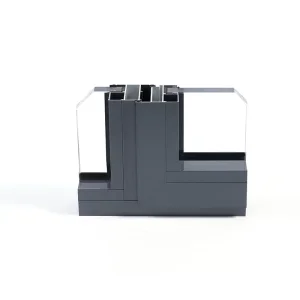
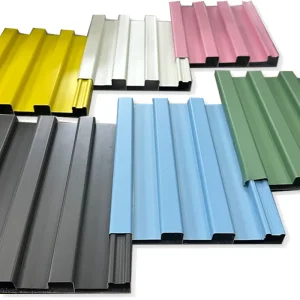
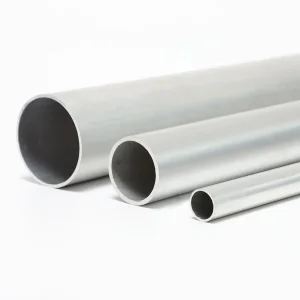
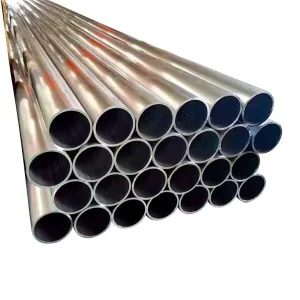
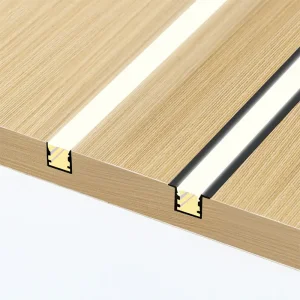
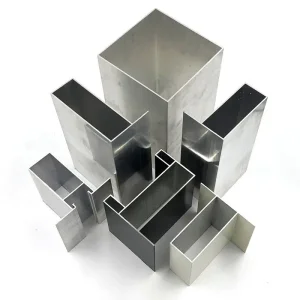
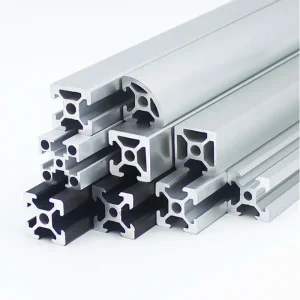
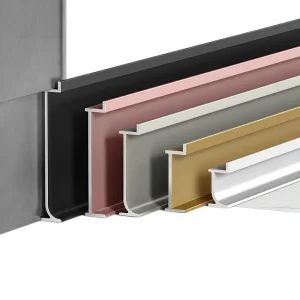
Explore our foundational range of extruded aluminum profile components engineered for modern architectural, industrial, and electrical structural applications.
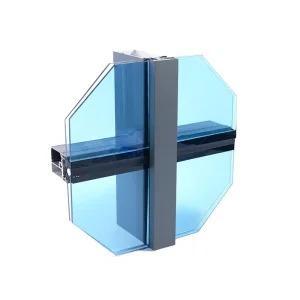
In the modern industrial layout, the protection of sensitive electronic components, control systems, and power distributions has transitioned into a highly critical task. Aluminum electrical enclosures have emerged as the premier choice over alternative materials like steel, stainless steel, or plastics. Engineered from structural alloys such as 6063-T5 or 6063-T6, these enclosures supply a unique blend of physical attributes: exceptional strength-to-weight ratio, native electromagnetic interference (EMI) shielding, and high natural thermal conductivity.
From micro-controller modules and junction boxes to heavy-duty industrial switchgear systems, aluminum extrusions allow engineers to specify thin-walled, lightweight, yet structurally resilient protective shells. Crucially, aluminum forms a natural oxide layer that prevents environmental degradation, making it ideal for deployments in harsh chemical environments, marine installations, and extreme temperatures.
The global transition toward green electrification, automated manufacturing, and high-frequency communication infrastructures is driving key innovations in enclosure design.
Electric Vehicle charging stations (EVSE) and energy storage systems (ESS) generate significant internal thermal loads. Industrial aluminum enclosures serve a dual purpose as structural defense and active heat dissipation conduits, protecting vital power conversion circuitry.
As Industry 4.0 places processing power directly onto the plant floor, edge computing devices require severe protection against electromagnetic interference (EMI). Heavy anodized aluminum acts as a Faraday cage to prevent data loss or localized electrical disruptions.
Renewable solar combiners and remote installations demand IP66, IP67, and NEMA 4X rated enclosures. Deep anodization coatings (exceeding 20 microns) and continuous structural rubber sealing protect components against saltwater mist, desert heat, and rain.
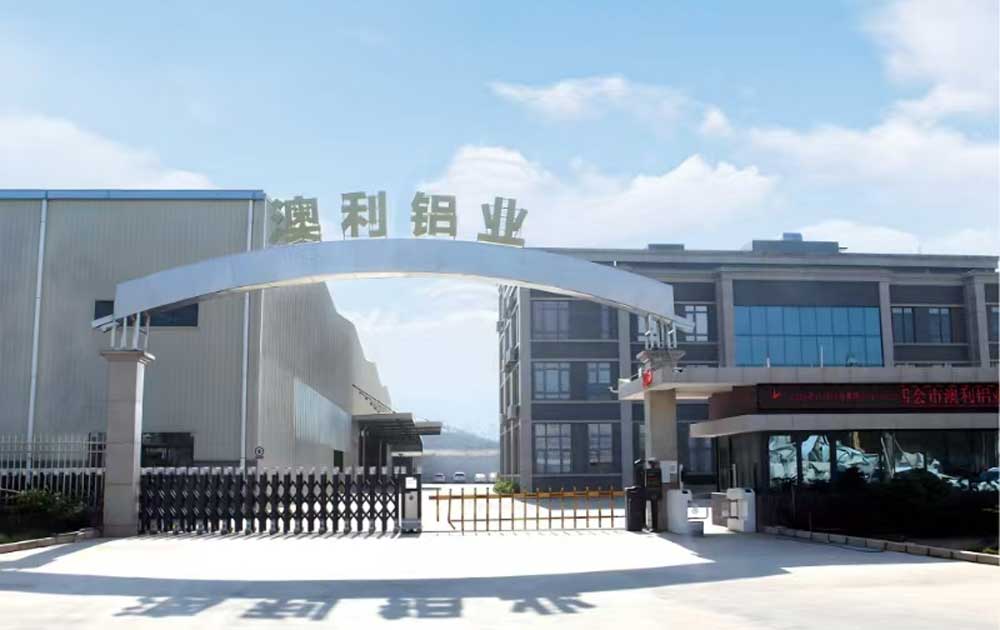
Founded in 2009 under the visionary direction of Mr. Wong, Aoli Aluminum (widely recognized by our primary brand "Aolijie") has evolved from a local manufacturing facility into a premier global supply chain partner for custom aluminum profiles and industrial enclosures. Our operational headquarters are situated in Sihui, Guangdong, spanning a massive 100,000 square meter factory space, complemented by our commercial and strategic sales division in Foshan, Guangdong.
Our core capabilities focus on delivering end-to-end services. Operating 4 specialized production bases, we house advanced extrusion presses ranging from 900 tons to 2,000 tons. This allows us to manufacture complex geometries with tight tolerances. Our integrated production lifecycle includes billet casting, die development, precision extrusion, comprehensive surface treatment (Powder Coating, Anodizing, Electrophoresis, PVDF), and precise CNC deep processing (cutting, milling, drilling, tapping, and assembly).
We work to realize Mr. Wong's original mission: "Building sustainable cities for the world by being the most satisfying and reliable partner in high-performance aluminum solutions."
Our digital-physical manufacturing integration ensures that global procurement managers receive absolute consistency in quality, pricing, and execution.
By owning every step from die manufacturing to CNC finishing, we eliminate third-party delays, minimize logistic costs, and maintain direct control over mechanical properties.
Our in-house engineering team designs custom structural thermal breaks, specific internal mounting bosses, and custom-milled slots to fit your exact electronics layouts.
With massive raw material reserves and optimized operations near primary shipping ports, we insulate our international clients from regional freight bottlenecks.
Aolijie's growth mirrors the technological expansion of China's high-grade aluminum extrusion industry over the last two decades.
Our initial 10,000 square meter factory commenced operations in Sihui, Guangdong. We introduced the "Aolijie" brand to supply standard structural extrusions with high geometric accuracy.
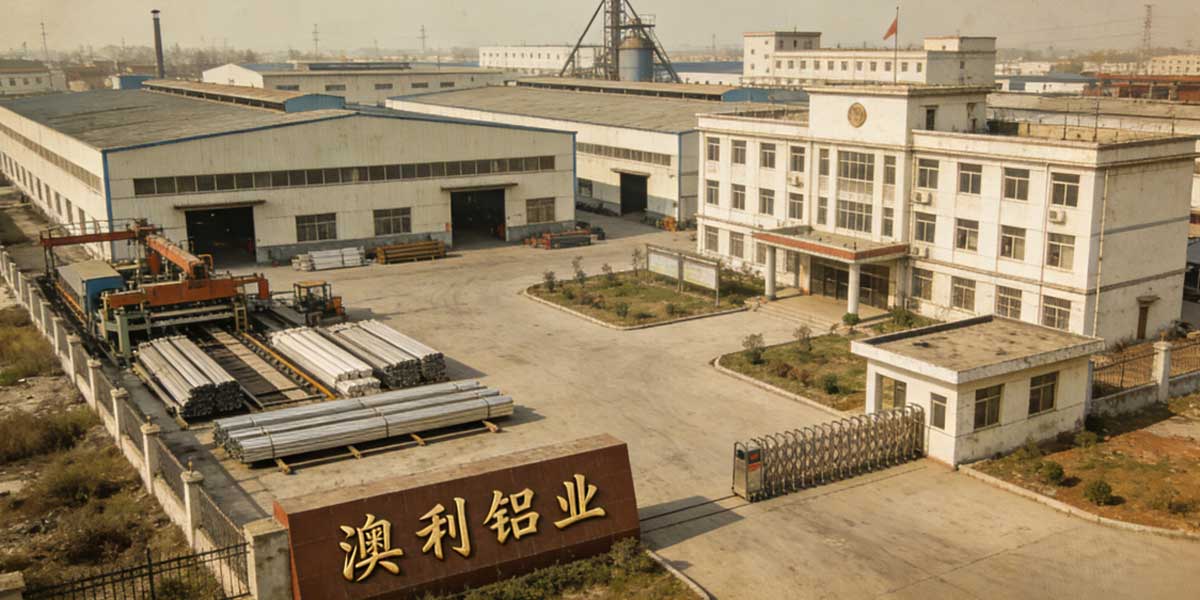
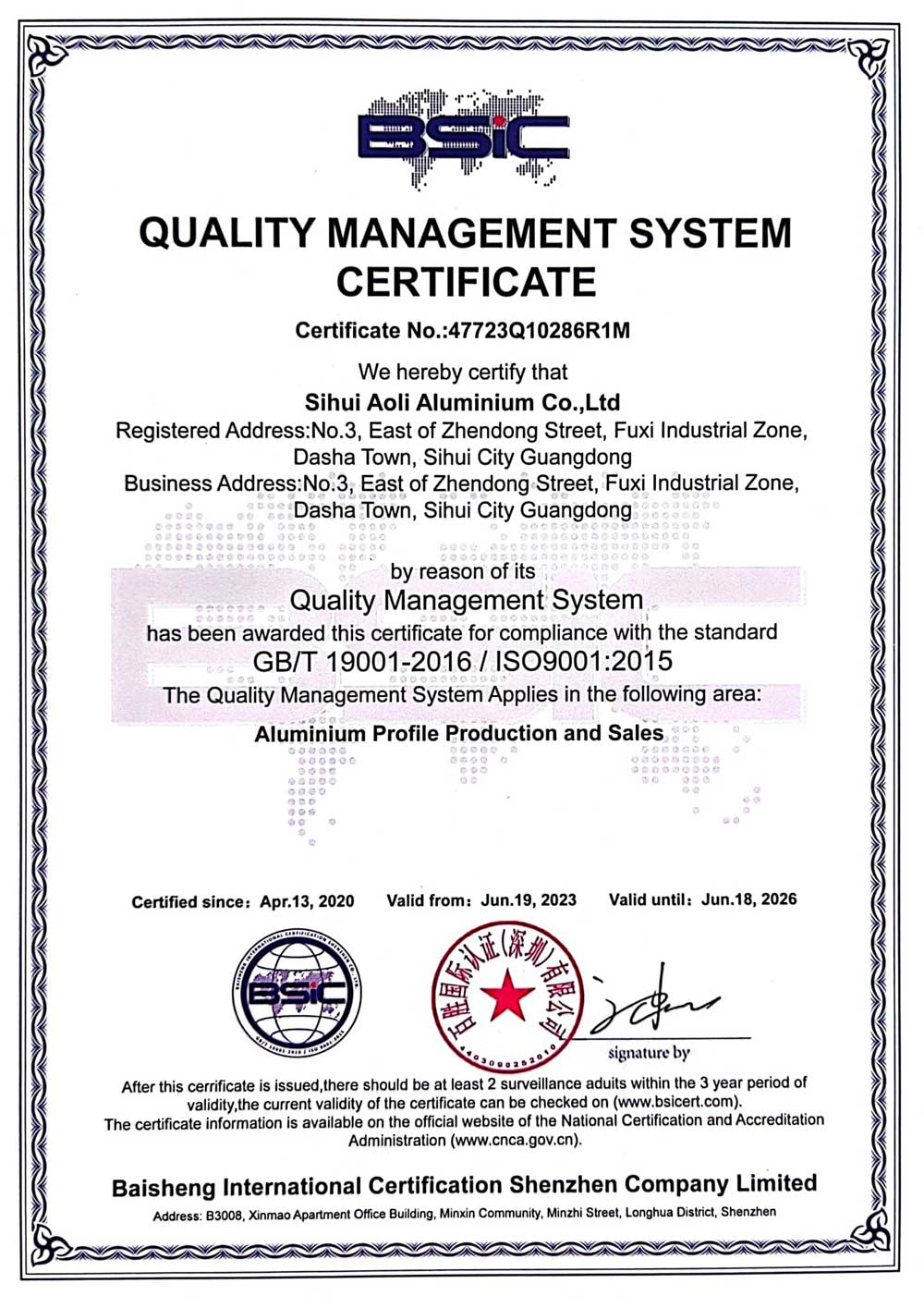
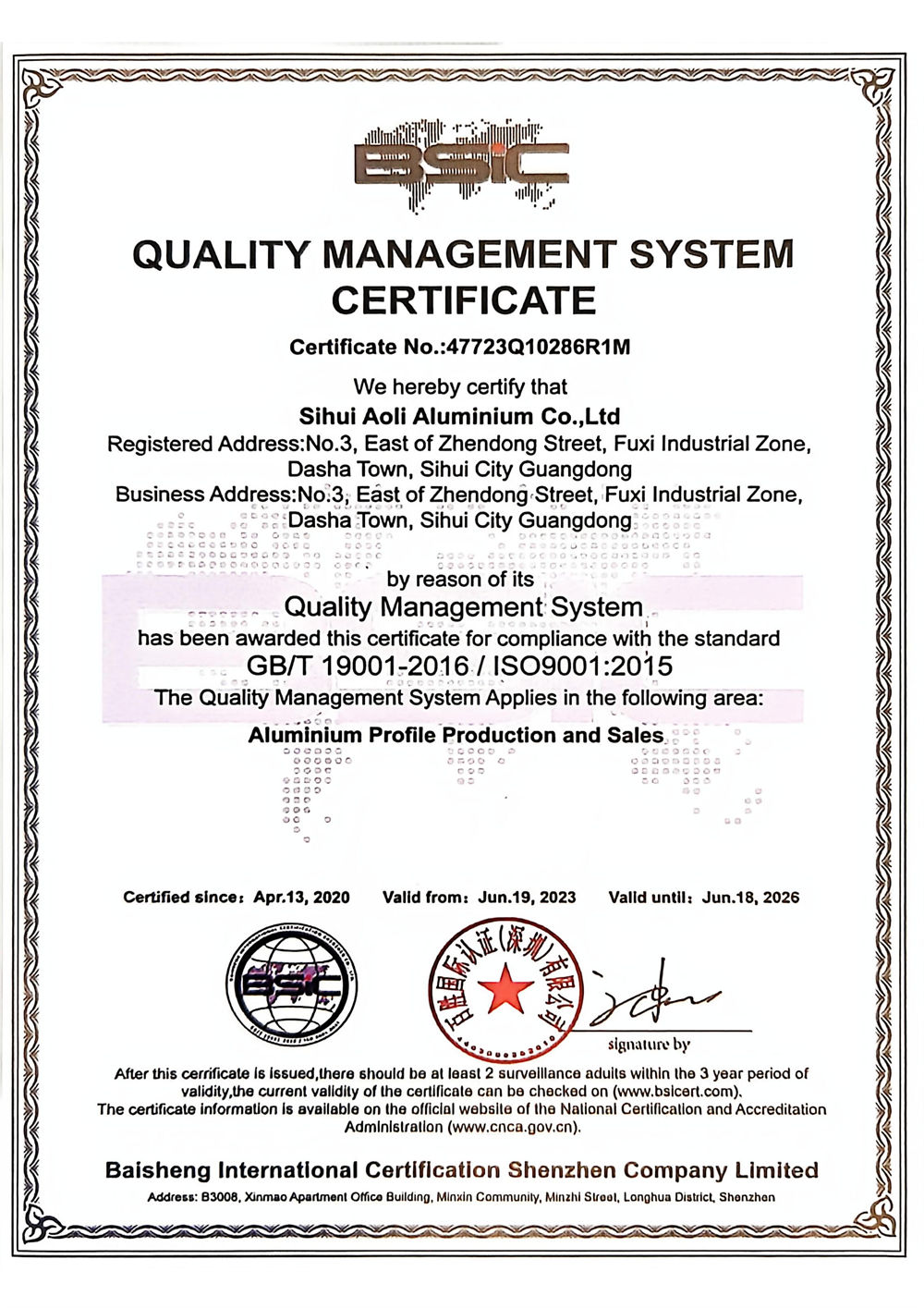
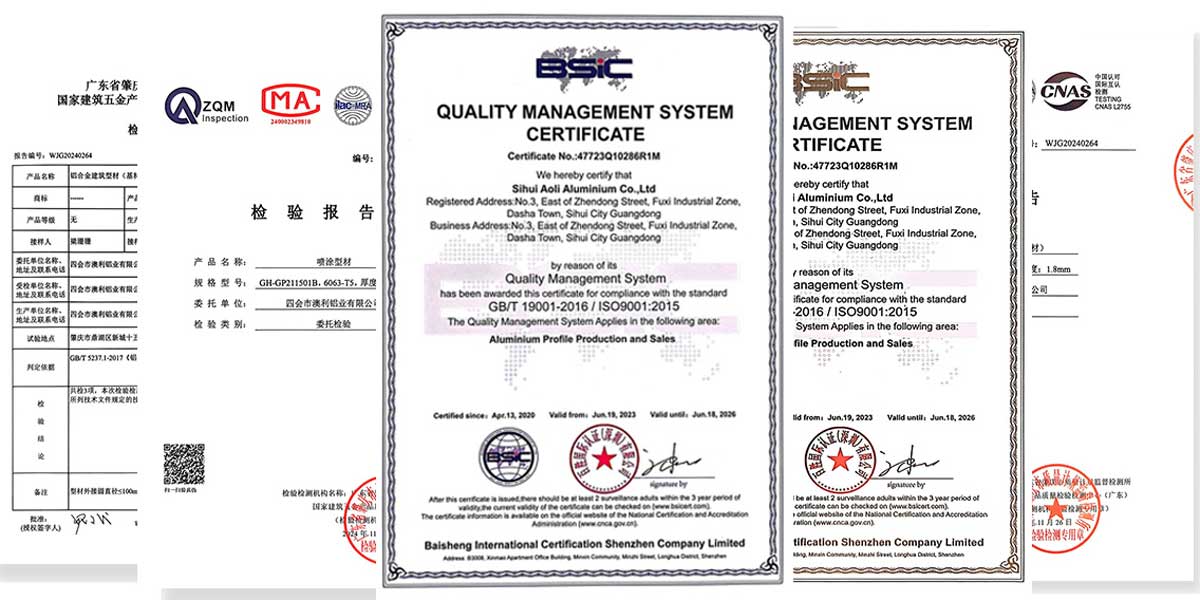
During this era, we achieved complete ISO 9001 compliance and secured 13 product and process patents, establishing our technical credentials in extrusion metallurgy.
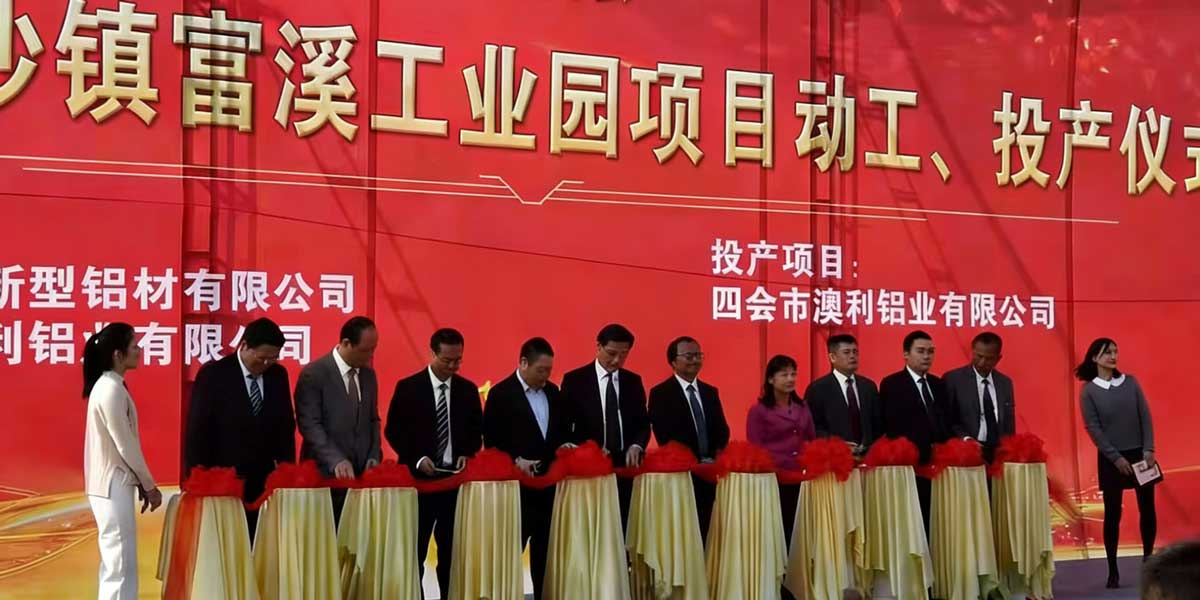
To support global B2B volume growth, we built our 100,000 square meter facility, increasing annual manufacturing capacity to 100,000 tons.
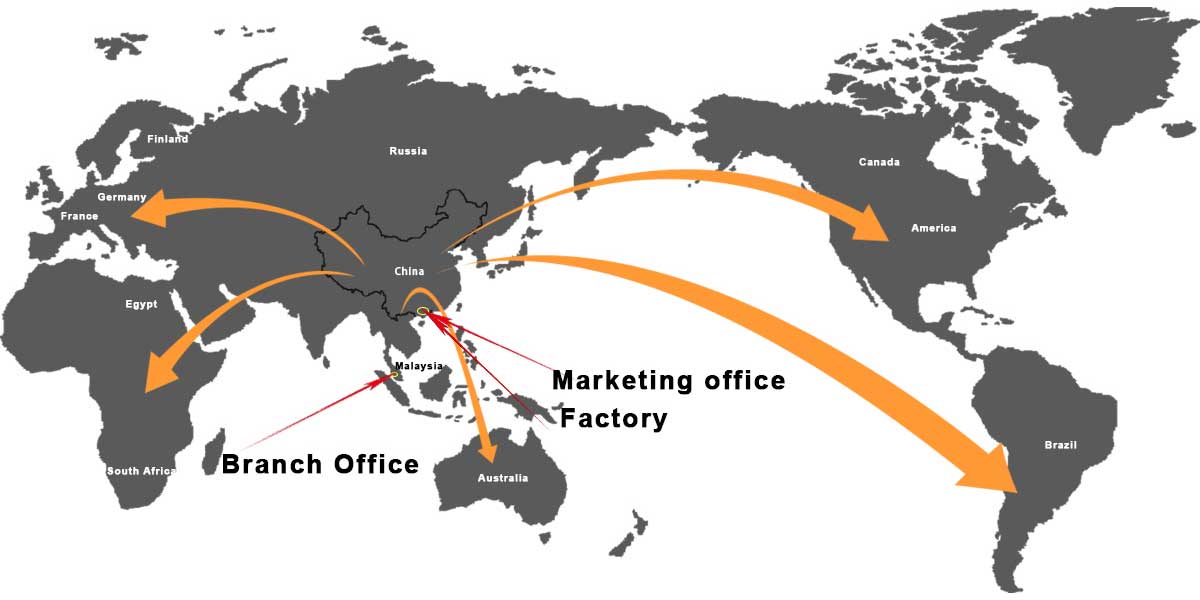
Following the establishment of our Foshan business center in 2024, Aolijie is extending its global logistics footprint with an overseas office in Malaysia in 2026.
Our commitment to electrical protection requires adherence to international testing regimes. Every single batch is subject to rigorous laboratory verification.
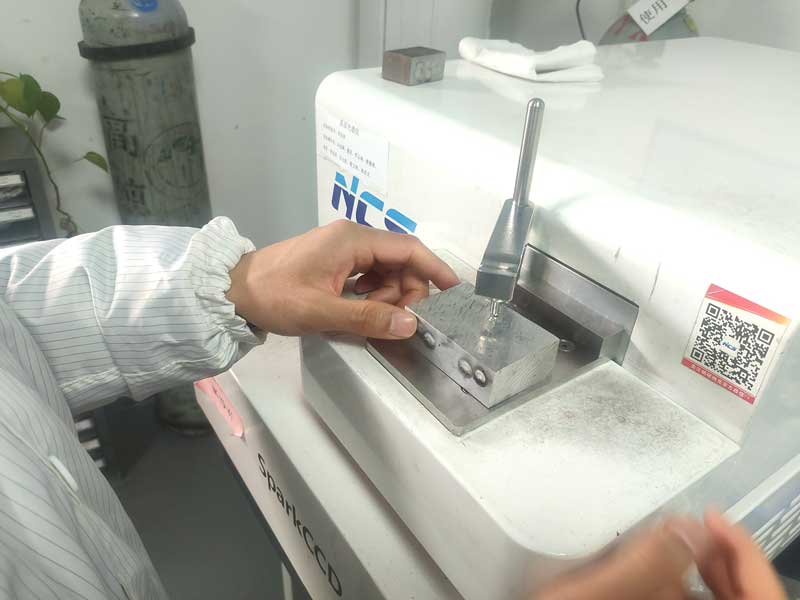
Componential Analysis
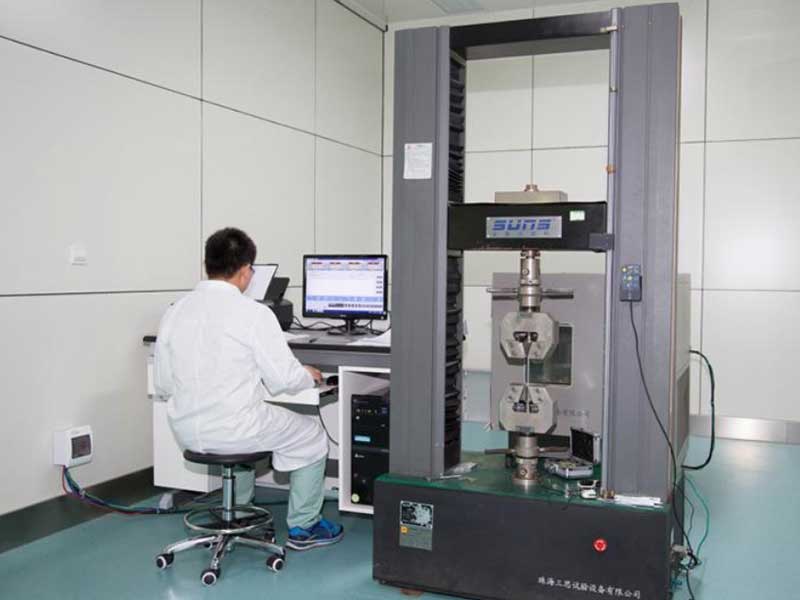
Tensile Strength Test
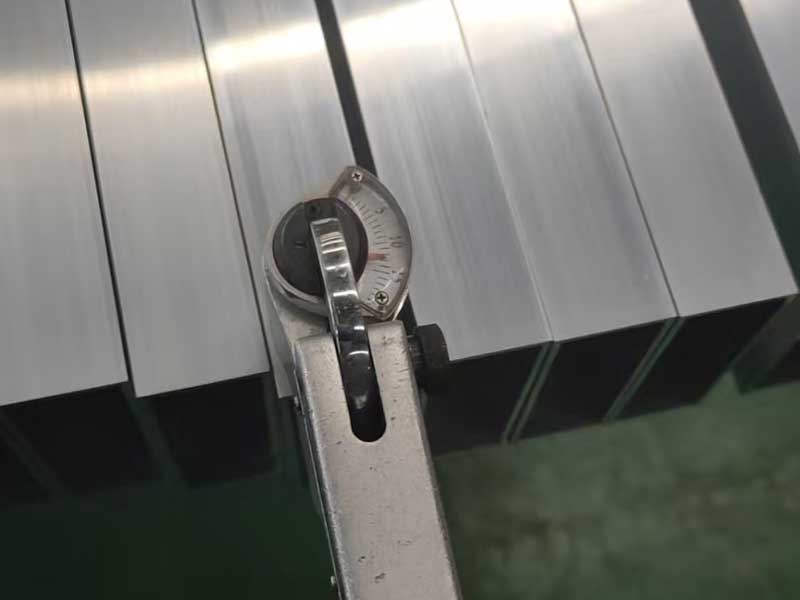
Hardness Verification
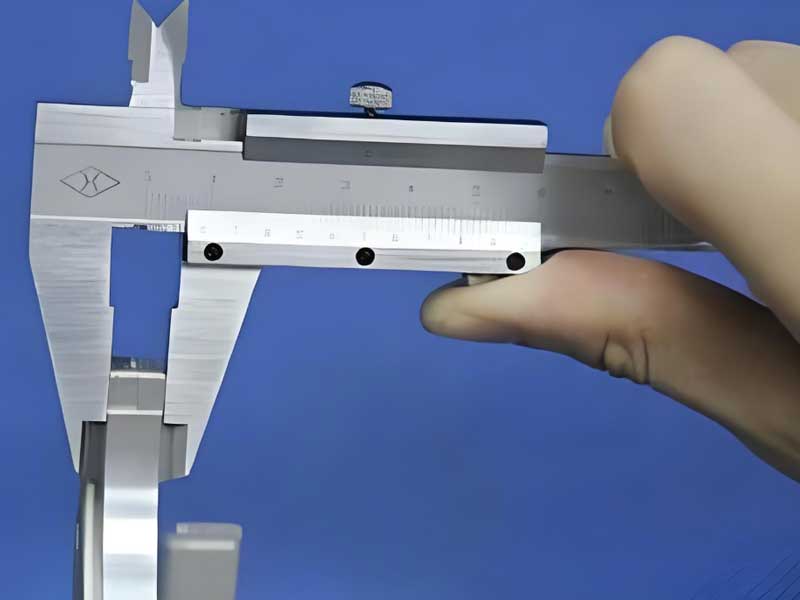
Dimensional Measurement
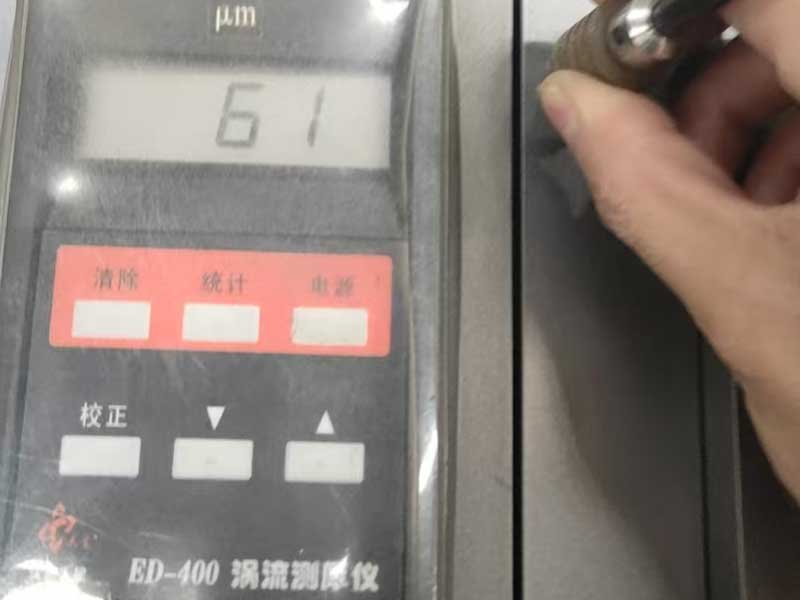
Coating Thickness Test
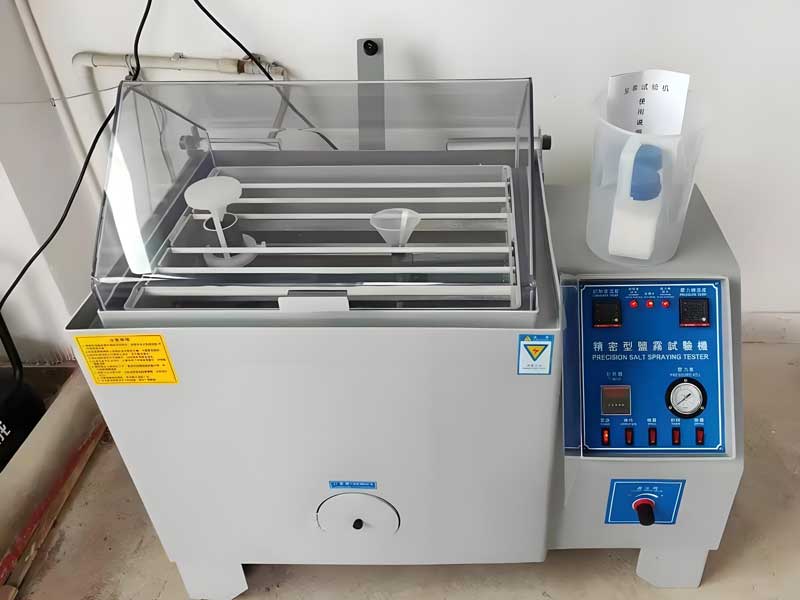
Salt Spray Corrosion
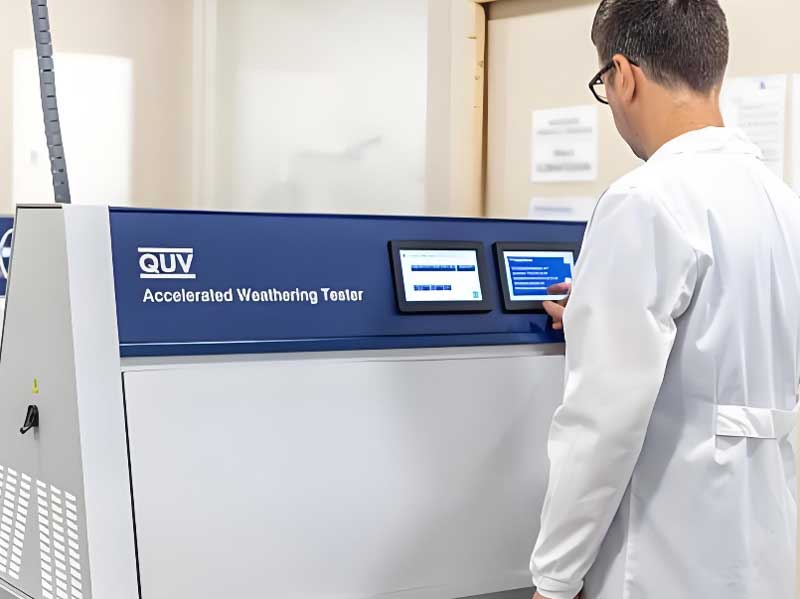
UV Aging Chamber
We utilize random AQL (Acceptable Quality Level) sampling, strictly aligning with ISO 2859 and ANSI/ASQ Z1.4. Our control cycle enforces: 100% full visual inspection, 5% secondary spot checks, and 8 secondary checks per structural batch. This detailed verification confirms that physical performance indicators, mechanical properties, and surface protection ratings match our customer specifications.
Our solutions protect vital electronic components in diverse commercial, civil, and industrial settings worldwide.
We treat our clients' challenges as our responsibility. From quick prototype tooling to scaling up volume production, we aim to match our partners' schedules and engineering criteria.
We believe that high-quality engineering comes from a skilled workforce. Providing safe, modern workspaces and continuous technical training helps drive our product standards.
Our reputation rests on the reliability of our products. We refuse to compromise on metallurgical composition, coating thickness, or precision machining standards.
Expert answers addressing the primary design, materials selection, and manufacturing considerations for aluminum enclosures.
For extruded enclosures, the 6000 series aluminum alloys, specifically 6063 and 6061, are the standard choice. 6063 aluminum is highly favored for its excellent surface finish quality and extrudability, allowing for complex geometries (such as integrated heat sink fins, board slots, and interlocking slide-in panels). 6061 provides slightly higher mechanical strength, making it ideal for structural frames or enclosures exposed to high mechanical impact.
Aluminum has a thermal conductivity rate of approximately 200 W/m·K, which is far higher than carbon steel (~50 W/m·K), stainless steel (~15 W/m·K), and plastics (<0.5 W/m·K). An aluminum enclosure acts as a natural heat sink. By integrating convective cooling fins directly into the extrusion profile, heat from internal electronics is dissipated efficiently to the surrounding air, improving component lifespan without requiring active cooling fans.
Yes. Through precise CNC machining of seal channels combined with high-grade gaskets (such as EPDM, silicone, or polyurethane foam-in-place gaskets), we produce enclosures that meet IP66 and IP67 dust and water ingress protection standards. For NEMA 4X rating, we apply corrosion-resistant finishes like anodizing (above 15 microns) or PVDF coatings to ensure structural integrity in salt spray environments.
We provide several surface finishing options depending on the installation site: 1. Anodizing: Creating an electro-chemical oxide layer (clear or colored) that hardens the surface and resists wear and salt spray. 2. Powder Coating: Electrostatically applied polyester or epoxy coatings that offer UV stability and impact resistance. 3. PVDF (Fluorocarbon) Coatings: Ideal for high-exposure environments due to its resistance to chemical breakdown and UV degradation.
Custom extrusion tooling costs are relatively low compared to plastic injection molds or die casting. Standard tooling lead times range from 7 to 14 days, with prototype samples ready for testing within 7 days after the die is completed. Bulk production runs are typically completed in 15 to 25 days depending on the volume and surface treatment requirements.
Explore our heavy industrial catalog featuring specialized heat sinks, structural bars, and precision tubing options.
 Aoli Aluminum