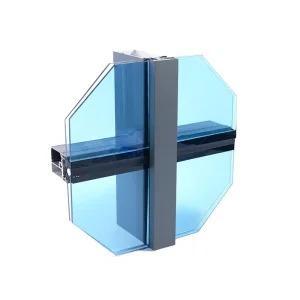
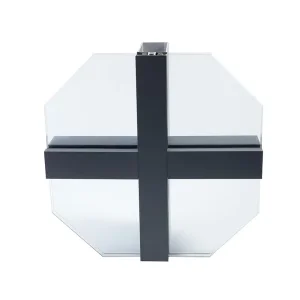
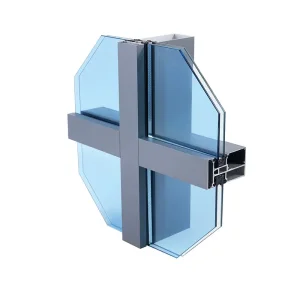
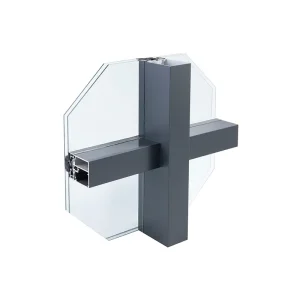
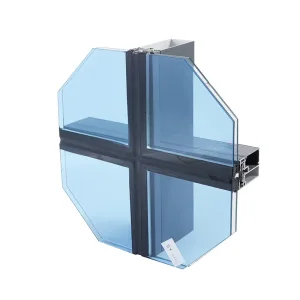
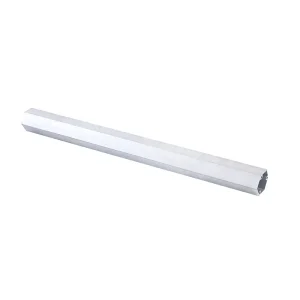
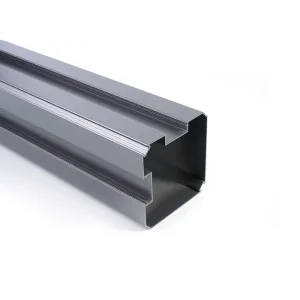
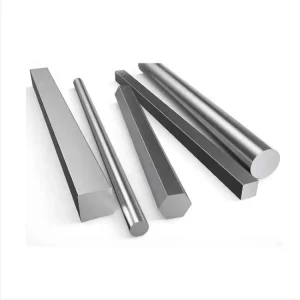
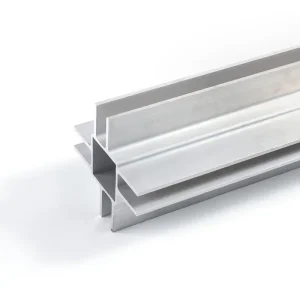
Architectural aluminum configurations designed to meet international structural integrity and thermal resistance standards
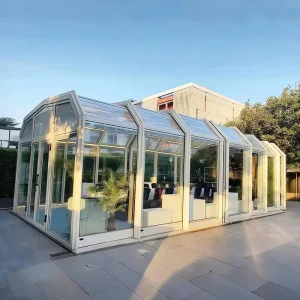
Jakarta, the hyper-dense capital region of Indonesia, presents structural and environmental design parameters distinct from typical tropical cities. Located near active tectonic fault lines and built on alluvial soil, Jakarta requires curtain wall engineering capable of withstanding lateral drift under seismic conditions, high relative humidity (often exceeding 80%), and high ambient air temperature cycles. Furthermore, the Indonesian Green Building Code (Pergub DKI 38/2012) mandates strict requirements for facade heat transfer coefficients (OTTV), requiring advanced low-emissivity glass combined with thermal break aluminum frames.
Jakarta sits within high-risk seismic zones where buildings must be engineered to resist sudden horizontal displacements. For structural engineers and facade consultants operating in Sudirman, Kuningan, and Thamrin, curtain wall design cannot rely solely on static calculations. Our curtain walls are engineered with dynamic anchor points and flexible structural silicone glazing that allow the facade panels to move independently of the main concrete skeleton, preventing catastrophic glass shattering during seismic events. We perform mock-up testing in specialized facilities to certify structural performance under extreme load cases.
The Overall Thermal Transfer Value (OTTV) of building envelopes in Jakarta must not exceed 35 W/m² to prevent high HVAC electrical demands. Standard solid aluminum profile designs acts as thermal conductors, transferring tropical heat directly into interior spaces. By utilizing advanced thermal break technology, which places a non-conductive polyamide strip between the inner and outer structural extrusions, our customized aluminum profiles limit thermal transmission, significantly lowering cooling costs and contributing to sustainable construction standards (GBAC/GREENSHIP certifications).
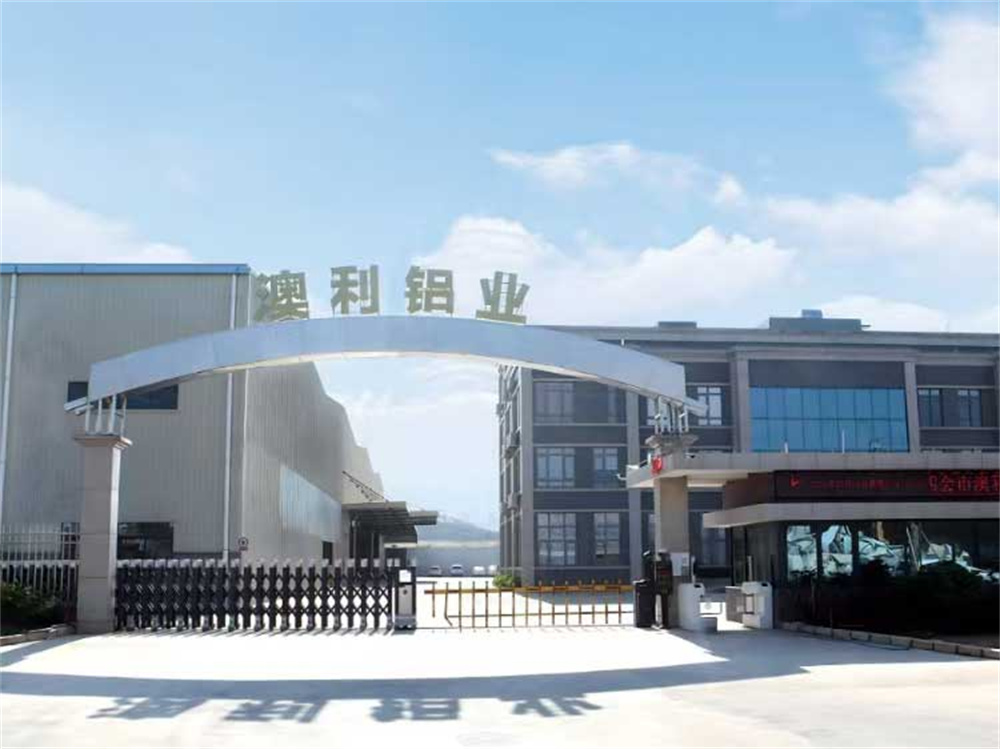
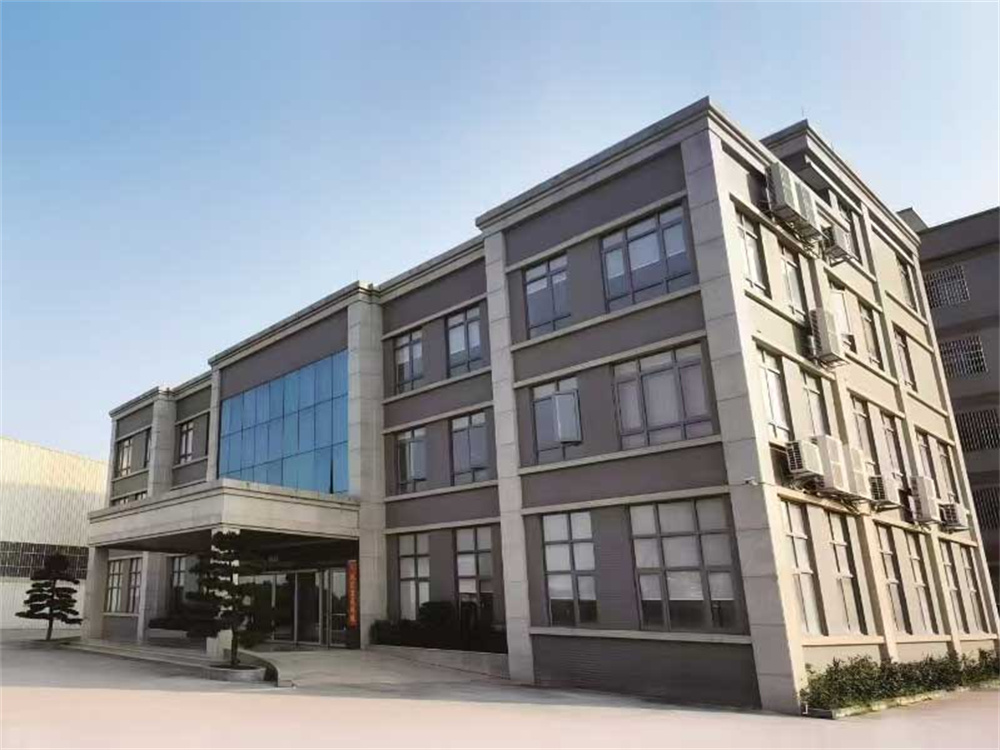
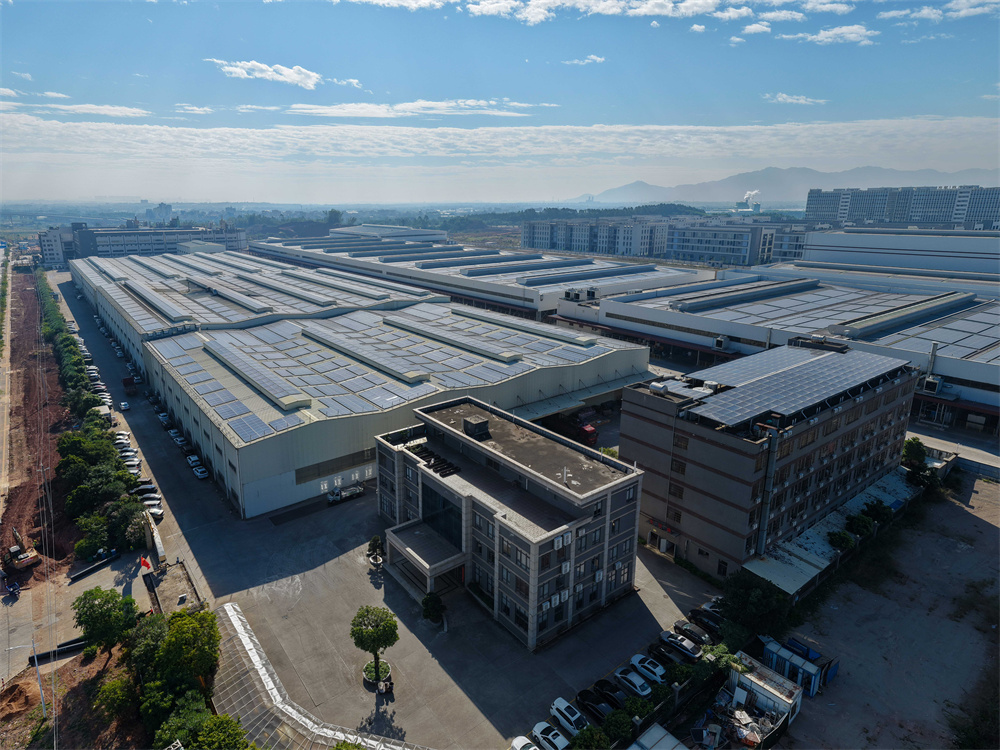
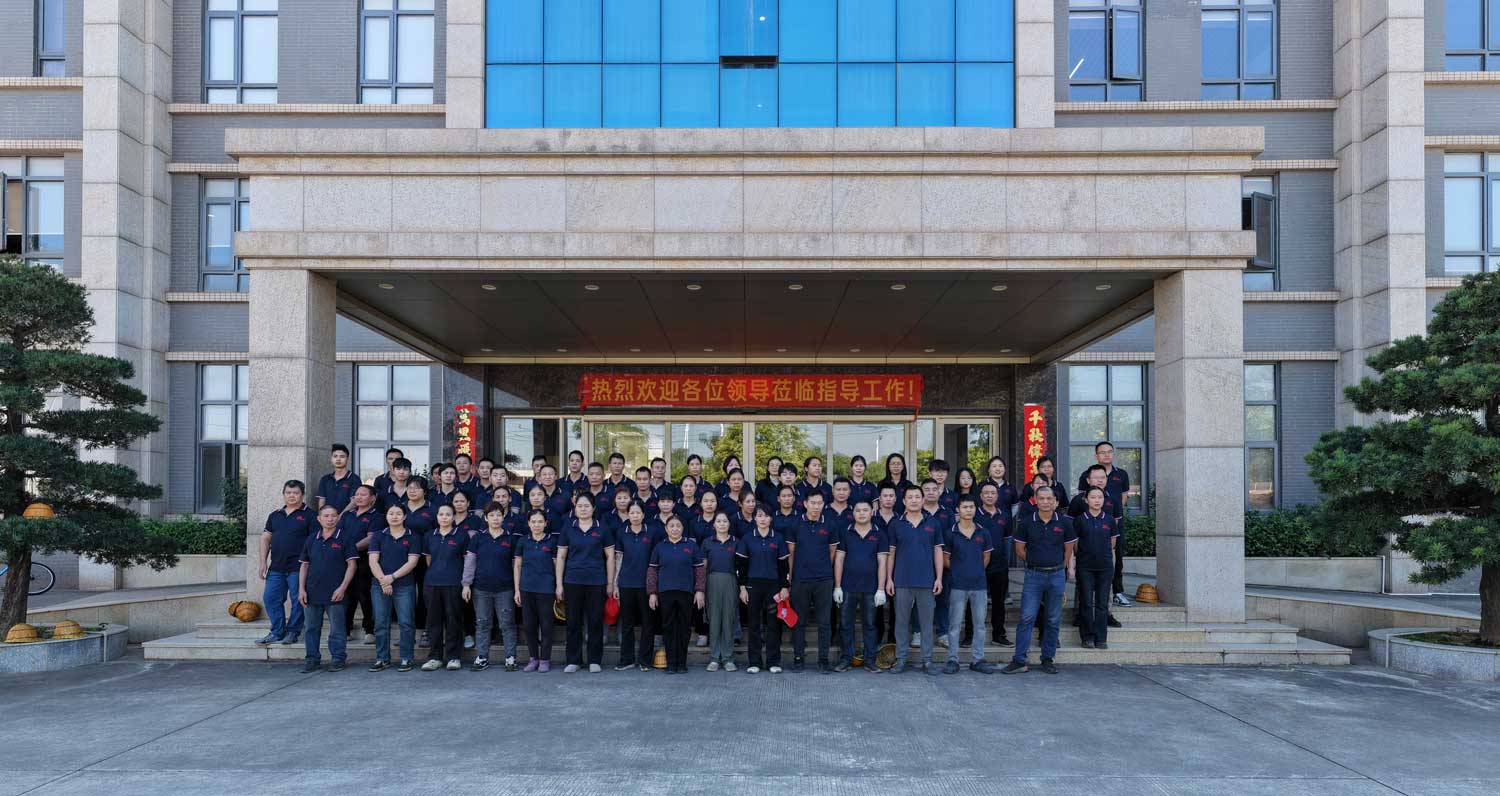
The global shift towards modern glazed envelopes started at the turn of the century. Our founder, Mr. Wong, recognized the growing need for durable, eco-friendly, and lightweight materials to replace heavy concrete facade panels. In 2009, he established the Sihui manufacturing facility to produce industrial and architectural profiles. Today, Aolijie represents a systematic approach to structural aluminum engineering, ensuring each extrusion meets stringent international guidelines for metallurgy, structural load handling, and surface coating durability.
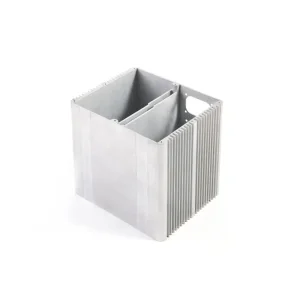
Our facility features a range of extrusion presses from 900 tons to 2,000 tons. This machinery enables the production of large structural profiles, including mullion and transoms for unitized curtain wall installations. Our product portfolio spans over 100 series, including thermal break extrusions, window frames, solar mounting components, and customized precision industrial sections. We source premium-grade ingots (6063-T5, 6063-T6, and 6061-T6 alloys) to ensure consistency across batches, reducing the risk of material fatigue and structural failure in wind-stressed high-rises.
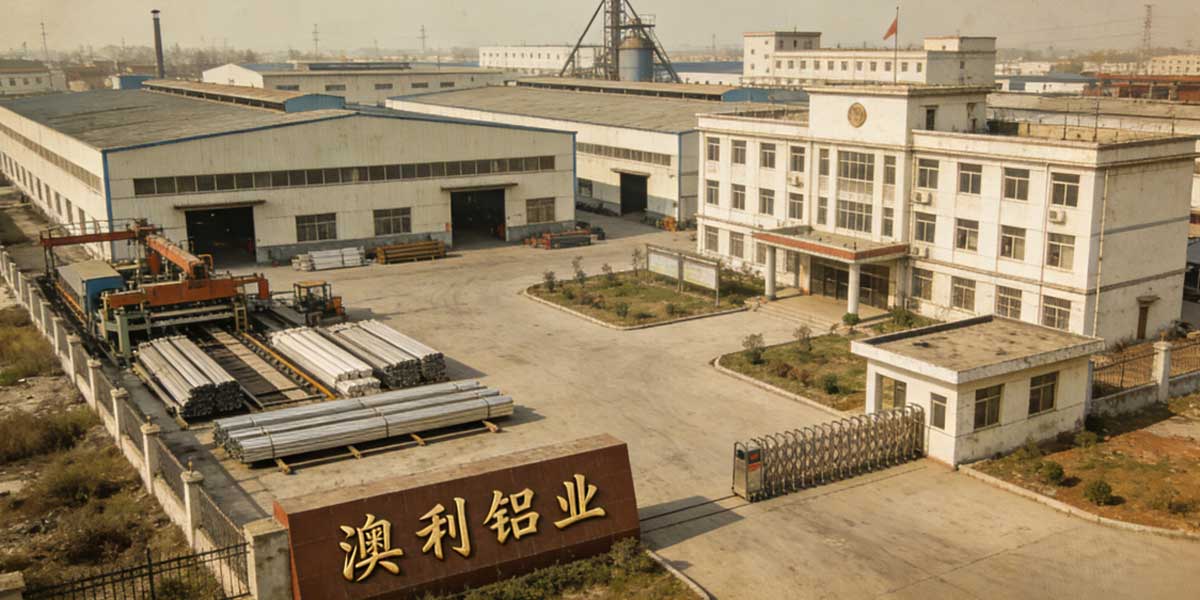
Established a 10,000 square meter factory in Sihui, Guangdong. The "Aolijie" brand was founded, focusing on high-precision aluminum extrusions.
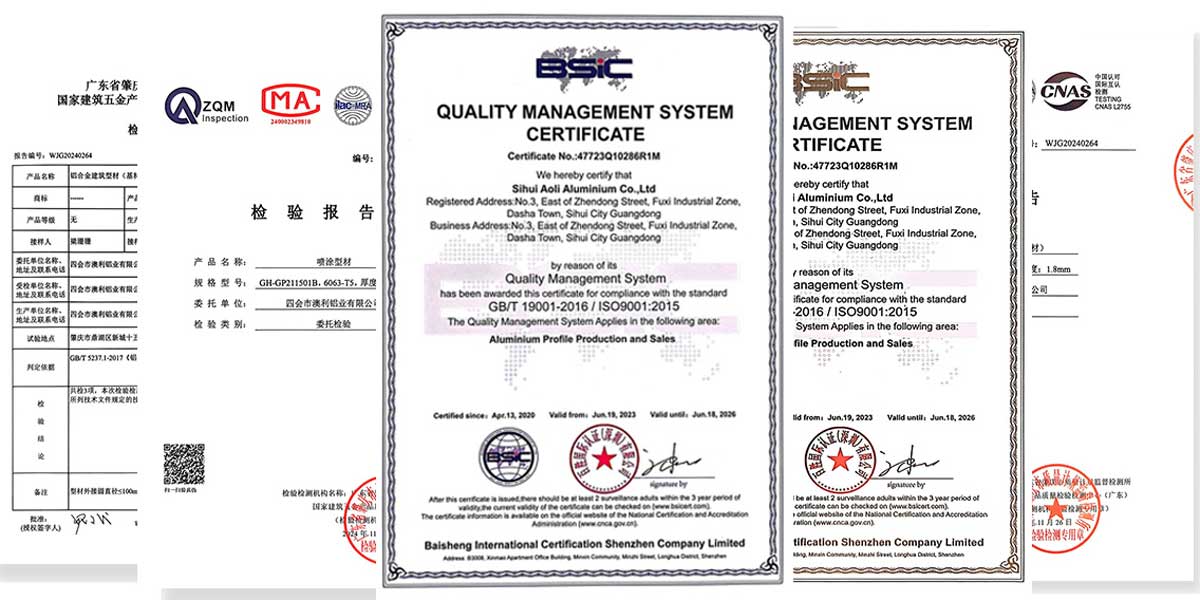
Obtained 13 key product design patents and secured ISO9000 certification to ensure traceablity across all product lines.
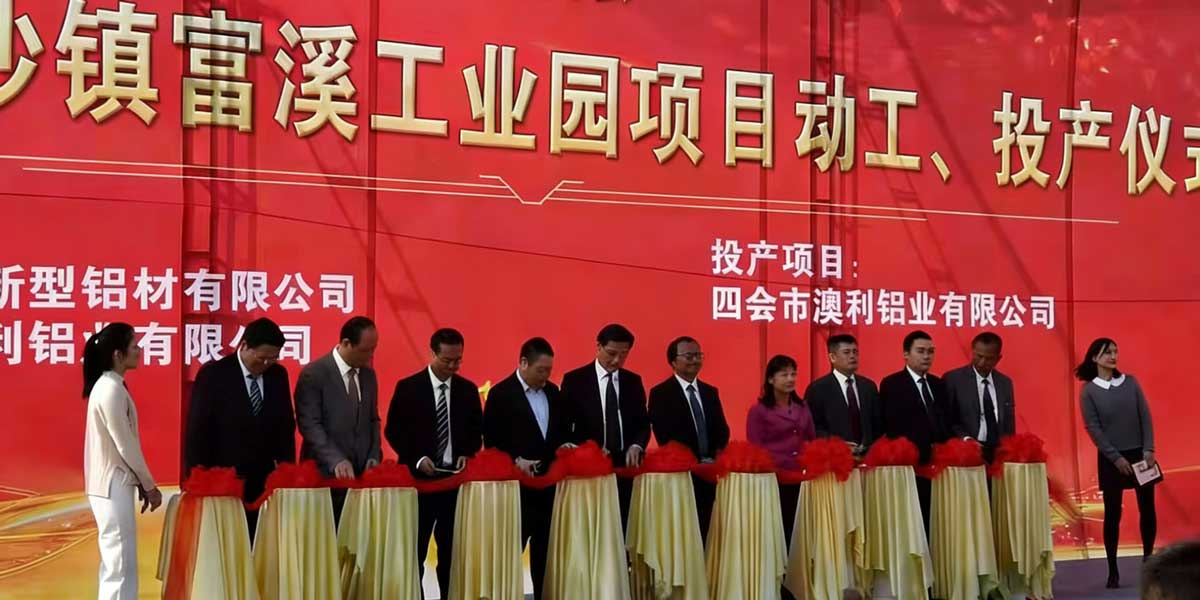
Expanded manufacturing footprint to 100,000 square meters. Annual capacity reached 100,000 tons, serving Southeast Asia, South America, and the Middle East.
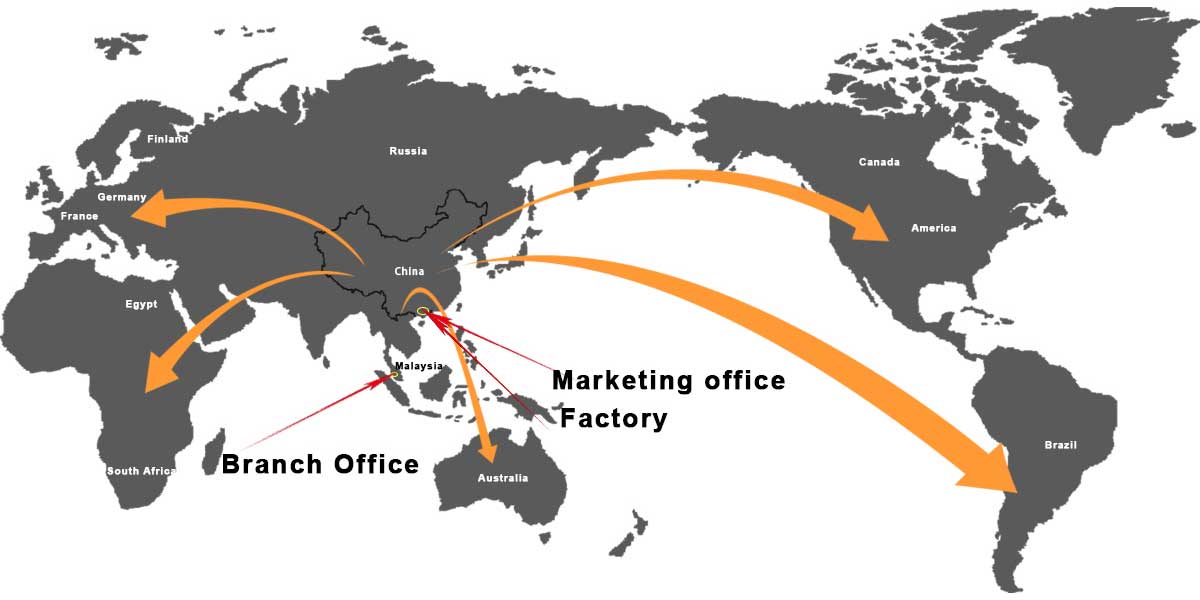
Established Foshan sales branch and finalized plans for our regional office in Malaysia (slated for 2026) to improve local logistics and technical service within ASEAN.
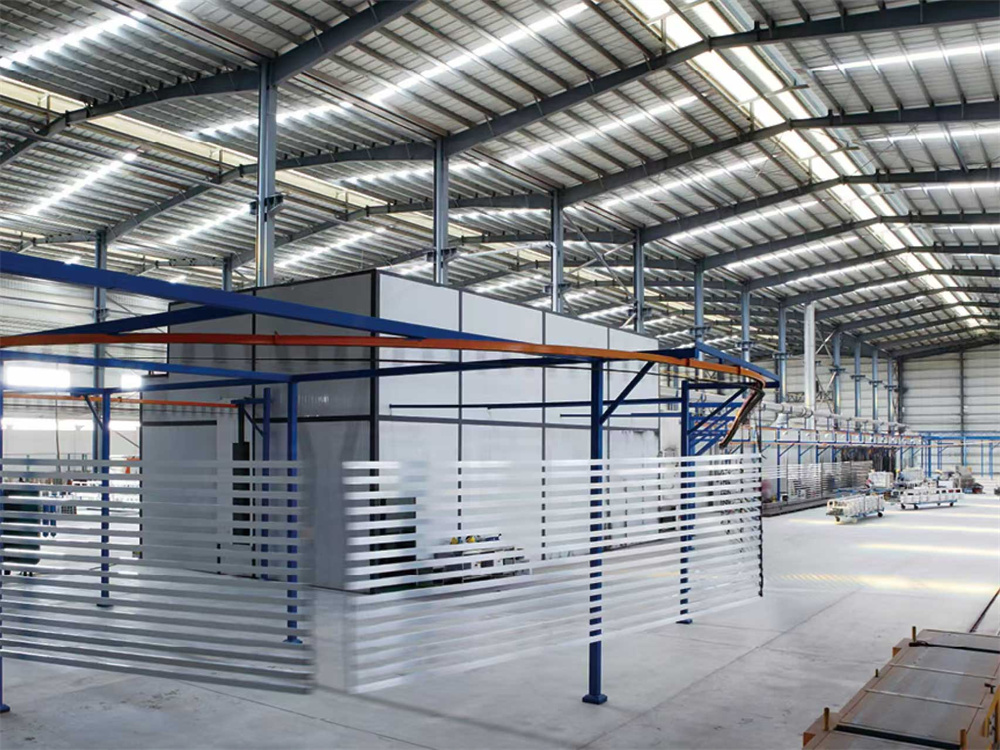
An inside look at our advanced manufacturing lines, from smelting to extrusion and surface processing
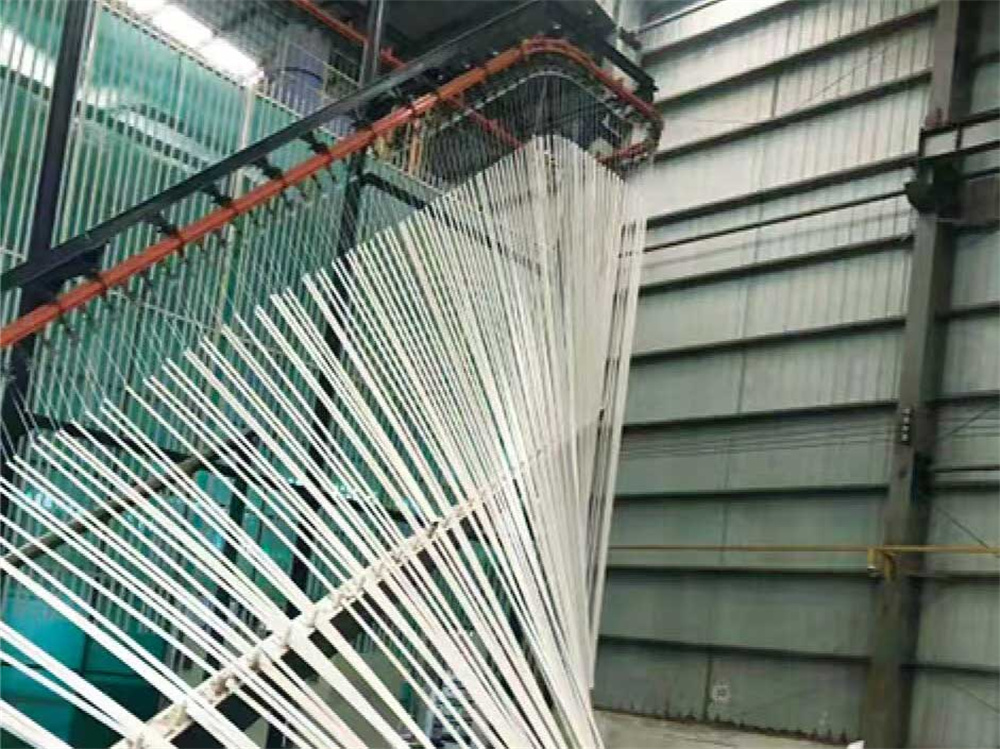
Coastal urban zones require strict protection against environmental factors. In Northern Jakarta areas like Pantai Indah Kapuk (PIK) or Tanjung Priok, architectural aluminum is exposed to elevated chlorine levels and humidity. Without proper protective coatings, this exposure can lead to galvanic corrosion. To mitigate these risks, Aoli Aluminum provides specialized surface treatments to meet structural design requirements:
Fluoropolymer resin-based coatings are highly resistant to weathering, chalking, and UV radiation, making them suitable for high-rise buildings exposed to direct tropical sunlight.
Creates an integrated oxide layer that increases wear and corrosion resistance while maintaining a clean, metallic appearance.
Provides uniform paint coverage on complex extrusion profiles, sealing internal voids for complete structural protection.
To ensure consistency across our output, every production run is subject to testing protocols within our ISO 2859-compliant laboratories. We verify hardness levels (using Webster methods), test structural tensile strength, check coating thickness (to meet AAMA standards), and conduct salt-spray test cycles to simulate decades of exposure to salty marine air.
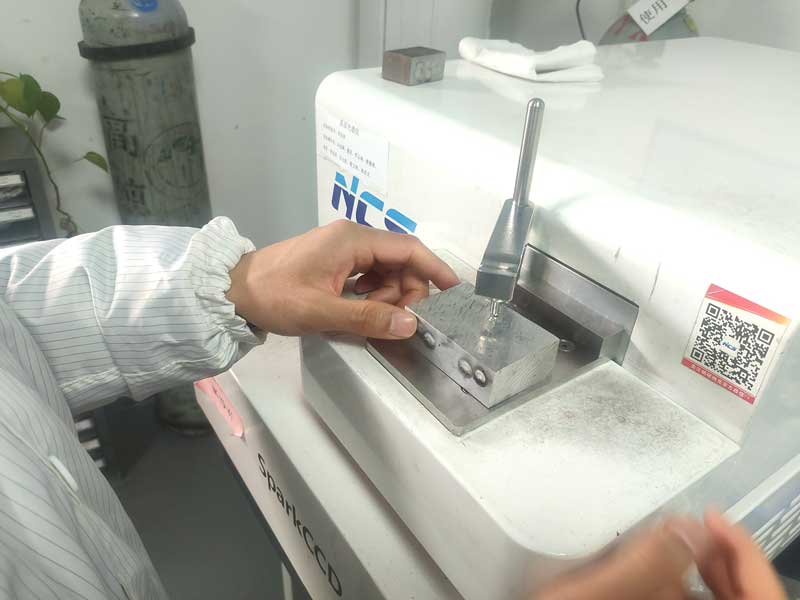
chemical composition analysis
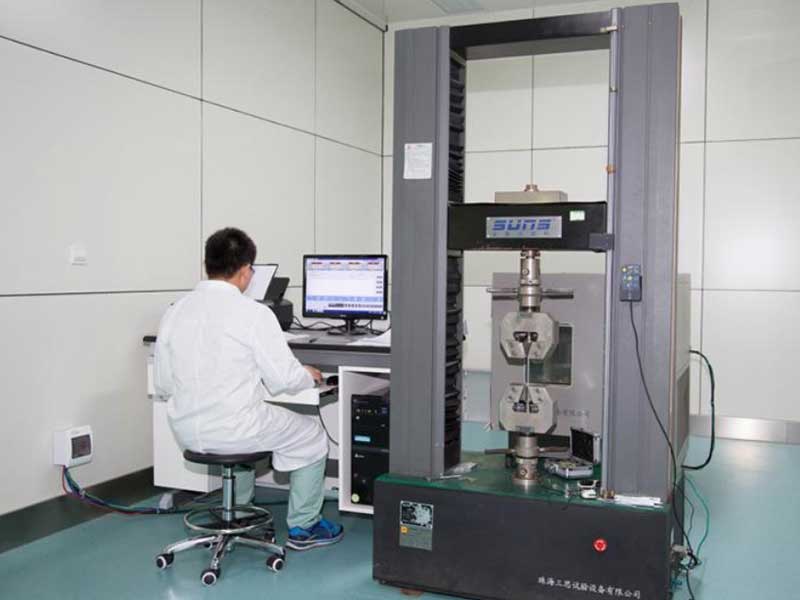
tensile structural test
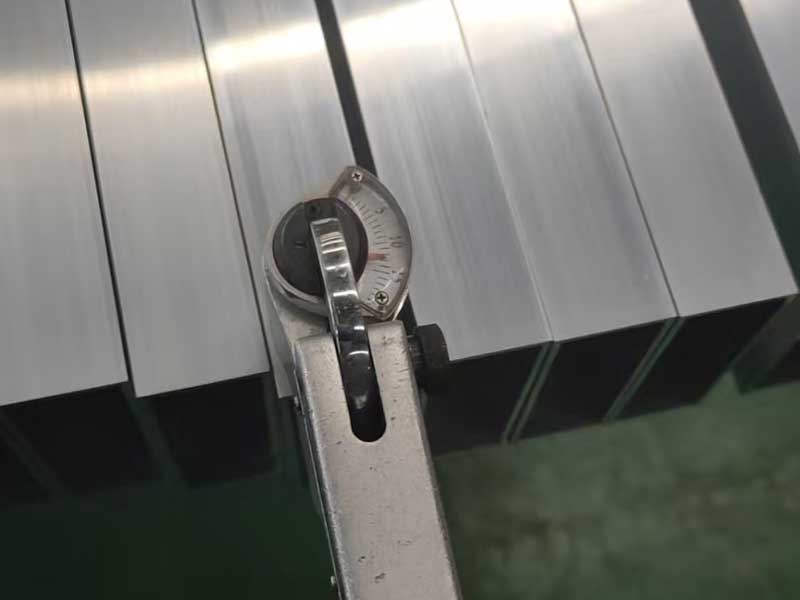
hardness testing
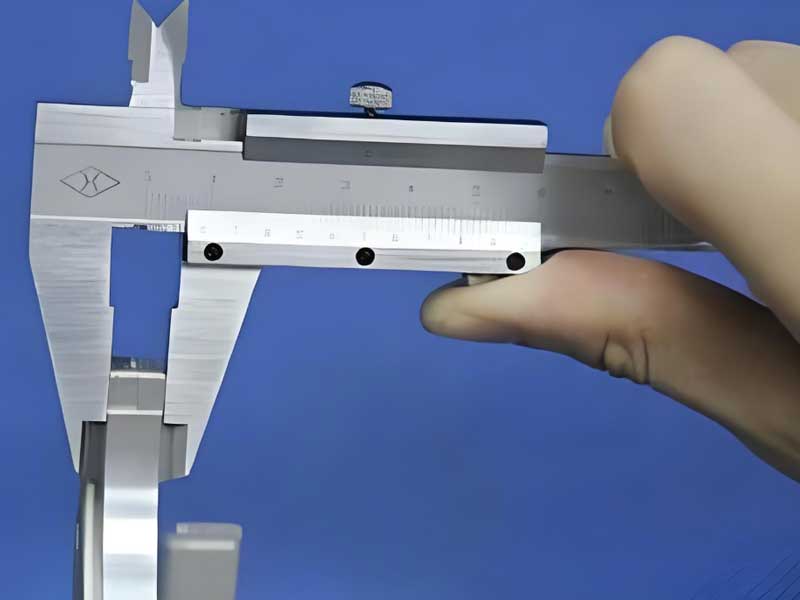
precise dimensional measurement
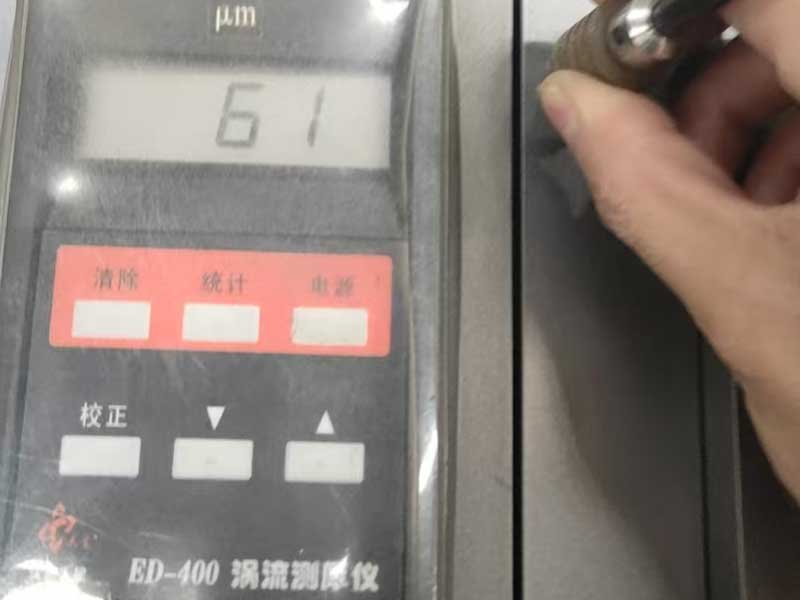
coating thickness test
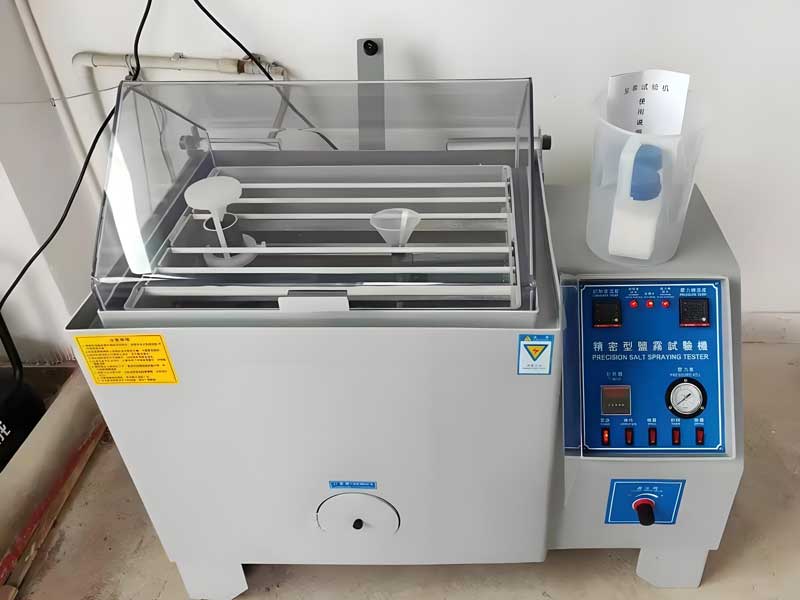
salt spray chamber testing
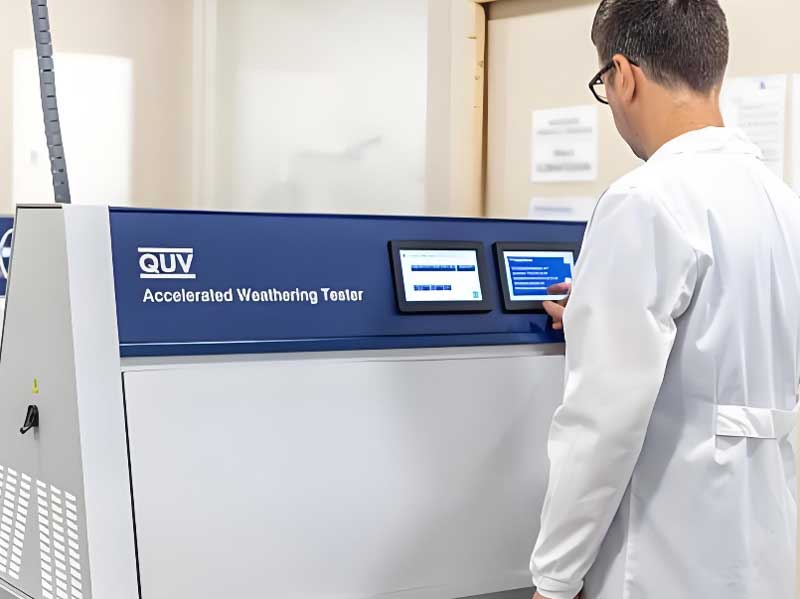
UV aging chamber validation
metallurgical validation
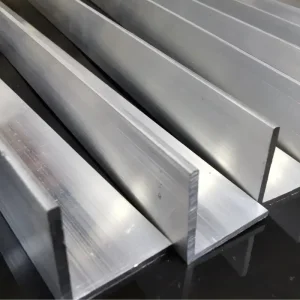
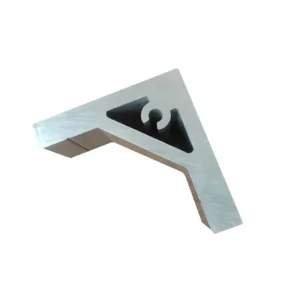
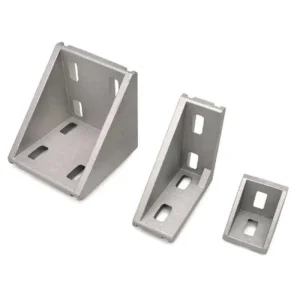
Support brackets, structural structural angles, and customized extrusion solutions for Jakarta industrial and infrastructure installations
High-density business districts in Jakarta, including Kuningan, SCBD, and Pantai Indah Kapuk, require facade systems engineered to handle high wind pressures, dynamic structural movements, and local humidity levels. Standard pre-fabricated components often do not meet these complex requirements. Aoli Aluminum addresses this through a collaborative engineering approach:
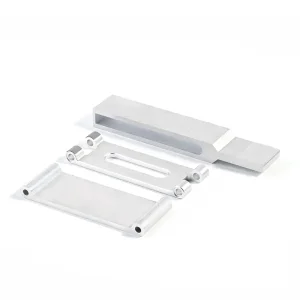
We work directly with engineering, procurement, and construction (EPC) firms, structural engineers, and facade consultants to design custom extrusions that match project-specific wind load calculations, deflection limits, and building tolerances. This process begins with digital profile mockups and finite element analysis (FEA) testing of joints. Once finalized, custom molds are produced within our tool shop to ensure precise dimensional control for subsequent manufacturing runs.
Timely delivery is essential for complex construction schedules. Delays can impact structural assembly phases and overall project timelines. To support this, our logistics team coordinates shipping runs from Guangdong ports directly to Tanjung Priok, managing custom declarations, packing sequences, and documentation. Profiles are bundled in protective crates to minimize surface damage during sea transport and handling.
Expert technical answers regarding structural compliance, thermal properties, surface coating, and regional shipping
Contact Aoli Aluminum's technical engineering department today to discuss profile designs, material alloys, and structural requirements for your upcoming developments in Jakarta.
Send Inquiry Now Aoli Aluminum