Engineered to meet the stringent structural and thermal performance standards of Aichi Prefecture.
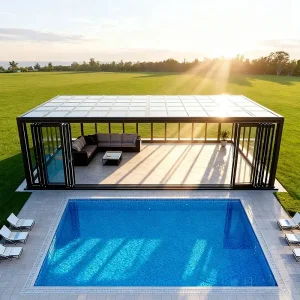
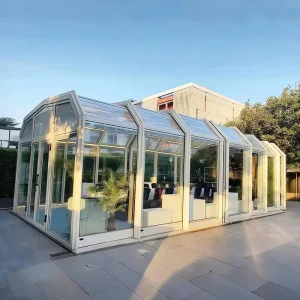
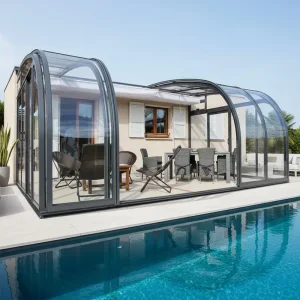
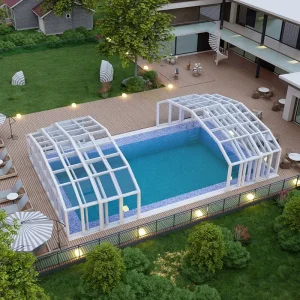
Nagoya, the capital of Aichi Prefecture and the beating heart of Japan's Chubu region, stands as a premier global industrial and manufacturing hub. Traditionally celebrated for its automotive and heavy machinery industries, the urban landscape of Nagoya is undergoing a rapid architectural transformation. Key districts such as Meieki (Nagoya Station Area) and Sakae are seeing high-rise redevelopment projects that demand cutting-edge building envelopes.
In parallel, the commercial sector—ranging from luxury hotels to rooftop dining spaces and premium corporate campuses—is embracing intelligent dynamic spaces. Retractable sunrooms and motorized pool enclosures have transitioned from novelty additions to structural priorities. Property developers are leveraging retractable glazed structures to maximize space utilization throughout the year, navigating Nagoya's distinct seasonal fluctuations—humid, hot summers and cold, dry winters characterized by the local Ibuki Oroshi winds.
The shift toward active, responsive facade systems that minimize carbon emissions and enhance user comfort.
Global building codes are prioritizing carbon reduction. Modern architectural projects leverage structural thermal breaks, multi-layer low-E glazing, and argon-filled glass units to insulate the building envelope, significantly lowering HVAC electricity usage.
Static enclosures are being replaced by automated, sensor-driven retractable roofs. These systems integrate wind, rain, and light sensors that automatically adjust the glass panels to maintain optimal indoor environmental quality without manual intervention.
Using architectural aluminum alloys like 6063-T5 and T6 ensures structural strength while permitting intricate extrusion designs. Advanced finishing technologies, including electrocoatings and PVDF coatings, extend the structural lifecycle to over 30 years.
Empowering Nagoya developers with vertically integrated manufacturing, high-precision extrusion, and ISO 9001 compliance.
To satisfy the highly rigorous architectural tolerances required in Japan, Aoli Aluminum leverages advanced Factory 4.0 methodologies across our production bases. Operating four high-tech production sites across Sihui and Foshan, Guangdong, we bridge the gap between design and volume supply, producing over 100,000 tons of high-grade architectural and industrial aluminum profiles annually.
By controlling the entire process from alloy extrusion (900-ton to 2000-ton capacity presses) to advanced surface finishing (PVDF, anodizing, electrophoretic coatings), we control costs and guarantee structural integrity. For Japanese engineering contractors, this means accessing profiles custom-extruded to tight tolerances with complete trace-ability, quality certification, and direct pricing.
Each batch destined for international projects, particularly in safety-conscious markets like Japan, undergoes comprehensive laboratory testing. Our quality policy guarantees:
Adapting global aluminum extrusion excellence to regional weather conditions and safety standards.
High-rise retail developments and modern corporate headquarters in downtown Nagoya require premium structural glazing profiles. Our thermal break profiles minimize HVAC load, ensuring compliant envelopes that meet stringent energy conservation targets.
Heavy marine industrial plants and logistics warehouses along the Port of Nagoya require corrosion-proof architectural profiles. Aolijie's custom PVDF-coated aluminum claddings prevent degradation from coastal sea spray and high industrial sulfur emissions.
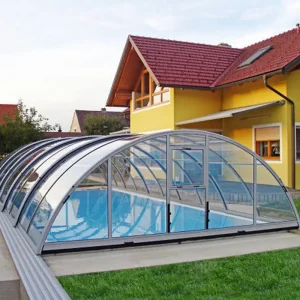
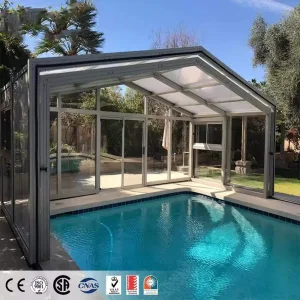
High-end residential villas and private wellness clubs in Nagoya's prime residential districts require motor-controlled retractable pool enclosures. Engineered with architectural polycarbonate and insulated glass, they deliver four-season comfort.
Custom-engineered shapes and system subcomponents to fulfill specific structural layouts.
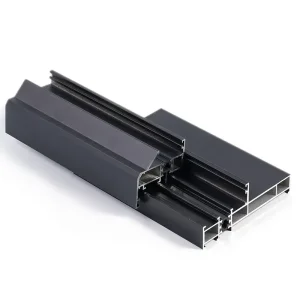
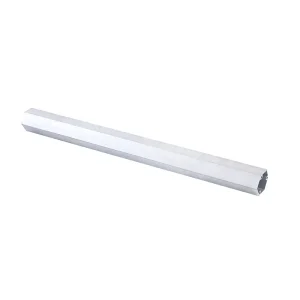
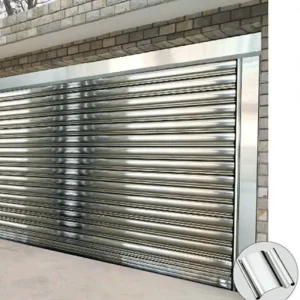
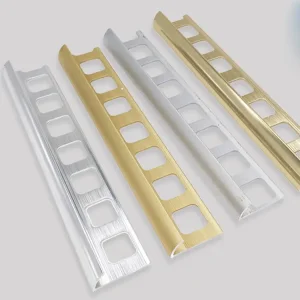
Founded by Mr. Wong in 2009, Aoli Aluminum has evolved alongside China's meteoric industrial development. Since 2000, Mr. Wong realized that high-quality aluminum extrusions could drive urban sustainability and architectural design. Today, our main brand "Aolijie" stands as a symbol of structural strength and visual consistency across international markets.
Our corporate culture revolves around three foundational pillars:
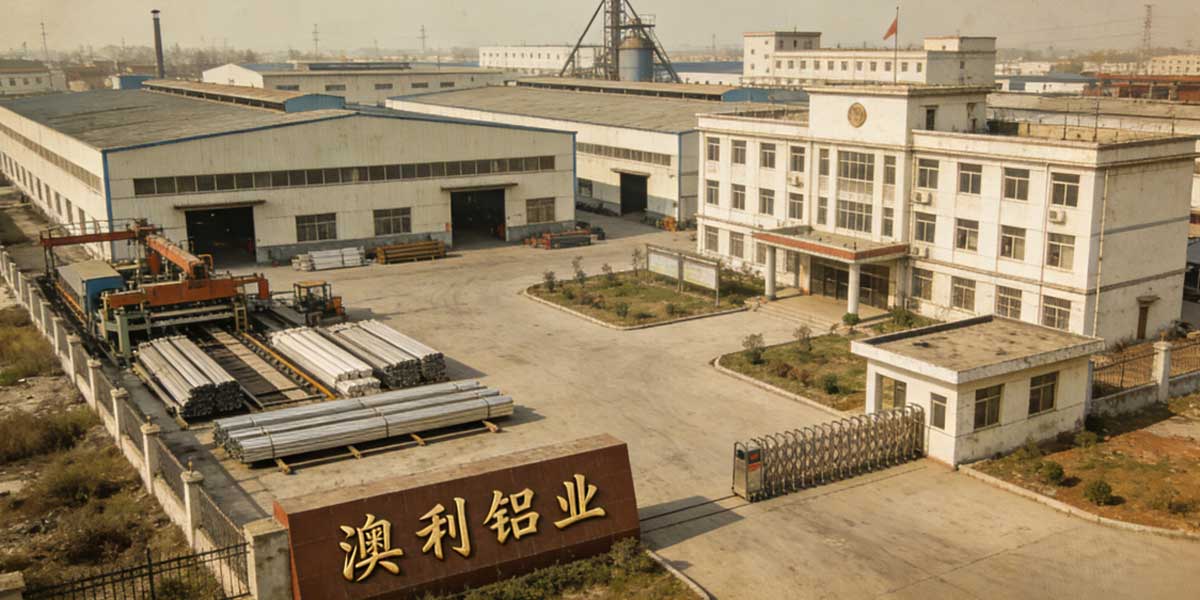
Our initial 10,000 sq. meter extrusion facility commenced operation in Sihui, Guangdong Province, introducing high-grade standard profiles under the "Aolijie" banner.
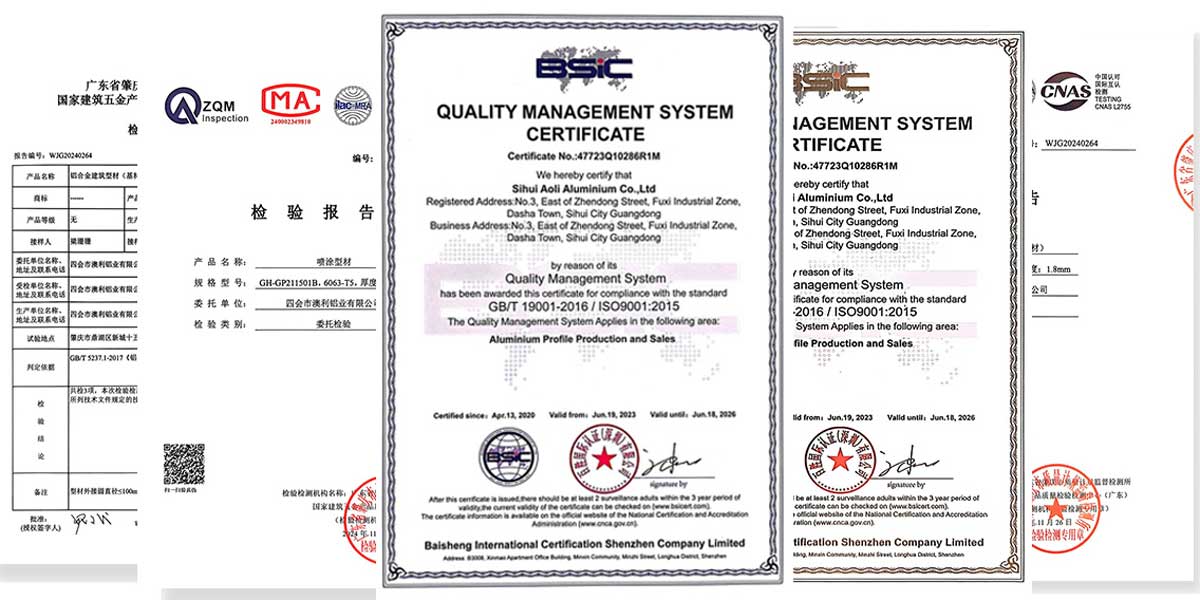
Obtained 13 architectural patents and secured ISO 9001 quality system certification, raising production controls to global export standards.
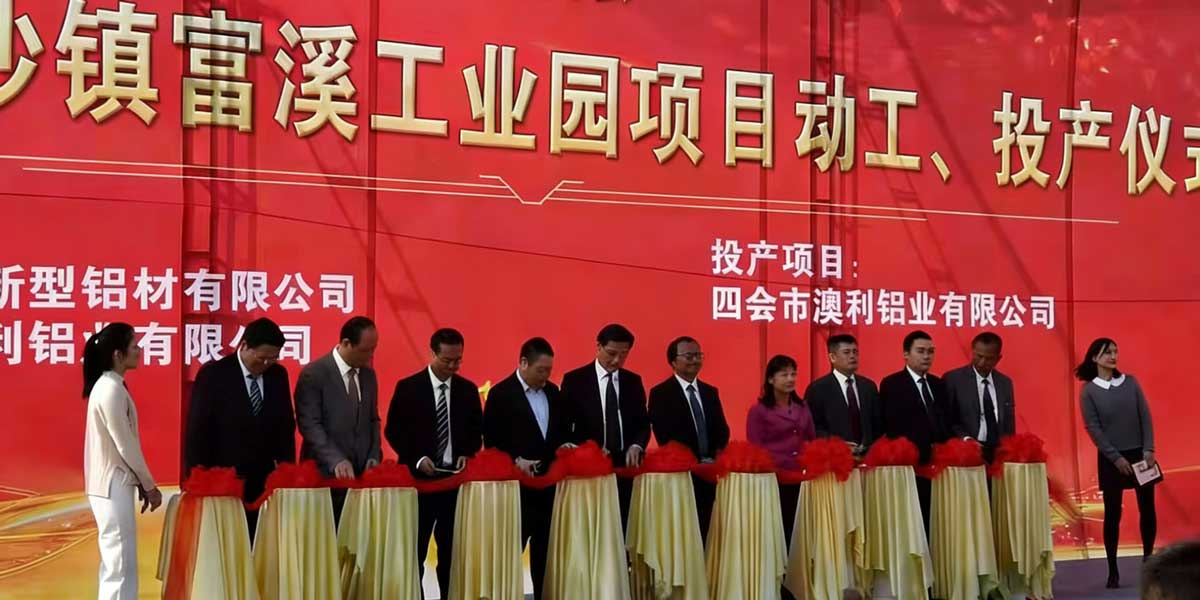
Constructed a massive 100,000 square meter smart manufacturing plant, elevating annual production capacity to 100,000 tons to handle large-scale commercial contracts.
Opened our dedicated international sales office in Foshan and set up localized logistics support in Malaysia to improve regional response times and service delivery.
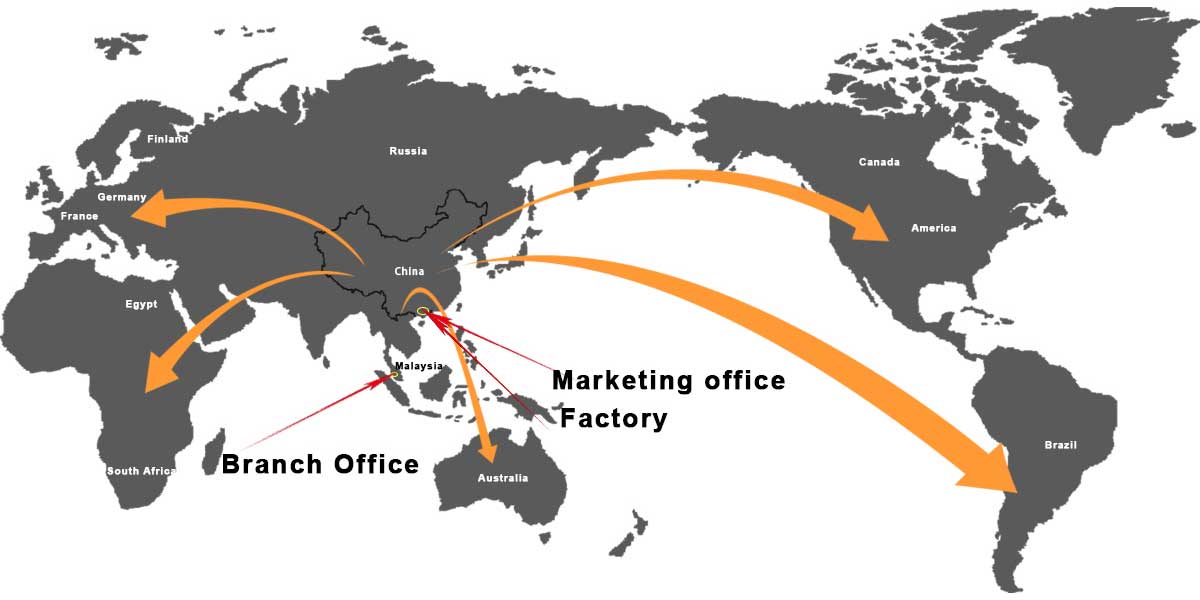
Every batch undergoes exhaustive testing to guarantee reliable performance in wind load, heavy snow, and saline coastal conditions.
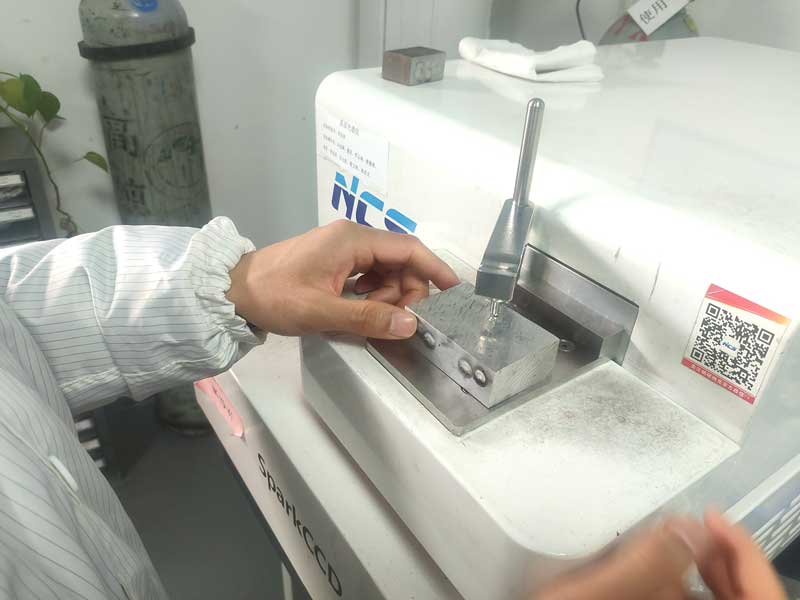
Verifies exact alloy distribution (Si, Mg, Fe, Cu) to guarantee chemical compliance for high structural load capacities.
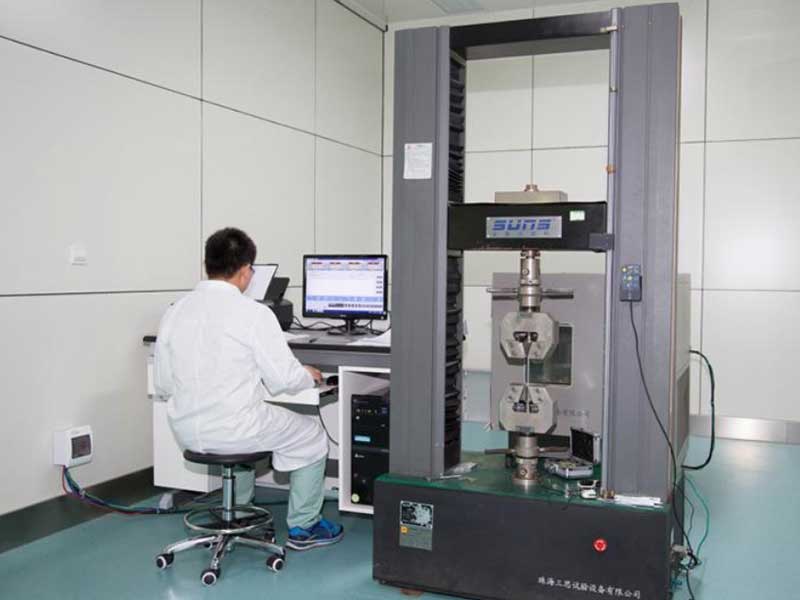
Measures yield strength, ultimate tensile strength, and elongation limits to confirm reliable structural load support.
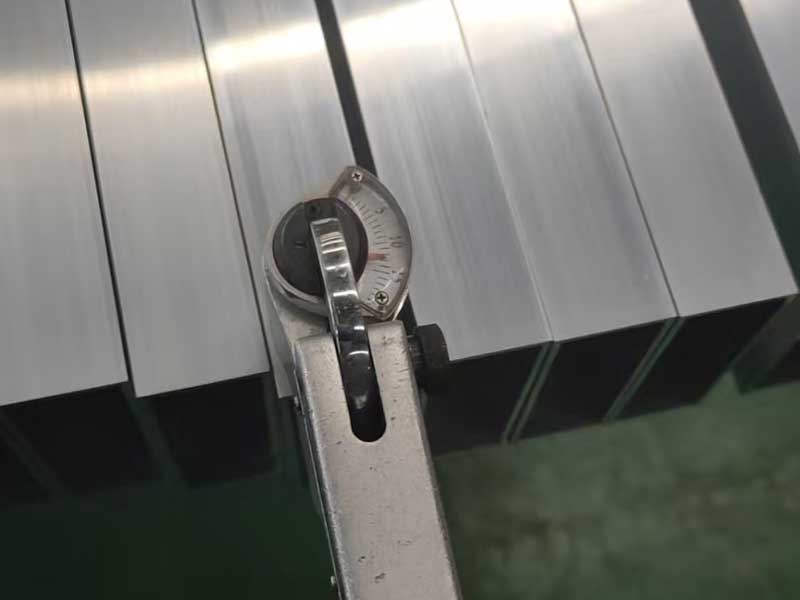
Measures Webster hardness values to verify that heat treatment cycles achieve maximum architectural rigidity.
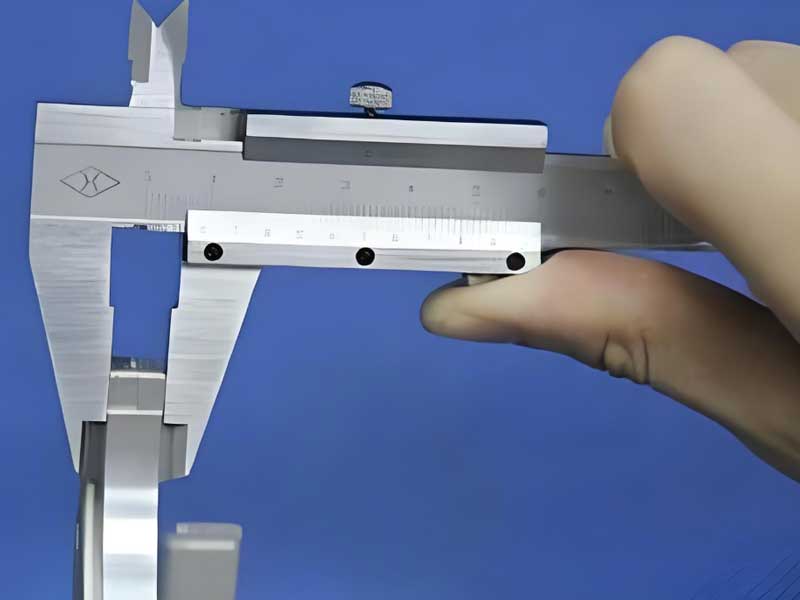
Employs digital optical comparators to confirm wall thickness, geometry, and structural straightness.
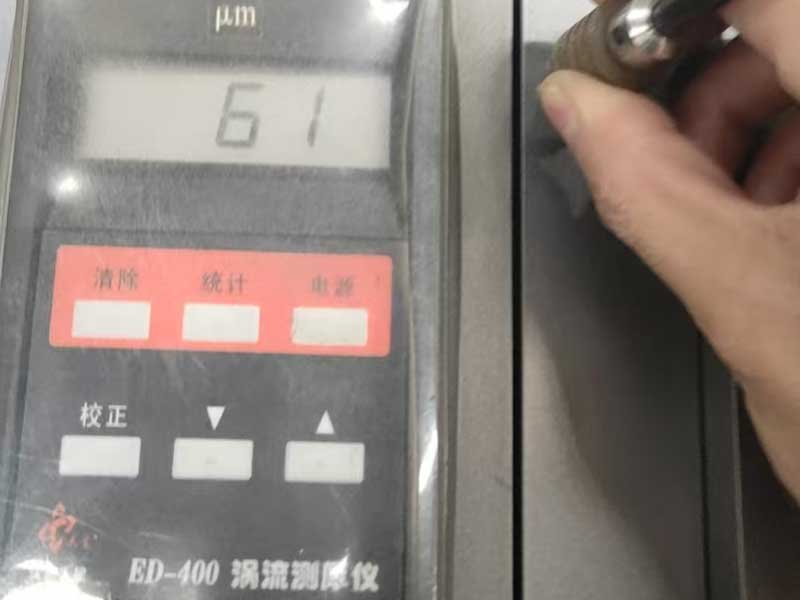
Tests PVDF, anodizing, and powder coatings for adhesion performance and dry film thickness alignment.
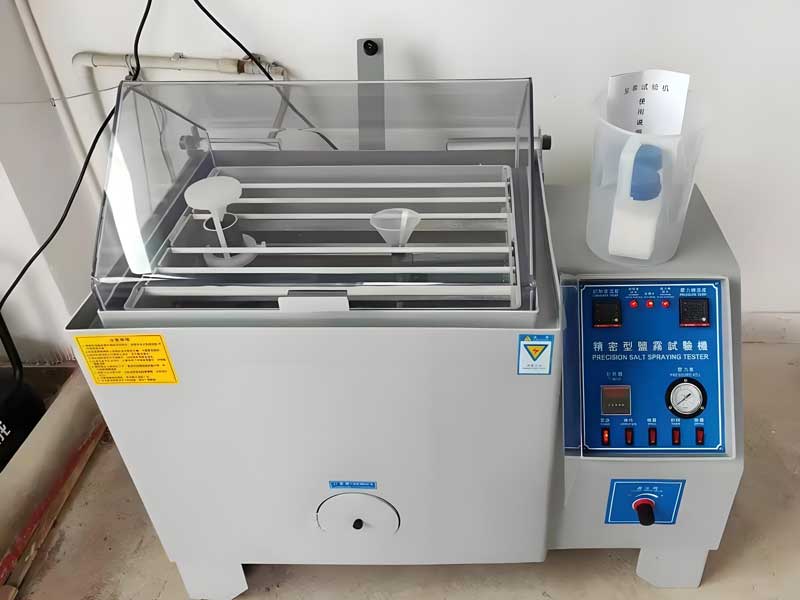
Exposes profiles to concentrated salt fog to ensure high resistance to coastal marine air degradation.
Designed for architects, envelope consultants, and structural engineers in Nagoya.
| Profile Application | Alloy Grade | Tensile Strength (MPa) | Hardness (HW) | Available Surface Finishes | Structural Compliance |
|---|---|---|---|---|---|
| Curtain Wall Mullions & Transoms | 6063-T6 / 6061-T6 | ≥ 205 / ≥ 260 | ≥ 12 / ≥ 15 | PVDF Coating, Anodized, Electrophoresis | JIS H4100, ASTM B221 |
| Retractable Roof Framing | 6063-T5 / T6 | ≥ 160 / ≥ 205 | ≥ 10 / ≥ 12 | PVDF, Custom Powder Coating, Wood Grain | AAMA 2605, EN 755 |
| Thermal Break Window Profiles | 6063-T5 | ≥ 160 | ≥ 10 | Polyamide Strip Insertion, Multi-Color Powder Coating | GB/T 8478, JIS A4702 |
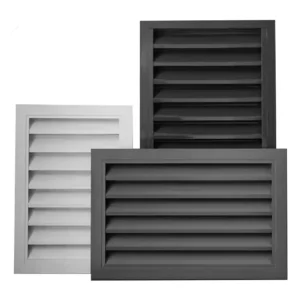
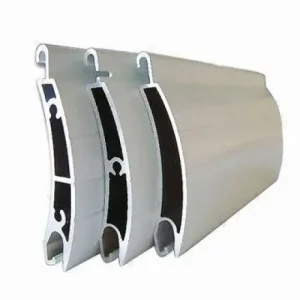
| Heavy Duty Louvers & Shutters | 6063-T5 | ≥ 160 | ≥ 10 | Powder Coating, Architectural Anodized | JIS H8601, AS 1231 |
| Structural Glazing Profiles | 6063-T6 | ≥ 205 | ≥ 12 | Anodized, PVDF Coating | ASTM C1401, JIS A5759 |
Answers to common structural, thermal, and logistics questions from professional developers.
Our custom-engineered curtain wall mullions use sliding expansion sleeves and specialized structural glazing joints. This design permits localized inter-story movement and accommodates displacement from seismic drift without stressing the glass or structural sealant, aligning with strict Japanese seismic building codes.
We supply thermal-break aluminum profiles equipped with high-density polyamide (PA66-GF25) strips. Combined with double or triple insulated glass units (IGUs) containing low-E coatings, this creates an effective thermal barrier that prevents winter heat loss and blocks humid summer heat, helping achieve Net Zero Energy Building (ZEB) compliance.
We recommend a PVDF (polyvinylidene fluoride) paint finish with a minimum thickness of 40 microns, meeting AAMA 2605 standards, or heavy-duty anodized finishes exceeding Class I (25 microns) limits. These surfaces resist atmospheric salinity and humidity, preventing oxidation and color fade.
Yes. Our retractable pool enclosures are engineered using high-strength 6063-T6 aluminum alloys. We perform structural load analysis to verify structural integrity under regional snow loads and high wind conditions, using thick polycarbonate panels or tempered glass to ensure safety.
By integrating extrusion, machining, surface finishing, and quality control under one manufacturer, we eliminate dependency on third-party suppliers. We coordinate delivery with direct shipping lines from Guangdong to the Port of Nagoya, providing clear timelines and robust shipping packaging to prevent transit damage.
Additional commercial products, all manufactured to precise engineering tolerances.
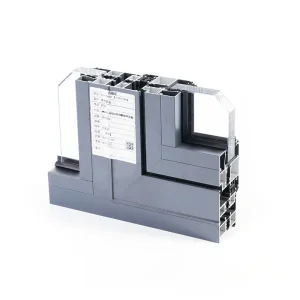
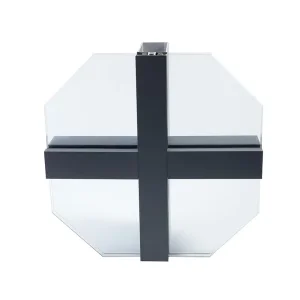
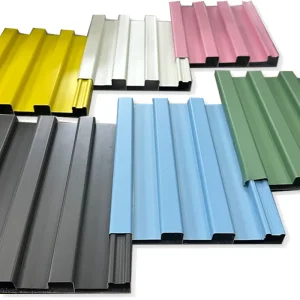
Whether you require custom extrusion dies, detailed CAD drafting, wind-load calculation files, or sample profiles, our engineering and logistics support teams are ready to assist.
 Aoli Aluminum