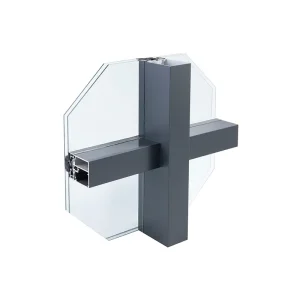
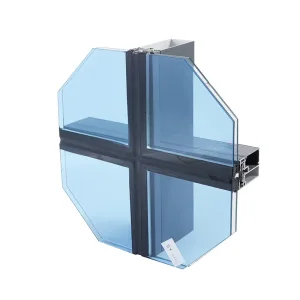
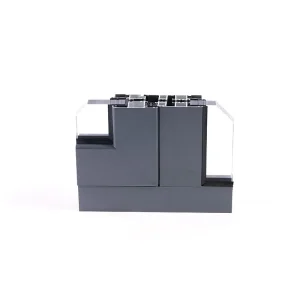
Specifically fabricated to withstand the intense wind loads and sub-zero temperatures typical of Oslo, Bergen, and coastal Nordic regions. These profiles incorporate advanced thermal break barrier technology.
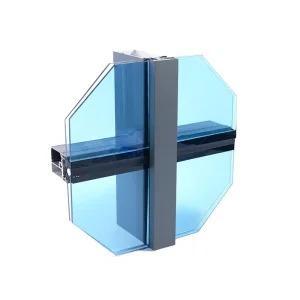
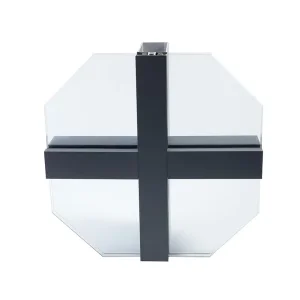
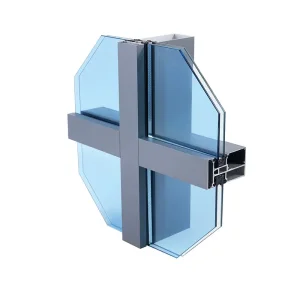
Norway presents a unique matrix of environmental challenges for building envelopes. The intersection of severe Atlantic windstorms, low temperatures, and aggressive marine coastal environments demands curtain walls with unparalleled structural resistance and high-efficiency thermal performance. Structural envelopes in Norway must adhere strictly to the TEK17 Norwegian Building Regulation, which mandates incredibly low U-values for windows and glass walls—typically demanding U-values of ≤ 0.8 W/m²K for passive houses and energy-neutral construction.
In cities like Tromsø, Trondheim, and Bergen, wind pressure calculation is critical. Curtain wall structures must be engineered to handle dynamic wind pressure exceeding 2.0 kN/m² without compromising structural joints or air-tightness. By utilizing advanced 6063-T6 or 6061-T6 alloy bases and deploying multi-cavity thermal break designs filled with high-density polyamide insulation, our curtain wall profiles serve as a reliable barrier against extreme heat loss.
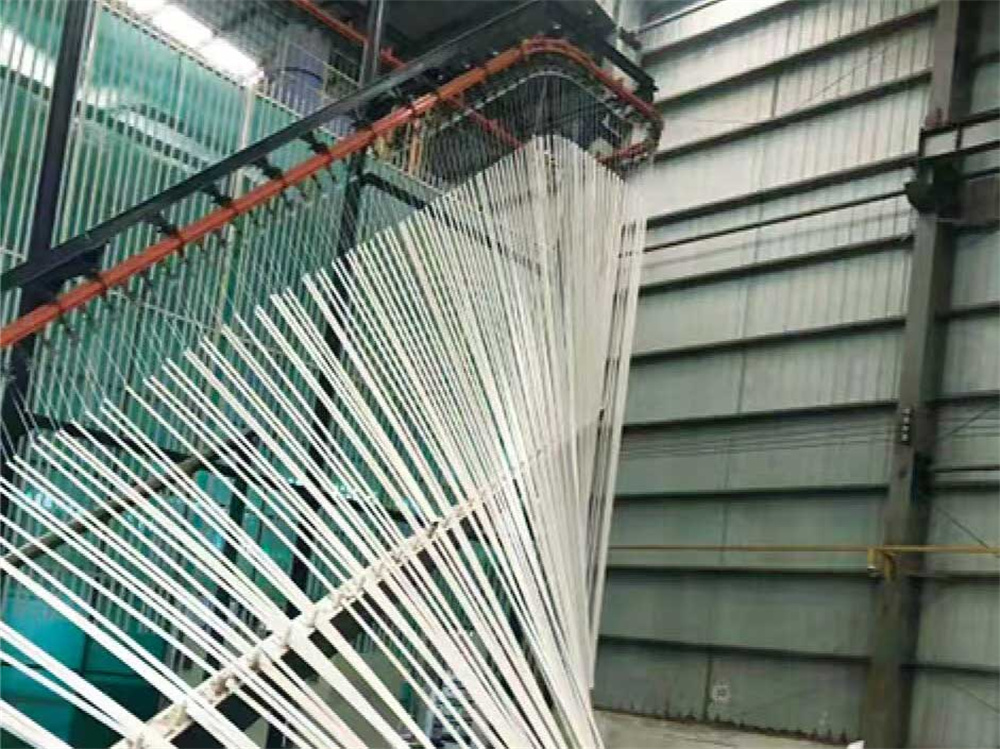
Furthermore, corrosion mitigation is paramount. Coastal projects require specialized surface treatments to satisfy the C5-M (Marine Atmospheric) corrosion resistance class. Our standard processes include high-thickness architectural anodizing and premium PVDF (Fluorocarbon) coating, which resist saltwater spray, strong UV radiation, and heavy snow accumulation.
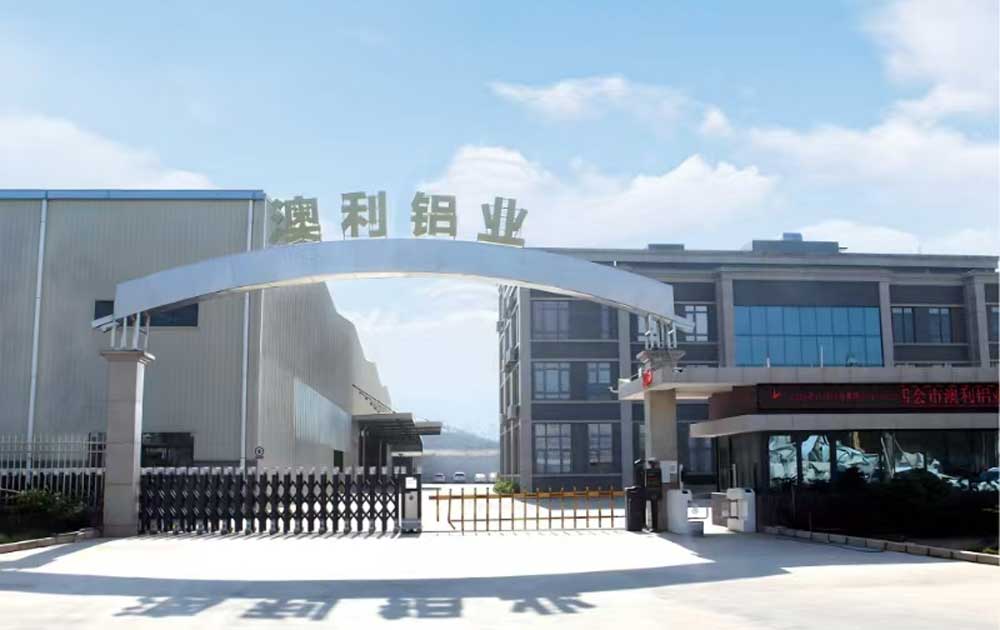
Aolijie combines deep R&D and integrated manufacturing pipelines to deliver structural and architectural materials globally, with deep engineering compliance specifically tailored for the Nordic building sector.
Leveraging advanced automation, smart logistics, and vertically integrated manufacturing blocks to maintain robust supply chains for Norwegian commercial developers and general contractors.
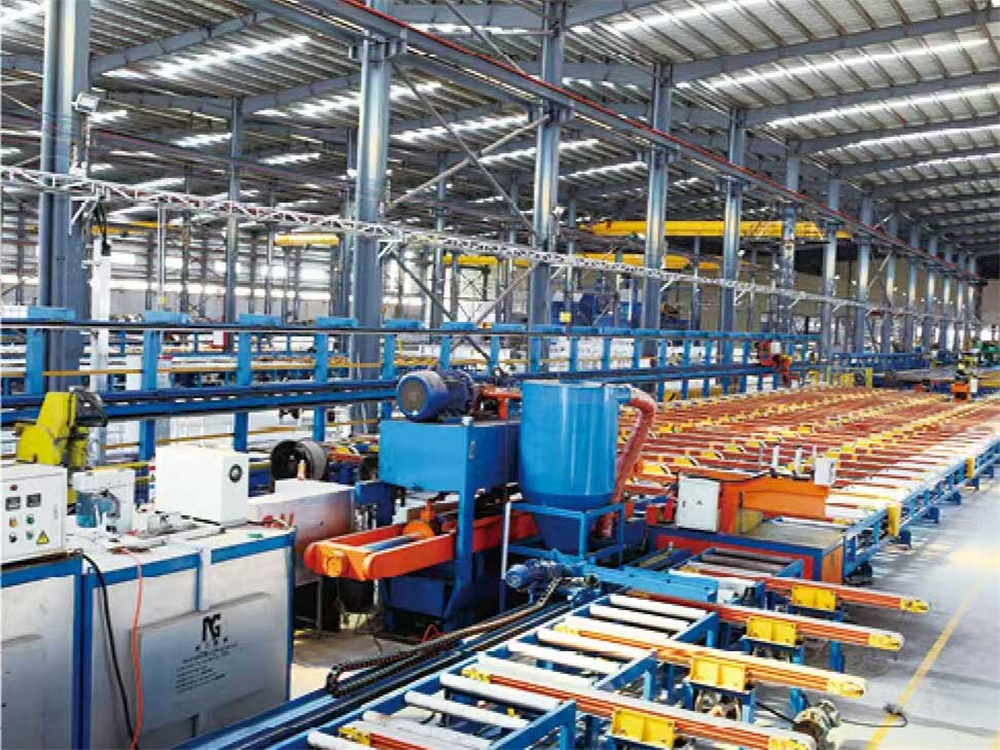
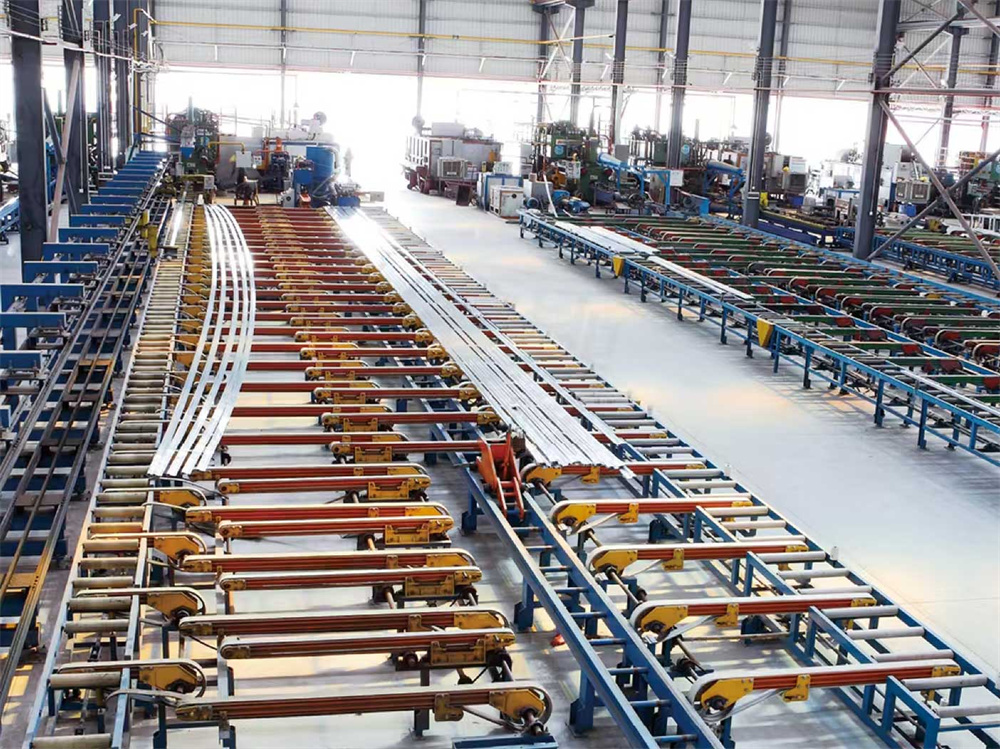
We control every phase, from raw aluminum billet melting, chemical component verification, and extrusion, to CNC precision milling, custom stamping, and surface finishing.
Equipped with advanced precision CNC equipment to execute customized structural detailing, pre-drilled fastening layouts, and custom lengths, ensuring immediate installation on-site.
Seamless customs documentation and strategic logistics routes to Norwegian ports, including Oslo Havn, Bergen Havn, and Stavanger, mitigating delays and reducing project lag times.
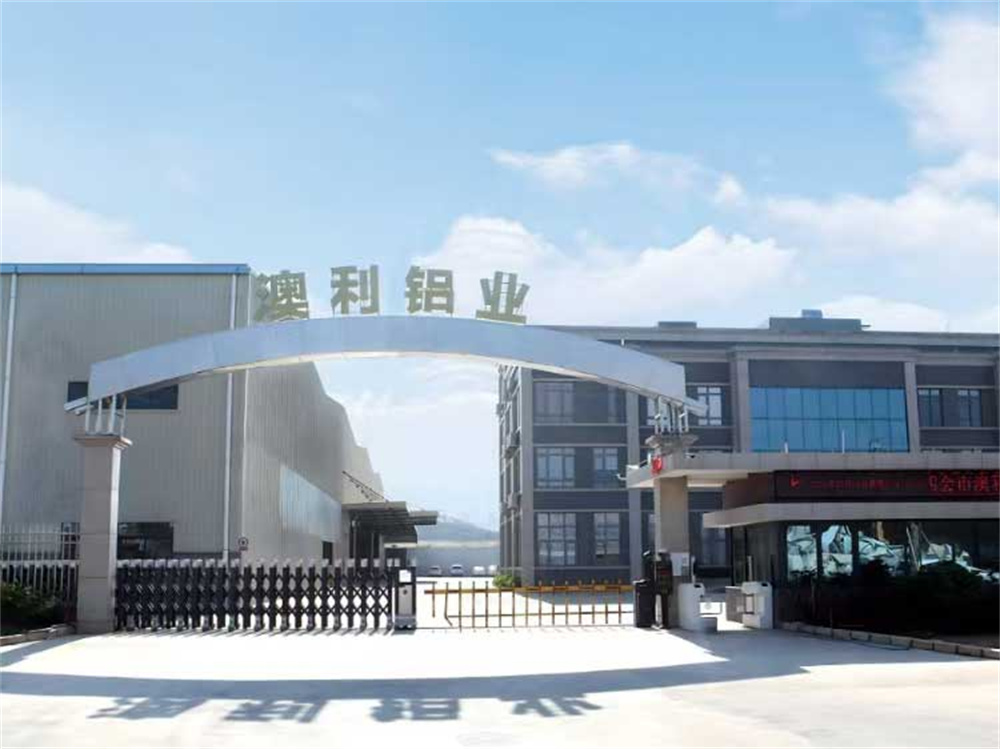
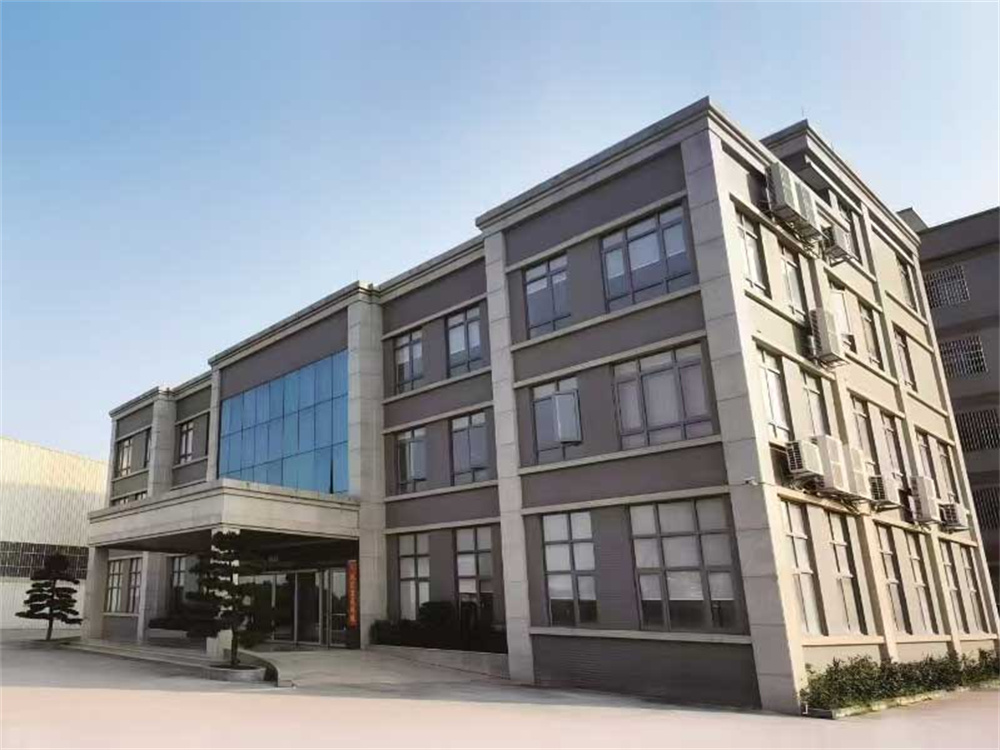
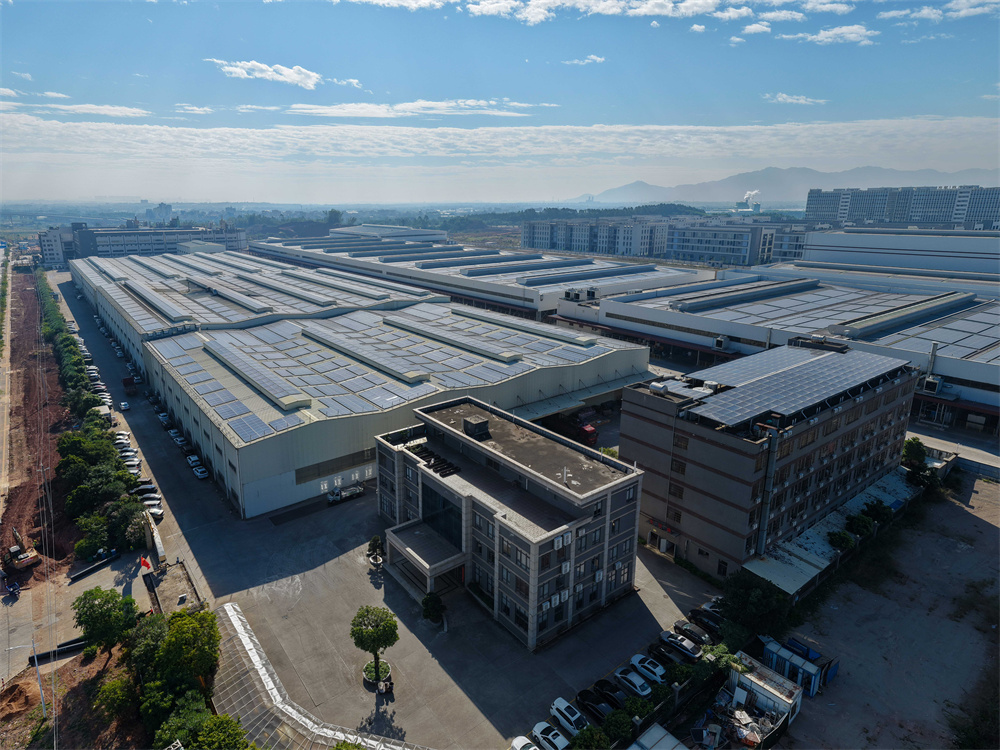
Established in 2009, Aoli Aluminum integrates research and development, high-capacity fabrication, and international B2B sales. We specialize in custom-extruded aluminum alloy profiles for construction, high-end interior architecture, and industrial machinery components. Headquartered in Sihui, Guangdong, and bolstered by commercial offices in Foshan, Aoli operates under strict ISO 9001 quality management guidelines to ensure that all exported building profiles meet global structural standards.
Our core operating mission is "building sustainable cities for the world." We are committed to fostering deep collaboration with engineers, architects, and facade contractors to produce sustainable materials that reduce the carbon footprint of modern buildings.
Our flagship brand, "Aolijie", is deeply connected with the rapid evolution of China's modern structural aluminum industry. Since 2000, our founder, Mr. Wong, worked extensively in the building materials industry, identifying the critical need for sustainable, lightweight, and durable facade alloys.
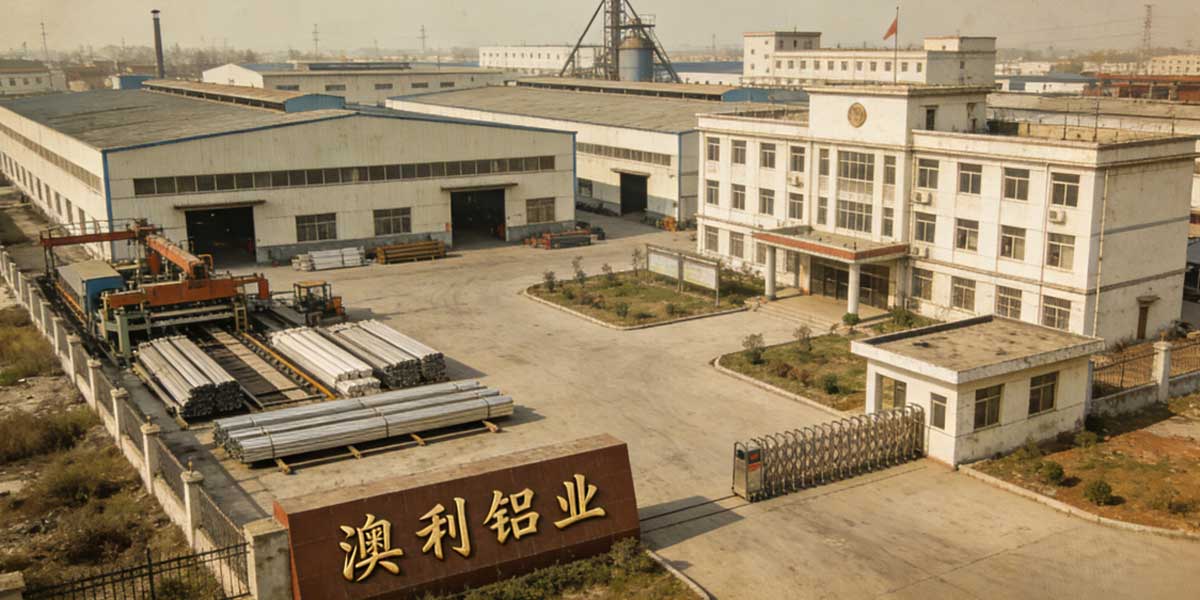
Established a 10,000 square meter fabrication facility in Sihui, Guangdong. Launched the "Aolijie" brand to focus on high-durability architectural extrusions.
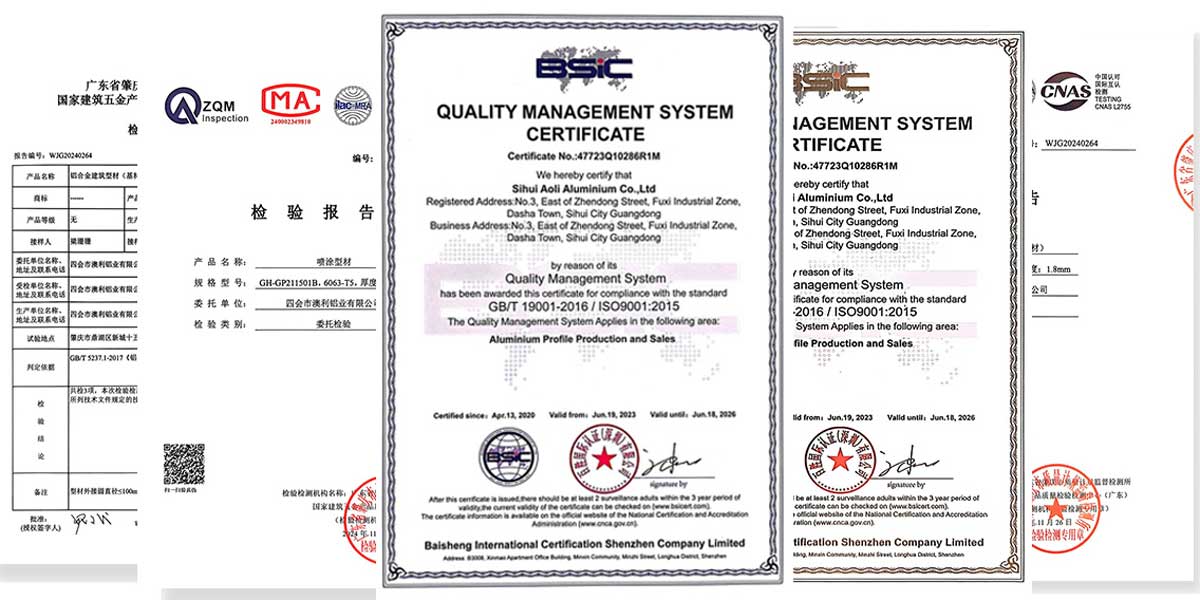
Secured 13 proprietary structural patents and obtained official ISO 9001 certification. Established strong global quality controls.
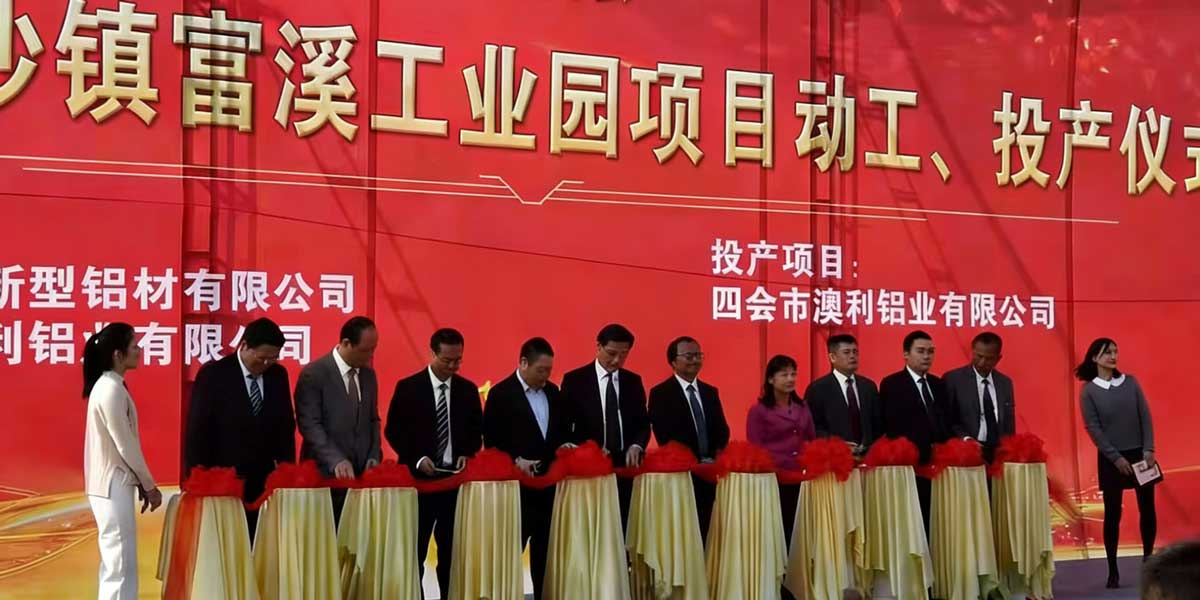
Invested in a large-scale 100,000 square meter factory complex. Increased total annual output capacity to 100,000 tons of alloy profiles.
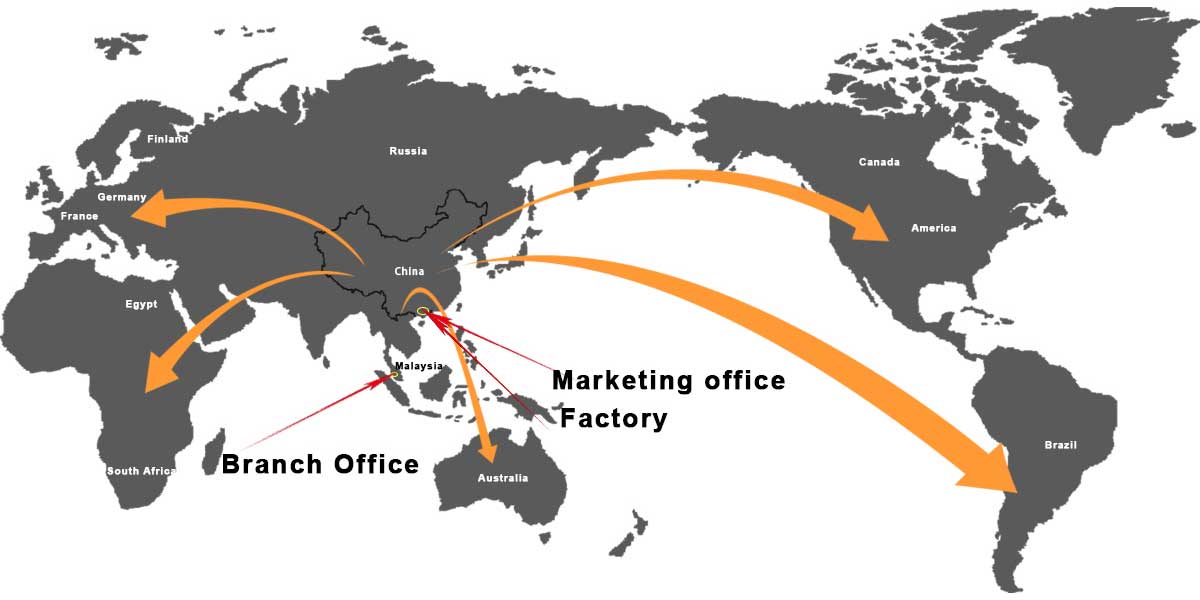
Expanded export offices to Foshan and established localized representative hubs globally to support markets like Norway and the EU.
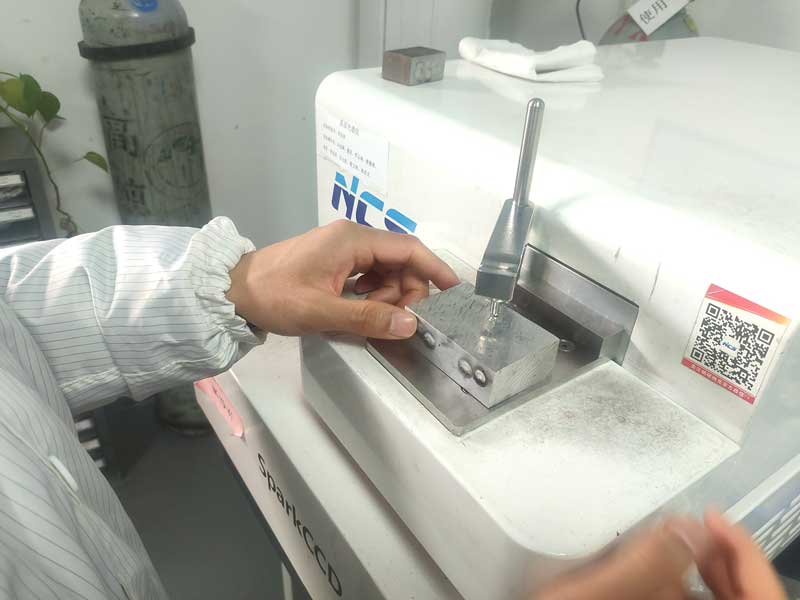
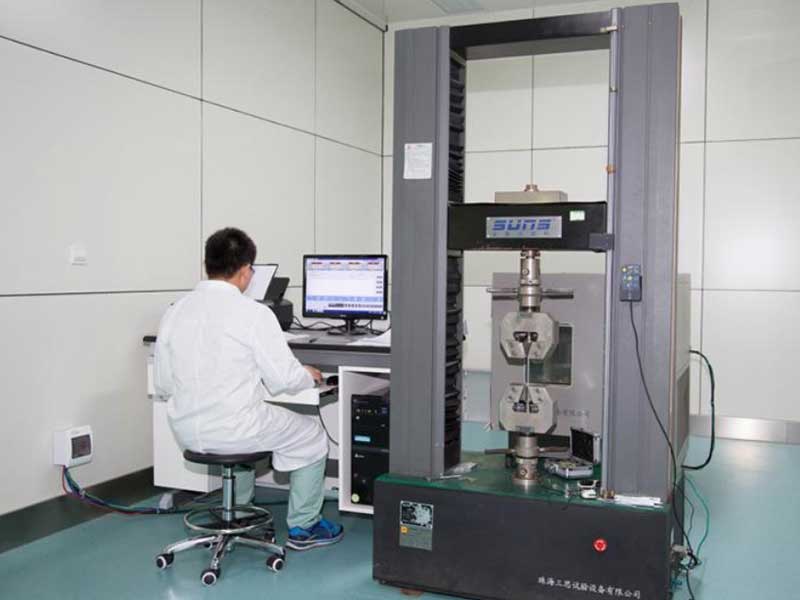
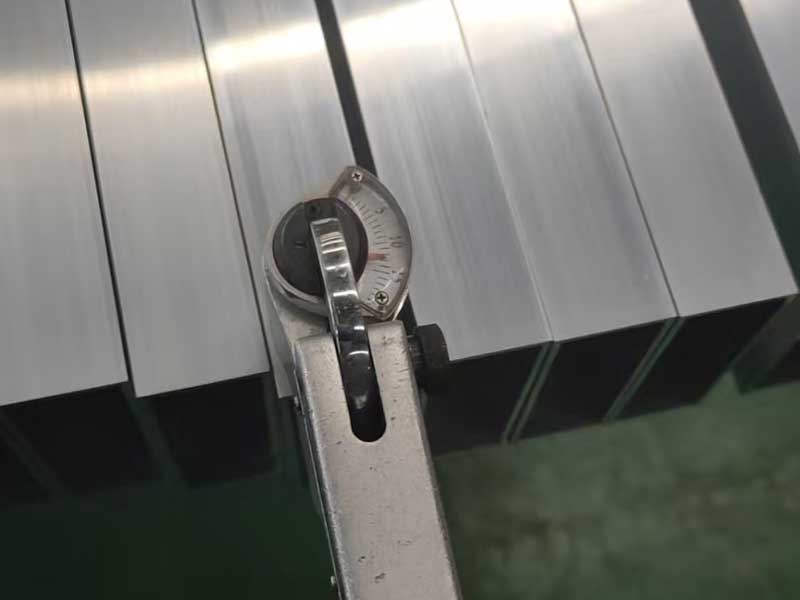
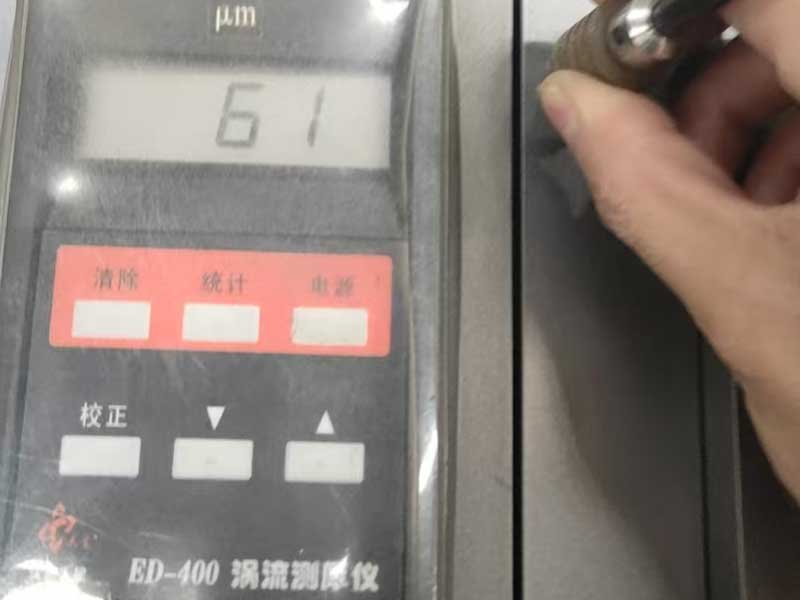
To ensure mechanical reliability and corrosion resistance under Norway's environmental guidelines, every production batch undergoes rigorous laboratory testing based on ISO 2859 standards.
Spectrographic analysis guarantees correct chemical compositions of magnesium, silicon, and aluminum to achieve full tensile strength.
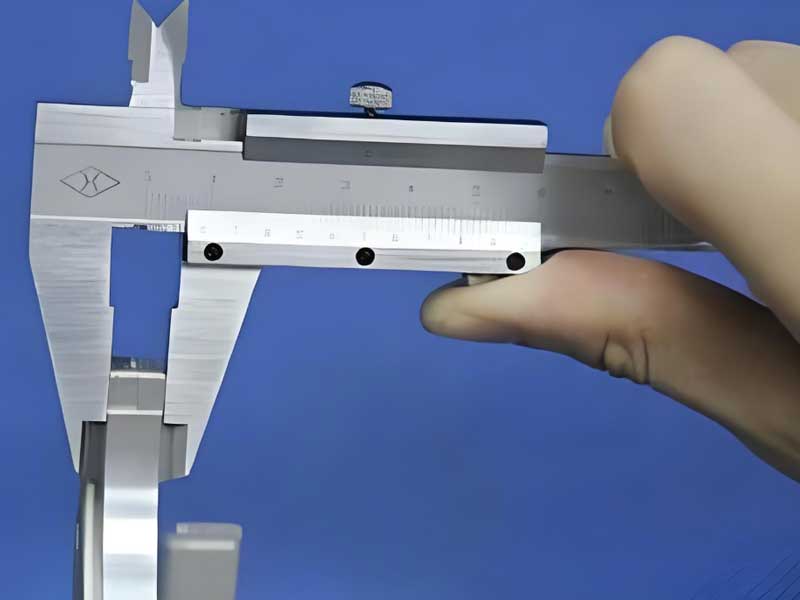
Digital calipers and projection technology verify custom dimensions against engineering drawings within ±0.1mm tolerances.
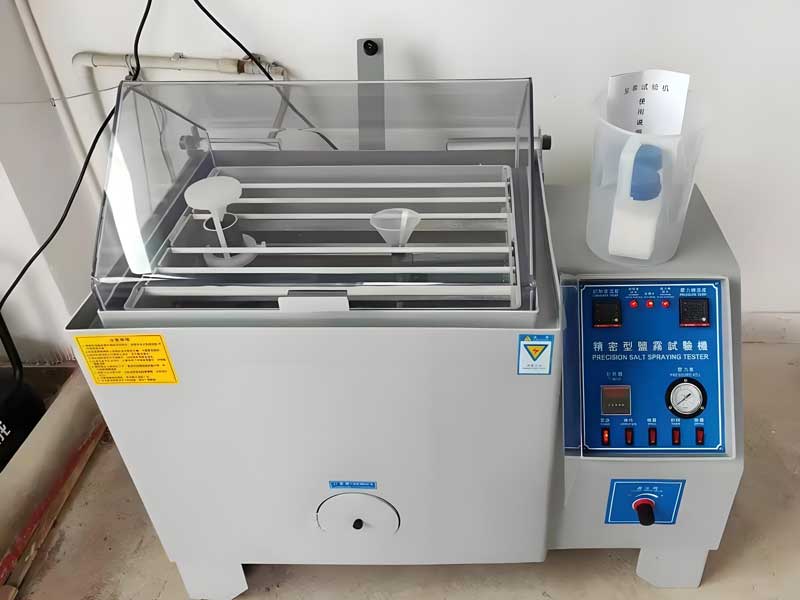
Simulates aggressive marine air in coastal areas to verify that anodized and PVDF surfaces prevent atmospheric corrosion.
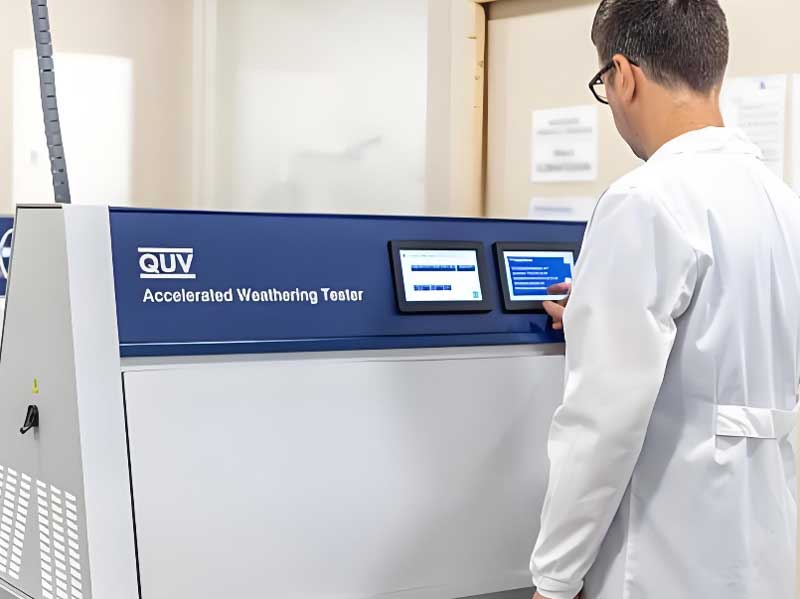
Accelerated solar tests verify that external coatings retain their color and structure over decades of exposure.
Explore our building profiles and industrial structural extrusions designed for global projects requiring reliability and load compliance.
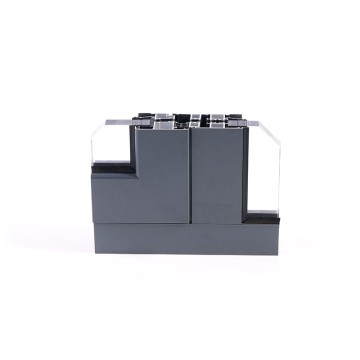
Weatherproof inward tilt-turn profiles for high-latitude ventilation.
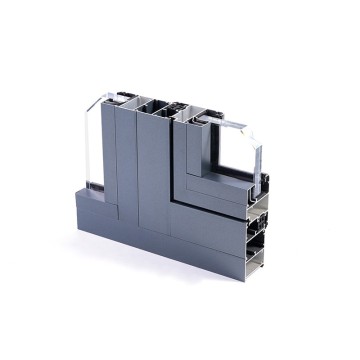
Engineered support structures with optimized hardware tracks.
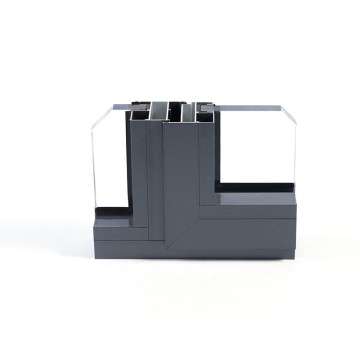
Multi-seal barriers engineered to stop rain infiltration.
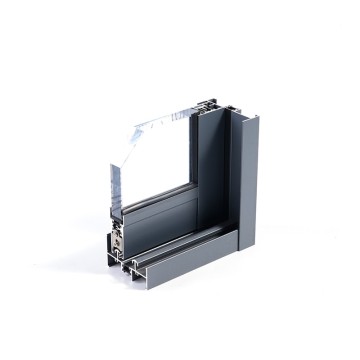
Designed for high-rise residential and commercial builds.
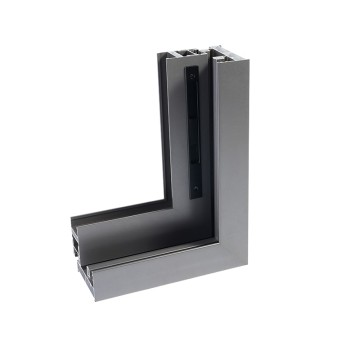
Advanced gliding profiles for large panoramic glass configurations.
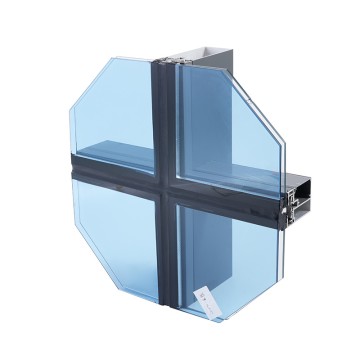
High-moment inertia structural mullion and transom systems.
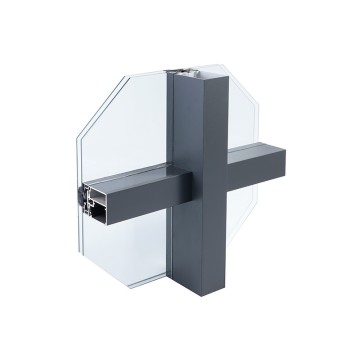
Reinforced structural profiles designed for high wind load facades.
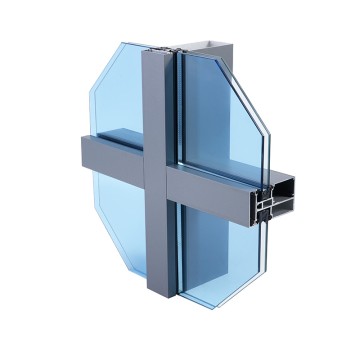
Architectural glass facade framing supporting high insulating values.
With an annual capacity of 100,000 tons and extrusion presses ranging from 900 to 2000 tons, we support custom alloy fabrications for demanding industrial requirements.
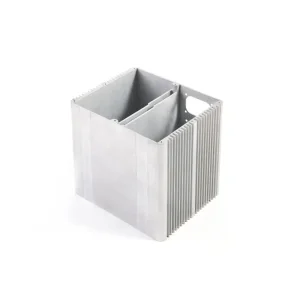
Our custom extruded profiles are widely used in structural glazing, architectural envelopes, and solar systems globally, meeting strict structural load requirements.


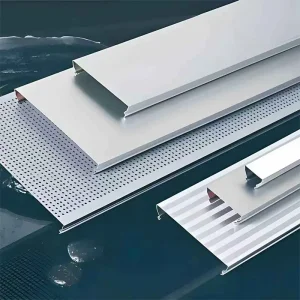
These options support architectural facades and specialized thermal engineering.
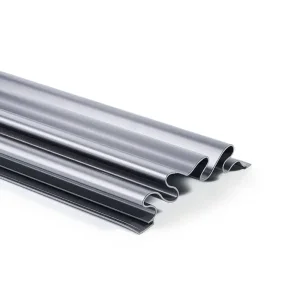
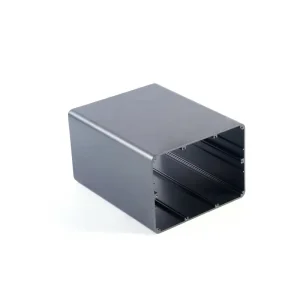
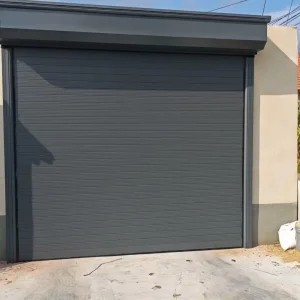
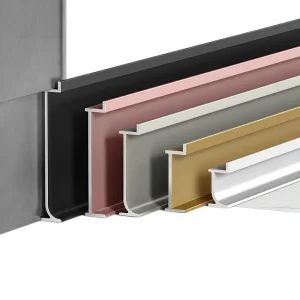
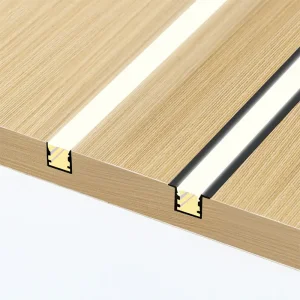
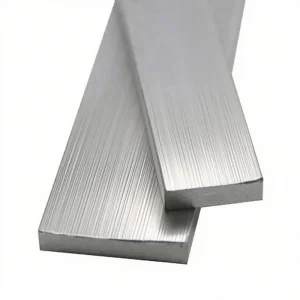
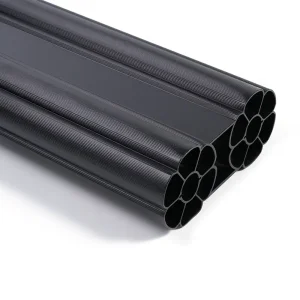
These high-durability industrial and interior profiles serve manufacturing, machinery framing, and custom engineering projects.
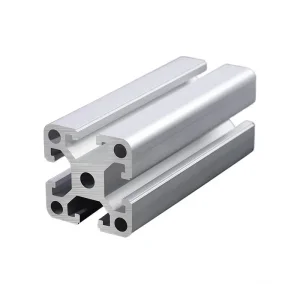
Key information regarding compliance, structural configurations, design criteria, and custom orders for Nordic facade projects.
Under Norway's TEK17 building standards, the default requirement for window and glass curtain wall U-values is typically ≤ 1.2 W/m²K. However, modern commercial projects and passive house standards routinely demand thermal envelope performances of ≤ 0.8 W/m²K. We achieve these specifications by utilizing deep-cavity thermal break extrusions, polyamide insulation bars, and supporting triple-pane insulated glass units (IGUs).
Our structural mullions and transoms are designed with high moments of inertia using 6063-T6 or 6061-T6 aluminum alloys. We perform finite element analysis (FEA) to confirm wind load resistance up to 2.5 kN/m², meeting the requirements for coastal regions like Bergen and the northern areas of Norway.
For high-corrosion marine environments (C5-M class), we recommend either heavy architectural anodizing (minimum thickness of 20–25 microns) or multi-layer PVDF (Fluorocarbon) coatings. These options provide long-term resistance to salt corrosion, acid rain, and UV exposure.
Typically, custom mold creation and extrusion fabrication take 20 to 25 days. Maritime transit from Shenzhen or Nansha to ports such as Oslo, Bergen, or Stavanger takes approximately 35 to 45 days. We provide comprehensive export documentation to ensure efficient customs processing upon arrival.
Yes, we offer full design integration based on CAD/BIM architectural drawings. Our technical department supports custom extrusion profiles, structural calculations, and mechanical detailing. We can manufacture custom tooling according to your exact structural specifications.
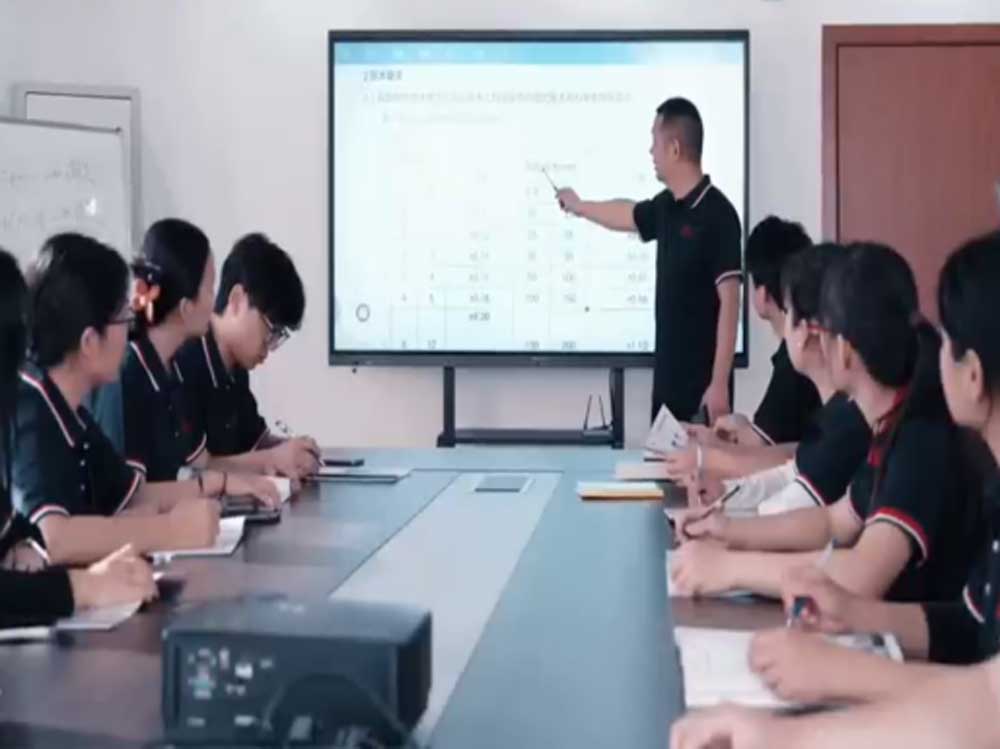
Our engineering team is ready to assist you with structural calculations, compliance verification under TEK17 regulations, and custom mold estimates.
Send Inquiry Now Aoli Aluminum