Wholesale Custom Industrial Aluminum Profile for Mechanical Machining Components Manufacturer, Suppliers

Engineered for demanding machining applications, our aluminum profiles offer superior dimensional stability and uniform material density for flawless milling, drilling, and threading. With tight tolerances (±0.05mm) and excellent chip control, they reduce tool wear and accelerate production. Available in standard and custom alloys, these profiles are ideal for precision parts in automation, robotics, and high-tolerance assemblies — delivering reliability from prototype to mass production.

Product Description

Specifications

Item Machining components aluminum profile
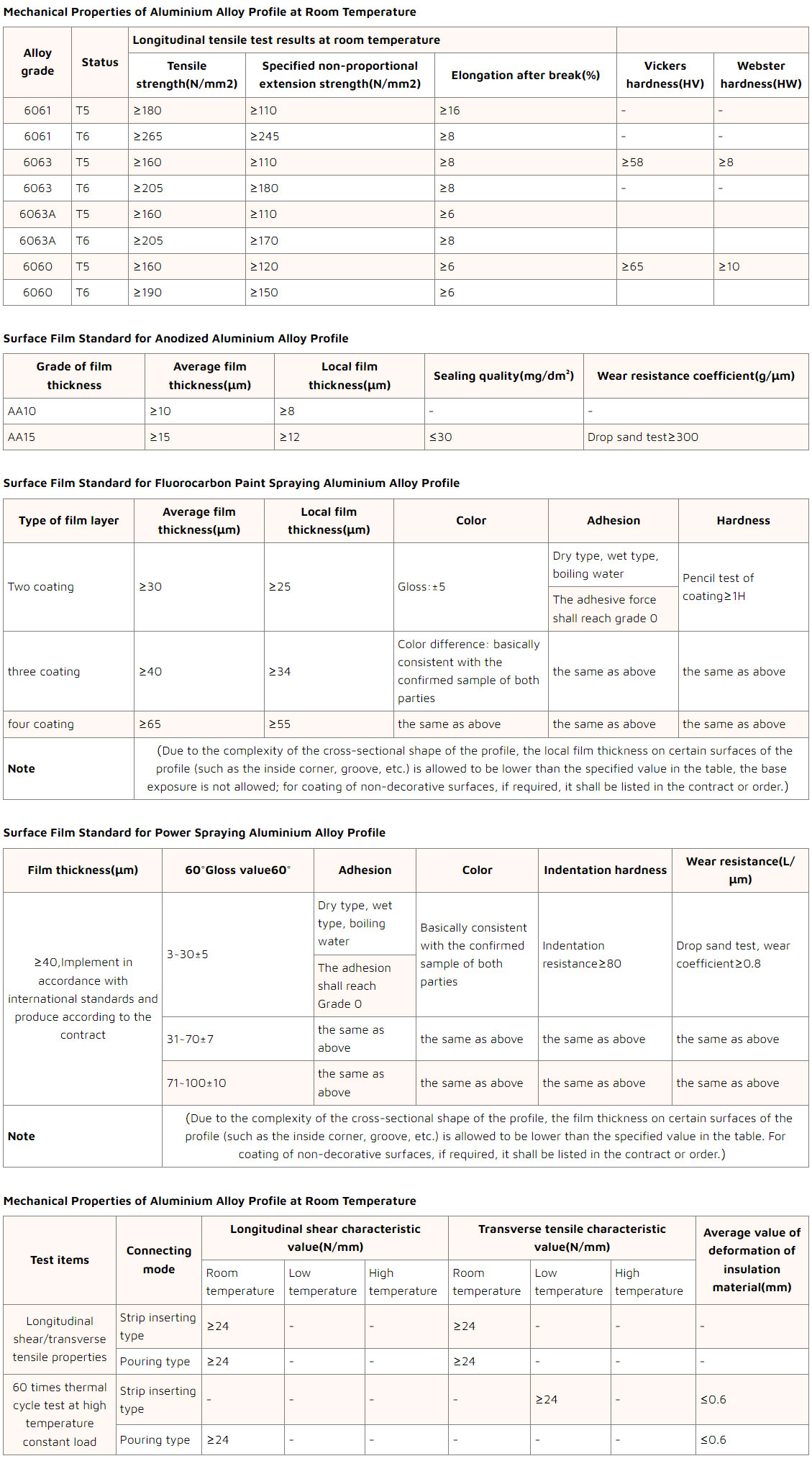
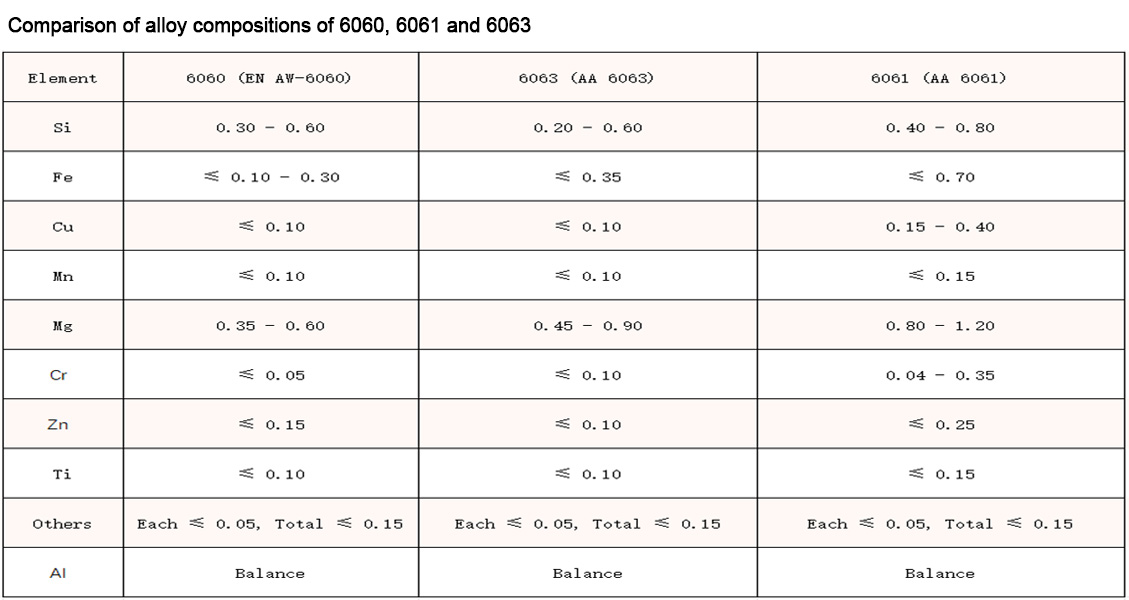
Material 6063 \ 6061 \ 6060
Temper T5/T6
Thickness 0.8-5.0mm
Length 6m (customizable)
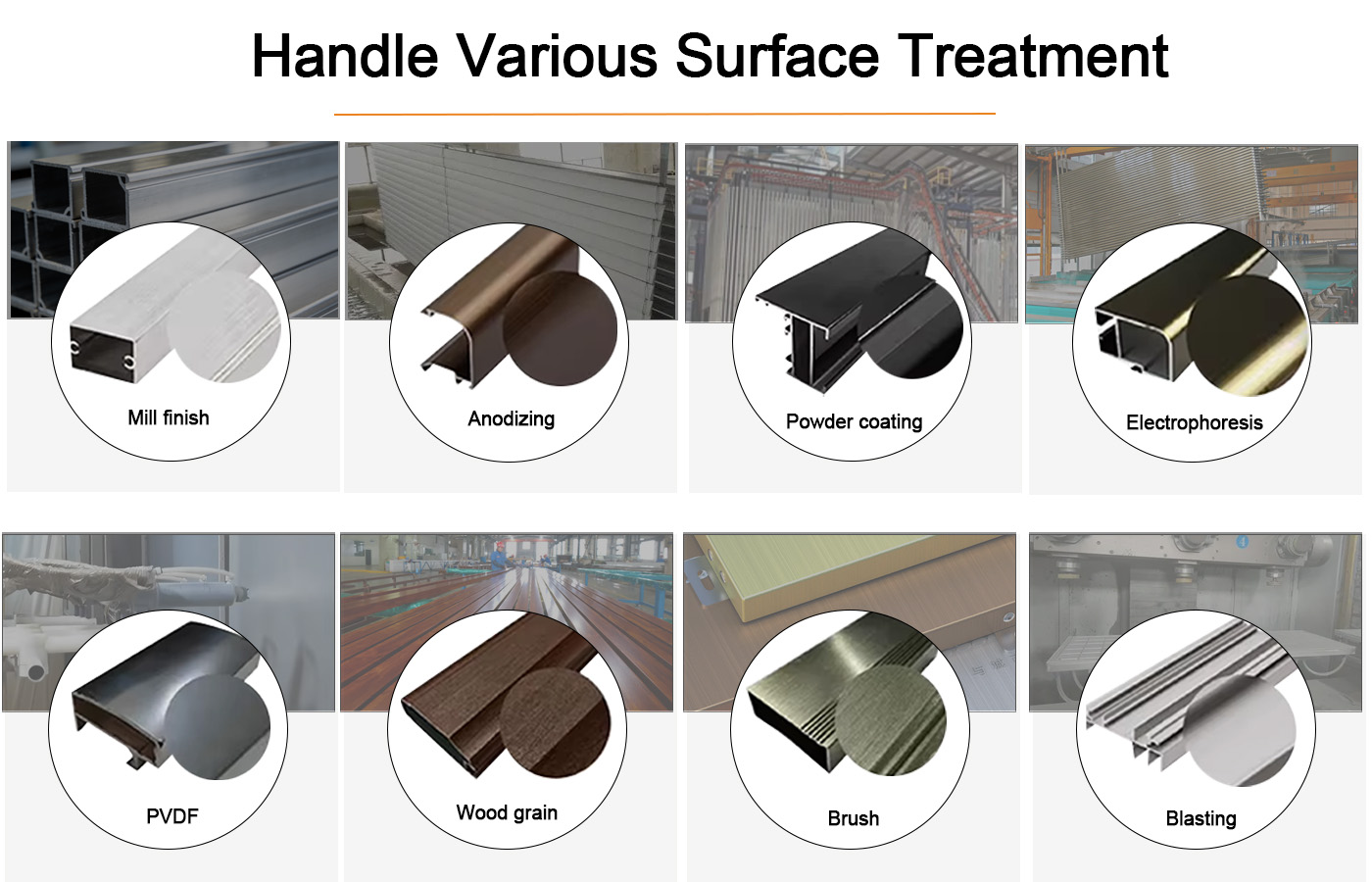
Surface treatment Mill finish \ Power coating \ Anodizing \ Electrophoresis \ Fluorocarbon coating \ Wood grain, etc.
Color According to customer requirements (customizable)
Service support Drilling \ Milling \ Cutting \ Welding \ Bending \ Assembling \ CNC
Packing details Inside: packed with protective film to protect each piece
Outside: wrap to be bundles by shrink plastic bag
Delivery time Die developing and sample testing: 7-10 days
Mass production completed: 15-30 days
MOQ 500kg

Surface Treatment

Surface Treatment options for aluminum profiles

Product Application

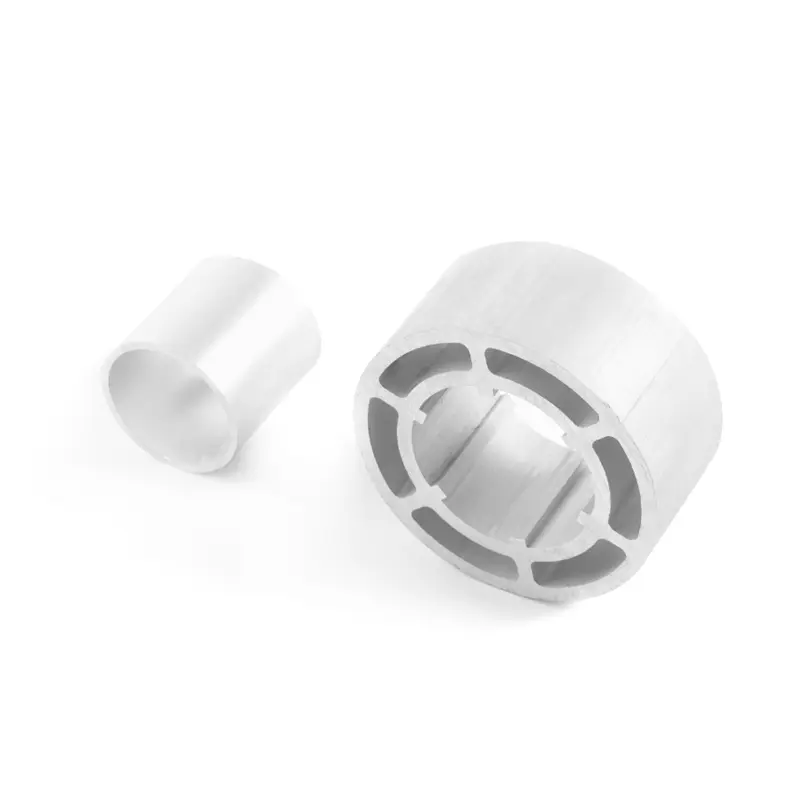
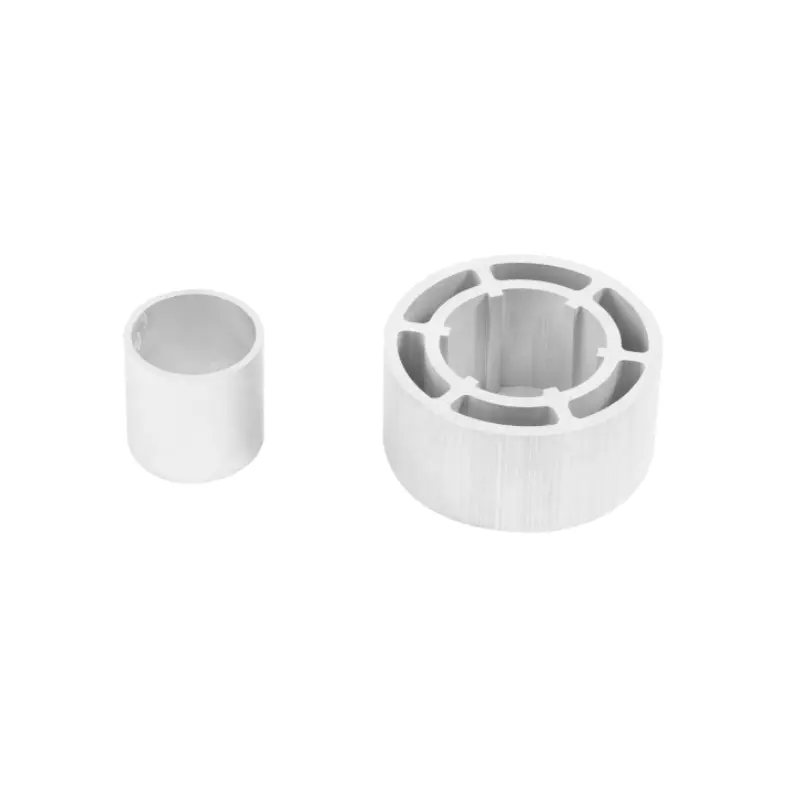
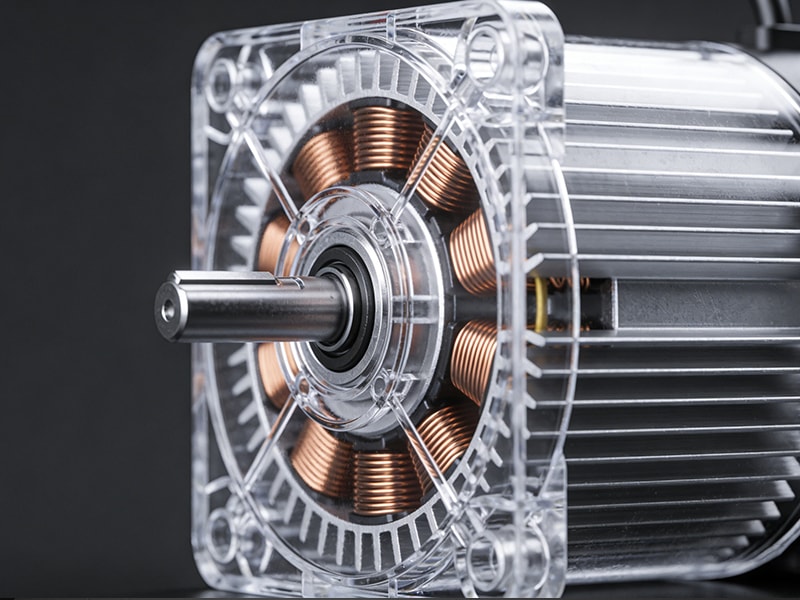
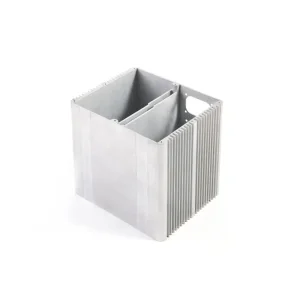
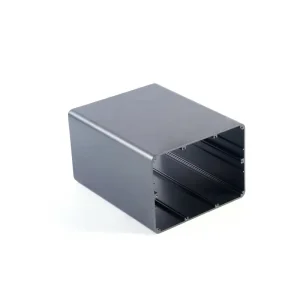
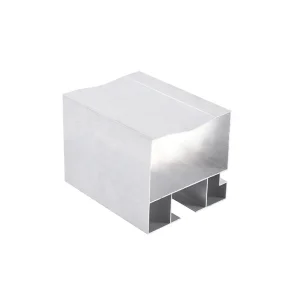
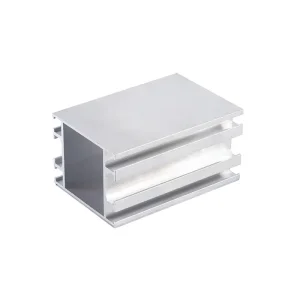
Dual-Core Industrial Motor Components

These precisely machined silver-aluminum cylindrical components feature multi-chamber internal ribs designed for optimized electromagnetic performance or heat dissipation in electric motors and generators. The parallel internal fins maximize surface area for efficient thermal transfer while maintaining structural stability under high-speed rotation.

Ideal for industrial servomotors, EV powertrains, and automation systems requiring precision-balanced rotor/stator assemblies. The scalable design supports modular integration in compact mechatronic systems across automotive, robotics, and aerospace applications. Manufactured to micron-level tolerances for vibration-sensitive environments.

Classification of Aluminum Industrial Components Produced by Extrusion

Aluminum industrial components manufactured via extrusion can be systematically classified based on their profile geometry, functional complexity, and subsequent processing. The primary categories include:

1. By Basic Profile Geometry:

  • Solid Profiles: Fully dense cross-sections, including simple shapes like round bars, square bars, rectangular bars, and angles (L-shapes). They serve as basic structural elements, shafts, or raw material for further machining.
  • Hollow Profiles: Feature enclosed voids, such as tubes (round, square, rectangular) and complex multi-chamber profiles. They offer an excellent strength-to-weight ratio and are used for fluid/gas conveyance, structural frameworks, and lightweight supports.
  • Semi-Hollow Profiles: Partially enclosed shapes, like a "C" channel, which are easier to produce than full hollows while providing good structural properties.

2. By Functional & Application-Oriented Design:

  • Standard Structural Profiles: Widely available industrial standards like I-beams, H-beams, channels, and angles used for general construction, frames, and machinery.
  • Custom-Engineered Profiles: Specifically designed for a unique application to integrate multiple functions. Examples include heat sinks with complex fins, T-slot profiles for modular framing systems, tracks for sliding mechanisms, and components that combine structural, aesthetic, and mounting features.
  • Integral Fastener Profiles: Profiles with built-in grooves, slots, or lips designed to accept mating parts, seals, or panels without additional machining.

3. By Level of Post-Extrusion Processing:
  • As-Extruded ("Mill Finish") Components: Used as-supplied after extrusion and thermal treatment, where dimensional accuracy and alloy properties are key, but surface finish is not critical.
  • Precision Machined Components: Extruded profiles serve as near-net-shape blanks. Critical dimensions, holes, threads, and mating surfaces are finished via CNC machining, drilling, or milling to achieve tight tolerances.
  • Fabricated & Assembled Sub-Components: Profiles are cut, machined, welded, and joined with other parts to create a finished assembly, such as a complete machine guard, conveyor rail, or equipment frame.
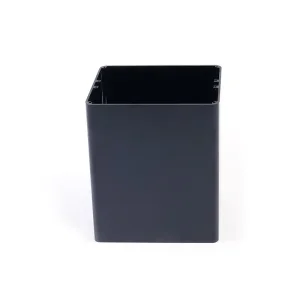
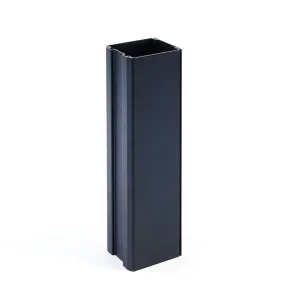
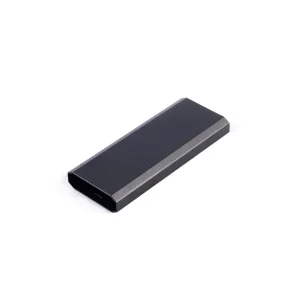
Extruded industrial aluminum component display

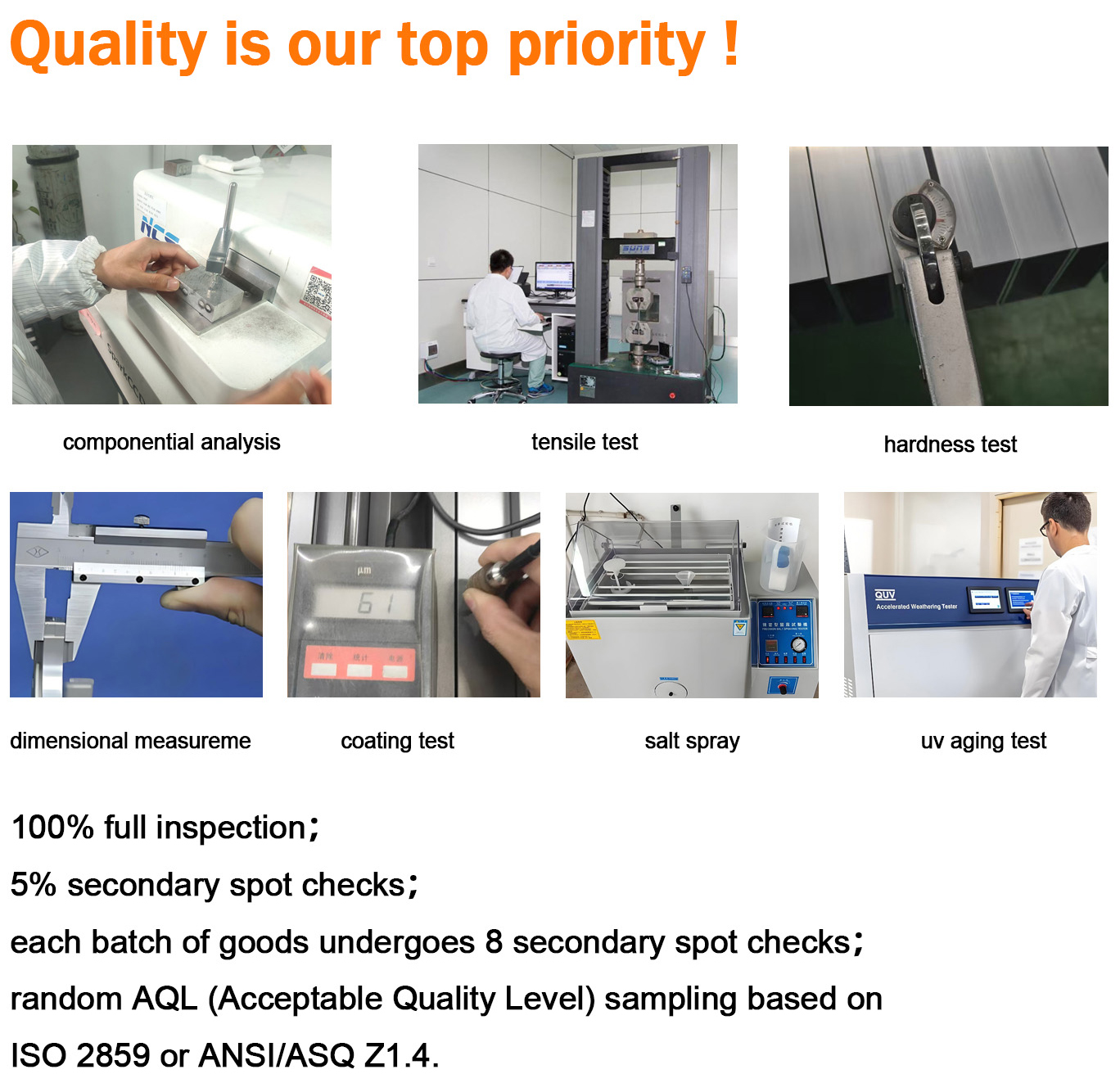
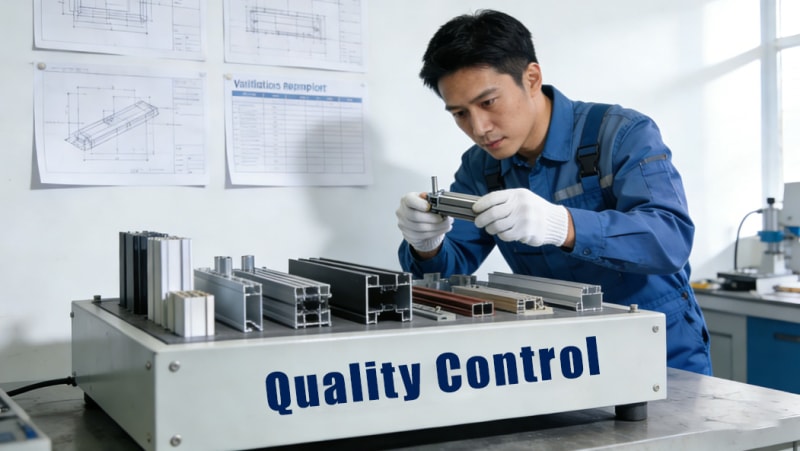
Quality Inspection

Quality Inspection Process

Manufacturing Technique

Your Success Is Our Responsibility

Save your time

Save your time

Quickly provide accurate samples for testing.
Save your costs

Save your costs

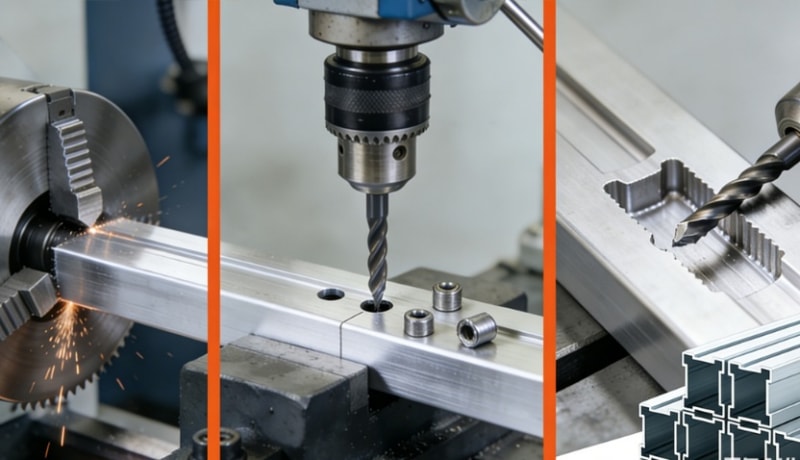
Provide pre-processing services, such as cutting, drilling, milling, etc.
Meet requirements

Meet your client's requirements

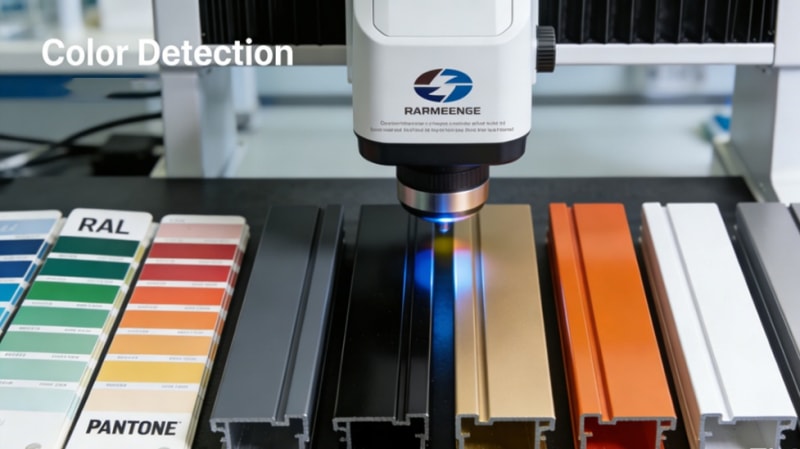
Provide RAL or Pantone color cards precise color matching.
Sales support

Easy to carry out your sales work

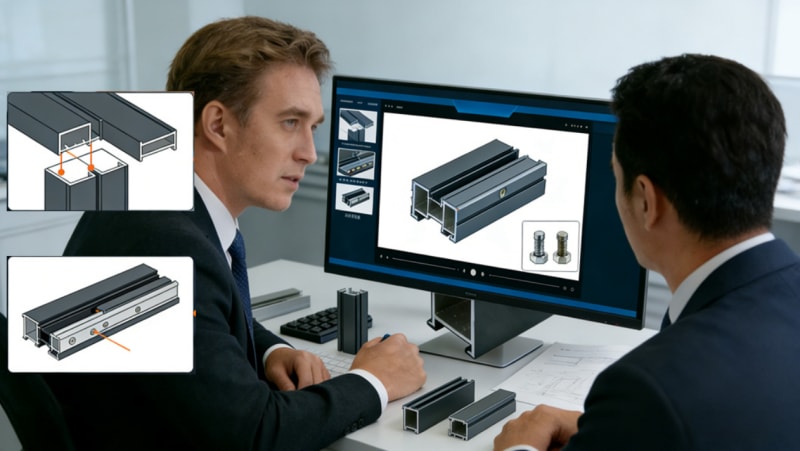
Provide product images, videos, and technical parameter manuals.
Improve efficiency

Improve Your Efficiency

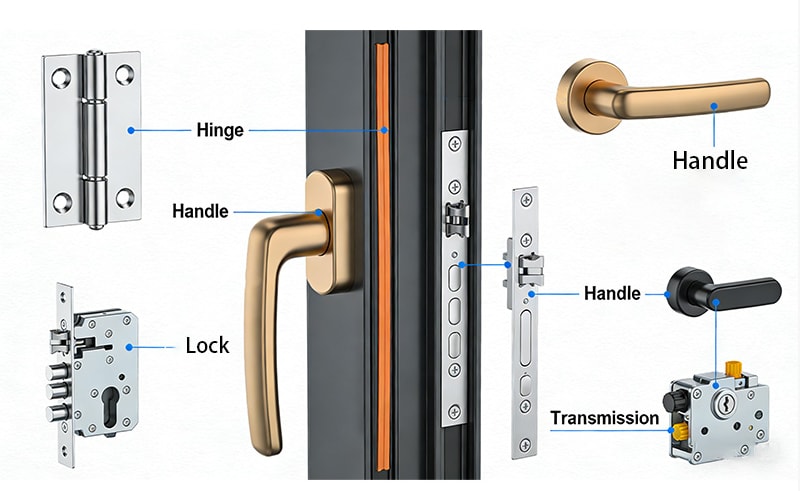
Provide guidance on profile application, such as assembly process and hardware accessory adaptation suggestions.
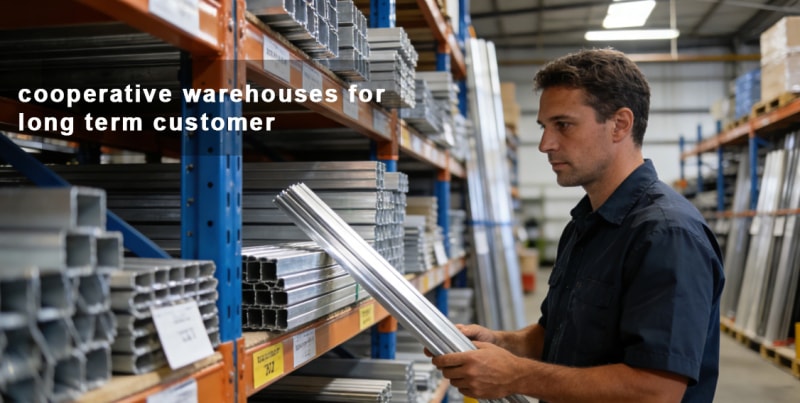
Shorten cycle

Shorten the supply cycle

Cooperative warehouses can be set up in your region.
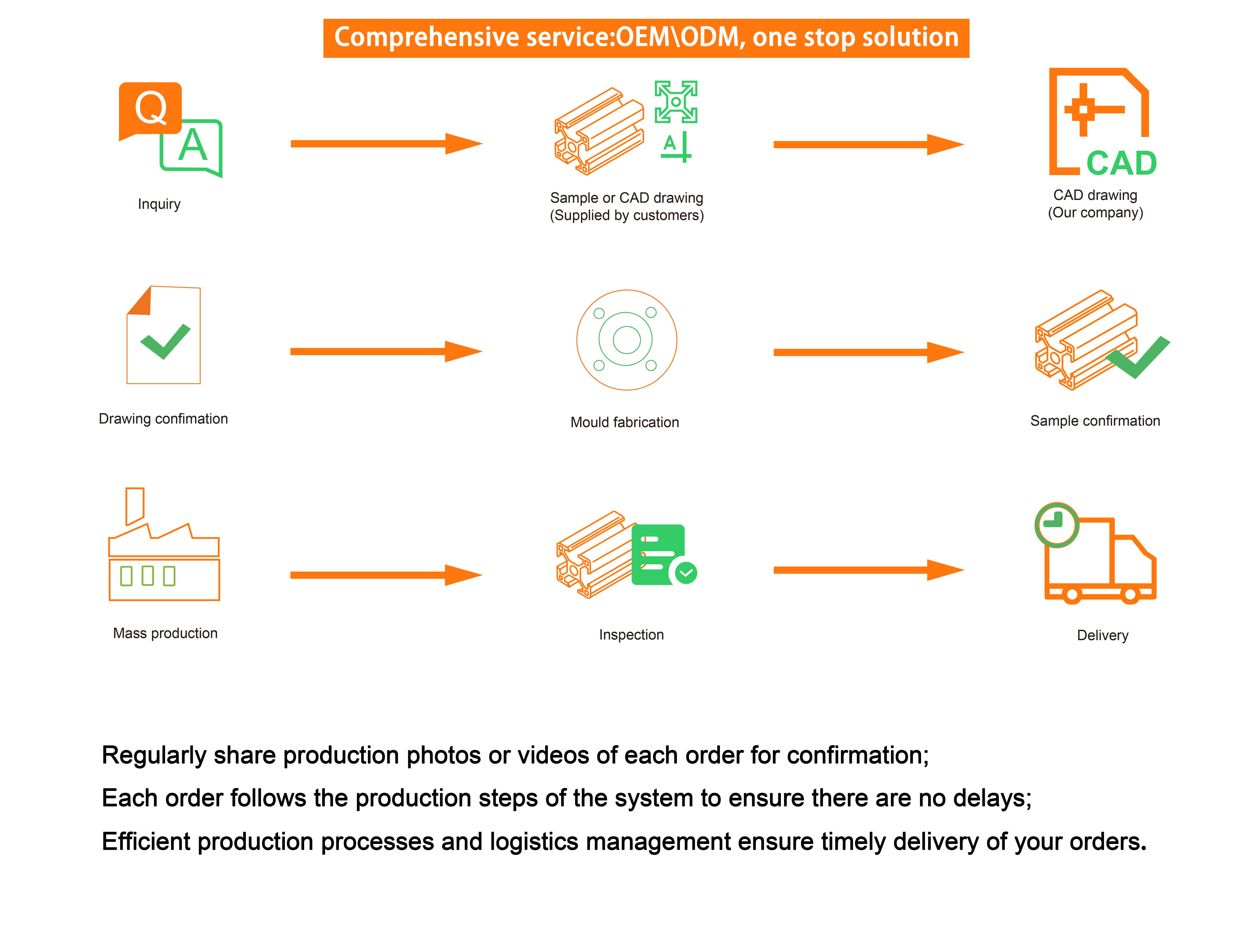
Order Process

Order Process Step-by-Step

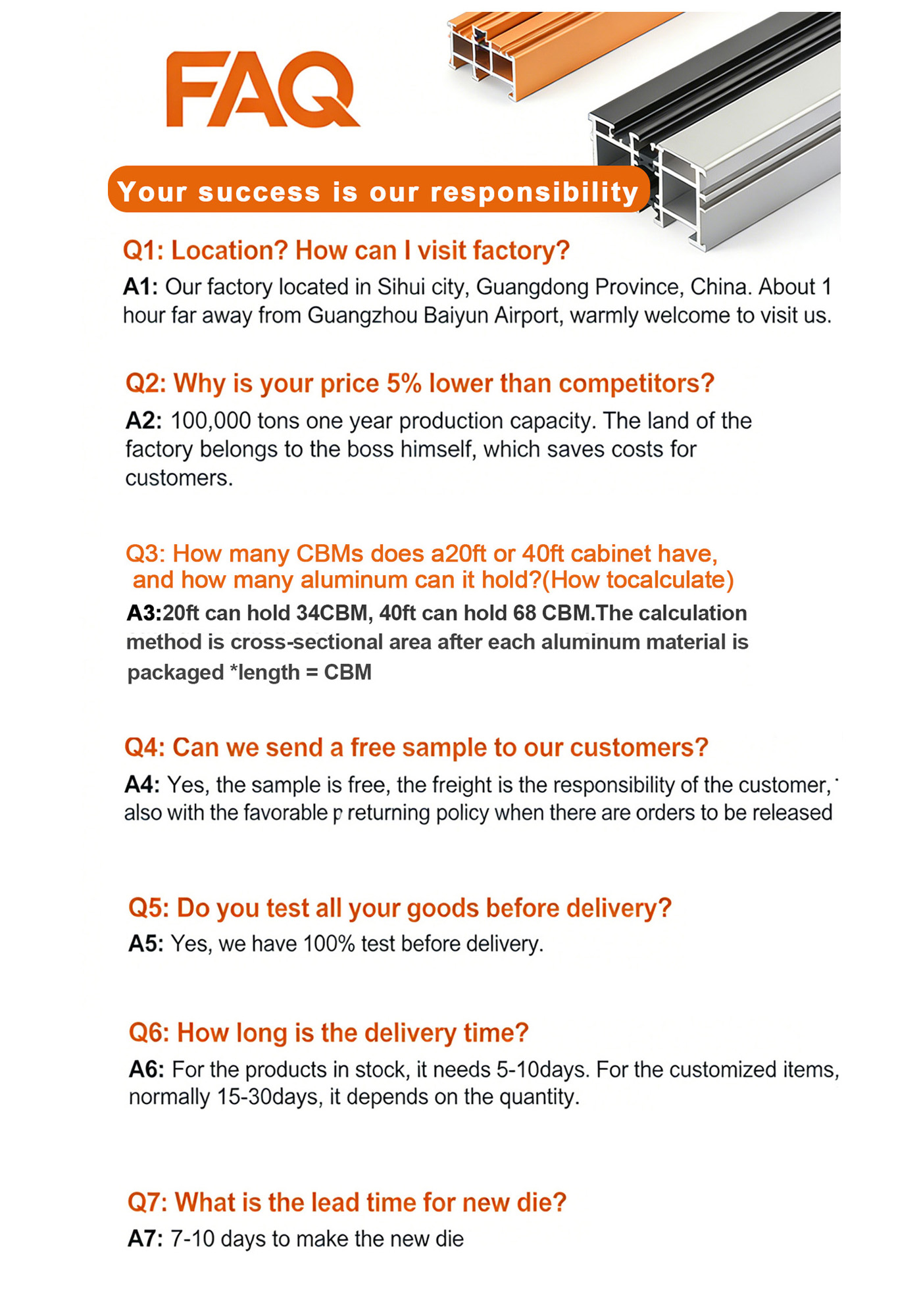
Frequently Asked Questions

FAQ banner image
What grades of aluminum do you offer for machining components?
We supply high-quality aluminum profiles primarily in grades 6063, 6061, and 6060 with T5 or T6 temper, depending on your custom strength and durability requirements.
What surface treatment options are available?
We provide a wide array of surface treatments including mill finish, powder coating, anodizing, electrophoresis, fluorocarbon coating, and wood grain finishes to match your design requirements.
Do you support custom profile fabrication services?
Yes, we support comprehensive post-processing services, including precision CNC machining, drilling, milling, cutting, welding, bending, and final assembly.
What is the Minimum Order Quantity (MOQ)?
Our standard MOQ for production runs is 500kg. Please contact our team with your specifications for further details regarding trial or sample orders.
How long are your typical production and delivery timelines?
Die developing and sample testing typically require 7-10 days. Once the samples are approved, mass production is completed within 15-30 days.
How are the aluminum profiles packaged for transport?
To prevent surface damage, profiles are protected with an internal protective film and secured on the outside in bundles wrapped with shrink plastic bags. Custom packaging options are also available.

Related Products