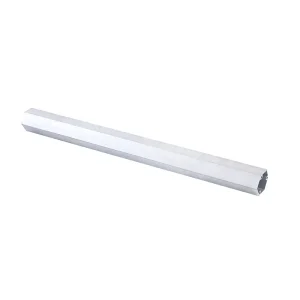
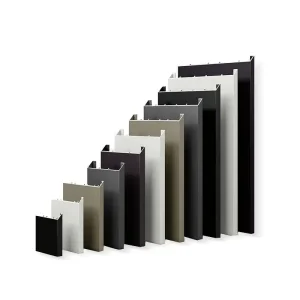
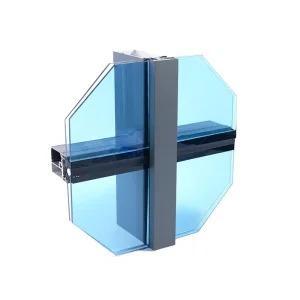
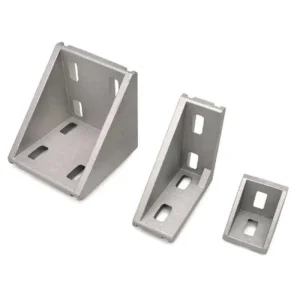
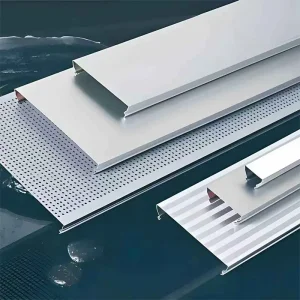
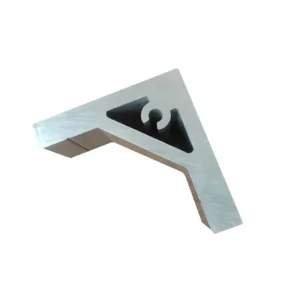
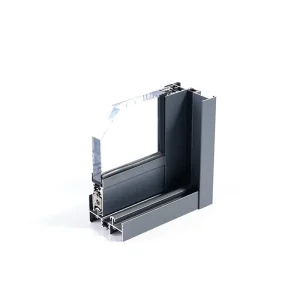
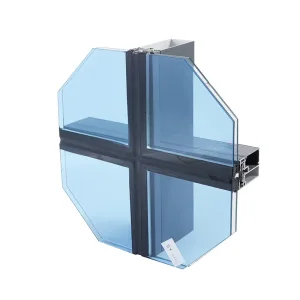
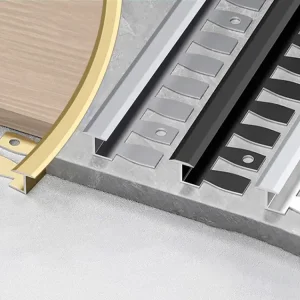
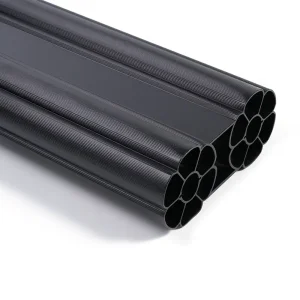
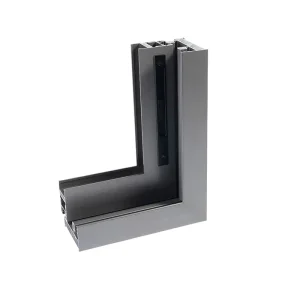
Explore our flagship precision structural profiles, engineered to meet rigorous international standards for modern commercial facade design and high-capacity industrial shelving systems.
Analyzing the paradigm shift in architectural design, thermal performance demands, and the green transition in structural aluminum manufacturing.
The global construction industry is undergoing its most significant transformation since the industrial revolution. Real estate developers, municipalities, and engineers are strictly bound by ESG guidelines and localized green building codes (such as LEED, BREEAM, and DGNB). In this ecological shift, recycled and structural aluminum profiles serve as a cornerstone. Their light weight reduces the structural loads of buildings, which directly slashes the consumption of structural concrete and steel.
Furthermore, because aluminum can be melted down and recycled indefinitely without losing its mechanical properties, it forms a perfect loop within the circular economy. Suppliers who control low-carbon refining, green energy extrusion processes, and optimized thermal boundaries are securing substantial competitive advantages in major bid processes across the European Union, North America, and high-growth cities in the GCC region.
Modern building physics mandates strict climate control boundaries. Standard solid frame extrusions act as thermal bridges, transmitting external temperatures into building envelopes and spiking HVAC system energy consumption. The market demand has shifted decisively toward polyamide strip thermal breaks and pour-and-debridge polyurethane barrier systems.
These composite profiles effectively split the internal and external frame elements with specialized, low-conductivity insulating materials. By reducing U-values to under 1.6 W/(m²K), thermal break systems facilitate the construction of zero-emission passive houses in cold climates and dramatically lower cooling loads in tropical and equatorial urban centers, forming a major component of modern architectural projects.
Understanding the micro-structure and mechanical attributes of core architectural and structural profile alloys utilized by Aoli Aluminum.
| Alloy Specification | Tempering Type | Tensile Strength (MPa) | Yield Strength (MPa) | Elongation (%) | Common Applications |
|---|---|---|---|---|---|
| 6063 Aluminum | T5 / T6 | 150 - 220 | 110 - 170 | 8 - 12 | Architectural window frames, custom curtain walls, minimalist doors, light structural brackets. |
| 6061 Aluminum | T6 | 260 - 310 | 240 - 275 | 10 - 15 | Heavy-duty structural framework, industrial angle brackets, railway components, structural load-bearers. |
| 6060 Aluminum | T5 / T6 | 130 - 190 | 90 - 150 | 8 - 14 | Complex, thin-walled custom hollow profiles, decorative trims, thermal heatsinks. |
| 6005A Aluminum | T6 | 270+ | 225+ | 8+ | High-stress structural components, structural glazing mullions, railway and truck cargo framing. |
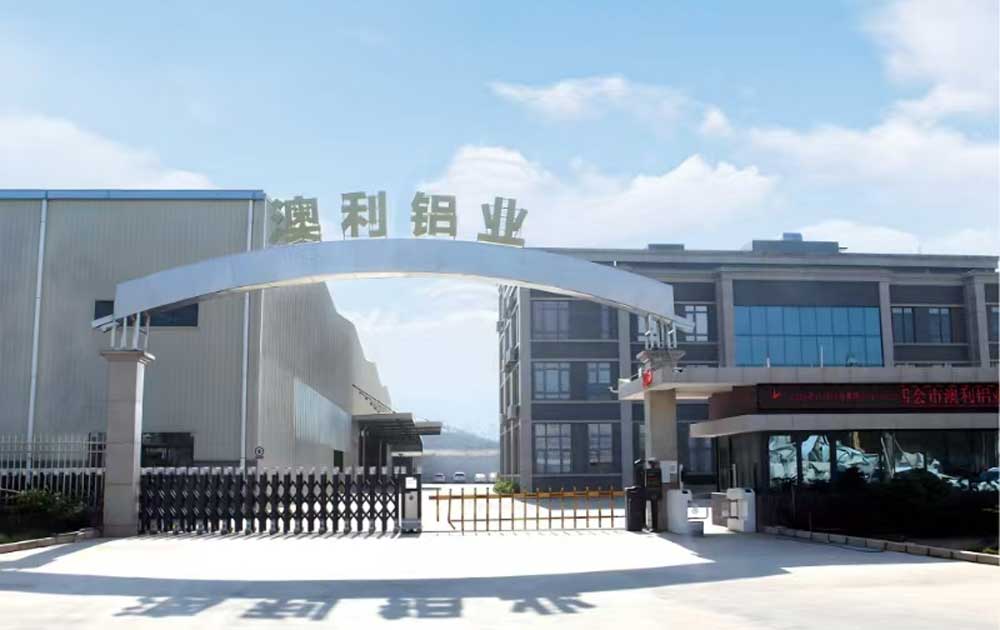
Building Sustainable Cities for the World since 2009.
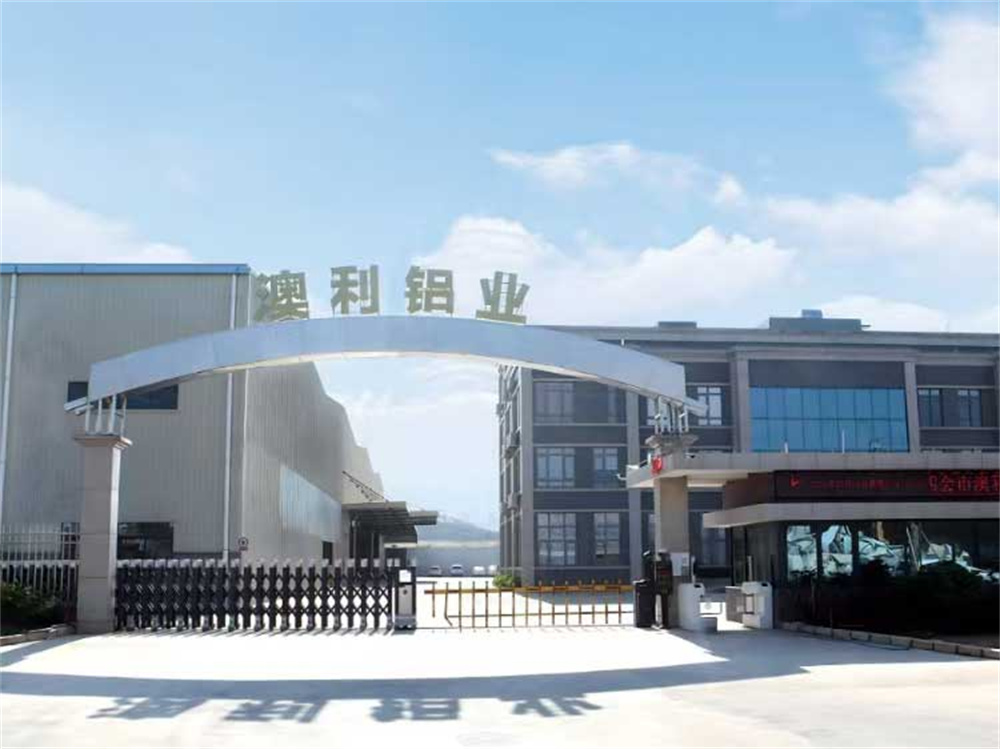
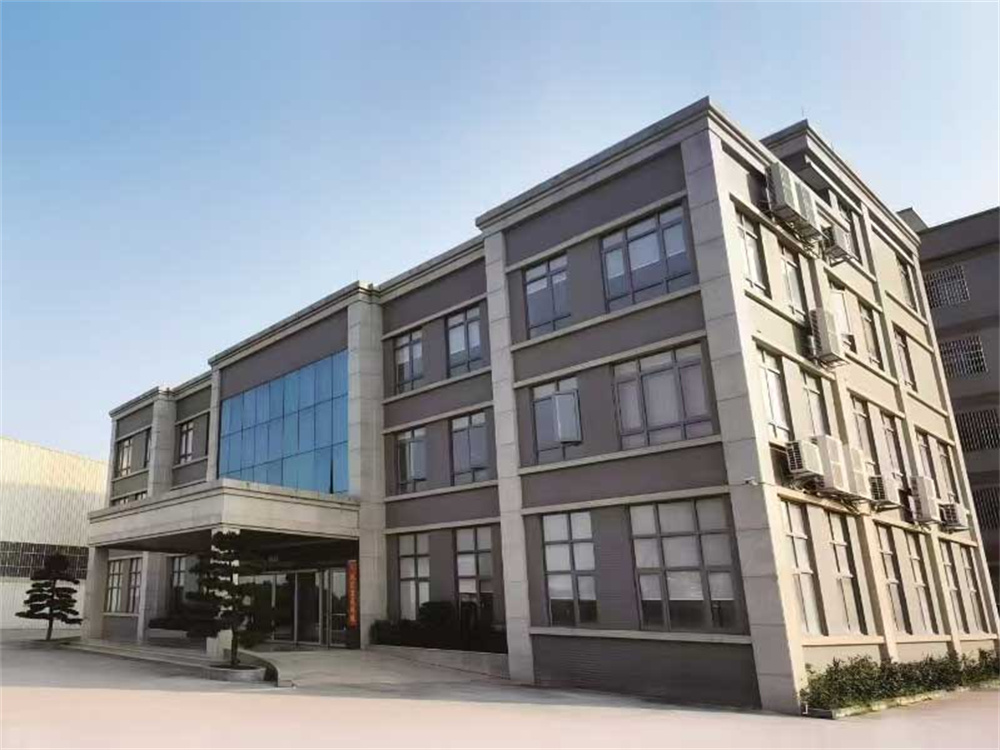
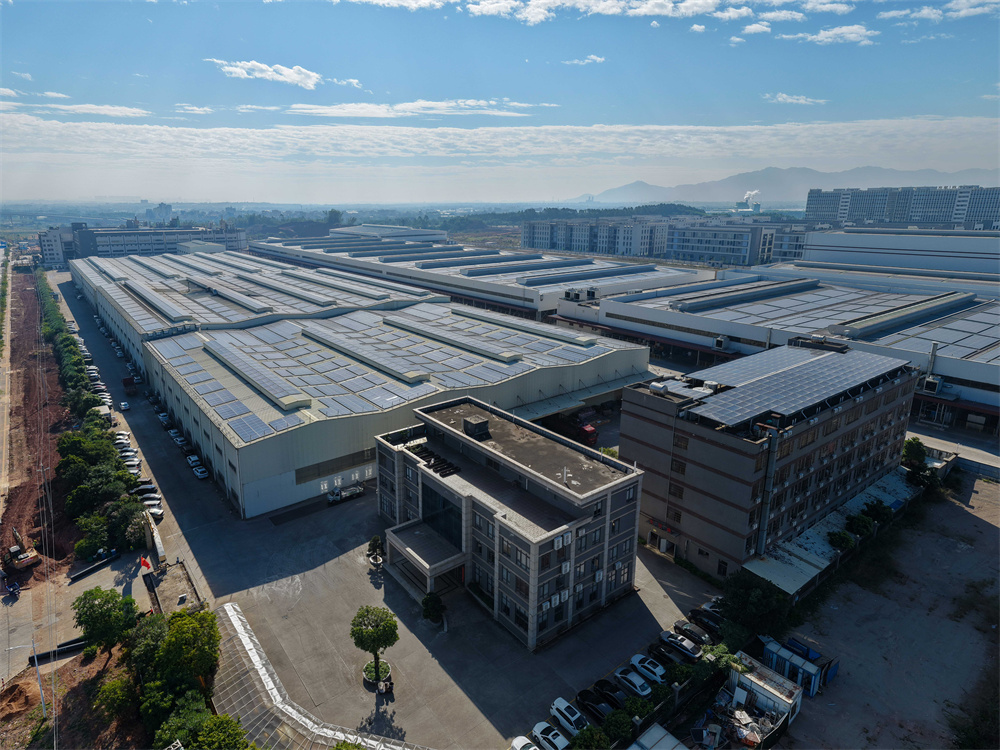
Established in 2009, Aoli Aluminum has grown from a regional extrusion factory into a vertically integrated manufacturer and supplier. Headquartered in Sihui, Guangdong, with sales branches located in Foshan, our brand "Aolijie" has become a recognized name in architectural and industrial custom aluminum configurations.
Our commitment goes beyond simple extrusion. We maintain a full ISO-compliant management ecosystem that links design drafting, chemical compounding, die casting, extrusion, surface refinement, CNC secondary fabrication, and rigorous QA. With a production output exceeding 100,000 tons annually and a selection of over 100,000 mold designs, we export structural profiles to the Middle East, South America, Africa, and Southeast Asia.
How Aoli Aluminum leverages industrial cluster advantages, smart automation, and integrated operations to provide reliable global supply chains.
Sihui and Foshan represent the heart of the global aluminum fabrication ecosystem. This concentration provides us with immediate access to premium primary aluminum ingots, tooling steel, surface pigments, and chemical compound agents. In addition, deep-water port systems in Guangzhou and Shenzhen reduce transit times, optimize handling costs, and ensure consistent container space availability.
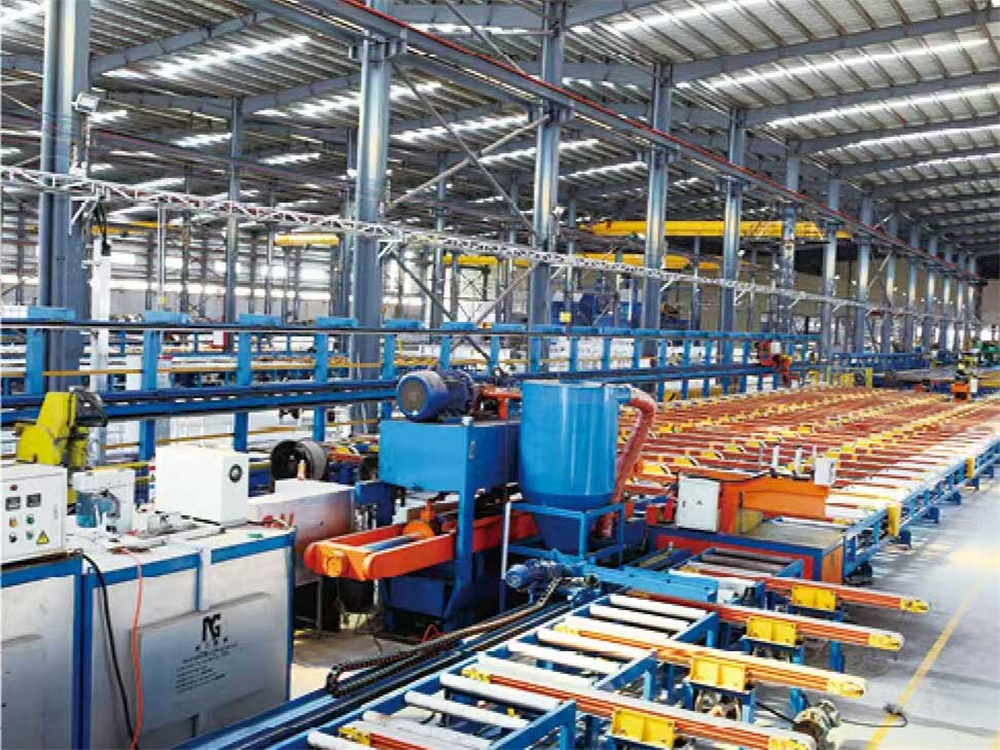
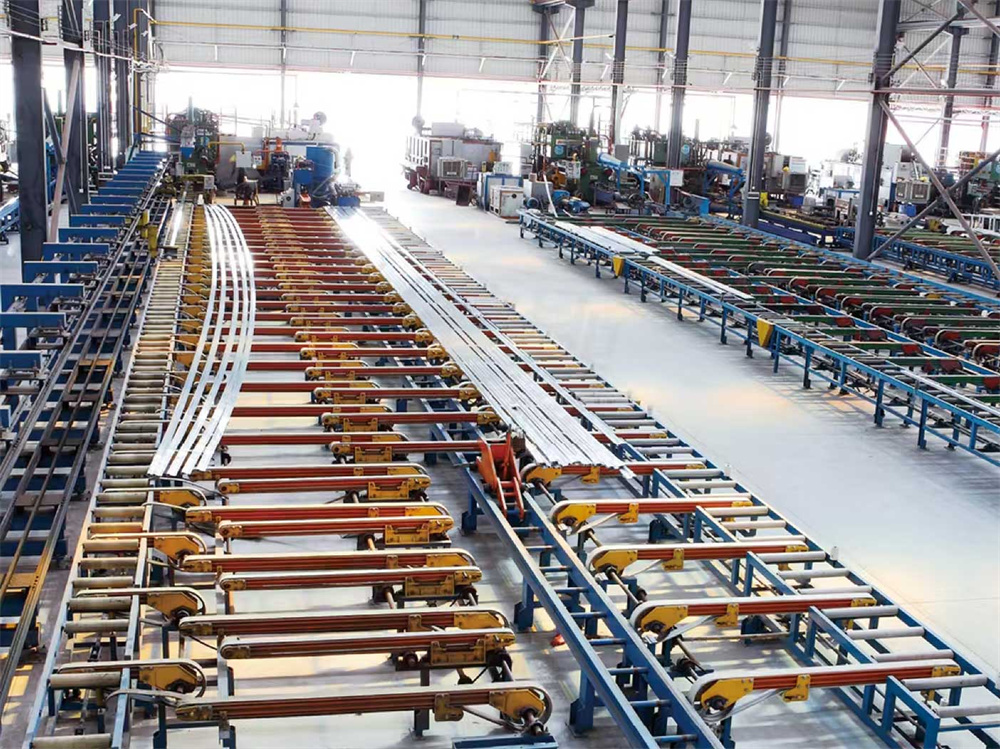
By keeping all manufacturing stages under one roof—from billet casting and custom die fabrication to multi-ton extrusion, powder coating, anodizing, and multi-axis CNC machining—we eliminate transport delays between third-party processors. This structural integration protects components from transport damage and ensures uniform quality control across batches.
Our CAD/CAM tooling workshop maintains more than 100,000 active mold geometries, allowing us to replicate custom profiles quickly. With automated CNC wire EDM and die-sinking processes, we design, test, and implement complex custom profiles while keeping mold costs low for architectural partners and project planners.
A history of engineering growth, patent acquisitions, and expanding manufacturing capacity.
Our founder Mr. Wong, with decades of experience in the construction materials sector, established a dedicated 10,000 square meter extrusion facility in Sihui, Guangdong. We launched the brand "Aolijie" (AO: First choice, LI: Leading indicator, Jie: Master work) with a focus on high-precision construction profiles.
Focusing on quality management, the company secured 13 design patents and established a comprehensive quality management system that achieved ISO 9001 certification, laying the groundwork for international distribution.
To support growing international demand, we expanded our production footprint with a 100,000 square meter facility, increasing our annual production capacity to 100,000 metric tons and expanding our extrusion capabilities.
Following the establishment of our Foshan sales headquarters in 2024, Aolijie is extending its international reach with the opening of a regional sales office in Malaysia in 2026 to support builders across the ASEAN region.
Aolijie quality assurance combines 100% inline visual inspections with physical testing to verify structural properties and surface durability.
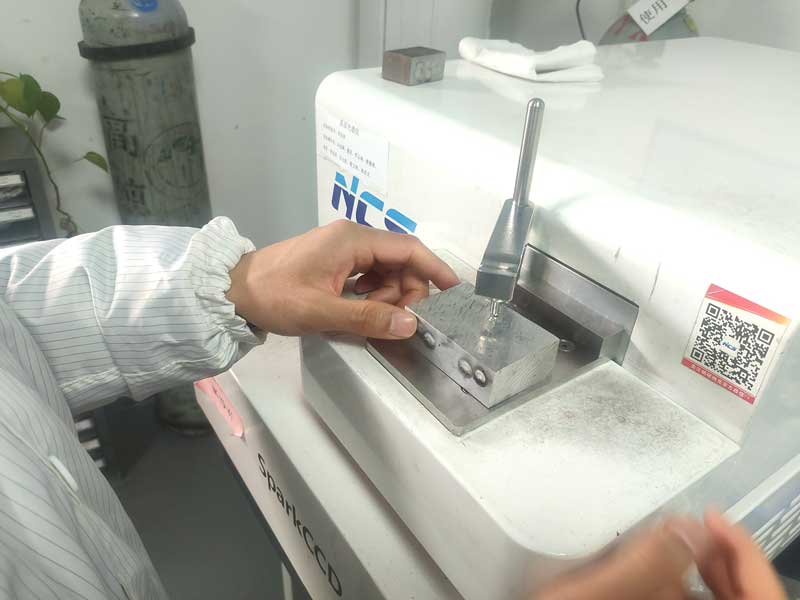
Optical emission spectrometry checks chemical composition to ensure raw billets meet EN 573-3 standards.
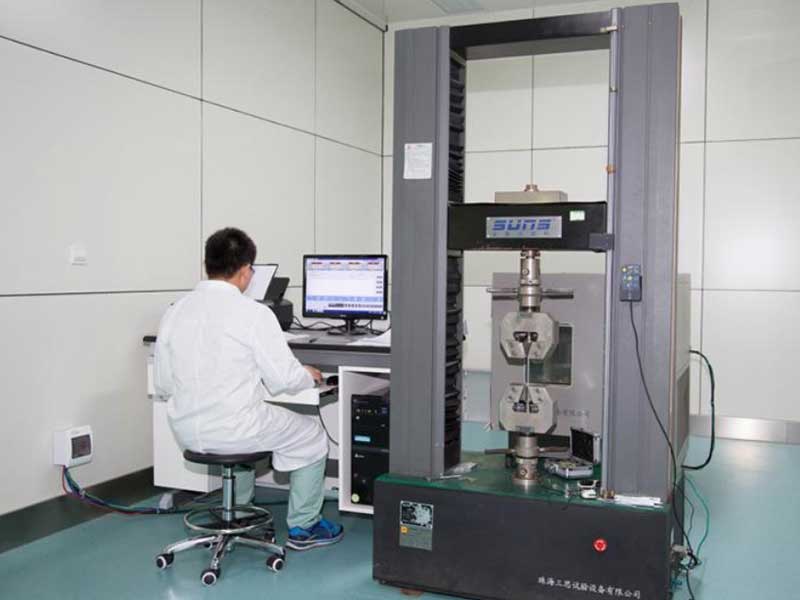
Measures yield strength, tensile limits, and elongation ratios to confirm structural capacity under heavy loads.
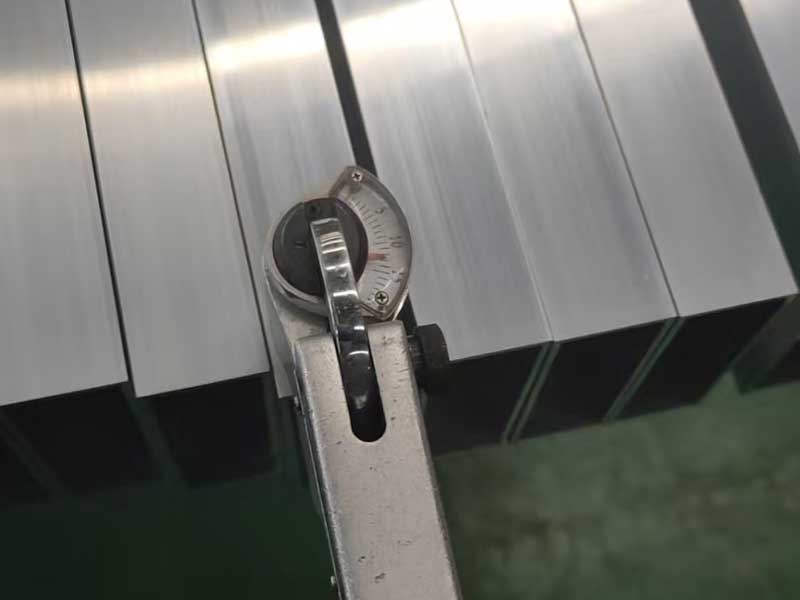
Webster and Vickers hardness tests verify profile mechanical properties after tempering heat treatments.

Uses optical scanners and digital calipers to check extrusion tolerances against EN 755-9 specifications.
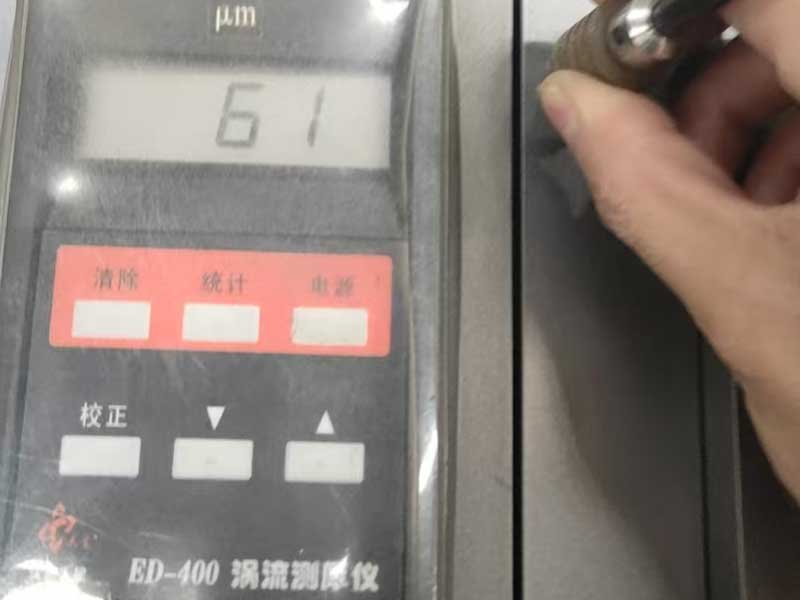
Cross-cut tests monitor surface finish thickness and paint adhesion, complying with Qualicoat standards.
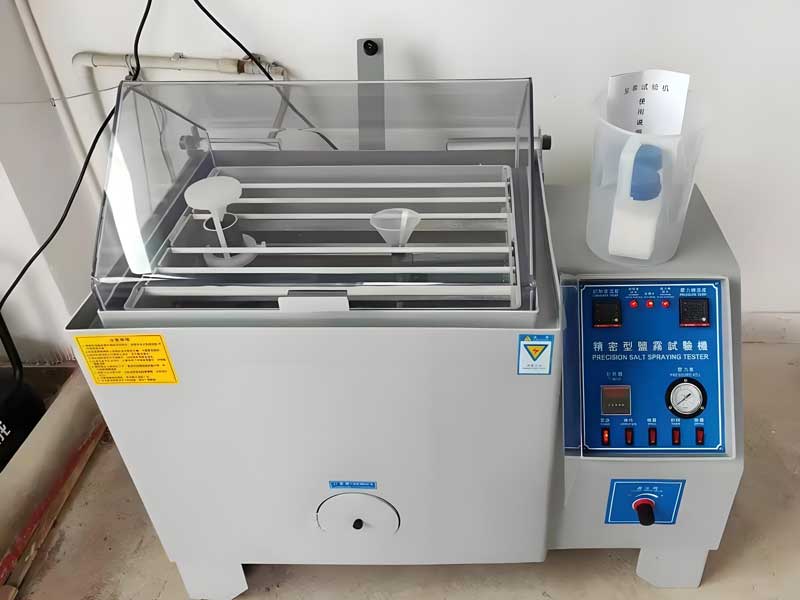
Simulates coastal environments to evaluate corrosion resistance for anodized and PVDF-coated finishes.
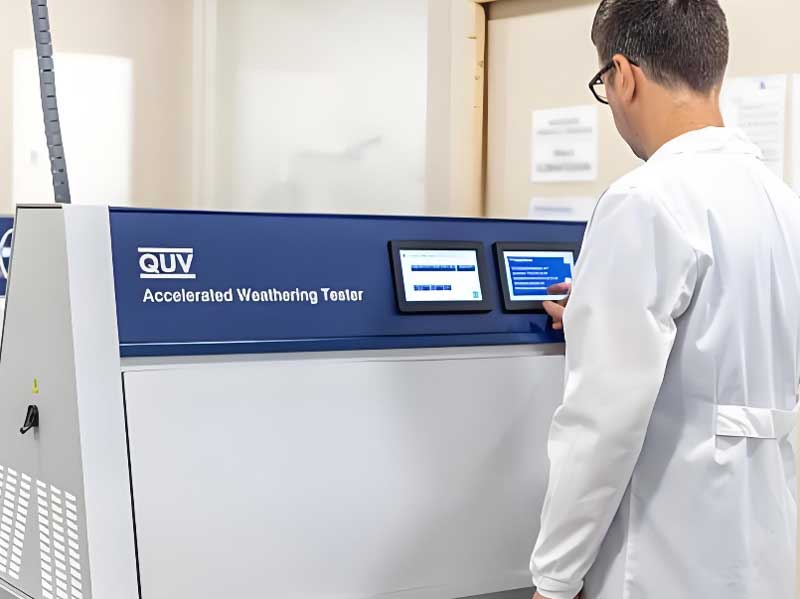
Simulates extended sunlight exposure to test the color fastness and UV resistance of architectural exterior coatings.
A look inside our extrusion workshops, anodizing facilities, and CNC secondary processing lines.
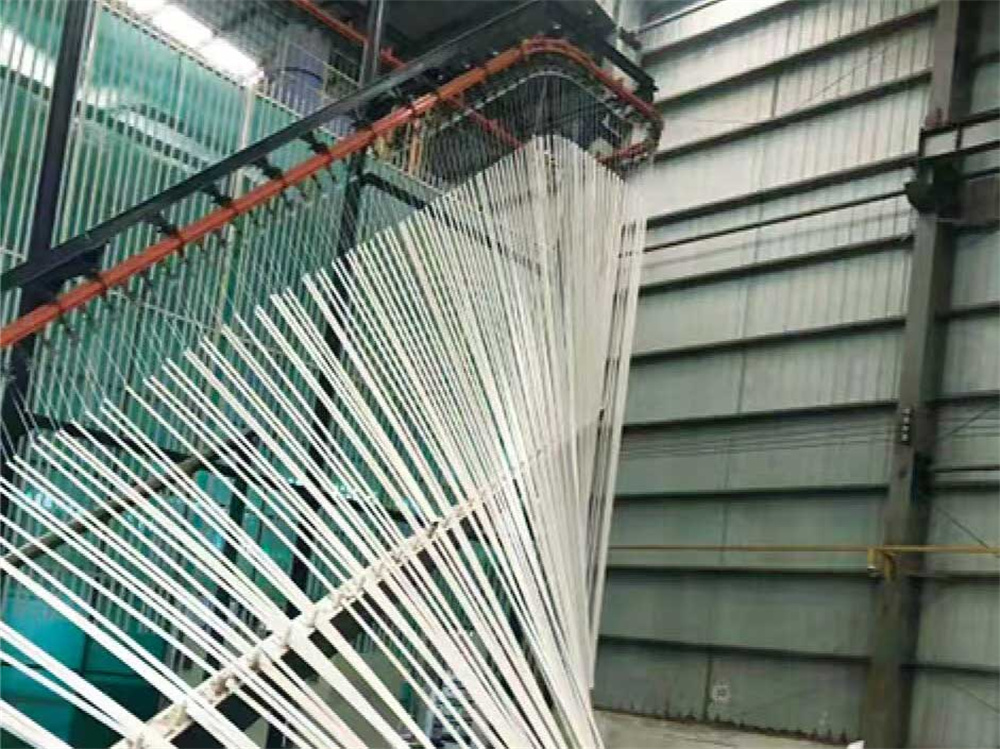
How Aoli Aluminum adapts architectural extrusions to fit unique geographic environmental requirements.
For projects in desert environments like the GCC, standard exterior coatings can degrade quickly. We provide specialized PVDF coatings (polyvinylidene fluoride) and high-thickness anodizing (exceeding 20 microns) to protect aluminum profiles from sand abrasion, UV degradation, and temperatures reaching 50°C, helping prevent surface chalking and discoloration.
To meet European energy efficiency requirements and support carbon-neutral construction, Aoli Aluminum supplies advanced thermal break profiles containing 25% glass fiber reinforced polyamide strips. These systems help architects design curtain walls and window frames that comply with EN 10077 thermal performance standards.
In high-humidity, coastal areas across Southeast Asia, saltwater exposure can cause filiform corrosion under paint coatings. We treat our extrusions with chemical pre-treatments like chromate-free conversion coatings followed by electrophoretic painting (e-coating) to provide corrosion protection in tropical maritime climates.
Aolijie structural profiles are used in commercial office towers, residential facades, and industrial systems worldwide.

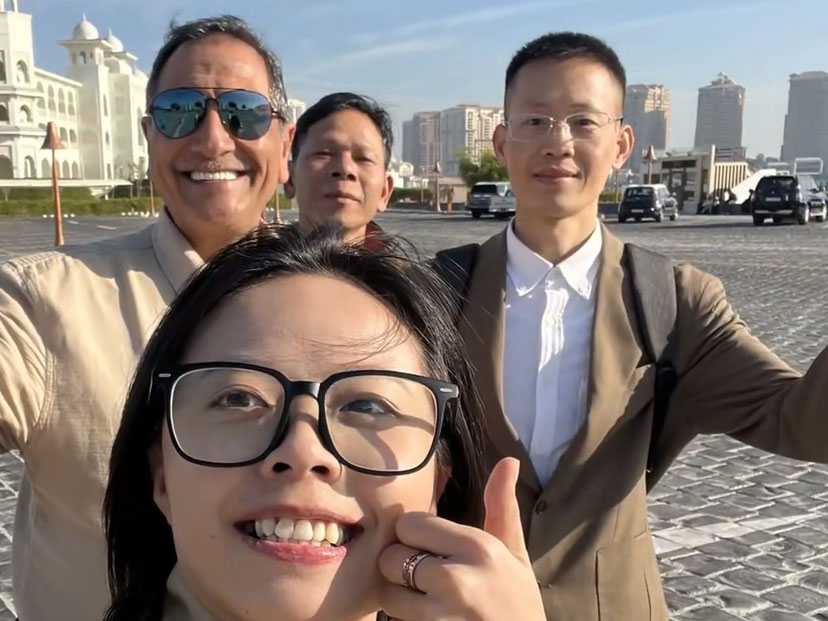
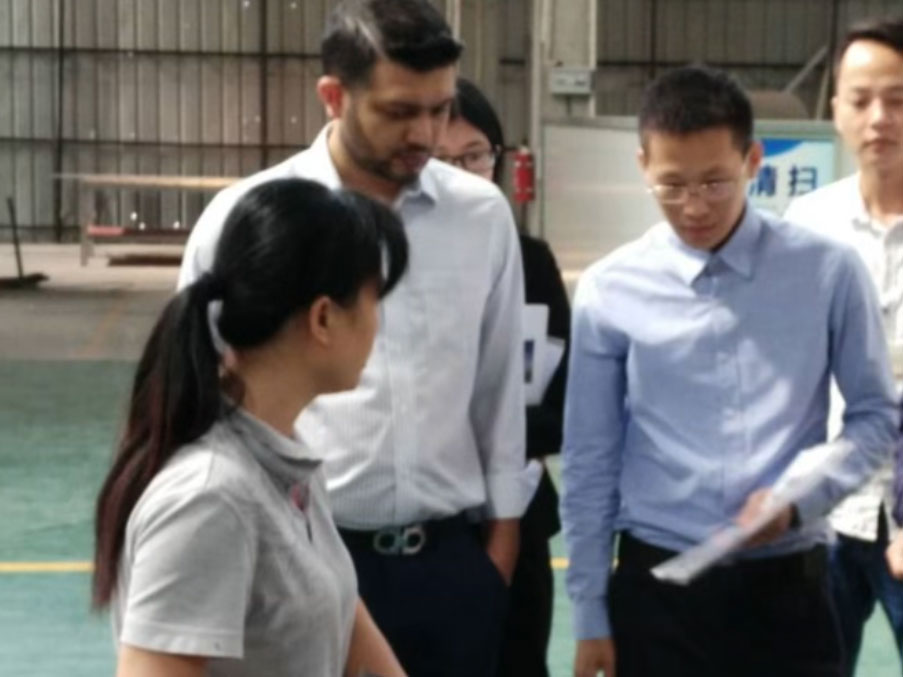
Common questions from structural engineers, facade consultants, and procurement managers regarding structural aluminum extrusions.
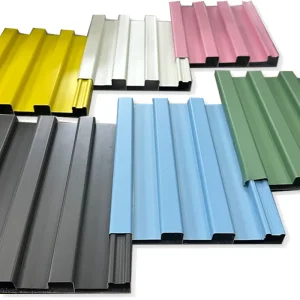
A further selection of our specialty architectural transition profiles, wall claddings, and heavy-duty connector components.
 Aoli Aluminum