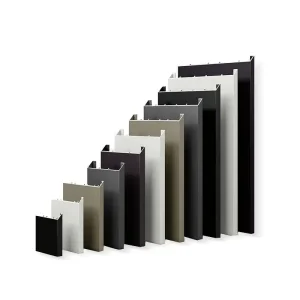
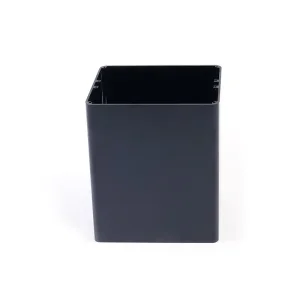
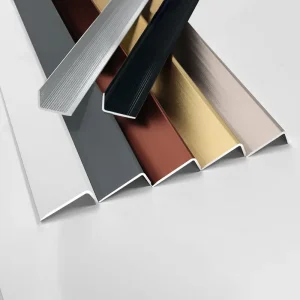
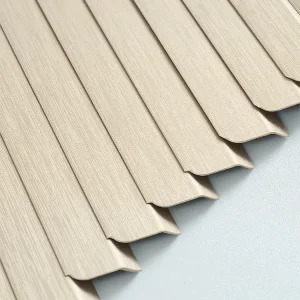
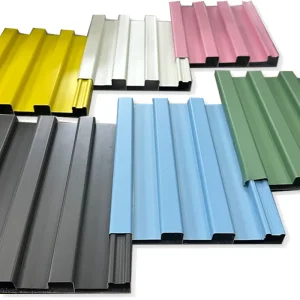
Explore our foundational range of building profiles and systems engineered for high-performance curtain walls, windows, and structural door framing.
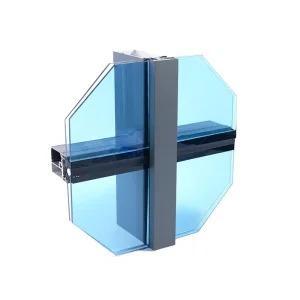
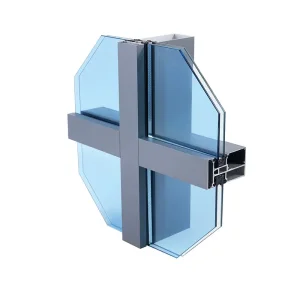
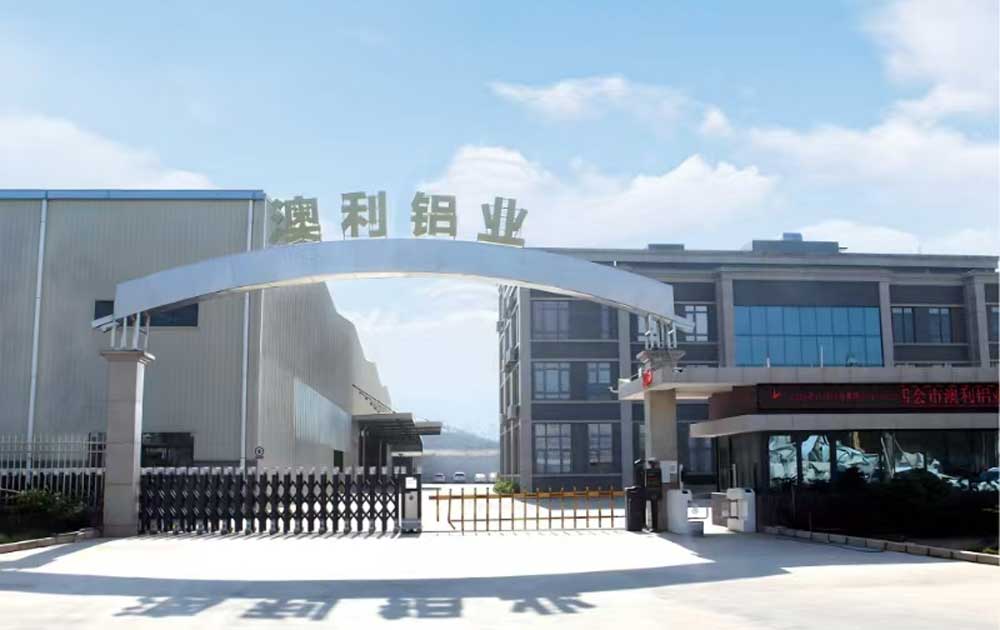
Modern commercial and high-end residential architecture requires building materials that combine mechanical integrity with high aesthetic standards. As a premier China aluminium glass door profile supplier and factory, Aoli Aluminum (Aolijie) specializes in manufacturing high-precision extrusions designed to support large glass panels, sustain high wind loads, and maintain long-term functional stability.
Established in 2009, Aoli Aluminum has grown into a vertically integrated manufacturer. With headquarters in Sihui and sales operations in Foshan, Guangdong, we service architects, facade contractors, and industrial developers globally. Our production lines utilize advanced alloys (specifically 6060, 6063, 6061, and 6082 series) to supply glass door frame profiles with high tensile strength, precise tolerances, and customizable anodized or powder-coated finishes.
Tons Annual Capacity
Proprietary Mold Sets
Year Established
Quality System Certified
An in-depth analysis of structural integrity, thermal performance, and metallurgical standards for commercial entrances.
We source high-purity primary aluminum ingots. For structural glass door frames, we utilize Alloy 6063-T5 and T6, offering a balance of surface finish quality and mechanical strength. For high-span heavy-duty storefronts, 6061-T6 is employed, yielding a yield strength of up to 240 MPa.
To comply with global energy codes (LEED, ASHRAE 90.1), our profiles incorporate Polyamide PA66-GF25 structural thermal breaks. These thermal barriers restrict conductive heat transfer, lowering overall system U-values to under 1.6 W/(m²·K).
Our profiles are extruded with walls ranging from 1.5mm to 3.0mm. This thickness satisfies standard wind load deflection calculations (ASTM E330) and resists structural torque when carrying large insulated glass units (IGUs).
When engineering high-span glazed assemblies, deflection is a key design consideration. Under ASTM E330, aluminum mullions and transoms must maintain deflection limits within L/175 of the clear span, up to a maximum of 20mm. Aoli Aluminum ensures strict adherence to structural deflection standards by implementing high-moment-of-inertia cross-sections. Our internal design team calculates structural parameters using advanced finite element analysis (FEA), adjusting profile shapes to optimize material distribution and maximize resistance to structural forces.
Our extrusion dies are manufactured in-house using high-grade H13 steel, heat-treated to a hardness of HRC 48-52. This die stiffness allows us to hold dimensional tolerances within half of the standard EN 12020-2 requirements, ensuring squareness and tight joints across the assembled door. This precision minimizes air infiltration and water ingress at the corners, maintaining the overall integrity of the building envelope.
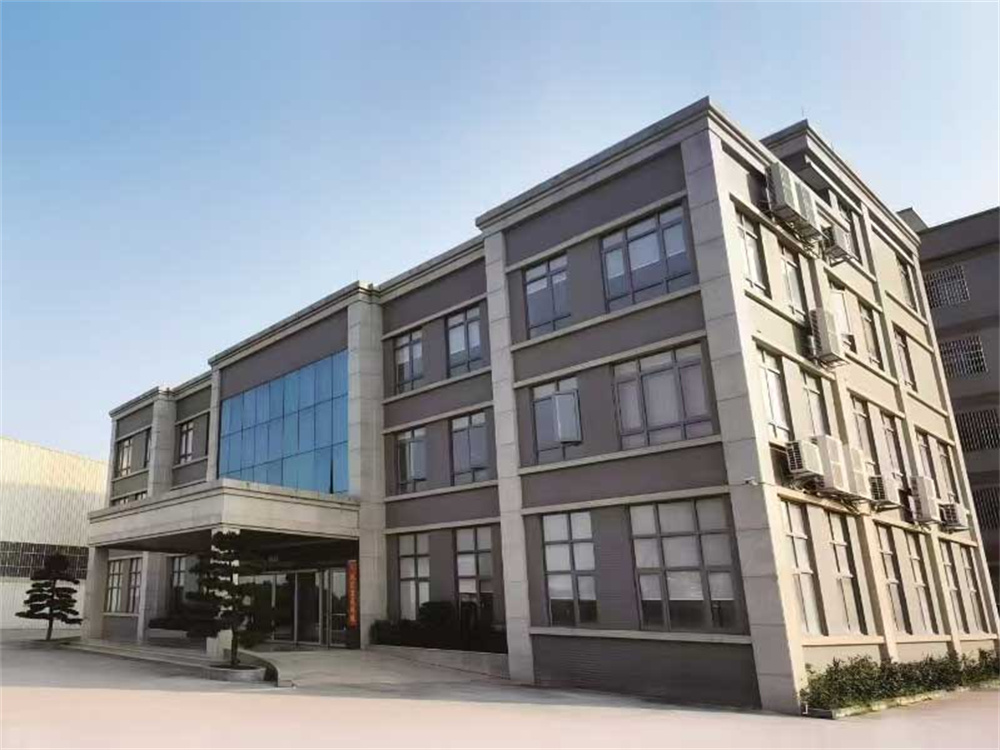
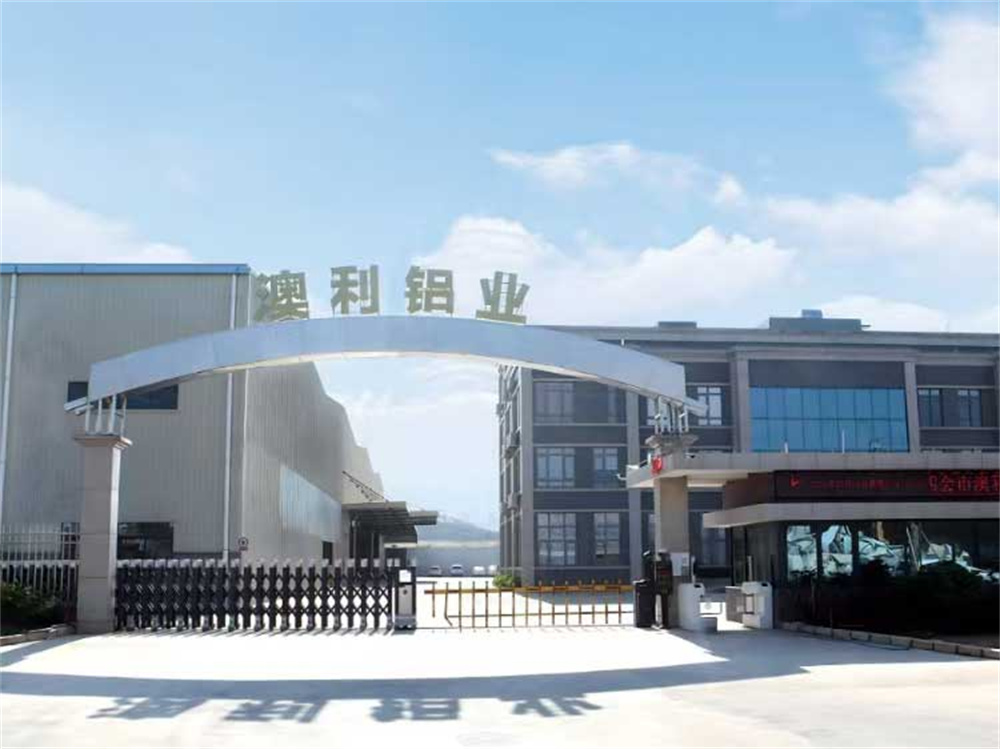
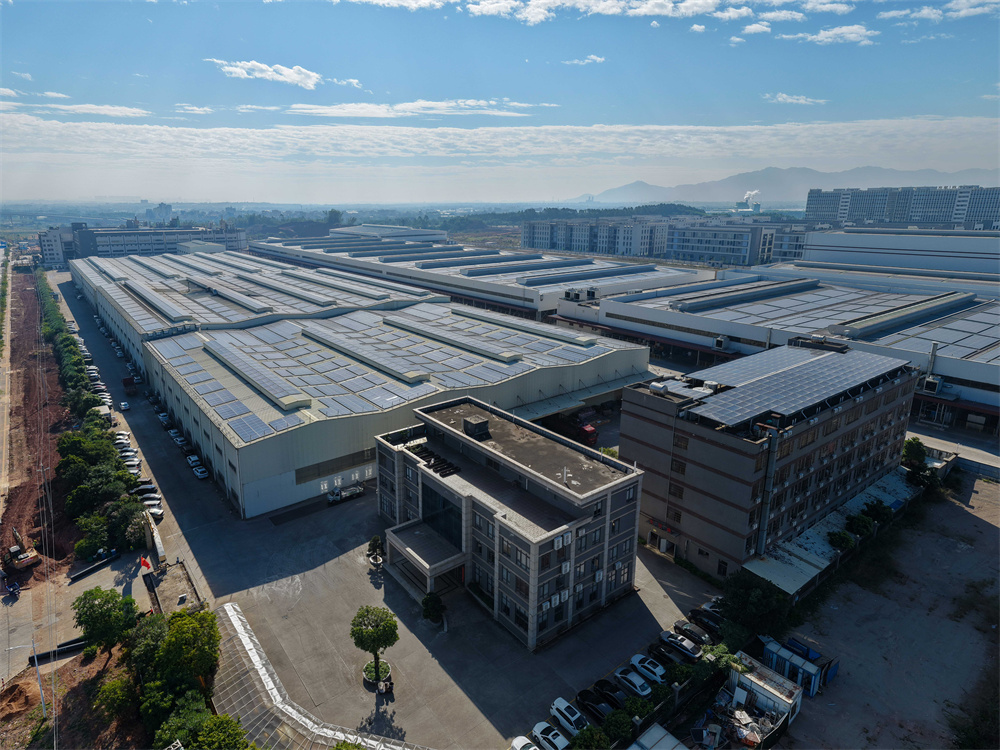
A look inside our 100,000 square meter manufacturing facility in Sihui, Guangdong, showing our vertically integrated processes from extrusion to CNC machining.
Operating four production bases, Aoli Aluminum supports global OEMs and structural glazing partners with an annual capacity of 100,000 metric tons. Our Sihui facility runs automated billet heating, dual-puller extrusion, and automated aging ovens to achieve uniform hardness and minimize surface damage. This infrastructure allows us to manufacture complex architectural sections while maintaining batch-to-batch consistency.
How we mitigate logistics risk, manage raw material volatility, and ensure project delivery for international contractors.
Our vertical integration covers billet casting, die engineering, extrusion, finishing, and packaging. This limits dependence on third-party processors, shortening lead times and reducing intermediate handling costs.
To buffer projects against London Metal Exchange (LME) volatility, we offer raw material hedging and forward-pricing structures for contract customers, stabilizing prices throughout extended project schedules.
We use robust packaging systems, wrapping individual extrusions in protective film and packing them in steel crates or heavy-duty paper pallets to prevent surface damage during ocean transit.
Quality control at Aoli Aluminum is integrated directly into the production workflow. Our testing lab conducts rigorous examinations at each stage of manufacturing. We employ a combination of 100% visual inspection and randomized Acceptable Quality Level (AQL) sampling based on ISO 2859 or ANSI/ASQ Z1.4. Each production run is documented and shipped with a comprehensive quality inspection report.
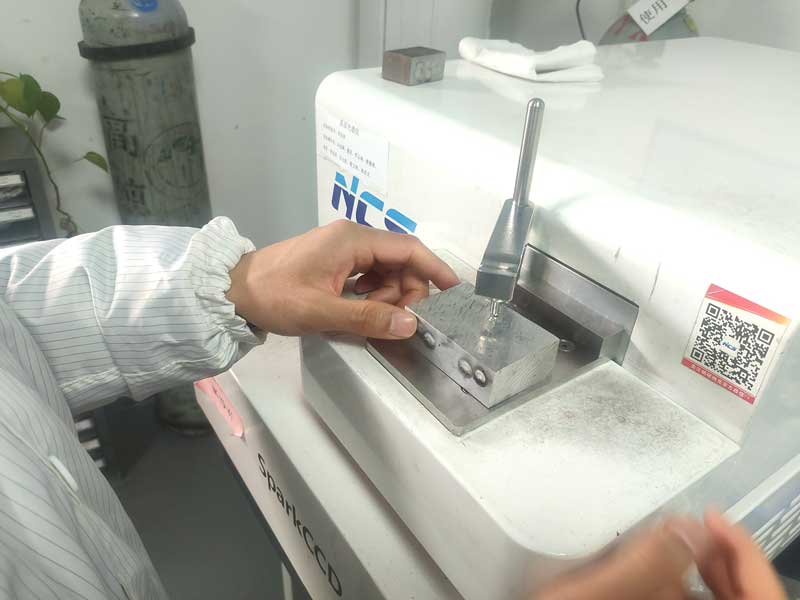 Componential Analysis
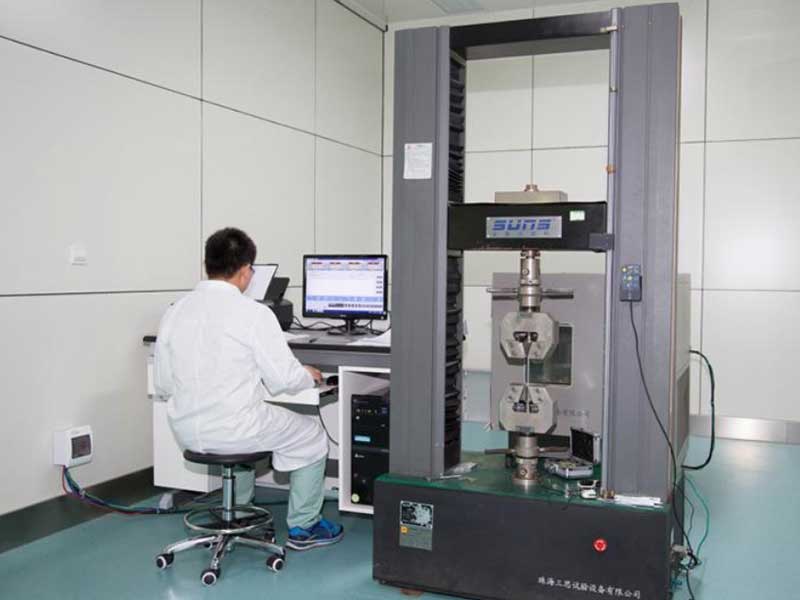 Tensile Test
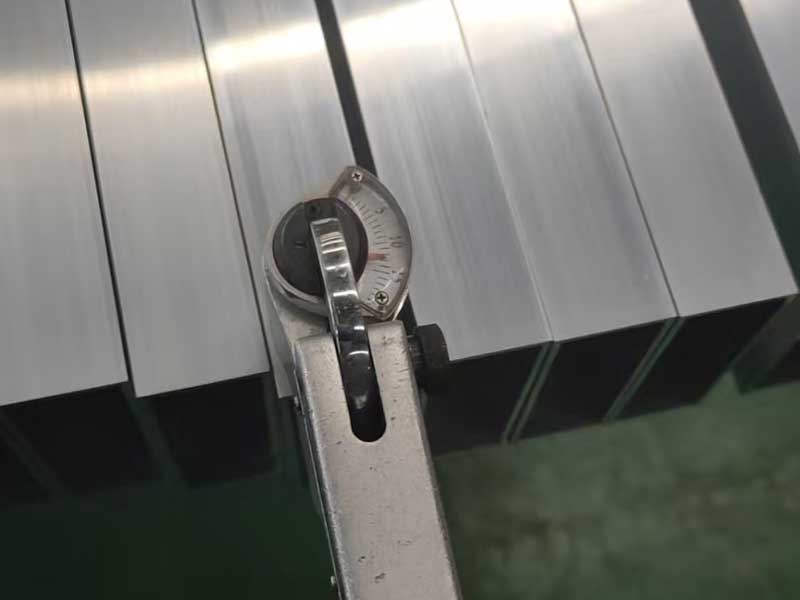 Hardness Test
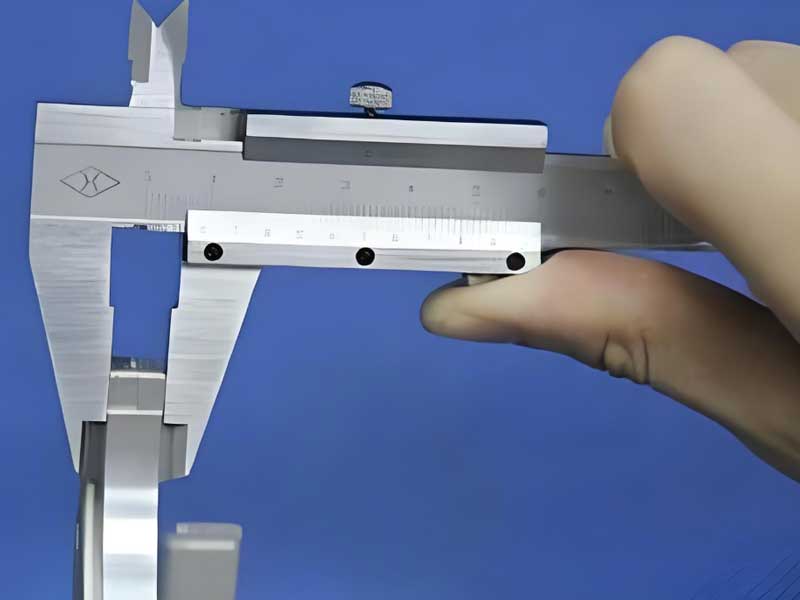 Dimensional Measurement
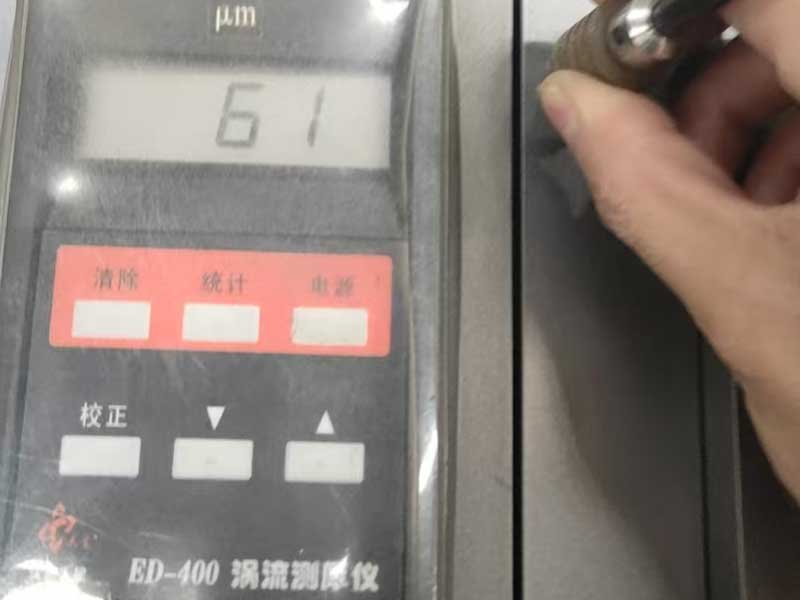 Coating Test
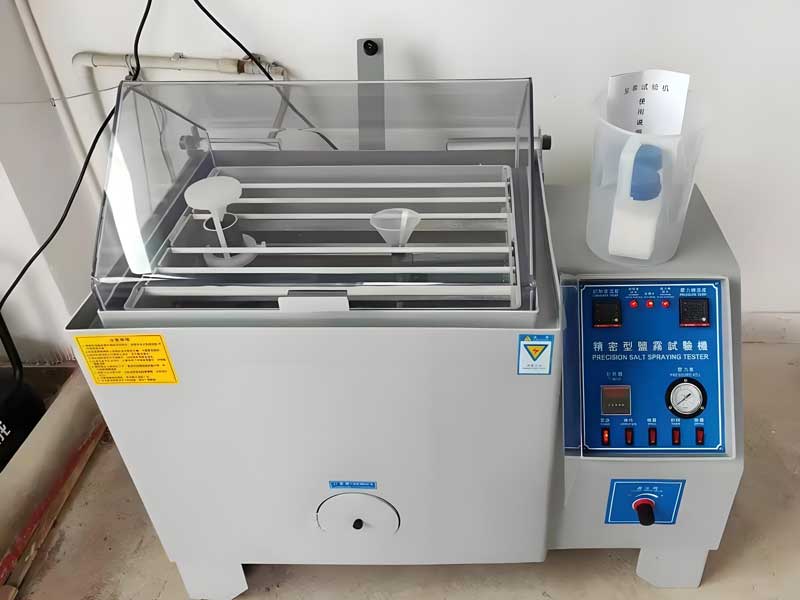 Salt Spray Test
Tracing the growth of the Aolijie brand and our footprint in the international aluminum extrusion industry.
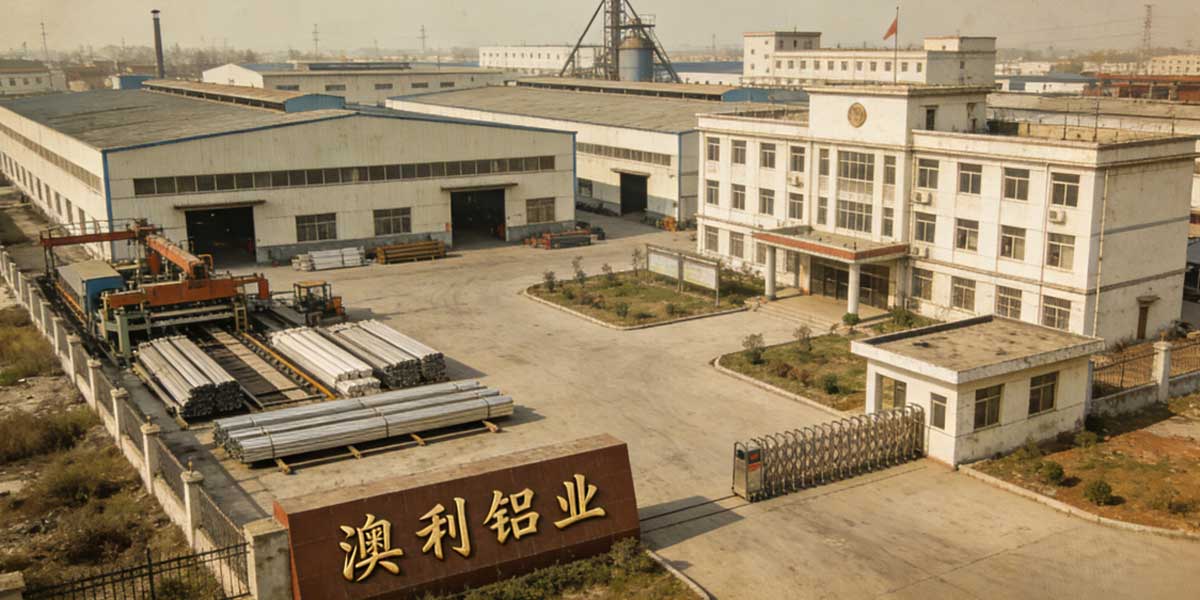
A standard aluminum profile factory covering 10,000 square meters was established in Sihui City, Guangdong Province. The brand "Aolijie" was registered to supply standard architectural and industrial profiles.
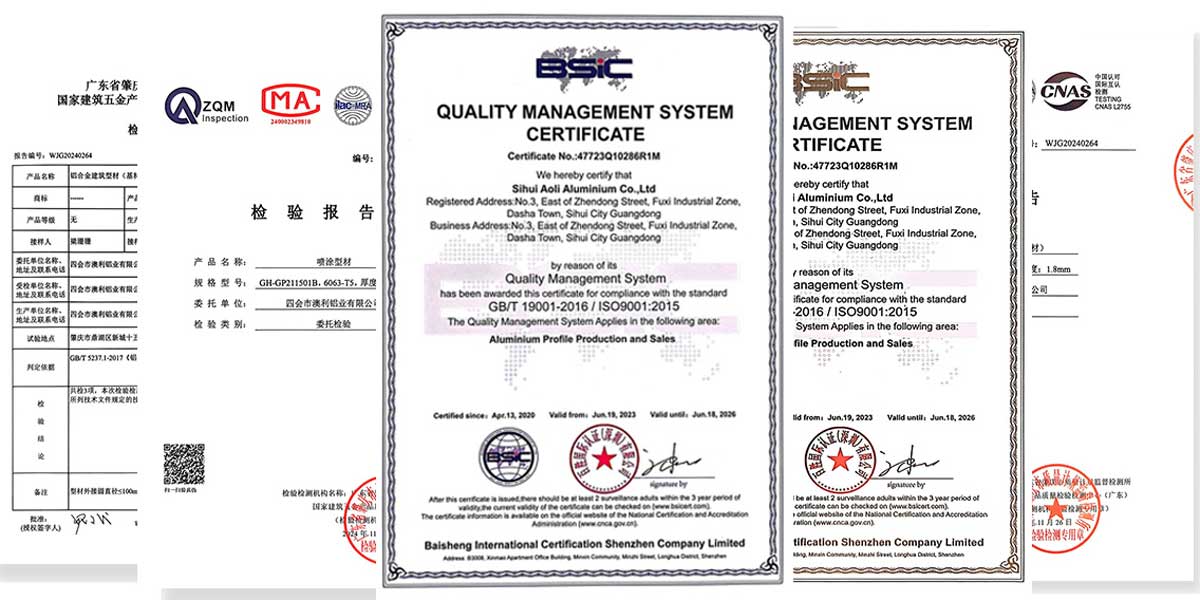
By focusing on product quality and manufacturing standards, we secured 13 product patents and obtained ISO9001 quality management system certification, expanding our market reach into international B2B sectors.
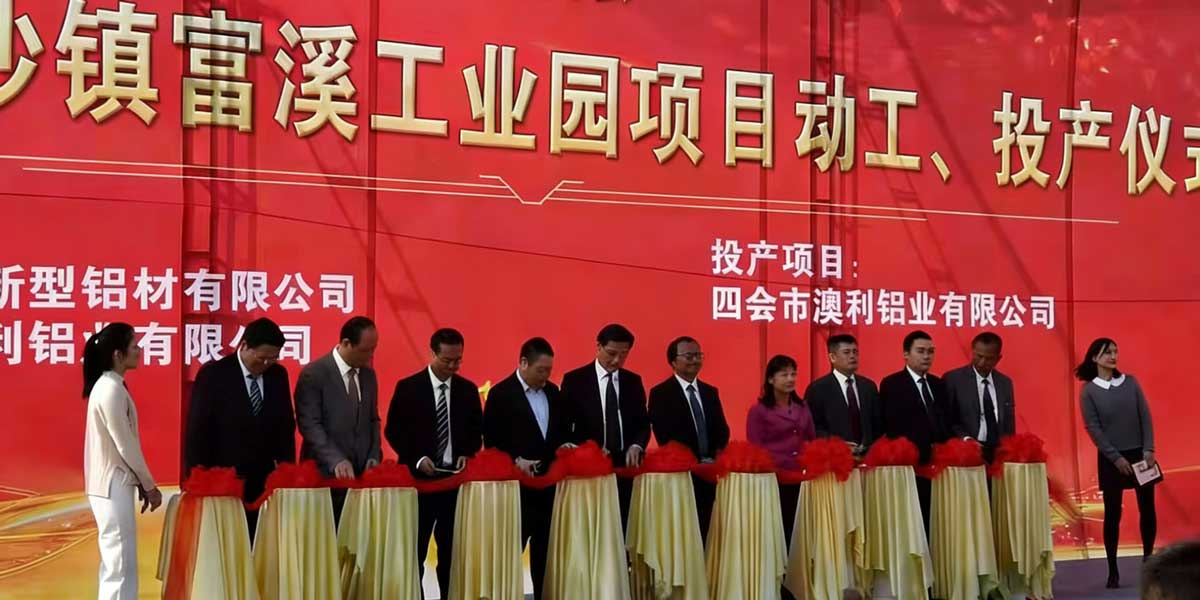
To meet growing market demand, we invested in building a new 100,000 square meter factory, raising our annual output capacity to 100,000 tons and introducing multi-axis CNC machining centers.
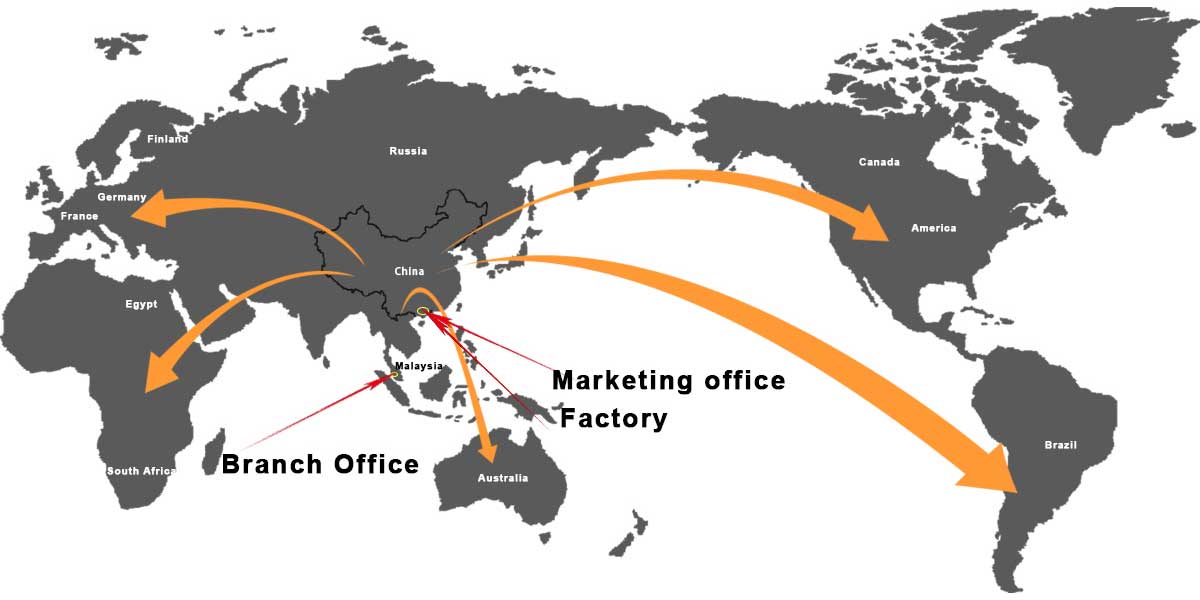
In 2024, we established a dedicated sales branch in Foshan, the metal commerce hub of South China. In 2026, we will set up our first regional office in Malaysia to directly service Southeast Asian projects.
Our business vision is guided by a commitment to supporting the construction of sustainable cities. We recognize that aluminum is a key material in the green building movement because of its infinite recyclability. We supply LEED-compliant extrusions with post-consumer recycled content, helping developers achieve project sustainability ratings.
We design custom tooling and establish dedicated extrusion parameters to meet the specific requirements of our clients' projects.
Our testing lab verifies alloy chemistry, hardness, dimensions, and coating thickness on every production lot.


Answers to common structural, metallurgical, and shipping questions asked by facade engineers and procurement managers.
Our standard tool and die manufacturing timeline is 7 to 10 working days, depending on the complexity of the profile's shape and layout. Once the client approves the initial test sample, production extrusions are typically scheduled and shipped within 15 to 20 days.
For standard residential and light commercial glass sliding doors, we recommend Alloy 6063-T5 or T6. For high-span structural applications, such as commercial store entrances or high-wind-load curtain walls, we recommend Alloy 6061-T6 or 6082-T6, which provide higher tensile strength and structural yield properties.
We operate automated vertical powder coating and anodizing lines. Finishing parameters—such as tank chemistry, bath temperatures, current densities, and baking times—are continuously monitored. Additionally, every production batch is checked with spectrophotometers and gloss meters to ensure color consistency remains within specified E-values.
Yes, we design our thermal break profiles using PA66-GF25 polyamide thermal barriers, helping systems achieve structural and thermal values aligned with European (EN) and North American (AAMA/NFRC) building codes. We also supply design drawings and material properties sheets to support structural calculations.
Contact our engineering team today to review your drawings, discuss alloy specifications, or request custom extrusion samples for your project.
Explore our interior architectural and custom functional aluminum profiles, including specialty ceiling systems, trims, and enclosure extrusions.
 Aoli Aluminum