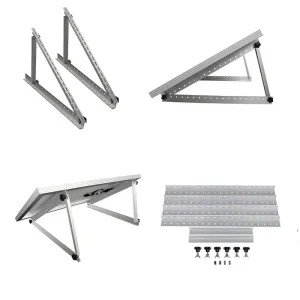
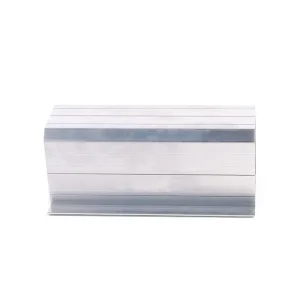
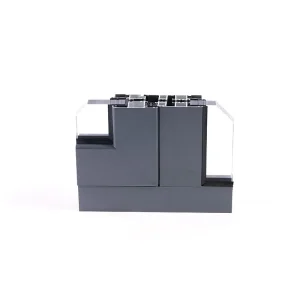
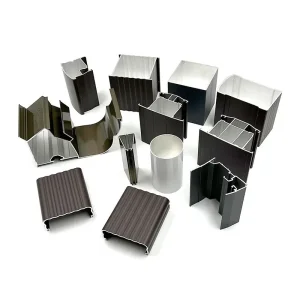
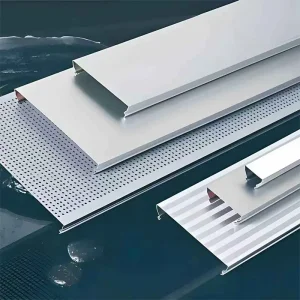
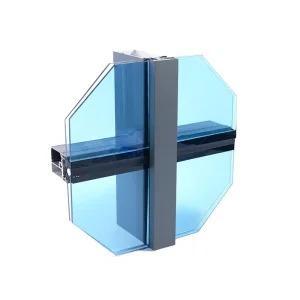
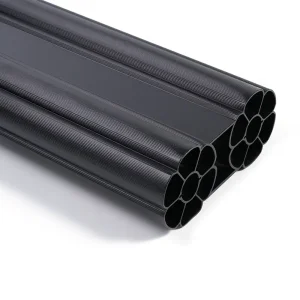
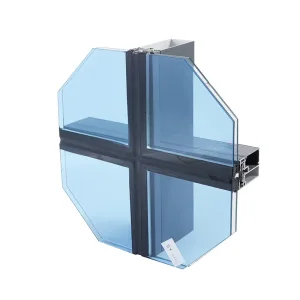
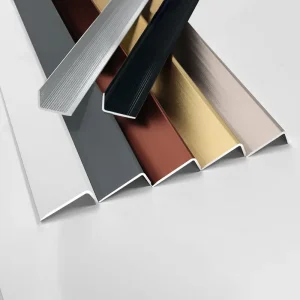
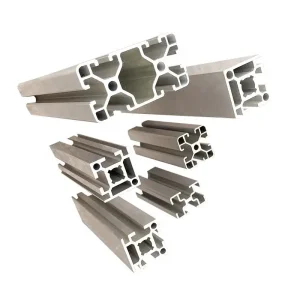
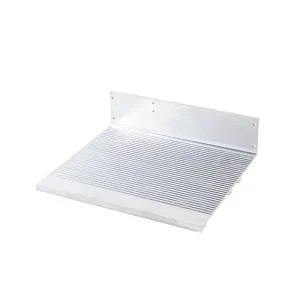
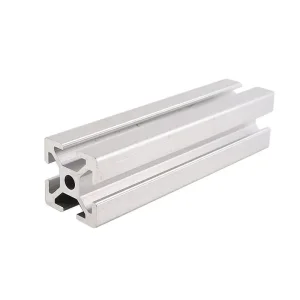
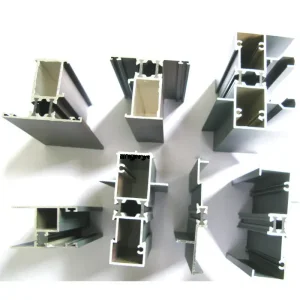
Browse our highly-demanded structural solutions, specialized brackets, and thermal break frames customized for international infrastructure and residential projects.
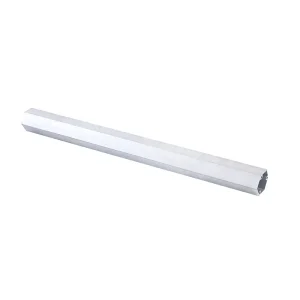
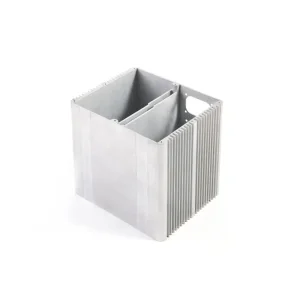
In modern sustainable urban planning, structural materials are heavily audited for thermodynamic performance, lifespan durability, and structural density. Aluminum door and window frames stand at the center of this architectural transition.
Urban systems worldwide demand strict adherence to green energy standards such as LEED (Leadership in Energy and Environmental Design) and Passivhaus. Standard aluminum, while possessing remarkable mechanical properties, requires advanced thermal break technologies. Incorporating high-strength Polyamide 66 reinforced with glass fiber (PA66 GF25) prevents heat transfers, optimizing HVAC loads across large-scale commercial facilities.
Unlike steel, which is prone to oxidization and excessive weight, or PVC, which degrades under intense UV exposure, architectural aluminum alloys (principally 6063-T5 and 6063-T6) offer optimal structural integrity-to-mass ratios. Excellent yield strength (up to 170 MPa) allows designers to achieve thinner frames and larger glass spans, maximizing natural illumination.
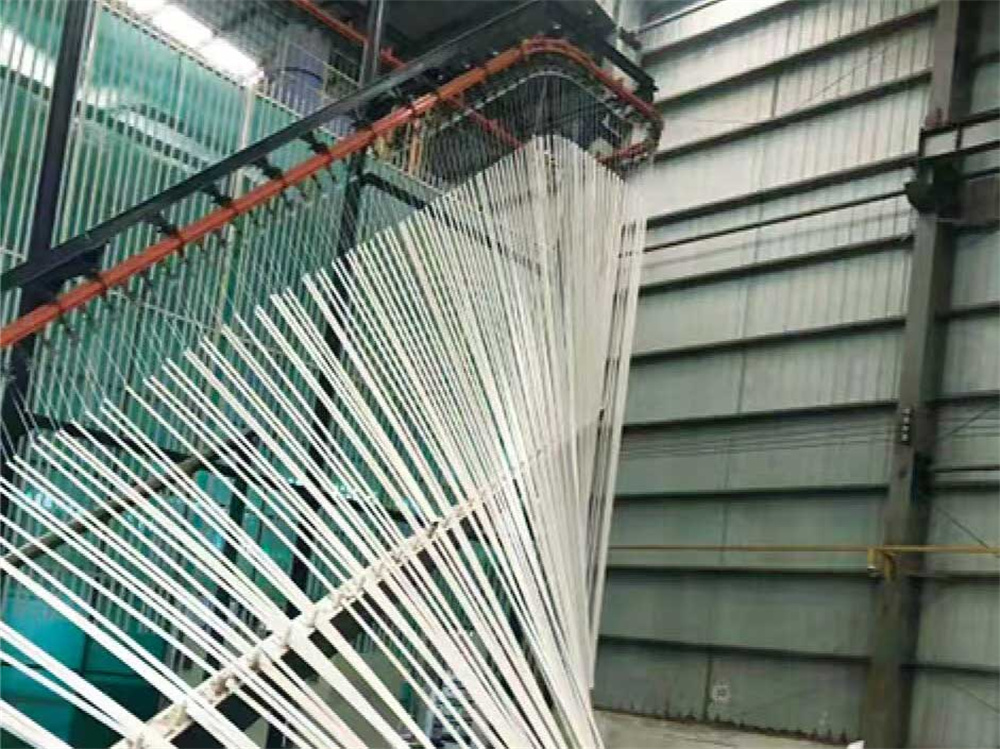
From coastal high-salinity locations to volatile industrial atmospheres, door and window frame extrusions must maintain aesthetic and protective barriers. Custom surface treatments, such as PVDF (polyvinylidene fluoride) coatings, electrolytic anodizing, and electrophoretic coatings, ensure minimal degradation, even after 20+ years of active service.
For over two decades, Guangdong Province has functioned as the absolute center of global aluminum extrusion development. With complete raw material supply chains, highly concentrated mold tooling complexes, and unmatched port access, China factories provide unique industrial advantages.
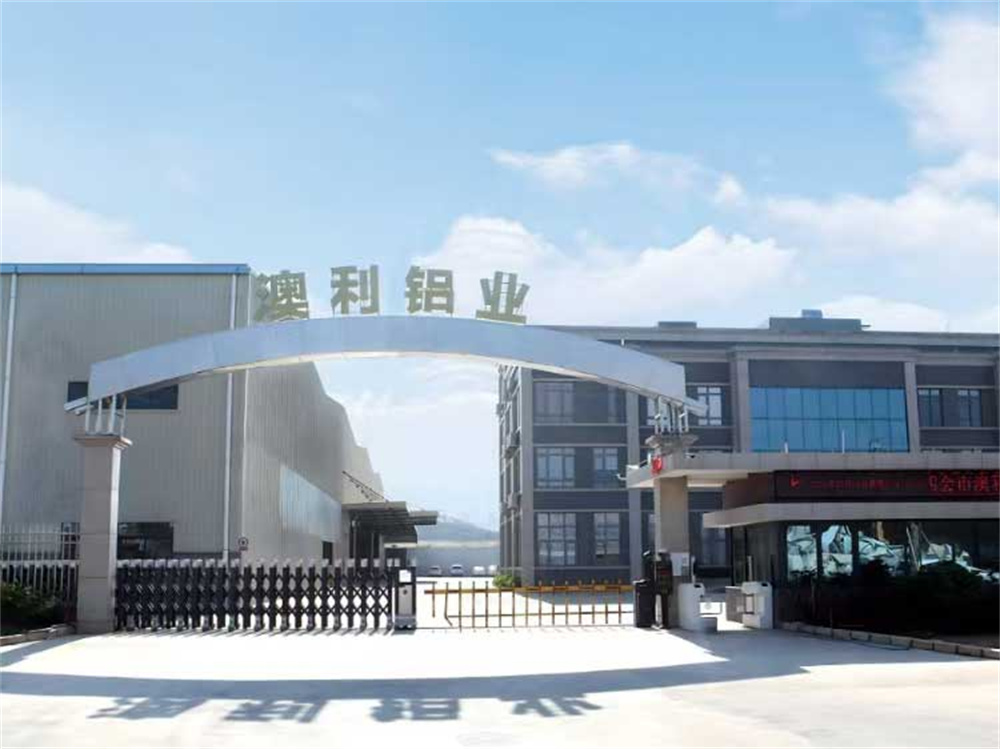
At Aoli Aluminum (founded in 2009 under the brand "Aolijie"), we maintain a comprehensive setup of extrusion presses ranging from 900 tons up to 2000 tons. This machinery supports high-precision dimensional tolerances for both architectural designs and custom industrial assemblies. Having an in-house die design center means customized profile development moves from design board to pilot runs in a fraction of the traditional lead time.
Our pricing model is rooted in cost-effective manufacturing workflows, strategic raw material procurement directly near primary smelters, and optimized logistics routing through our branch offices in Foshan and manufacturing facilities in Sihui. By eliminating intermediaries, we provide wholesale distributors and project developers with sustainable structural solutions without sacrificing material quality.
Modern building profiles require more than basic extrusion. Our facilities are equipped with CNC deep-processing, precision milling, punch presses, and miter-cutting equipment to deliver ready-to-assemble door frame profiles with pre-drilled hardware slots, integrated thermal break gaskets, and custom weather stripping channels.
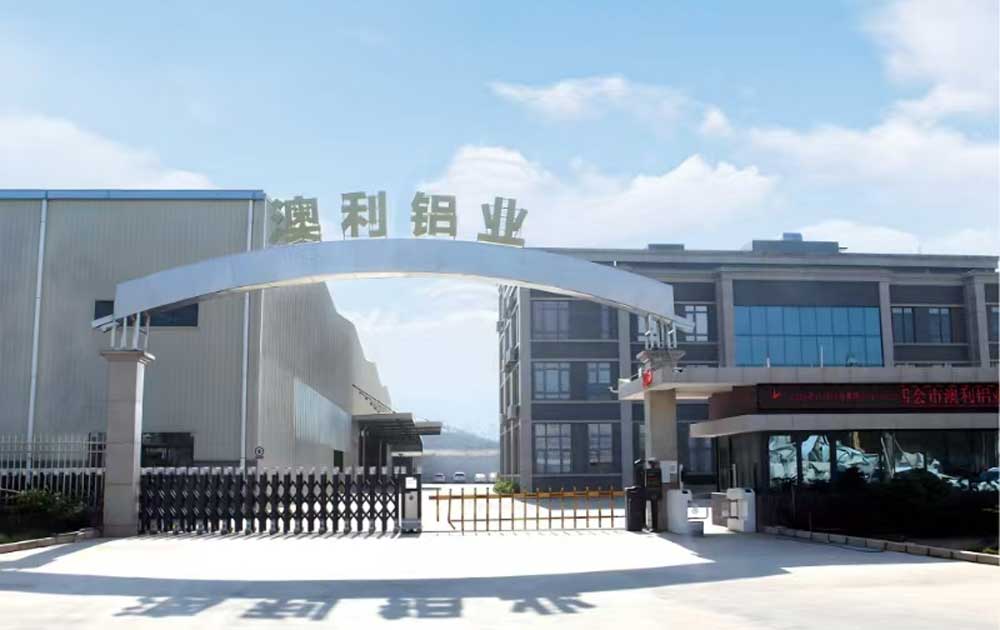
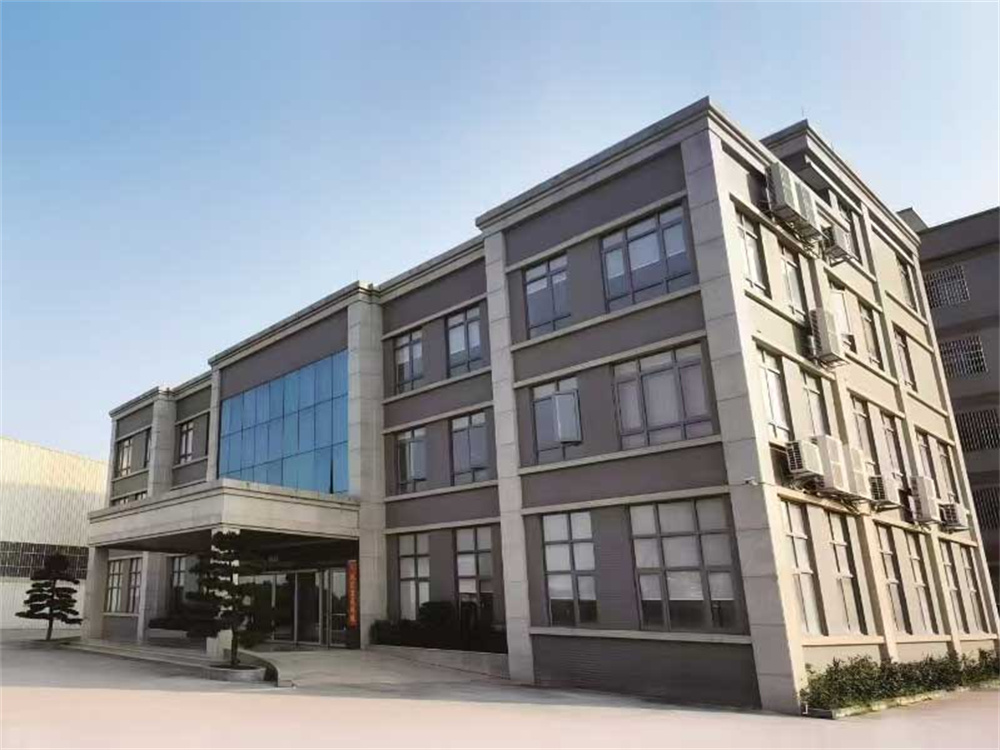
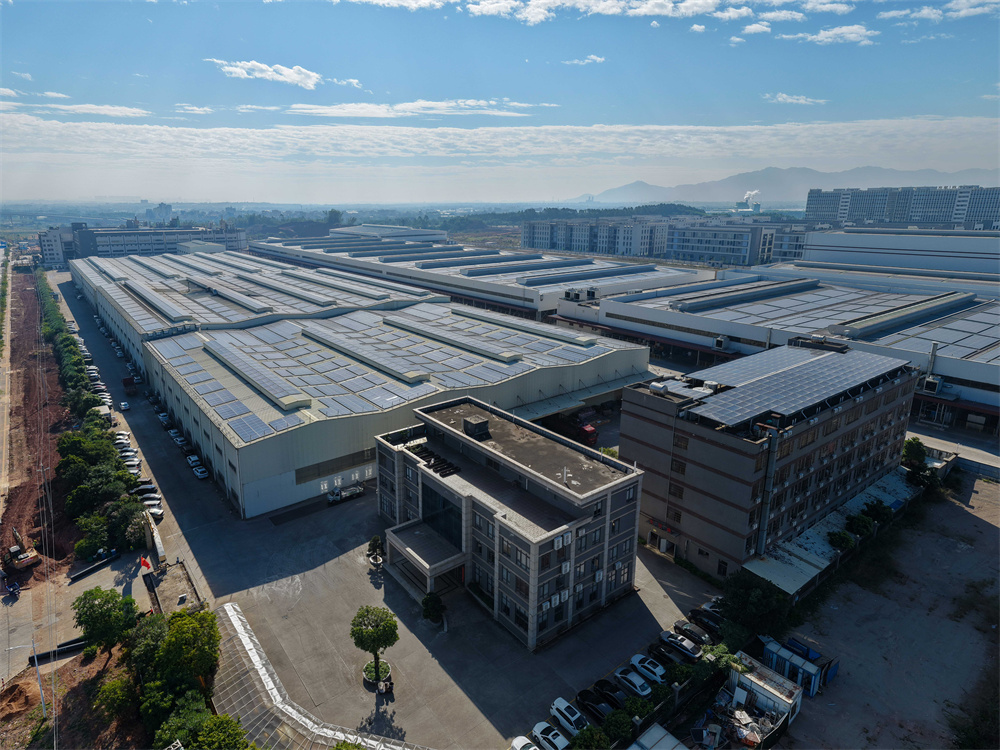
Aoli Aluminum operates 4 massive production bases, delivering high-performance alloy structures for construction, interior decoration, and machinery support components. Under Mr. Wong's leadership since 2000, our focus is building sustainable cities for the world. Committed to achieving a win-win situation for employees, customers, and society has always been our business vision.
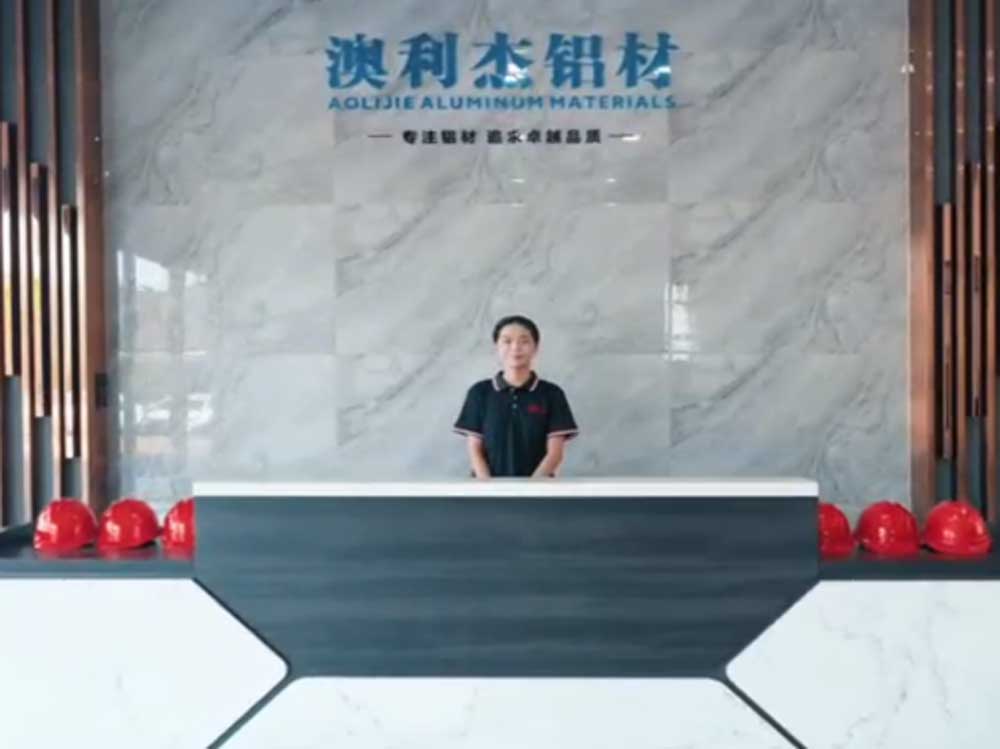
"Aolijie" represents our core commitment: Your first choice — outstanding Chinese products guided by industry-leading indicators.
"A" represents top choice, "O" represents premium Option. Overall: First Choice.
"L" stands for Leading, "I" stands for Indicator. Overall: Leading Indicator.
Refers to Master Work (杰) in the Chinese language.
A standard aluminum profile factory covering 10,000 square meters was put into production in Sihui City, Guangdong Province. The brand "Aolijie" was founded, dedicated to producing industry-leading standard aluminum profiles.
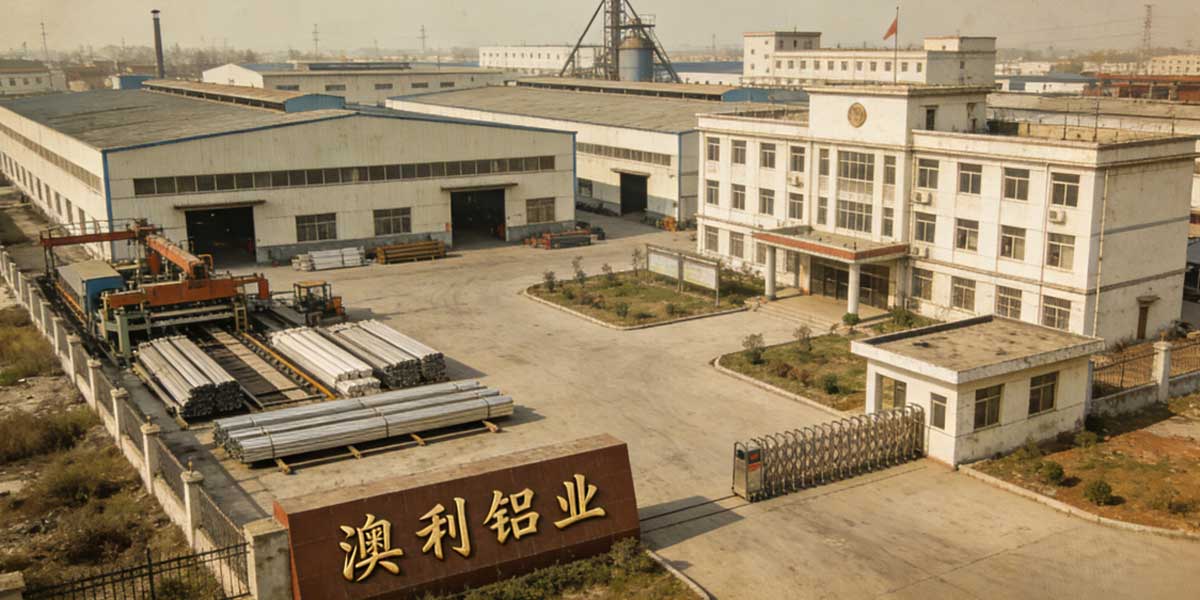
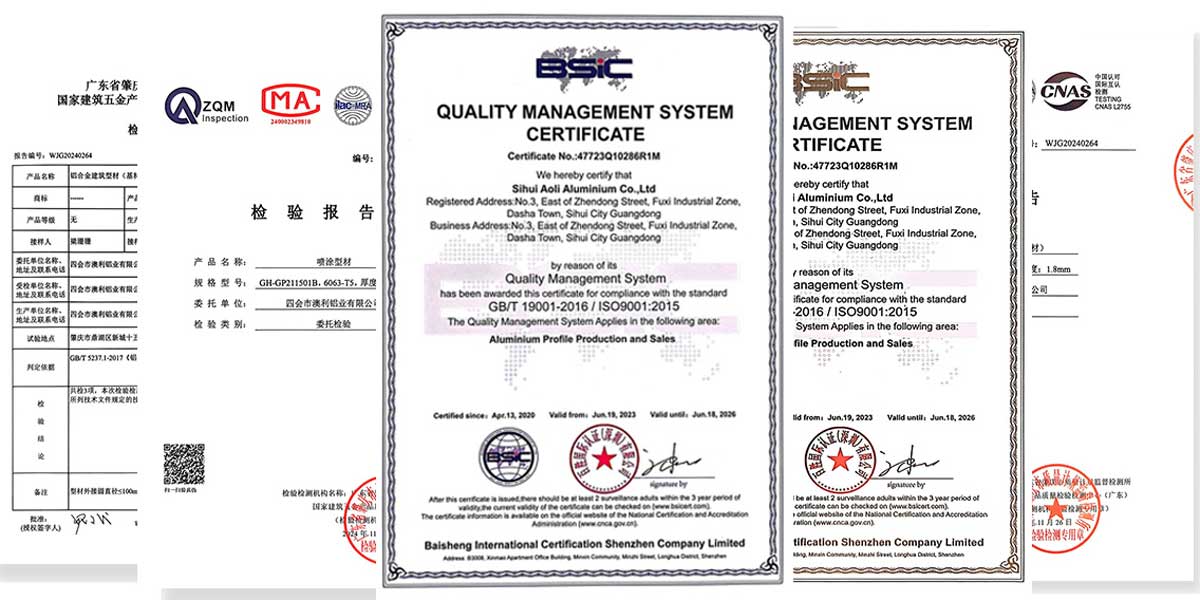
Based on strict requirements for product quality and production management, we obtained 13 product patents and ISO9000 certification between 2010 and 2016.
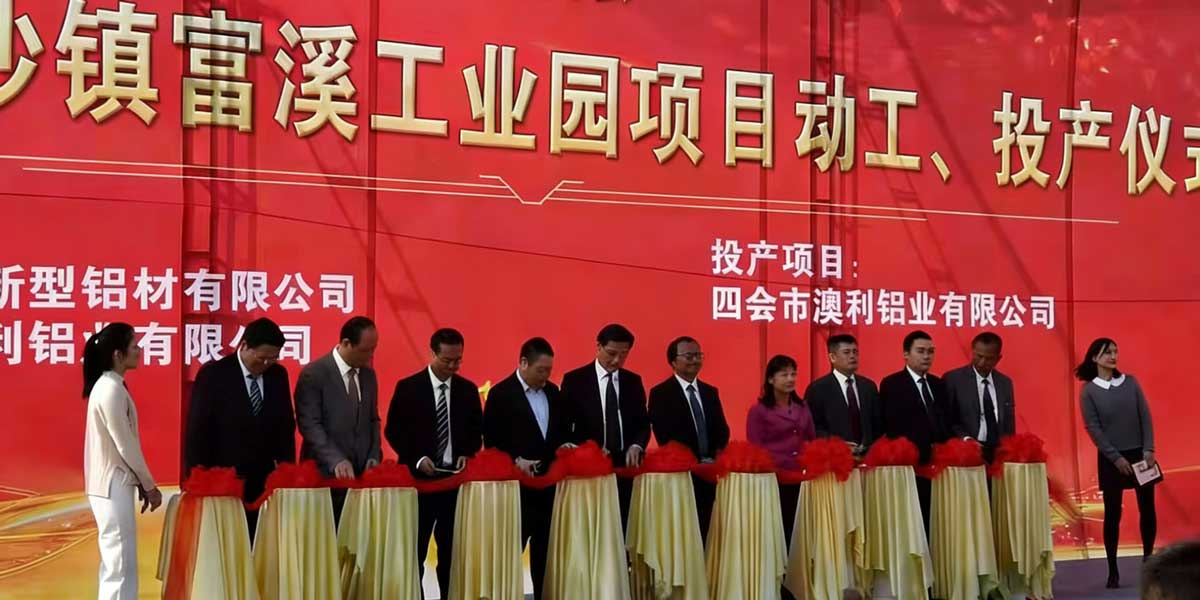
Due to positive market feedback, we invested in the construction of a 100,000 square meter factory in 2017, increasing our annual output to 100,000 tons.
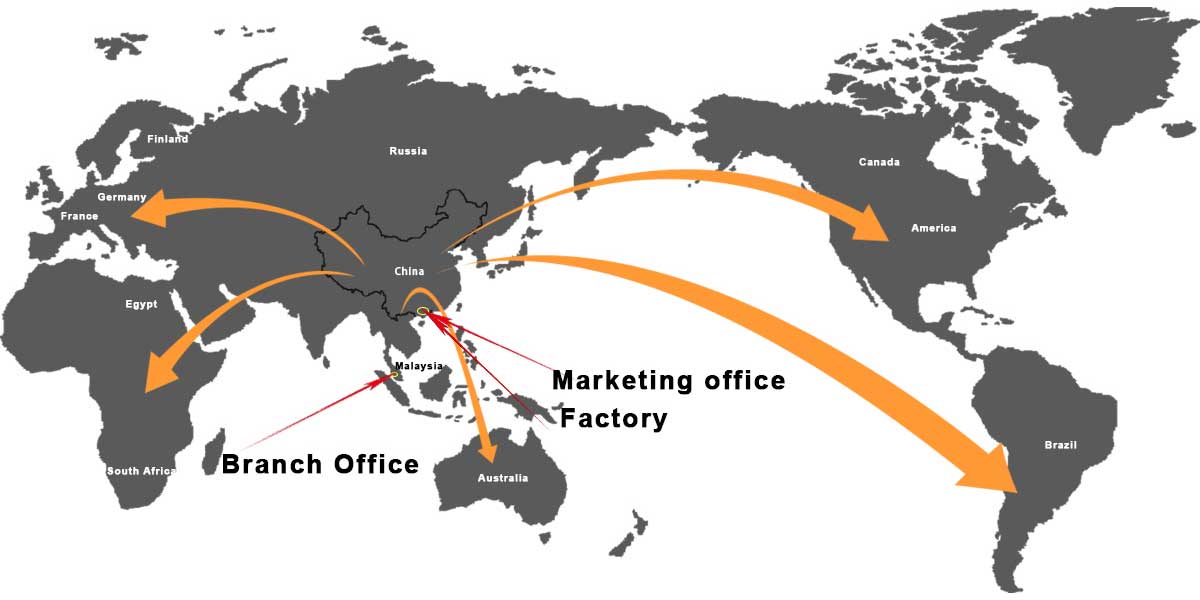
Established a dedicated sales division in Foshan. Setting up our primary Southeast Asian branch office in Malaysia by 2026 to support global operations.
Since 2000, our founder Mr. Wong has been engaged in the building materials industry. Recognizing the rapid urbanization phase of the domestic market and the environmental limitations of alternative materials, he focused on aluminum profiles: "Aluminum profiles are an environmentally friendly, low-carbon, sturdy, and durable material. Urban development will eventually rely on aluminum to save energy and protect forests." This belief built the foundation of "Aolijie" in 2009.
Quality is not an afterthought; it is the structural backbone of every profile. Each production run at Aoli Aluminum is validated under stringent sampling standards (ISO 2859 / ANSI/ASQ Z1.4) to maintain compliance with structural engineering requirements.
| Alloy Grade | Temper State | Tensile Strength (min) | Yield Strength (min) | Hardness (Webster) | Common Applications |
|---|---|---|---|---|---|
| 6063 | T5 | 150 MPa | 110 MPa | ≥ 8 HW | Standard Residential Windows, Interior Door Casements |
| 6063 | T6 | 205 MPa | 170 MPa | ≥ 10 HW | Heavy-Duty Commercial Sliders, Curtain Wall Frames |
| 6061 | T6 | 260 MPa | 240 MPa | ≥ 15 HW | High-Load Structural Industrial Brackets, PV Mounts |
| 6082 | T6 | 290 MPa | 250 MPa | ≥ 15 HW | Marine & Specialized Stress-bearing Structures |
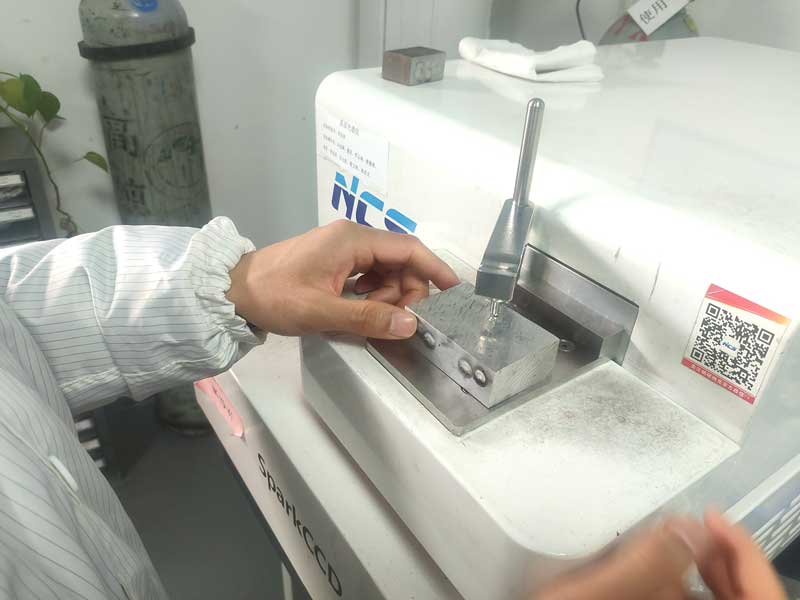 Componential Analysis
Verifies optical emission spectrometry element distributions (Si, Fe, Cu, Mn, Mg, Cr, Zn, Ti).
Componential Analysis
Verifies optical emission spectrometry element distributions (Si, Fe, Cu, Mn, Mg, Cr, Zn, Ti).
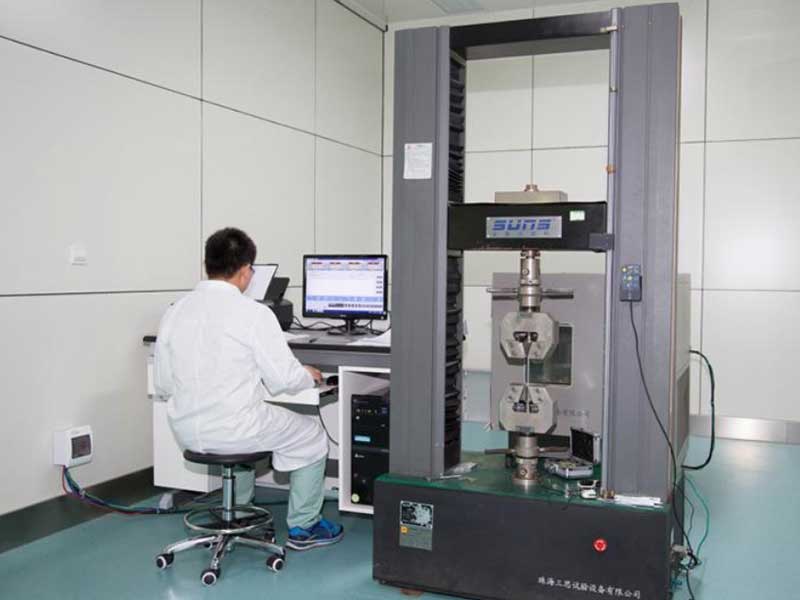 Tensile Testing
Measures yield limit, breaking elongation, and mechanical stress profiles.
Tensile Testing
Measures yield limit, breaking elongation, and mechanical stress profiles.
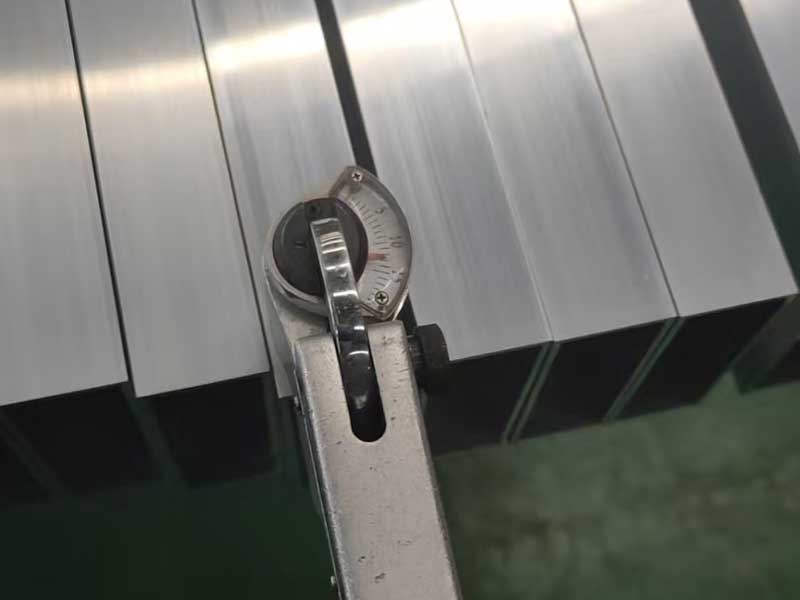 Hardness Verification
Utilizes Webster indentation instrumentation to check aging furnace outcomes.
Hardness Verification
Utilizes Webster indentation instrumentation to check aging furnace outcomes.
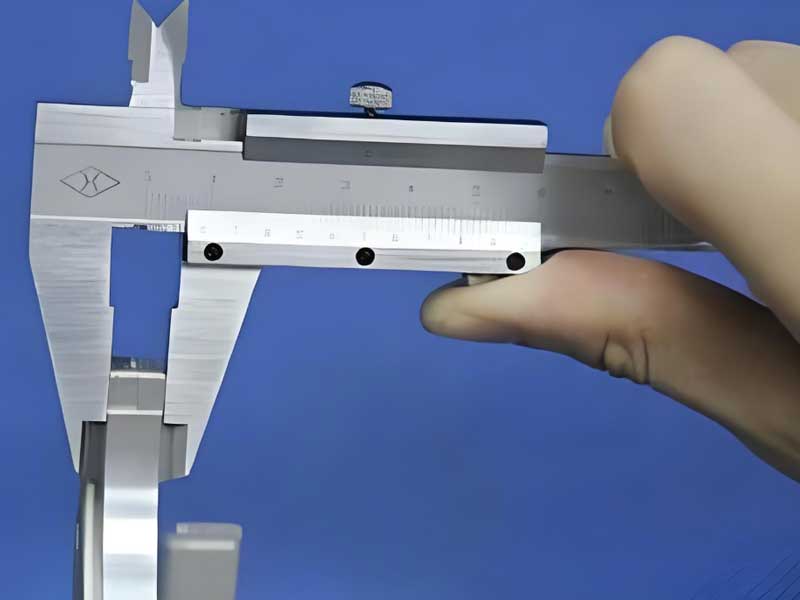 Dimensional Tolerances
Electronic caliper and projection verification to ensure exact fitment.
Dimensional Tolerances
Electronic caliper and projection verification to ensure exact fitment.
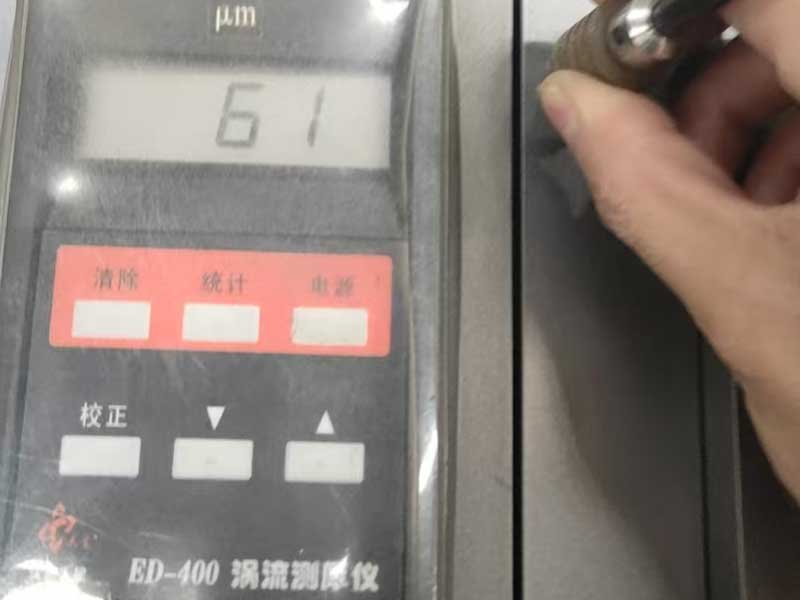 Coating Thickness & Adhesion
Cross-cut tape testing and eddy-current thickness measurement for paint/anodization.
Coating Thickness & Adhesion
Cross-cut tape testing and eddy-current thickness measurement for paint/anodization.
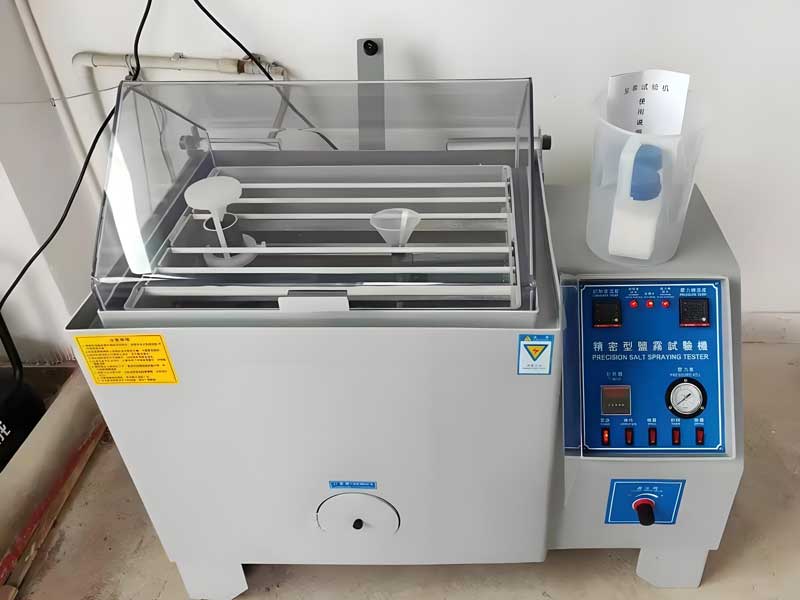 Corrosion & Salt Spray
Accelerated environmental testing (CASS) to evaluate protective layer lifespan.
Corrosion & Salt Spray
Accelerated environmental testing (CASS) to evaluate protective layer lifespan.
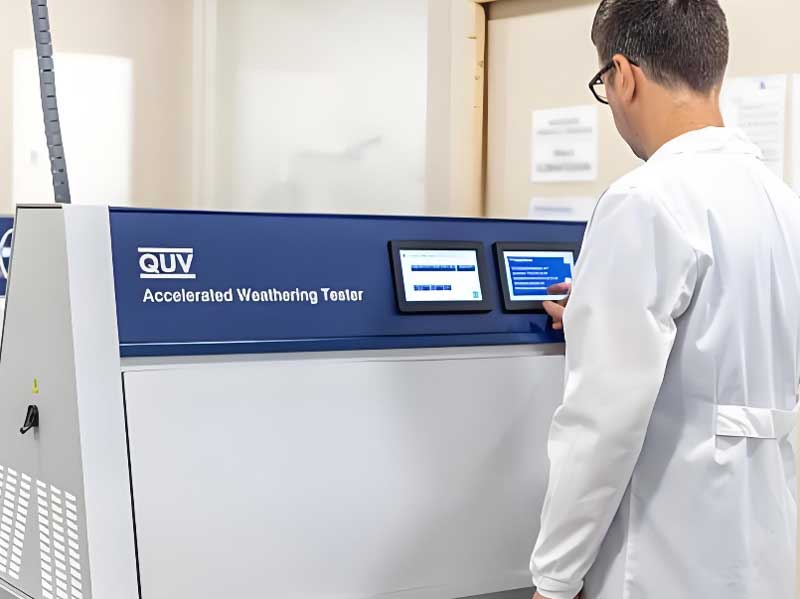 UV Weathering Resistance
Accelerated solar exposure chamber to prevent fading of powder-coated layers.
UV Weathering Resistance
Accelerated solar exposure chamber to prevent fading of powder-coated layers.
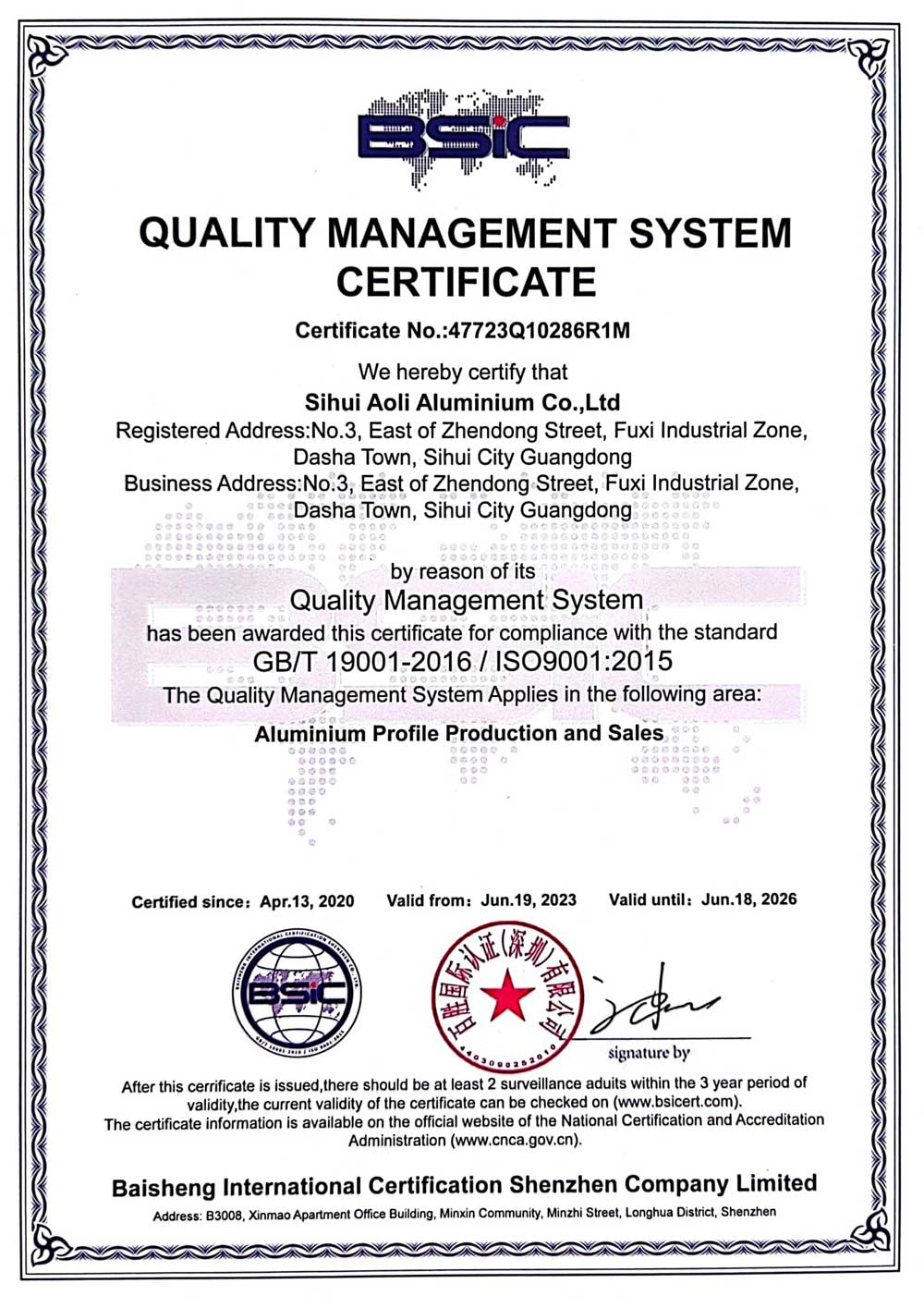
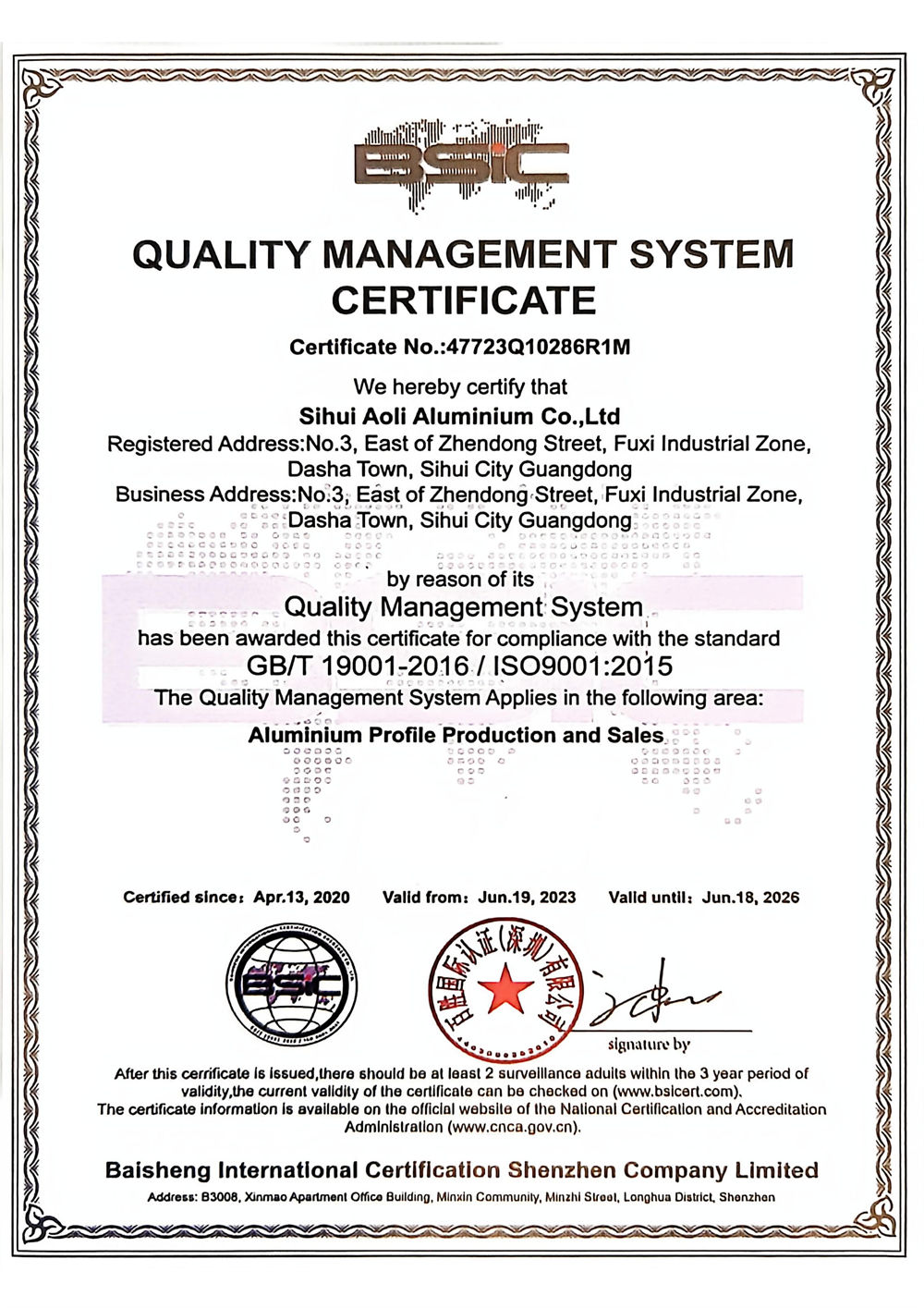
Aoli Aluminum operates strictly under ISO 9001 quality management configurations. Each export shipment includes material test reports, dimensional inspection certificates, and chemical analysis breakdowns.
Our certificates cover ISO 14001 environmental safety regulations, OHSAS 18001 workplace protocols, and regional building standard approvals across South America, Southeast Asia, and the Middle East.
Different regional environments dictate distinct structural considerations. Understanding these environmental nuances ensures long-term operational success for contractors and distributors.
High-salinity coastal spray accelerates electrochemical degradation. For these environments, we recommend specifying anodized finishes exceeding Class I thickness standards (minimum 15 microns) or PVDF multi-coat finishes. These systems prevent filiform corrosion and degradation along the frame edges.
Intense ultraviolet radiation and extreme daily temperature shifts put significant physical stress on materials. Anodized coatings can become brittle, and standard plastics degrade rapidly. Our specialized super-durable powder coating configurations (complying with AAMA 2604/2605 specifications) prevent color shifting and protect the underlying structural alloy.
Thermal loss must be mitigated through structural separation. Utilizing PA66 GF25 thermal break inserts, our profiles isolate the outer and inner aluminum sections, reducing thermal transmission. This structure prevents frost accumulation on interior surfaces and minimizes heating system energy consumption.
We work closely with global engineering consortiums to supply projects ranging from high-rise commercial offices in Southeast Asia to custom residential developments in South America. Our profiles conform to local wind load and building standards.
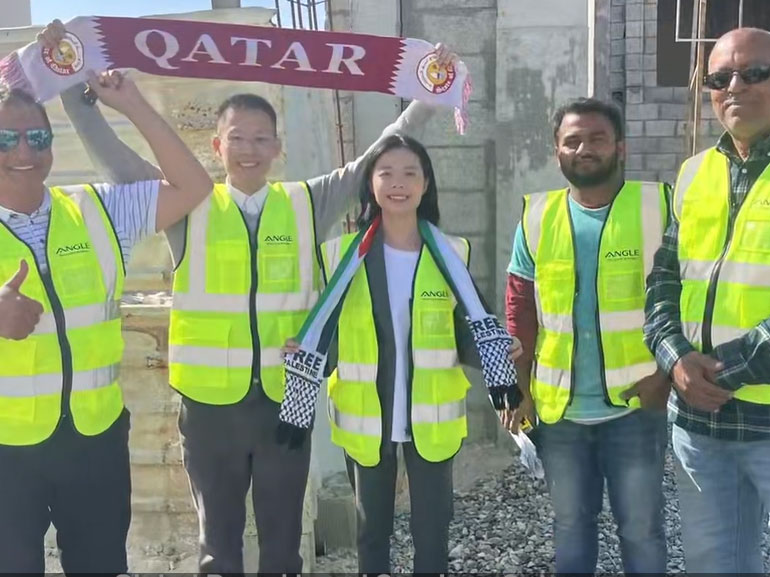


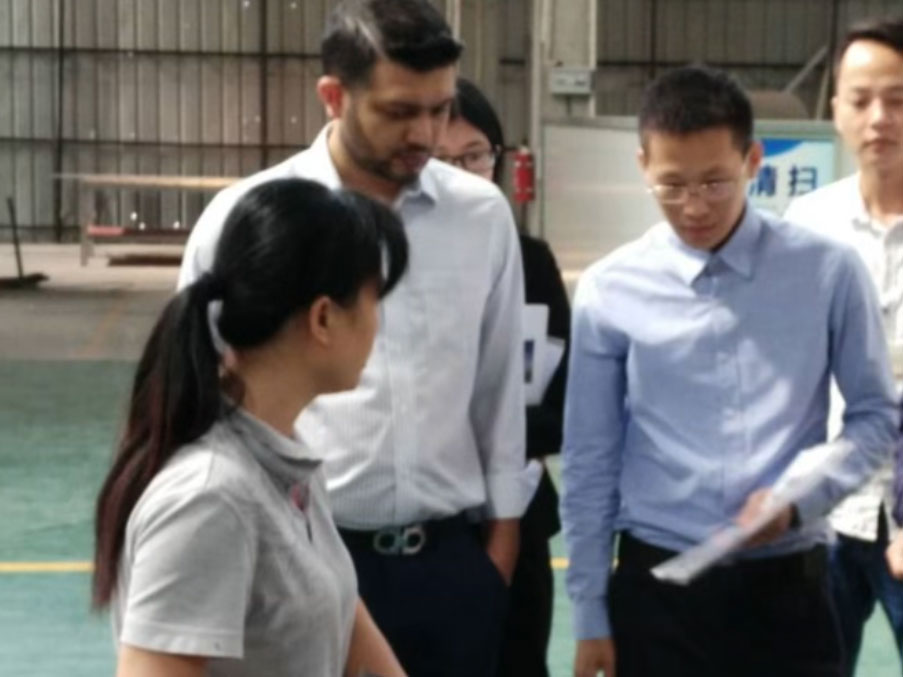
Find detailed technical and logistical information regarding custom profile sourcing, certifications, and manufacturing limits.
For standard architectural doors and casement windows, we recommend Alloy 6063 in the T5 temper state due to its excellent surface finish capabilities, corrosion resistance, and structural stability. For high-rise storefront structural frames, heavy curtain walls, or areas subject to severe wind load specifications, we suggest moving to 6063-T6 or 6061-T6 structural grades, which provide significantly higher tensile and yield strength profiles.
Our standard manufacturing MOQ is generally 500 kg to 1 ton per profile type, depending on cross-sectional complexity and total weight per meter. New die development carries a tooling fee, but this fee is fully refunded once cumulative order volumes for that specific design reach designated tonnages (typically 3 to 5 tons).
We implement a strict quality program beginning with raw material ingot verification. This is followed by inline coordinate measurement systems during extrusion, continuous calibration of sizing dies, and final pre-packaging quality audits. Every production batch undergoes secondary spot checks based on ISO 2859 / ANSI/ASQ Z1.4 sampling metrics to verify tolerances remain within the bounds defined in the project drawings.
Yes. We operate fully integrated high-precision thermal break assembly lines. We source certified Polyamide PA66 GF25 insulating strips, knurl the aluminum structural pockets, insert the structural insulator, and roll-lock the composite profile to form a single thermal-barrier assembly. This complete workflow is handled inside our facilities to prevent alignment and mechanical issues.
For standard configurations with existing tooling, production takes approximately 15 to 20 days from deposit verification. For completely customized configurations: die design and sample production take 7 to 10 days, followed by standard mass production runs of 20 to 25 days upon final sample confirmation and approval.
From modern invisible glass curtain wall frames to heavy-duty angle brackets and multi-fit heat sinks, check our technical catalog for your engineering needs.
We are committed to providing you with the highest quality products and excellent services. Contact our engineering team today to receive a detailed cost analysis, mold configuration feasibility study, or direct factory samples.
 Aoli Aluminum