Engineered to meet rigorous global standards, our core product lineup addresses the multifaceted architectural, structural, and custom manufacturing needs of international distributors and constructors.
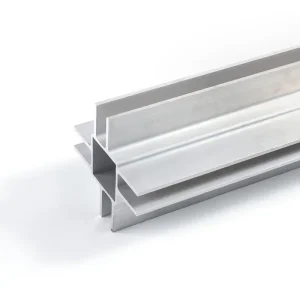
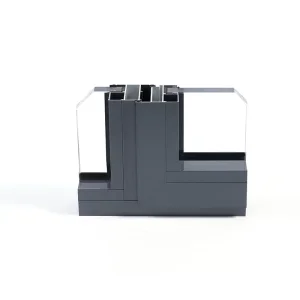
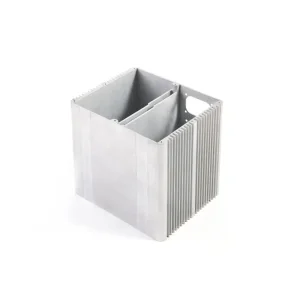
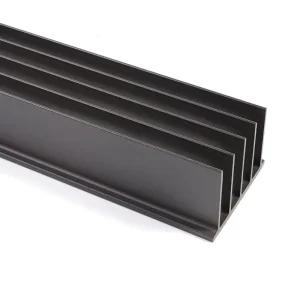
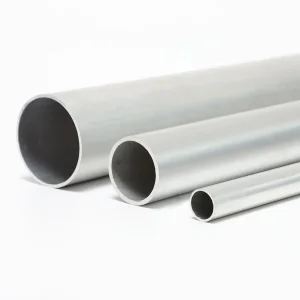
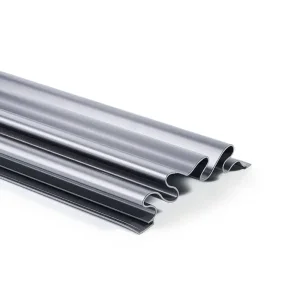
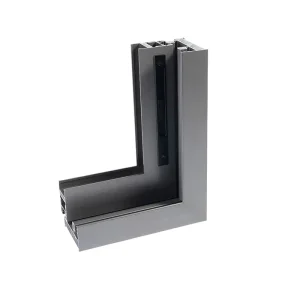
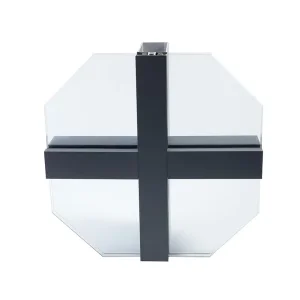
In modern architectural design, door and window systems represent key factors in structural load capacity and thermal envelope performance. Global urbanization demands materials that offer structural longevity while complying with stricter energy efficiency codes (such as ASHRAE 90.1, LEED v4.1, and the EU Green Deal's decarbonization targets).
Aluminum door frame extrusions have transitioned from basic framing elements to high-performance structural systems. High-capacity extrusions accommodate triple-glazed systems, complex acoustic dampening profiles, and integrated smart security hardware. These structural systems serve as critical solutions for heat mitigation and long-term durability in high-density urban environments.
Advanced polyamide thermal breaks (PA66-GF25) reduce thermal transmittance (U-factor), lowering cooling and heating energy demand in high-occupancy structures.
High-strength 6063-T6 and 6061-T6 alloys resist high wind load pressures, static loads, and repetitive mechanical strain in high-traffic commercial entries.
Aluminum's infinite recyclability ensures that projects utilizing these extrusions support life-cycle circular economy metrics and reduce Scope 3 emissions.
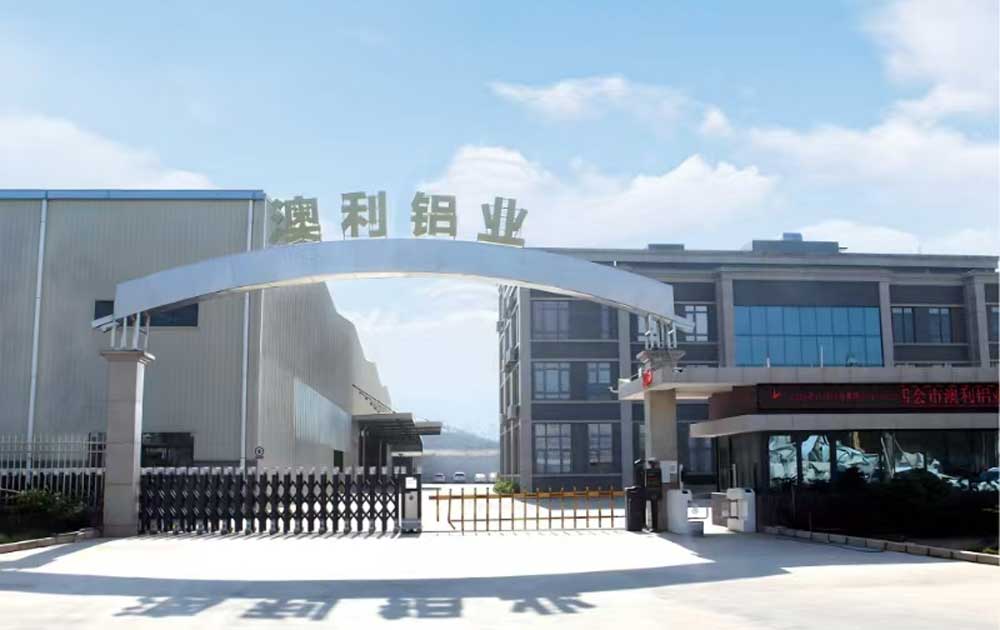
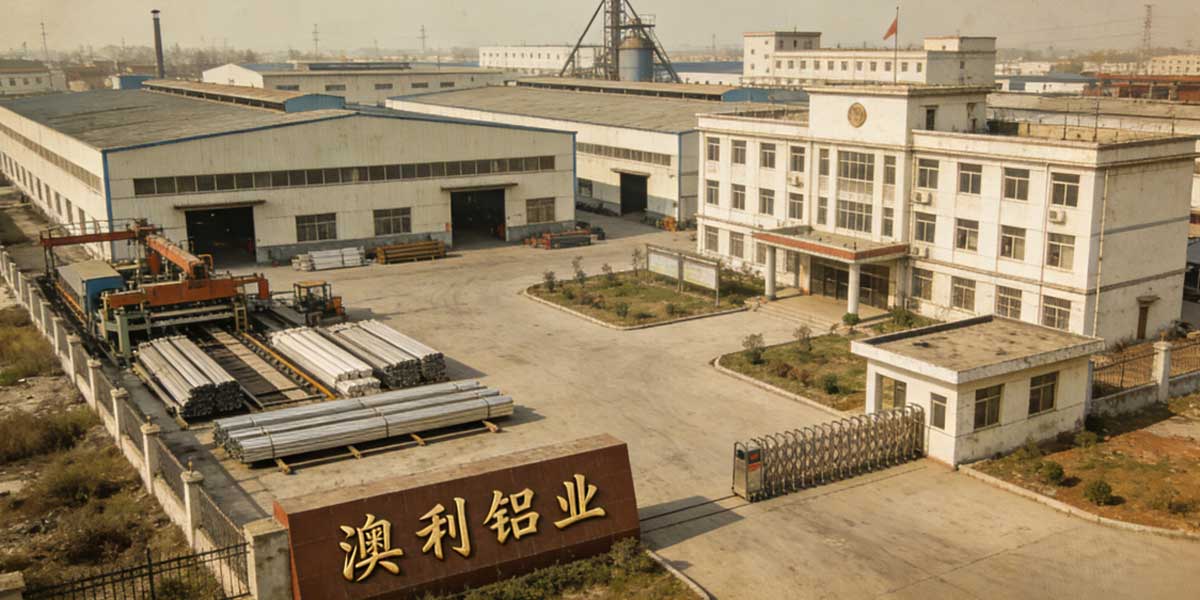
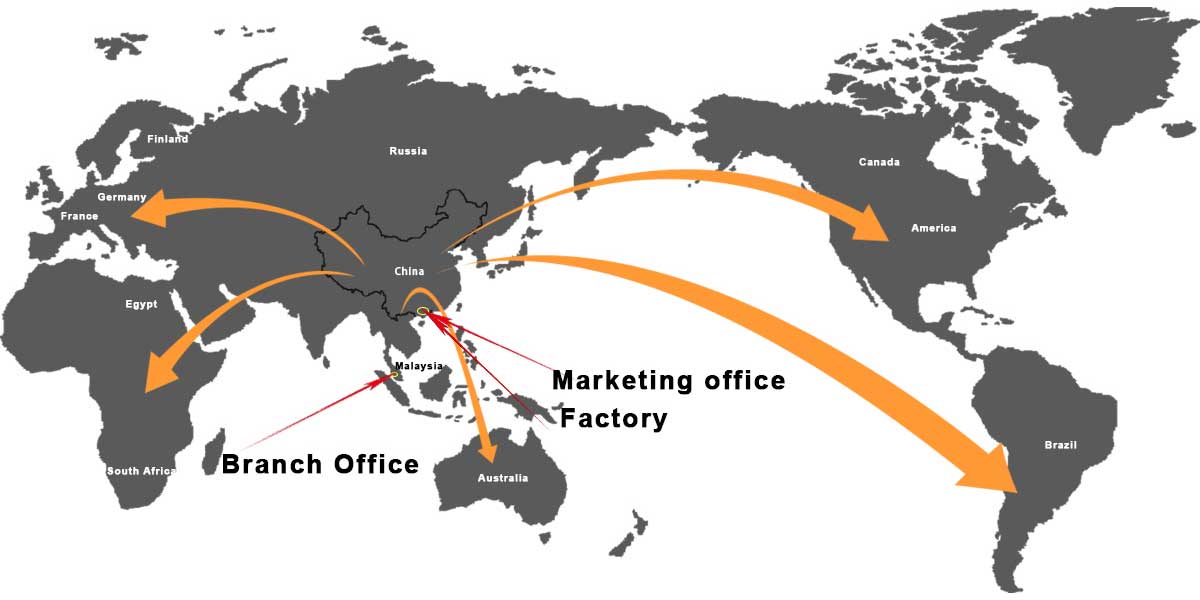
Established in 2009, Aoli Aluminum is a vertically integrated enterprise that combines structural research, die engineering, metal extrusion, and precision finishing. Headquartered in Sihui, Guangdong, and supported by a sales and distribution center in Foshan, Aoli Aluminum serves global commercial and industrial sectors.
Operating under the registered brand "Aolijie", the company manages four specialized production bases. These facilities feature extrusion presses ranging from 900 to 2000 metric tons. These mechanical assets enable the processing of standard architectural frames, large-cross-section curtain wall systems, and high-performance industrial profiles.
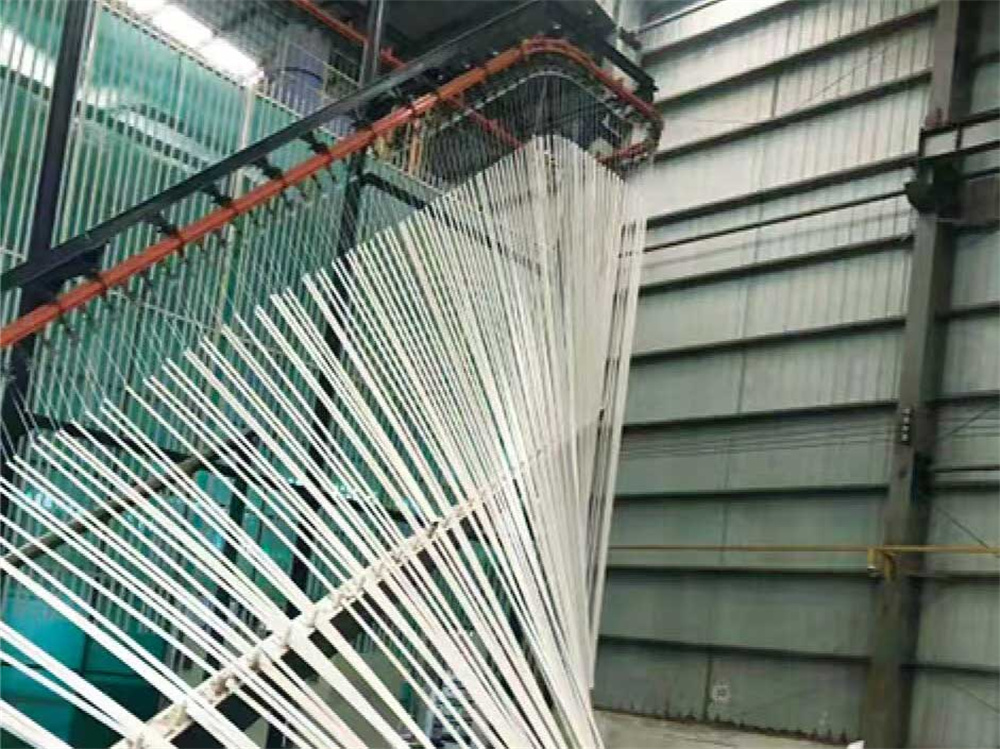
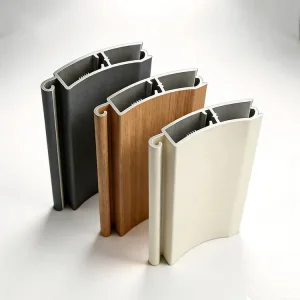
Our production capabilities cover structural extrusion, die manufacturing, CNC deep processing, and diverse surface finishes, including electrostatic powder coating, anodizing, electrophoretic coating, PVDF coating, and direct wood-grain sublimation. We also operate dedicated fabrication centers for assembled window and door systems.
Mission: Building sustainable cities for the world. We focus on developing high-thermal-efficiency framing products to lower structural heating and cooling demands.
Vision: To become the leading high-satisfaction aluminum extrusion enterprise, maintaining a strong focus on employee welfare, product quality, and export growth.
Value System:
• Customer First: Regard customer success as our responsibility.
• Employee Development: Align organizational expansion with career growth.
• Brand Reputation: Maintain quality standards as a core priority.
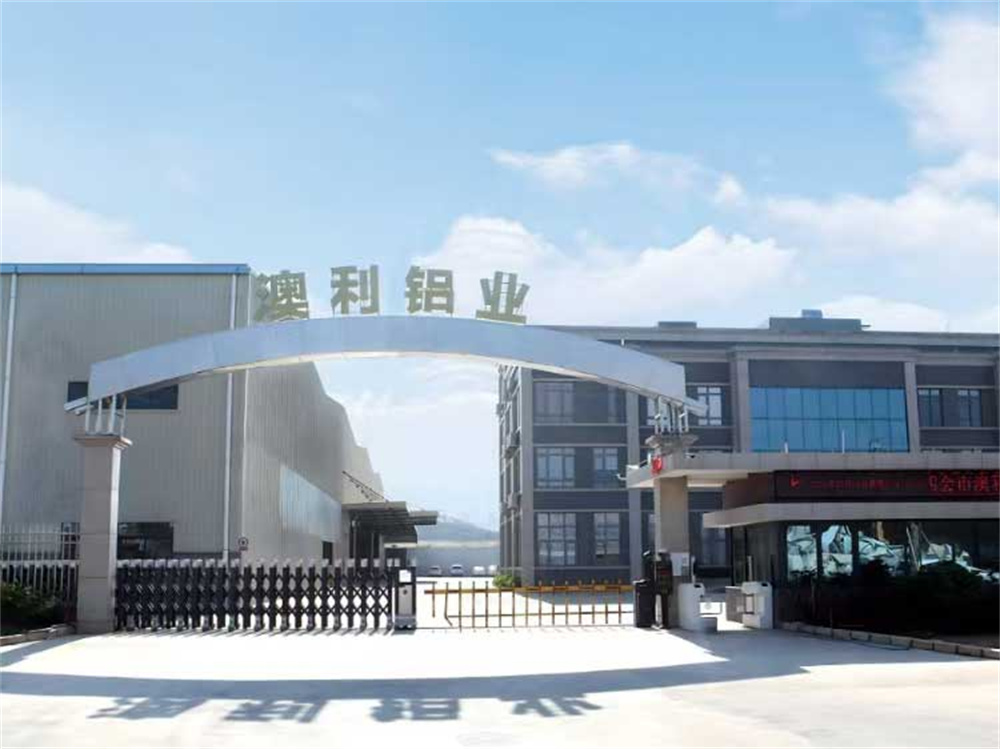
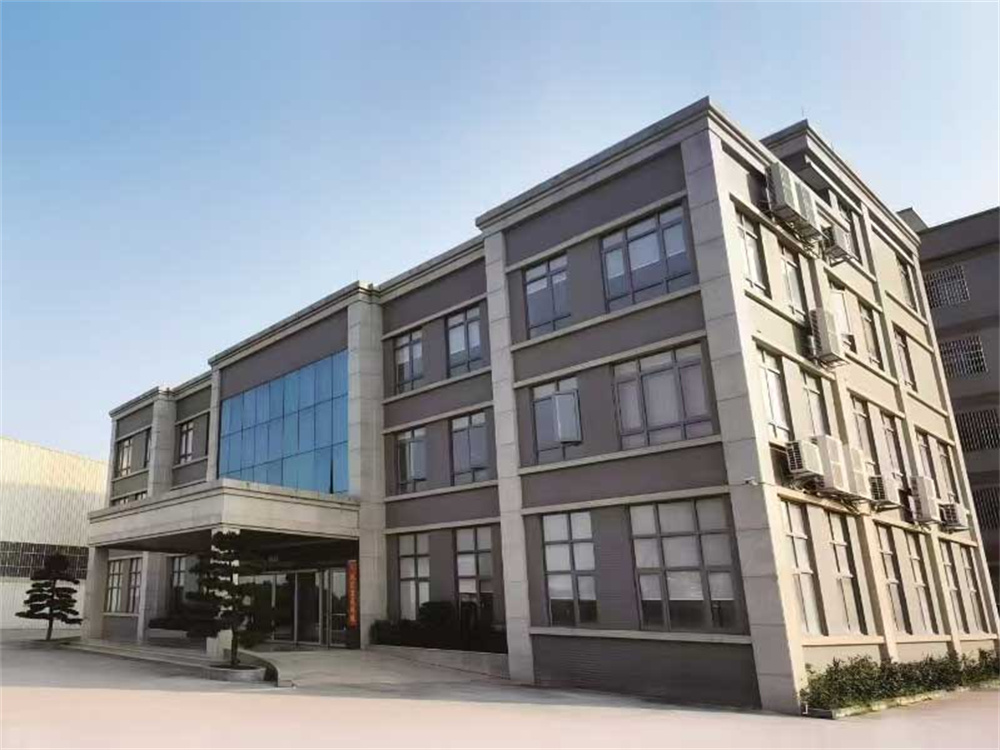
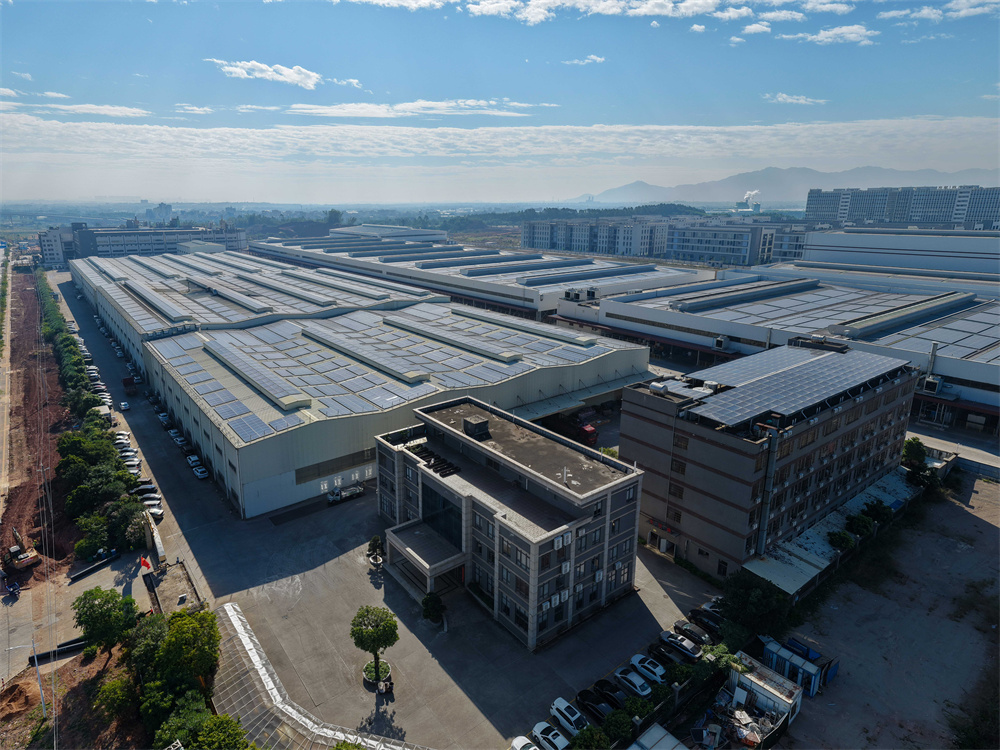
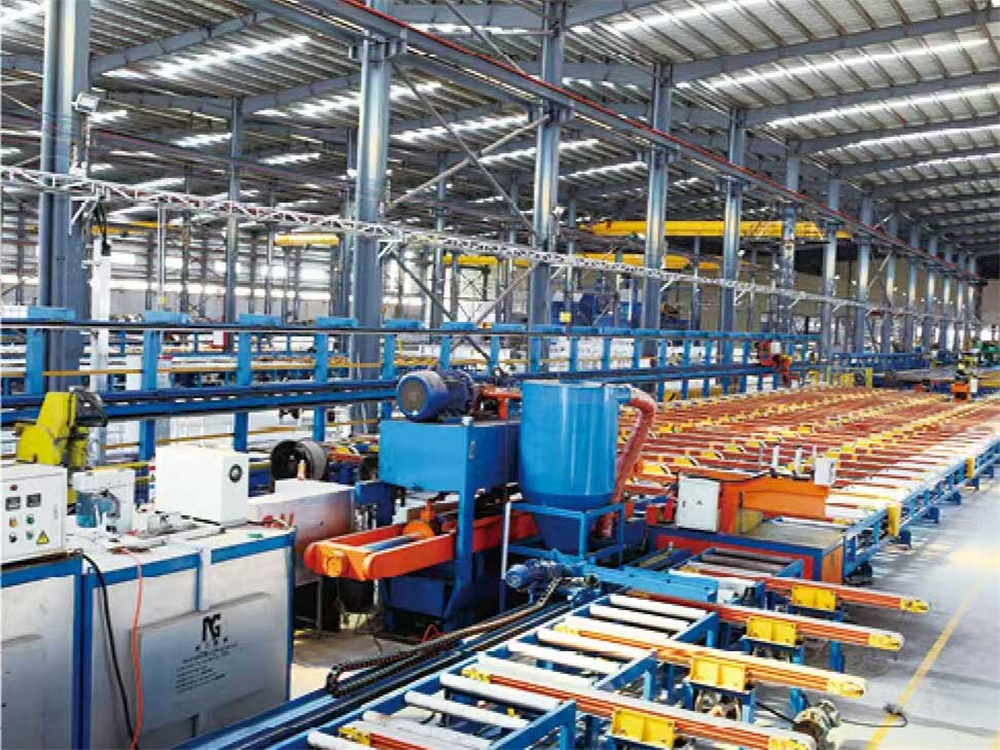
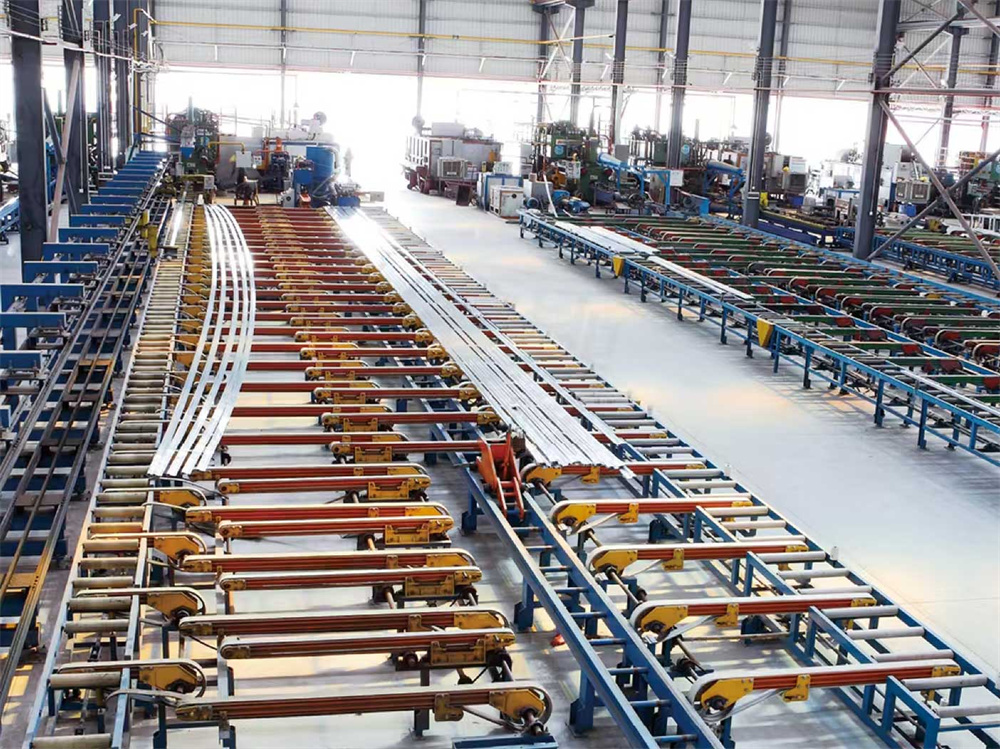
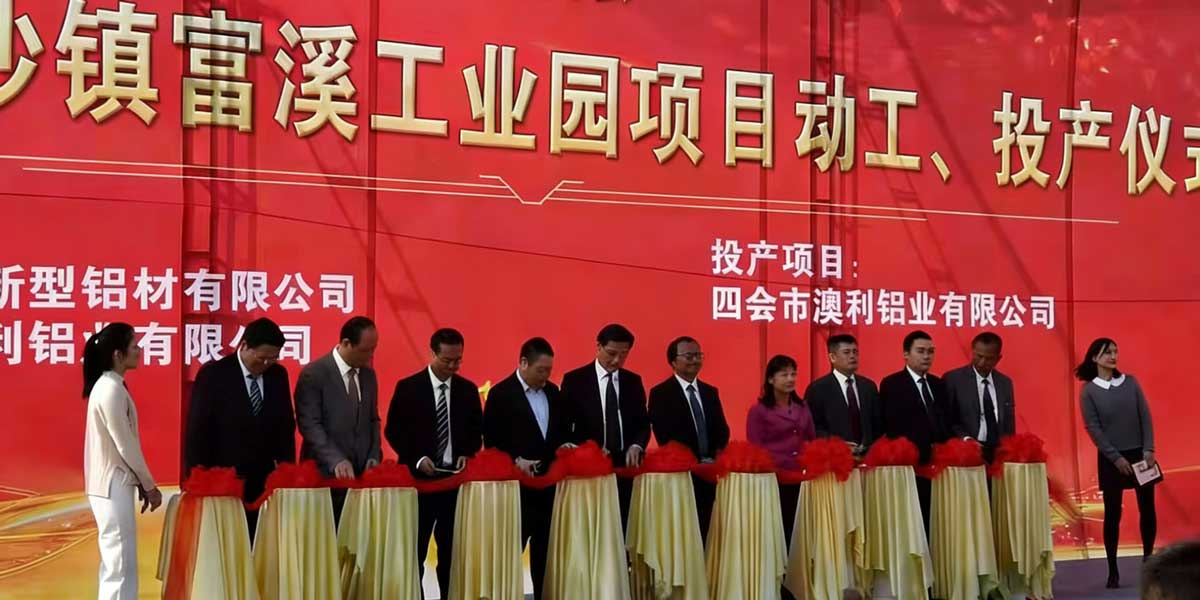
The "Aolijie" brand history is closely linked with the development of the Chinese aluminum extrusion industry. In 2000, founder Mr. Wong began working in the architectural building materials sector, recognizing the potential of aluminum as an environmentally friendly, robust, and recyclable alternative to timber and steel framing. This led to the establishment of the Aolijie manufacturing factory in 2009.
Understanding the engineering criteria that dictate the structural performance, wind-load capacity, and longevity of aluminium extrusions.
Most structural window and door frames use magnesium-silicon aluminum alloys (6000 series). We utilize prime-grade 6063 and 6060 alloys, which balance surface finish options with structural load capacity.
For standard installations, 6063-T5 provides sufficient tensile strength and ductility. For high-rise developments or large curtain walls subject to severe wind loads, we use 6063-T6, which undergoes post-extrusion heat aging to increase yield strength.
With over 100,000 mold designs, our engineering division controls sectional thickness variations within standards defined by EN 755-9 and ASTM B221. Precision die design prevents wall thinning at structural corners, minimizing twist and deflection in tall frame structures.
| Alloy Profile | Yield Strength (Rp0.2 MPa) | Tensile Strength (Rm MPa) | Elongation (A50 mm %) | Key Application |
|---|---|---|---|---|
| 6063-T5 | ≥ 130 | ≥ 160 | ≥ 8 | Residential Doors & Casement Profiles |
| 6063-T6 | ≥ 170 | ≥ 215 | ≥ 6 | High-Rise Wind-Load Frame Members |
| 6060-T6 | ≥ 150 | ≥ 190 | ≥ 6 | Intricate Geometric Framing Profiles |
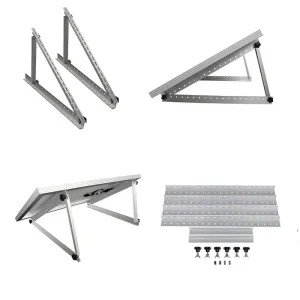
| 6061-T6 | ≥ 240 | ≥ 290 | ≥ 8 | Heavy Industrial Mounting Structures |
Creates a controlled aluminum oxide film (typically AA15 to AA25) directly on the surface, offering high resistance to abrasive wear and corrosion in coastal areas.
Uses thermosetting resins applied via electrostatic spray. Provides color stability and UV resistance meeting AAMA 2604/2605 requirements.
Features a carbon-fluorine bond chemistry that provides resistance to chemical cleaning agents, pollutants, and intense solar radiation.
Explore our technical divisions categorized by building profiles and high-tolerance industrial profiles.
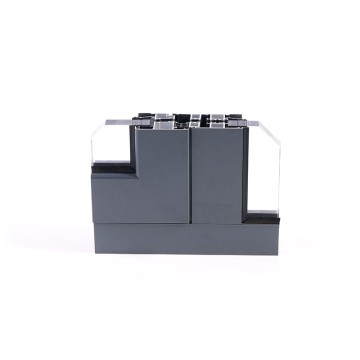
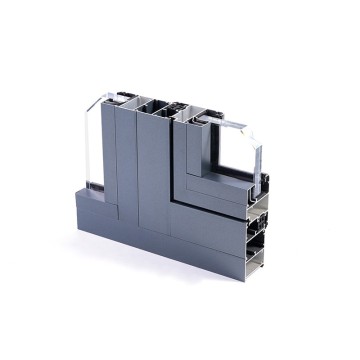
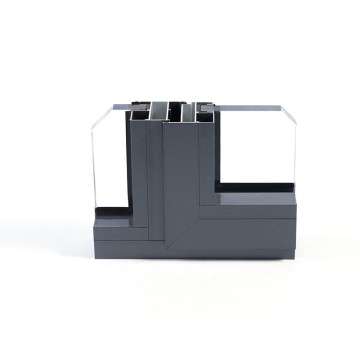
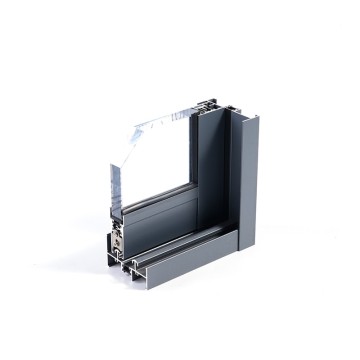
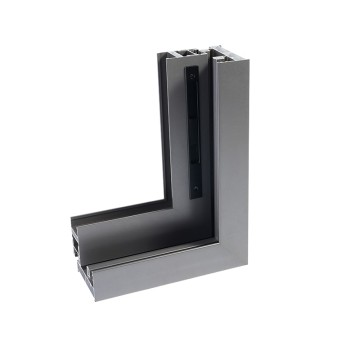
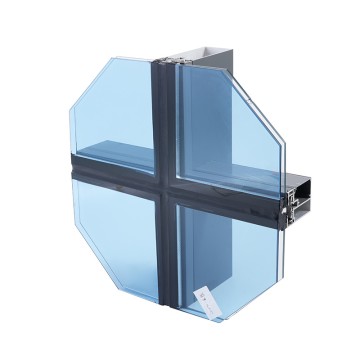
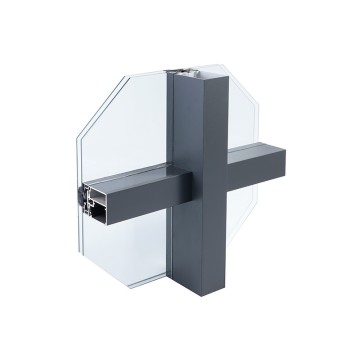
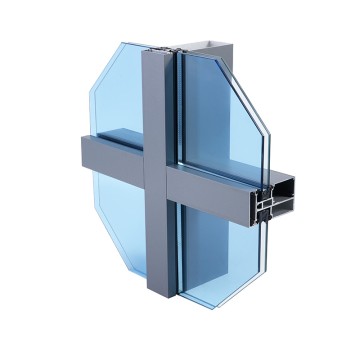
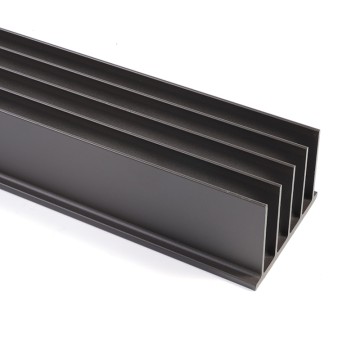
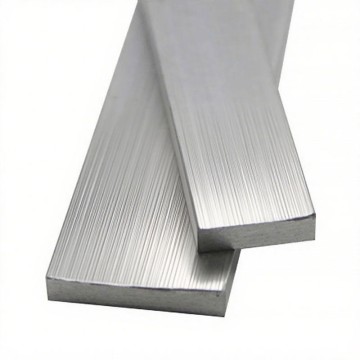
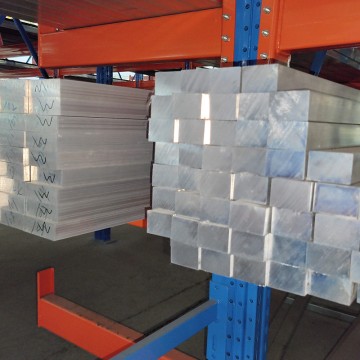
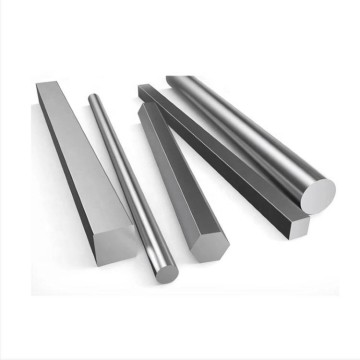
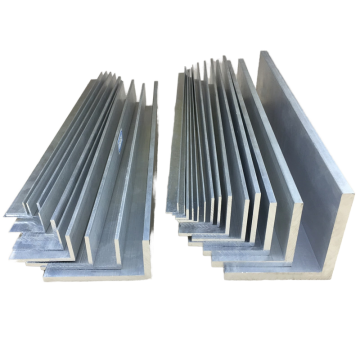
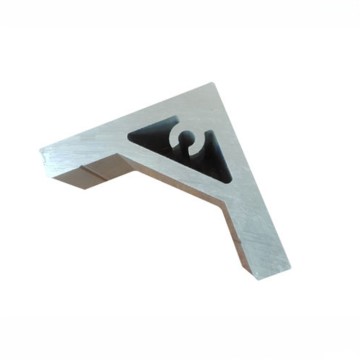
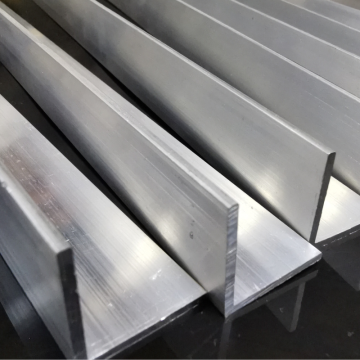
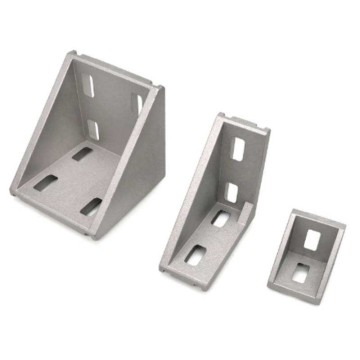
Our extrusions are engineered for diverse application scenarios, meeting specific mechanical, environmental, and thermal requirements.
For high-traffic settings such as airports, shopping centers, and corporate lobbies, mechanical durability is key. Our 6063-T6 door frame systems are engineered with reinforced profiles and wall thicknesses up to 3.0mm. This design supports heavy high-cycle pivot hardware and resists structural deflection under continuous physical load.
Residential developments in coastal environments face high wind-driven rain pressures and salty, corrosive air. In these settings, we supply thermal-break door frames treated with Qualicoat Class II powder coatings or Class I anodized finishes (20µm+ thickness). These surface treatments help prevent oxidation, thread pitting, and coating degradation.
Pharmaceutical, biotechnology, and electronics production facilities require flat, non-porous surfaces to prevent particulate accumulation. Our door frames feature flush-profile designs with high flatness tolerance. The anodized or electrophoretic finishes resist degradation from regular sanitization with chemical disinfectants.
For large structural projects, our curtain wall profiles support multi-glaze spans and help manage wind loads. These structural extrusions undergo thermal-break processing, helping designers meet building insulation standards while ensuring structural durability.
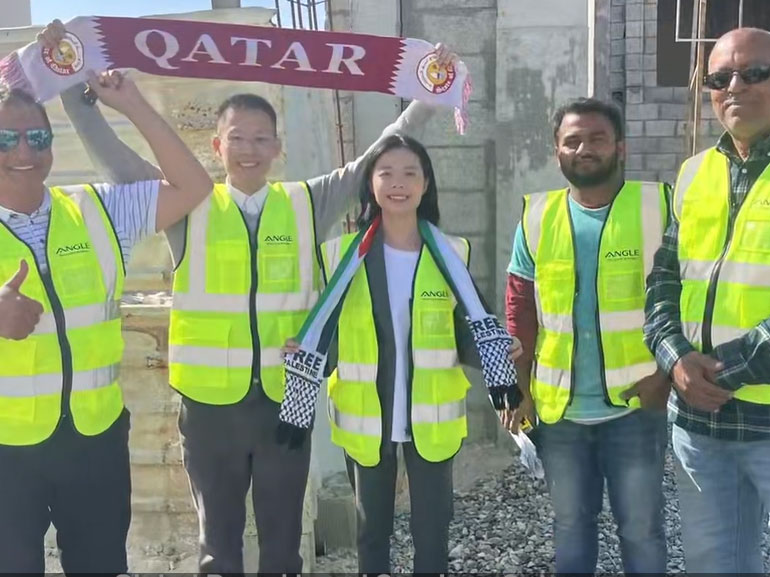


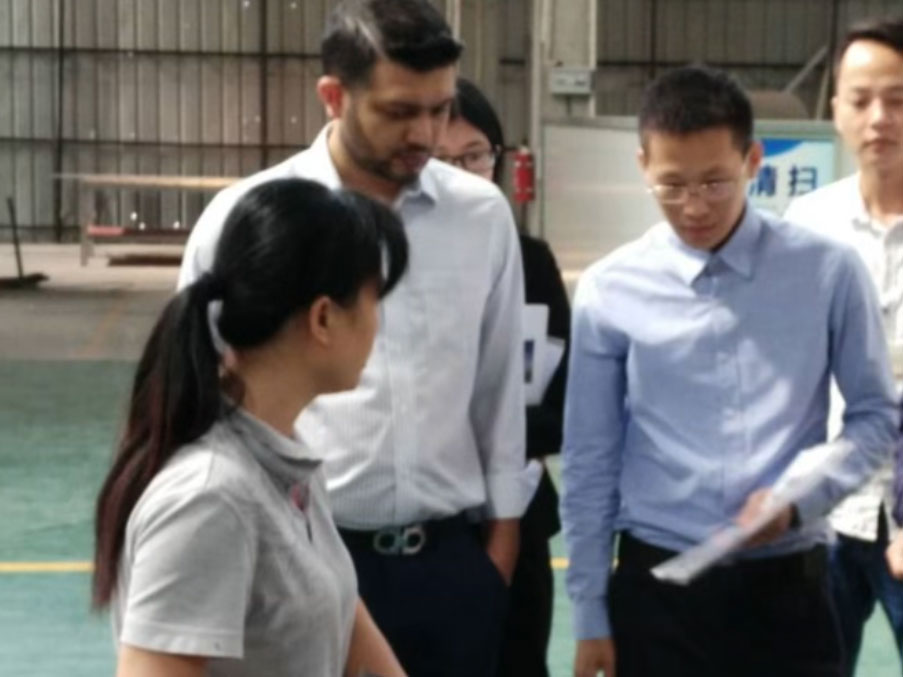
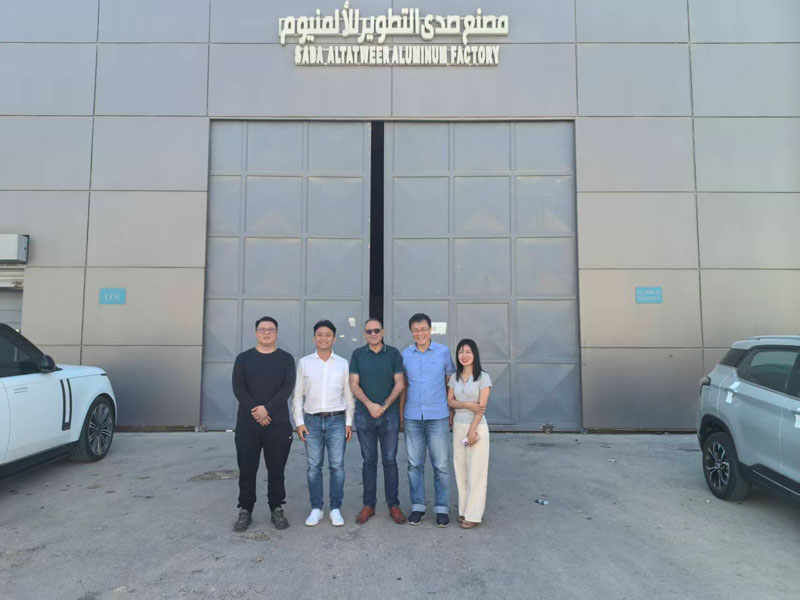
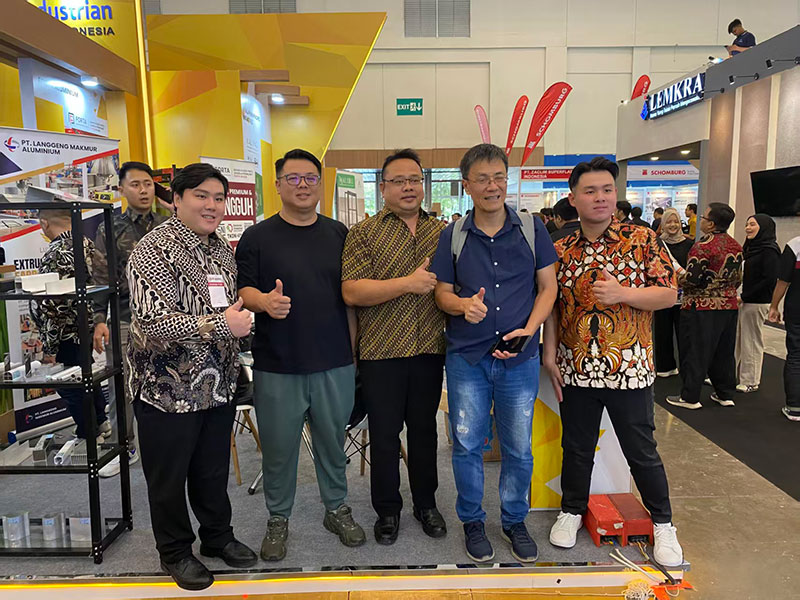
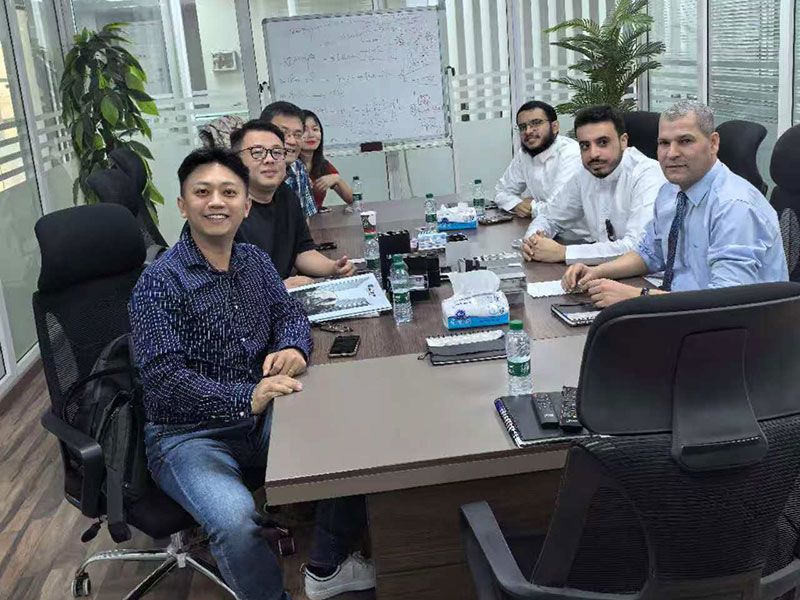
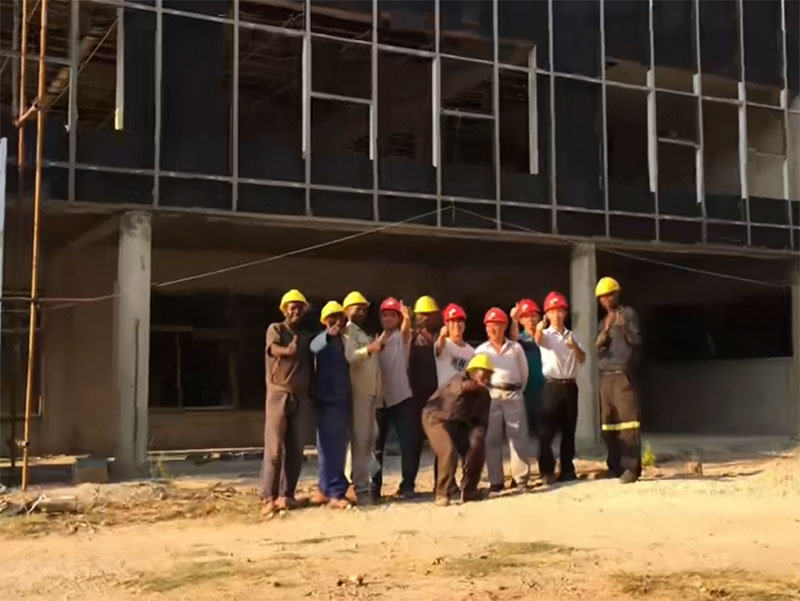
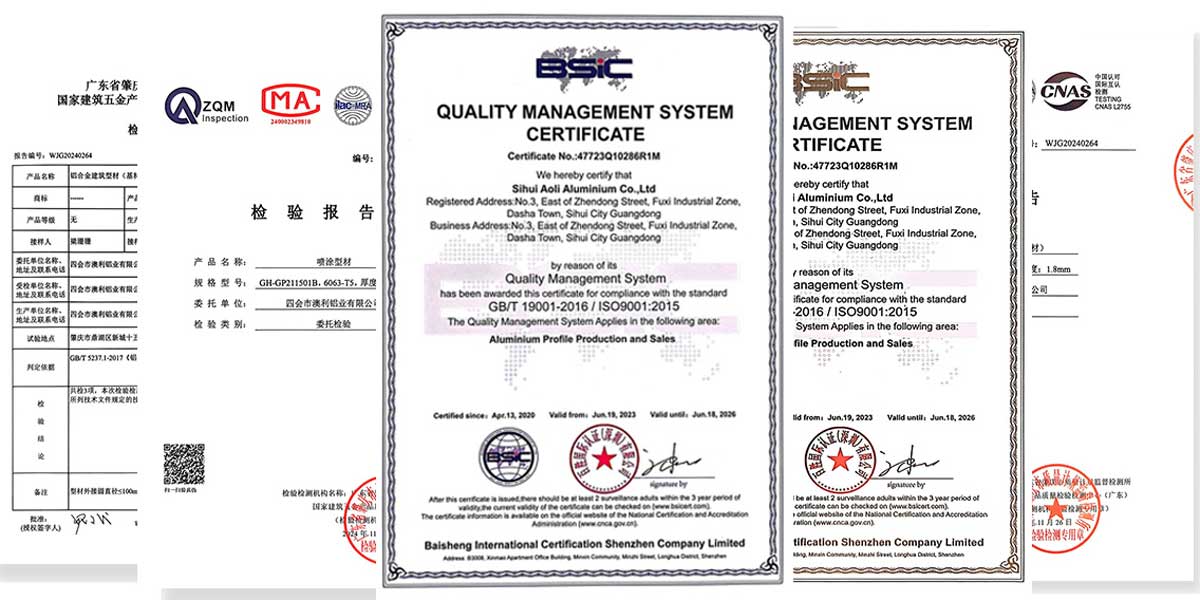
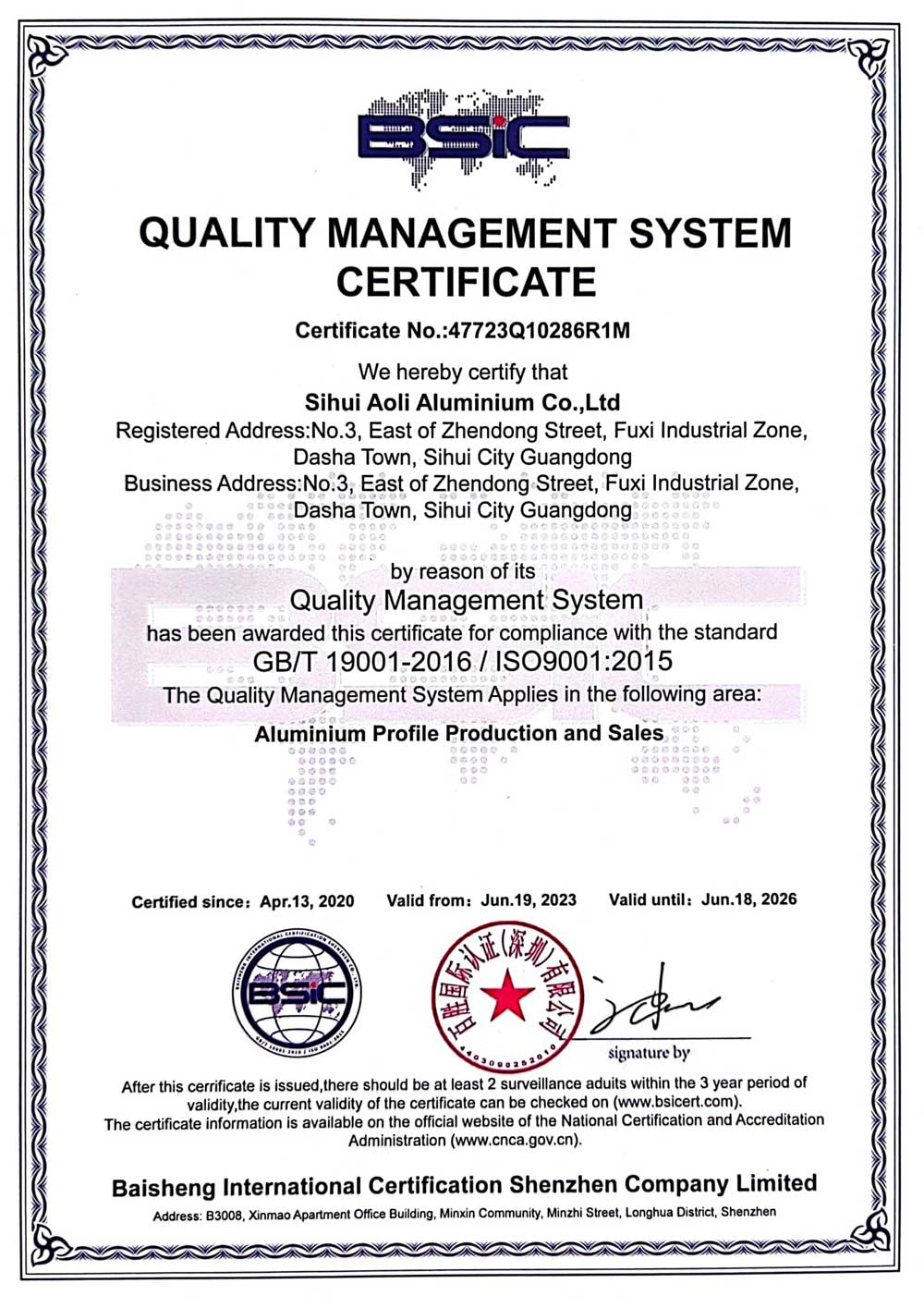
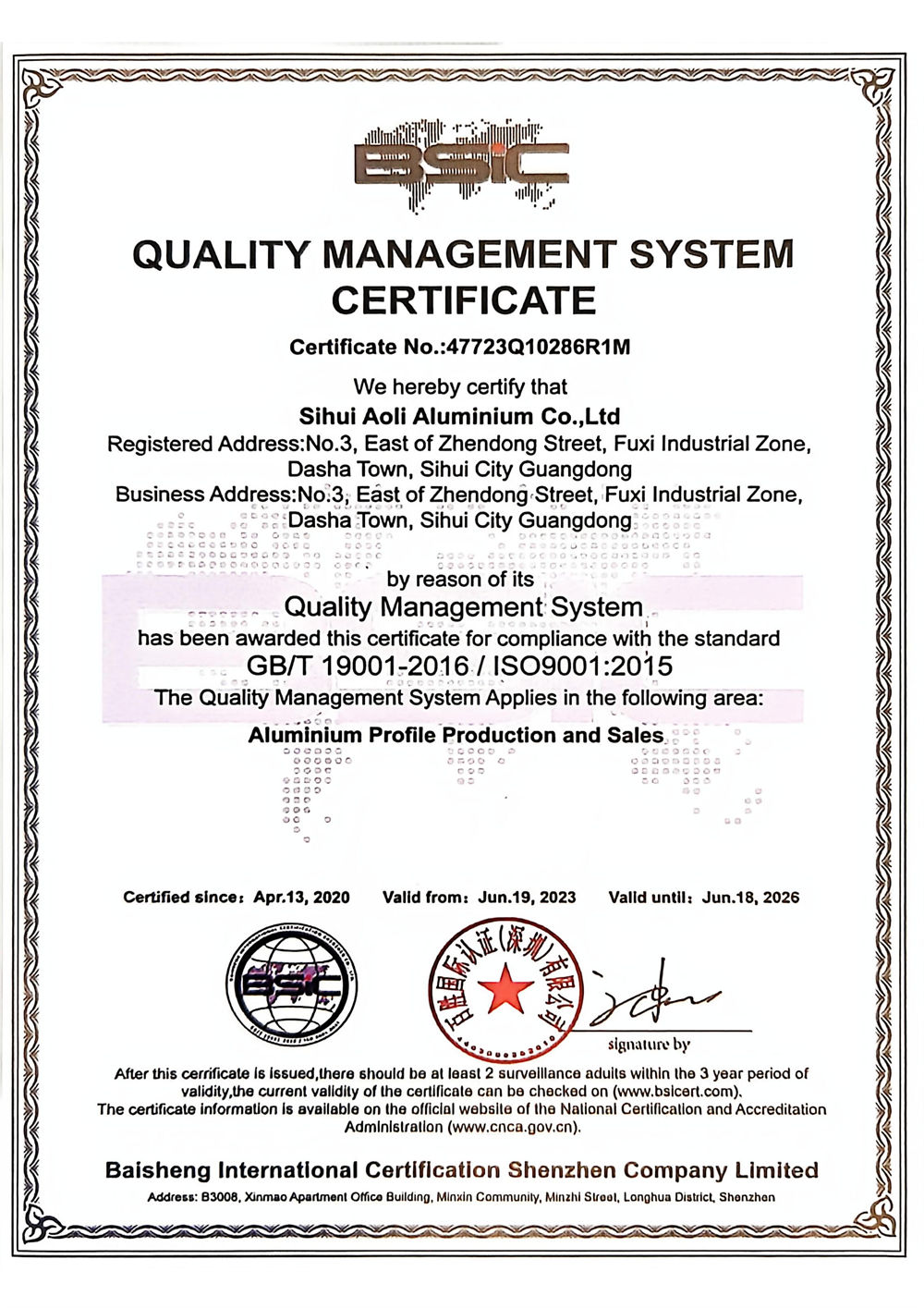
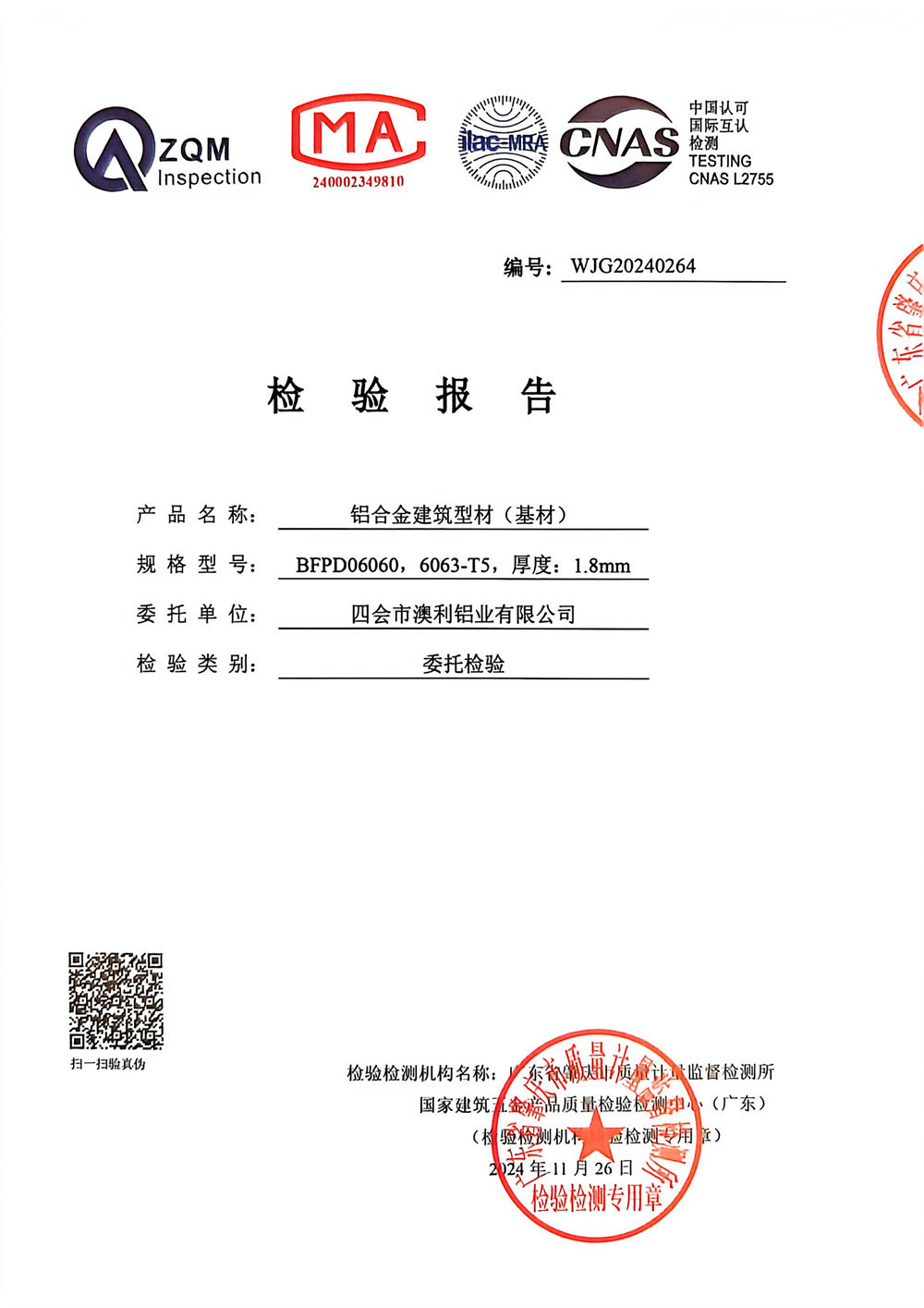
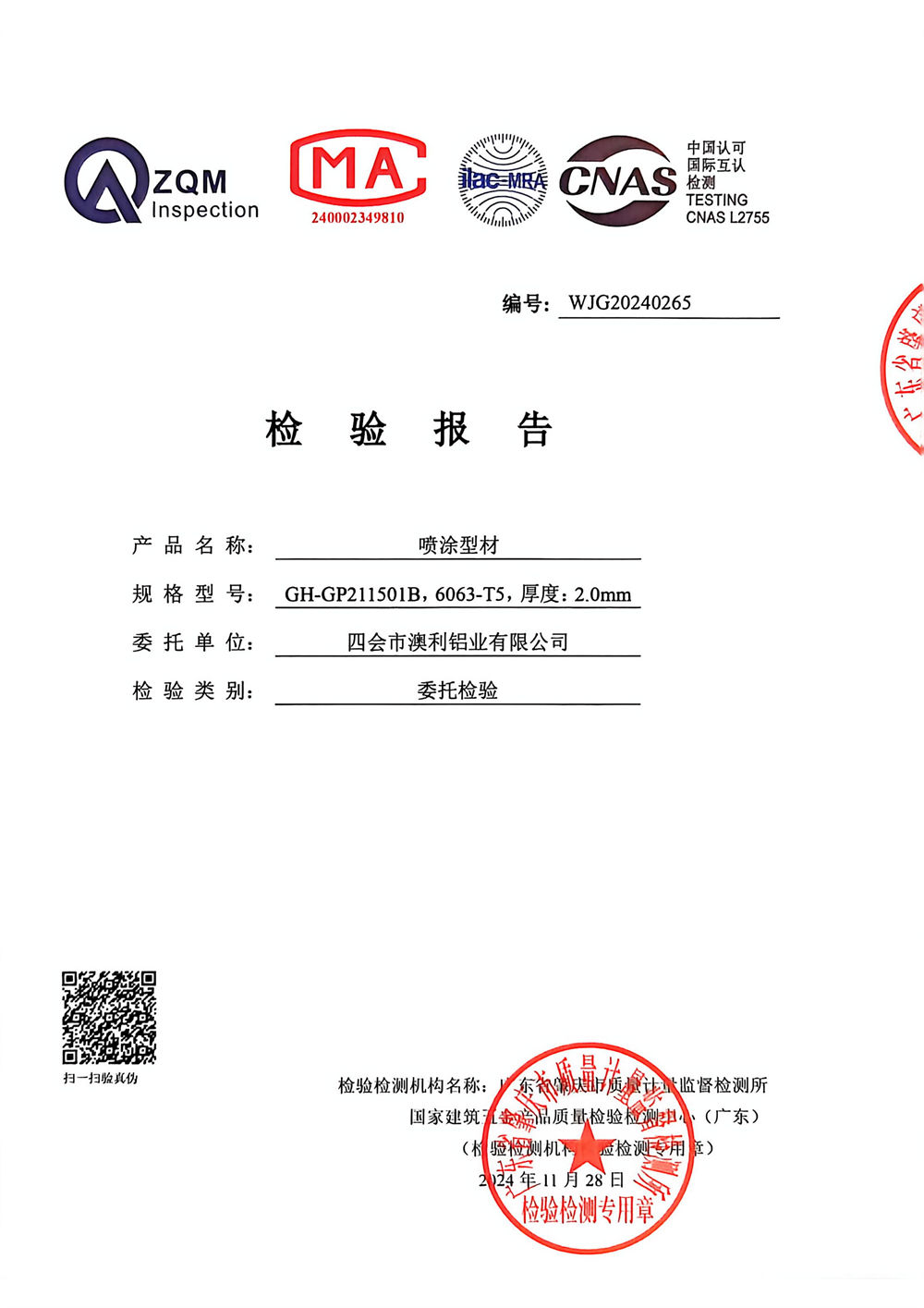
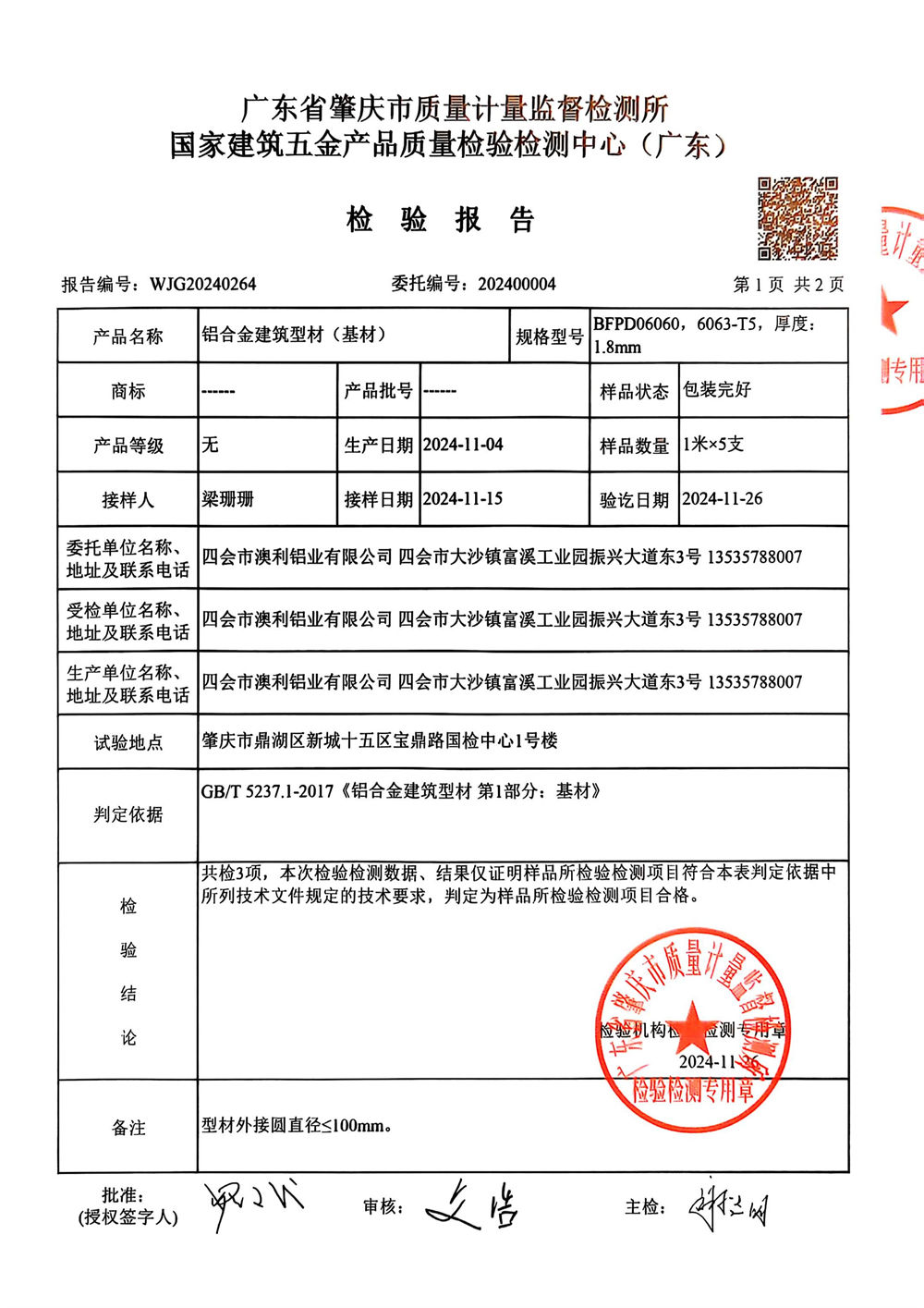
Operating under the motto "Quality is our top priority", Aoli Aluminum maintains an ISO 9001:2015 certified quality management system. Our quality testing protocol consists of four stages:
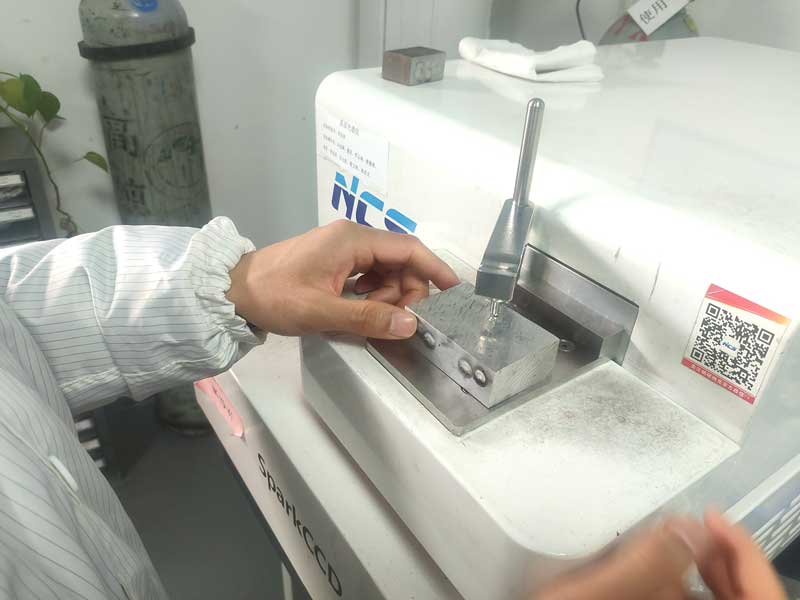
Chemical Analysis
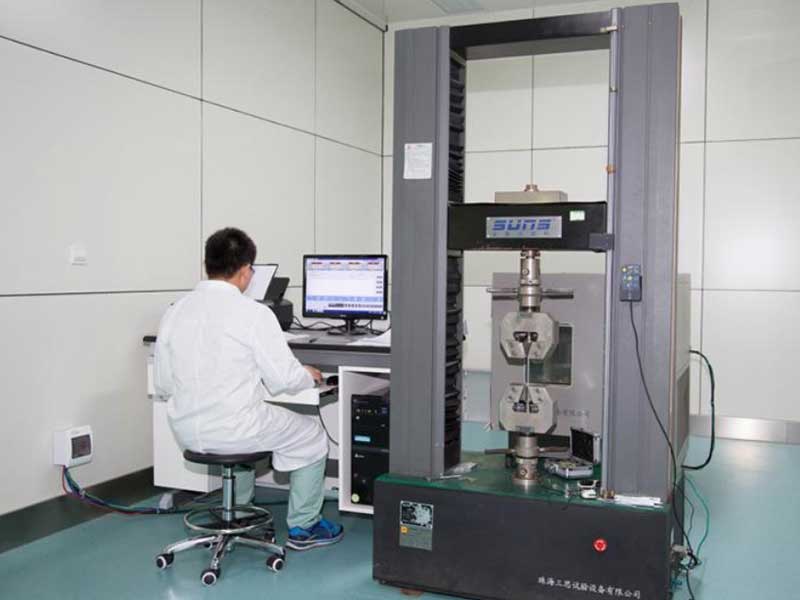
Tensile Strength Test
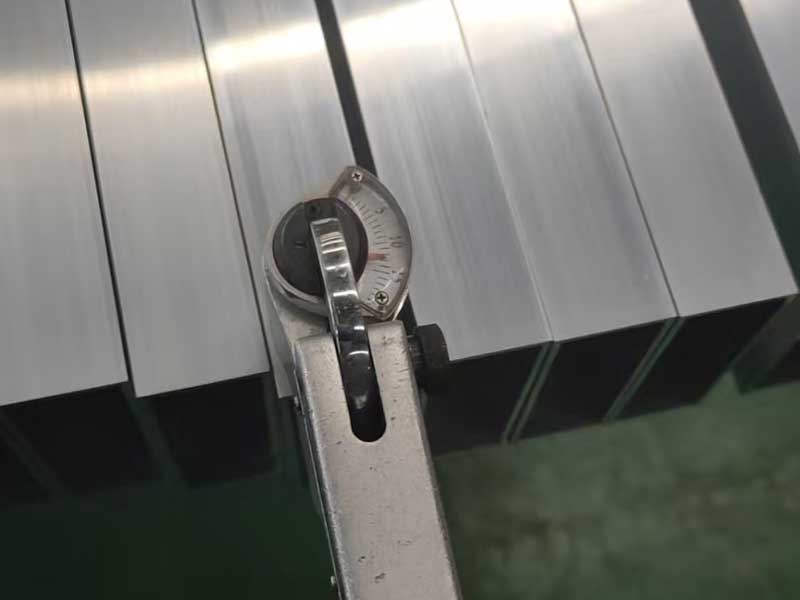
Hardness Verification
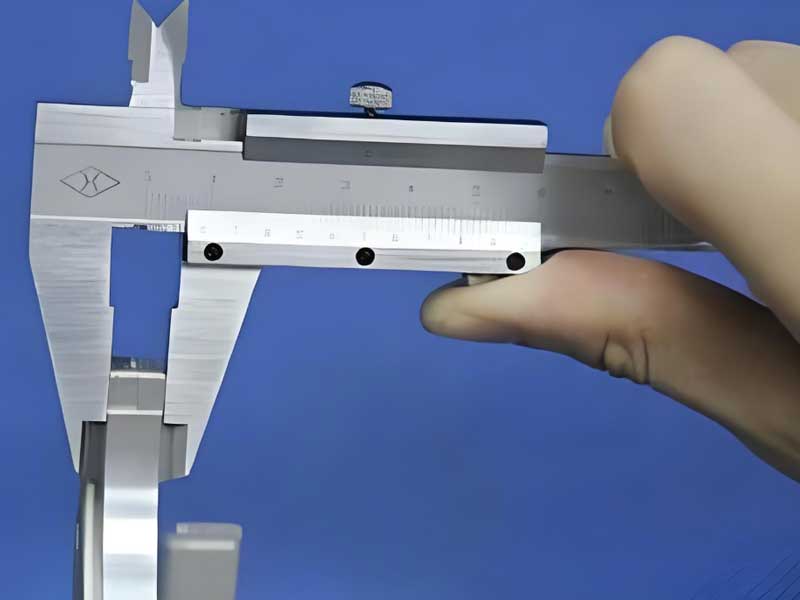
Dimensional Tolerance Check
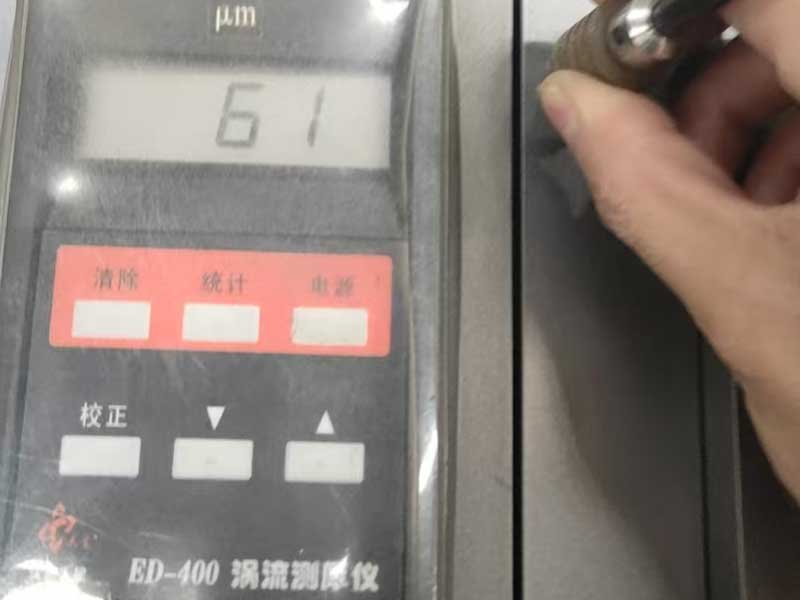
Coating Film Test
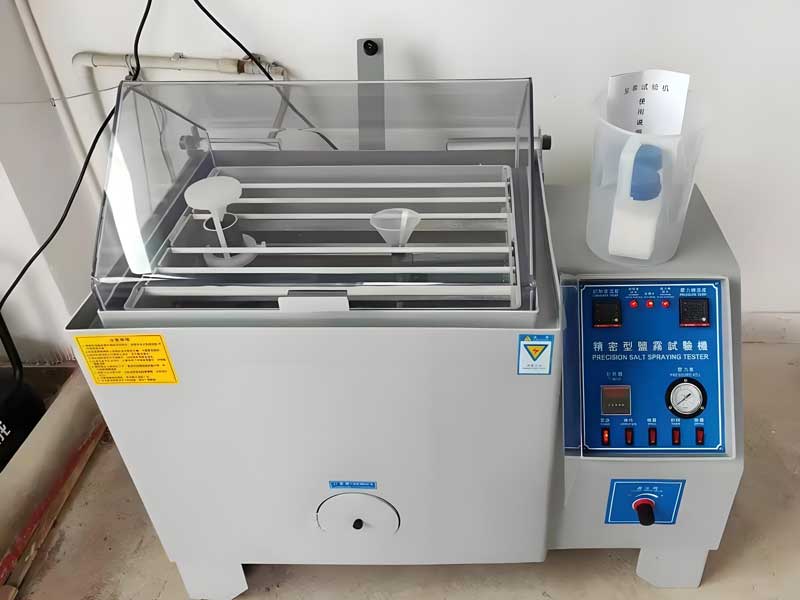
Salt Spray Corrosion Test
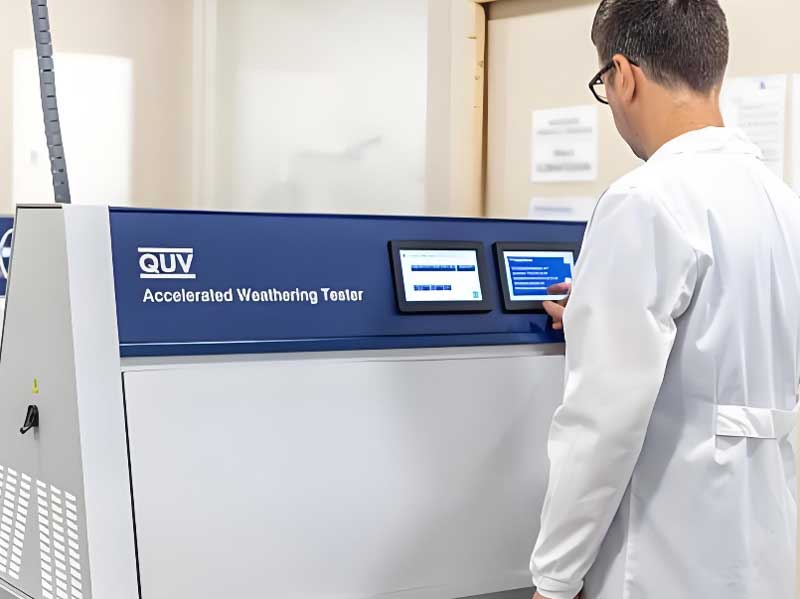
UV Aging Test
AQL Verification Checks
Our strategic development focus centers on manufacturing efficiency, smart building integration, and sustainability initiatives.
We are increasing the use of pre-consumer and post-consumer recycled aluminum scrap in our melt operations. This initiative aims to supply extrusions with lower embedded carbon footprints to meet LEED certification requirements.
Our engineering division is developing hollow-profile frames with integrated wiring pathways and structural recesses. These accommodate smart locks, hidden entry sensors, and automated opening systems.
Through micro-alloying techniques (using trace element additions of titanium and boron), we aim to refine grain structure in thin-walled profiles. This allows for lighter weight profiles without compromising structural load capacity.
Our engineering team can evaluate your drawing profiles, recommend alloy specifications, and provide tooling estimates within 48 hours. Let us help support your commercial and industrial glazing requirements.
Inquiry NowAnswers to common structural engineering, procurement, and logistics questions regarding aluminium door frame extrusions.
For structural strength and stability, 6063-T6 is recommended. The T6 tempering process includes solution heat treatment followed by artificial aging. This increases yield strength to a minimum of 170 MPa, helping the frame resist wind load pressures in high-rise applications. For standard residential settings, 6063-T5 is typically sufficient.
We manufacture profiles with wall thicknesses ranging from 1.2mm to 3.0mm. High-traffic commercial entry doors generally require a minimum wall thickness of 2.0mm to 3.0mm to support heavy hardware loads. Interior sliding partition systems can use thinner walls down to 1.2mm.
We design dies and inspect profile sections to meet international standards such as EN 755-9 and ASTM B221. Using precision coordinate measuring machines (CMM) and digital optical profile projectors, we monitor dimensional deviations to ensure correct alignment with architectural drawings.
Our electrostatic powder coating processes are certified under Qualicoat standards. We supply finishes meeting AAMA 2603, AAMA 2604, and AAMA 2605 specifications. These require salt spray testing and accelerated weathering exposure to ensure color retention and chalk resistance.
Upon approval of final cross-sectional CAD drawings, we produce the extrusion tooling within 10 to 14 days. We then run sample extrusions and supply first-article reports (FAR) along with physical sample sections for customer approval. Mass extrusion production starts only after receiving final approval.
Yes. We supply thermally broken profiles equipped with glass-fiber reinforced polyamide strips (PA66-GF25). This assembly separates the interior and exterior aluminum sections, reducing thermal energy conductivity. This thermal barrier helps projects meet low U-factor requirements under international energy codes.
For custom profiles requiring new tooling, our standard MOQ is 500 kilograms per section style. This requirement helps optimize press run parameters, ensures metallurgical stability, and minimizes scrap losses during mass production setup. Lower test runs can be scheduled under specific engineering review.
To prevent damage during transit, we wrap individual profiles in protective poly-film or paper interleaving. Bundles are then secured with steel banding and packed into heavy-duty wooden crates or steel frame racks. We also include desiccant packets inside shipping containers to prevent condensation and surface oxidation.
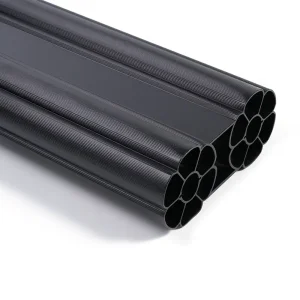
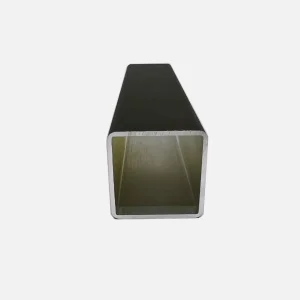
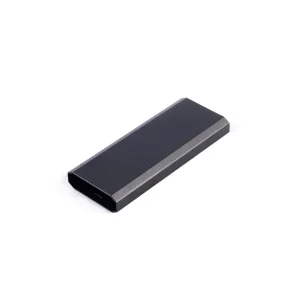
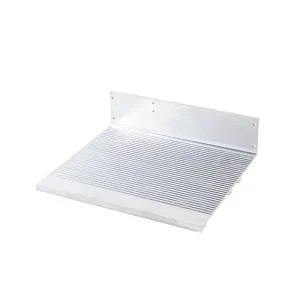
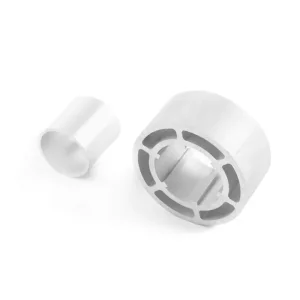
Our industrial division supplies high-precision extruded components for electrical installations, decorative finishes, and specialized framing.
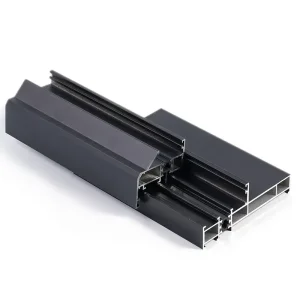
 Aoli Aluminum