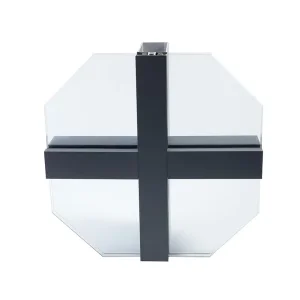
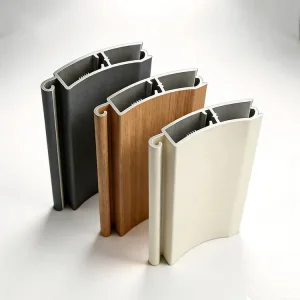
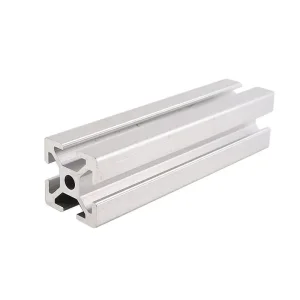
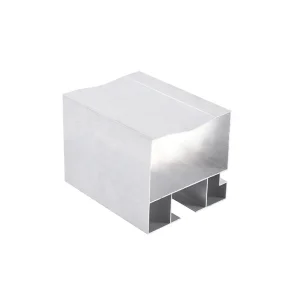
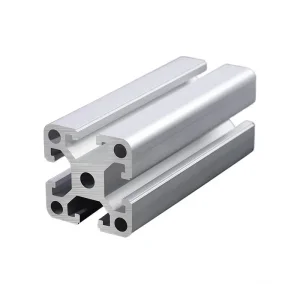
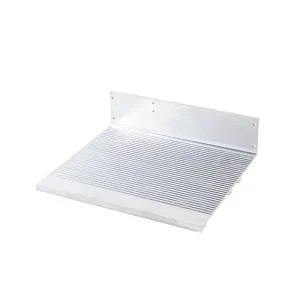
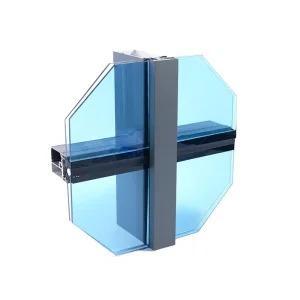
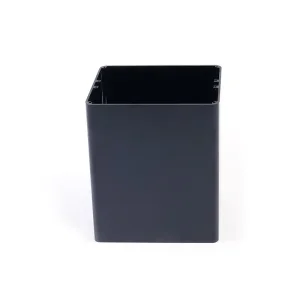
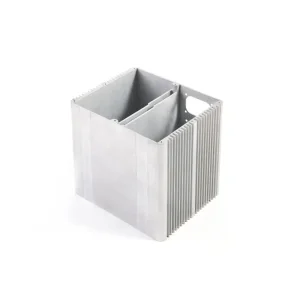
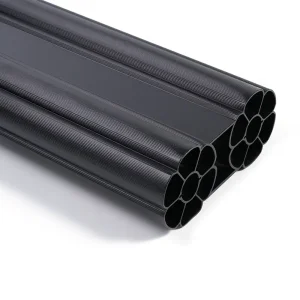
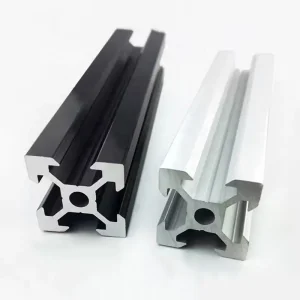
Browse our range of high-performance architectural systems and custom engineering solutions, designed to withstand severe weather, optimize thermal performance, and maximize service life.
In modern structural design, curtain walls, fenestration, and industrial frameworks demand materials that merge superior mechanical properties with exceptional resistance to environmental degradation. Powder coated aluminium profiles have emerged as the global gold standard for building sustainable, high-durability infrastructure. By electrostatically applying dry powder polymer resins and thermally curing them, we produce a protective skin that outperforms traditional liquid paints in impact resistance, UV stability, and lifecycle cost.
True surface finish reliability begins inside the alloy composition. Under the brand Aolijie, we use virgin primary standard A00 ingot bases, alloying them in-house into standard architectural-grade 6063 and structural 6061 or 6082 billets. To maximize structural integrity, our thermal processing uses precise computer-regulated homogenizing and aging ovens to achieve the required T5 or T6 tempers, achieving tensile strength levels (>200 MPa) that can support massive glass spans and large architectural openings.
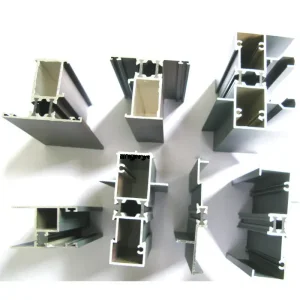
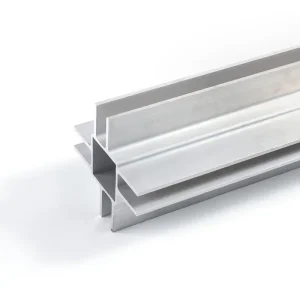
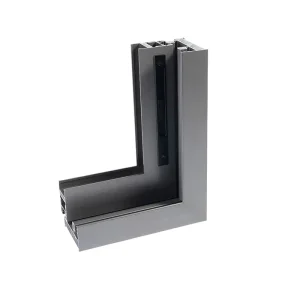
Our architectural profiles feature localized structural reinforcement (thermal break cavities, screw ports, and structural flanges) designed specifically for structural calculations. Our in-house extrusion presses (ranging from 900 tons to 2,000 tons) ensure cross-sectional dimensions stay within strict tolerances, matching or exceeding international ISO, EN, and ASTM standards.
Powder coating durability relies on proper surface chemistry. We use multi-stage chromate-free chemical pretreatment systems that clean, deoxidize, and deposit a micro-crystalline conversion coating onto the metal. This maximizes organic coating adhesion and stops filiform corrosion under the paint film.
| Specification Layer | Standard Polyester Coating | Super-Durable Architectural Powder | PVDF (Fluorocarbon) Alternative |
|---|---|---|---|
| Primary Binder Chemistry | Standard TGIC / TGIC-Free Polyester | Isophthalic Polyester / Fluoropolymer Blends | Polyvinylidene Difluoride (70% resin minimum) |
| Qualicoat Certification | Qualicoat Class 1 (standard use) | Qualicoat Class 2 (high durability) | Qualicoat Class 3 (extreme environmental exposure) |
| Dry Film Thickness | 60 to 80 microns | 60 to 90 microns | 35 to 50 microns (multi-coat system) |
| AAMA Compliance | AAMA 2603 (residential/light commercial) | AAMA 2604 (commercial high-performance) | AAMA 2605 (extreme architectural durability) |
| Weathering UV Resistance | 1-year Florida exposure test validation | 3 to 5-year Florida exposure test validation | 10-year Florida exposure test validation |
| Main Uses | Indoor framing, basic retail facades | High-rise curtain walls, sunrooms, commercial windows | Coastal construction, high-pollution industrial plants |
During curing, the powder coated profiles are heated to temperatures between 180°C and 200°C for 10 to 20 minutes. This triggers cross-linking polymer reactions, forming a highly durable, scratch-resistant surface finish. The resulting exterior shell provides excellent protection against chipping, environmental stress cracking, and industrial chemicals.
Aluminium extrusions must perform under various regional microclimates. Our engineering team customizes alloy tempers and powder formulations to match localized conditions:
In humid, salt-spray coastal environments, profiles are susceptible to filiform corrosion and degradation. For these zones, we supply custom pre-anodized or flash-anodized undercoat layers prior to Qualicoat Class 2 powder coating. This prevents marine humidity from reaching the core aluminum alloy.
High-traffic urban zones contain sulfur dioxide, nitrogen oxide, and acidic rainfall that degrade basic finishes. We use acid-resistant, super-durable polyurethane and fluoropolymer-based powder formulations that prevent chemical degradation and ensure long-term color retention.
At high altitudes, UV radiation accelerates binder oxidation, causing micro-cracking and color chalking. We add advanced organic UV stabilizers and titanium dioxide (TiO2) pigments to preserve color richness, mechanical flexibility, and surface gloss over decades of service.
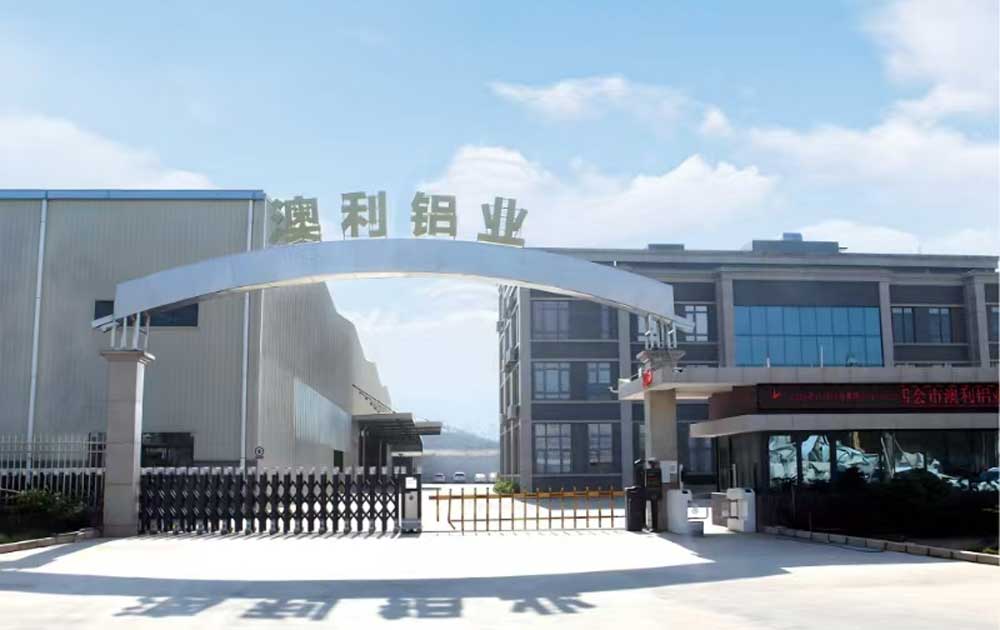
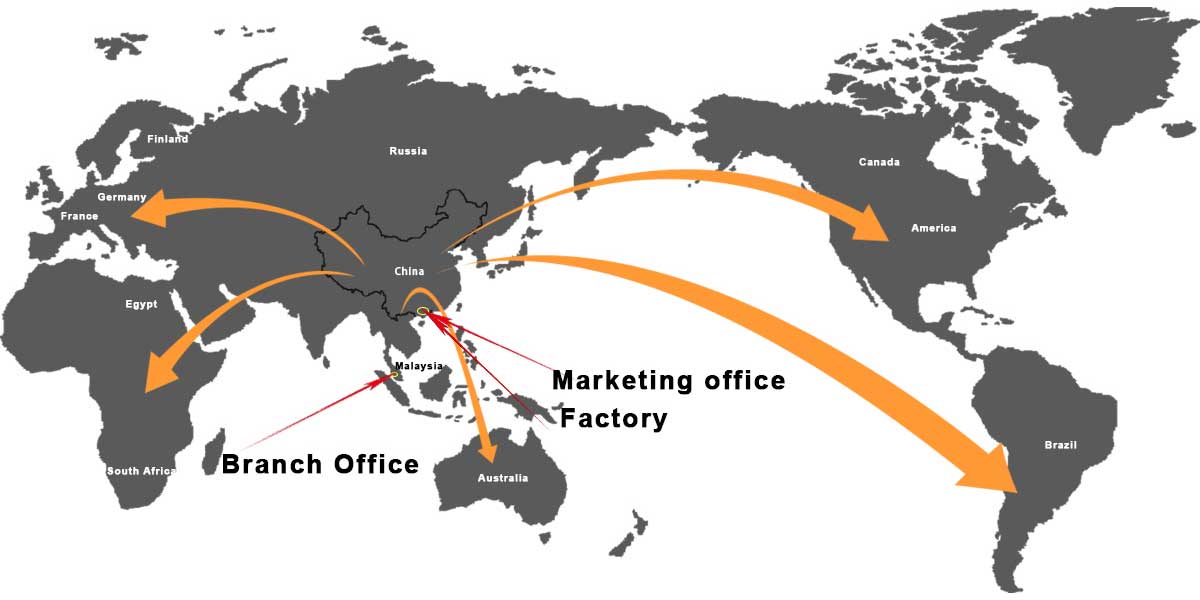
Established in 2009, Aoli Aluminum has grown into a vertically integrated manufacturer that combines research, development, production, and sales. Located in Sihui, Guangdong, with sales and distribution branches in Foshan, we serve domestic and international markets under our flagship brand "Aolijie".
Our corporate mission is simple: "Building sustainable cities for the world." We aim to balance employee well-being, customer success, and social responsibility across our operations.
We treat customer success as our own responsibility, offering engineering design consultation, custom tooling, and reliable lead times.
We focus on joint growth between our team and the company, creating a safe, highly skilled manufacturing workplace.
We never compromise on metal quality or finish integrity for short-term gain.
Aoli Aluminum operates 4 modern manufacturing bases. These facilities house advanced production lines equipped with extrusion presses ranging from 900 to 2,000 tons. Our capabilities include in-house die tooling design, CNC deep processing, anodizing, electrophoretic coatings, wood-grain thermal transfer, PVDF liquid spray systems, and automated electrostatic powder coating lines.
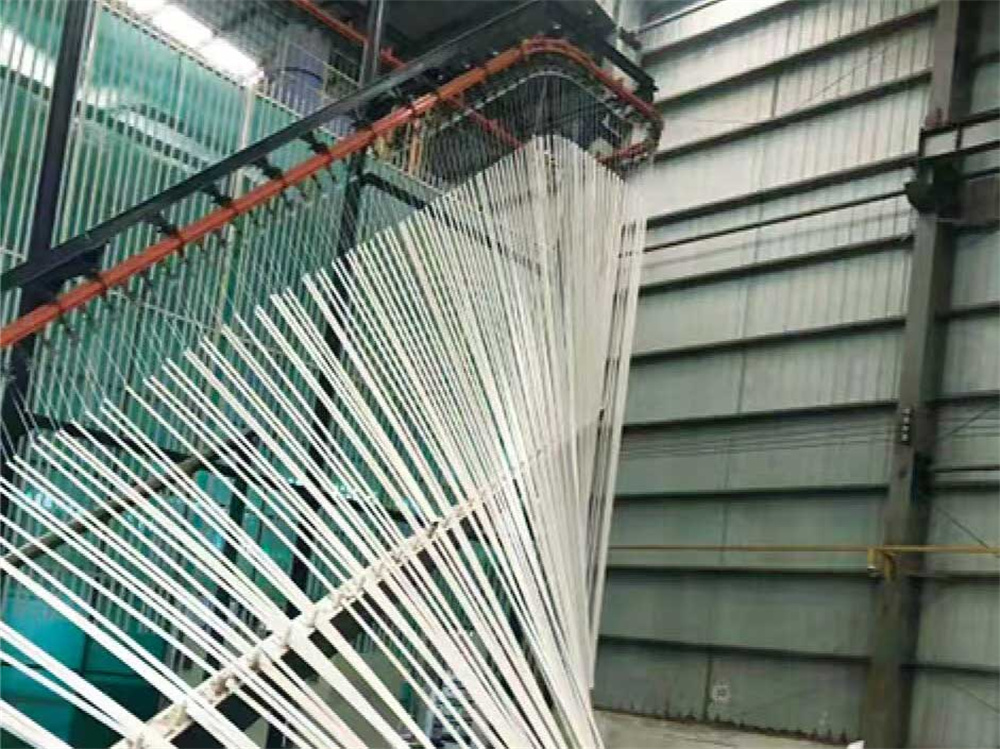
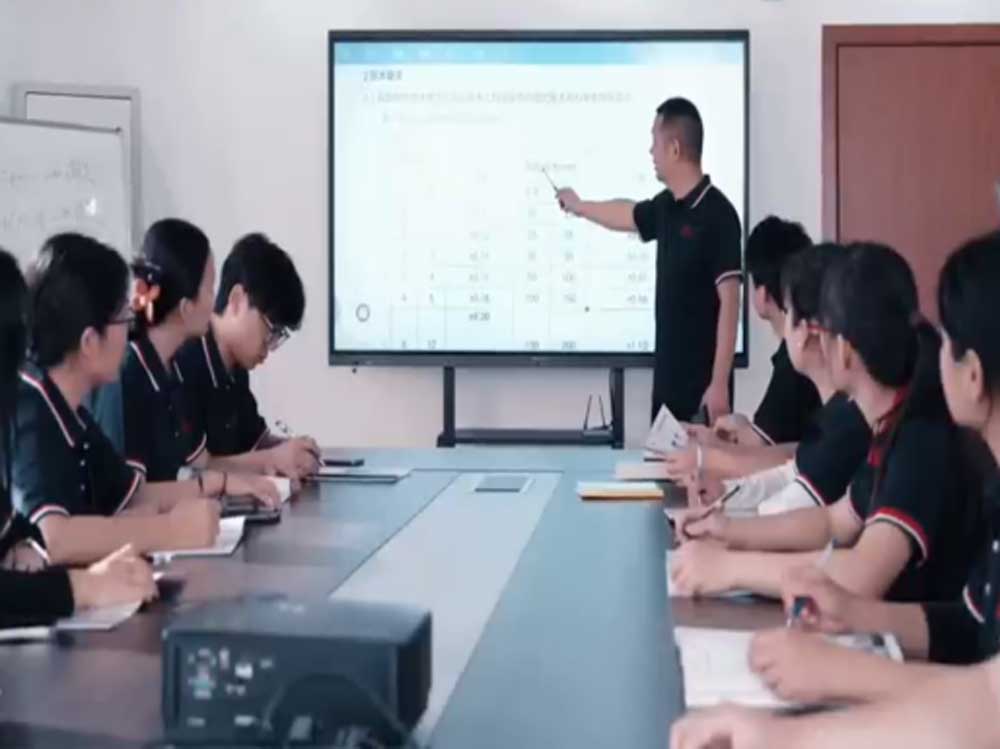
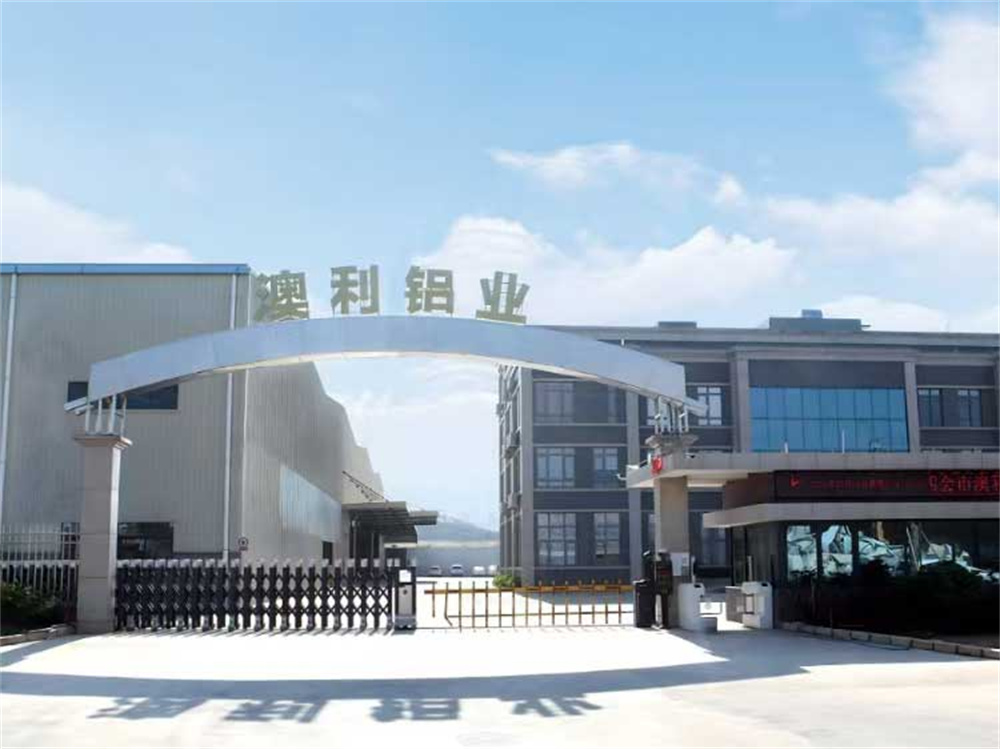
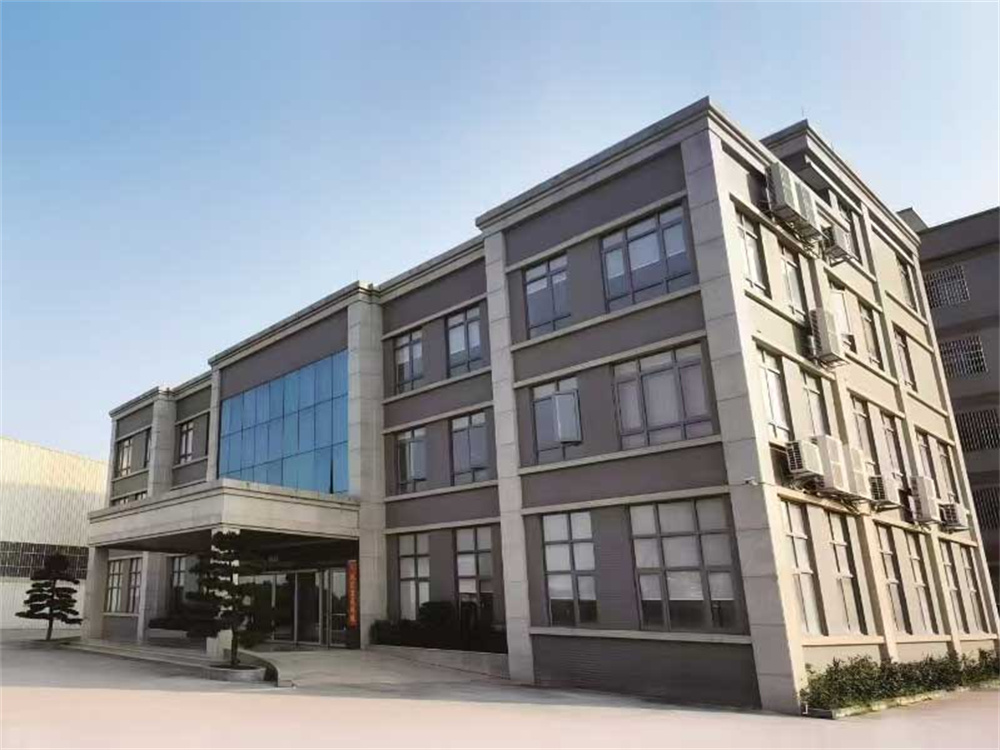
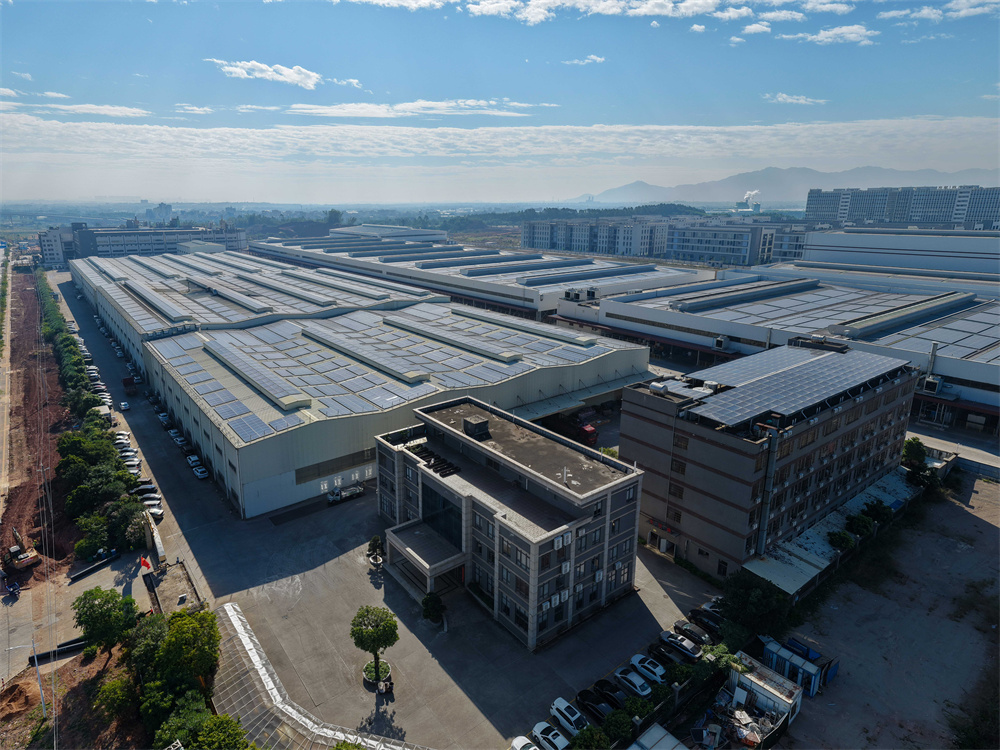
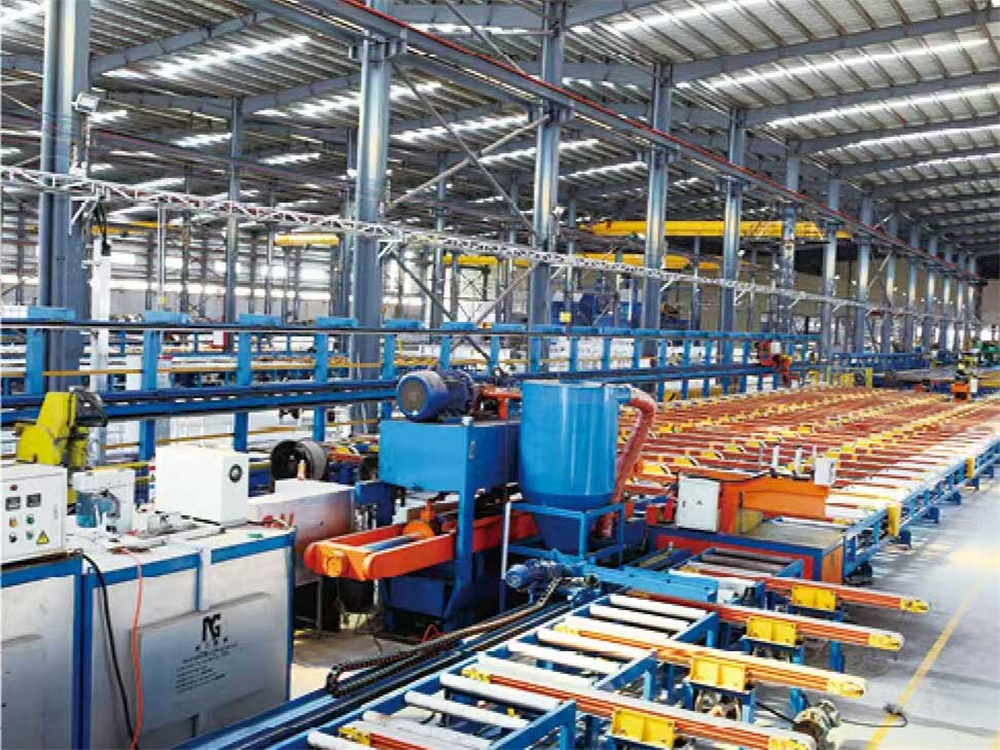
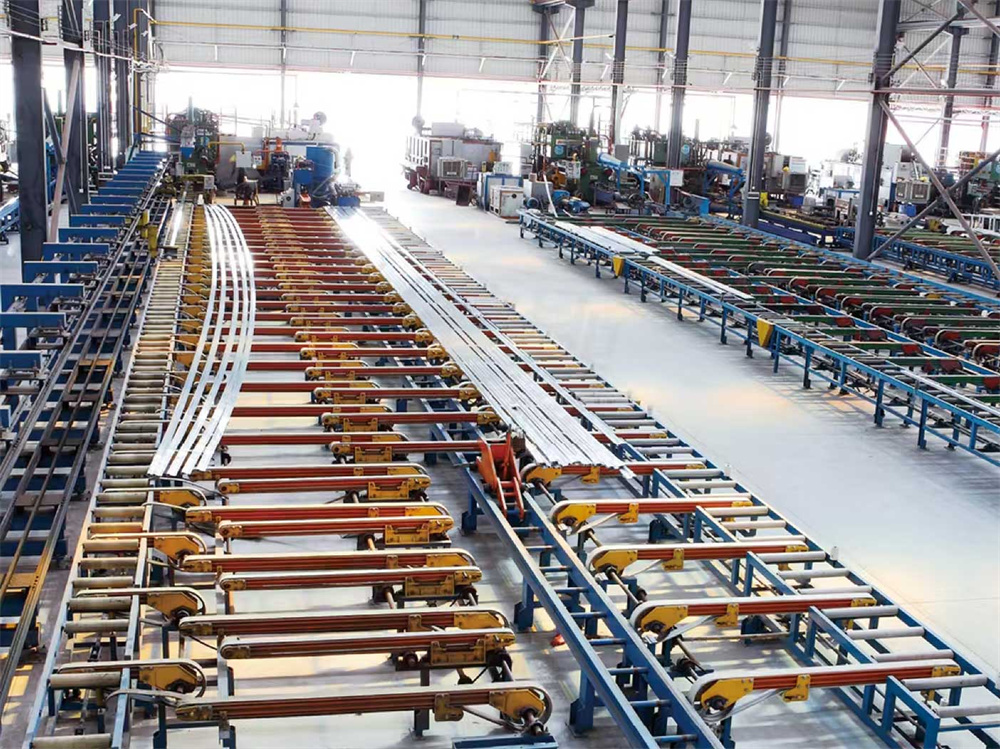
With an annual output capacity of 100,000 tons and over 100,000 active mold profiles on hand, we offer versatile manufacturing options. We provide customized OEM/ODM components for residential construction, energy systems, and automotive parts, exporting globally to the Middle East, South America, Africa, and Southeast Asia.
China's extrusion sector provides unparalleled supply chain integration, offering significant cost, lead-time, and customization advantages for international buyers. Aoli Aluminum coordinates raw material procurement, alloy blending, tooling design, profile extrusion, surface coating, and CNC machining under one organization. This vertical integration simplifies quality management and speeds up production.
Located in Guangdong, we leverage direct, large-scale supply networks for primary liquid metal and high-purity alloy additives, protecting production schedules from market volatility.
Our in-house die shop designs and cuts custom steel tooling in 7 to 10 days. This allows architectural engineers to refine designs and approve prototypes without long production delays.
Based close to deepwater container terminals in Guangzhou and Shenzhen, we coordinate container shipments, custom packing, and multi-modal transport for secure global delivery.
At Aoli Aluminum, quality control is central to our manufacturing process. We conduct 100% visual checks and perform secondary random spot testing using AQL (Acceptable Quality Level) ISO 2859 and ANSI/ASQ Z1.4 frameworks to verify that every batch meets project requirements.
Our testing laboratory uses calibrated equipment to run seven key diagnostic checks before dispatch:
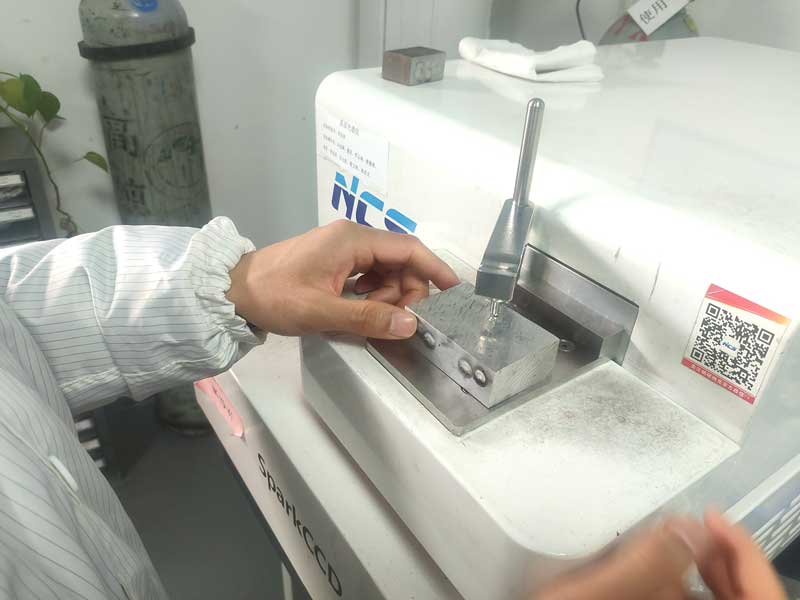
Chemical Analysis
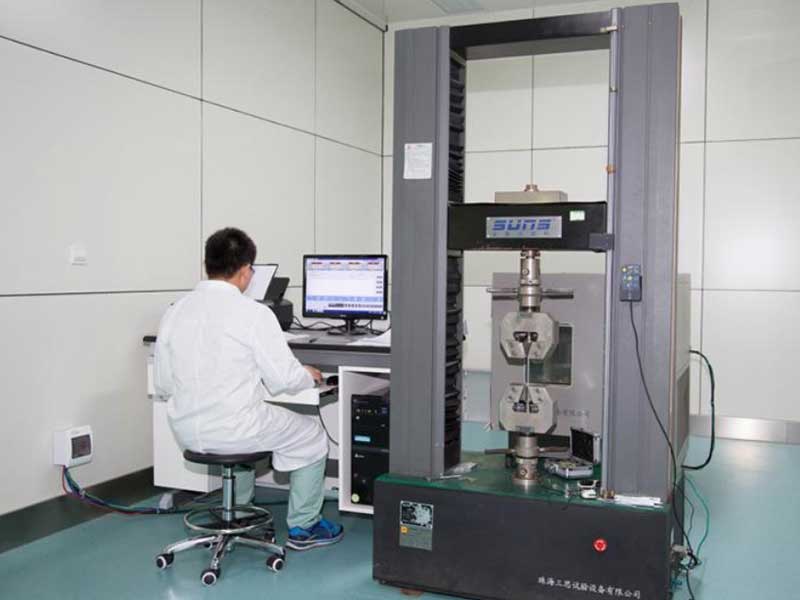
Tensile Testing
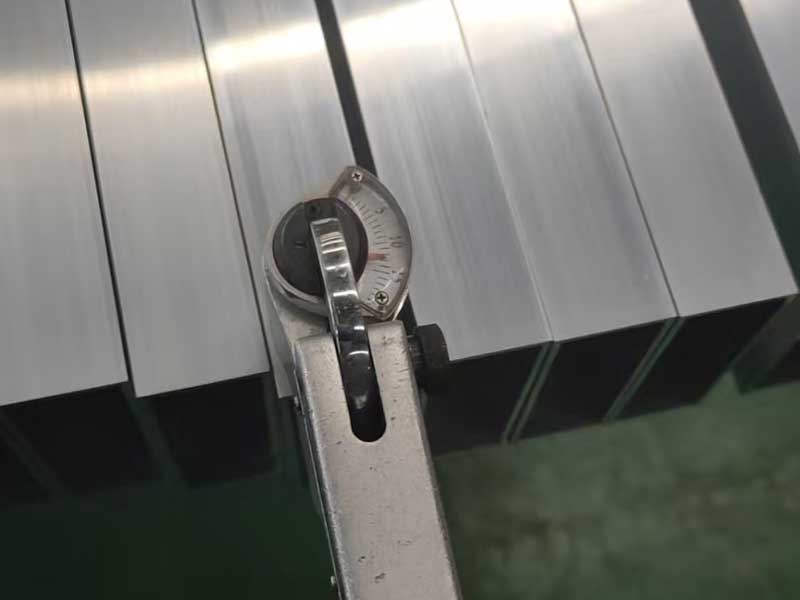
Hardness Test
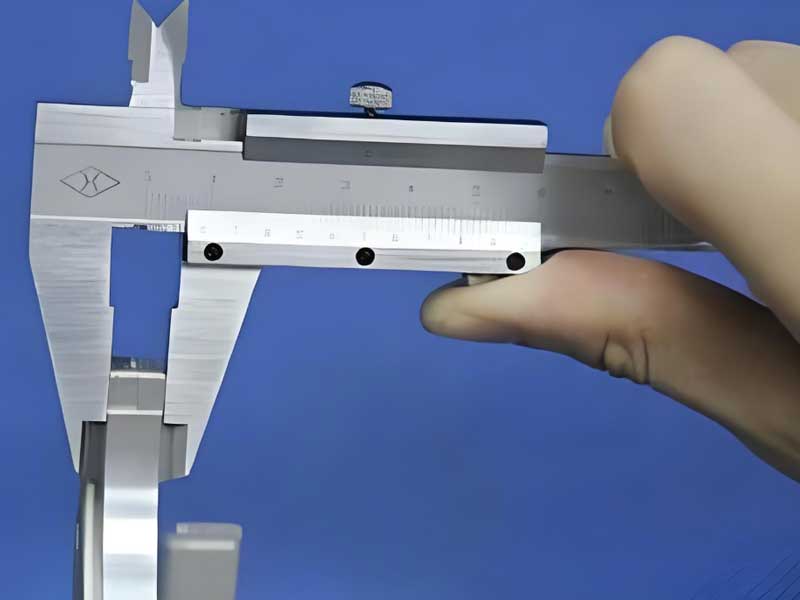
Dimension Measurement
The story of the "Aolijie" brand tracks the growth of China's aluminum extrusion industry over the last two decades. From a single factory to a global supplier, see our milestones below:
Aoli Aluminum set up its first 10,000-square-meter facility in Sihui, Guangdong, introducing the "Aolijie" brand to specialize in architectural profiles.
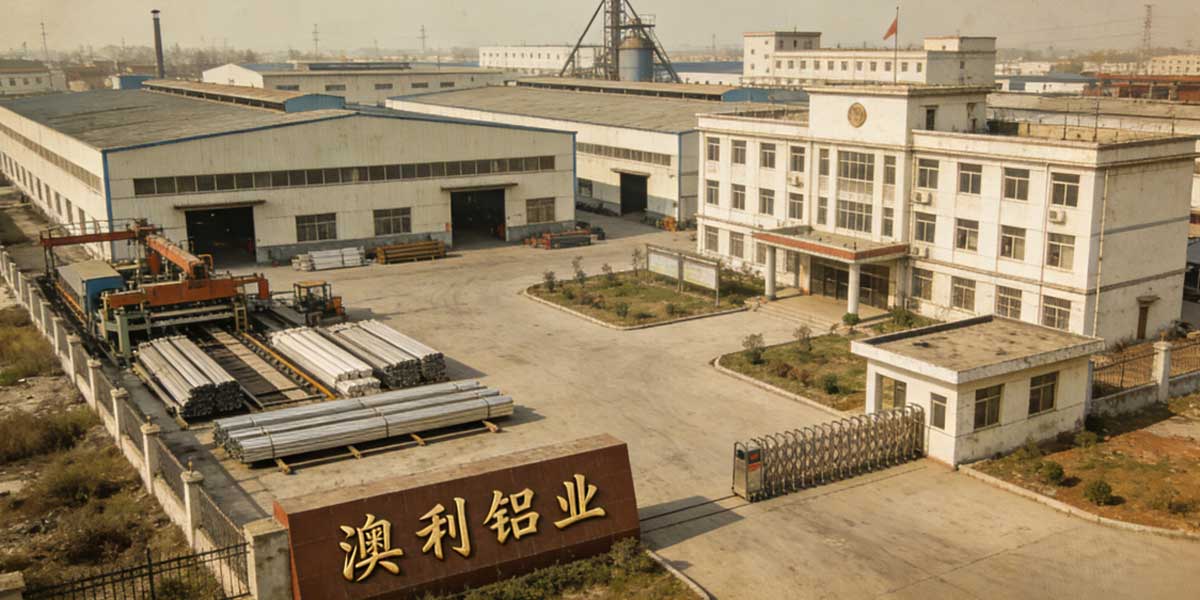
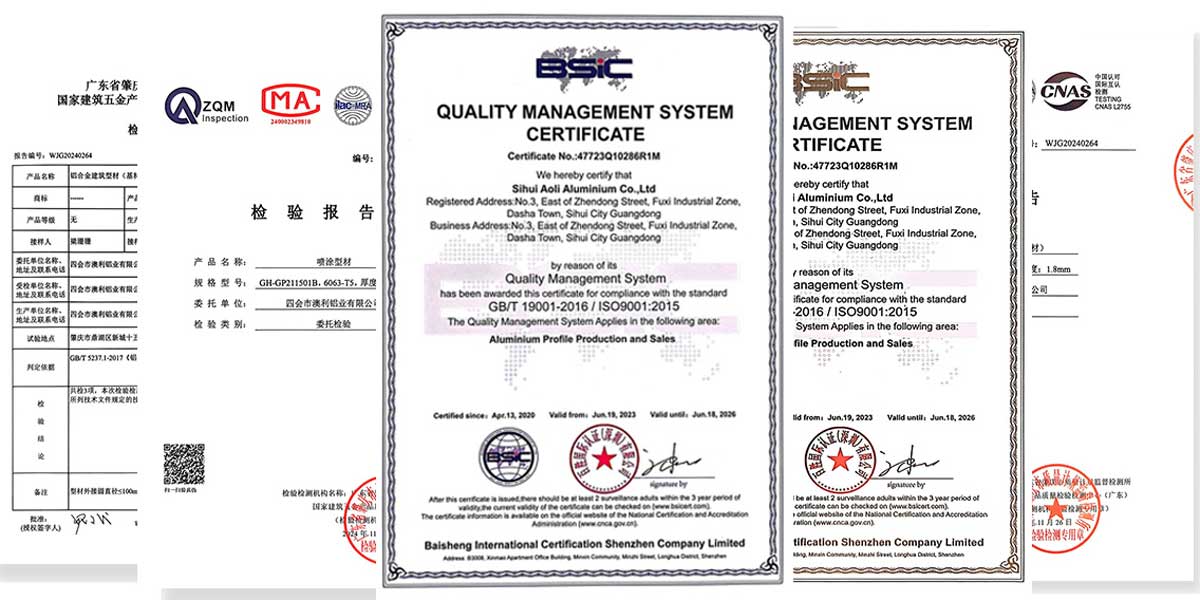
The factory obtained 13 utility patents and secured ISO 9001 certification. We focused on process refinements and quality control to enter international markets.
To meet increasing demand, we built a 100,000-square-meter facility, raising our output capacity to 100,000 tons per year.
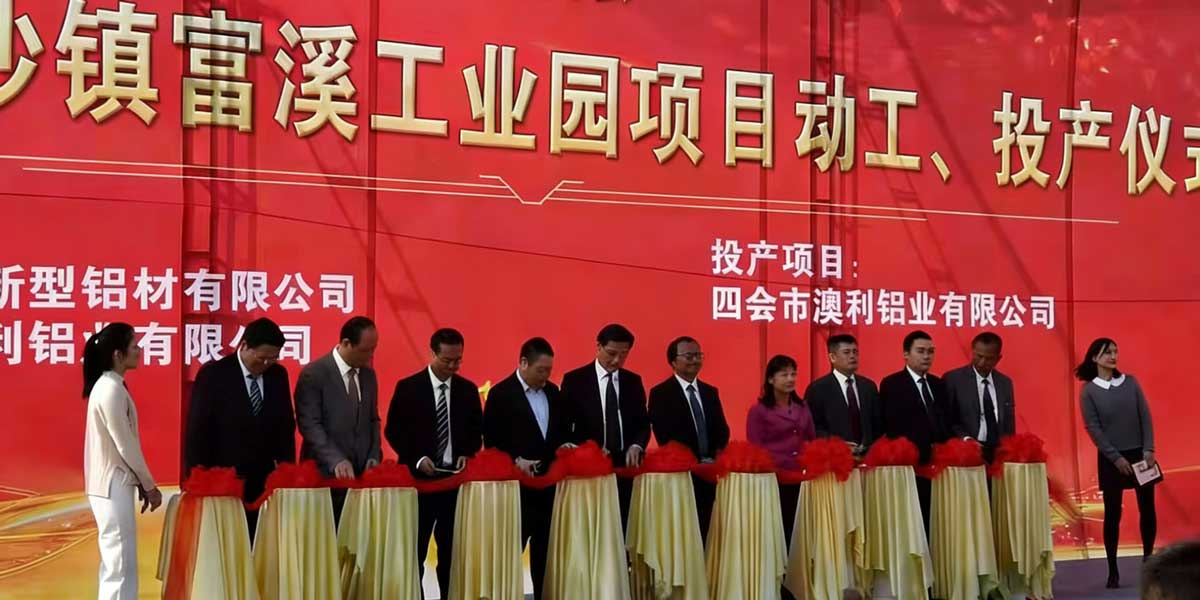
We opened a domestic sales branch in Foshan, and are establishing an overseas office in Malaysia to support projects throughout Southeast Asia.
To support global carbon reduction goals, Aoli Aluminum is updating its manufacturing processes. Our technical development focuses on three primary areas:
We are increasing the use of clean, post-industrial recycled aluminum in our extrusions. These recycled alloys require 95% less energy to process than primary ingots, helping clients meet environmental certification requirements (such as LEED and BREEAM) without sacrificing mechanical performance.
We are adopting advanced powder coatings that cure at lower temperatures (150°C to 160°C instead of 200°C). This reduction in oven energy usage lowers our production carbon footprint while maintaining coating adhesion and UV resistance.
We are testing heat-reflective powder formulations for building envelopes. These "cool pigments" reflect solar infrared radiation, reducing heat absorption in facade structures and lowering cooling loads in high-temperature regions.
Our standard powder coating thickness ranges between 60 and 80 microns, which is ideal for architectural and industrial uses. For severe coastal environments, high-pollution zones, or industrial applications, we can customize the thickness up to 120 microns to improve resistance to wear and weathering.
We use a multi-stage pretreatment process that includes chemical degreasing, acid etching to remove oxidation, and a chromate-free conversion coating. This chemical preparation creates a stable surface that ensures strong adhesion of the electrostatically applied powder during thermal curing.
We primarily use 6063-T5/T6 alloy for windows, doors, and curtain walls due to its excellent surface finish and formability. For structural or load-bearing applications like industrial frames, we use 6061-T6 or 6082-T6 alloys, which offer higher tensile and yield strengths.
Qualicoat Class 1 coatings are designed for typical atmospheric conditions, passing a 1-year Florida weathering test. Qualicoat Class 2 coatings use super-durable resins that pass a 3-year Florida test, providing superior UV resistance, gloss retention, and color stability in high-exposure locations.
Yes. Our engineering team designs and cuts custom extrusion dies to match client drawings. New tooling is typically completed within 7 to 10 days, followed by sample production and testing before full production begins.
To prevent scratches and damage, we apply protective PE film to the visible surfaces of the profiles. The profiles are then bundled, wrapped in heavy-duty kraft paper or shrink wrap, and packed in wooden crates or steel racks for secure transport.
Explore our technical profiles designed for specialized applications, including industrial assembly systems, electronics cooling, and heavy-duty structural frames.
We provide design support, custom tooling, and sample verification for global construction and industrial projects. Contact our engineering team today to review your drawings and request a quote.
Inquiry Now Aoli Aluminum