As global industries transition toward automated infrastructure, smart grids, and localized clean-energy storage, the protection of critical electronic subsystems in outdoor and harsh environments has become a core operational challenge.
Aluminum enclosures serve as the primary defensive barrier against water ingress, chemical pollution, and mechanical shocks. By leveraging the physical properties of extruded aluminum alloys—specifically 6063, 6061, and 6082—modern manufacturers can deliver structures that combine lightweight durability with robust protection, keeping internal hardware secure in temperatures ranging from -40°C to +120°C.
This technical whitepaper outlines the structural parameters of waterproof aluminum enclosures, the advantages of sourcing from Chinese industrial centers like Sihui and Foshan, and how integrated production processes ensure high performance across multiple industrial applications.
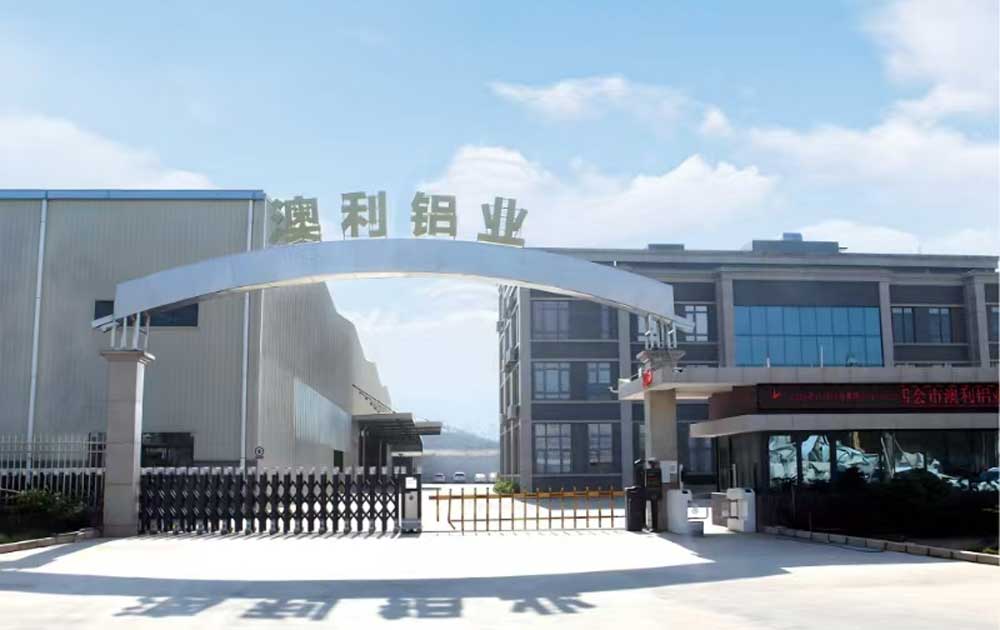
China's Guangdong province houses one of the most mature industrial clusters for aluminum extrusion and machining globally, offering unparalleled advantages in sourcing, custom tooling, and manufacturing speed.
From raw ingot casting and custom mold extrusion (ranging from 900 to 2,000 tons) to advanced CNC deep machining, every phase of production is handled in-house to reduce lead times and maintain quality control.
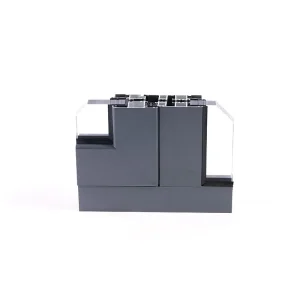
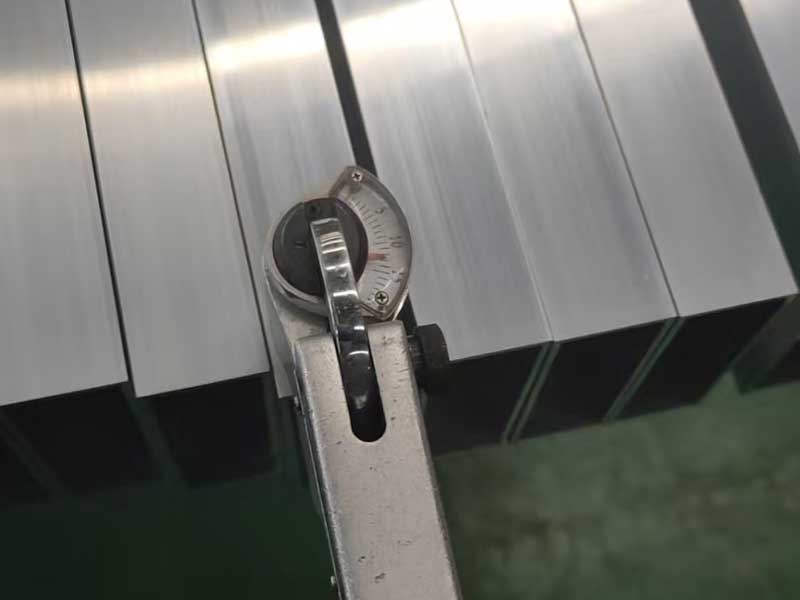
Using premium grades like 6063-T5 or 6061-T6, we manufacture enclosures with precise dimensional tolerances to fit gaskets and connectors cleanly, ensuring reliable sealing for sensitive equipment.
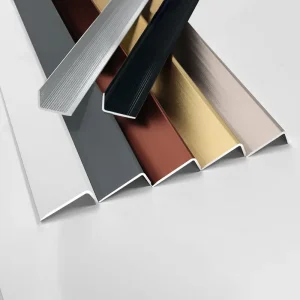
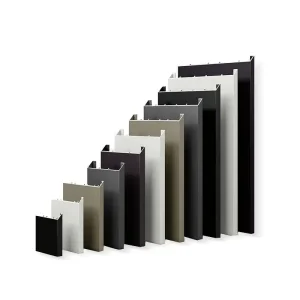
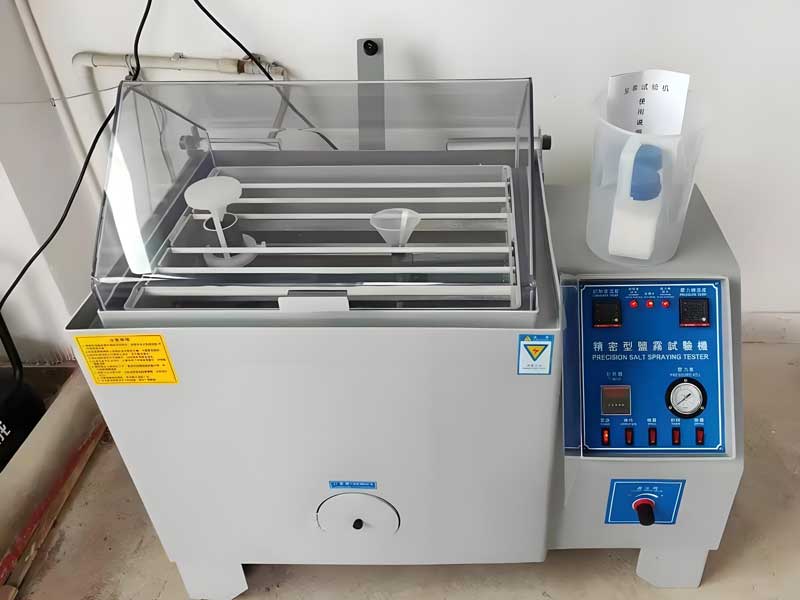
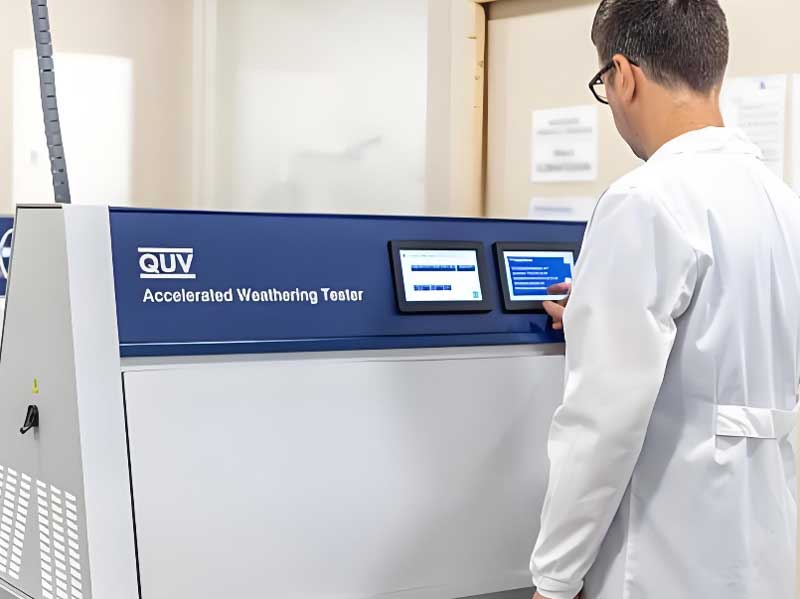
Our finishing options—including hard anodizing, PVDF coatings, and UV-resistant powder coats—help protect aluminum enclosures from environmental stressors like salt spray, UV rays, and corrosive air.
Sourcing directly from our specialized factory helps streamline the procurement process. Because the entire manufacturing lifecycle is managed in a single facility, custom revisions can be made and validated rapidly. This structure eliminates third-party markups, helps optimize material sourcing, and provides pricing that reflects actual engineering and production costs rather than intermediary trade margins.
Our brand, "Aolijie", reflects China's rapid development in industrial manufacturing and structural materials, establishing a presence that spans over a decade.
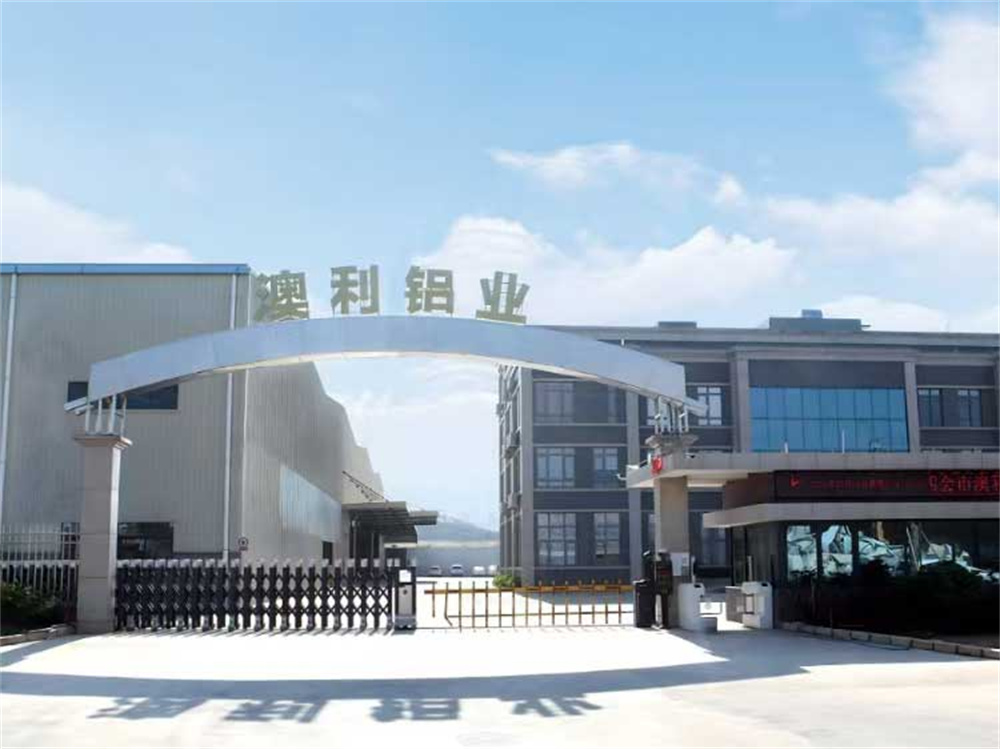
Our founder, Mr. Wong, established our first standard aluminum extrusion facility in Sihui City, Guangdong Province, spanning 10,000 square meters. The brand "Aolijie" was registered to represent leading industrial standards.
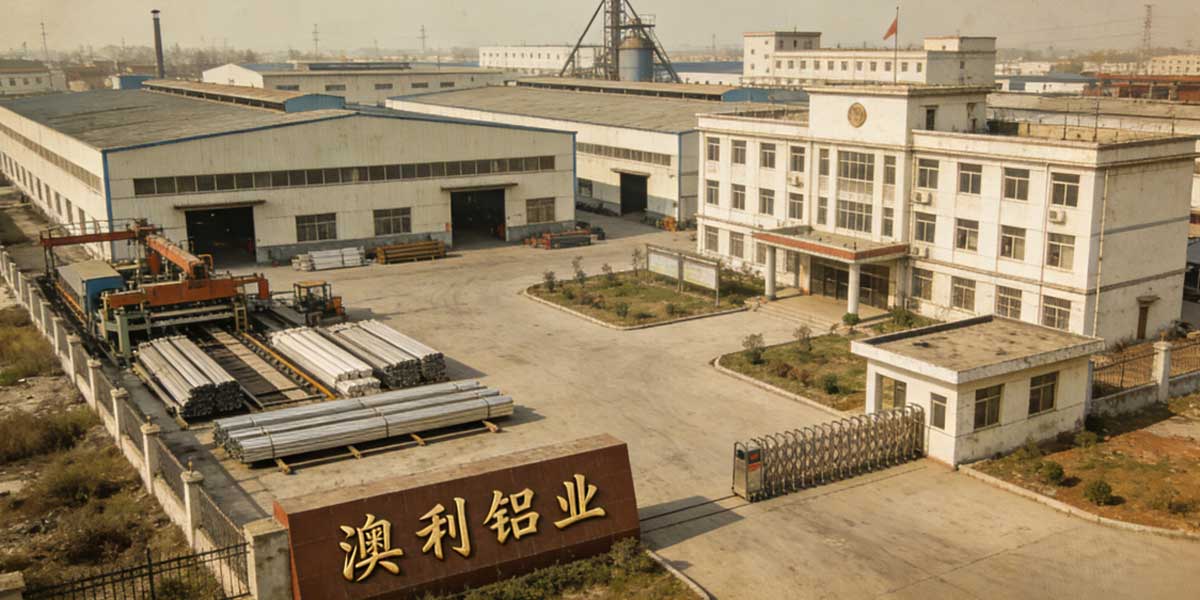
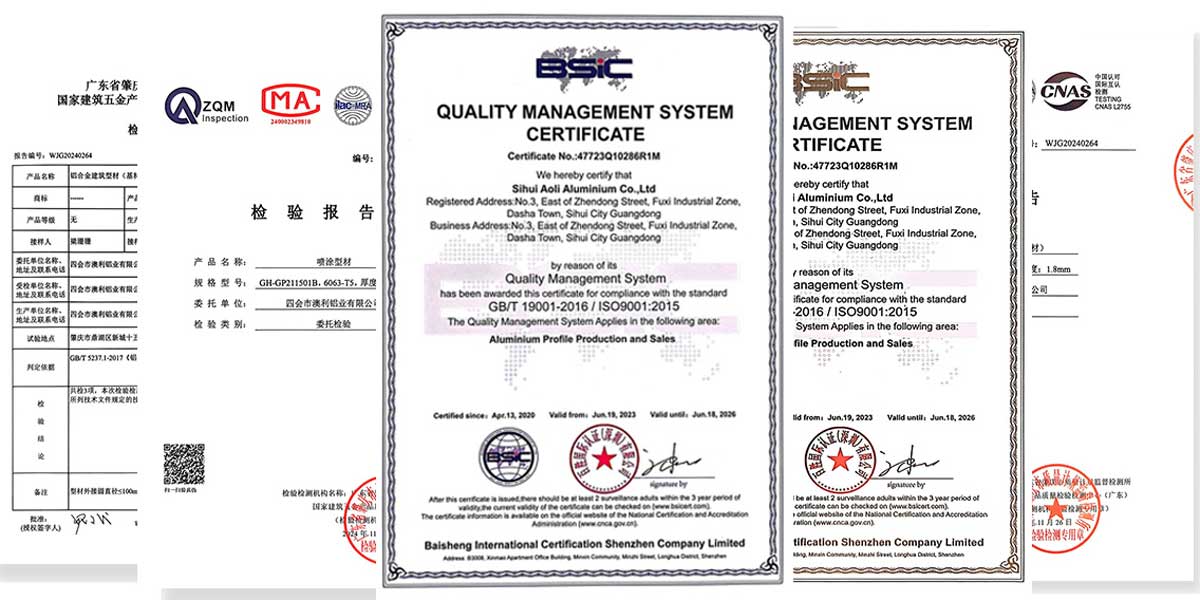
Focused on strict production management, we acquired 13 product patents and obtained ISO9001 certification. These steps established the groundwork for high-precision manufacturing of waterproof aluminum enclosures and industrial profiles.
To meet growing domestic and international demand, we invested in a 100,000 square meter production facility. This expansion raised our annual output capacity to 100,000 tons and broadened our catalog to over 100 series.
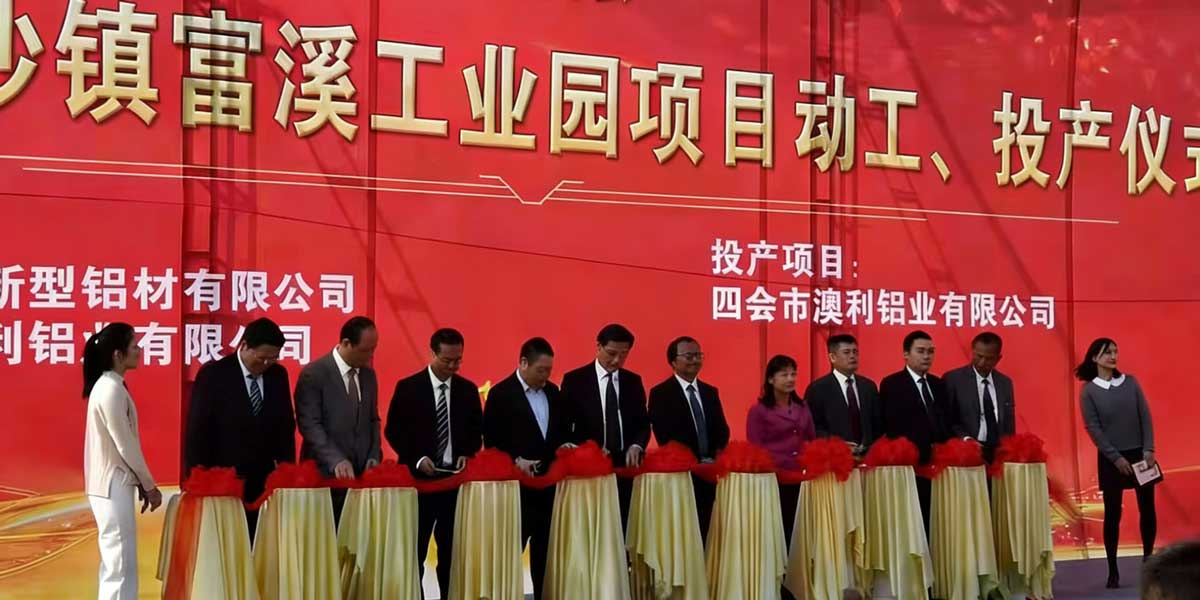
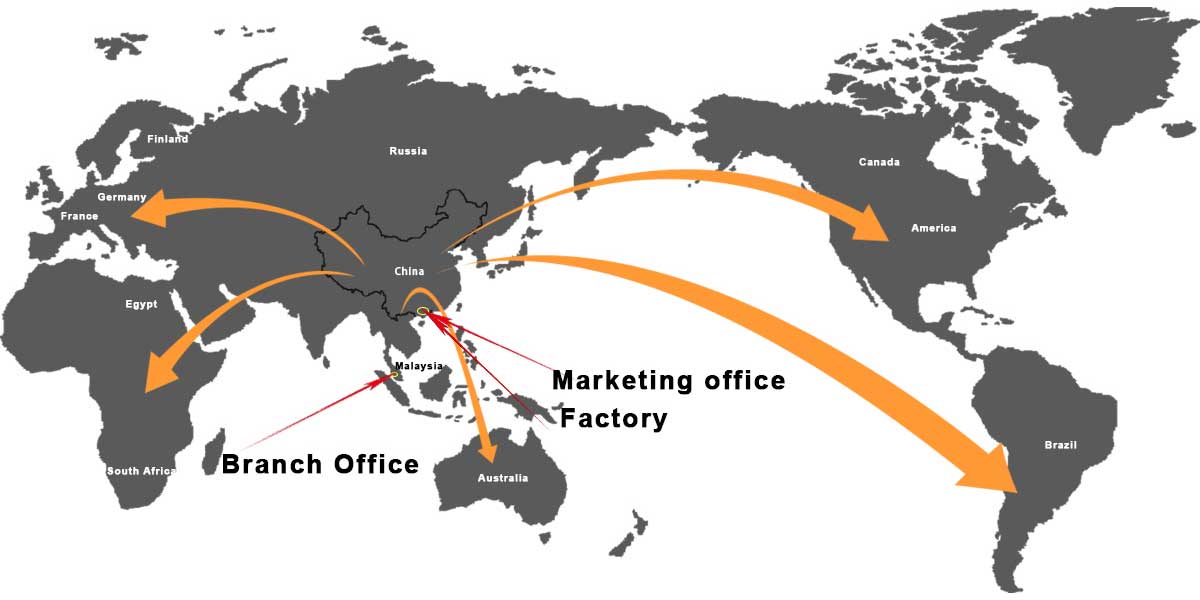
Following the establishment of our Foshan business branch in 2024, Aolijie is extending its logistics network with plans to launch our Malaysia regional support office in 2026 to better serve international clients.
Waterproof aluminum enclosures protect sensitive components by sealing them against dust, water, and environmental hazards. This protection is evaluated using standardized Ingress Protection (IP) ratings.
These enclosures are designed to block windblown dust and withstand pressurized water jets from any direction. They are commonly used for external wall mount boxes, junction housings in solar installations, and traffic control enclosures. Liquid polyurethane gaskets are directly dispensed onto the cover channel, curing to form a continuous seal that resists compressing over time.
For applications where equipment may be submerged in water (such as marine systems or underground utility vaults), IP67/IP68 enclosures are tested to prevent water ingress during continuous submersion. Achieving this level of protection requires precise CNC-milled tongue-and-groove joints, high-grade fluorosilicone gaskets, and multi-point secure fastening systems.
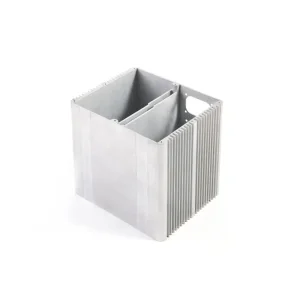
Unlike plastic enclosures, aluminum has high natural thermal conductivity (approx. 200 W/m·K). We design enclosures with integrated external heatsink fins to help dissipate heat from internal power electronics, batteries, or computing boards, reducing the need for active cooling systems that could compromise the seal.
Aluminum is naturally conductive, which helps block electromagnetic interference (EMI) and radio frequency interference (RFI). By applying specialized conductive gaskets and leaving sealing surfaces unpainted, the enclosure functions as a Faraday cage to protect internal electronics from signal disruptions.
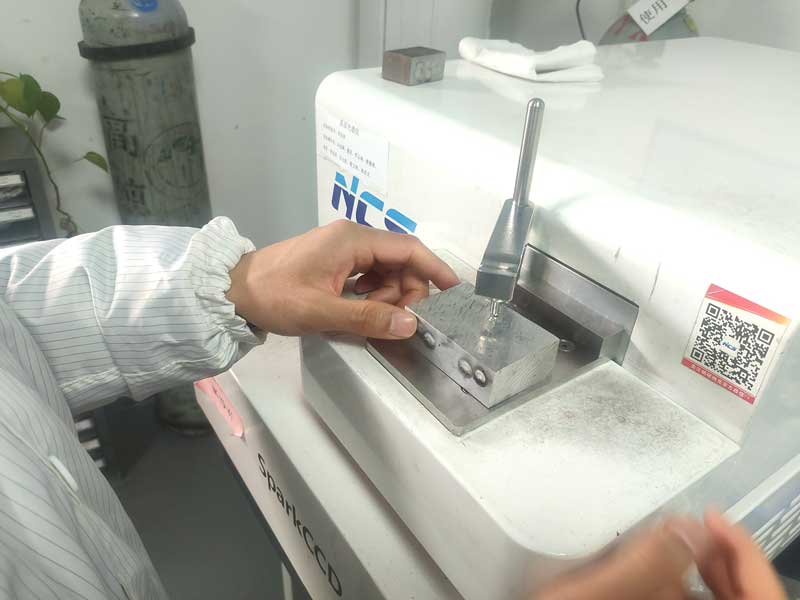
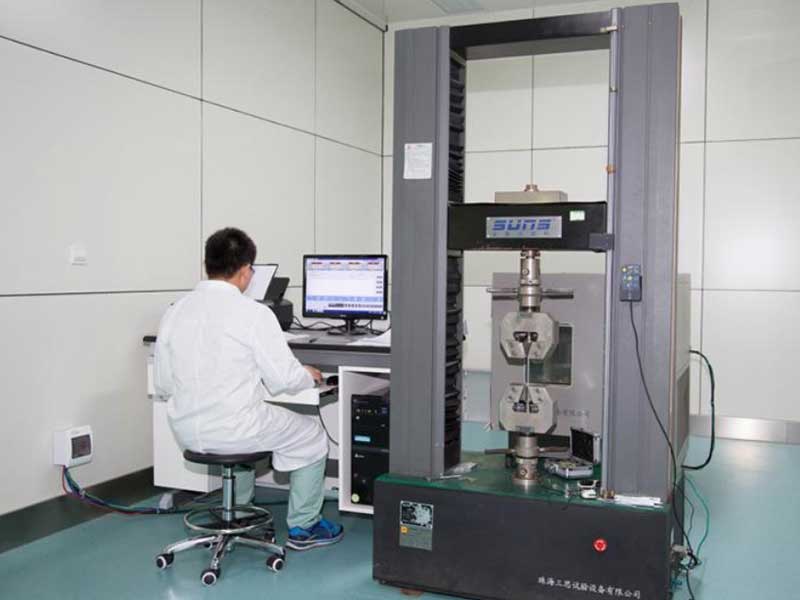
Every production batch undergoes 100% visual inspection and random AQL spot checks (ISO 2859 / ANSI/ASQ Z1.4) to verify that material strength, dimensional accuracy, and sealing performance match our technical specifications.
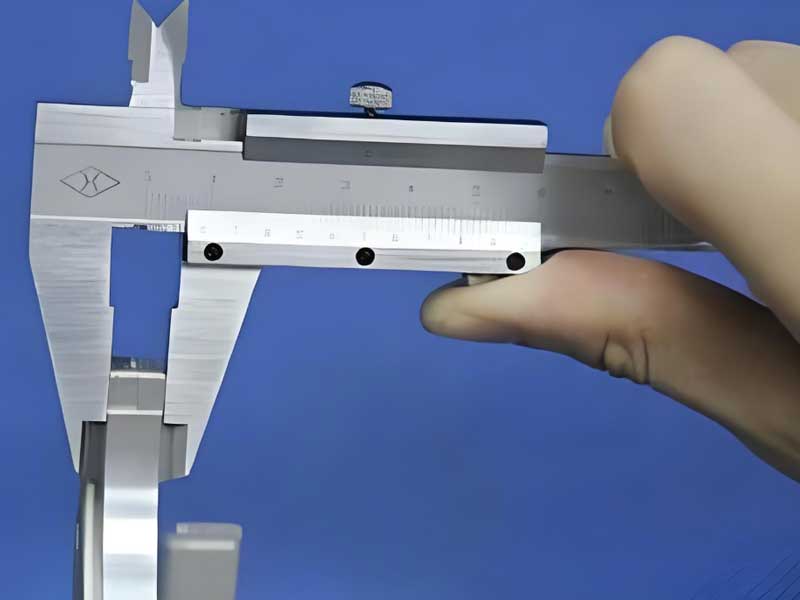
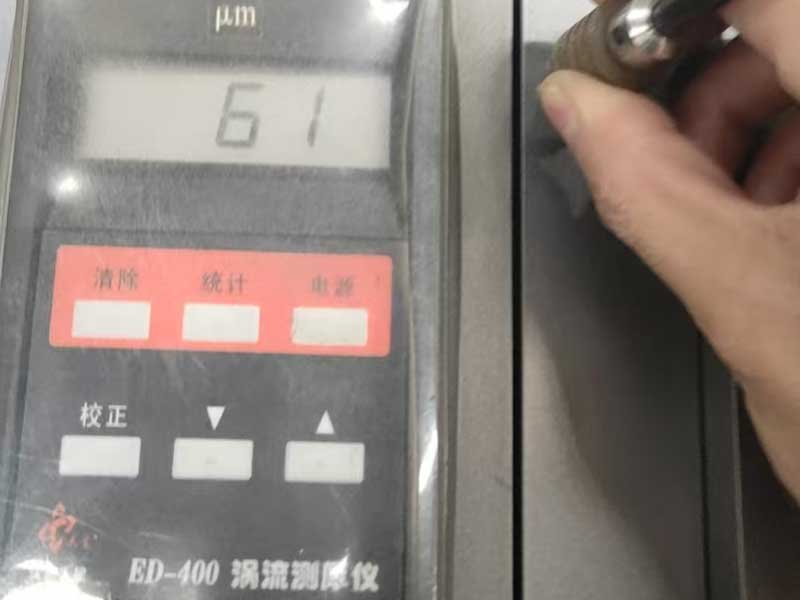
Our aluminum enclosures and profile systems are deployed globally to protect electronics in heavy industry, green technology, and infrastructure projects.
Robust structural cases protect EV battery packs and outdoor charging stations. Built to absorb mechanical impacts and withstand weather elements, they keep power electronics and battery systems running safely.
Outdoor telecommunication systems require protection from wind, rain, and solar heating. Our enclosures use integrated heatsinks and weather-resistant seals to shield delicate RF transmitters and IoT sensors.
In factory environments, enclosures protect controller boards, power supplies, and sensors from oil splashes, metal filings, and ambient heat, ensuring uninterrupted automated assembly lines.
When evaluating suppliers for large-scale industrial projects, procurement teams can use this checklist to help ensure the components match their engineering requirements:
Confirm that the factory uses verified 6063, 6061, or 6082 aluminum ingots. Ask for chemical analysis reports to ensure the alloy composition matches the design specifications.
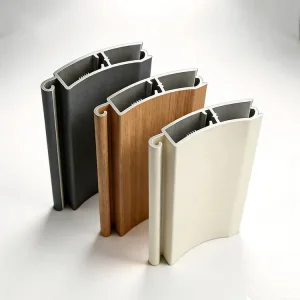
Check that the factory can manage custom profiles. In-house mold fabrication helps lower costs, speeds up prototyping, and gives better control over final dimensions.
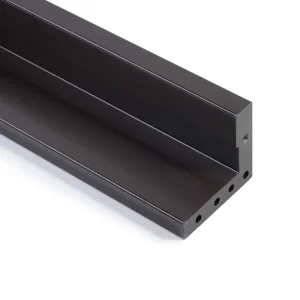
Ensure the supplier has multi-axis CNC machines to handle required cutouts, threaded holes, and milling operations without needing to outsource to secondary shops.
Review the factory's quality management system (ISO 9001, RoHS, CE) and check their inspection protocols, including salt spray testing and dimensions reports.
Detailed answers to common technical and logistical questions about waterproof aluminum enclosures.
Contact our engineering support team to discuss your project requirements, request a material sample, or get a quotation for custom extrusion molds.
 Aoli Aluminum